What to Know Before Buying a Replacement Door Here in Savage
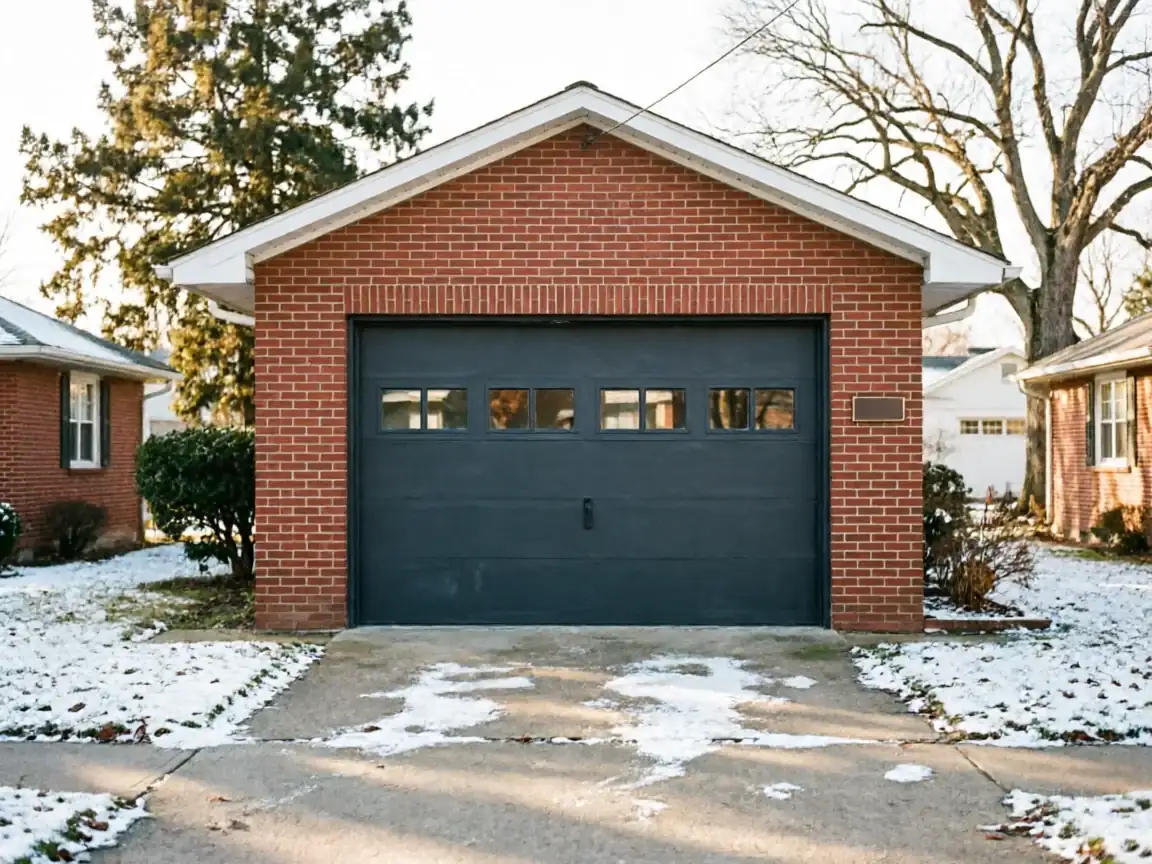
Buying a replacement door here in Savage, MN means matching 1960s-70s and newer housing stock to a cold-climate door that actually holds up through winter.
Savage sits in a cold, moderate climate band, which means the door on your garage deals with real freeze-thaw cycling every winter, not just a cold snap or two. Steel panels contract in January and expand again in a March thaw, and over enough years that cycle works on seams, weatherstripping, and the bottom seal first. If your house was built in the 1960s or 70s stock common across this area, the original door - if it's still there - was never built with today's insulation standards in mind. Non-insulated panels let cold transfer straight through to an attached garage, which matters more here than in a mild climate because the swing between a summer afternoon and a February morning is wide. When you're buying a replacement door here, the climate band is the first filter: you want a door rated for that swing, not a door picked off a showroom floor because it looked good. Thickness and R-value matter more than color or window style once you've narrowed that down. This isn't a reason to panic about an older door - plenty of them are still structurally sound - but it is a reason to ask what you're actually replacing it with before you sign anything.
The Problem
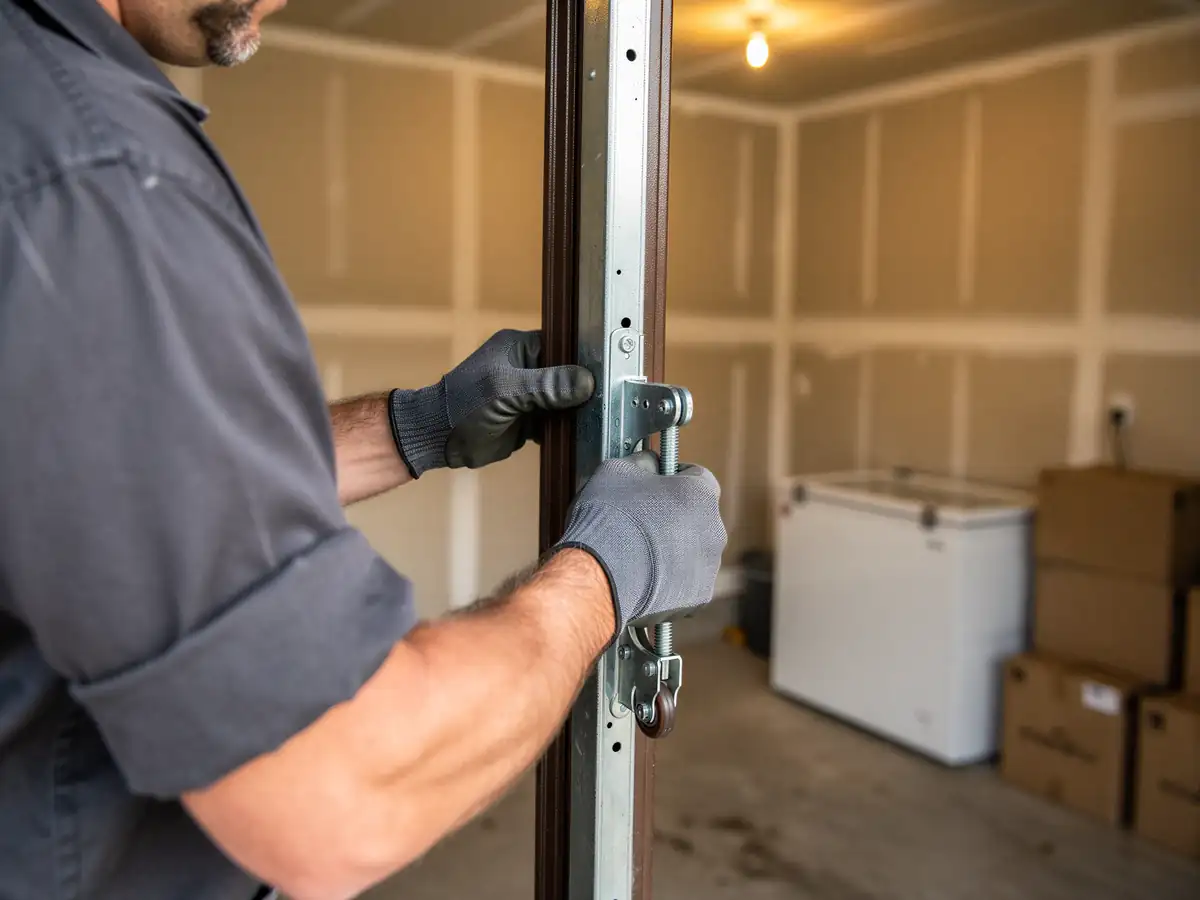
Across the area, housing runs from 1956 to 2005 with a median build year around 1975, and most of what's out there is 1960s-70s stock. That means a lot of garages were framed for a door size and track style that doesn't match what manufacturers build standard today. We run into openings that are slightly narrower than current stock sizes, or track setups designed around hardware that isn't made anymore. The problem isn't that these doors are bad - it's that replacing one isn't always a drop-in swap. Sometimes the jamb needs shimming, sometimes the track spacing has to change, and sometimes the opener bracket from 1978 just doesn't bolt to a 2024 door. We won't pretend every job is simple because the house is older. If your opening is non-standard, expect the quote to reflect that extra framing or hardware work, not just the door itself.
When to Get Help
If your door is original to a house built in that 1956-2005 window and you're seeing daylight around the edges, rust at the bottom panel, or a seal that's gone stiff and cracked, that's worth a look before you commit to a full replacement. Sometimes it's the weatherstripping and not the door. But if the panels are dented, the insulation (if there ever was any) has separated from the steel, or the door is visibly out of square in the opening, repair is throwing money at something that's going to need replacing within a year or two anyway. With a median household income around $108,611 across the service area and tens of thousands of owner-occupied houses in this market, most homeowners here are weighing a real investment, not a quick patch - so get a straight answer on whether you're looking at a repair or a replacement before work starts, not after.
What Changes With the Season
Buying in late fall or winter here means you're installing into cold-soaked steel and a garage that may already be losing heat through the old door - so an insulated replacement pays off faster if you make the switch before the hardest months hit. Buying in spring or summer means better working conditions for the install itself, but it also means you've lived through another winter on a door that was already failing. Given the cold-moderate climate band this area sits in, timing isn't just about convenience. A door ordered in November may also run into longer lead times than one ordered in June, simply because more households are replacing failing doors right before winter. There's no perfect month, but knowing the climate pattern here helps you decide whether to wait for better pricing or move now because the one you have won't make it through another freeze-thaw cycle.
How it works
From “it’s stuck” to “it’s fixed”
01
Tell us what’s wrong
Describe the symptom - won’t open, loud bang, opener runs but the door won’t move.
02
On-site diagnosis
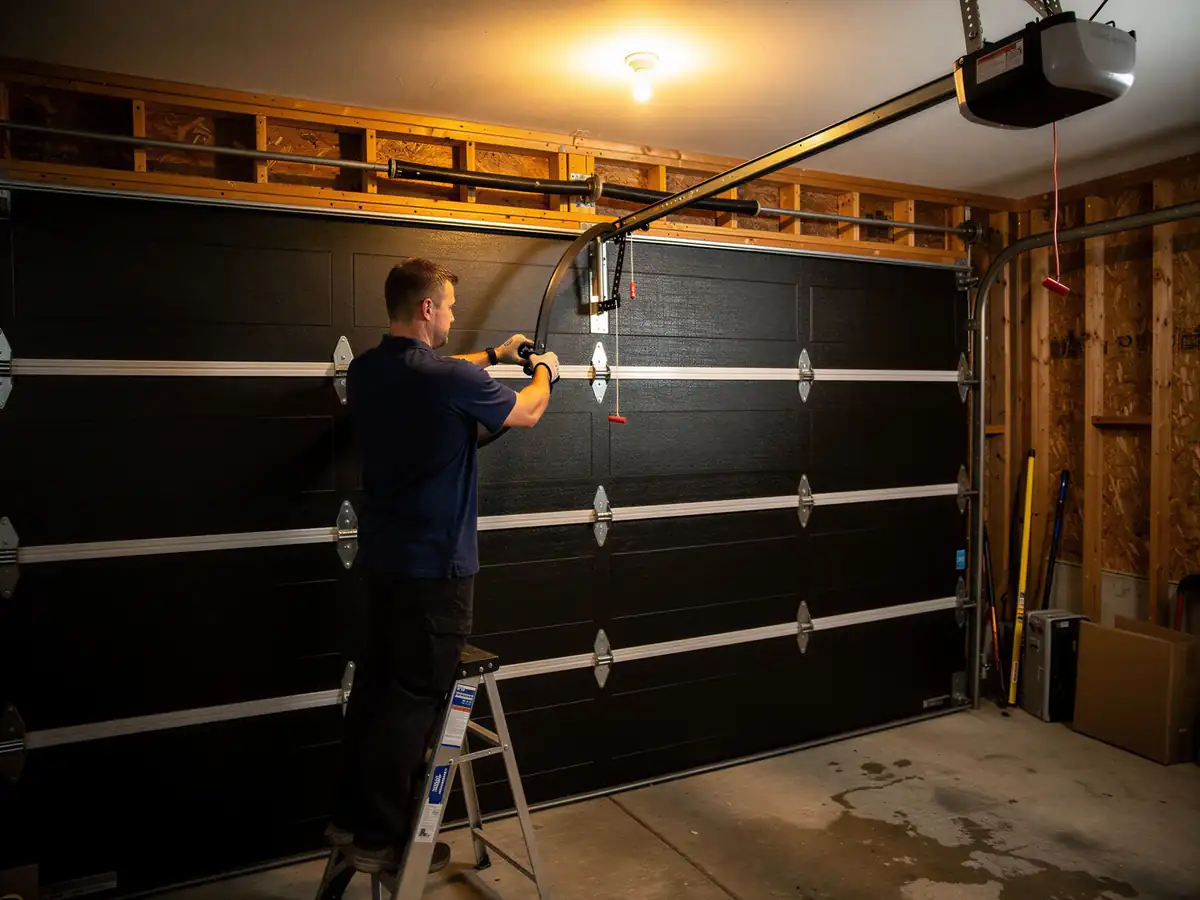
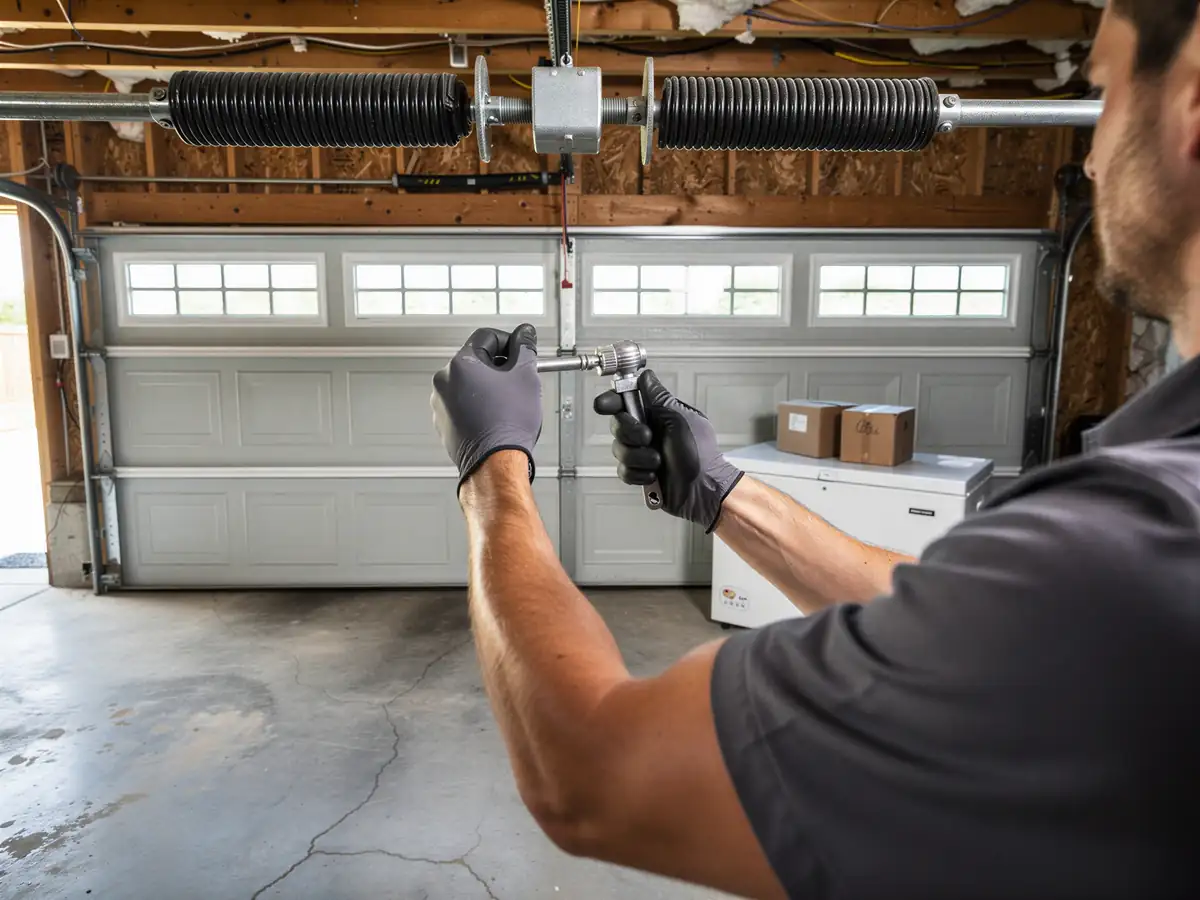
A technician tests the door under power and by hand and finds what actually failed.
03
Clear, up-front plan
You get the fix that’s needed and what drives the cost - before any work starts.
04
Repaired & tested
The repair is done, the door is set true and tested, and the work area left clean.
Not sure which repair your door needs in Savage, MN? Describe what it’s doing - every job starts with a diagnosis.
How do I know if my garage door is original to my house?
If your house falls in the 1956-2005 build range common across this area, check the track hardware and panel style - older one-piece or early sectional doors often have visible wear patterns, non-insulated steel, and hardware brands that aren't sold anymore. We can tell you what you're looking at during a visit.
Will a new door fit my old opening without changes?
Not always. A lot of the 1960s-70s housing stock here has openings or track spacing that doesn't match current standard sizes, so some jobs need extra framing or bracket work. We'll tell you upfront if your opening needs modification before quoting the door itself.
Does an insulated door actually matter in this climate?
In a cold-moderate climate band like this one, yes - an insulated door cuts down how much cold transfers into an attached garage during winter freeze-thaw cycles. If your garage shares a wall with living space, the difference is more noticeable than people expect.
Is it better to repair or replace an older door?
If the steel is dented, insulation has separated, or the door sits out of square in the frame, repair is usually a short-term fix. If it's just weatherstripping or a seal, that's often worth repairing first before paying for a full replacement.
Ready to get your garage door sorted?
Tell us what it’s doing and where you are in Savage - we’ll take it from there.