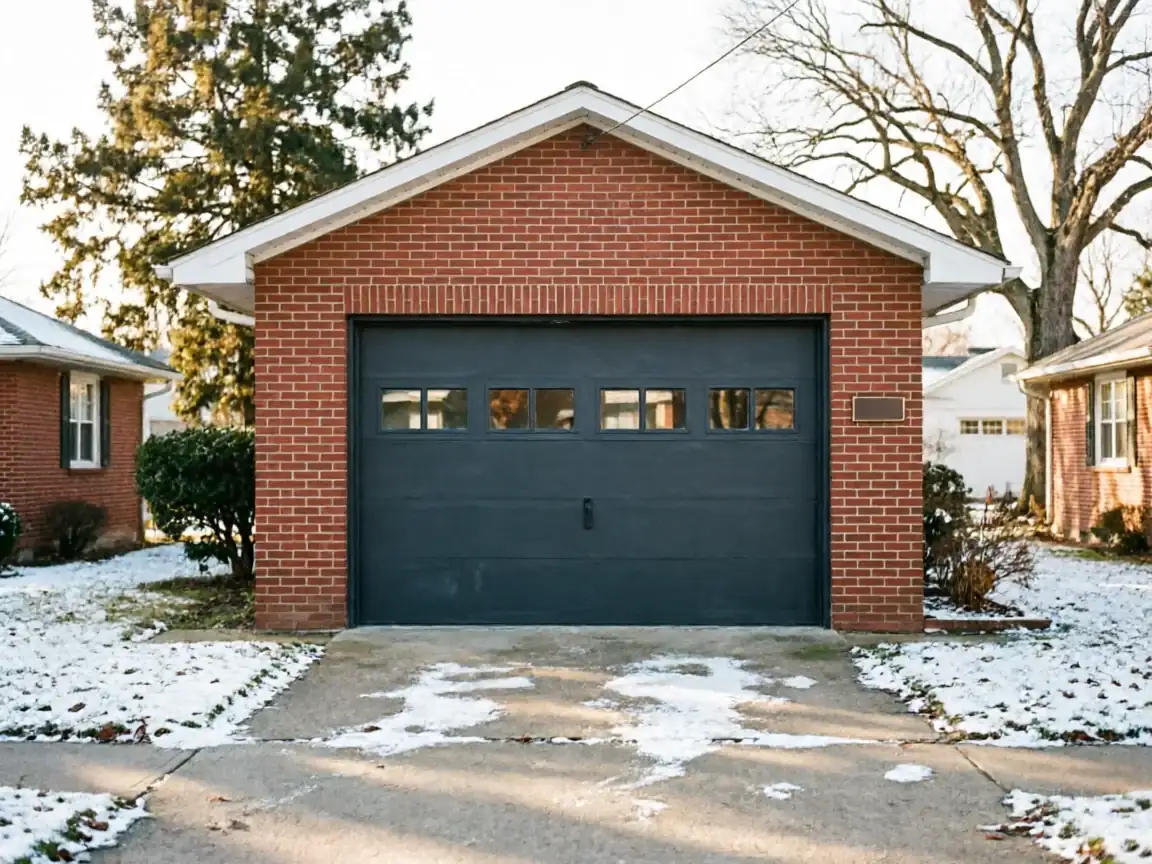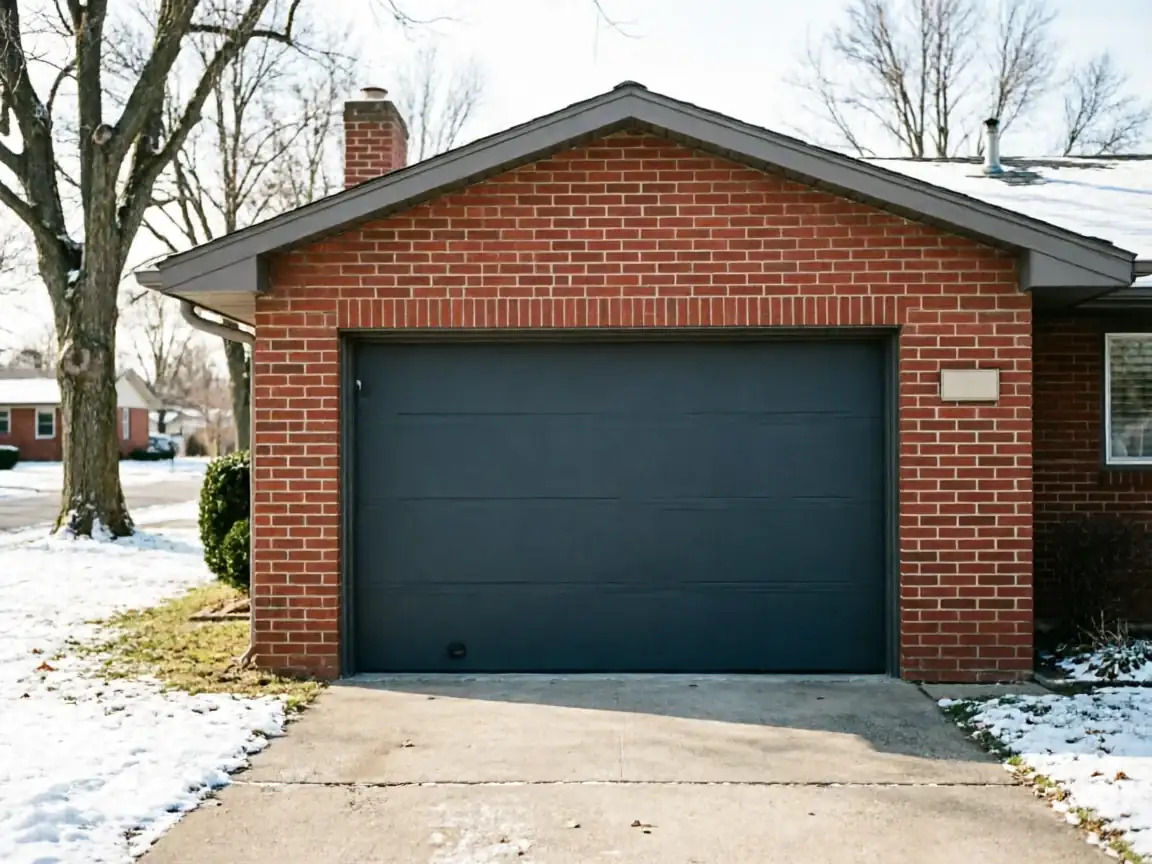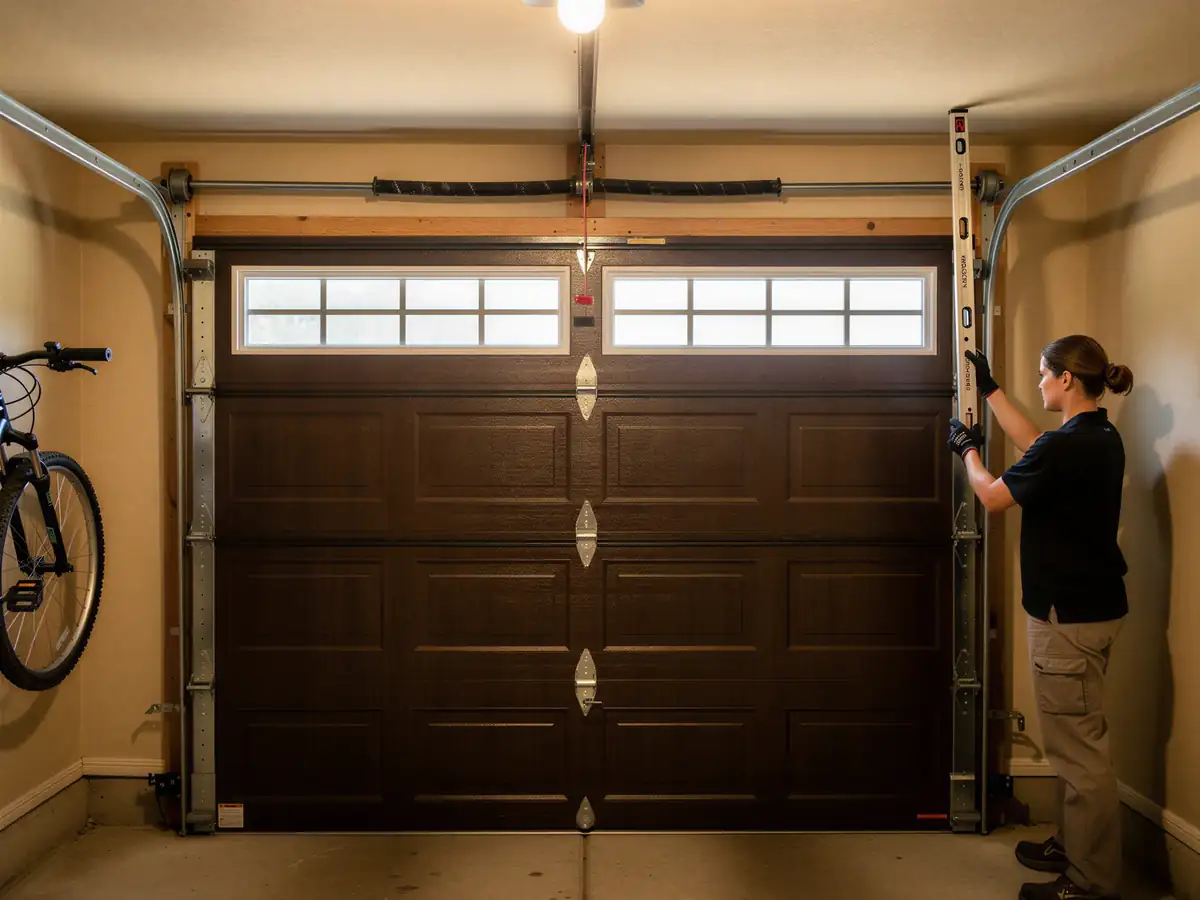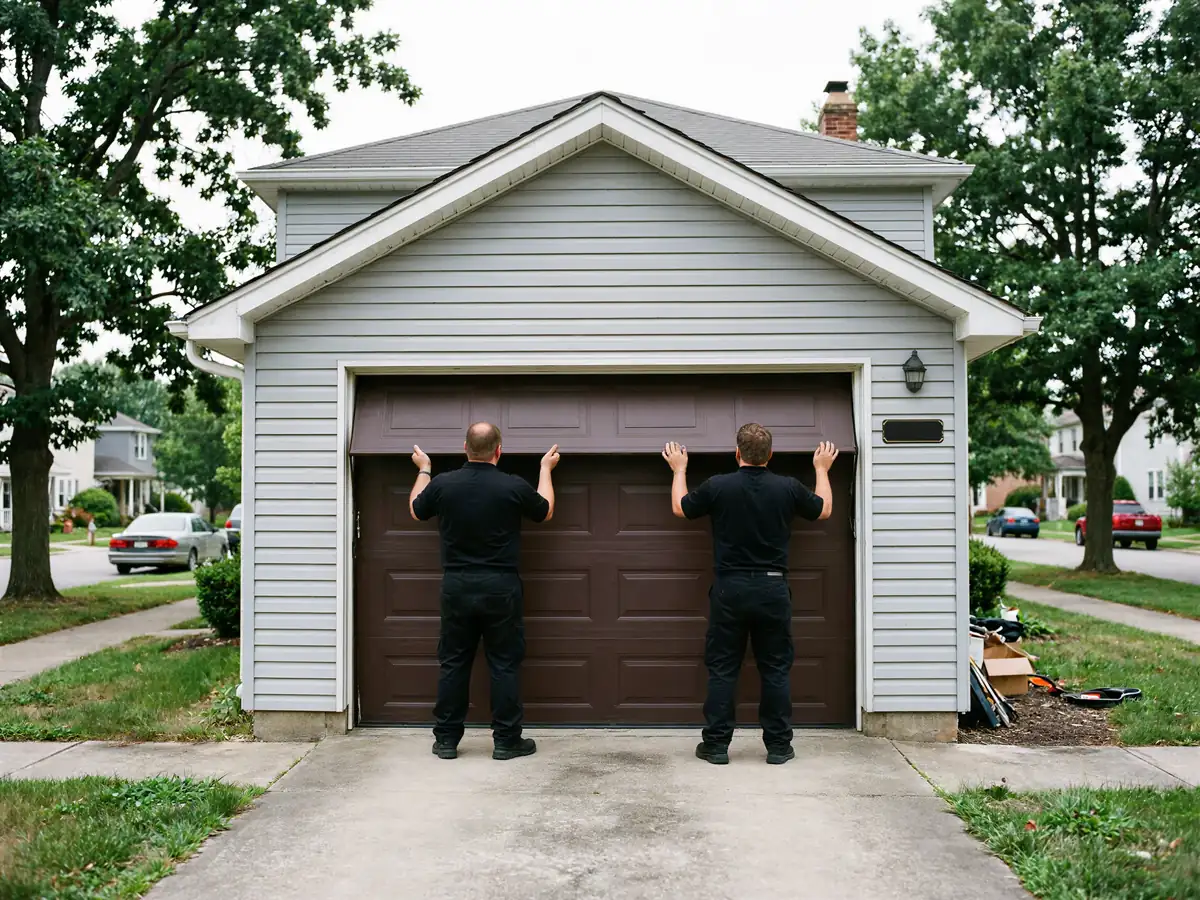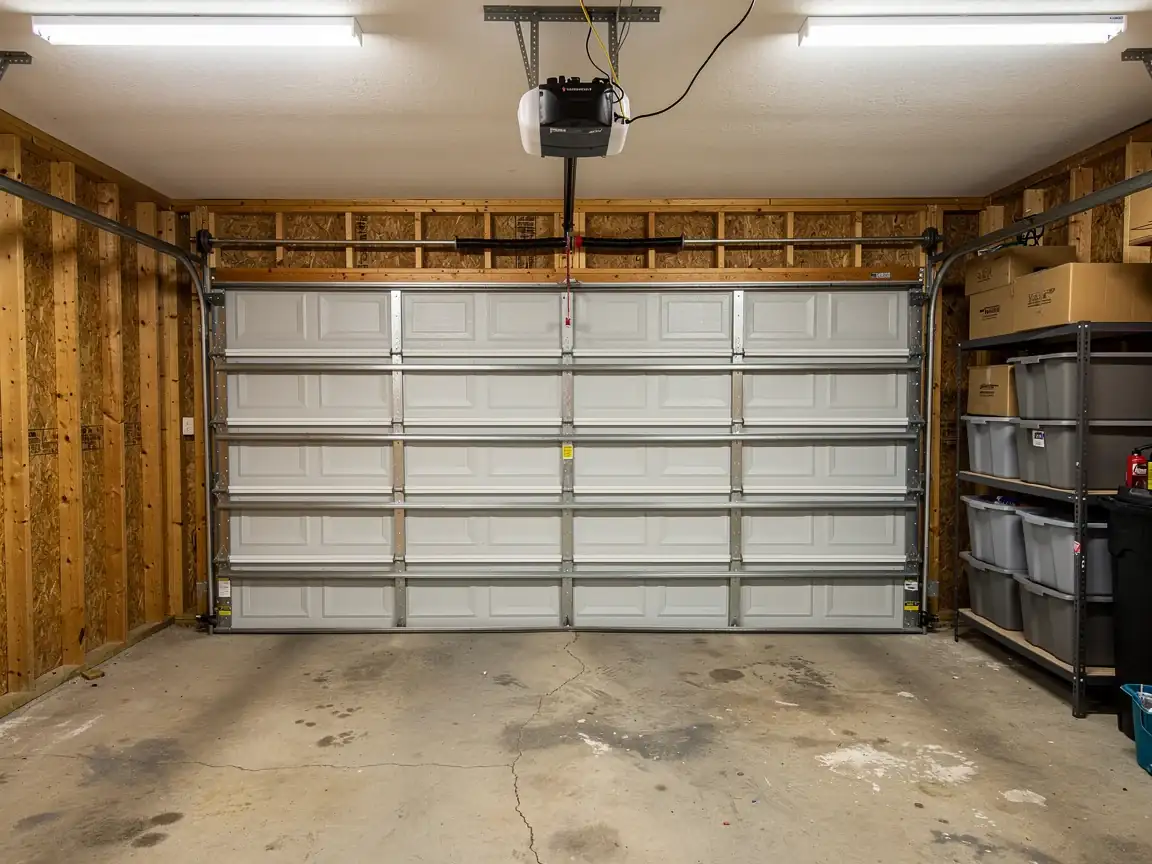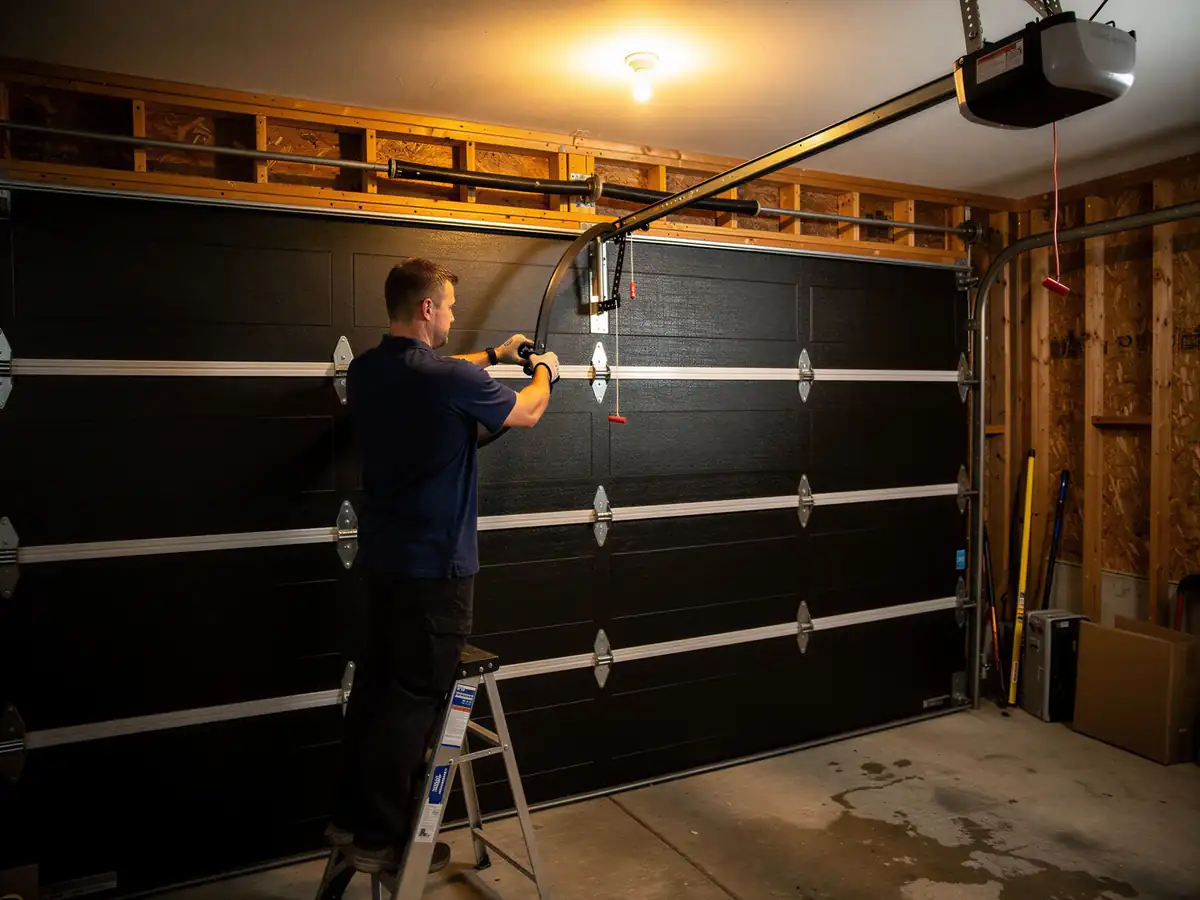
What You Are Seeing
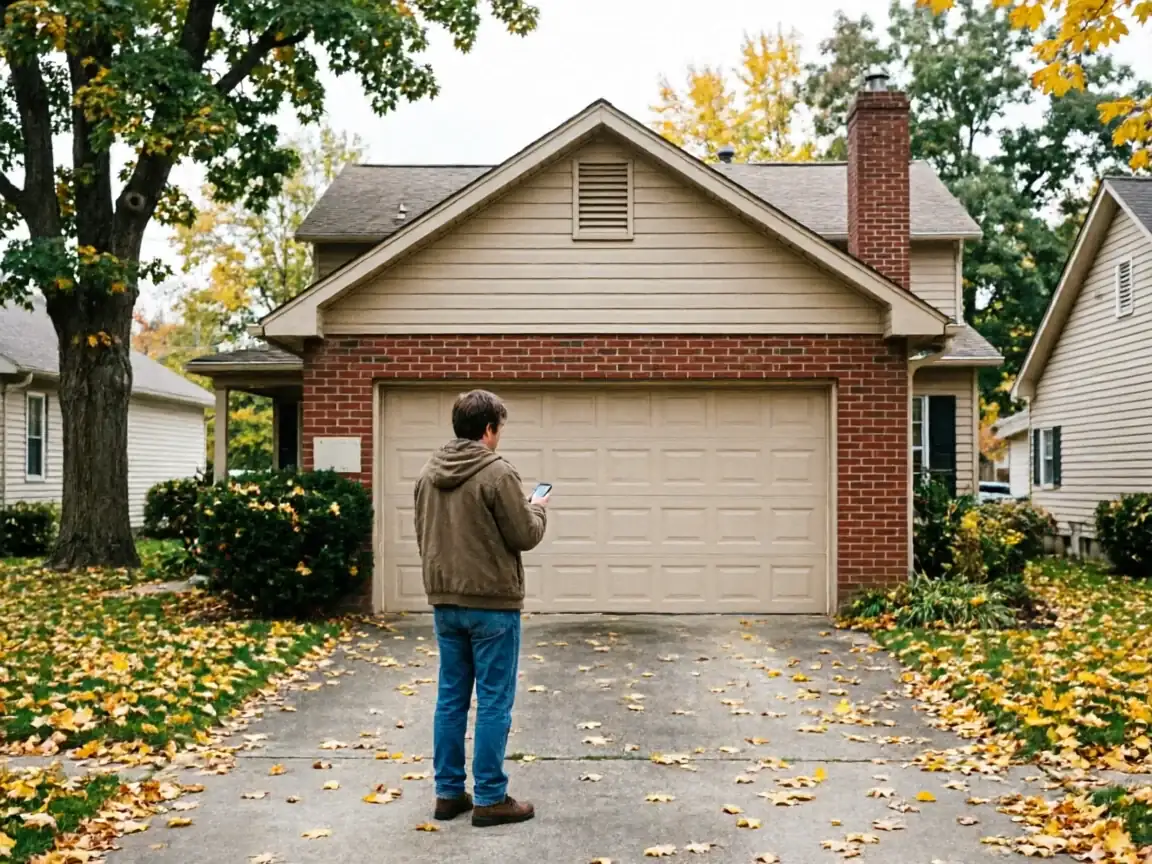
Most of what brings an owner out to the garage on a Saturday morning starts small
A door that used to glide now hesitates a few inches off the floor. The opener grinds before it catches. A spring that was quiet last fall groans every time it lifts. None of this is dramatic yet, which is exactly why it gets ignored.
In a service area where housing runs from 1956 up through 2005
With most of the stock dating to the 1960s and '70s across the 31 named areas we work in, a lot of doors are carrying original or near-original hardware. Rollers that were fine for twenty years start chattering in their tracks. Hinges loosen at the pivot points. Cable drums wear a groove that lets the cable ride wrong. None of these are repair-level failures on their own - they're maintenance-level wear that, left alone, turns into repair-level failures.
The tell you want to pay attention to is noise that changes
A door that gets louder, or louder on one side than the other, is telling you something is drifting out of adjustment before it breaks outright.
How Long You Are Without the Door
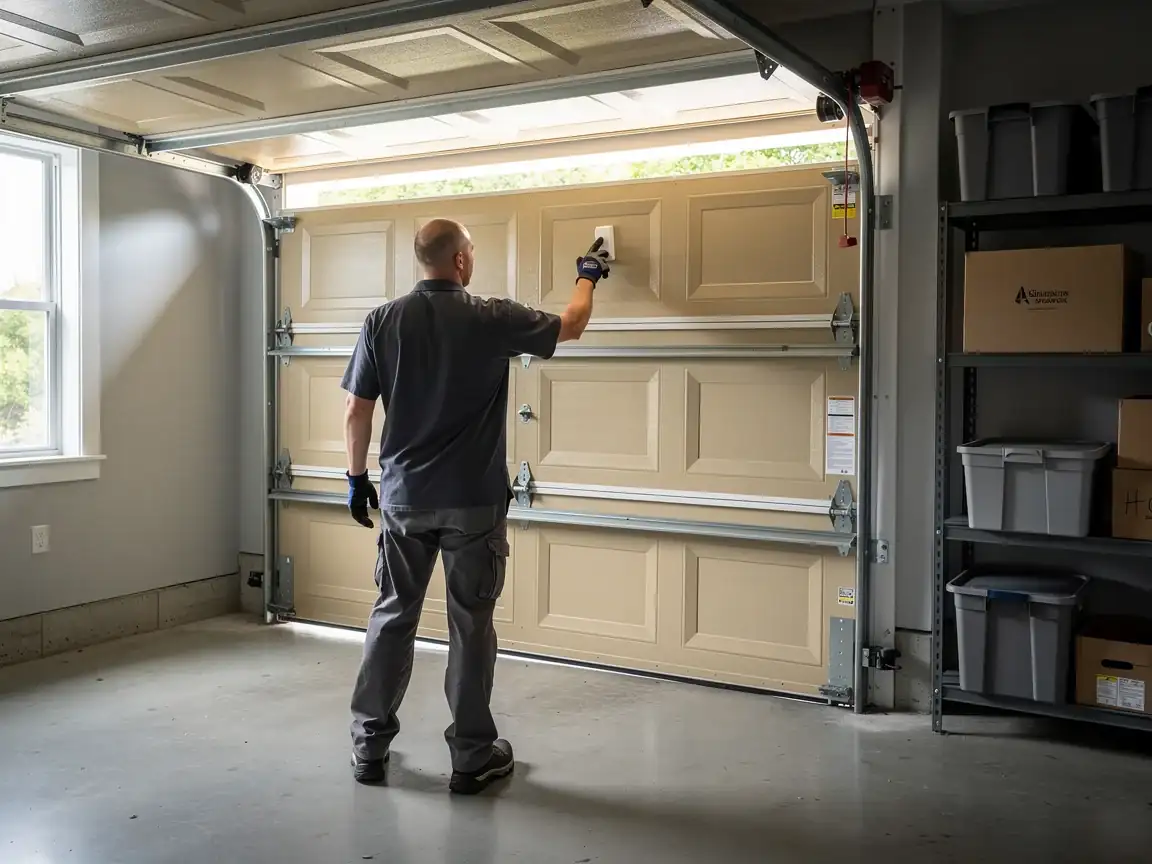
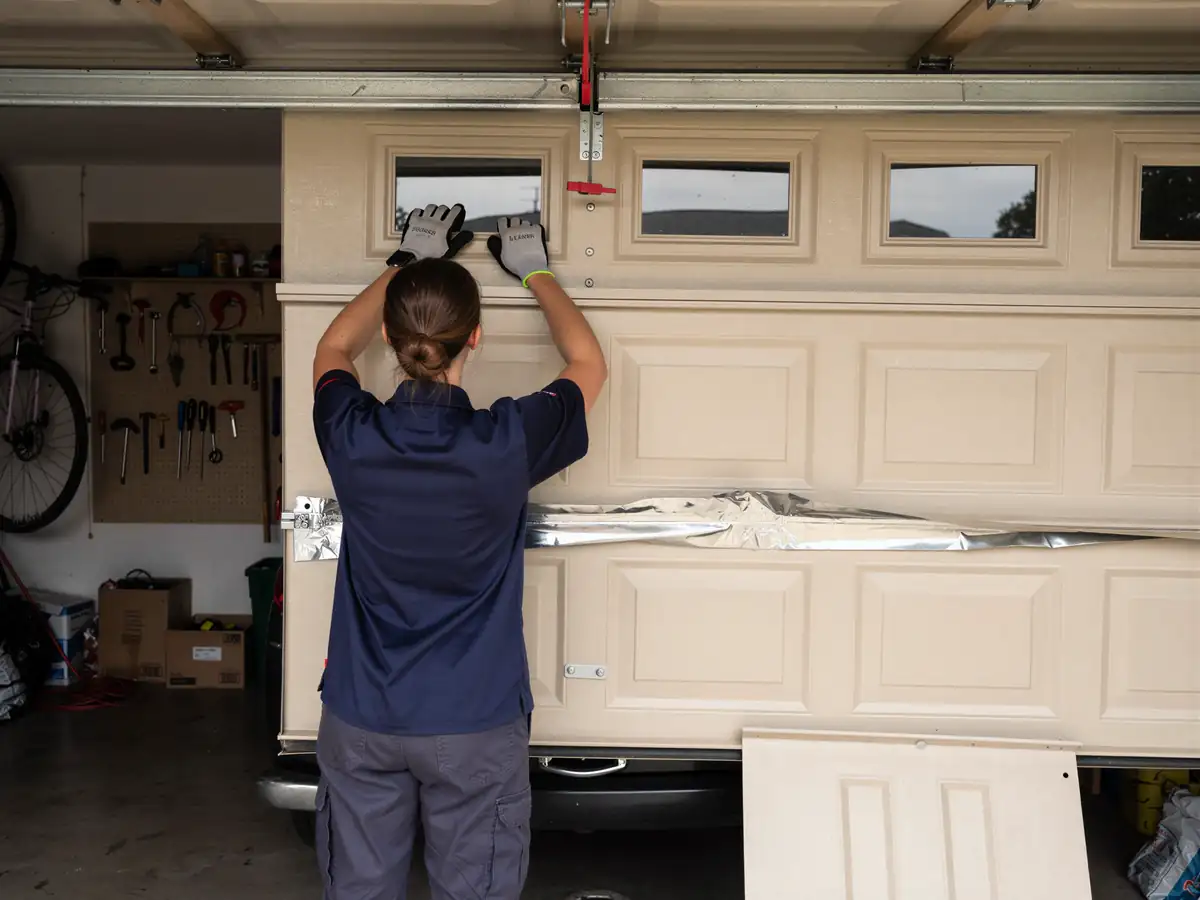
Maintenance, done on schedule, doesn't take your door out of service at all. That's the point of it - you're not waiting for the thing to fail and then losing the door for a day while parts get sourced. A tune-up visit is in and out the same morning, door open and closing normally when the truck leaves.
Here's the honest limitation: maintenance catches wear before it becomes a breakdown, but it doesn't reset the clock on hardware that's already near the end of its life. If a spring is close to its cycle count or a cable is already frayed, a tune-up will tell you that, but it won't fix it - that's a repair, booked separately, and it may mean the door is down for part of a day while the part gets swapped.
So the honest answer is two different numbers. The maintenance visit itself costs you no downtime. What it's for is making sure you don't end up needing the kind of repair that does.
What the Repair Takes
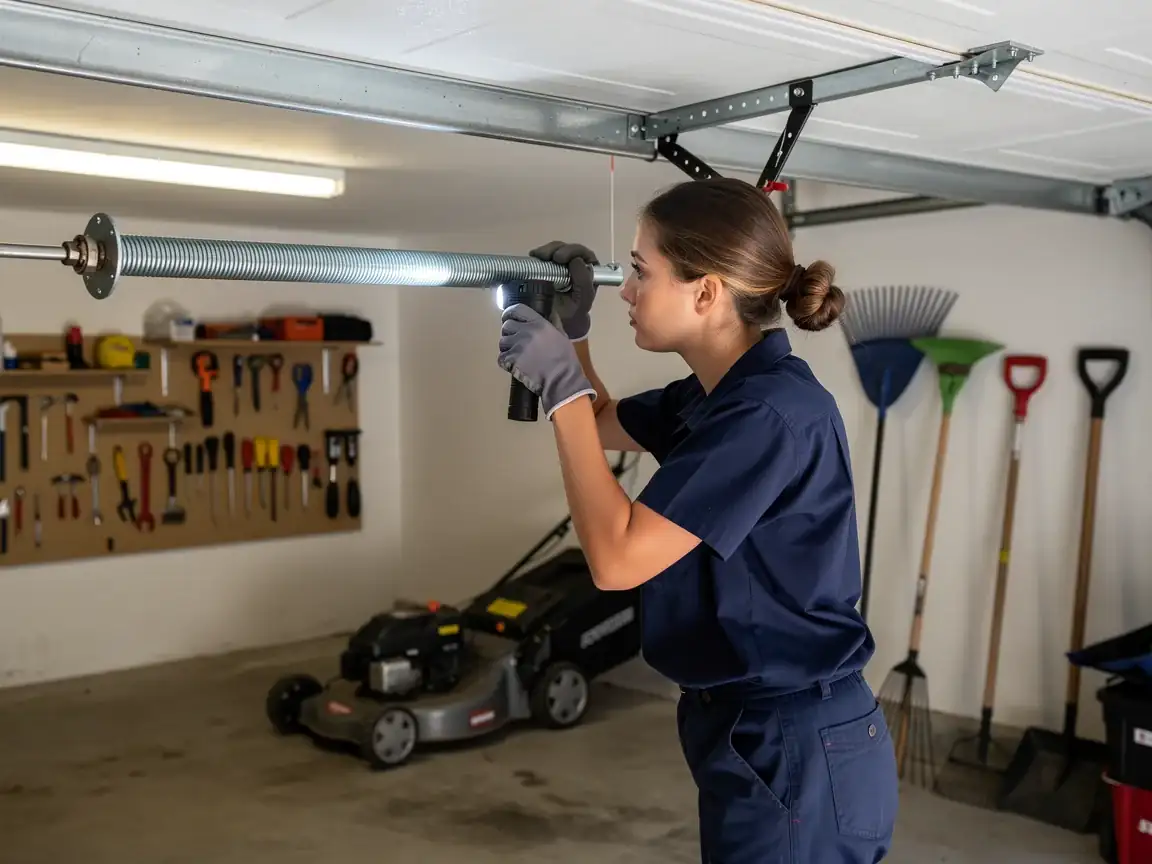
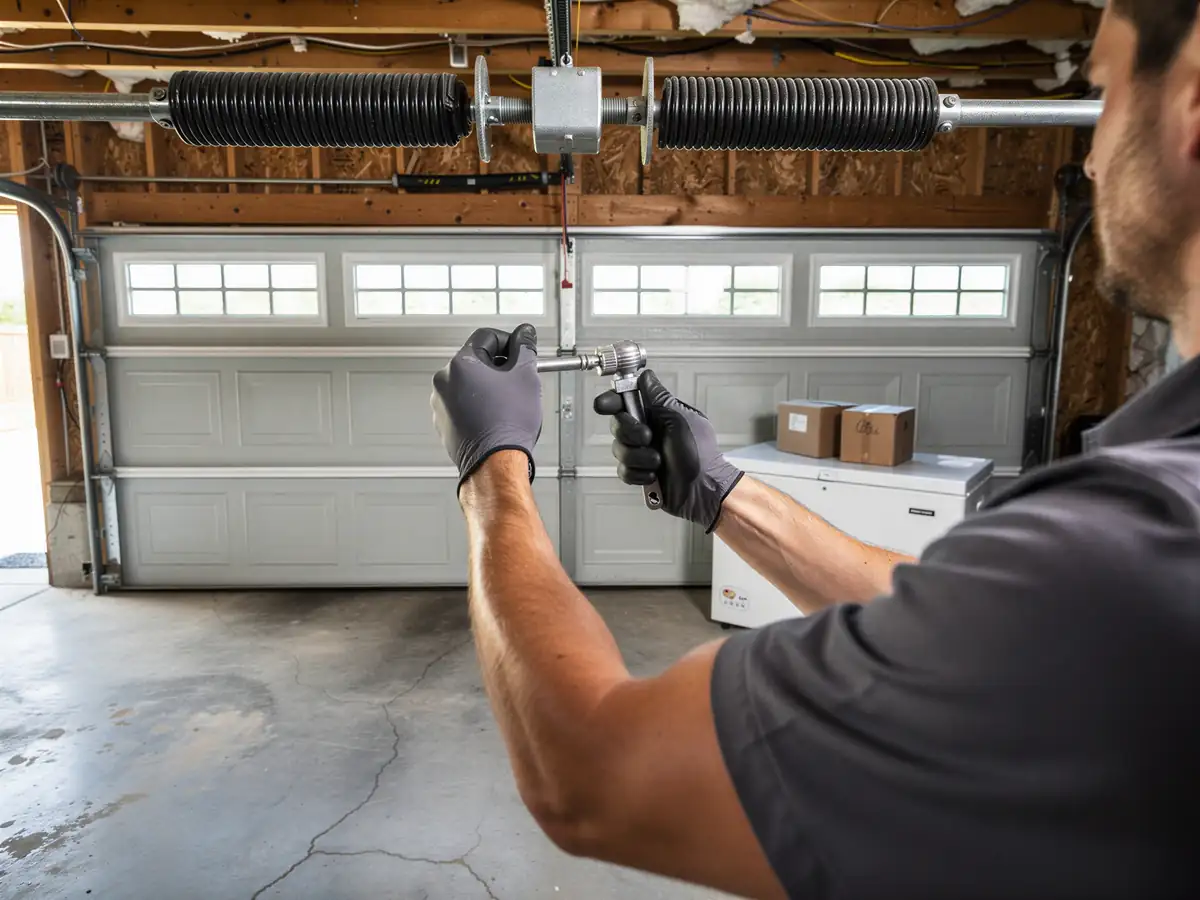
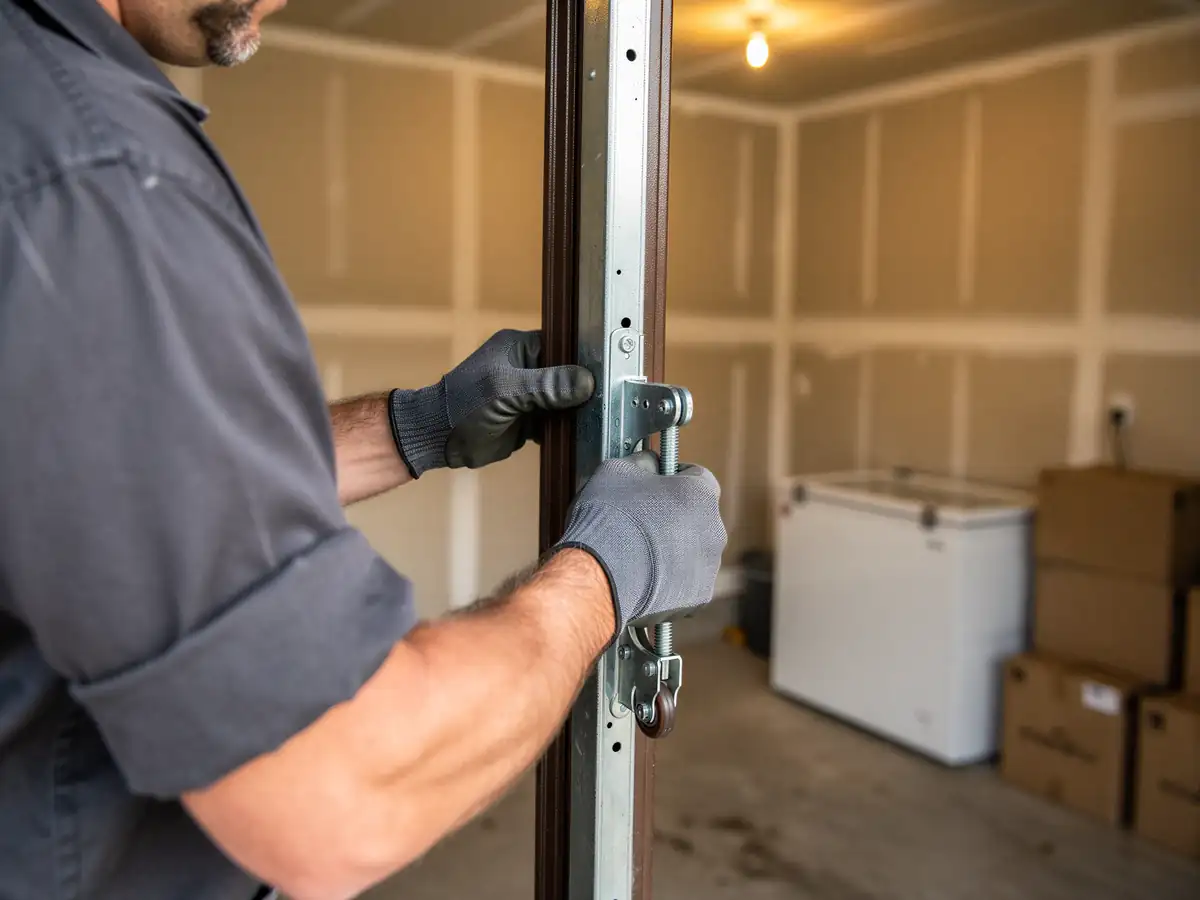
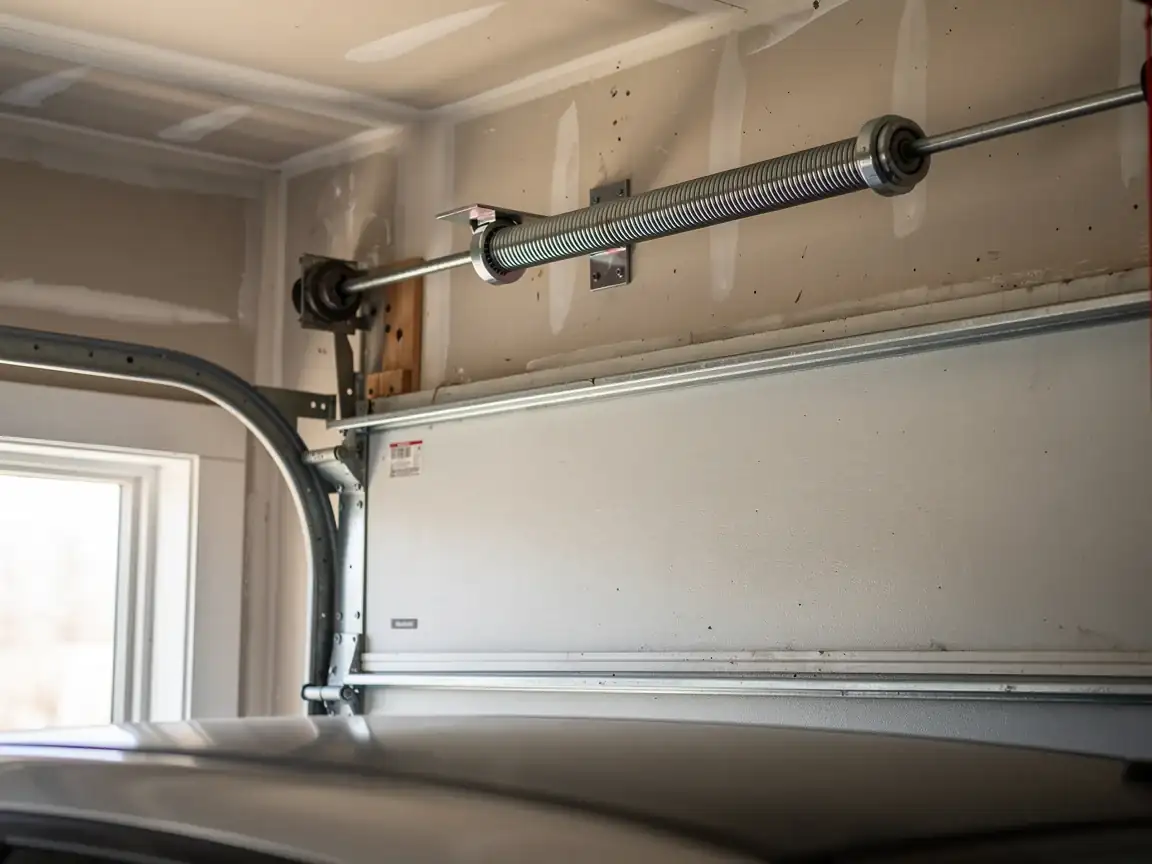
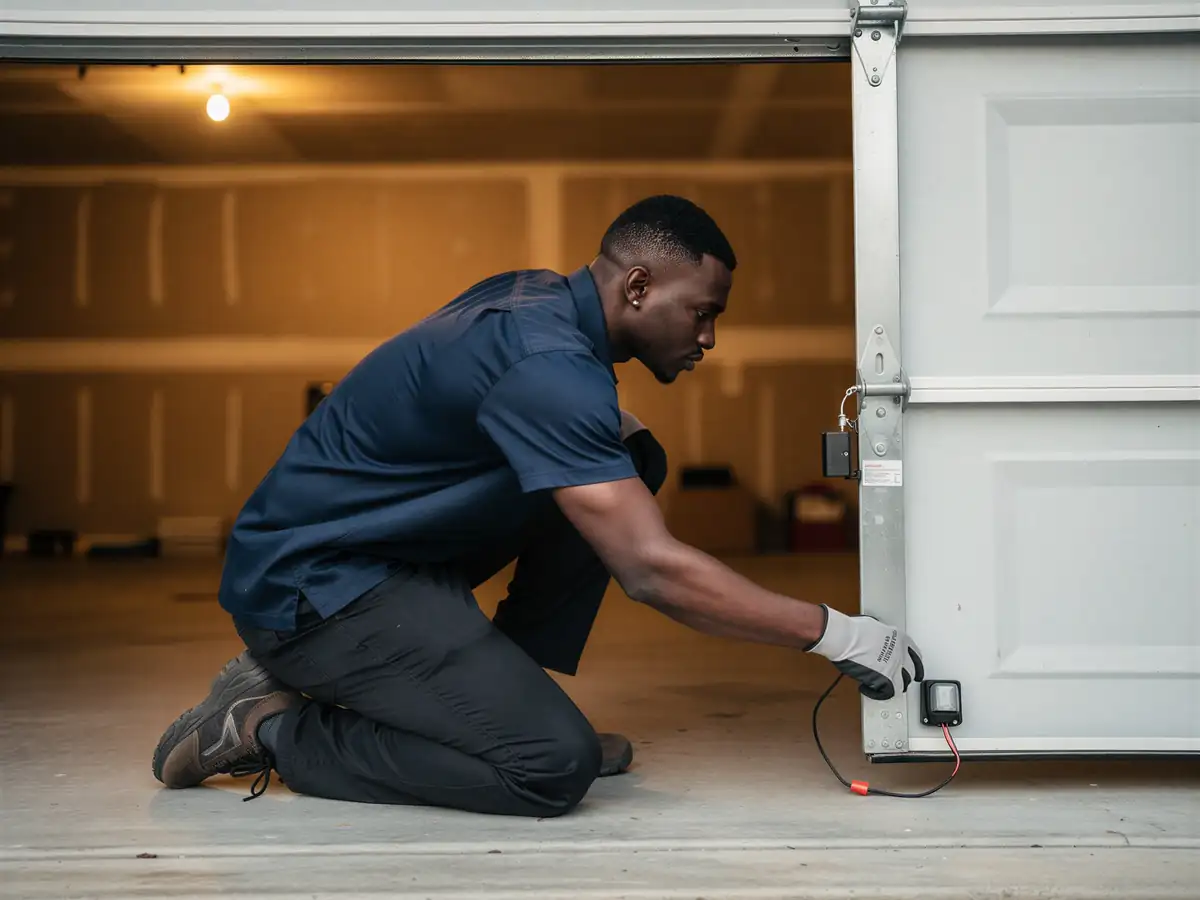
A maintenance visit on a residential door covers the parts that wear from use and from cold: torsion spring tension and balance, track alignment, roller and hinge condition, cable wear at the drums, and the opener's force and travel settings. On a door with original hardware from the 1970s or 1980s, checking spring tension matters more than on a newer door, because the spring was wound for a weight and balance that may have shifted as panels and seals aged.
Lubrication is part of it, but it's not the whole job - grease on a worn roller just delays the noise, it doesn't fix the wear. A real tune-up checks whether the hardware underneath is still within spec, tightens what's loosened, and flags anything that's close to failing so you can plan a repair on your schedule instead of the spring's.
What it doesn't cover: panel damage, a bent track from an impact, or an opener logic board that's failing. Those are repairs, not maintenance, and we'll tell you straight if that's what you're looking at instead of trying to grease over it.
Why It Happens Here
Two things line up in this area that don't line up everywhere
First, the housing. Built mostly between 1956 and 2005, with the bulk from the 1960s and '70s spread across 31 named communities in the service area, a large share of garage doors here are still running hardware that's thirty to fifty years old. That's not a flaw in the houses - it's just math. Springs rated for a set number of cycles reach that number eventually, and a lot of doors in this area are getting close at the same time, because they were installed in the same stretch of years.
Second, the climate
This is a cold-moderate band, and steel behaves differently at 10 degrees than it does at 70. Torsion springs tighten with cold, opener gearbox lubricant stiffens, and seals that were pliable in summer go brittle in January. A door that was fine in September can start binding by December for no reason other than the temperature drop.
Put those two together
Older hardware and seasonal cold - and you get a service area where a fall or early-winter tune-up catches problems that would otherwise show up as a dead spring on the coldest morning of the year.