Broken torsion or extension spring on a Savage-area home built between 1956 and 2005? We explain what's failing, how long you're stuck, and what the fix involves.
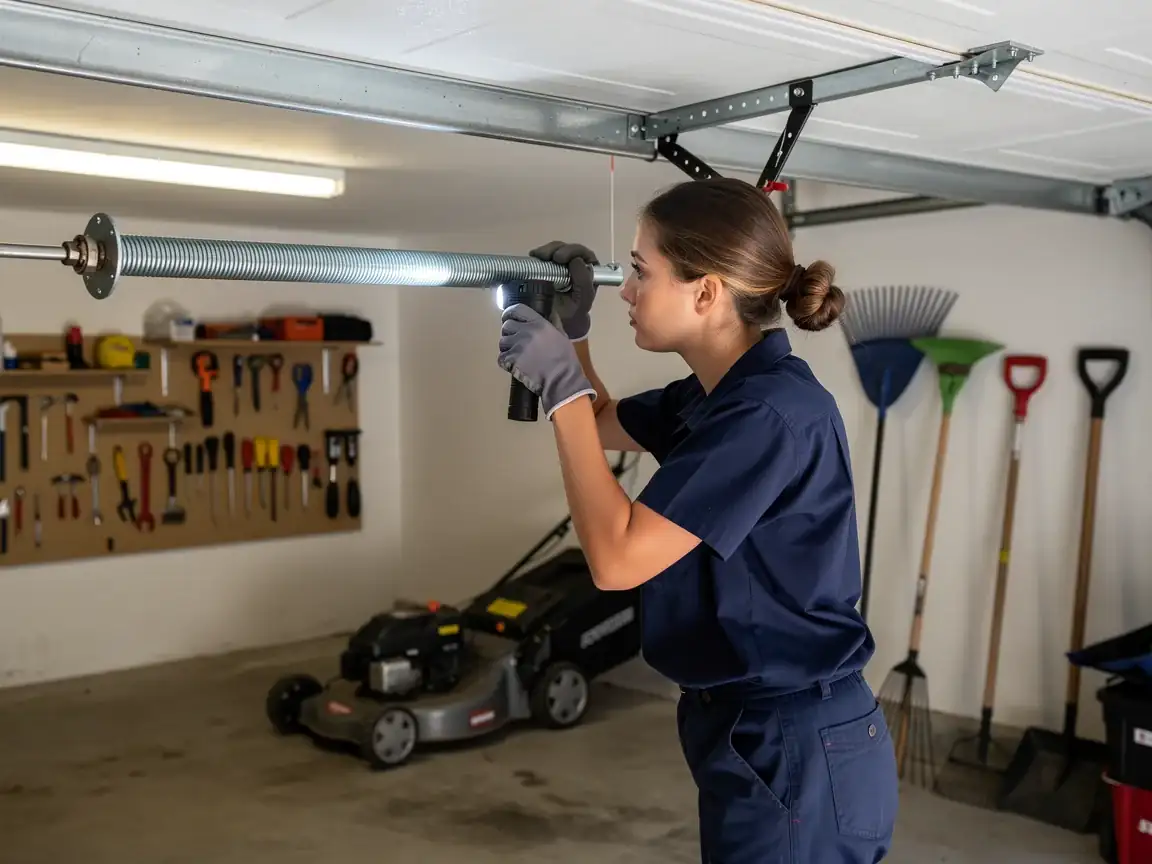
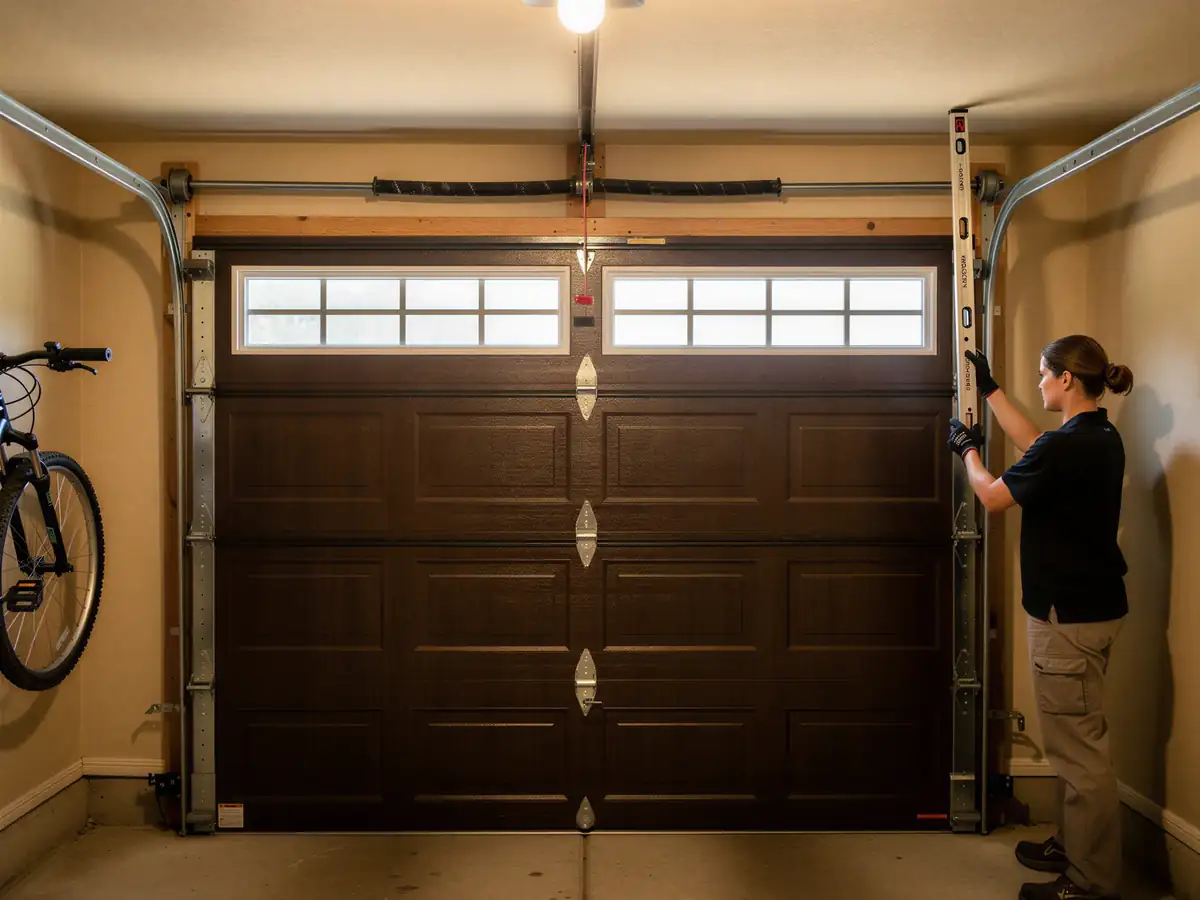
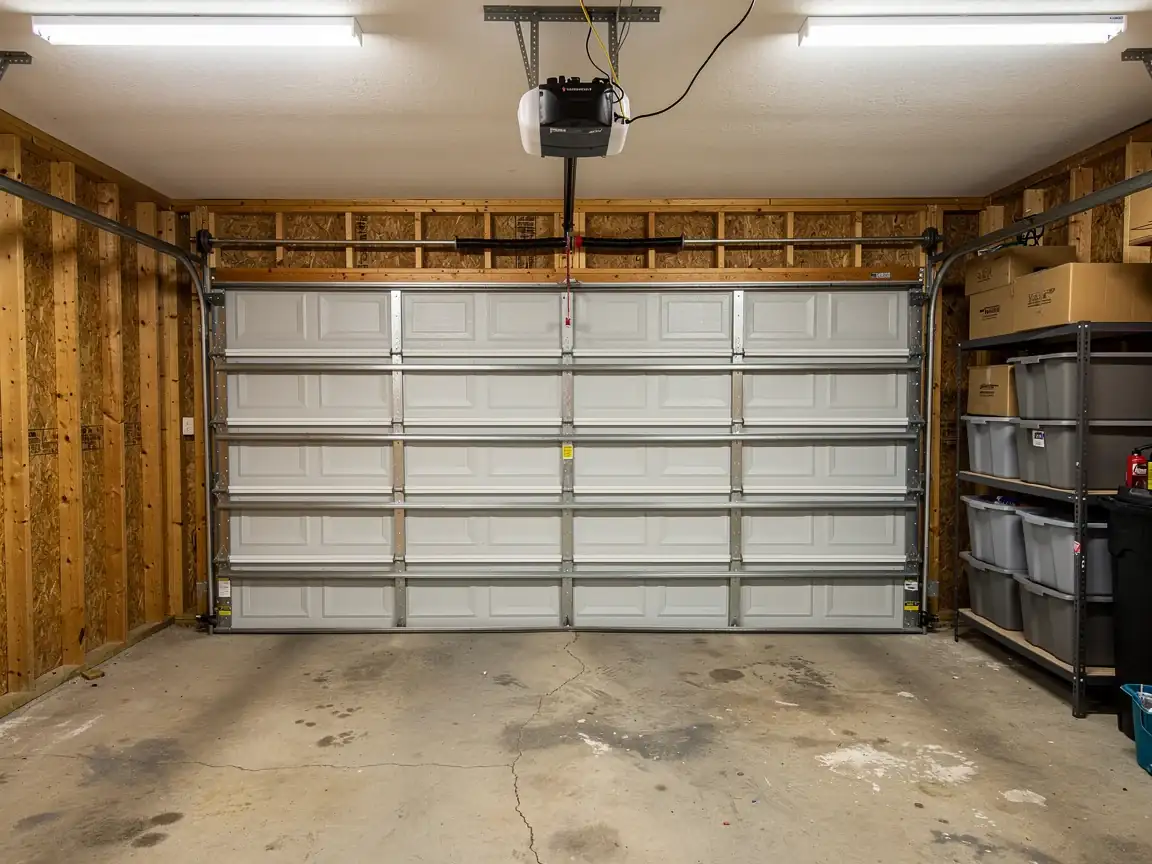
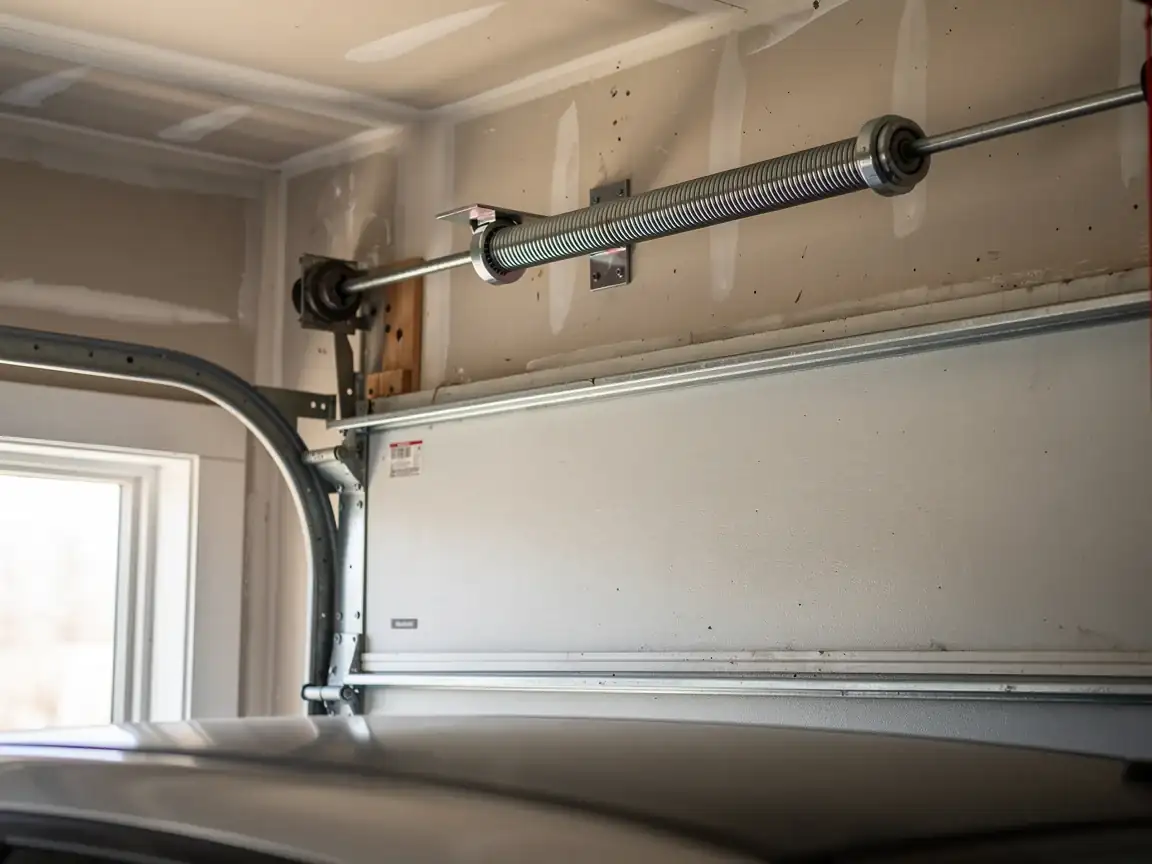
If the door won't budge, or it opens a few inches and stalls, or you heard a bang from the garage before any of that started, you're almost certainly looking at a broken spring, not a dead opener. The opener will usually still hum or click - it's just not strong enough to lift a door with no spring tension helping it. On a double-wide door you might see one spring snapped and one intact, which can let the door open crooked, tilted, or jam sideways in the tracks. On older torsion setups with a single center spring, one break means the door is dead weight. Cable will sometimes slip off a drum when this happens, especially if the door was already catching. Don't force it with the opener - running a garage door opener against a broken spring strains the drive gear and can bend the shaft or snap a cable, turning one repair into three. If you can see a visible gap in a coiled spring above the door, or the spring looks stretched out straight instead of coiled, that confirms it. Houses across this service area run a wide range of spring setups because the stock spans five decades of construction, so what's over your door isn't necessarily what's over your neighbor's.
How Long You Are Without the Door
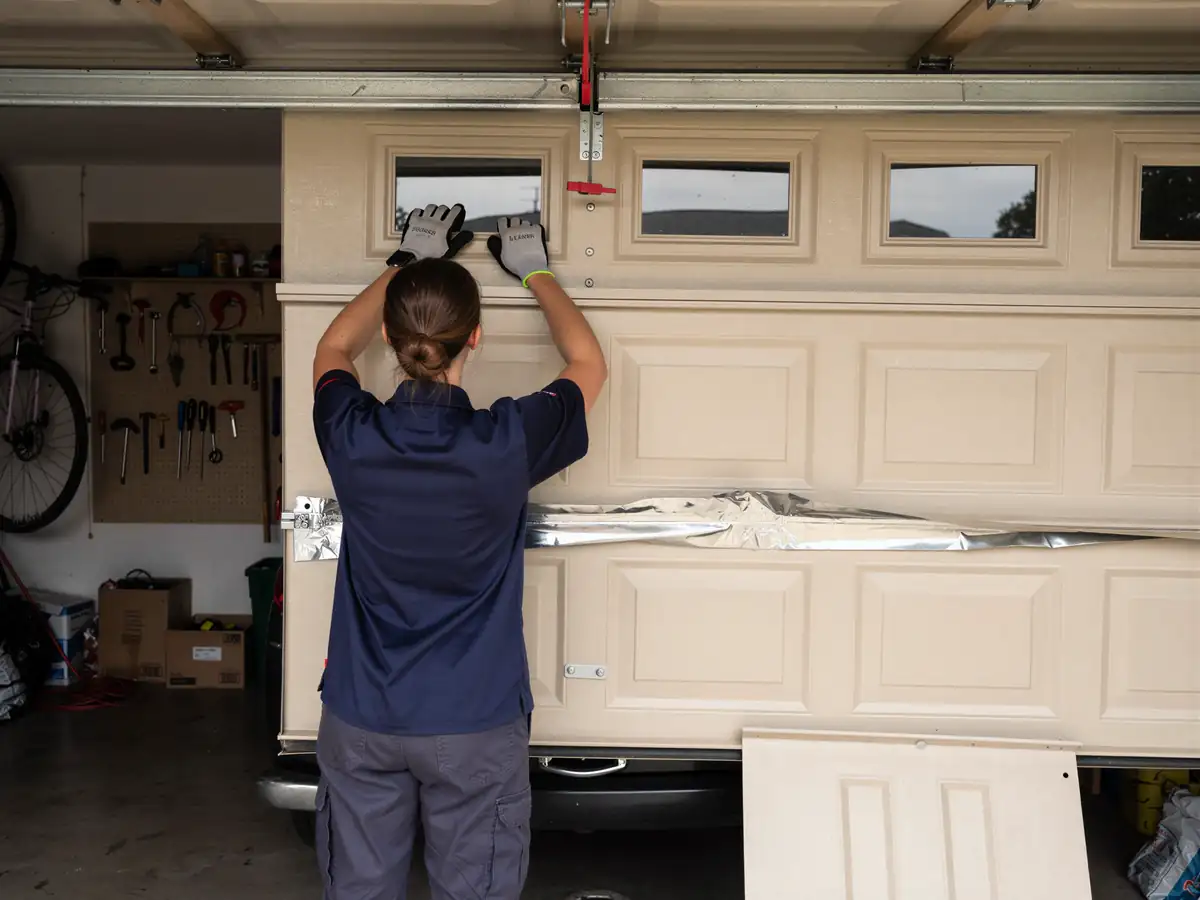
A broken spring doesn't mean the door is unusable forever, but it does mean you shouldn't operate it off the opener until the spring is replaced. Most homes affected by this have a single garage bay serving as the main entry point, so losing it is more than an inconvenience - it's the way the car gets in and out. The door can typically be released from the opener and lifted by hand in an emergency, but a torsion spring carries real load, and depending on door weight that's not something to do solo without knowing what you're doing. Once parts are on hand, spring replacement on a standard residential door is a same-visit repair; the time is almost always in sourcing the right spring, not installing it. Across the 31 named areas that make up this region, housing built from 1956 through 2005 uses a mix of spring wire sizes and drum configurations, which is why a tech confirms the spec before cutting the old spring off the shaft rather than guessing and hoping it matches.
What the Repair Takes
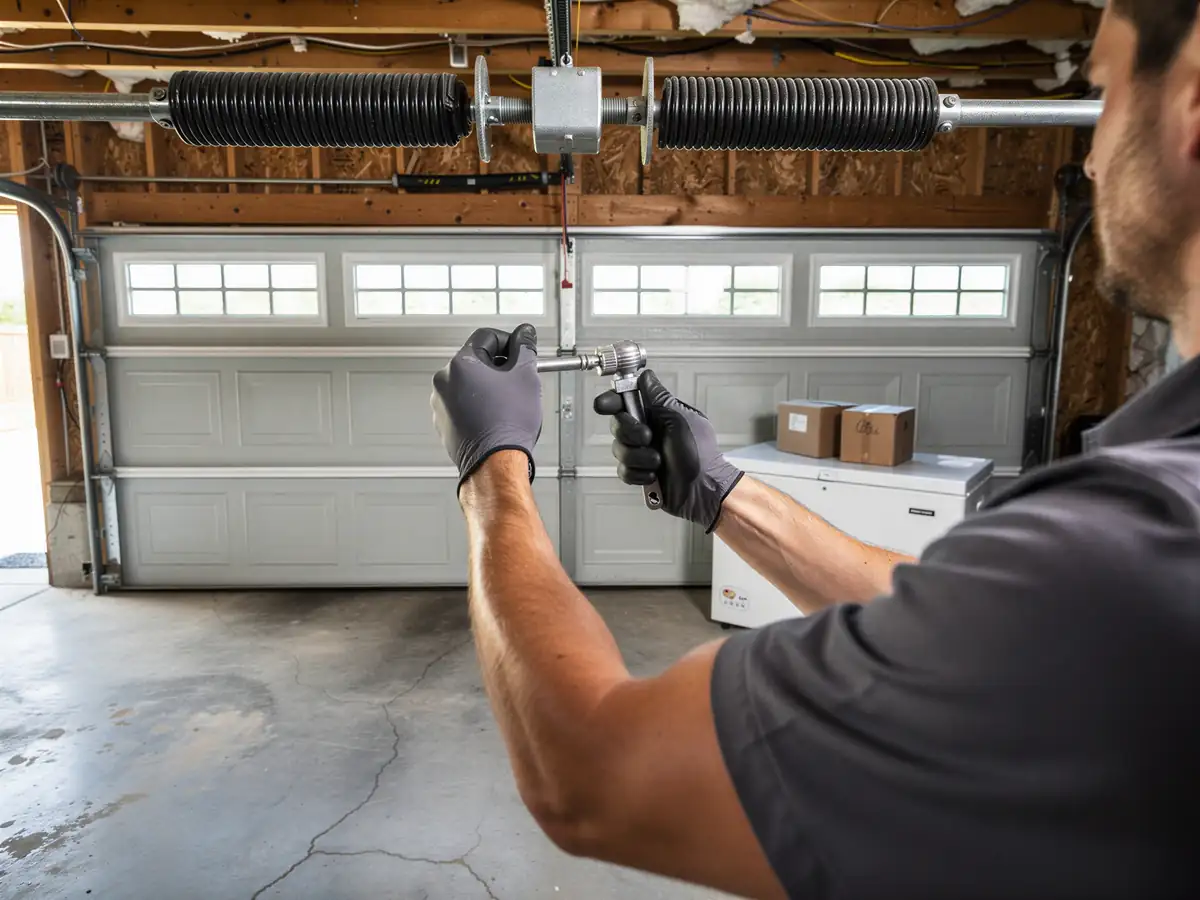
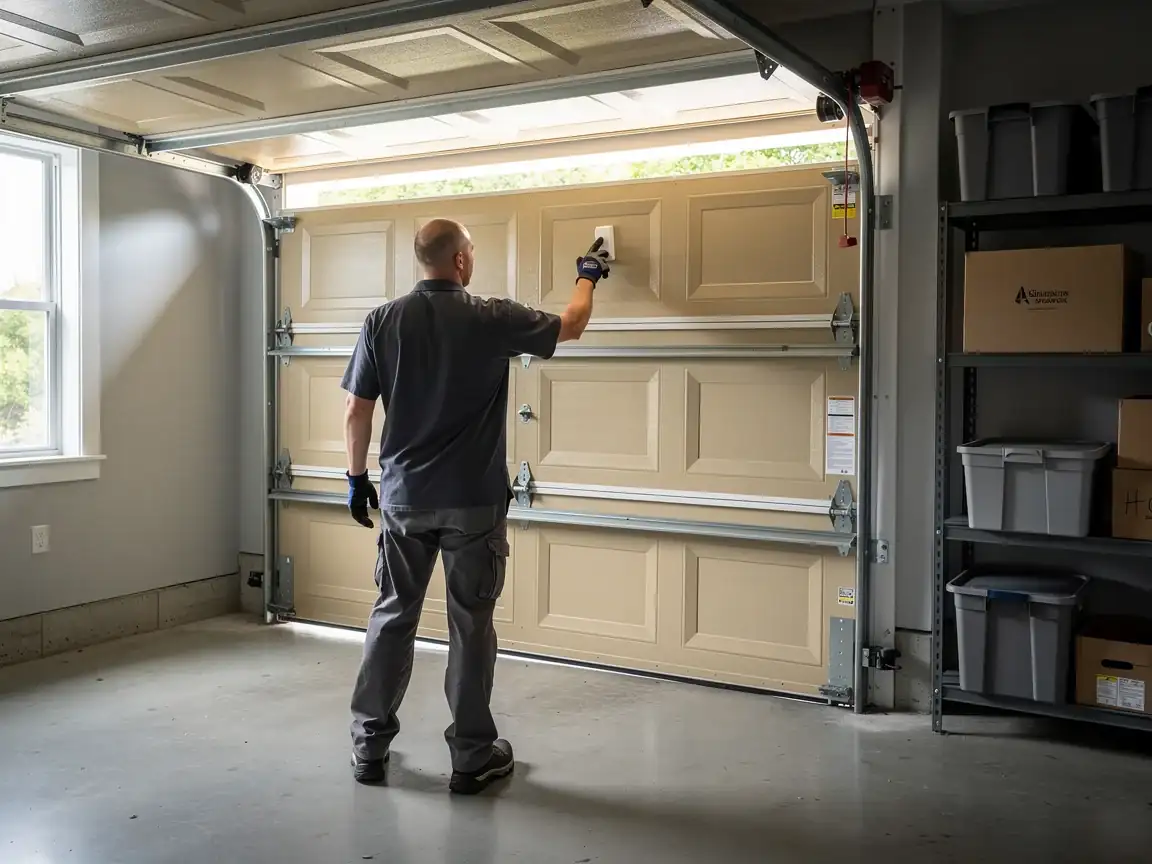
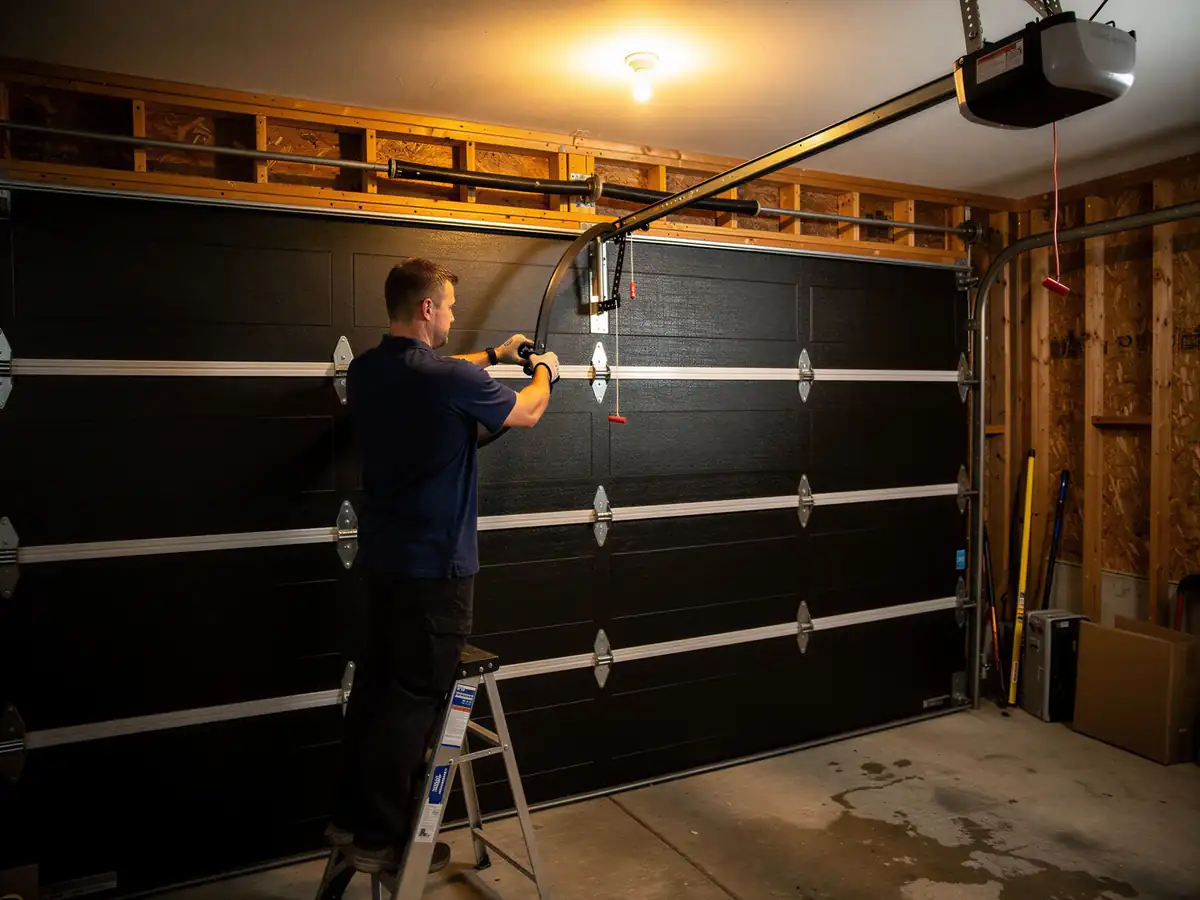
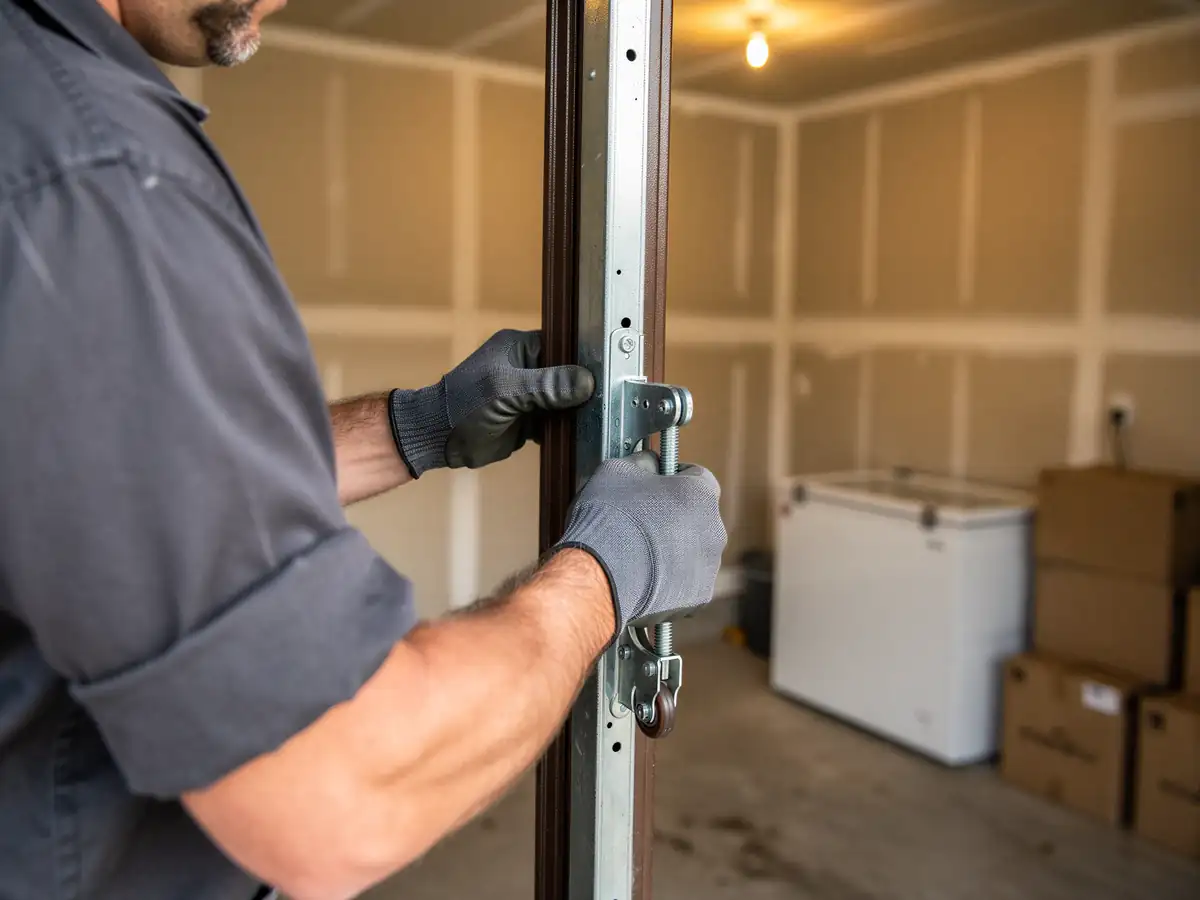
Spring replacement means matching wire diameter, coil length, and inside diameter to the door's weight and the drum size on the shaft - get any of those wrong and the door either slams down too fast or won't lift fully. On torsion systems, that means winding the new spring to the correct number of turns with winding bars, under tension, which is not a job to improvise without the right tools. On older extension-spring setups still found in some of the pre-1975 stock in this area, the fix also means checking the safety cables are present, since many of those were installed before safety cables were standard. We replace springs in pairs on double-spring systems even when only one has broken - the second one is usually close behind it on wear, and a mismatched pair puts uneven strain on the opener and tracks. One limitation worth saying plainly: if the spring failure has already bent the shaft, cracked a cable drum, or warped a track, that's a separate repair beyond the spring itself, and we'll tell you before we quote the job, not after.
Why It Happens Here
Housing in this service area was built mostly between 1956 and 2005, with the bulk of the stock dating to the 1960s and 1970s across all 31 communities we cover. Springs rated for that era's doors have had decades of winter cycling to wear through, and in a cold-moderate climate band, steel coil springs lose tempering faster through repeated freeze-thaw swings than they would somewhere milder - cold metal is more brittle under the same tension. A spring rated for roughly 10,000 cycles doesn't care how old the house is, but a door used twice a day for 40-plus years on a 1975-built home has put far more cycles through that spring than a door on a house finished in 2005. With 58,530 owner-occupied houses across roughly 109,890 households in this area, a large share of them are sitting right in that failure window now, which is why spring calls cluster here rather than being spread evenly across newer construction.
How it works
From “it’s stuck” to “it’s fixed”
01
Tell us what’s wrong
Describe the symptom - won’t open, loud bang, opener runs but the door won’t move.
02
On-site diagnosis
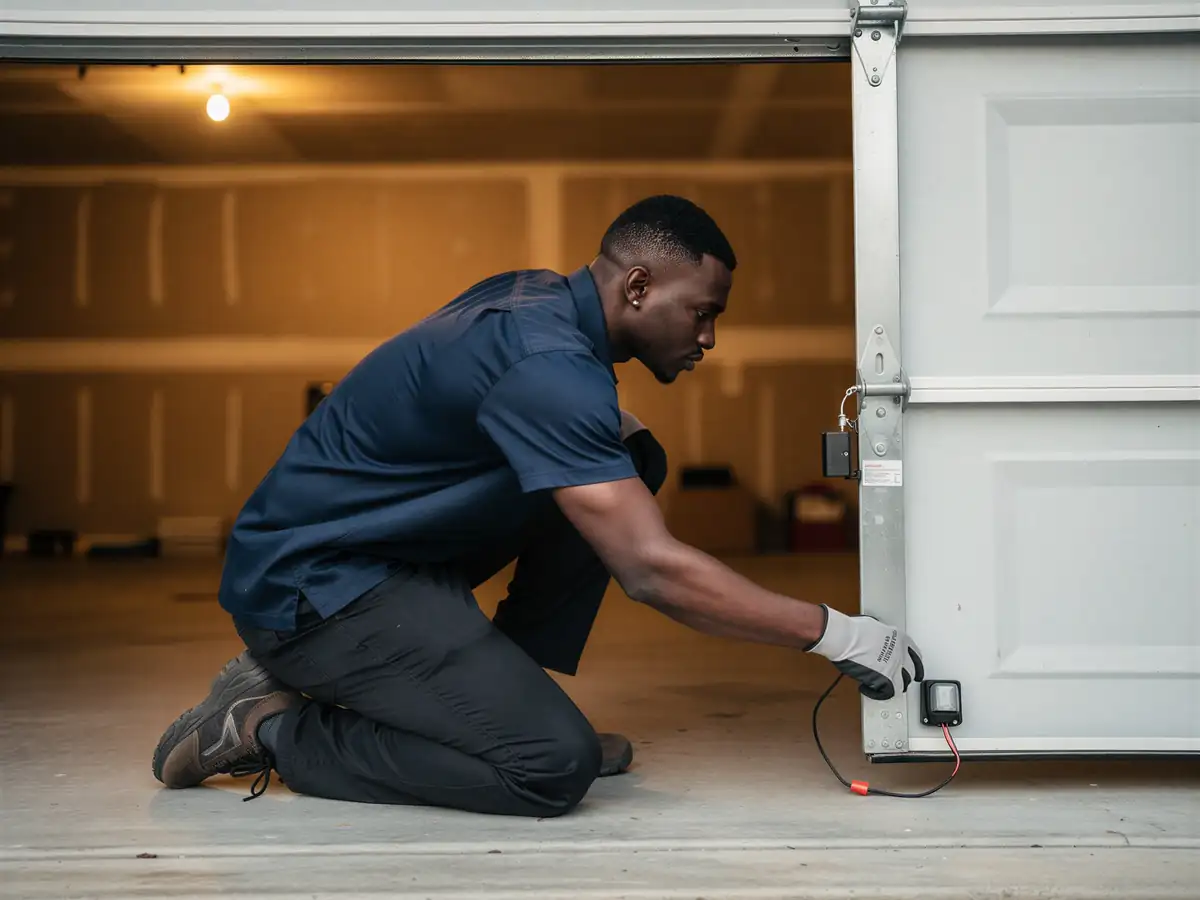
A technician tests the door under power and by hand and finds what actually failed.
03
Clear, up-front plan
You get the fix that’s needed and what drives the cost - before any work starts.
04
Repaired & tested
The repair is done, the door is set true and tested, and the work area left clean.
Not sure which repair your door needs in Savage, MN? Describe what it’s doing - every job starts with a diagnosis.
Can I drive the car out before the spring gets fixed?
If the door is already open, you can usually back the car out and leave the door up until a tech arrives. Don't try to force the door down or up off the opener once a spring has broken - you risk bending the shaft or snapping a cable, which turns a spring job into a bigger repair.
Why did both springs break at once on my door?
On a double-spring torsion system, springs are matched and wear at roughly the same rate from equal cycling. When one lets go, the other is usually close behind on fatigue, which is why we replace both even if only one has visibly snapped.
Is my door's spring setup still up to code?
Older extension-spring doors sometimes predate the safety-cable requirement. Part of a proper repair is checking whether safety cables are present and adding them if they're missing, regardless of why you called.
Ready to get your garage door sorted?
Tell us what it’s doing and where you are in Savage - we’ll take it from there.