The Split Between Old and New
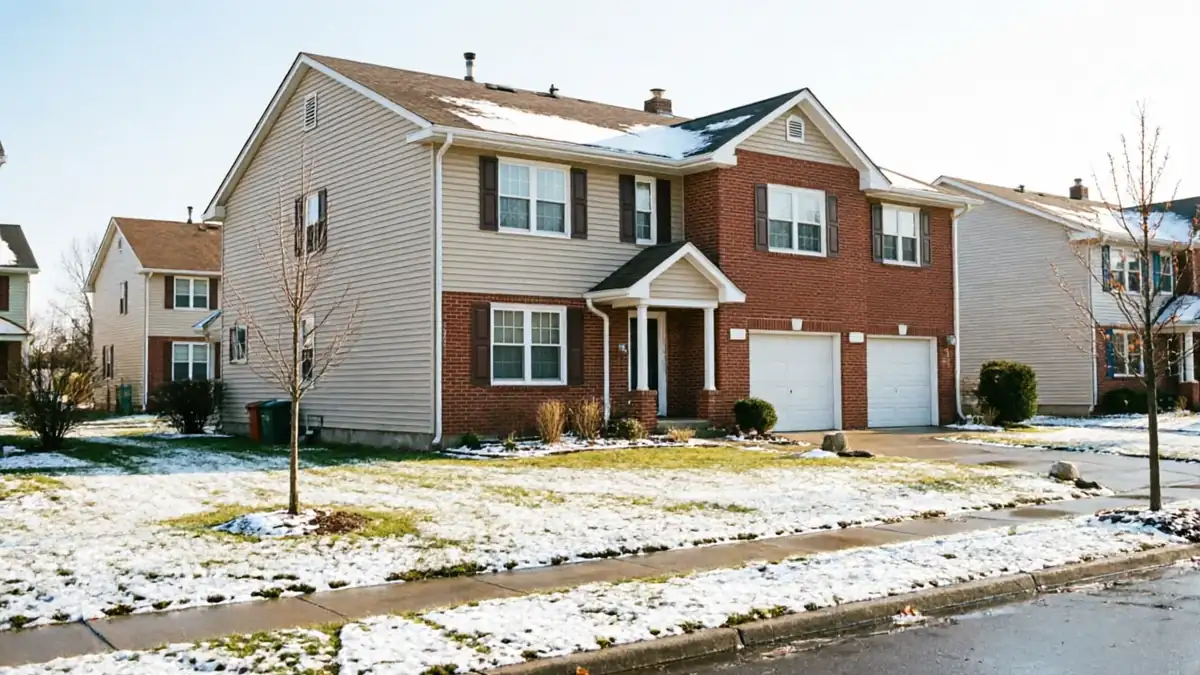
Orono doesn't have one housing story, it has two
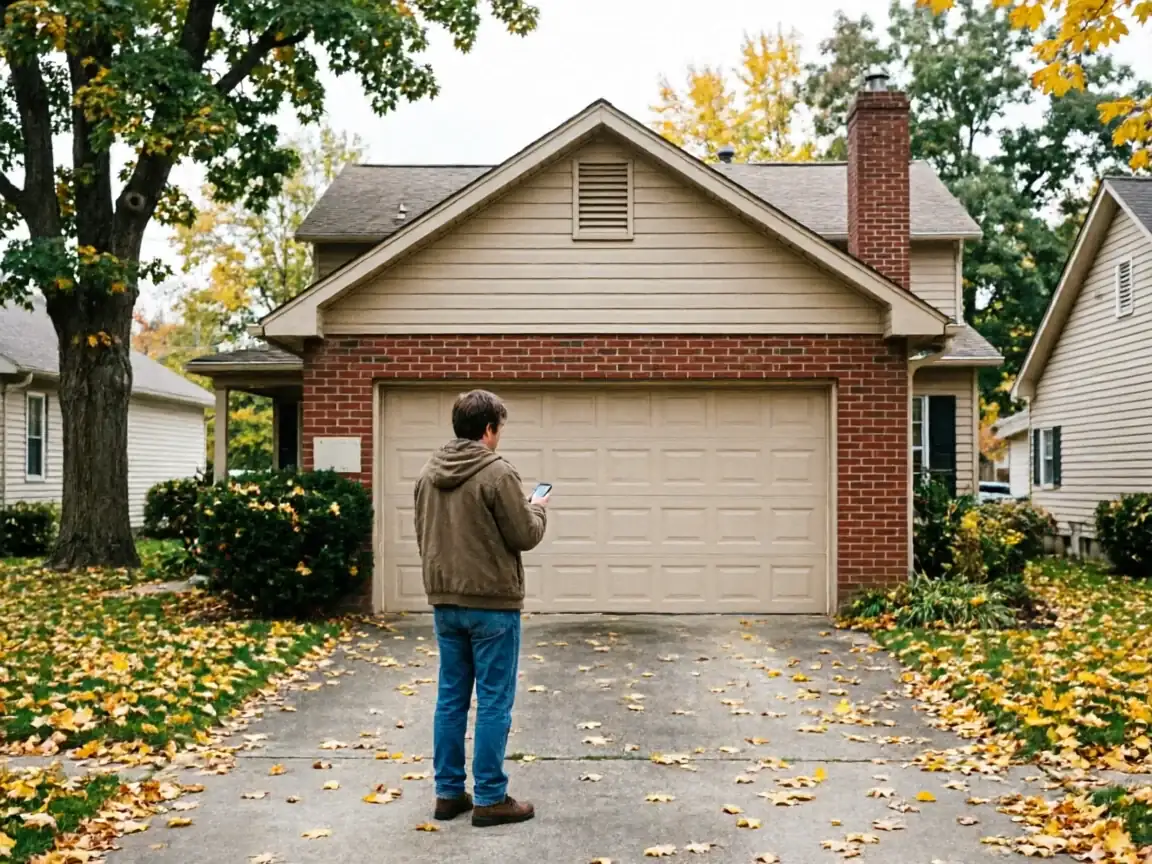
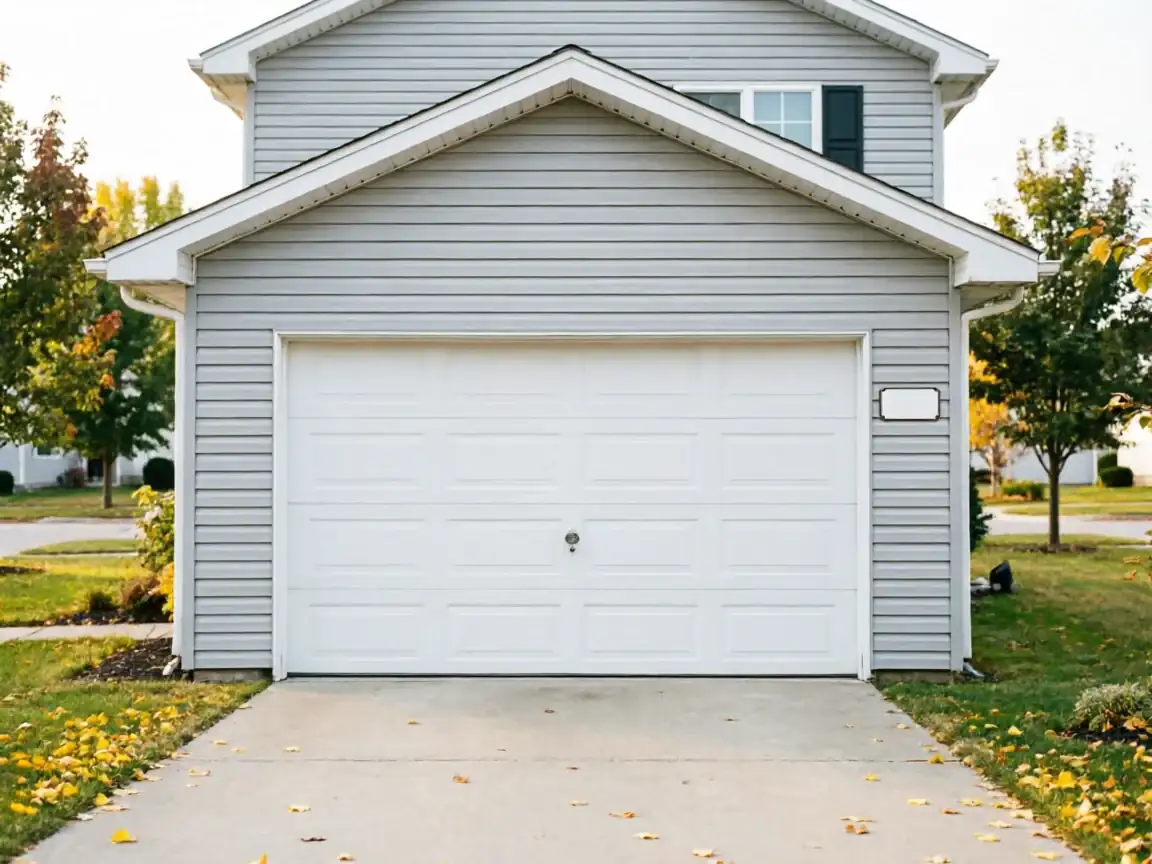
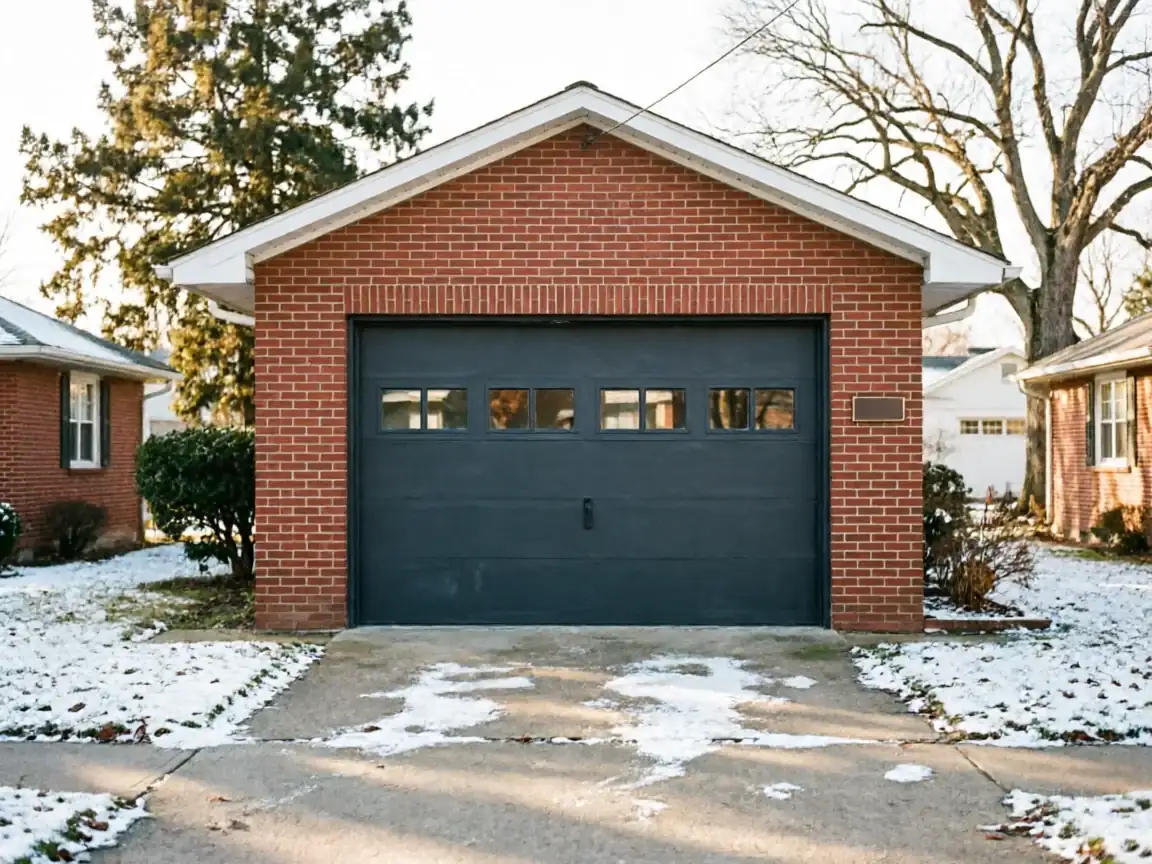
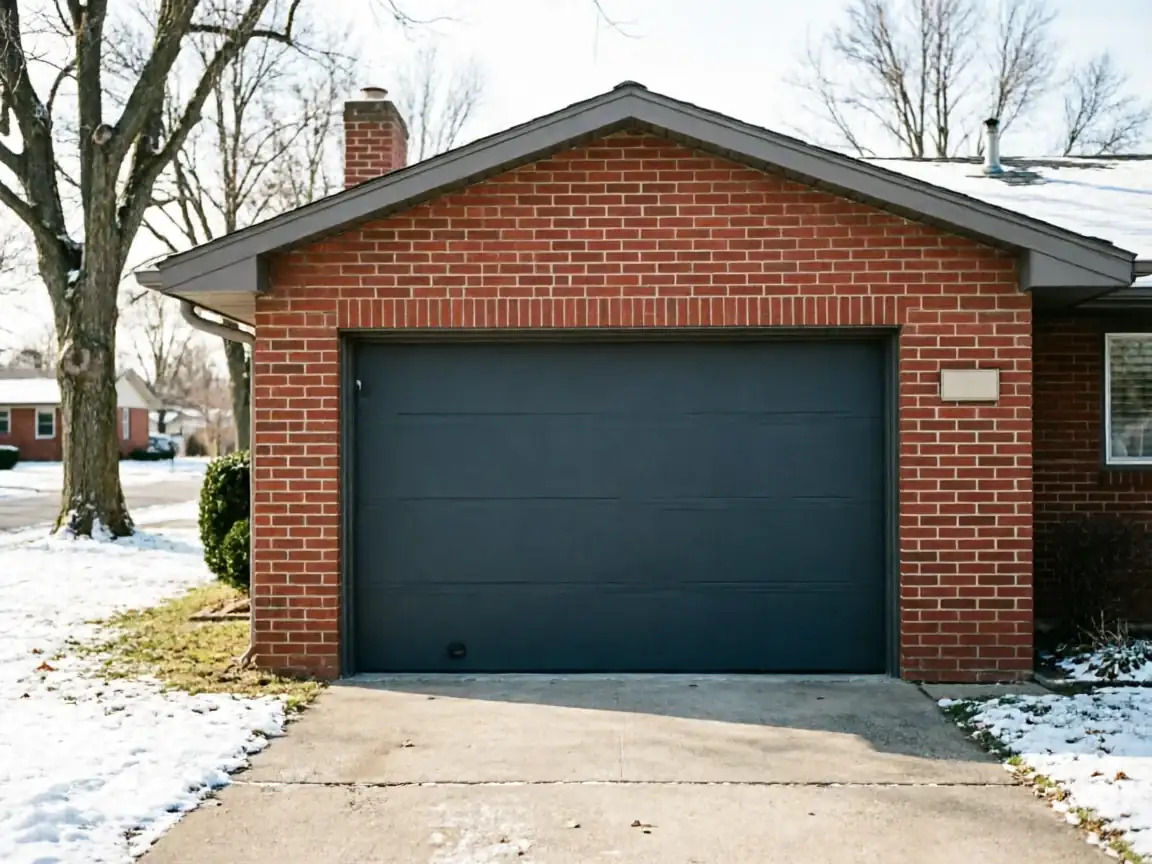
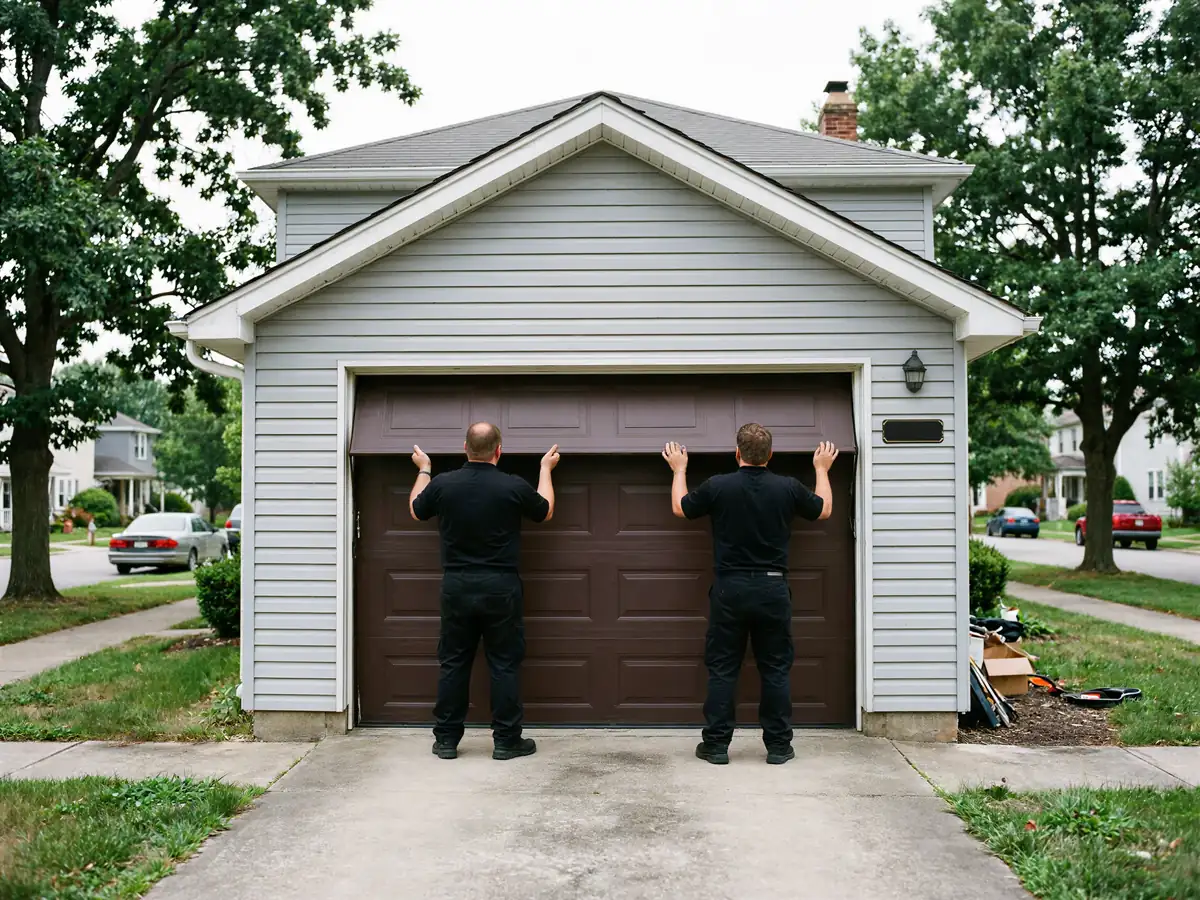
The service area around Savage runs median build year 1975, mostly 1960s and 70s stock, but Orono's own median build year sits at 1982 - a full generation later than a lot of what we work on closer to home. That gap matters more than it sounds like it should. A house framed in 1971 and a house framed in 1986 came with different garage door openings, different header heights, and different hardware standards from the manufacturers of the day. On a street where both exist side by side, we're not pulling the same parts twice.
With 3,081 households total in Orono and a median income of $181,875
This is also a town where people tend to fix things right the first time rather than patch them. We see fewer of the stacked, half-done repairs you find in areas where a door's been limping along for a decade. That changes how we quote a job - less time spent working around previous bad fixes, more time spent on the actual failure.
- 3,081 households
- $181,875 median household income
We drive the 18 miles out from Savage for calls here
Same as we do for the rest of the territory. We don't keep a depot or crew stationed in Orono, so scheduling runs through the same dispatch as everywhere else we cover.
- 18 miles
How That Shows Up in the Door
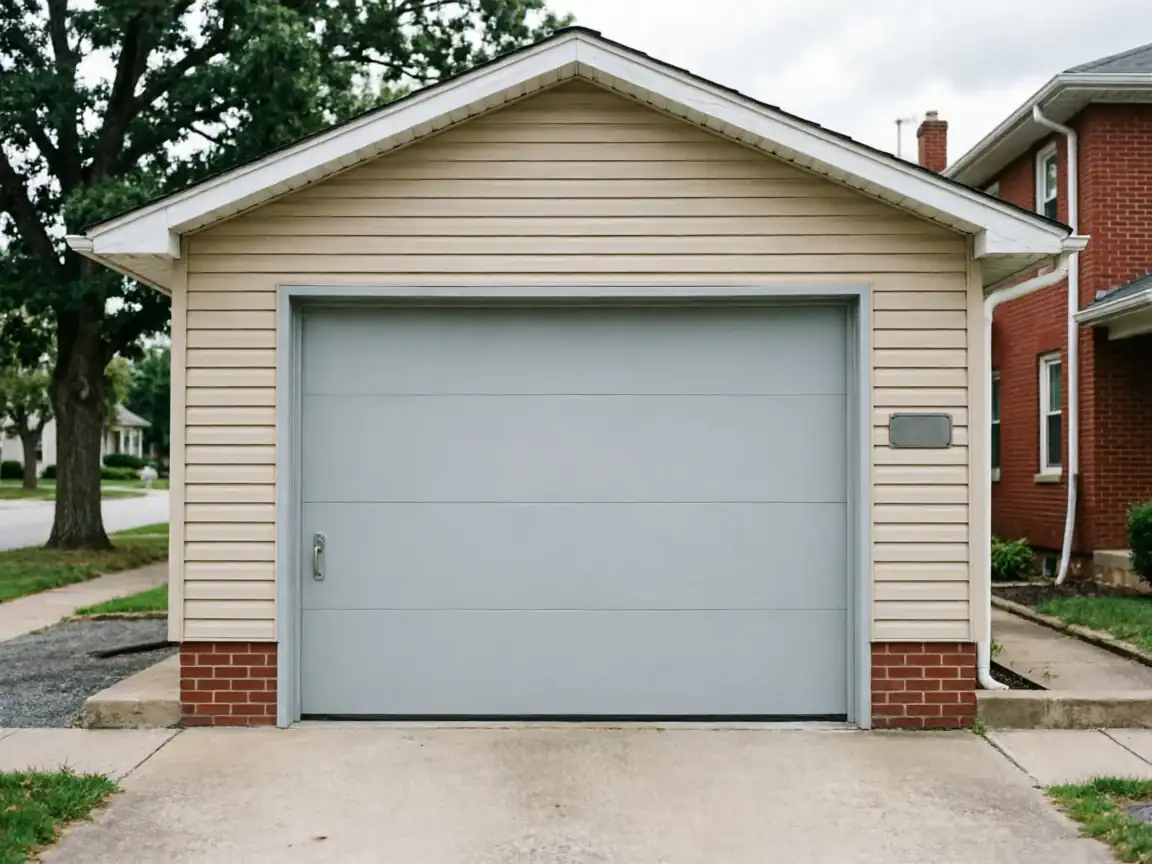
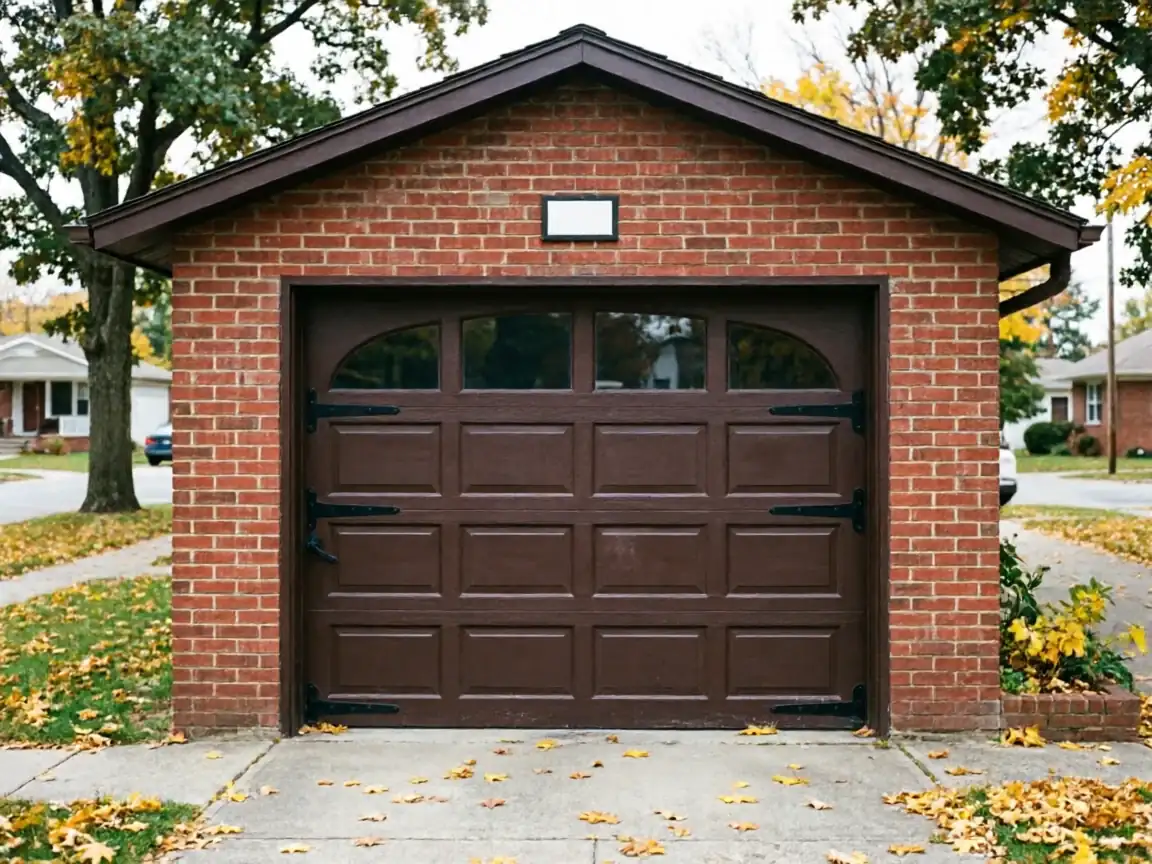
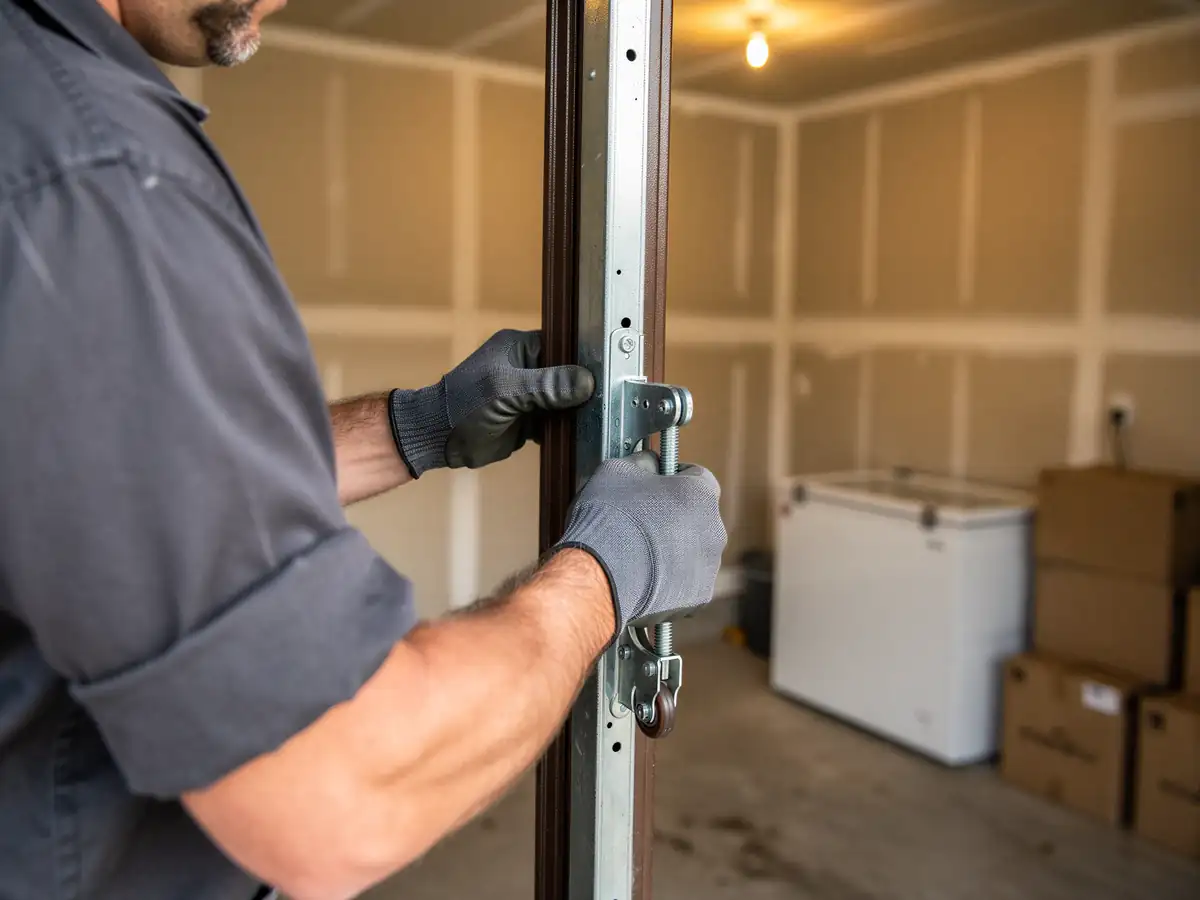
On the older end of Orono's stock - homes going up before the mid-70s turn - you still find single-piece doors and early sectional doors on side-mounted torsion springs, hardware that newer parts suppliers have mostly stopped stocking. Finding a matching spring cable or drum for one of these isn't always a same-visit job.
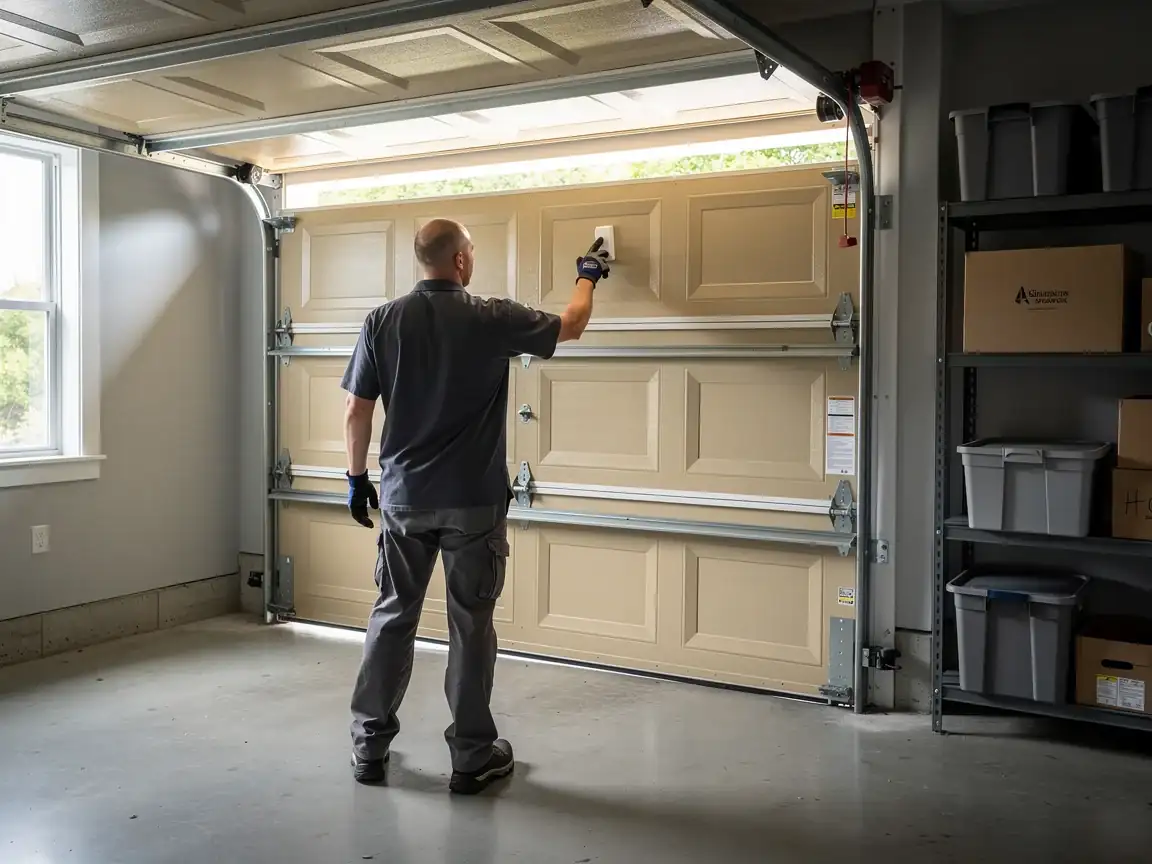
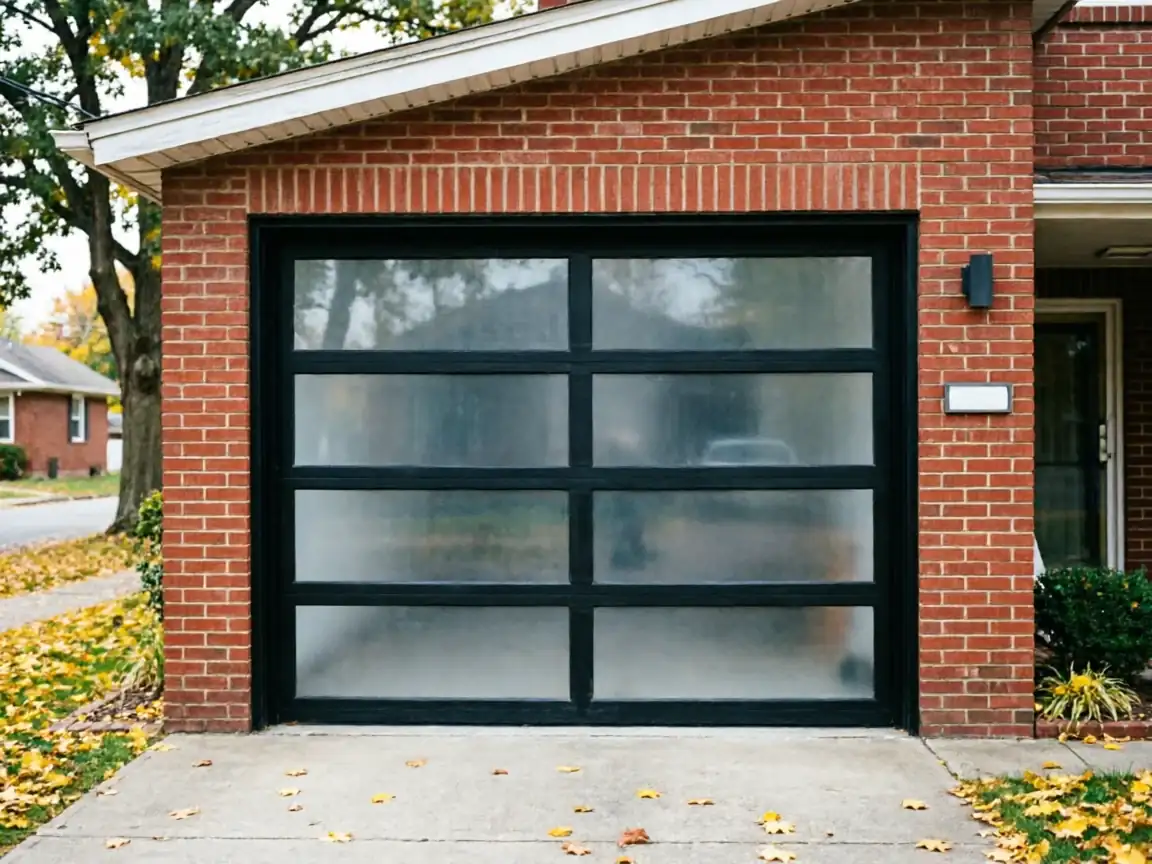
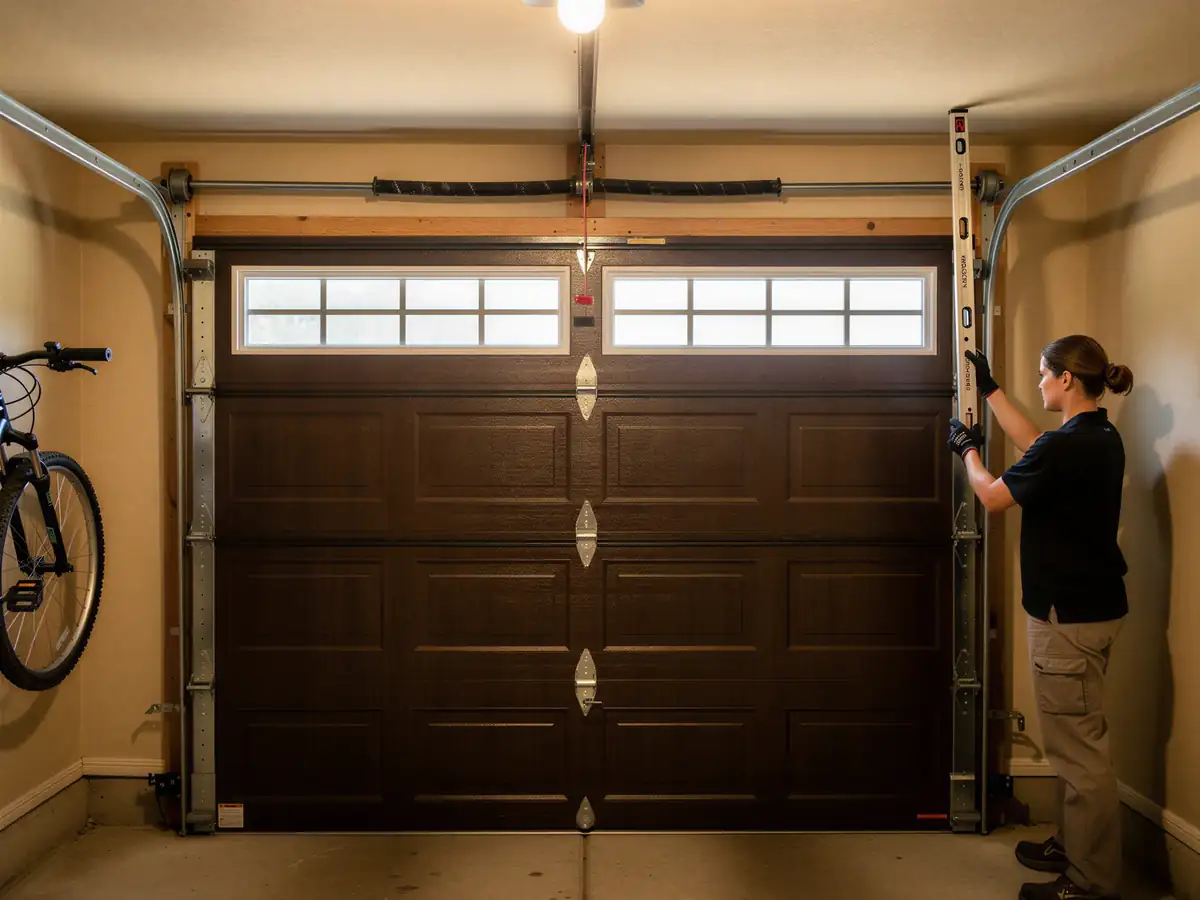
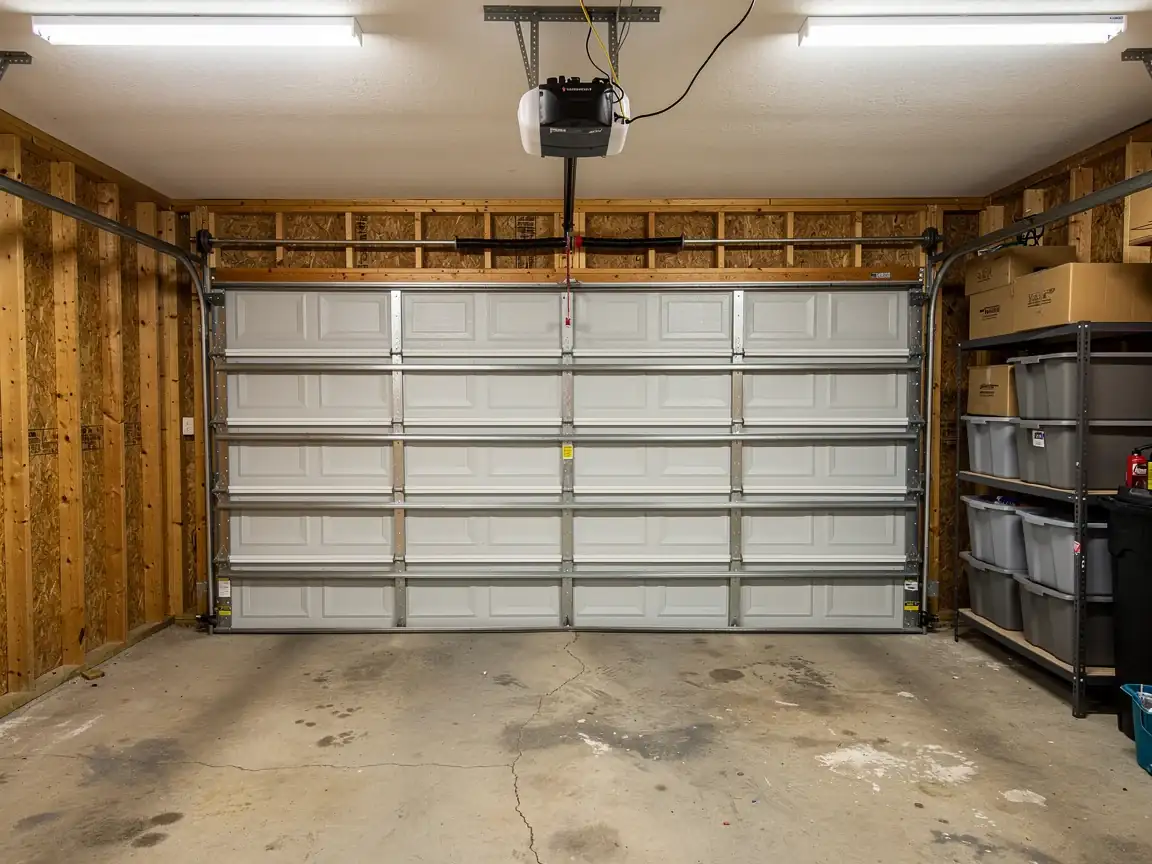
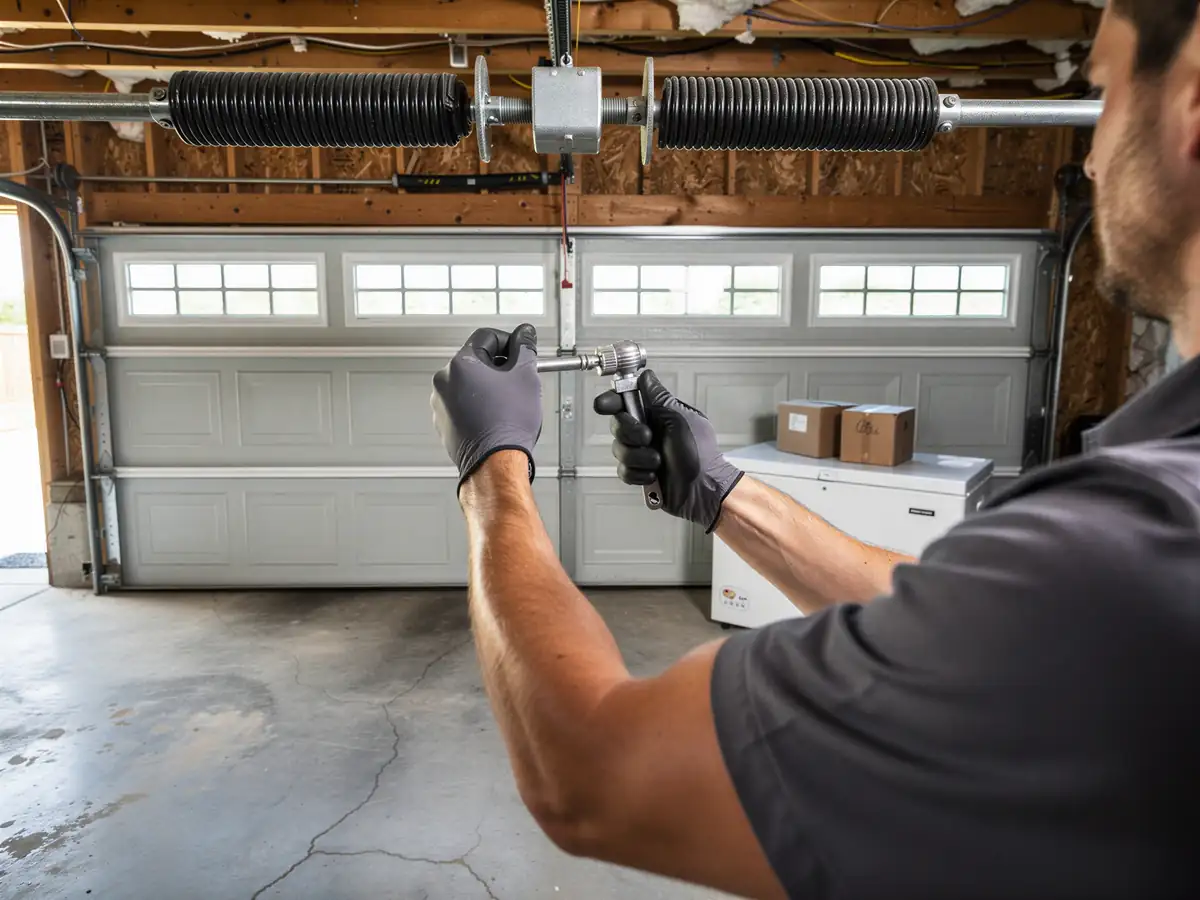
Homes built closer to that 1982 median, and into the years after, more commonly carry standard sectional doors with center-mounted torsion springs and steel tracks that match what's still on the shelf today. Repairs on these run faster and with fewer substitutions, because the parts are current, not discontinued.
The climate here is the same cold-moderate band as the rest of the territory, which means both eras face the same seasonal stress - springs losing tension in deep cold, openers straining on frozen tracks - but the fix looks different depending on which decade's door you're standing in front of. We check the build era before we quote, not after.
Common Jobs Here
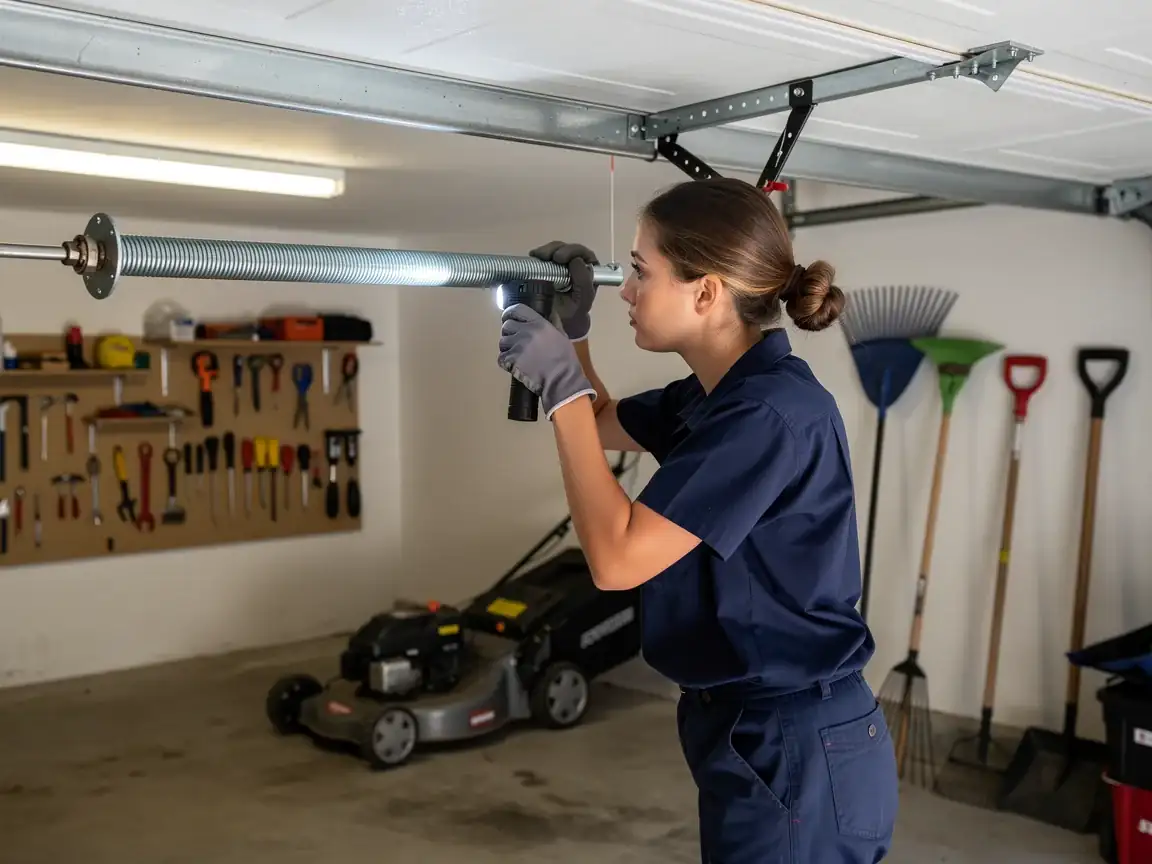
Broken torsion springs are the most common call across both housing eras in Orono, cold weather being what it is in this climate band. What differs is the spring size and mount - older side-mounted setups take longer to source than the center-mounted torsion springs common on post-1982 doors.
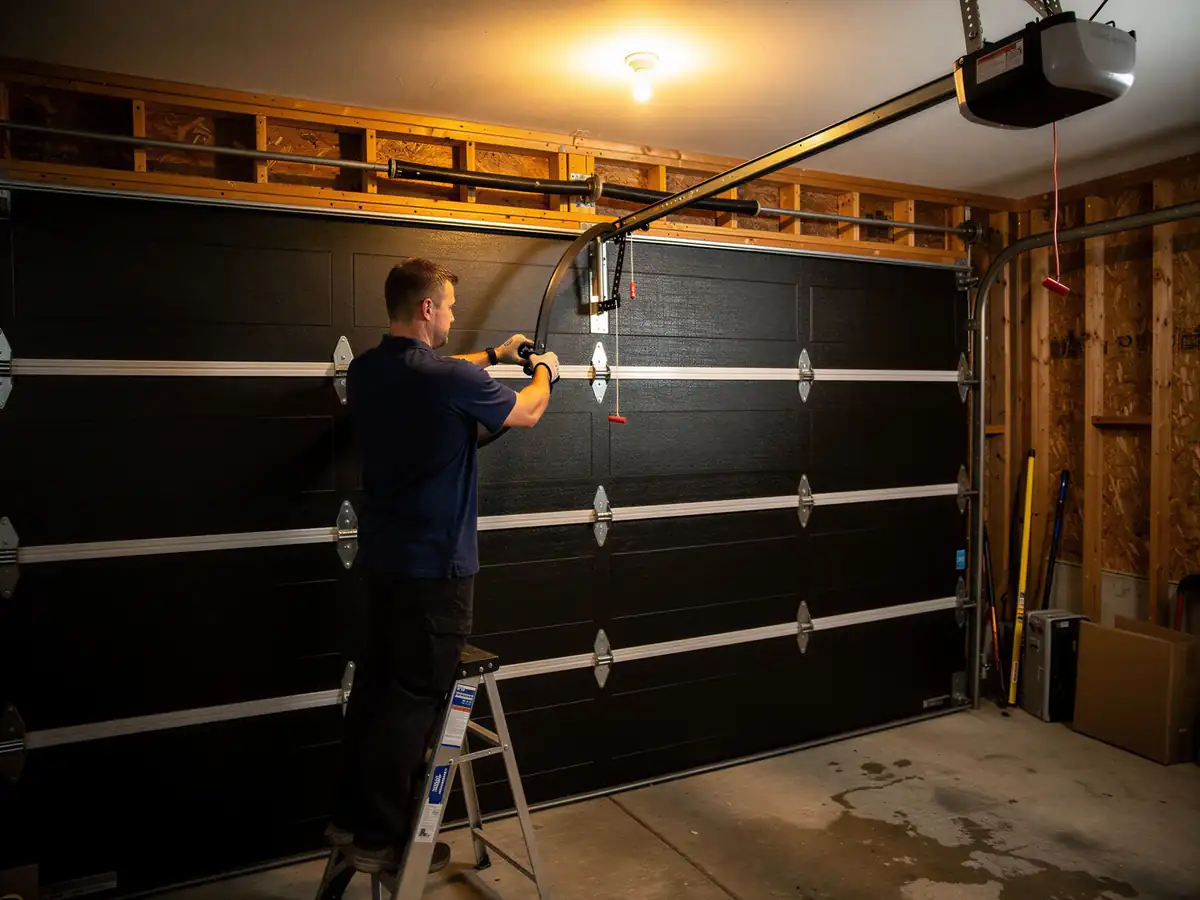
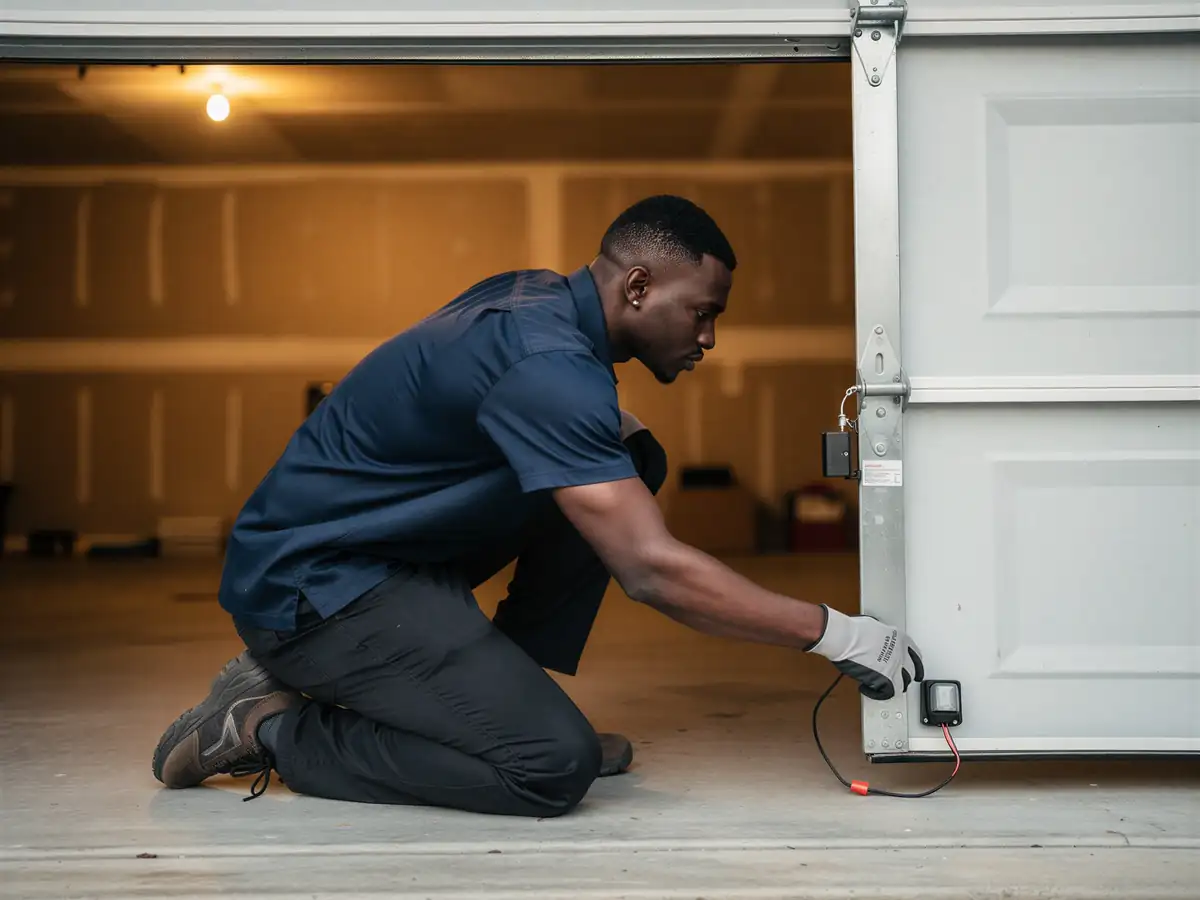
Opener failures run a close second, especially on houses that never upgraded from their original unit. A door that won't respond to the remote but still moves by hand usually points to a dying opener board rather than the door itself, and we'll tell you straight if replacement beats repair - sometimes it does, especially on a unit pushing 30-plus years.
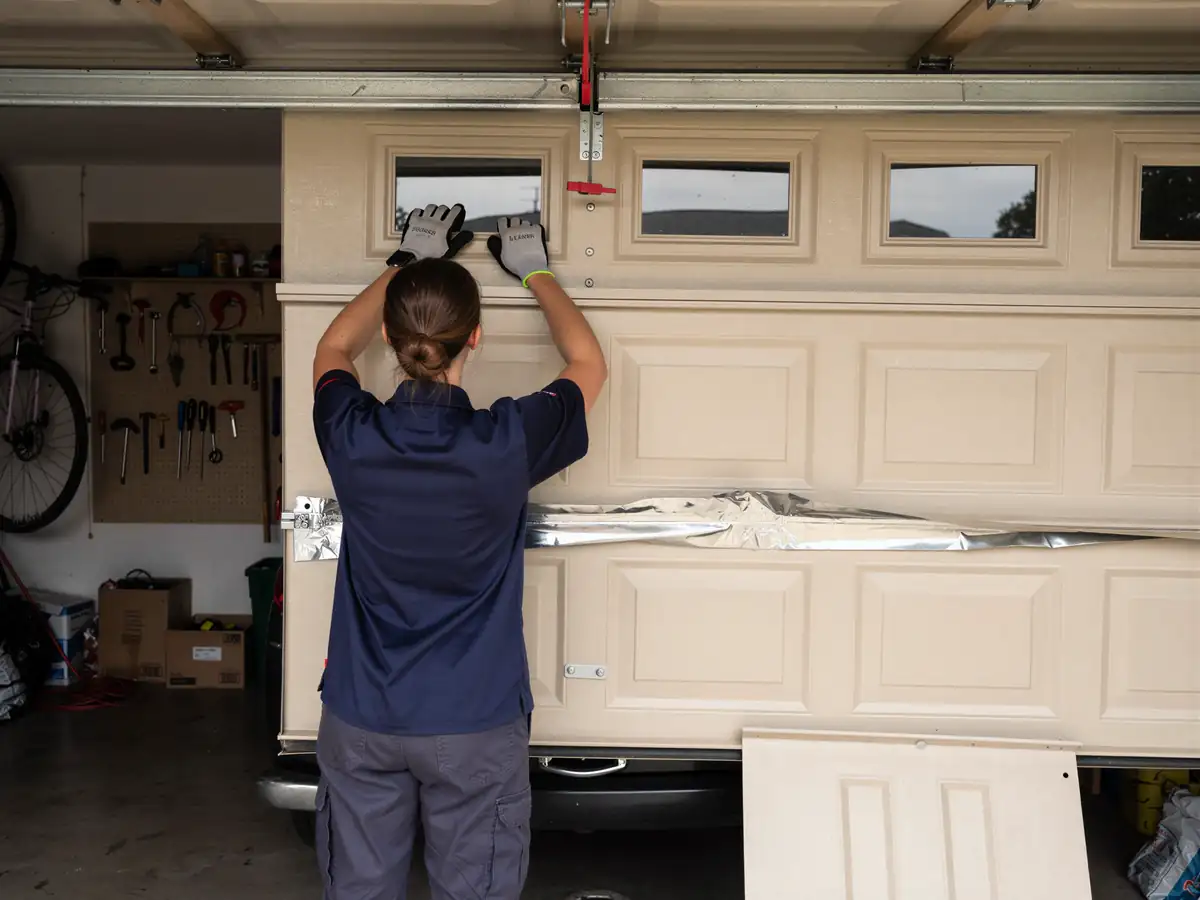
We also get calls for misaligned tracks and worn rollers, more common on the older homes where the original hardware has simply logged more years of use. One limitation worth saying plainly: if a part for an older single-piece door isn't something we carry on the truck, we may need to order it, and that can mean a second visit rather than a same-day fix.
This Area's Housing
Orono's 3,081 households sit on a build timeline that leans newer than the broader 31-area territory average
Where the wider service area centers on 1975, Orono centers on 1982 - meaning a larger share of its garage doors and openers were installed under building codes and hardware standards from the late 70s through the 90s rather than the early 60s.
- 3,081 households
That later median also lines up with the area's median household income of $181,875
Well above the broader service area's $108,611. In practice we see more full-door replacements requested here rather than patch repairs, and more homeowners asking about insulated doors or quieter belt-drive openers as upgrades rather than just fixing what's broken.
Orono sits about 18 miles from our Savage base, among the farther points we cover
Closer than some, farther than others, but it's a standard drive for us, not an edge case.
- 18 miles