The Split Between Old and New
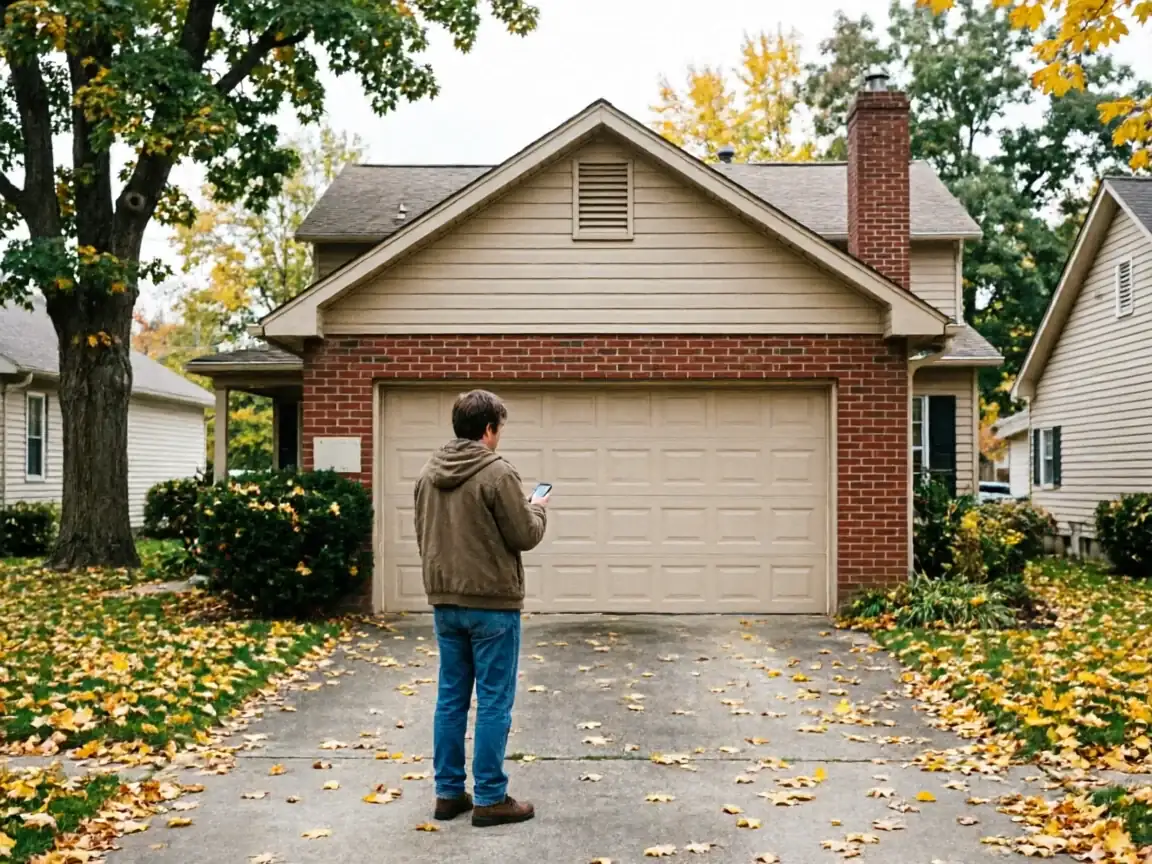
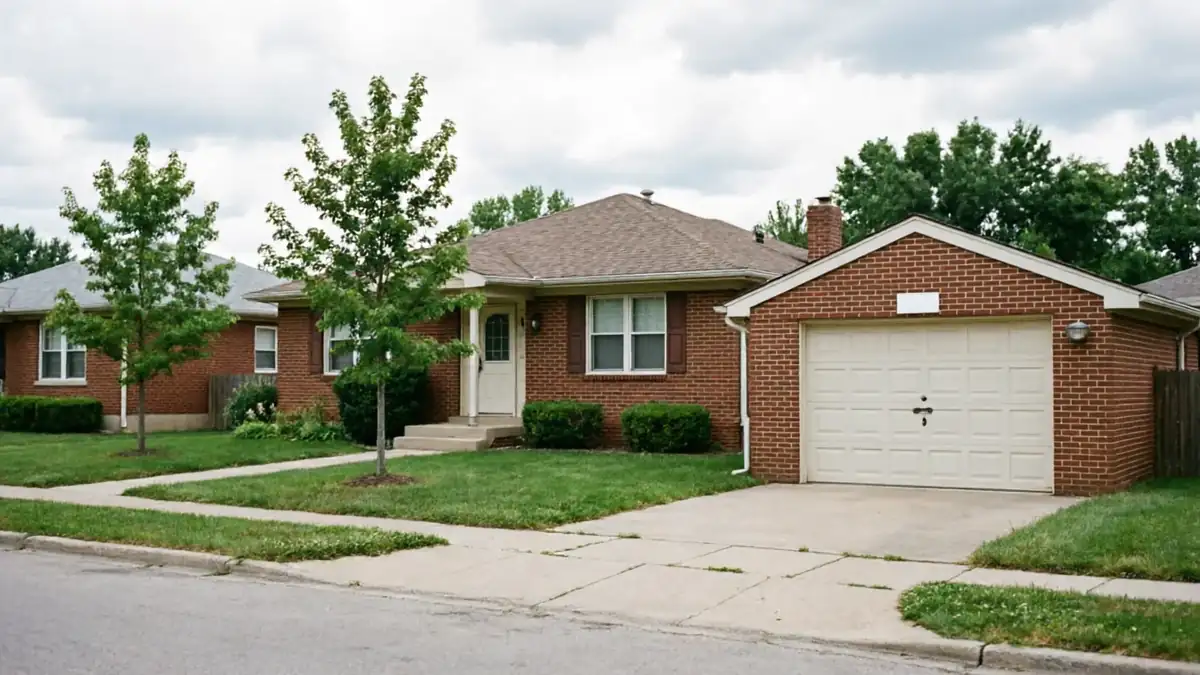
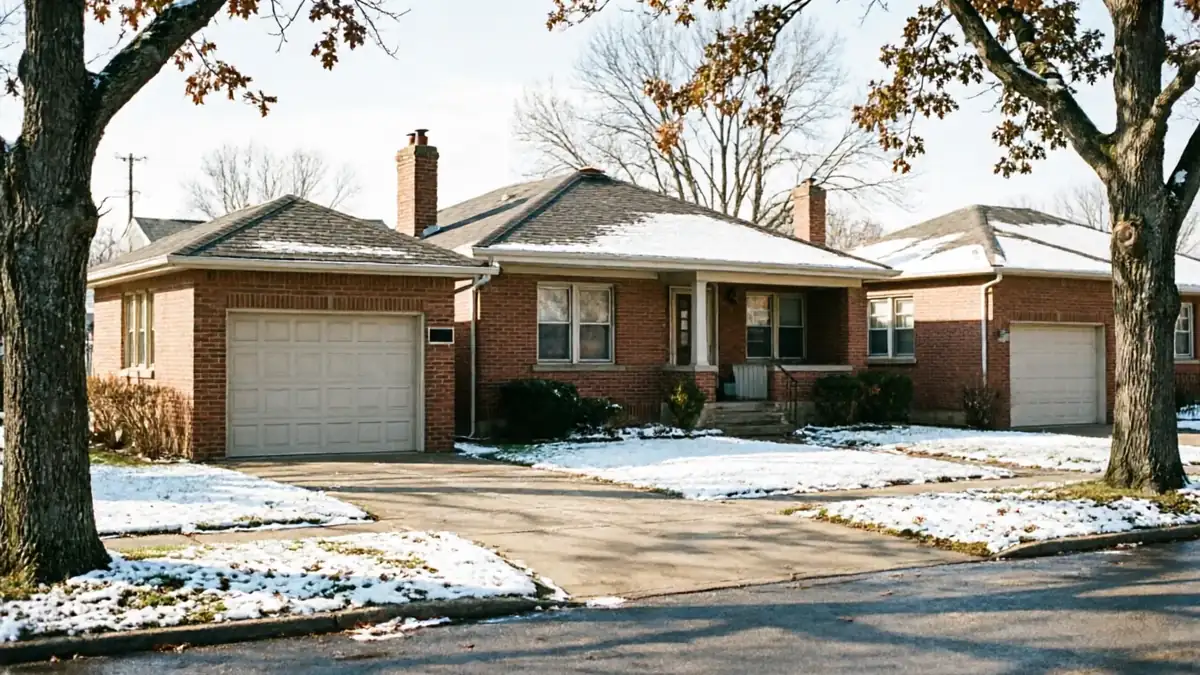
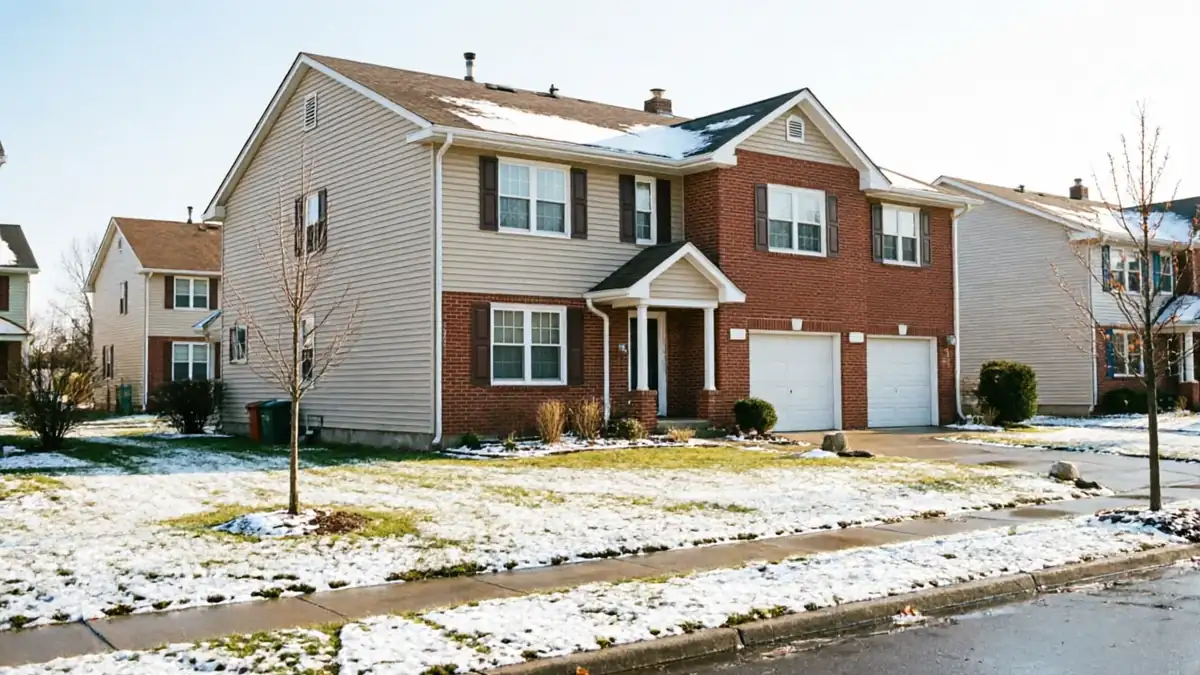
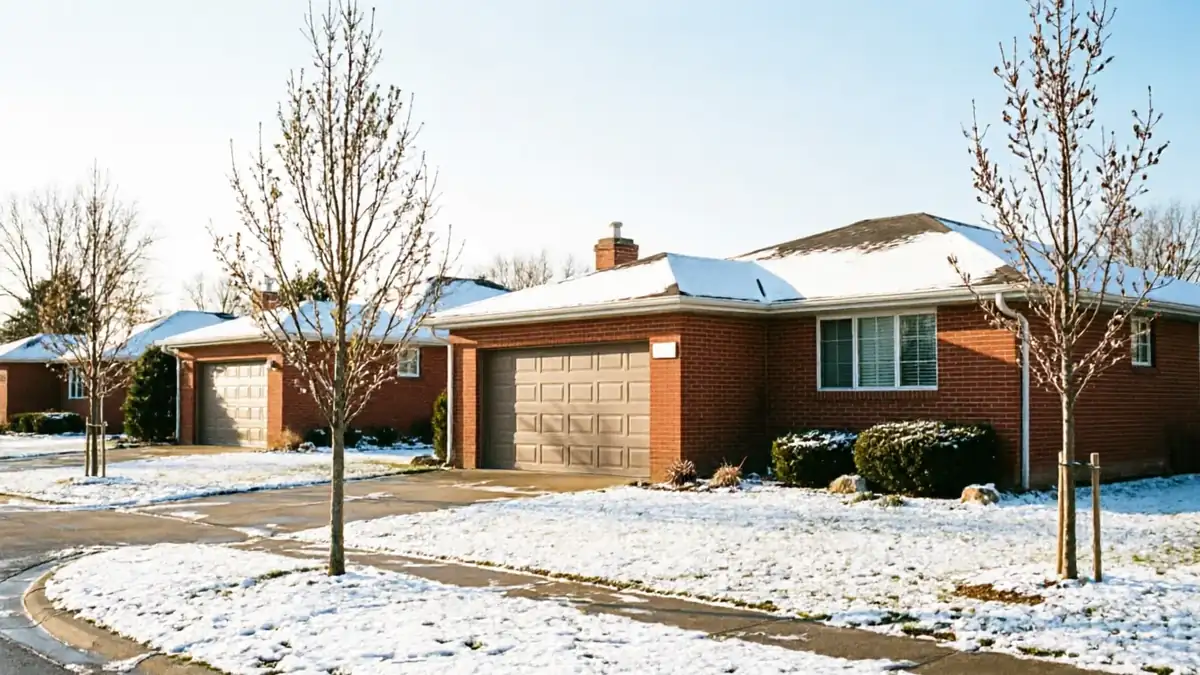
Crystal's median home was built in 1959
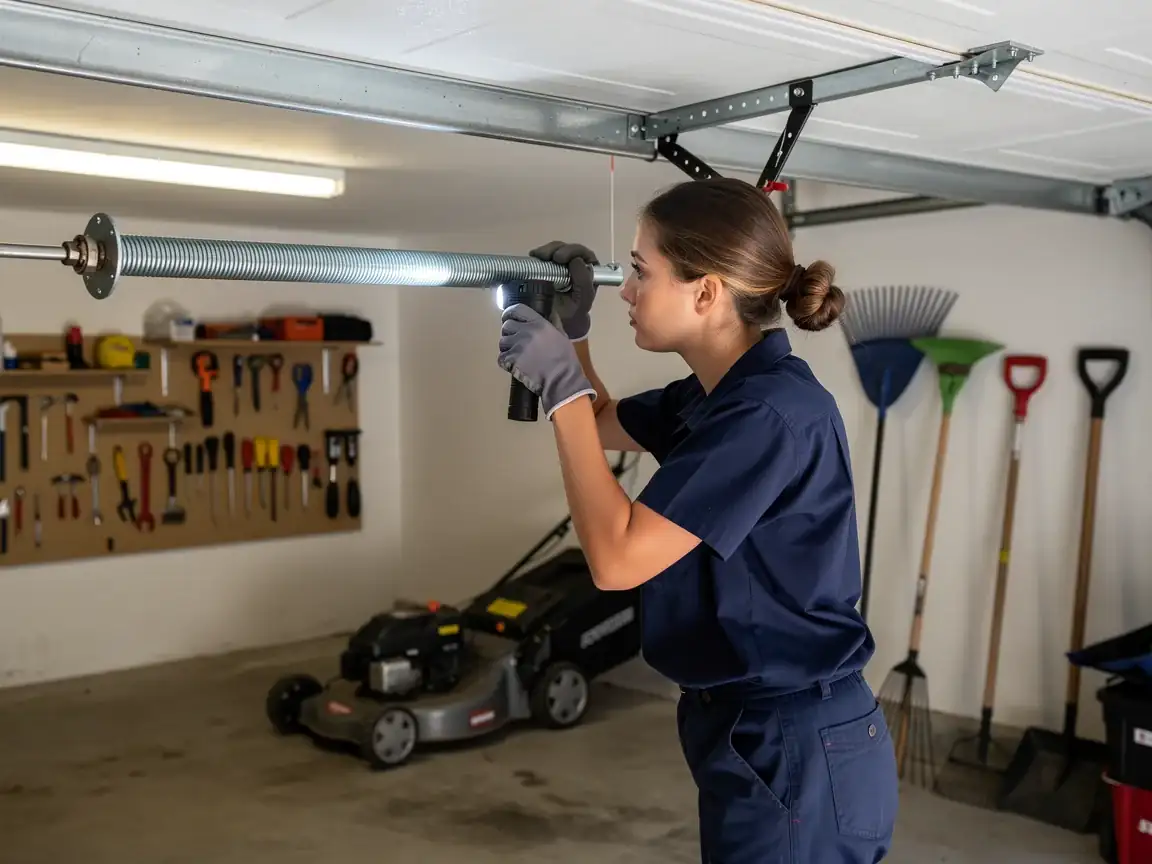
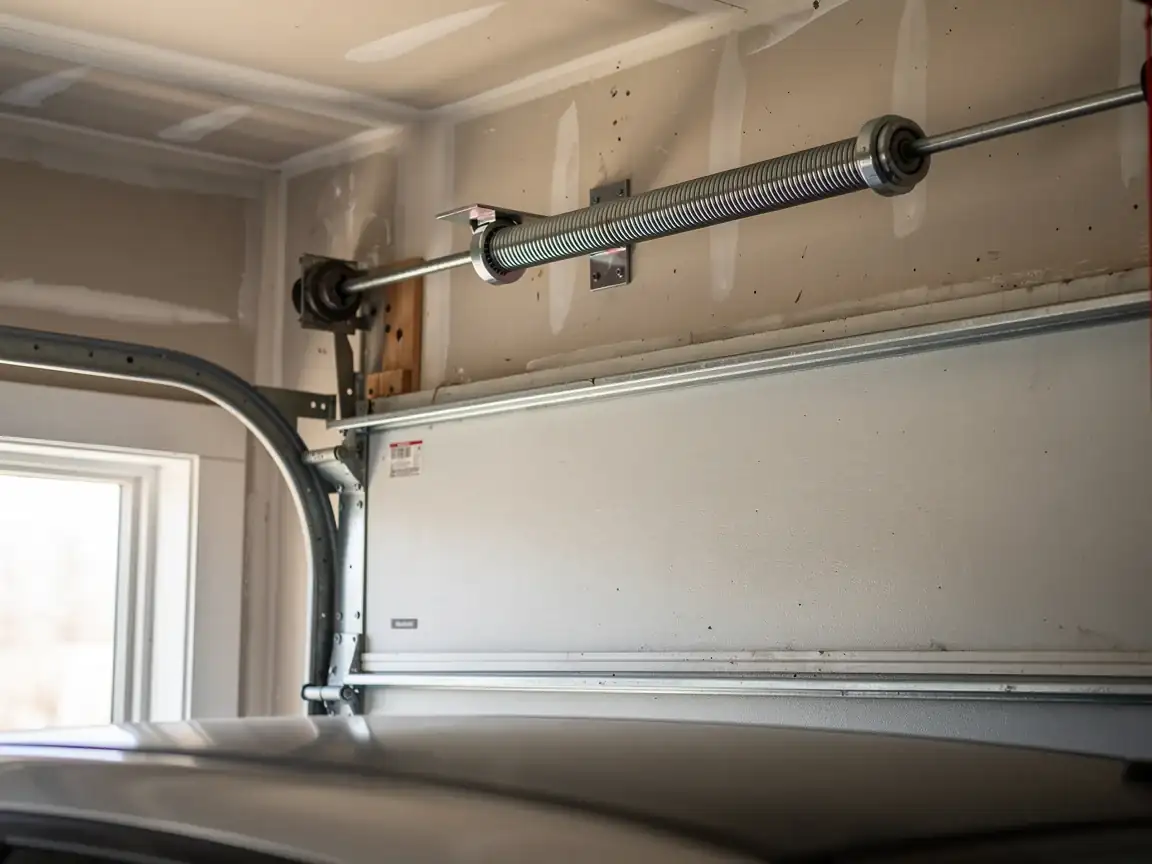
Which puts it well on the older end of the broader service area, where the overall median lands closer to 1975. That's not a small gap. A house built in 1959 went up before most of the garage door hardware we see every day was even standard. Torsion springs on a lot of these houses were added later, as retrofits, because the original doors ran on simple extension springs stretched along the horizontal track with no torsion tube at all.
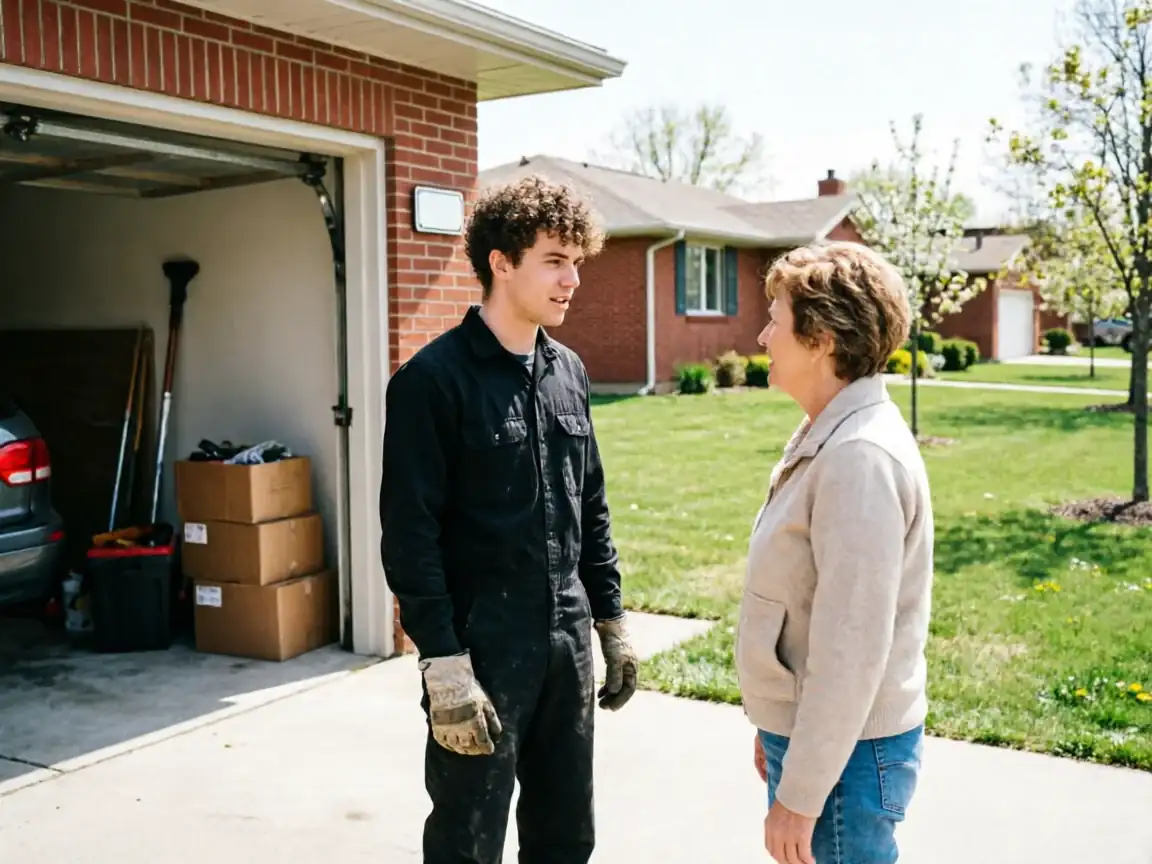
We drive out 19 miles from our shop in Savage to work on these
And the first thing we check isn't the opener - it's whether the track and spring system even match what came with the house or whether a previous owner swapped in newer hardware that doesn't quite fit the original jamb. In a lot of the newer sections of our service area, built in the 70s, 80s, or later, that question doesn't come up. In Crystal, it comes up constantly.
- 19 miles
We're not guessing at this
It shapes which parts we load on the truck before we head your way, and it's the reason a job that looks routine on the phone sometimes turns into a longer conversation about whether to repair or replace once we're standing in front of the actual opening.
How That Shows Up in the Door
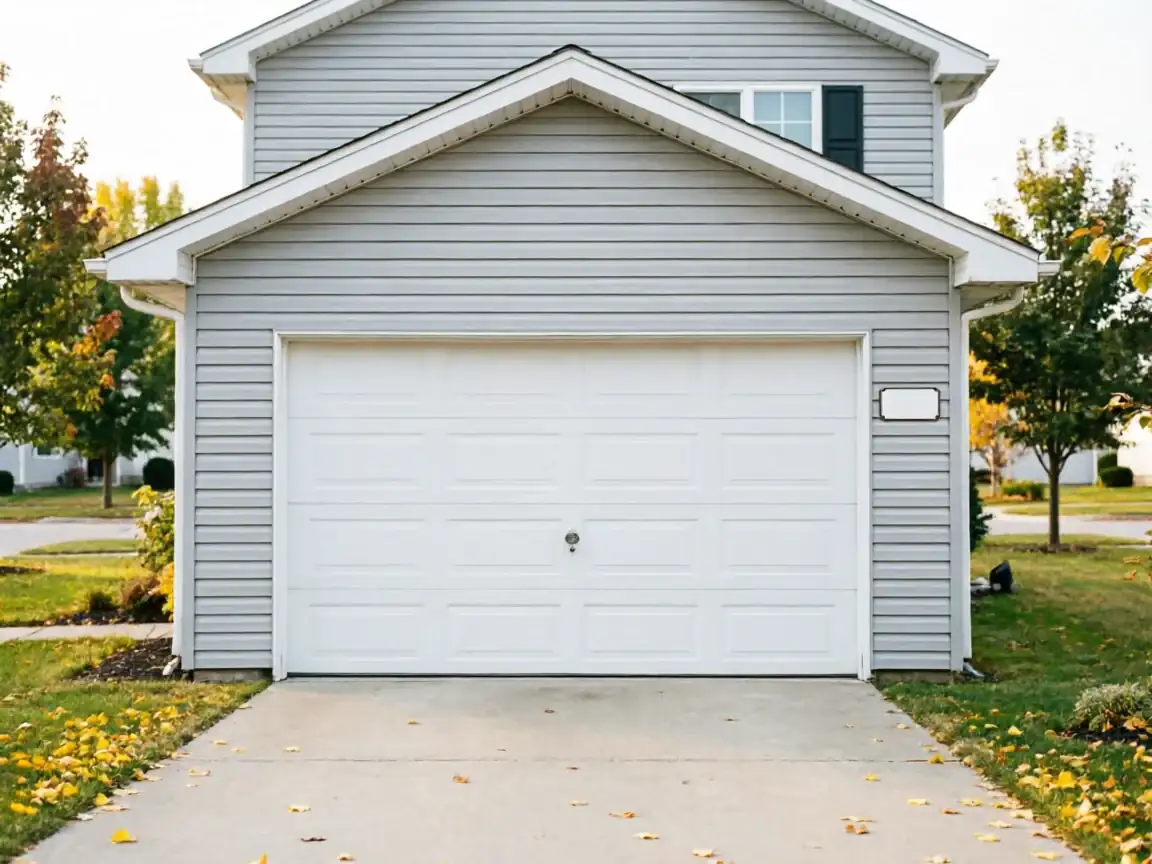
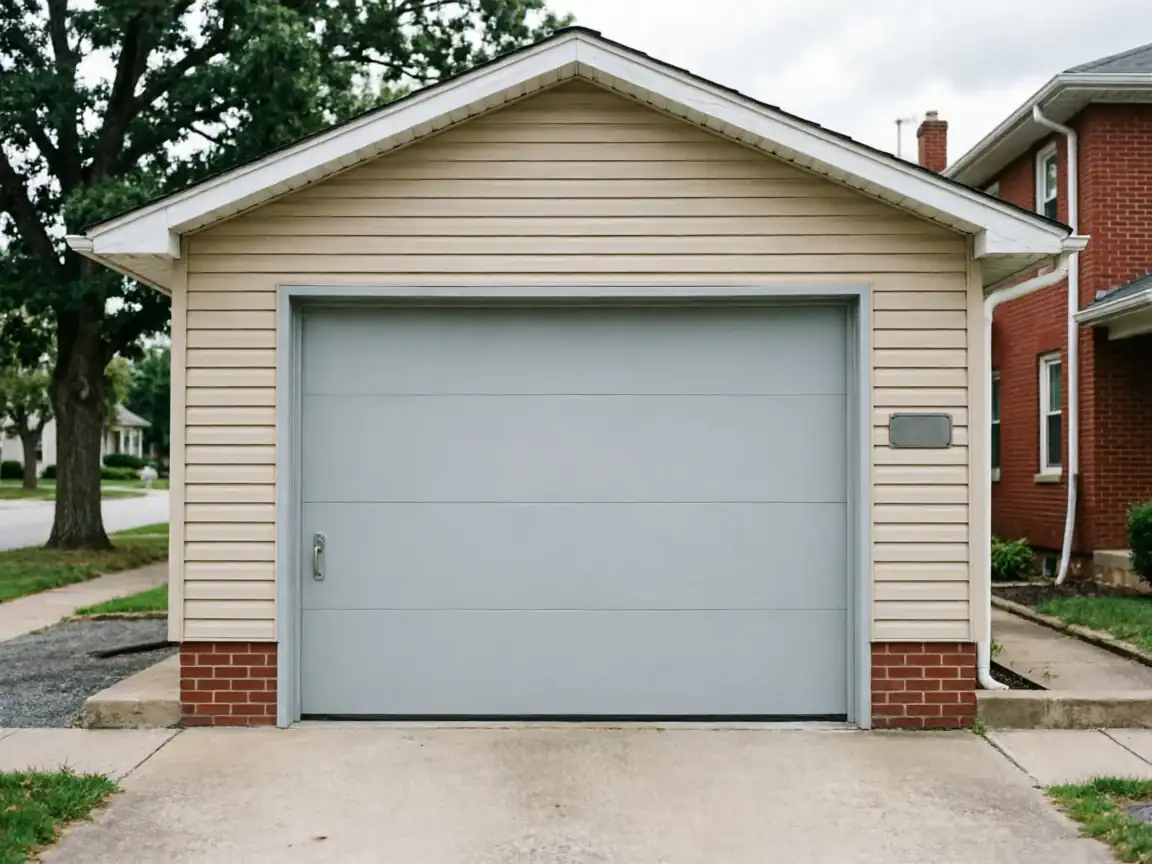
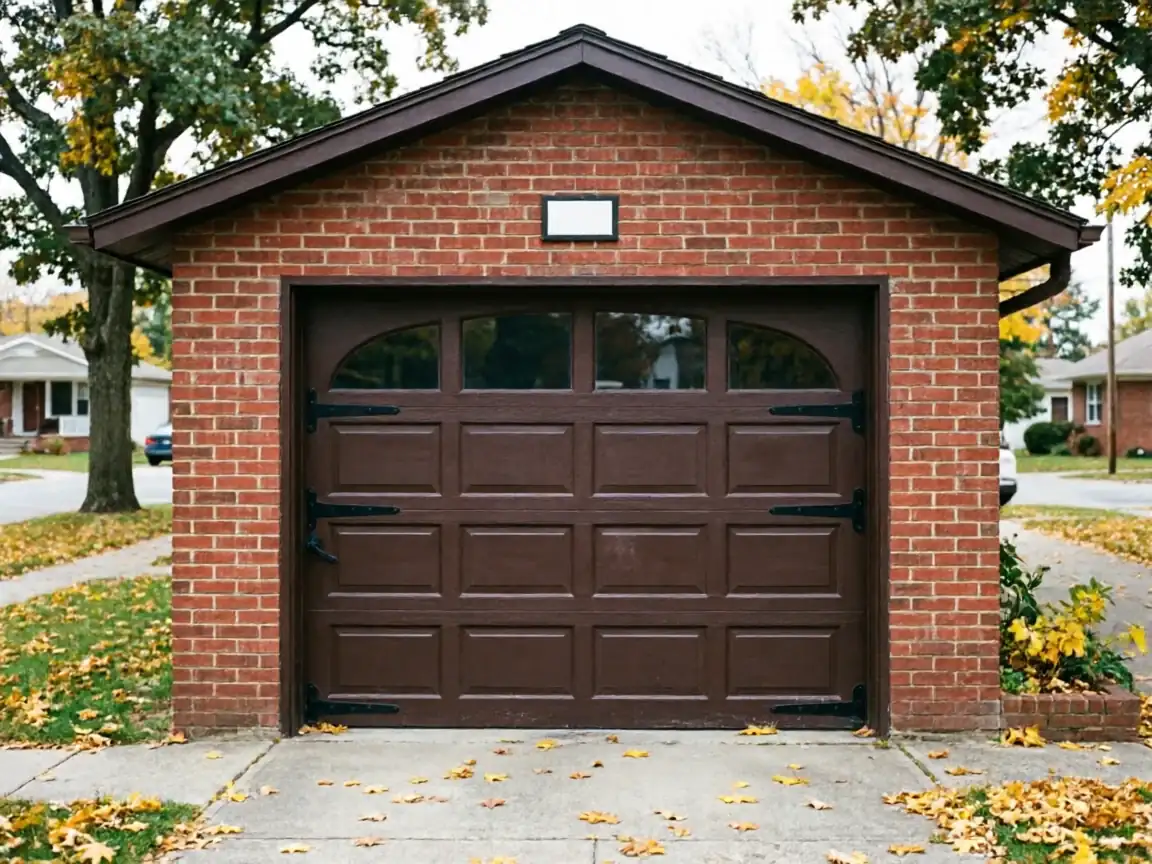
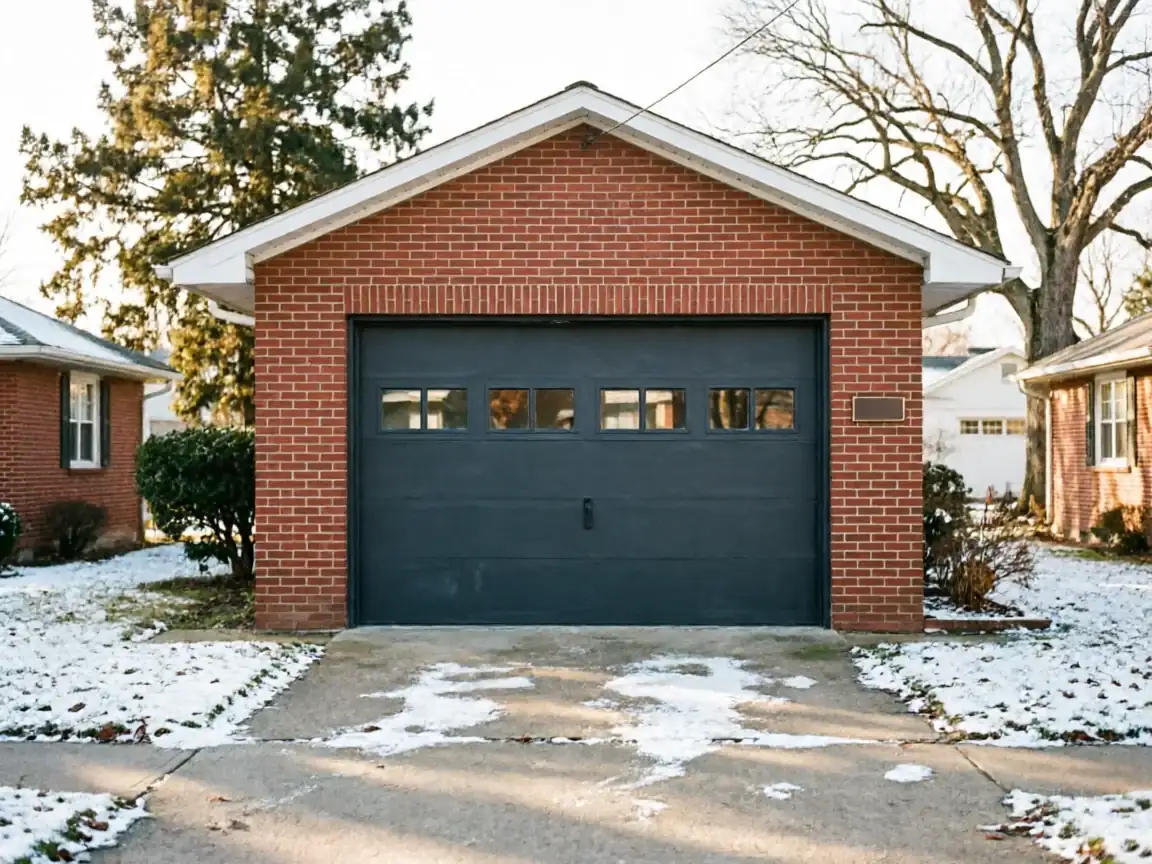
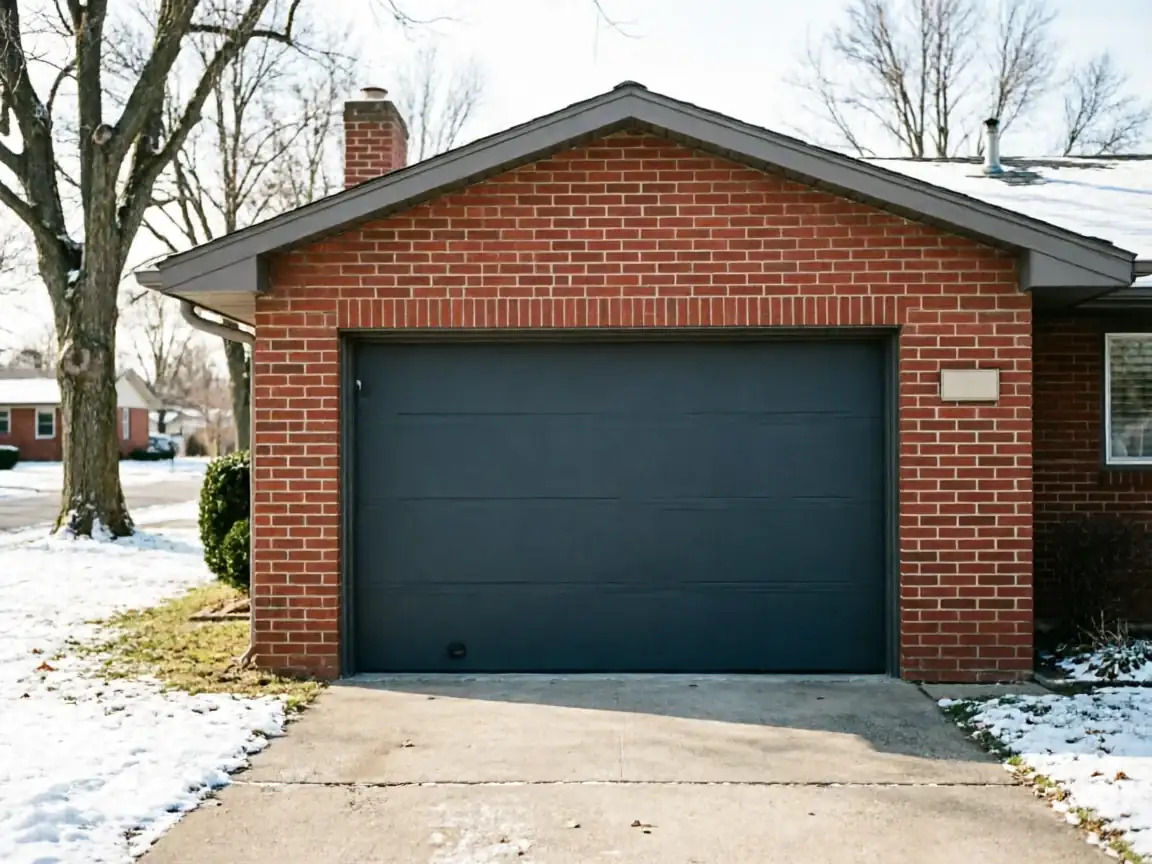
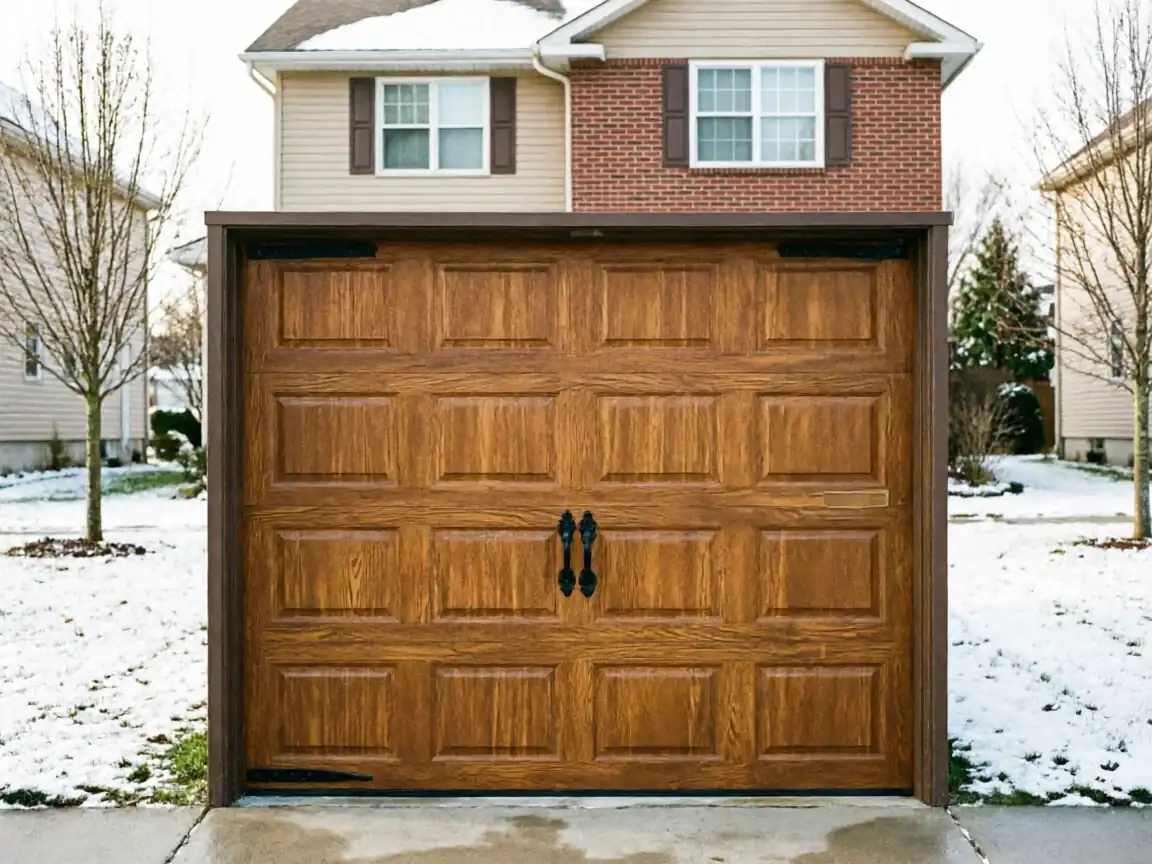
Late-1950s construction usually means a narrower single-car opening than what gets built today, often 8 feet or less, paired with a door panel that's thinner and lighter than anything currently manufactured. That lighter panel puts less load on the spring, which sounds like a good thing until the spring itself is also 40 or 50 years past its install date and was never rated for the duty cycle a modern opener puts on it.
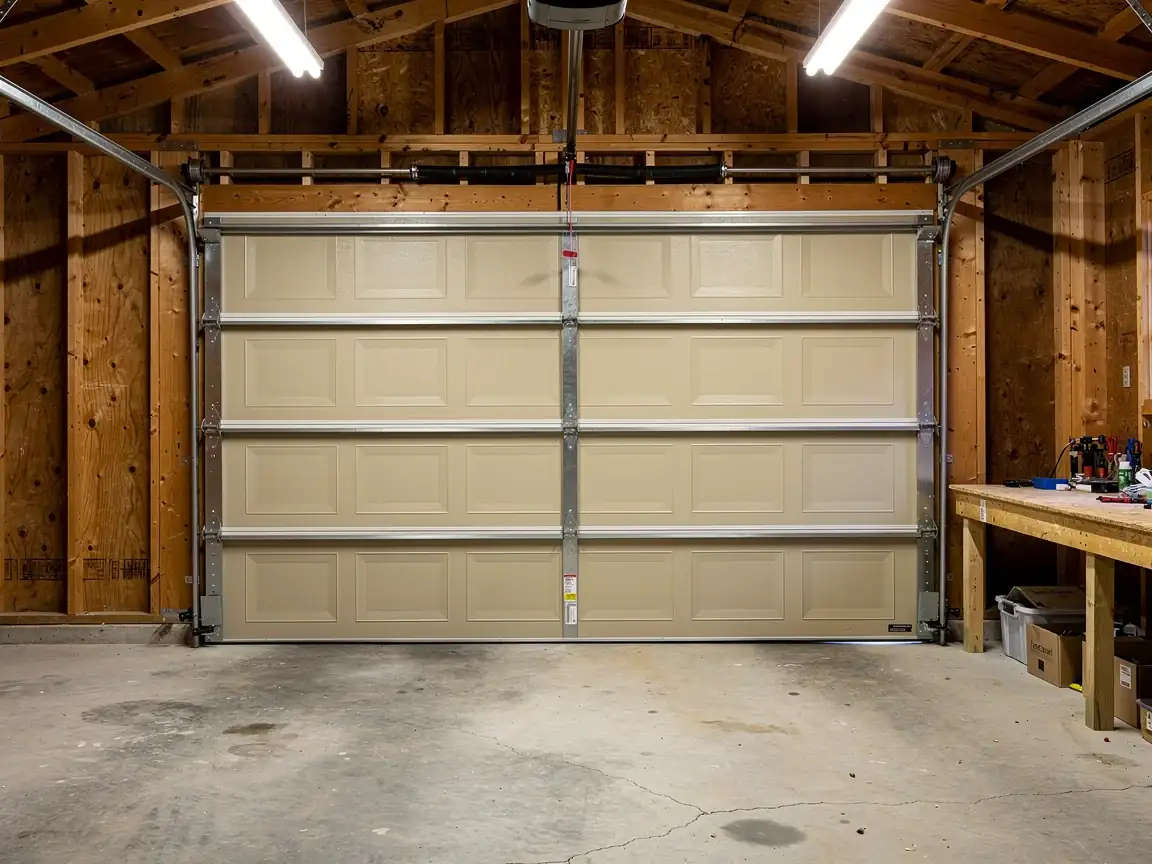
We also see a lot of side-mounted jackshaft setups on these older single doors, which is a different repair than the center-mounted torsion systems common on newer double-wide garages elsewhere in our coverage area. If a technician shows up expecting a standard torsion spring replacement and finds a jackshaft system instead, that's a different part, a different price, and sometimes a trip back to the truck for the right spring size.
We can't carry every spring size for every era of hardware on every truck, every day. If your door is an older jackshaft or extension-spring setup, there's a real chance the first visit is a diagnosis and the second is the fix. That's a limitation worth knowing before you call, not after.
Common Jobs Here
The calls we get from Crystal skew toward hardware fatigue rather than opener electronics. Extension springs that have simply stretched out past their coil spacing. Rollers worn oval instead of round from decades of use on steel track that's never been replaced. Cables fraying at the drum because the original drums were sized for a lighter panel than whatever's been swapped in over the years.
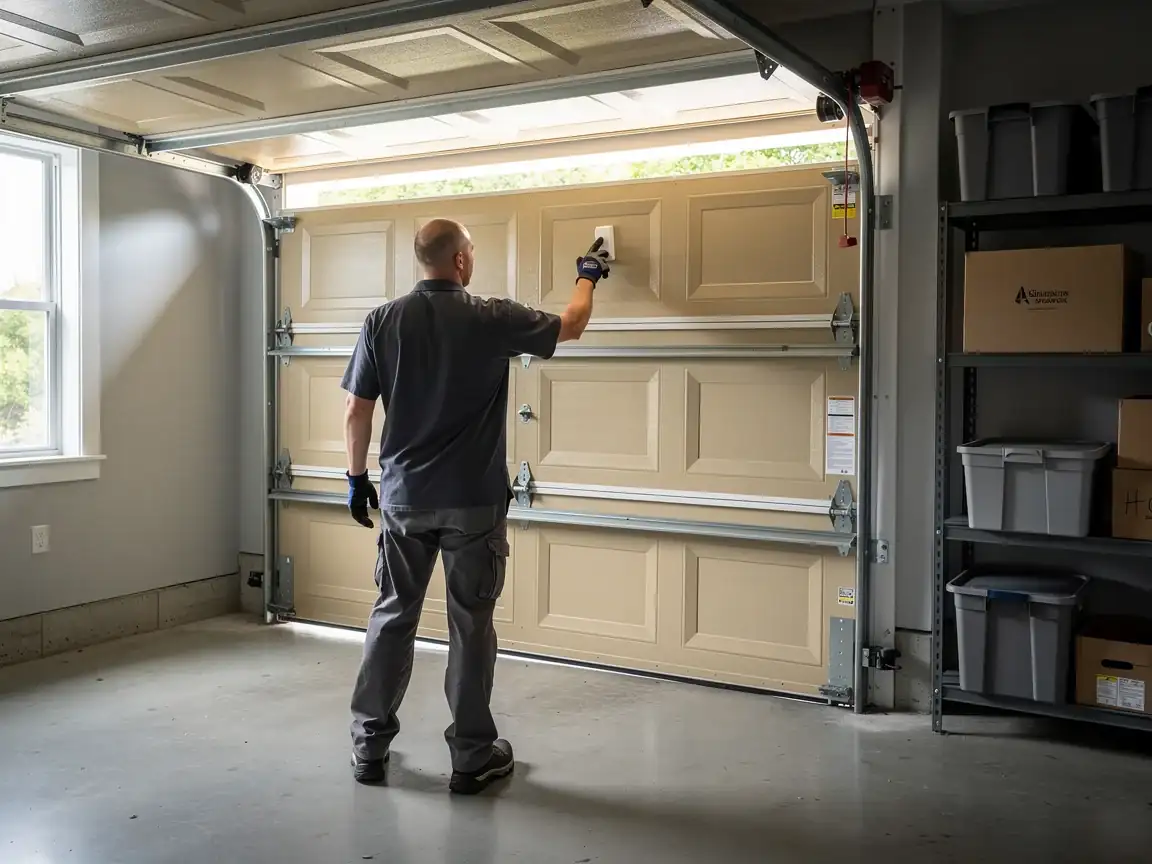
We also replace a fair number of openers here that are original or close to it - chain-drive units from an era before modern safety reversal systems were standard, which is itself a reason to swap rather than repair once one of these fails.
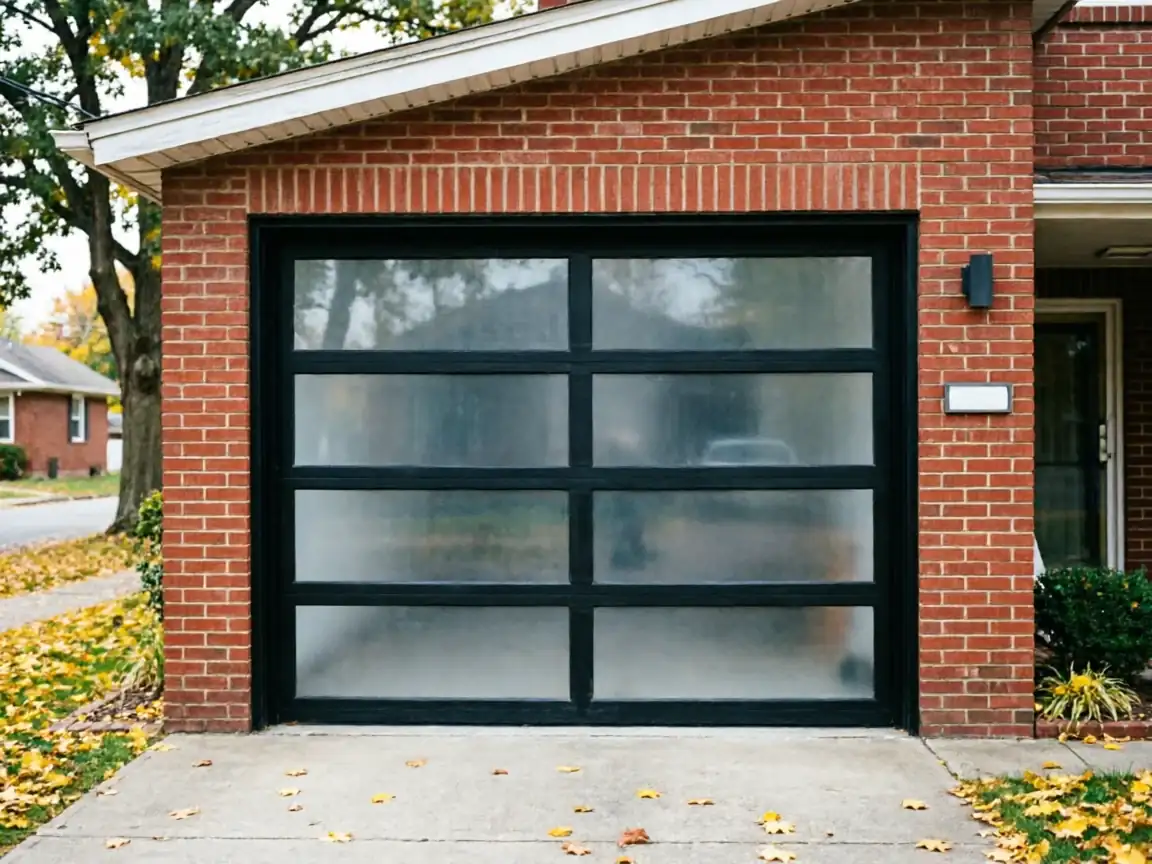
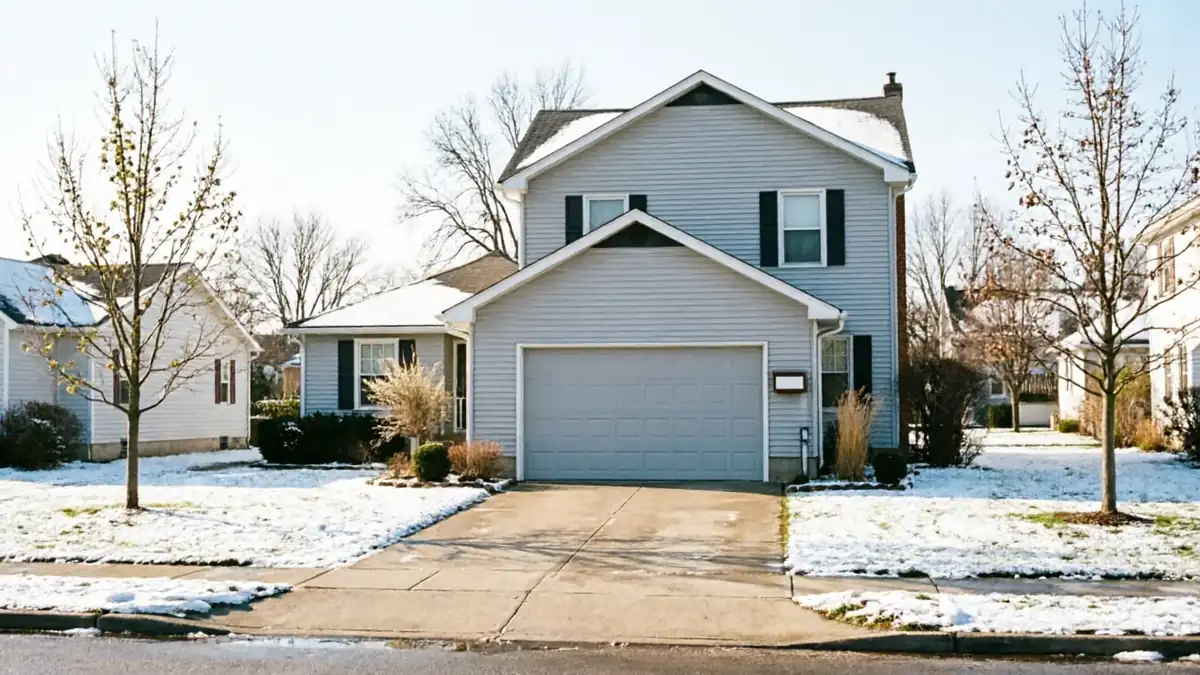
What we see less of here than in newer sections of the service area: warped aluminum panels, broken rollers from insulated steel doors, and opener circuit board failures tied to newer smart-home wiring. Different housing stock, different failure pattern - that's the whole point.
This Area's Housing
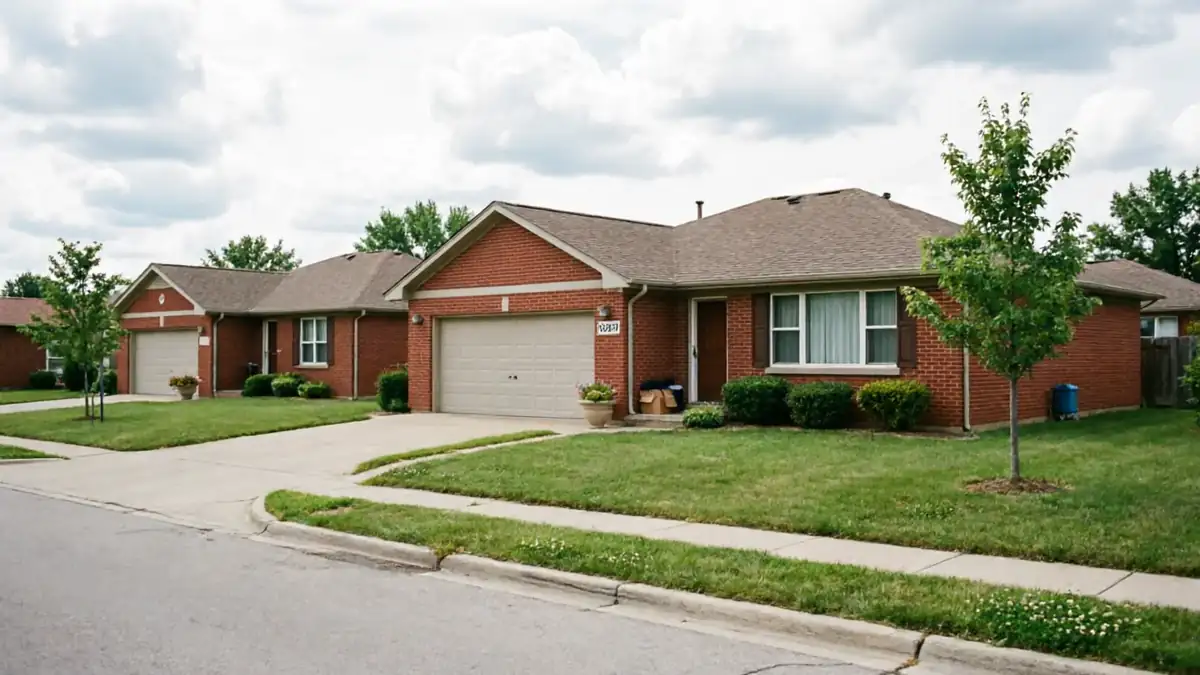
Crystal has about 9,307 households, smaller than the 109,890-household footprint we cover across the full service area
And the median household income here runs $86,752, below the broader area's $108,611 median. Those two numbers together tend to mean homeowners are more likely to ask us about repair-first options before jumping to full door replacement, and we're fine with that conversation. A working extension-spring system with new cables and rollers can run another decade just fine; it doesn't need to become a torsion conversion unless something about the opening itself has changed.
- 9,307 households
The service area runs cold-climate
Which matters less for the door panel and more for the opener's lubrication and the weatherstripping seal at the bottom of the track - both of which wear faster on older, looser-fitting doors than on tighter modern ones. Crystal sits about 19 miles from our shop in Savage, which we mention mainly so you know we're traveling to you, not operating a second location in town.
- 19 miles