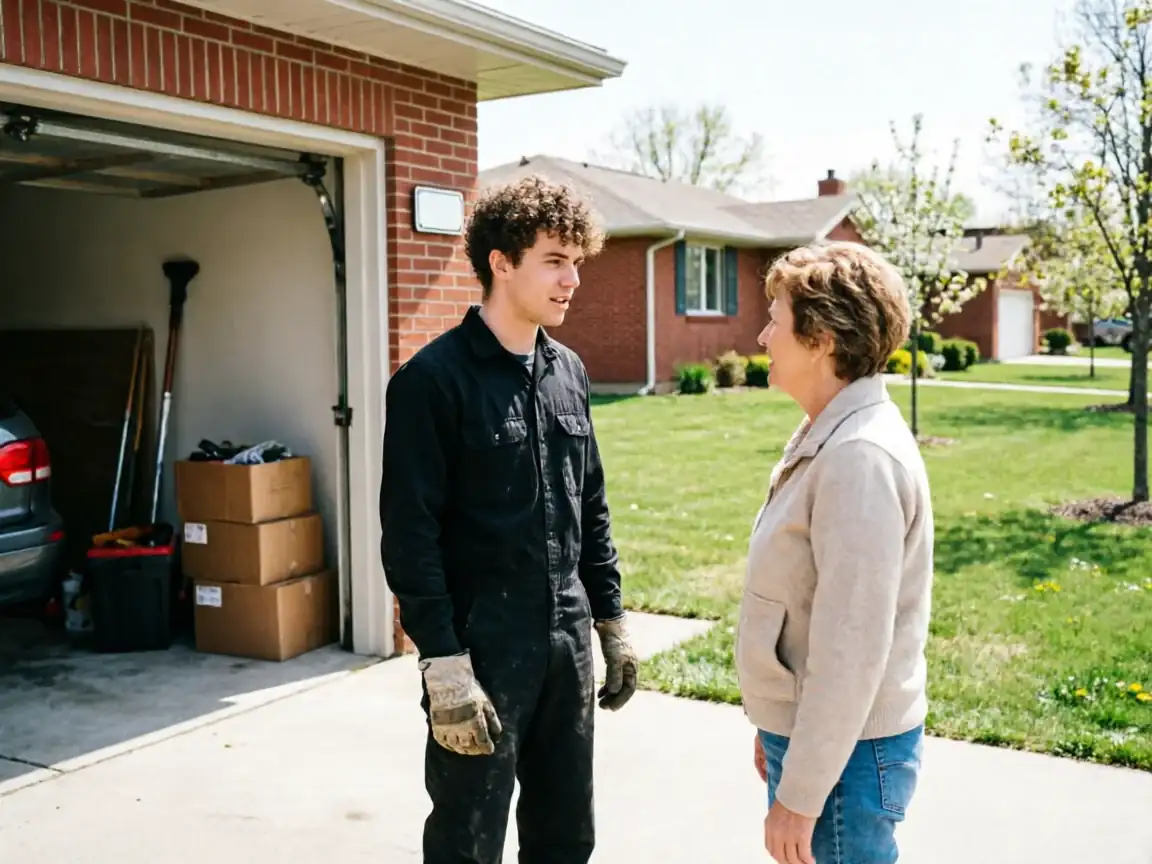
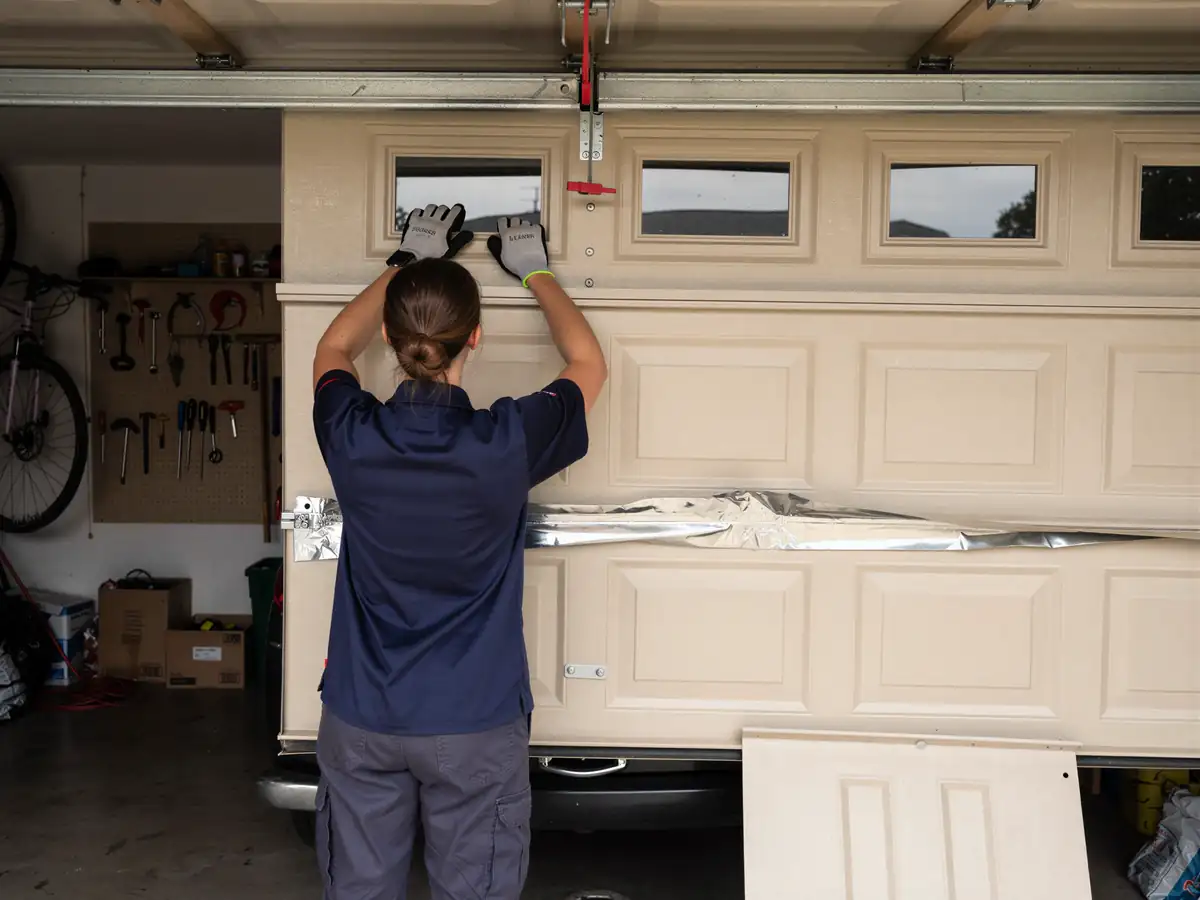
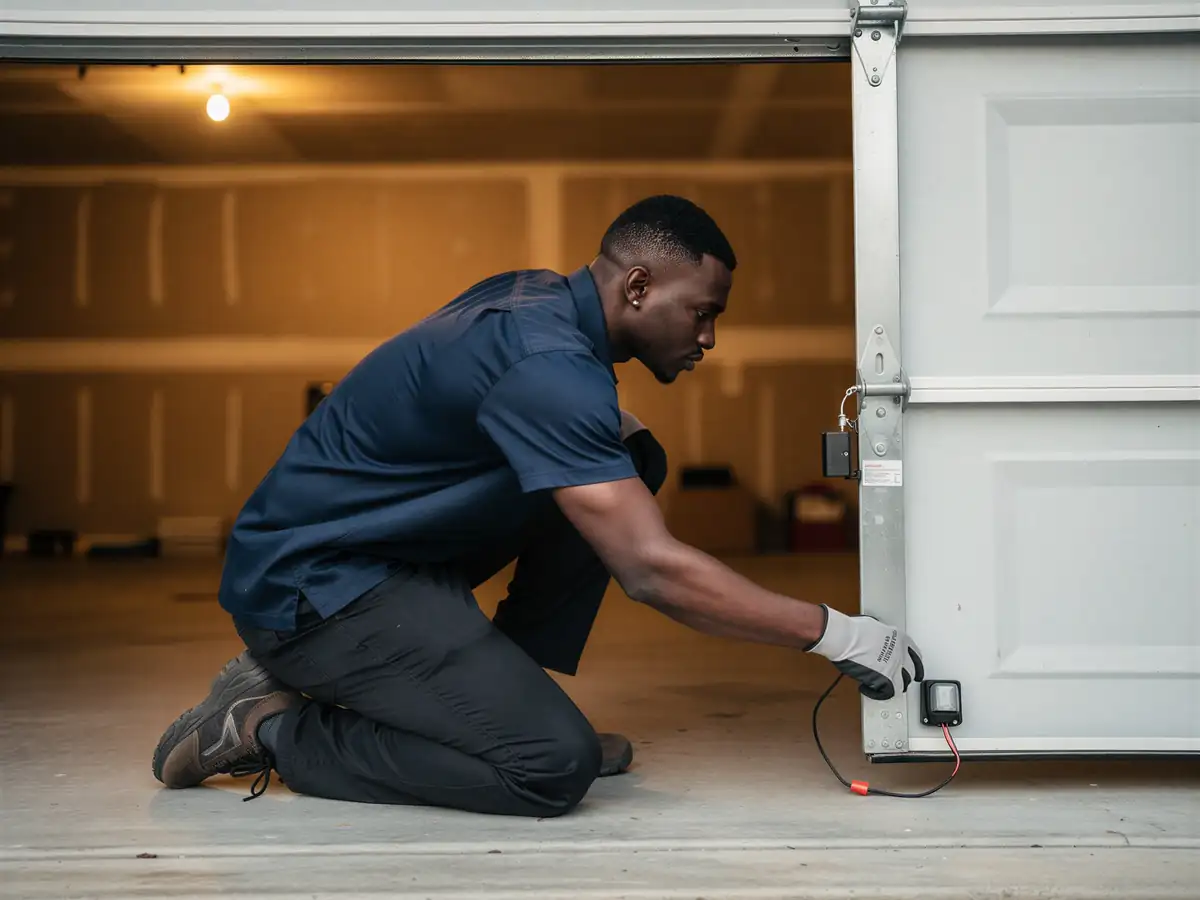
Savage homes built between 1956 and 2005 carry weather seals suited to a different era. Here's how our cold climate works on that rubber and what it means for drafts.
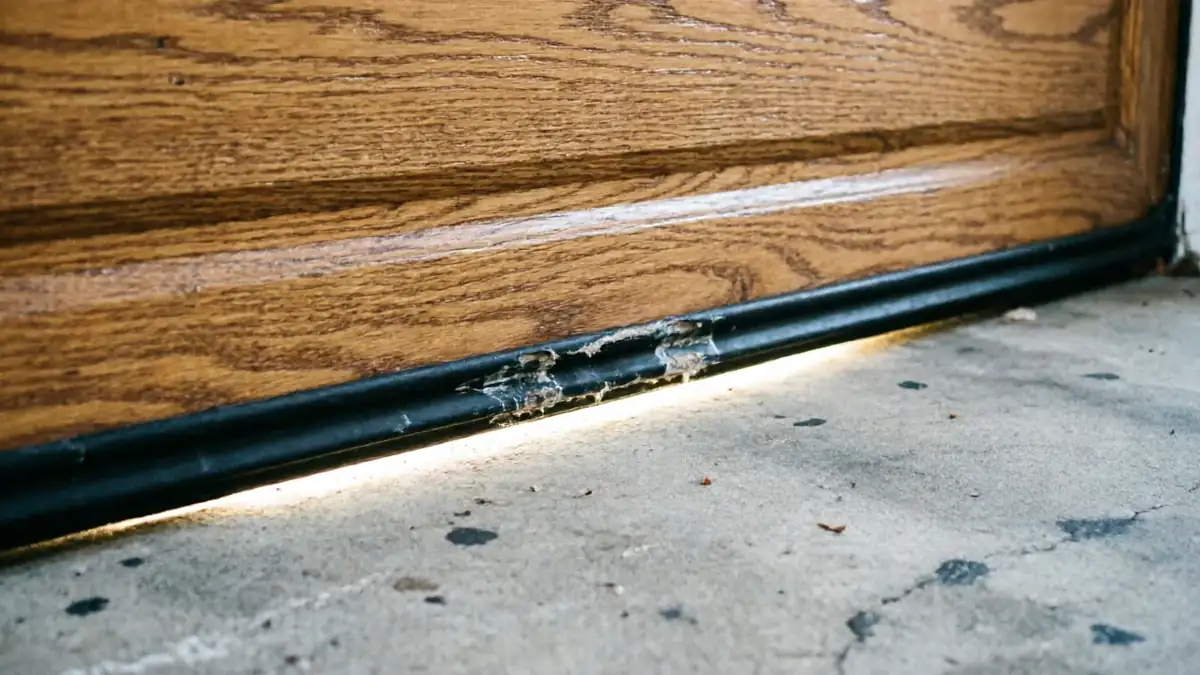
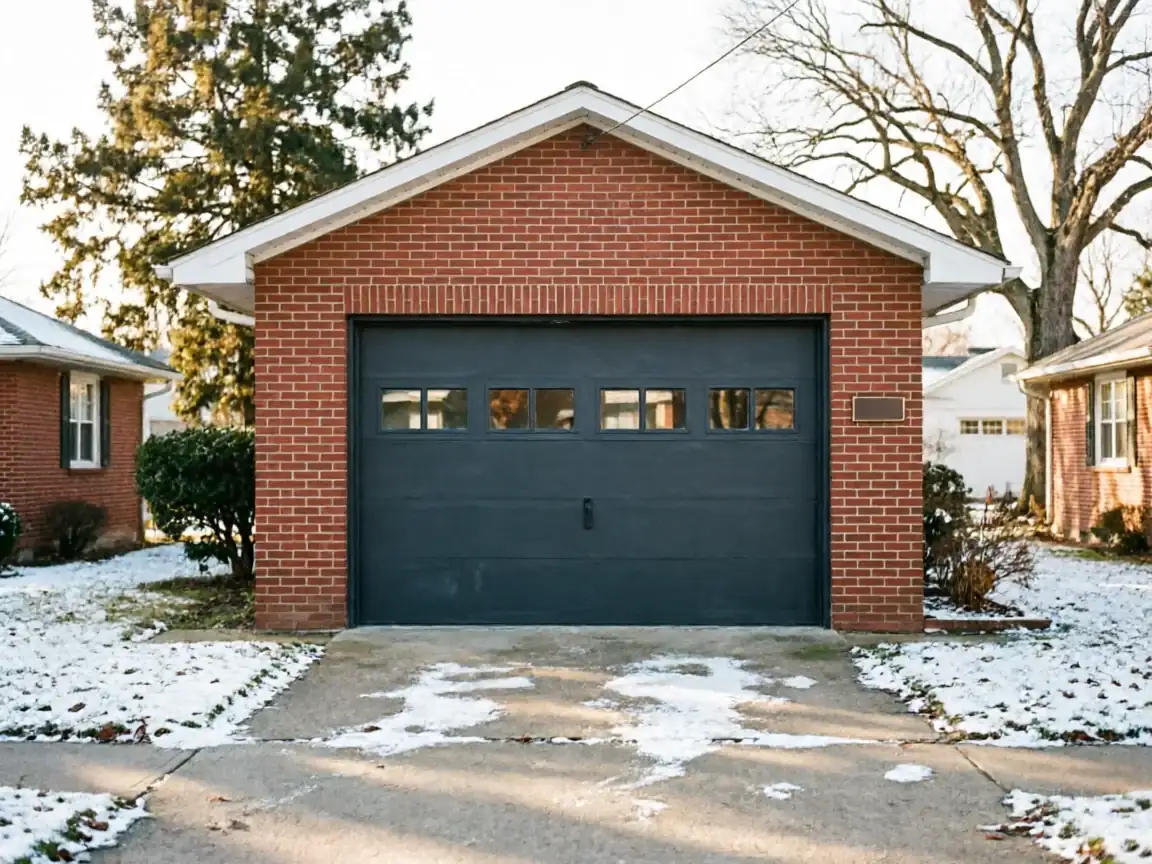
Savage sits in a cold moderate climate band, and that matters more for your garage door than people think. The bottom seal and the side seals on a garage door are rubber or vinyl, and rubber gets brittle with repeated freeze-thaw cycling. It isn't one hard freeze that kills a seal - it's the cycle of cold nights and warmer days running over and over through a Minnesota winter. The seal loses its flex, starts to crack at the corners, and stops closing the gap it was made to close. Most of the housing stock across this service area went up between 1956 and 2005, with a lot of it concentrated in 1960s and '70s construction. That means a wide range of seal types out there: some doors still have the thin bulb seal that came standard decades ago, others have been retrofitted once already. Either way, a 40- or 50-year-old garage floor slab has usually settled or cracked at the edges too, which changes the gap the seal has to cover. A seal that worked fine on a flat slab in 1975 may not be sealing a slab that's shifted since. That combination - older seal material plus a slab that's moved - is what actually produces the draft, not just
The Problem
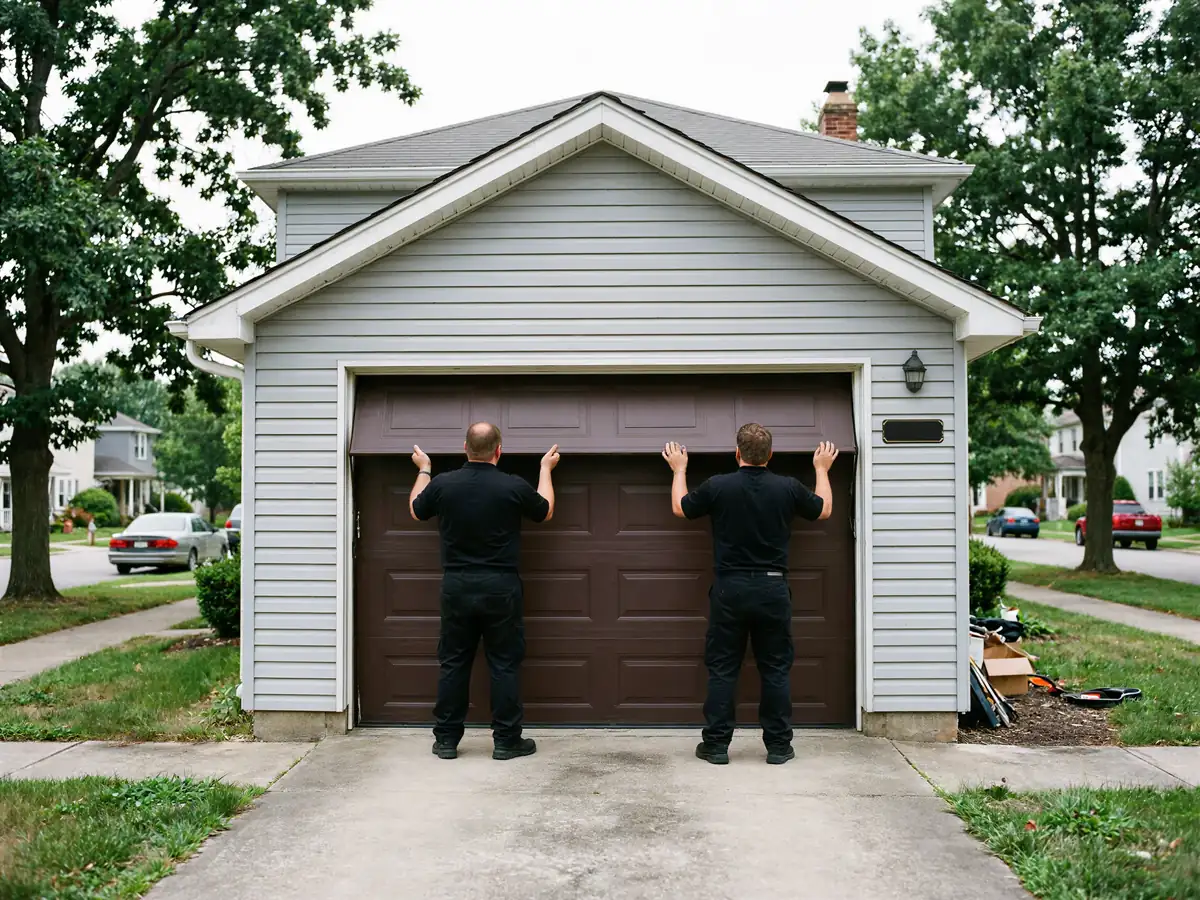
The draft itself isn't the real issue - it's what the draft tells you. Cold air coming in under the door means the seal has given up its job, and in a lot of these older Savage houses, that cold air is reaching an attached garage with a shared wall to living space. Over a winter, that steady gap can mean a noticeably colder floor in the room above or next to the garage, condensation on the inside of the door panel, and in older steel doors, rust starting at the bottom edge where melted snow sits against bare metal. We also see this on side seals where the door track has shifted slightly from decades of use - a quarter-inch gap doesn't sound like much until you're standing next to it on a January morning. The honest limitation here: a seal replacement fixes the gap, it doesn't fix a settled slab or a door that's racked out of square. If the gap is uneven top to bottom, a new seal will close partway and leave the rest open, and that's a track or hardware problem, not a weatherstripping problem.
When to Get Help
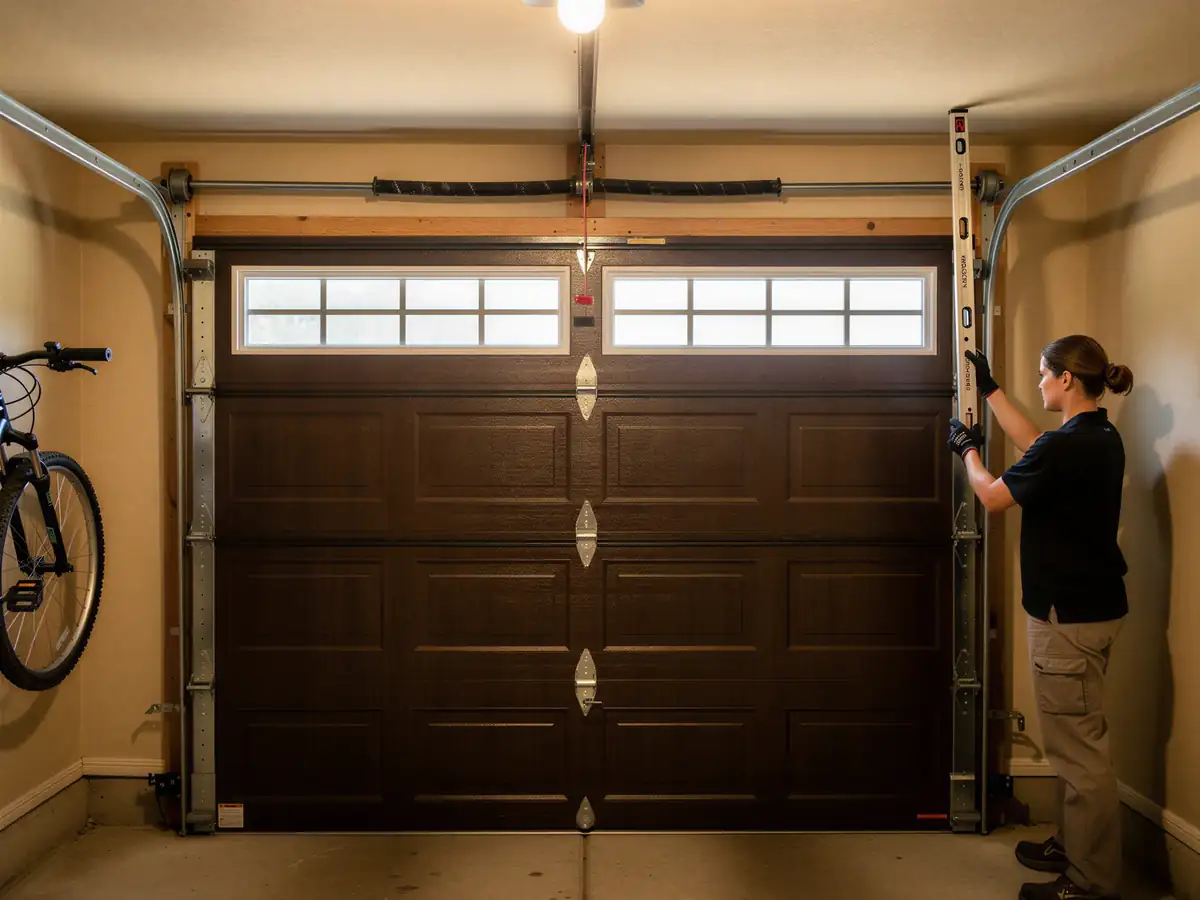
Call before the cold sets in hard, not after. If you can see daylight under the door, feel moving air along the bottom edge, or notice frost forming inside the garage along the door frame, the seal has already failed - replacing it is a straightforward job on most doors. It gets less straightforward if the gap isn't even across the width of the door, which usually points to a track alignment issue or a door that's dropped on one side, both more common in houses from the 1960s and '70s where the original hardware is still in place. That's worth a look rather than a guess, because a new seal pressed against a misaligned door won't hold its seat and you'll be back where you started by the next freeze. If your opener is also struggling in cold weather - slow to close, reversing without contact - that's usually a separate issue from the seal, but it's worth mentioning when you call.
What Changes With the Season
The seal problem shows up worse in winter, but the damage happens in the shoulder seasons - the freeze-thaw swings of late fall and early spring do more cracking to old rubber than a steady deep freeze does. If your door has its original weatherstripping, checking it before the first hard cold snap is the cheapest insurance you can buy: a seal replacement is minor, a cracked panel from water sitting against bare metal all winter is not. Doors on houses toward the older end of the 1956-2005 range are the ones we see with the most brittle original material, simply because vinyl and rubber degrade over decades even without heavy use. On the newer end of that range, seals tend to be in better shape, but track and roller wear becomes the bigger issue instead. Either way, cold moderate winters here don't forgive a gap - they just make it wider each season until someone fixes it.
How it works
From “it’s stuck” to “it’s fixed”
01
Tell us what’s wrong
Describe the symptom - won’t open, loud bang, opener runs but the door won’t move.
02
On-site diagnosis
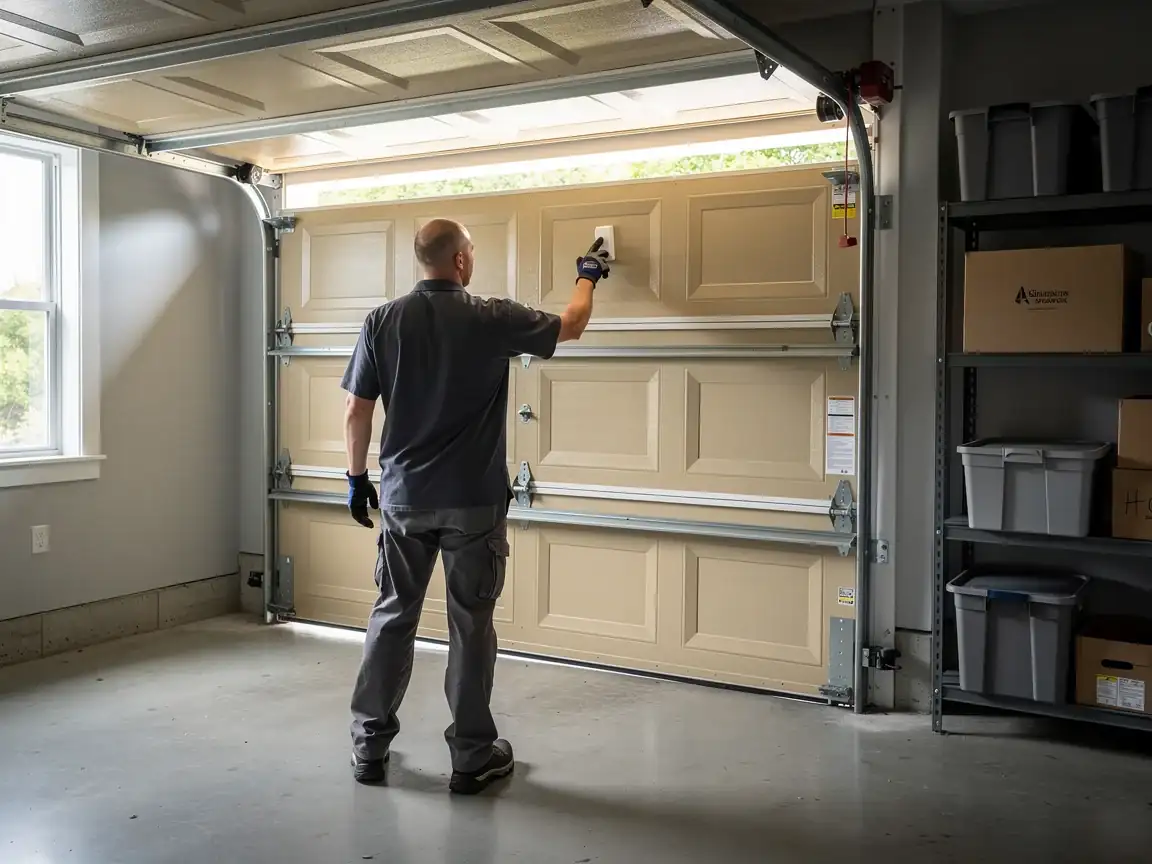
A technician tests the door under power and by hand and finds what actually failed.
03
Clear, up-front plan
You get the fix that’s needed and what drives the cost - before any work starts.
04
Repaired & tested
The repair is done, the door is set true and tested, and the work area left clean.
Not sure which repair your door needs in Savage, MN? Describe what it’s doing - every job starts with a diagnosis.
How often do garage door seals need replacing in Savage?
There's no fixed schedule - it depends on the seal's age and how it's held up through freeze-thaw cycles. Original seals on 1960s and '70s houses in this area have often gone decades without replacement and are brittle by now. If you can feel a draft or see a gap under the door, it's time regardless of how old the house is.
Why does my garage door only draft in winter?
Rubber seals contract in cold temperatures and lose flexibility faster through repeated freeze-thaw cycles, which is common in our cold moderate climate. A seal that looked fine in summer can shrink enough in January to leave a visible gap. Warmer months mask the problem because the rubber is more pliable then.
Is a drafty garage door worth fixing or should I replace the whole door?
For most homes in this area with houses built between 1956 and 2005, a seal replacement handles the draft on its own. Full door replacement only makes sense if the panel is cracked, rusted through, or if the track and hardware are failing alongside the seal - we'd look at the whole door before recommending that.
Ready to get your garage door sorted?
Tell us what it’s doing and where you are in Savage - we’ll take it from there.