Serving Savage, MN & nearby
(952) 246-5116
Savage, MN

What the Cold Does to a Garage Door in Savage

Savage, MN homes built mostly between the 1960s and 1970s face cold-climate strain. Learn which noises mean trouble before a spring or cable finally fails.

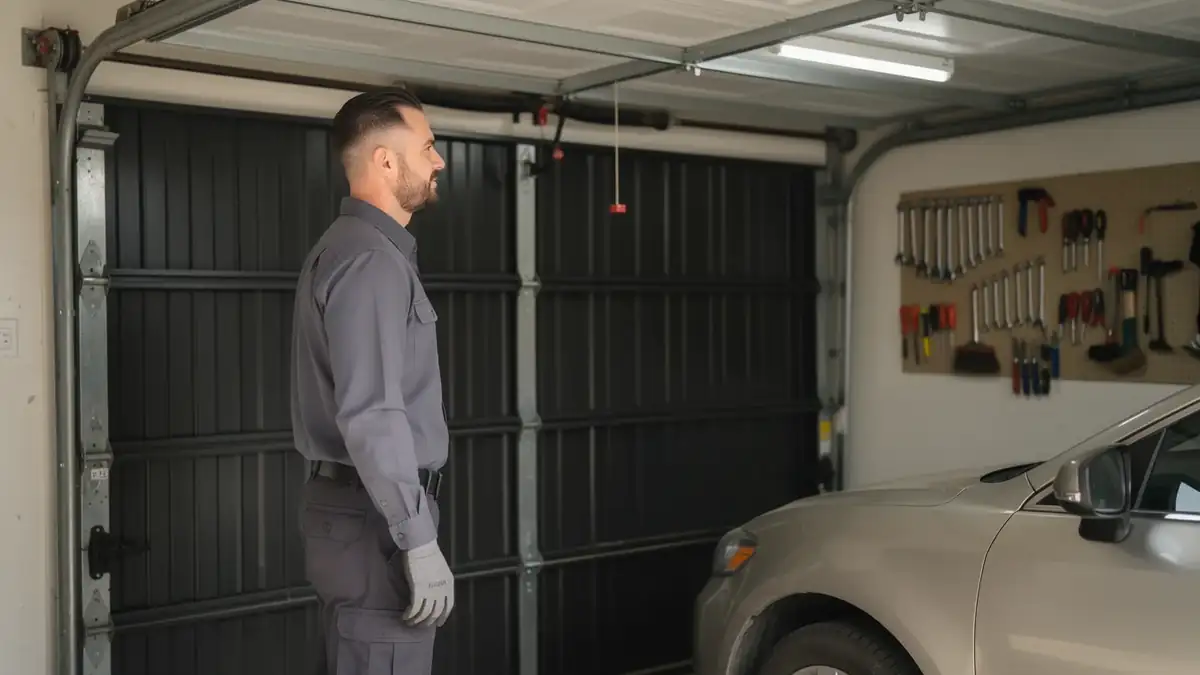
A technician stands in a garage with a dark gray garage door and a car.

What the Weather Here Does to It

  1. Savage sits in a cold climate band

    And that matters more for a garage door than most people think. Steel panels contract in sub-zero air, torsion springs lose a little tension every time the temperature drops hard, and nylon rollers that were quiet in July start to squeal in January because the grease inside them stiffens. None of that is unique to one house - it's what cold does to steel, springs, and plastic everywhere in this area.

  2. What is specific to Savage is the housing stock underneath those doors

    Most of the homes here went up between 1956 and 2005, with the bulk of that building happening through the 1960s and '70s, spread across more than thirty named neighborhoods in the service area. A door installed on a house from that era is often running original tracks or a first-generation opener that's been through forty-plus winters of expansion and contraction. The hardware ages at a different rate than the door itself, and cold is what exposes the gap between the two. A panel can look fine and still be riding on a roller that's one more freeze away from cracking.

  3. If your door has started making a new sound only since the weather turned, that's not a coincidence

    That's the cold finding the weak point.

The Problem

The actual problem in Savage isn't usually the door. It's the age mismatch between the door and the opener, spring, or track underneath it. Homes from the 1960s and '70s stretch of construction often have a door that's been replaced once, sitting on hardware that hasn't been touched since the house was built. That combination shows up as noise before it shows up as failure - a grinding roller, a popping sound from the spring as it flexes in cold air, a track that's slightly out of plumb from decades of settling in a house with no frost-protected footing to speak of.

A lot of that noise gets explained away. People assume an old door is just loud, the way an old furnace is just loud. But a torsion spring that's cycling through forty-degree temperature swings every winter is under more stress than one in a milder climate, and it won't give much warning before it lets go - usually just a louder pop, then nothing.

Here's the honest limit: we can't tell you over the phone whether a noise is a fifteen-minute adjustment or a full spring replacement. Steel fatigue doesn't announce itself by sound alone, and guessing wrong on a torsion spring is how people get hurt. That one needs eyes on it.

When to Get Help

Call before the door stops working, not after. A few sounds are worth acting on fast: a sharp bang from the spring area, a grinding noise that's gotten louder over a week rather than staying steady, or a door that shudders partway through its travel instead of moving smooth. On houses from the 1960s and '70s era that make up most of this area, those symptoms usually trace back to original hardware that's finally reached the end of its working life in a cold climate, not a one-off glitch.

A door that's merely noisy but still opens and closes evenly can usually wait for a scheduled visit. A door that hesitates, reverses on its own, or drops unevenly on one side should not wait - that's a spring or cable losing its grip, and it tends to fail completely without much more warning.

We're not going to tell you every noise means a replacement. Plenty of them are a fifteen-dollar roller or a drop of oil on a hinge. But on a house built before 1980, don't assume - the odds that the hardware has simply aged out are higher here than they'd be on new construction.

What Changes With the Season

  1. Winter is when the cold-climate rating on this area actually shows up in your garage

    Metal contracts, lubricant thickens, and anything marginal in the spring or track gets worse fast once temperatures sit below freezing for days at a time. That's the season when a door that's been limping along all fall finally refuses to open, usually on the coldest morning of the stretch.

  2. Summer brings the opposite problem on older houses - expansion

    Wood jambs that have shifted slightly over fifty-plus years of seasonal swing can bind a door that moved fine all winter. On a house from the main building era here, the door has been through this cycle enough times that small misalignments compound year over year instead of resetting.

  3. The practical upshot

    Fall is the window to get ahead of it, before the first hard freeze turns a minor adjustment into an emergency call. If your door already sounds different than it did last spring, that's worth a look before the weather makes the decision for you.
How it works

From “it’s stuck” to “it’s fixed”

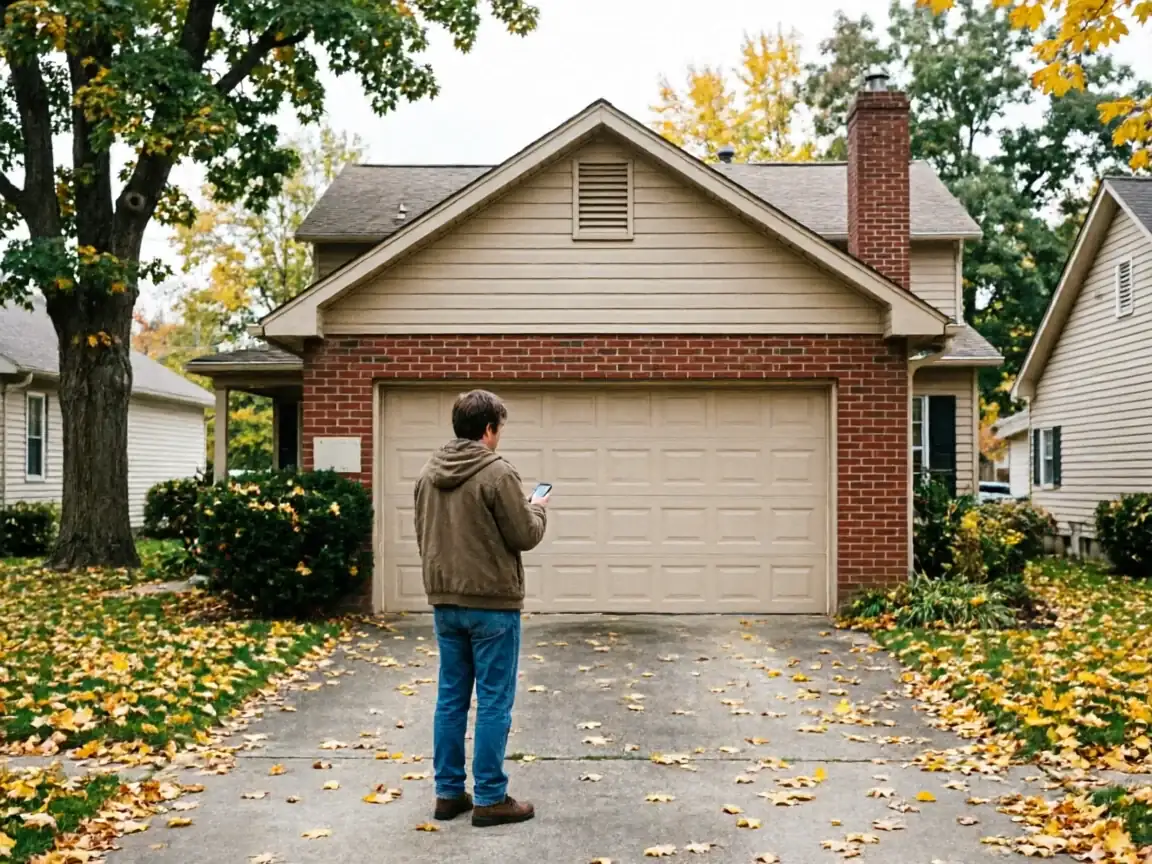
A man stands in a driveway looking at his phone in front of a closed garage door.

Tell us what’s wrong

Describe the symptom - won’t open, loud bang, opener runs but the door won’t move.

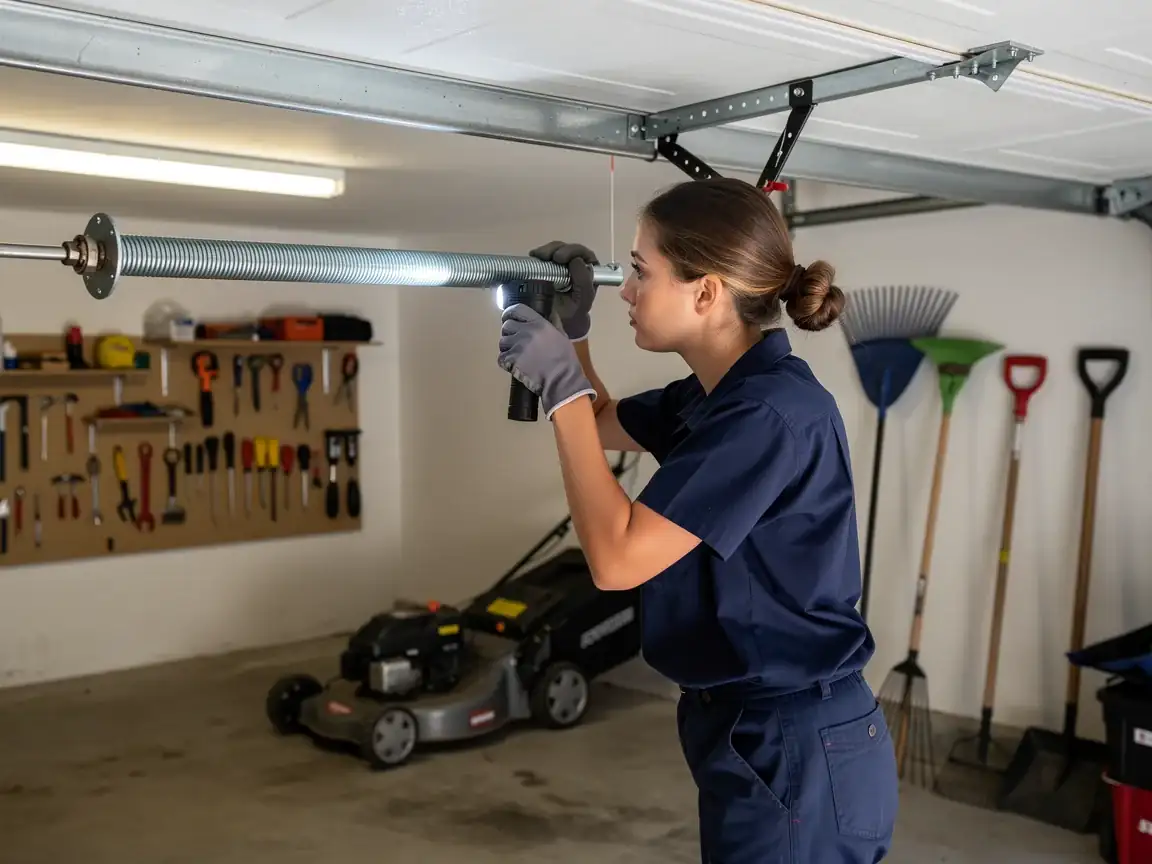
A technician in a blue uniform inspects a garage door torsion spring with a flashlight.

On-site diagnosis

A technician tests the door under power and by hand and finds what actually failed.

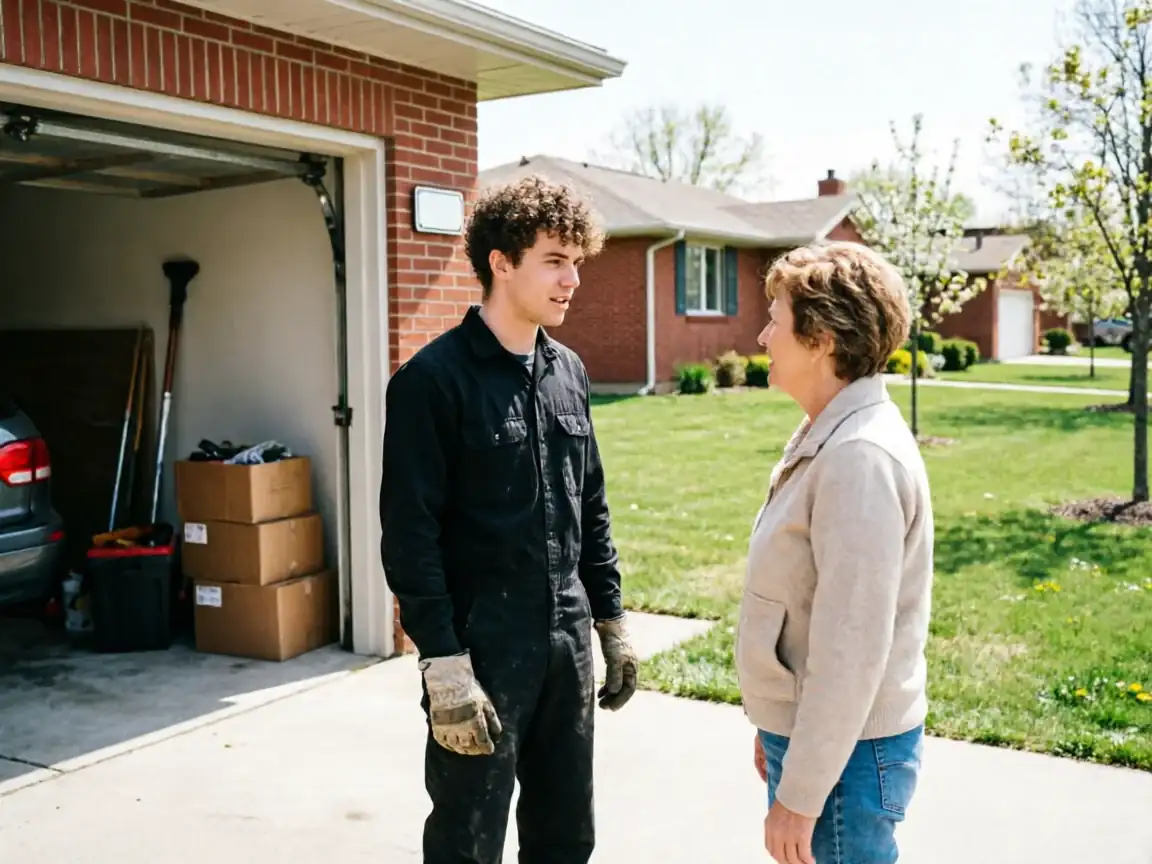
A technician in a black uniform talks to a woman in a beige jacket.

Clear, up-front plan

You get the fix that’s needed and what drives the cost - before any work starts.

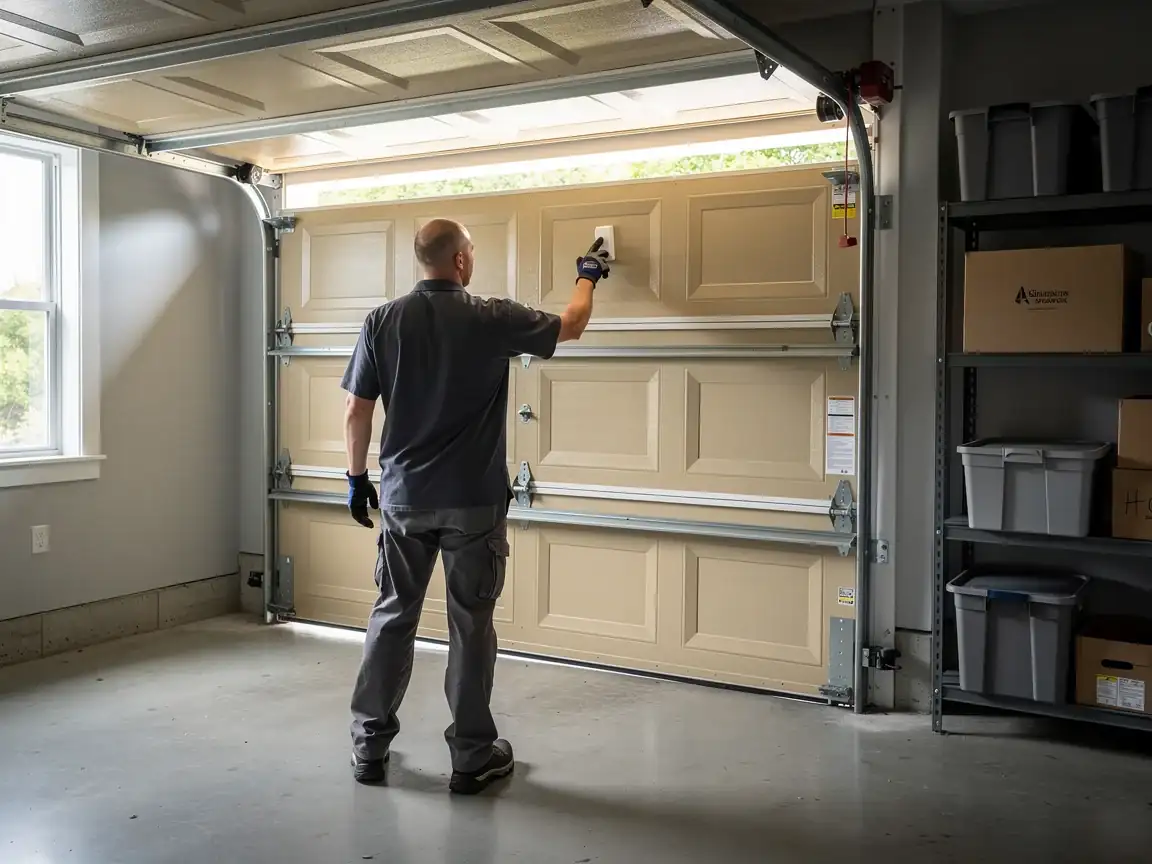
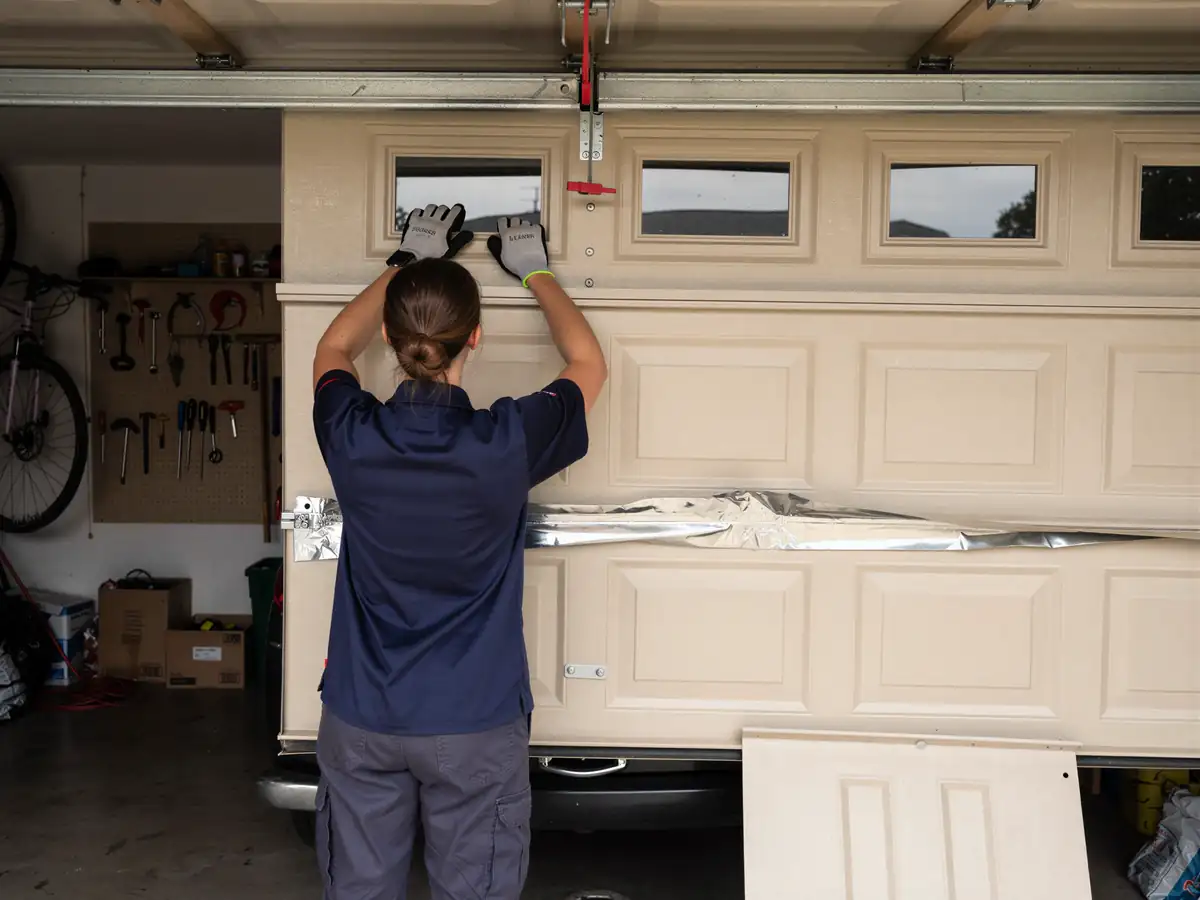
A technician in a gray uniform is pressing a button on a beige garage door.

Repaired & tested

The repair is done, the door is set true and tested, and the work area left clean.

Not sure which repair your door needs in Savage, MN? Describe what it’s doing - every job starts with a diagnosis.

How we work

What to expect

  • Diagnosis firstEvery visit starts by finding what actually failed - not a pre-written parts list.
  • The right part for the doorSprings and openers matched to the door’s weight and age, so the fix holds up.
  • Straight answersWhen a repair makes more sense than a replacement - or the reverse - you hear it plainly.
  • Clean, careful workTension released safely, hardware set true, the door tested under power before we leave.
What we do

Garage Door Services

Repair and installation work for Savage homes and businesses.

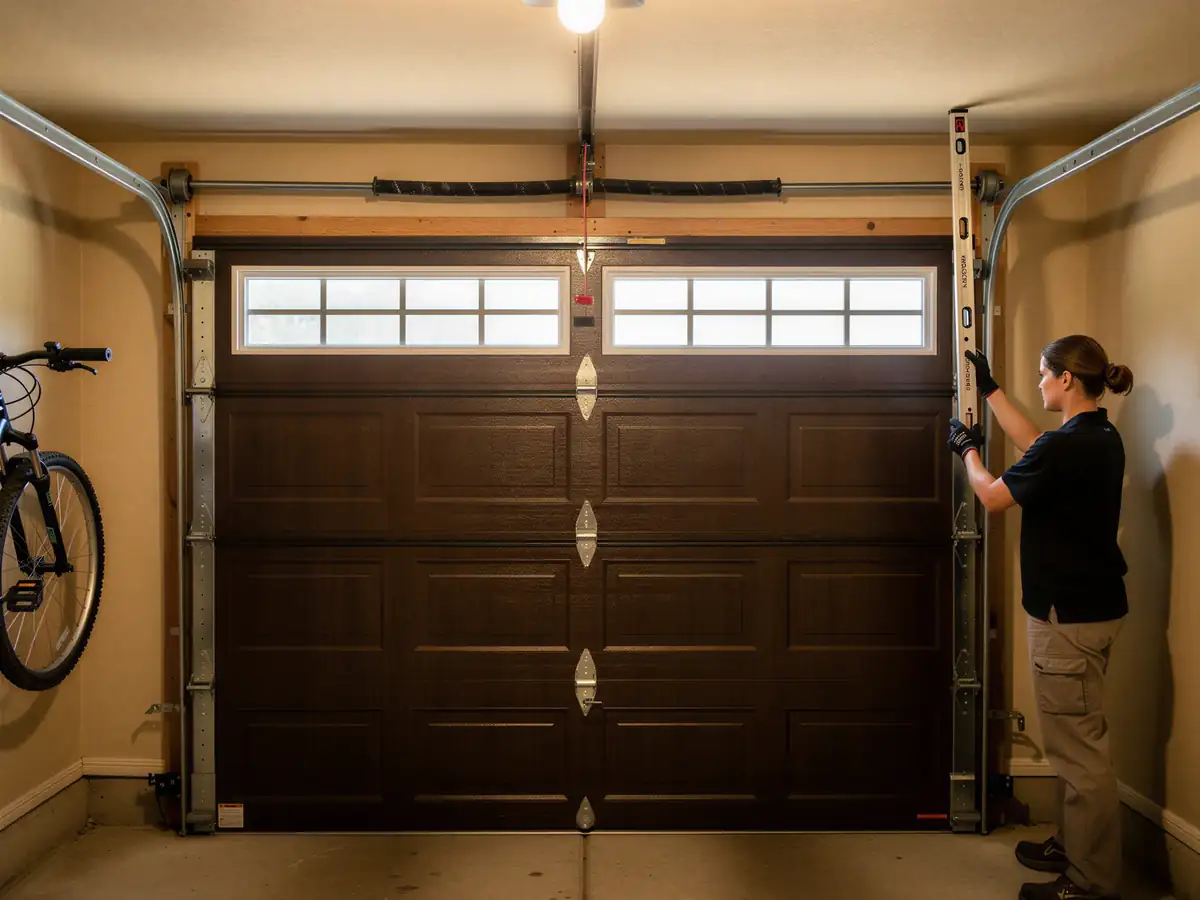
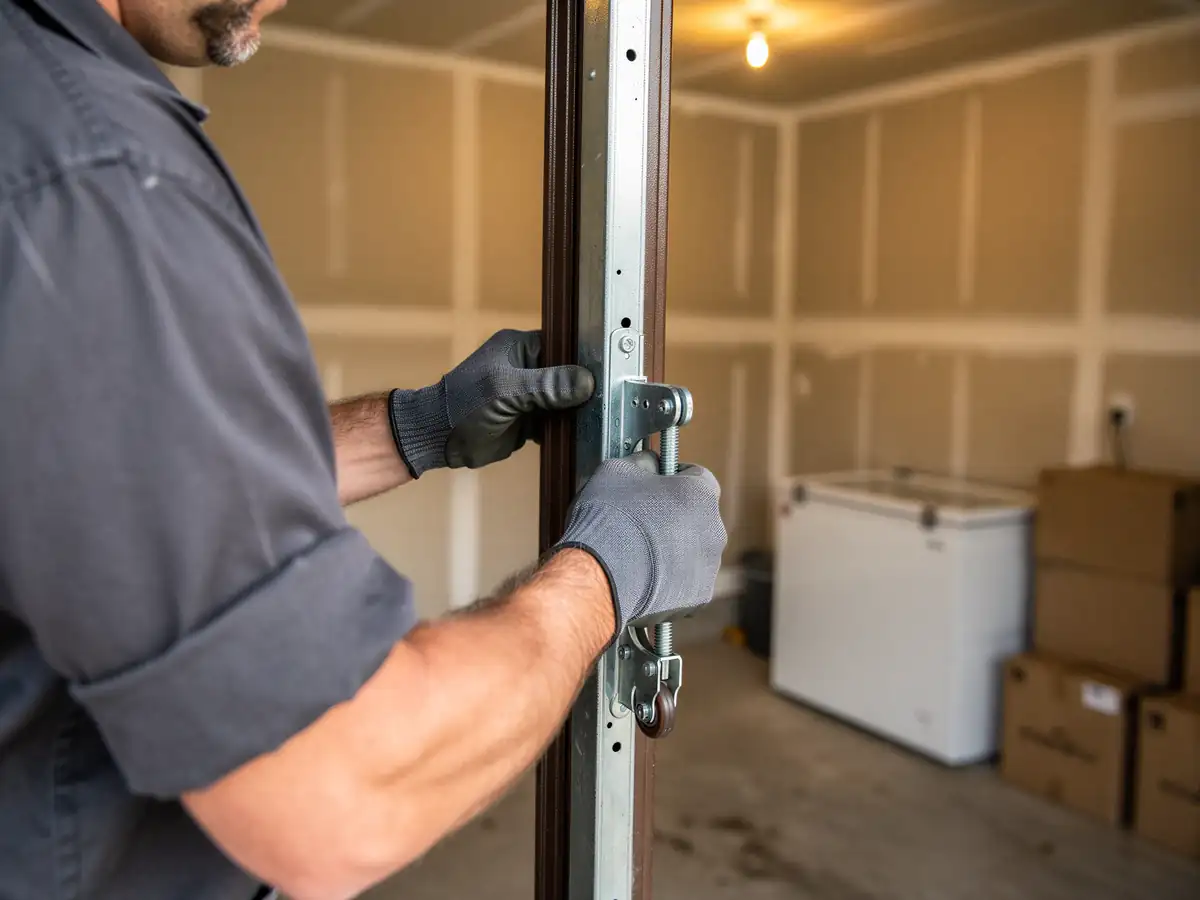
A technician uses a level to adjust the brown garage door track.

Garage Door Repair

Spring snaps, cables off track, opener dead in the cold? Savage Garage Door Pros fixes doors built for this area's 1960s-70s housing stock and winters.

Learn more
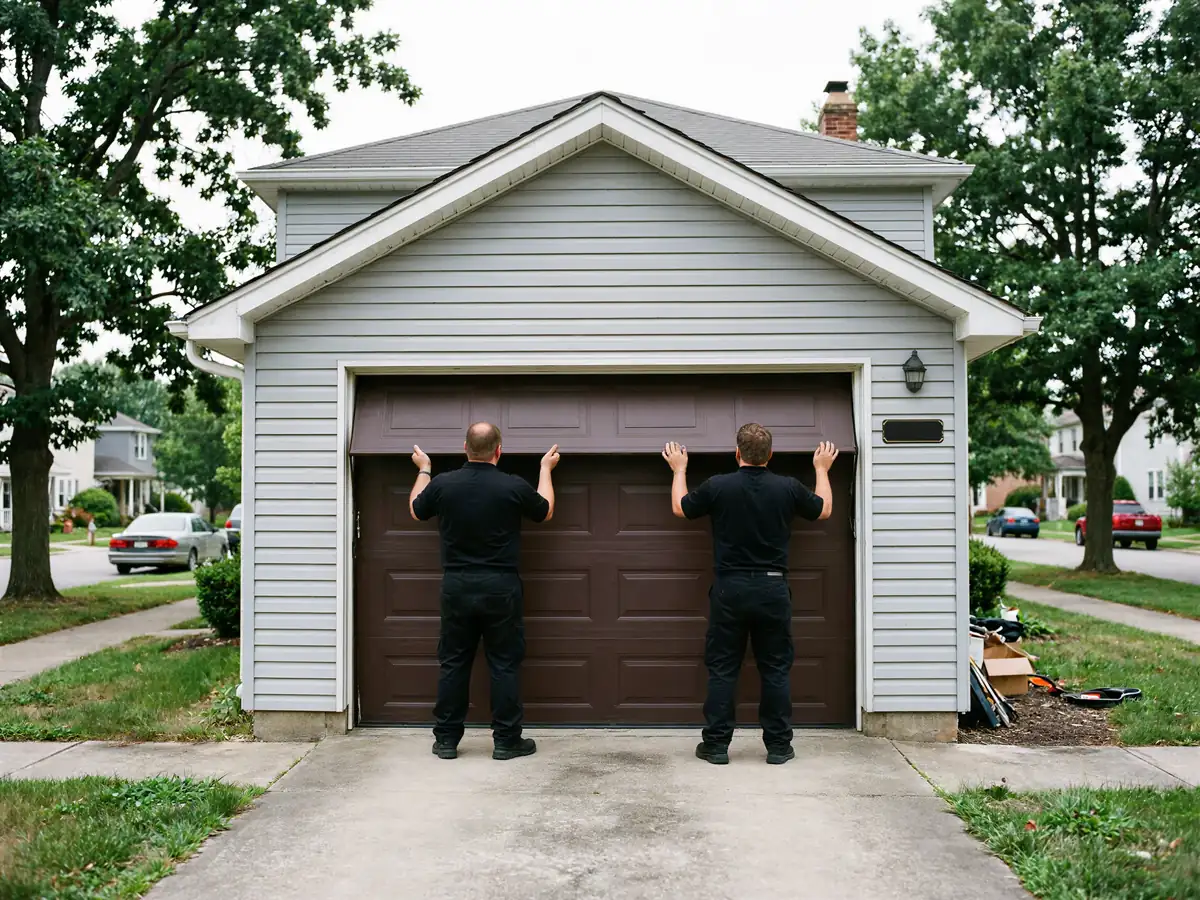
Two technicians are installing a brown garage door on a light gray house.

Garage Door Installation

Savage Garage Door Pros installs new garage doors built for Savage, MN's 1956-2005 housing stock and its cold winters. Straightforward, local install work, no filler.

Learn more
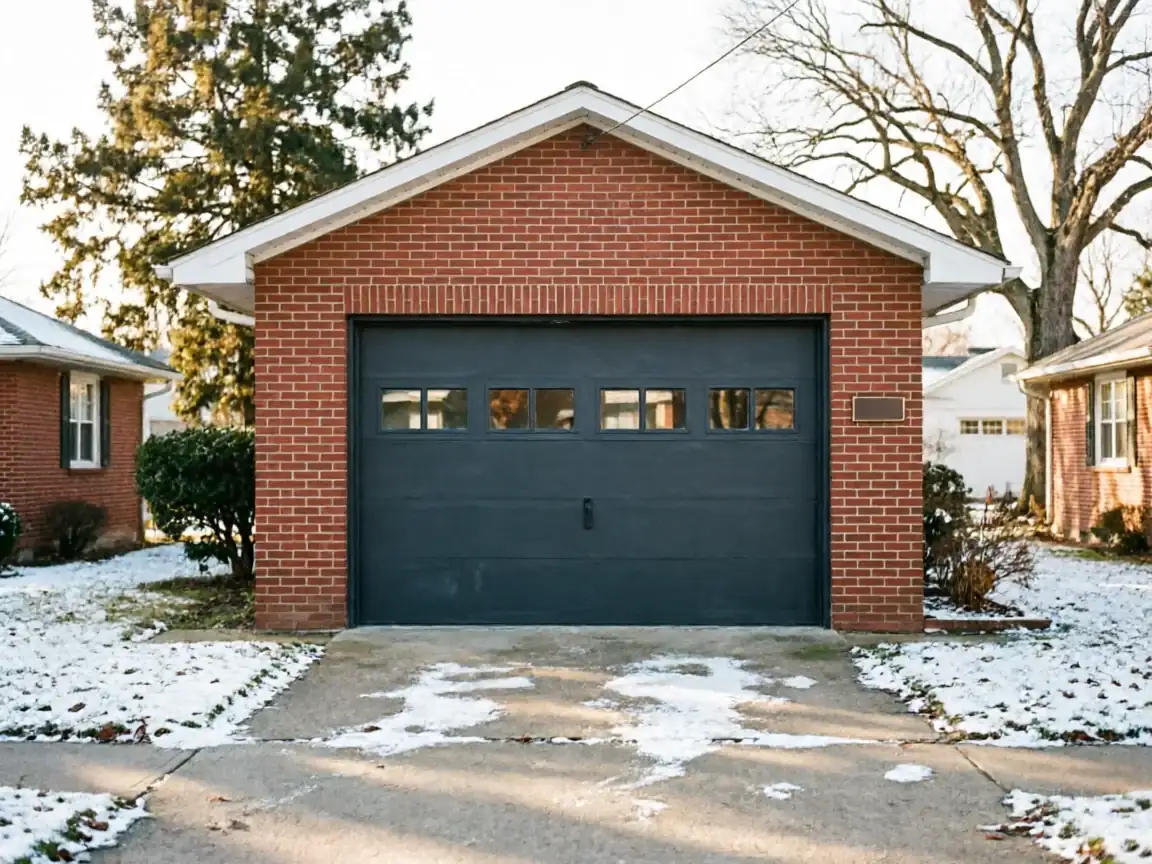
The brick garage has a dark gray door with windows, and snow covers the ground.

Garage Door Service

Savage homes built between 1956 and 2005 bring specific spring and track failures in our cold winters. Savage Garage Door Pros diagnoses and fixes the job right.

Learn more
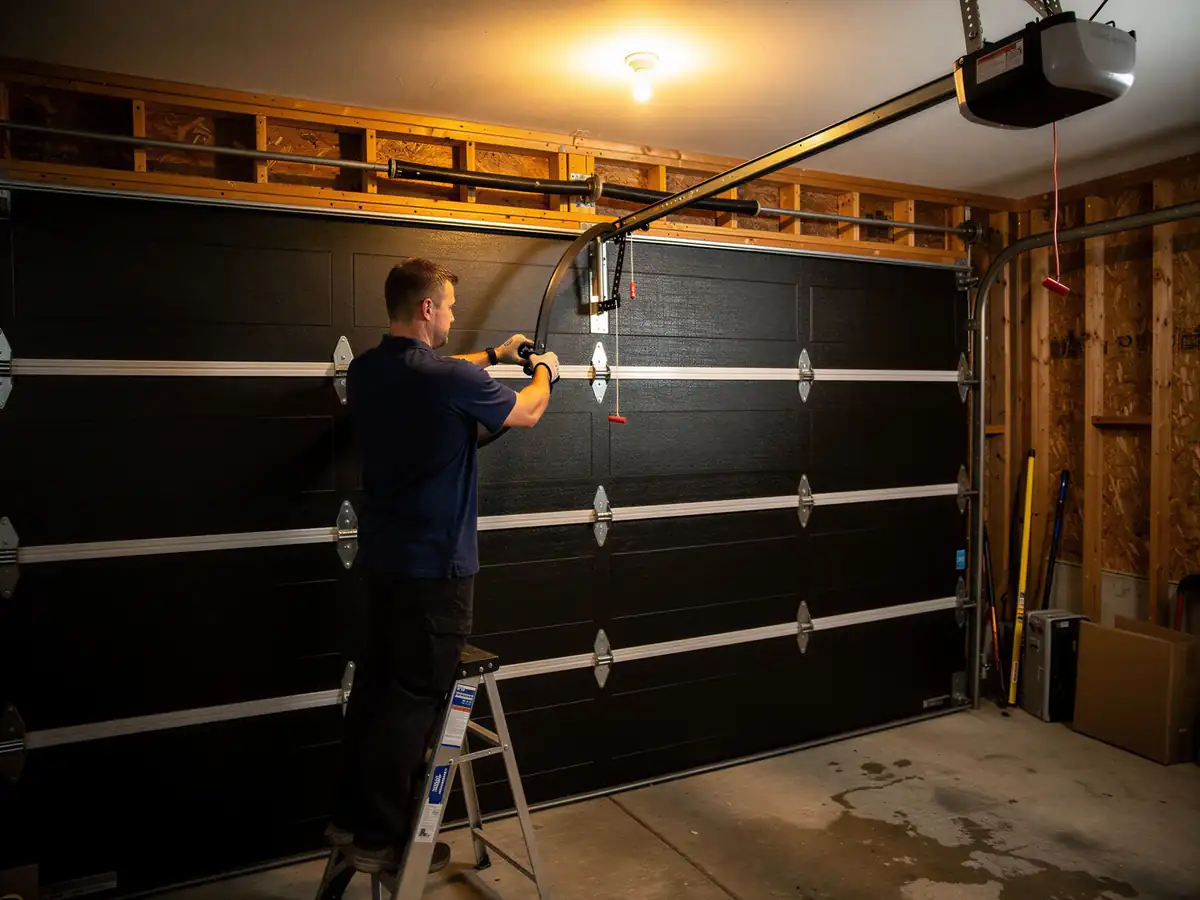
A technician on a ladder works on a black garage door with an opener above.

Opener Installation

Opener installs for Savage-area homes built 1956-2005, matched to cold-climate loads and the drive types common in this stock. Service across the Savage trade area.

Learn more
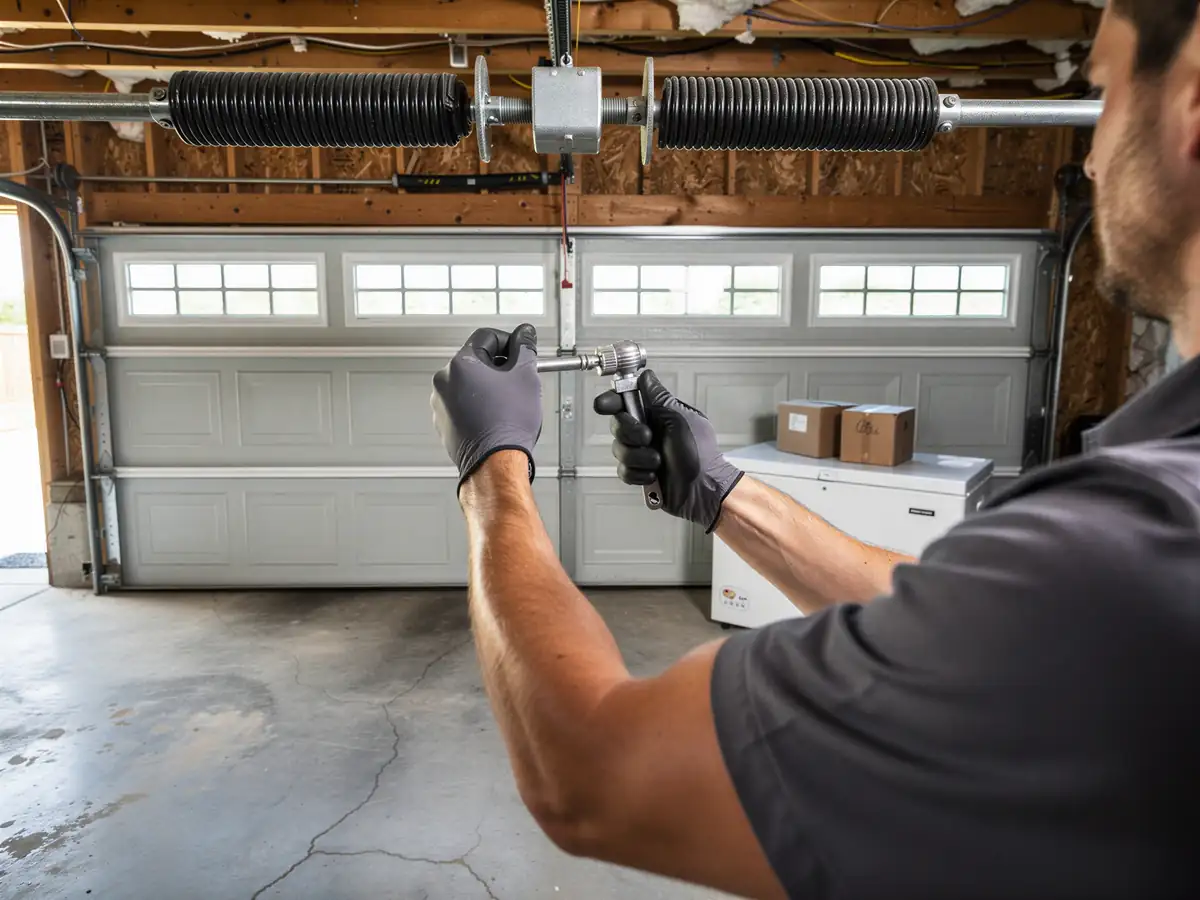
A technician in black gloves holds a wrench near a garage door torsion spring.

Spring Repair

Broken torsion or extension spring on a Savage-area home built between 1956 and 2005? We explain what's failing, how long you're stuck, and what the fix involves.

Learn more
A technician wearing gloves adjusts a garage door roller and track.

Off-Track Repair

Door hanging crooked or stuck mid-track in Savage? We explain what's actually wrong, how long you'll be without the door, and why this fault is common in Savage's older housing stock.

Learn more
A technician installs a new tan garage door with windows.

Panel Replacement

Panel replacement for the steel sectional doors common on Savage homes built 1956-2005, matched to cold-climate wear and the specific door styles that went up with this housing stock.

Learn more
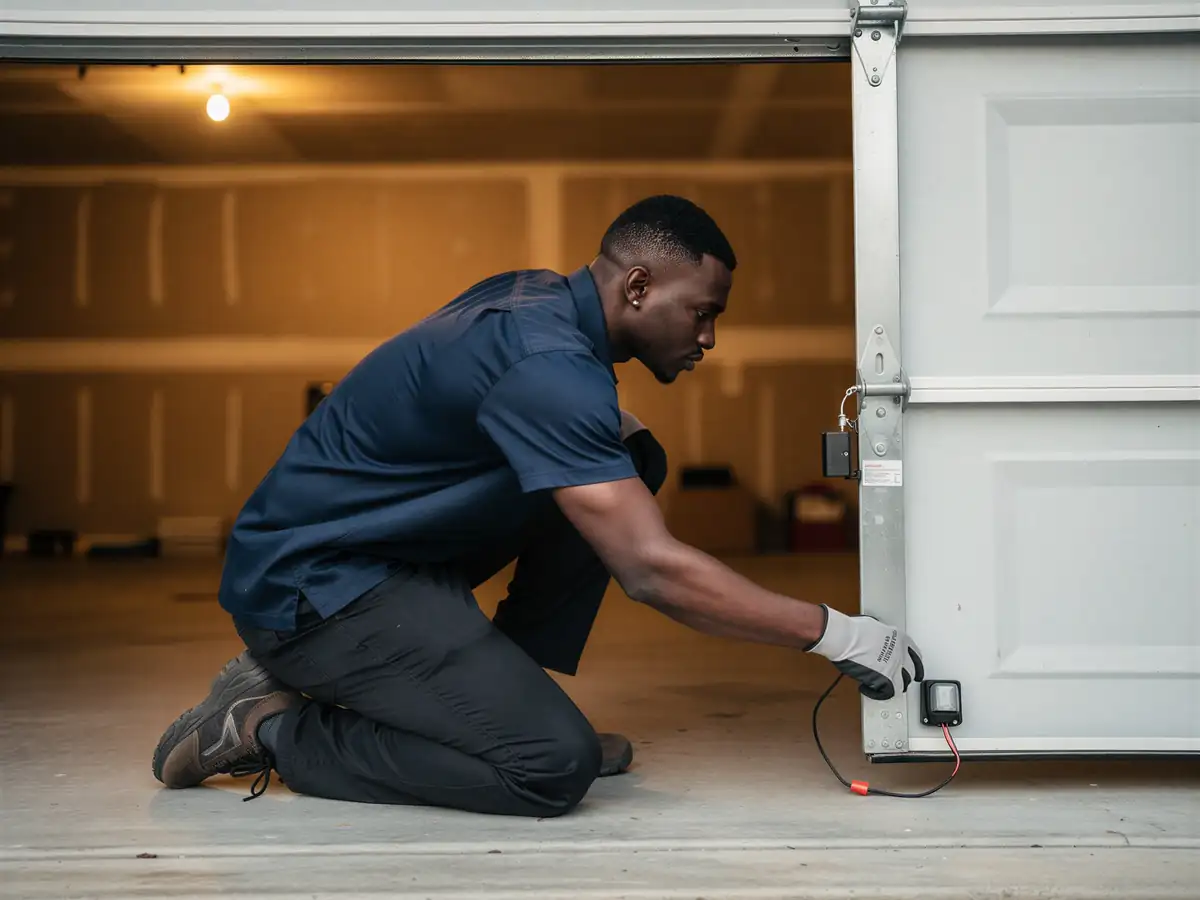
A technician kneels, adjusting a safety sensor on a white garage door.

Maintenance

Routine garage door maintenance for Savage, MN homes built between 1956 and 2005, tuned for Minnesota's cold winters and aging torsion spring hardware.

Learn more
Questions

Frequently asked

Straight answers about garage door repair in Savage. Still unsure? Ask us directly.

Why does my garage door get louder every winter?

Cold makes steel contract and lubricant stiffen, which is true everywhere, but on Savage's older housing stock - most of it built in the 1960s and '70s - the hardware underneath the door is often original. Add decades of seasonal cycling to normal cold-weather stiffness and you get noise that keeps climbing each year instead of settling.

Is a popping sound from the spring always an emergency?

Not always, but treat it seriously. A torsion spring that pops once and stays quiet may just be settling with the temperature change. One that pops repeatedly, especially louder each time, is nearing the end of its cycle life. We can't judge severity over the phone - that needs someone looking at the spring in person.

My house is from the 1970s - is the opener original?

We can't tell you without seeing it, but it's common on houses from that era in this area. A first-generation opener still running after fifty years of Minnesota winters is working harder than it was built for, and parts for the oldest units are often no longer available.

Ready to get your garage door sorted?

Tell us what it’s doing and where you are in Savage - we’ll take it from there.

Request a QuoteCall