
The Split Between Old and New
Across the territory we cover, the median house was built around 1975
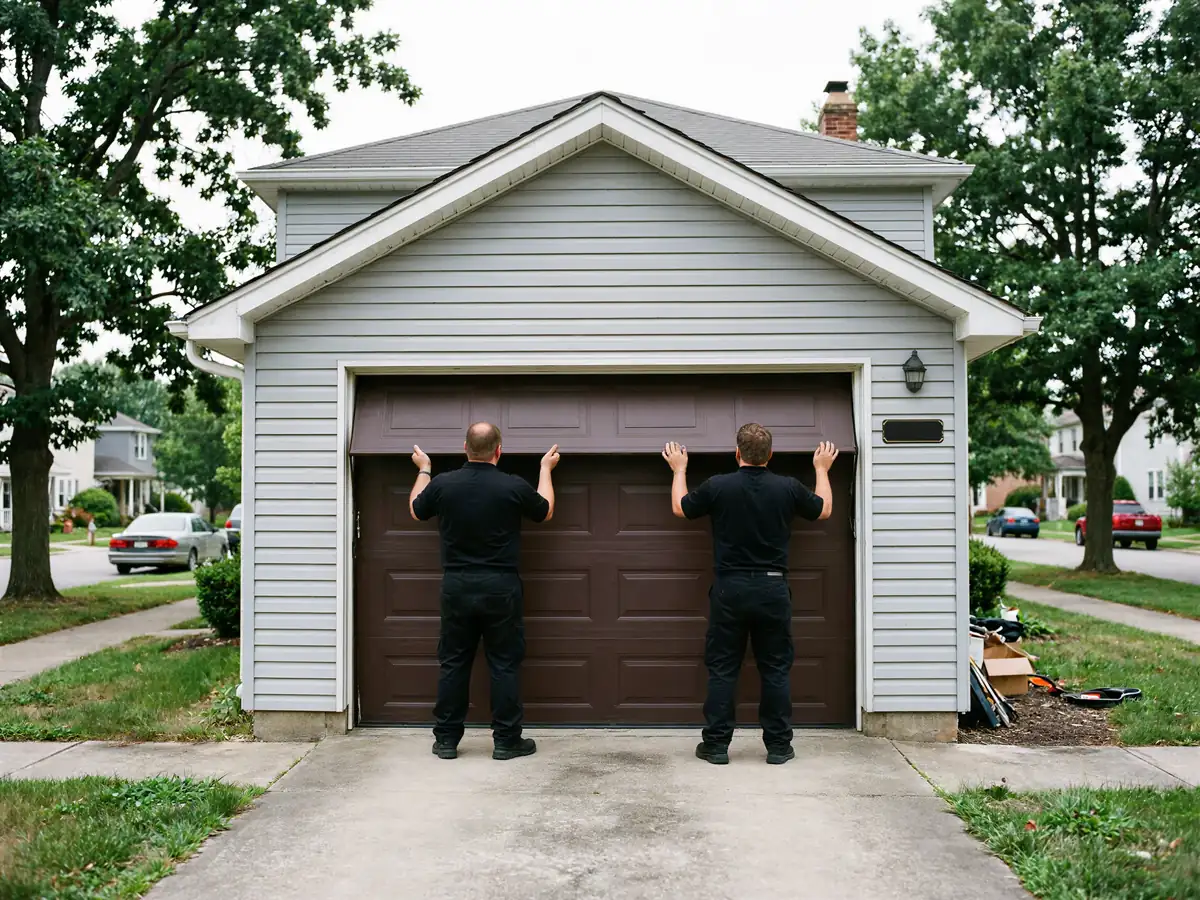
South St. Paul doesn't fit that pattern. The median year built here is 1957, close to two decades older than the service-area average. That gap matters more than it sounds like it should, because a garage built in 1957 was framed for a different kind of door than one built in 1975, let alone 2005.
We drive about 18 miles from our shop in Savage to get here
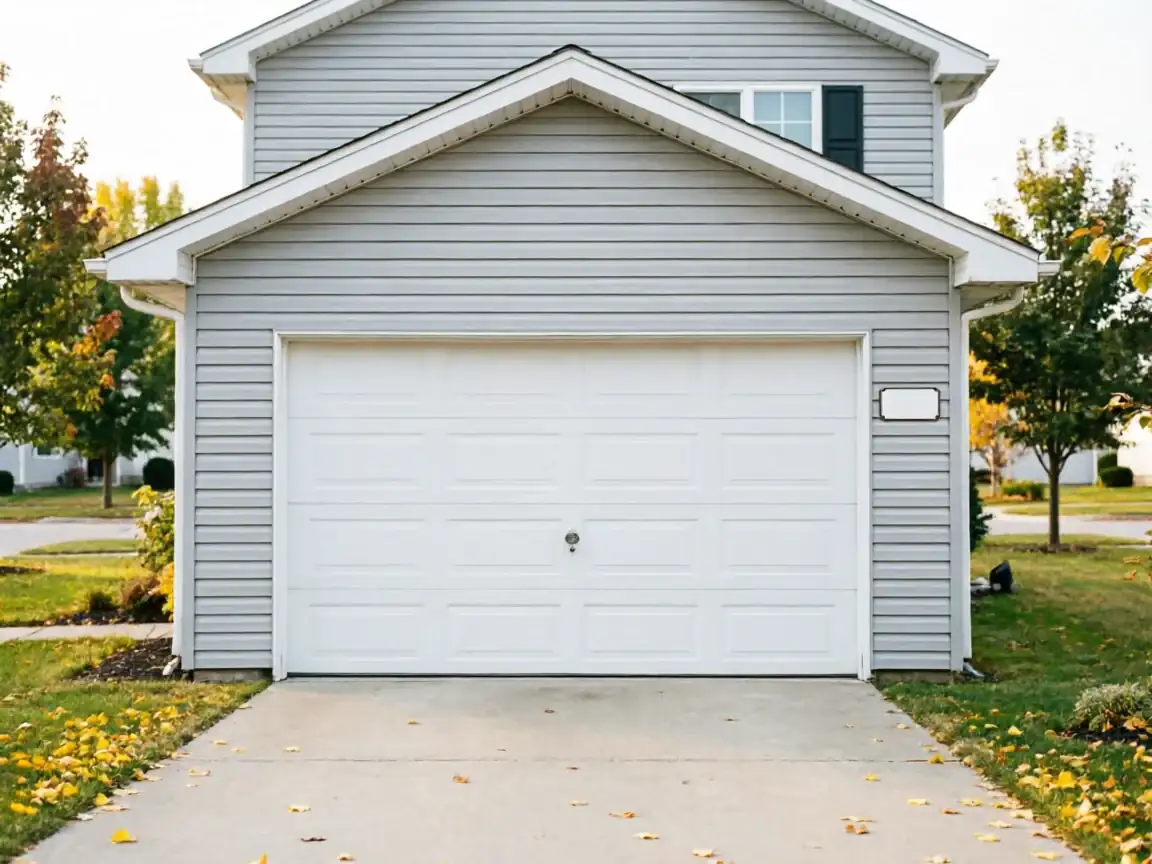
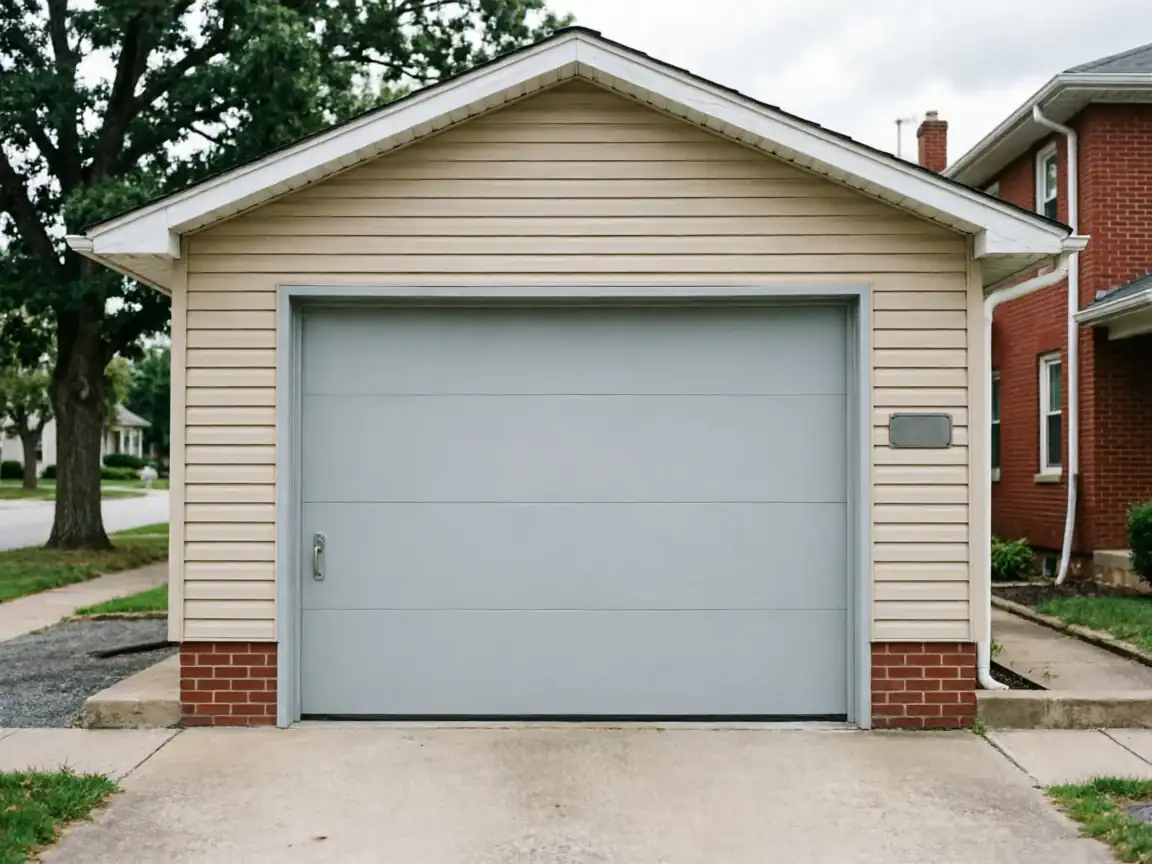
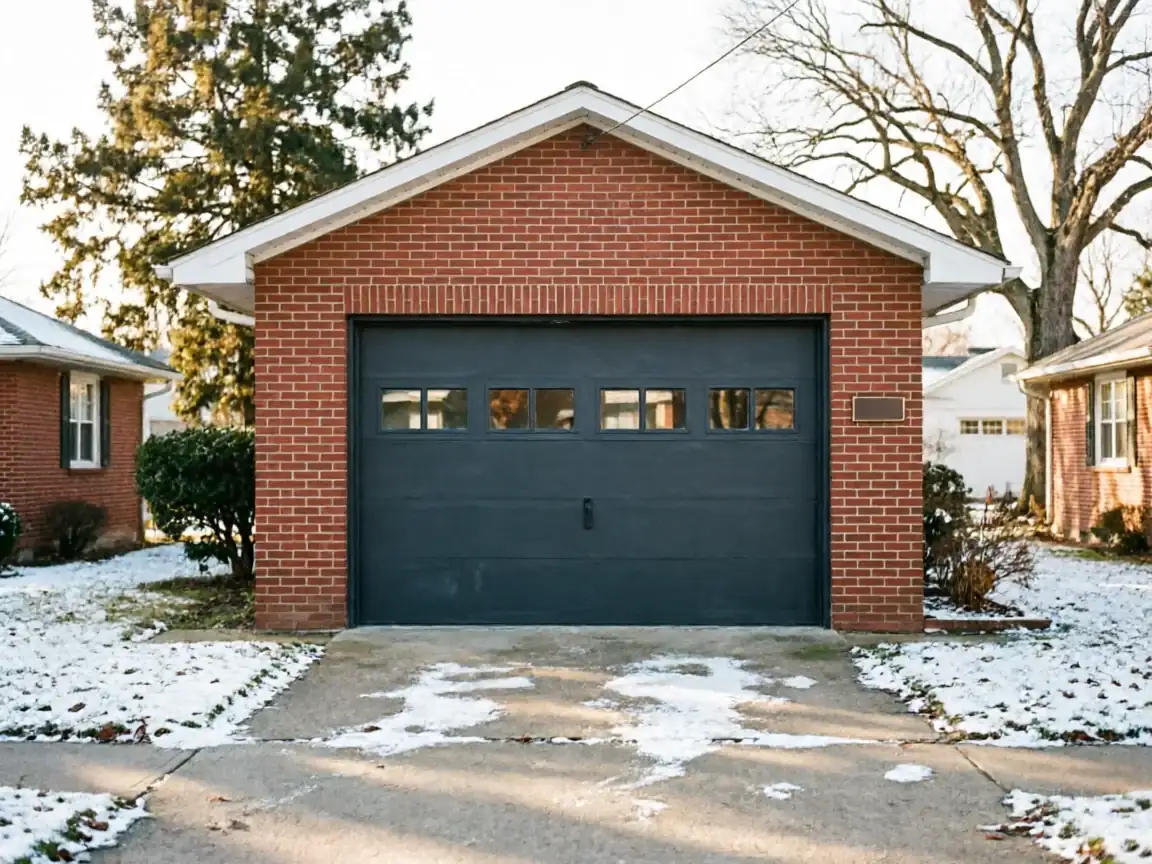
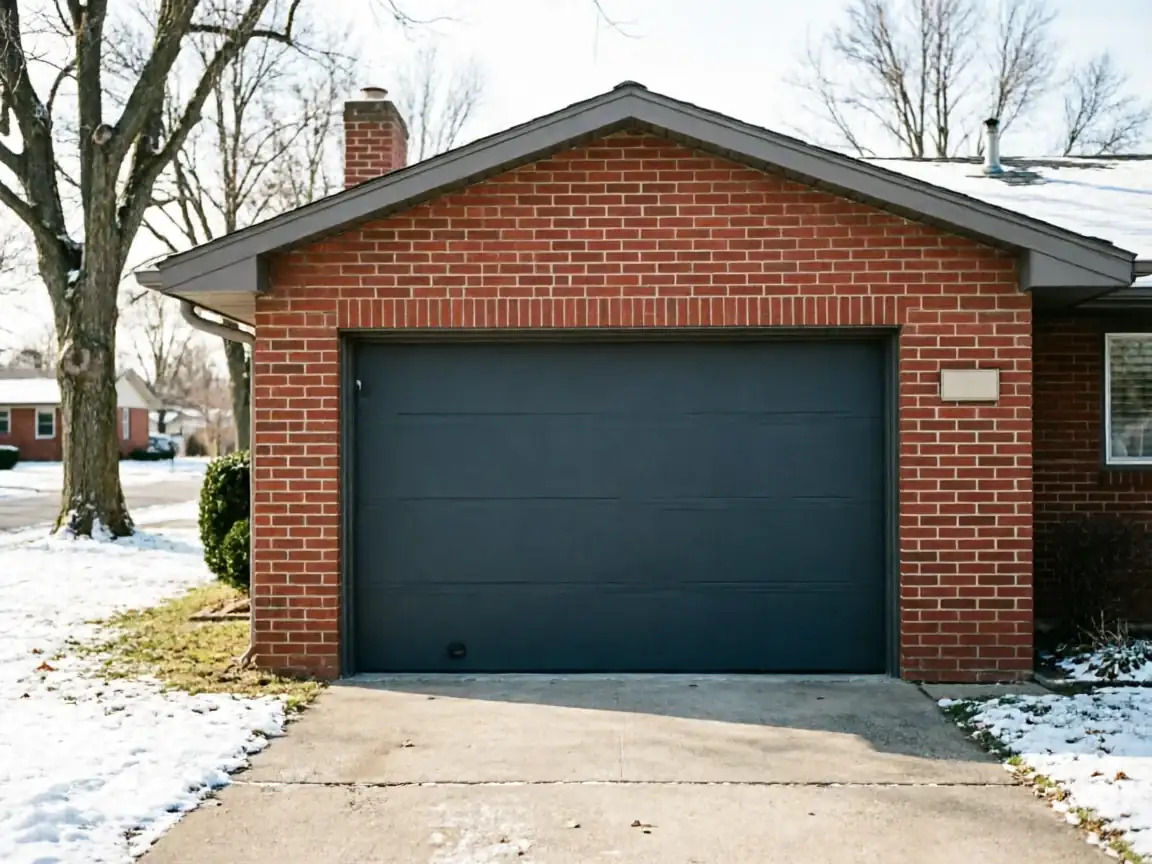
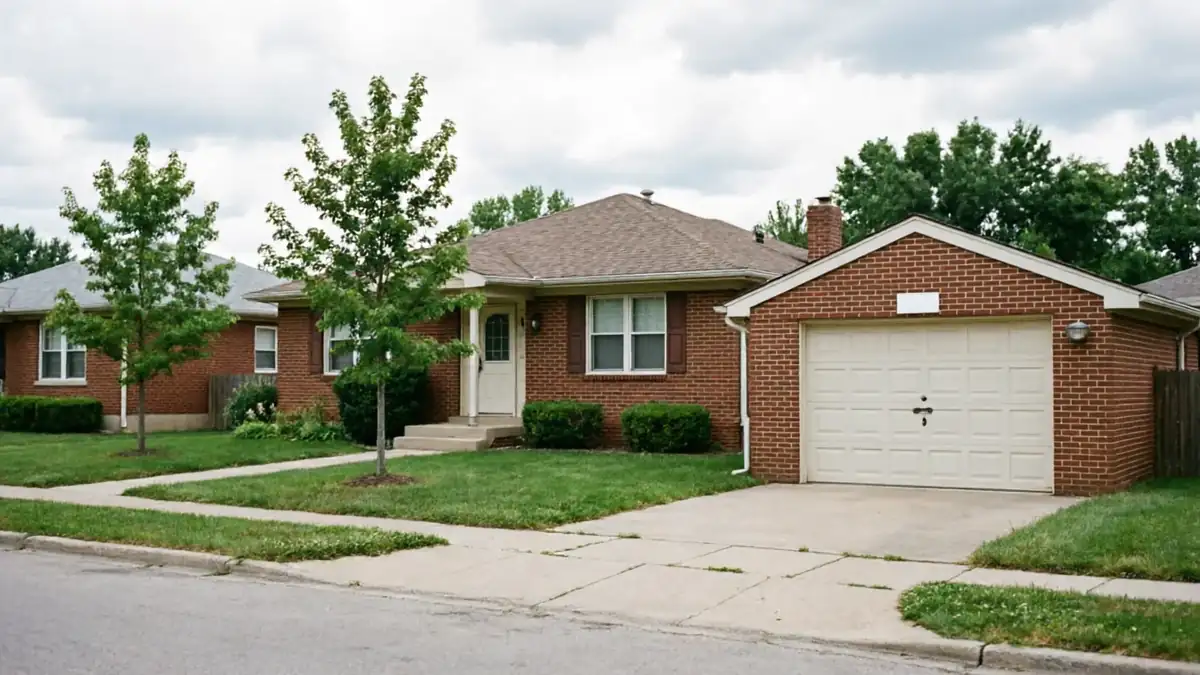
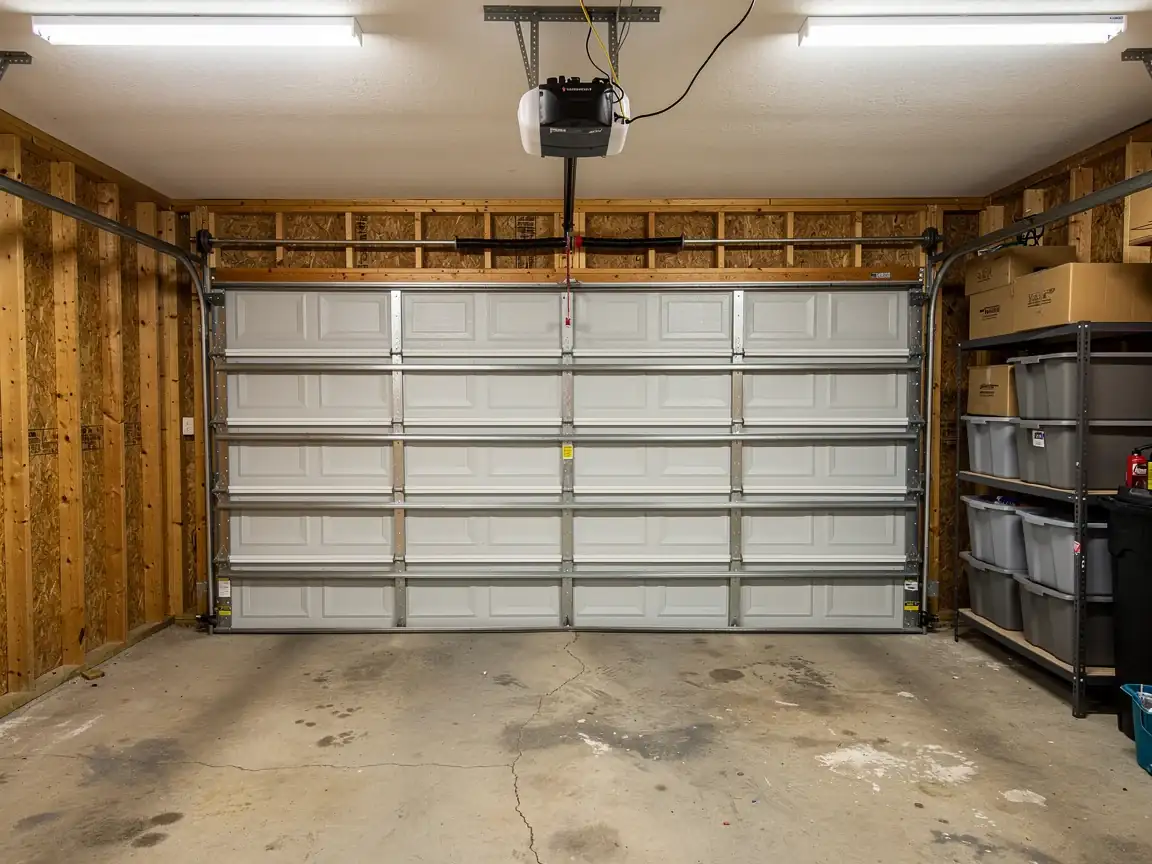
And the difference is obvious before we even open the panel. Newer construction elsewhere in the territory tends to run wider two-car openings with factory-standard torsion springs sized for insulated steel doors. South St. Paul has more narrow single-car bays, older one-piece and sectional doors, and hardware that was never meant to be swapped out with a generic big-box kit.
- 18 miles
This isn't a knock on the area
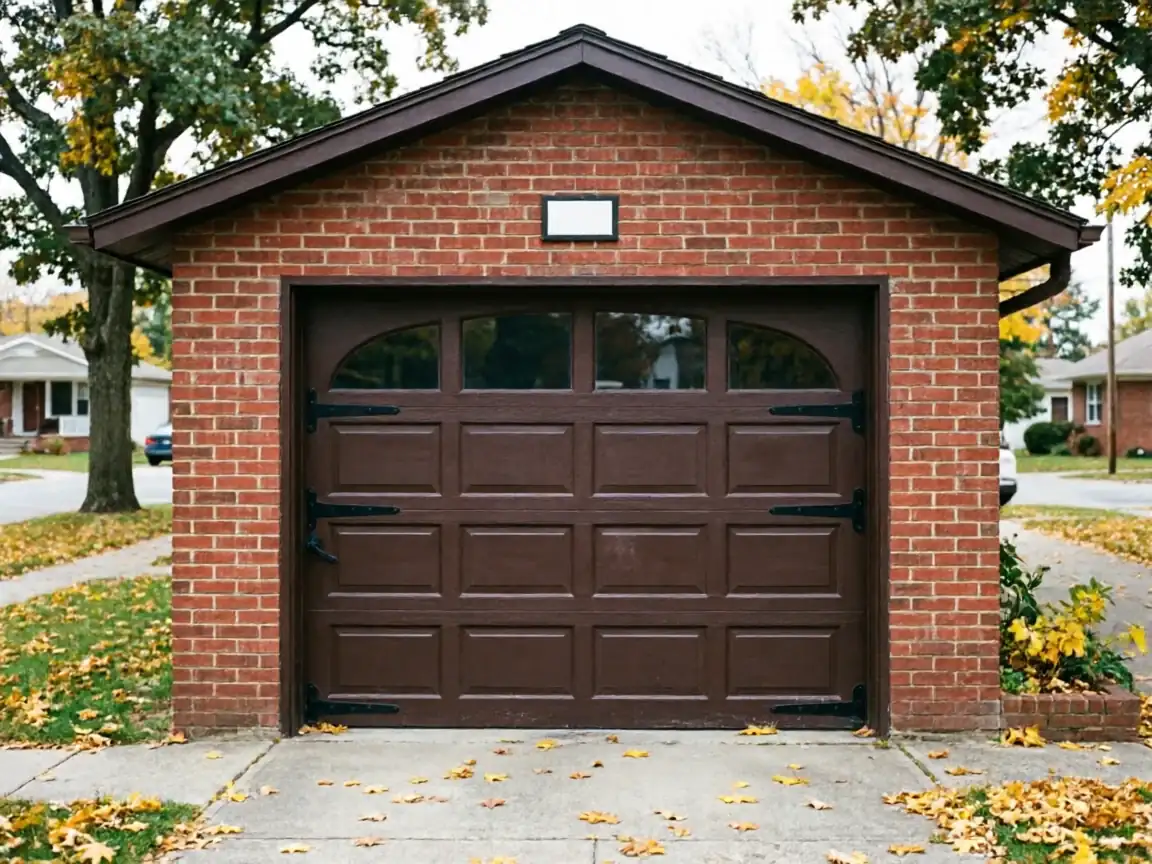
It's just a different repair problem than the one we see in the newer subdivisions farther out. A 1957-era door that's been maintained is often still running on its original track, which is either a point of pride or a liability depending on what's actually worn out underneath.
How That Shows Up in the Door
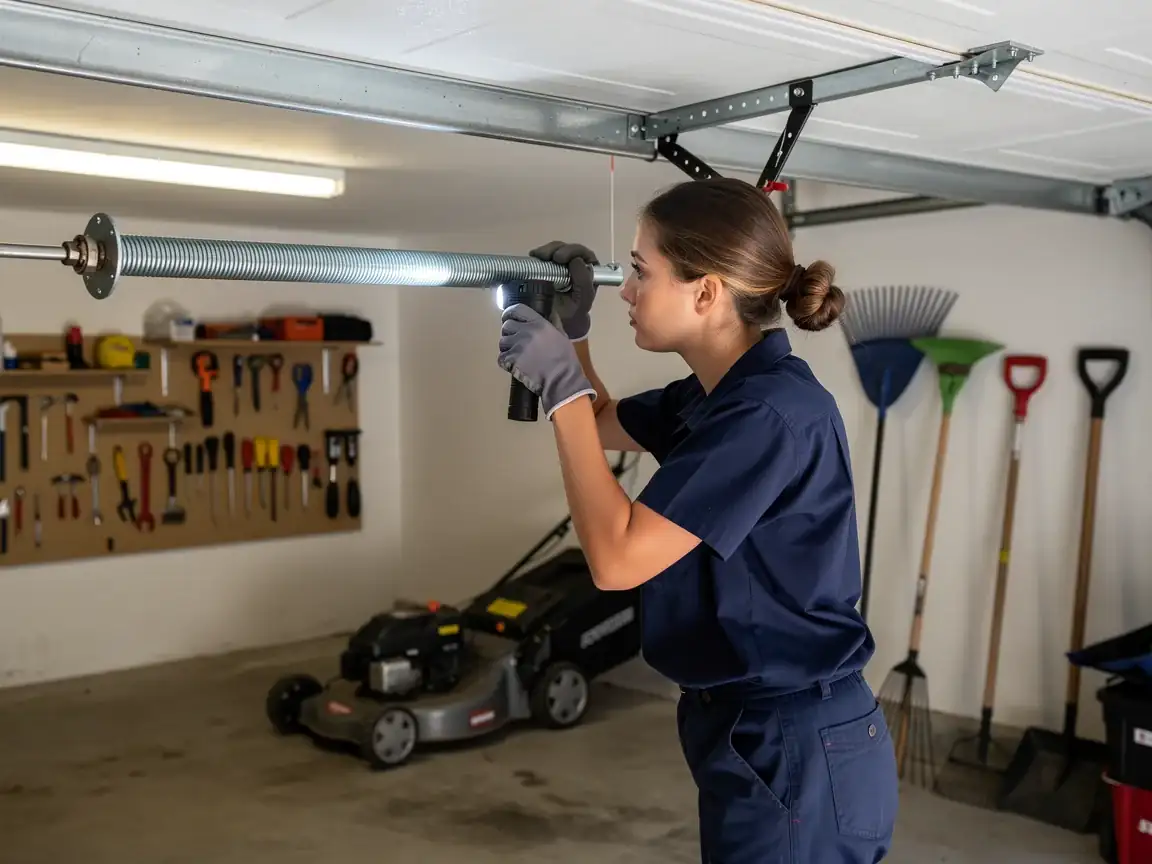
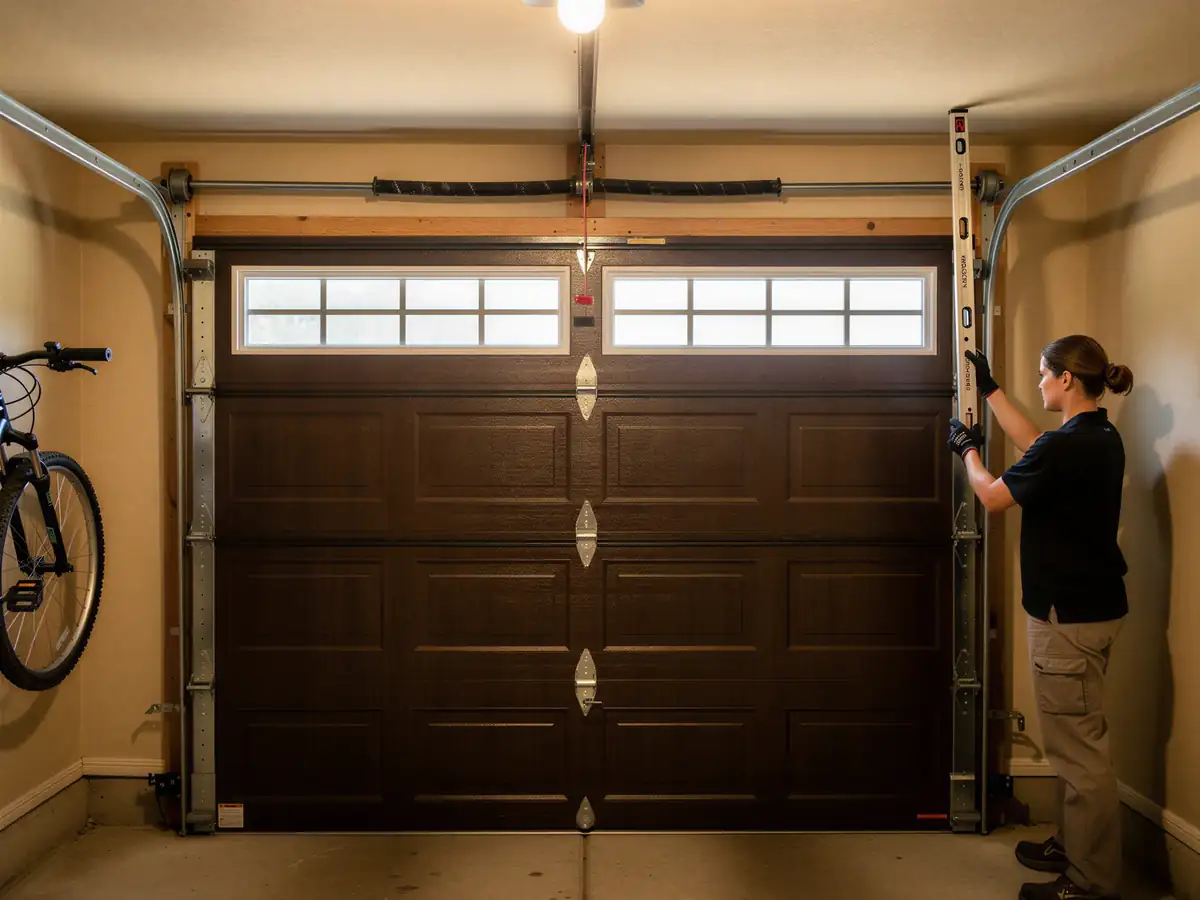
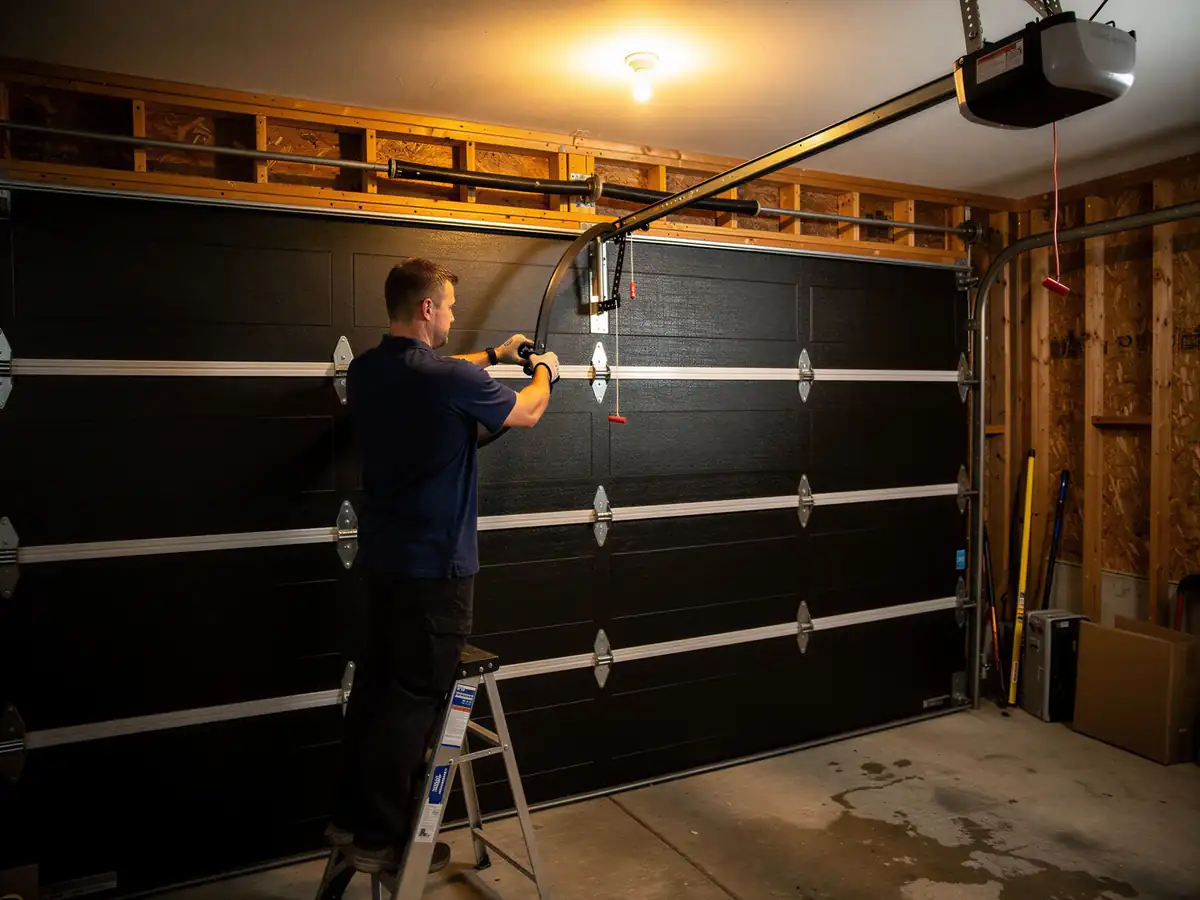
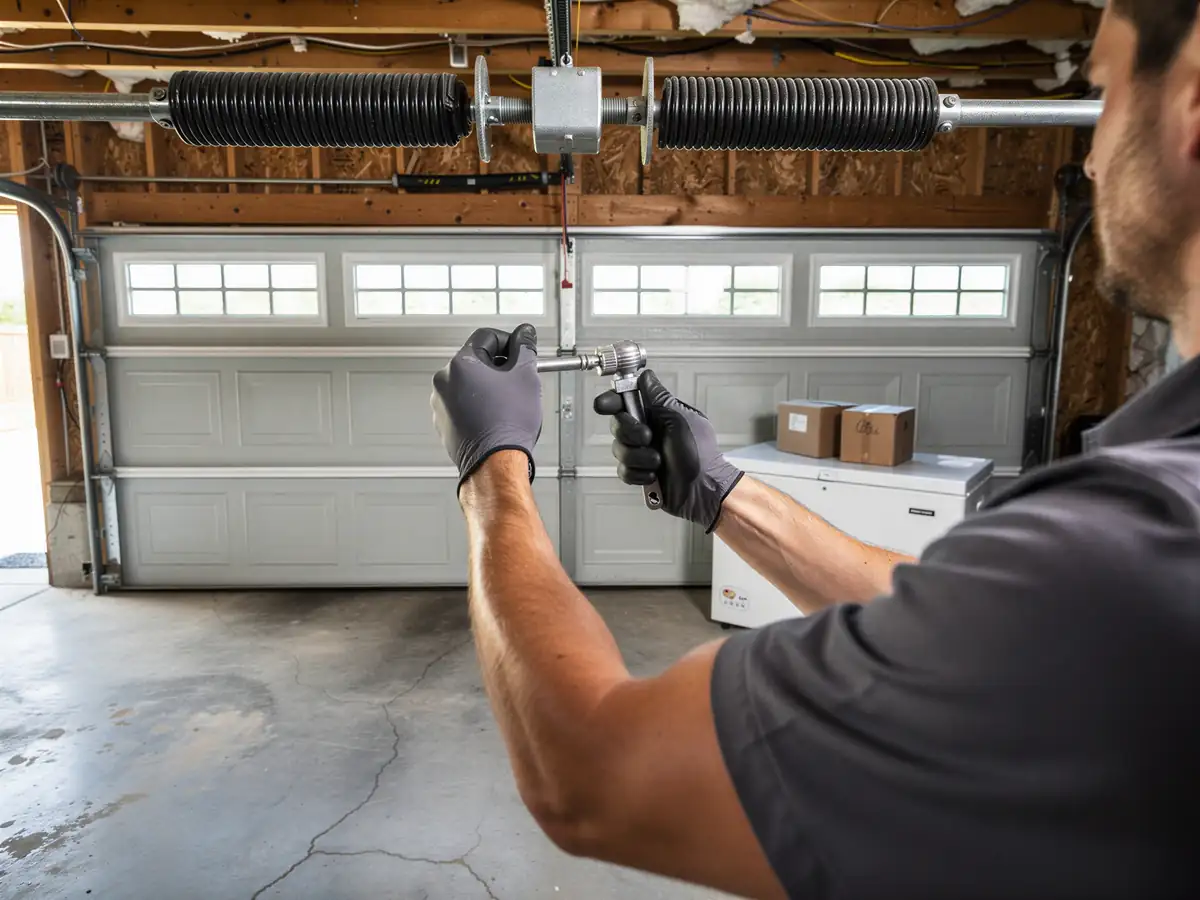
A door installed when this neighborhood was built in the late 1950s is pushing seventy years old if any part of the original system is still in place. Most of what we find isn't the door skin, which holds up fine, but the spring and cable setup behind it. Older torsion and extension spring configurations were sized differently than what ships today, so a spring that looks like a standard size often isn't once you measure the wire gauge and wind.
Track width is another one. Narrower single-car openings common in this older stock sometimes used track and roller combinations that modern opener brackets don't bolt to cleanly. We've had jobs where the fix wasn't the broken part at all, it was finding hardware that actually matched what's already there instead of forcing a universal kit onto a non-standard frame.
One honest limit here: if a panel section is cracked or rotted on a door this old, we usually can't source a matching replacement section. Nobody stocks exact matches for doors from this era anymore. At that point the honest call is full door replacement rather than a patch that won't hold or won't match.
Common Jobs Here
The calls we get from this part of the territory lean toward spring failure on original or near-original hardware, worn rollers on narrower single-car tracks, and opener swaps where the old chain-drive unit finally gives out after decades of use. Those three account for most of what we see on houses from the 1957 era.
We also get openers that were added later, in the 70s or 80s, bolted onto doors that predate them. When one of those fails, the fix sometimes means reworking the bracket mount because the door and opener were never really matched to begin with.
What we don't see much of here: brand-new insulated steel doors needing warranty work, which is common in the newer pockets of the territory with 1990s and 2000s construction. South St. Paul's housing is old enough that most of that first generation of modern doors has already been replaced once, which means the hardware underneath is a mix of eras rather than one consistent system.
This Area's Housing
South St. Paul has roughly 8,300 households
A small slice of the 109,890 households spread across the full territory we cover out of Savage. Median household income here runs $84,472, well under the $108,611 average for the territory as a whole, and that gap tends to show up in repair decisions more than in the hardware itself.
Homeowners here are more likely to ask for a spring or cable repair that gets another few years out of an existing door than a full replacement
And that's often the right call on a door that's structurally sound even if it's old. The climate band for this part of the state is cold, which means winter is hard on springs regardless of the house's age, but it's especially rough on hardware that was never rated for current cold-weather cycle counts.
We don't have local call-volume or response-time numbers specific to South St. Paul to share
Since we run this as part of a wider service area rather than a dedicated local branch, so we'll stick to what we can actually back up: housing age, income, and distance.