How That Shows Up in the Door
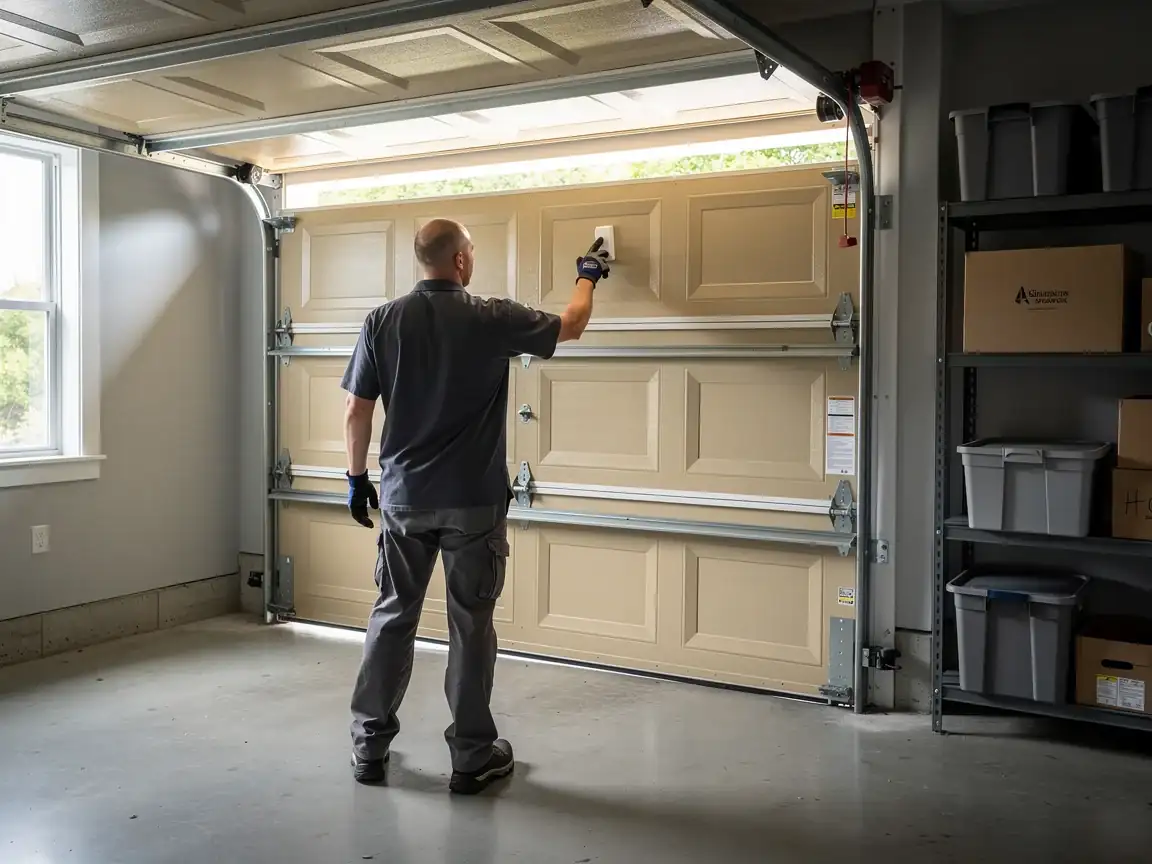
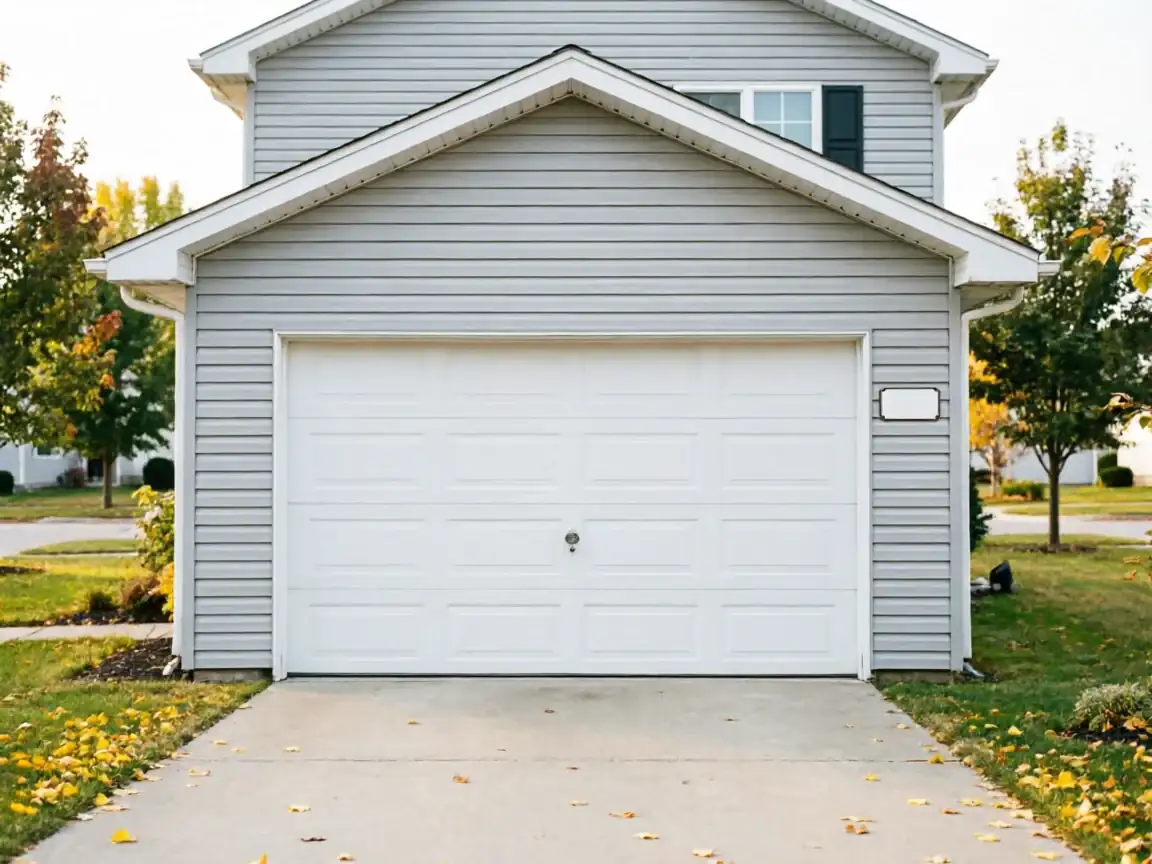
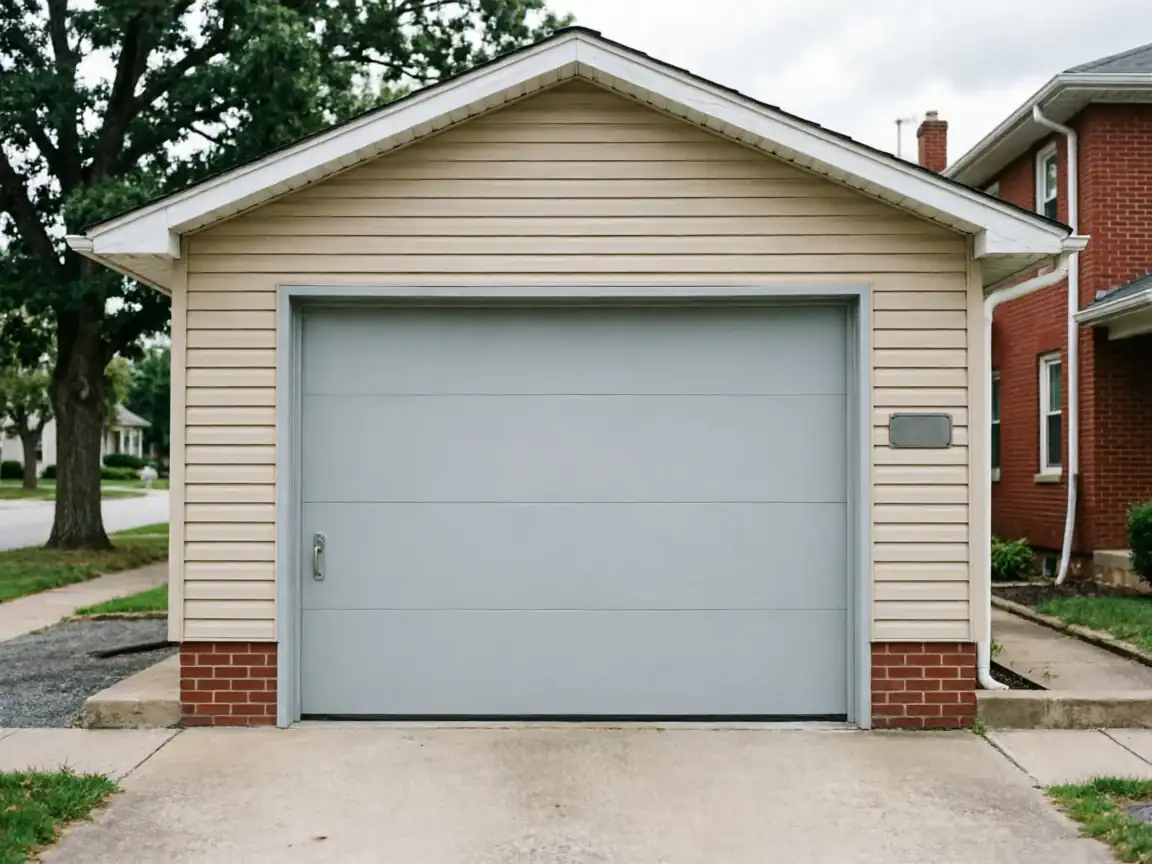
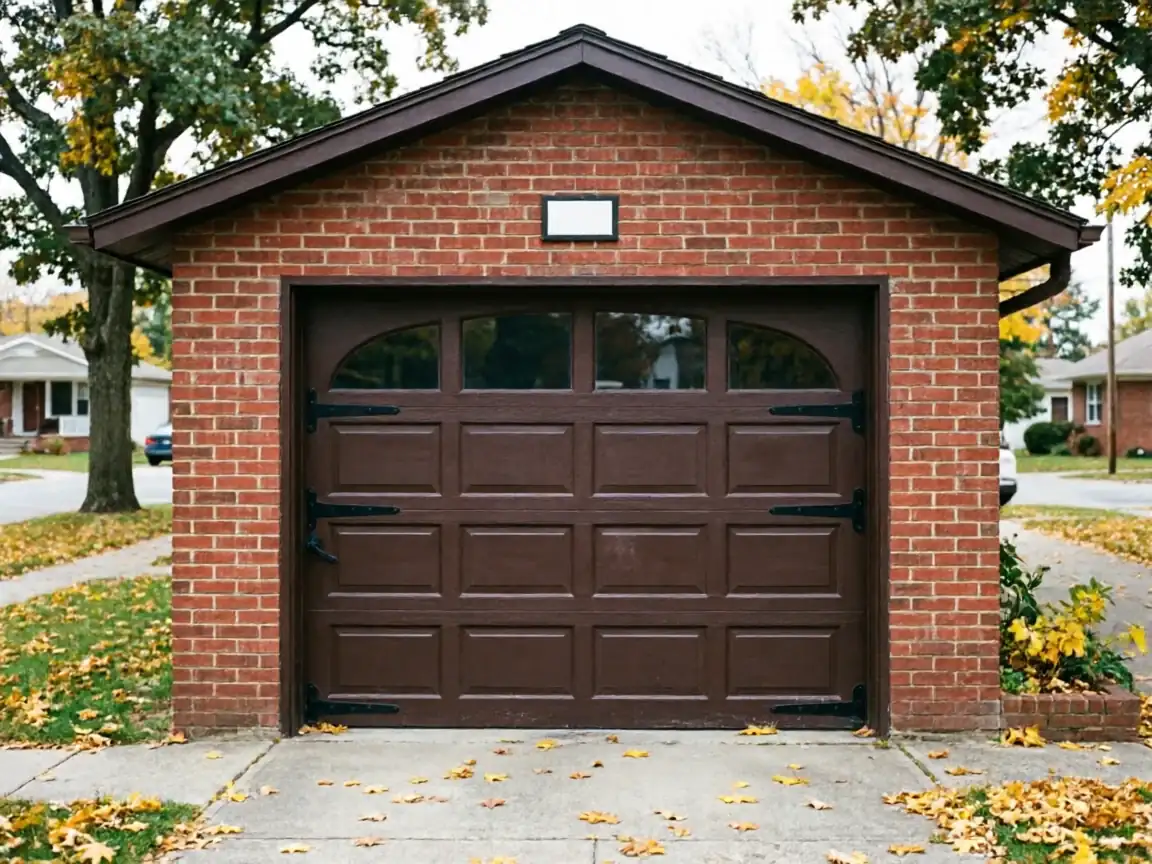
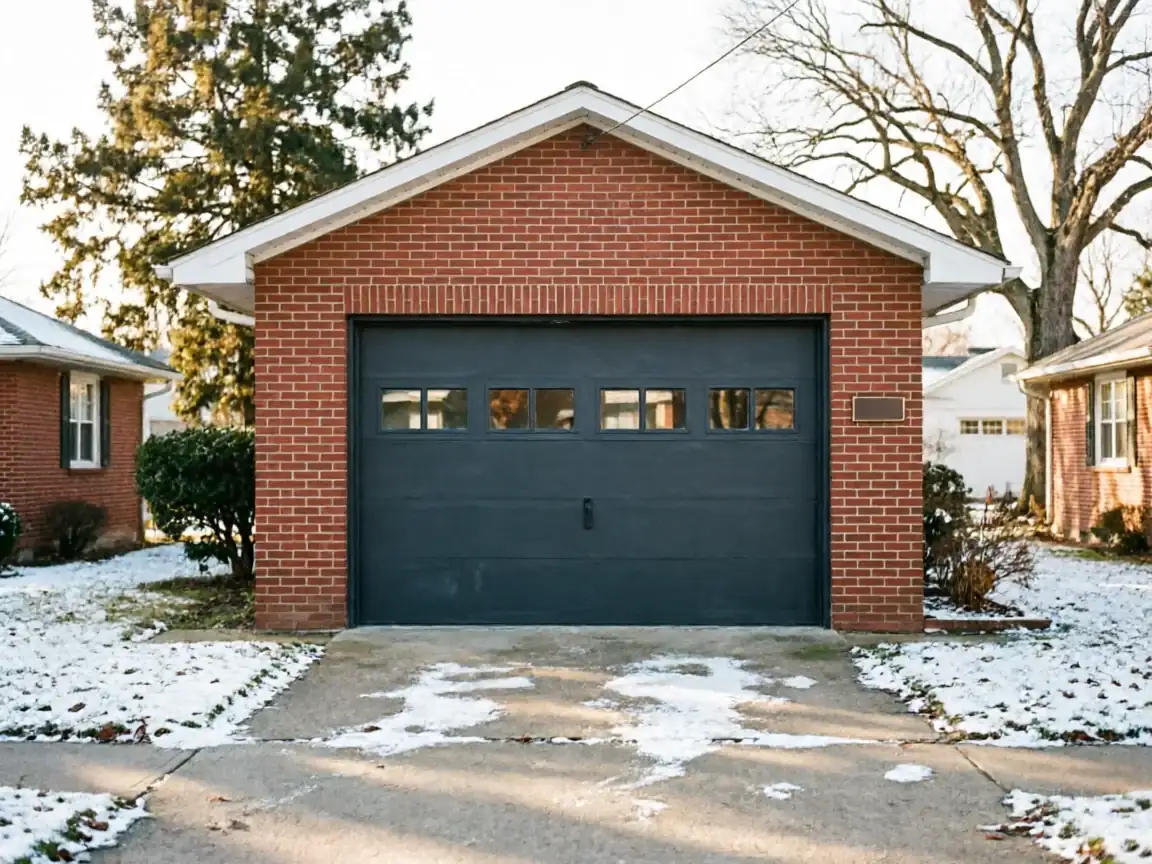
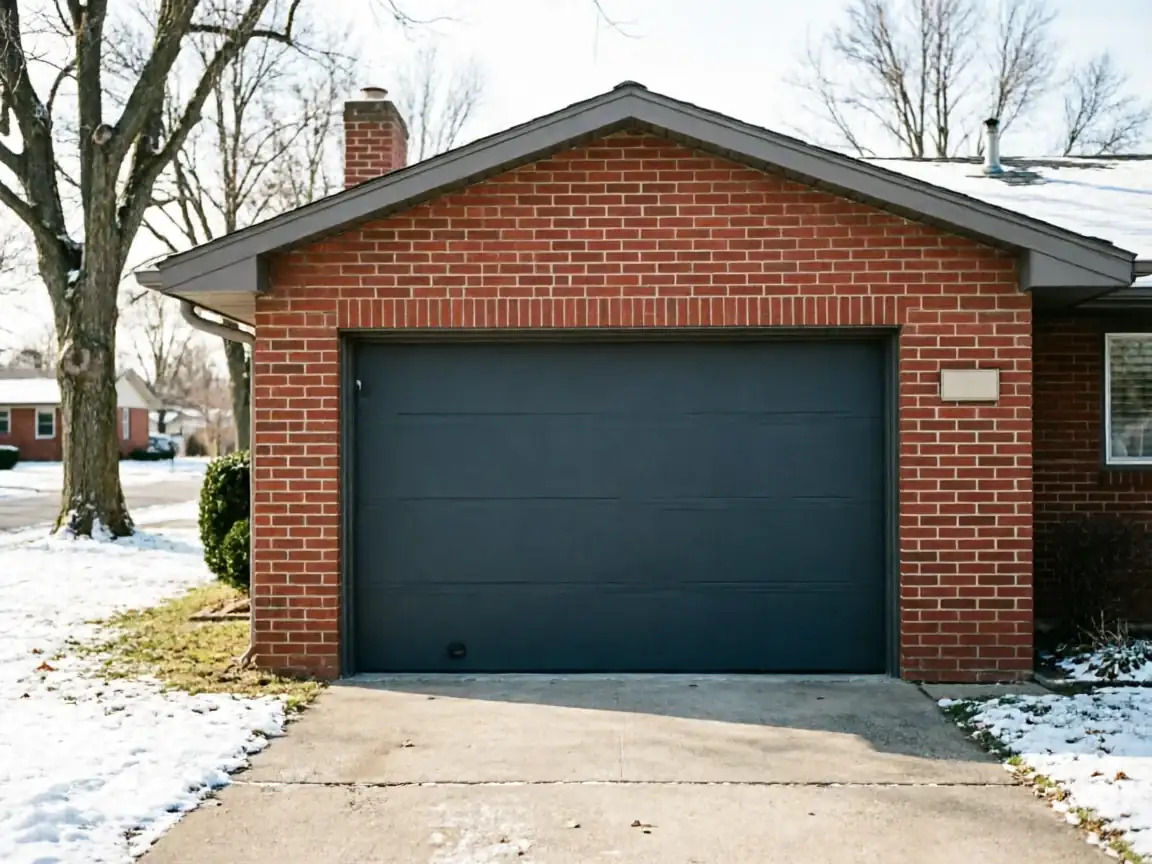
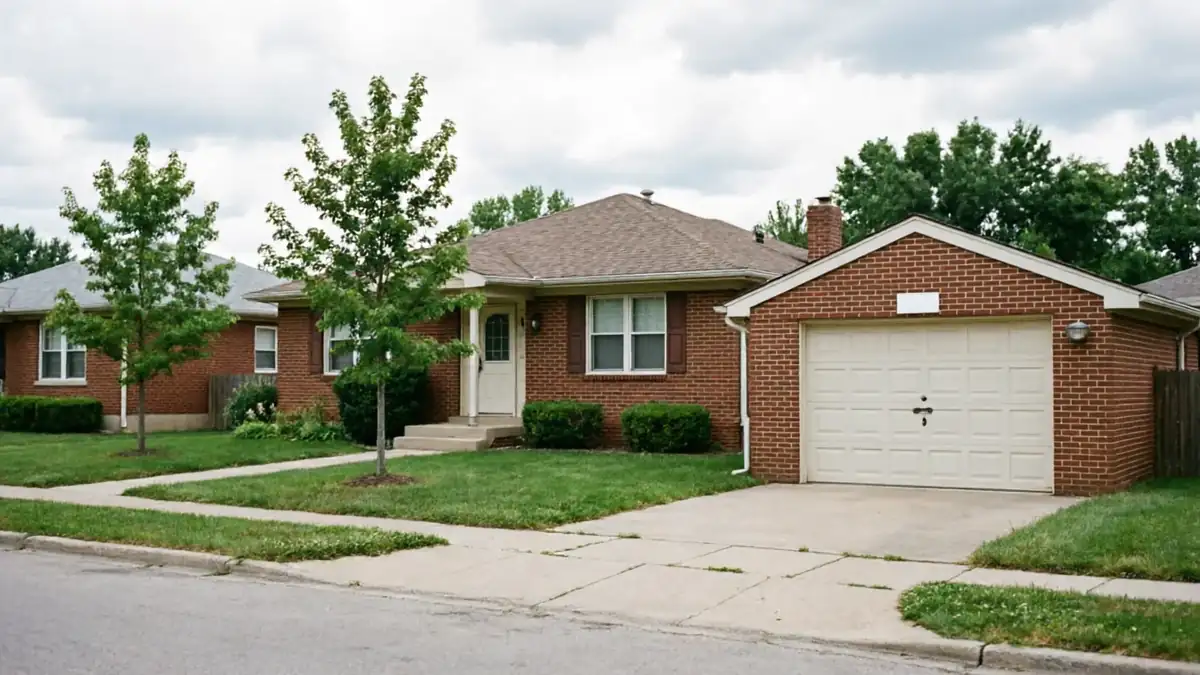
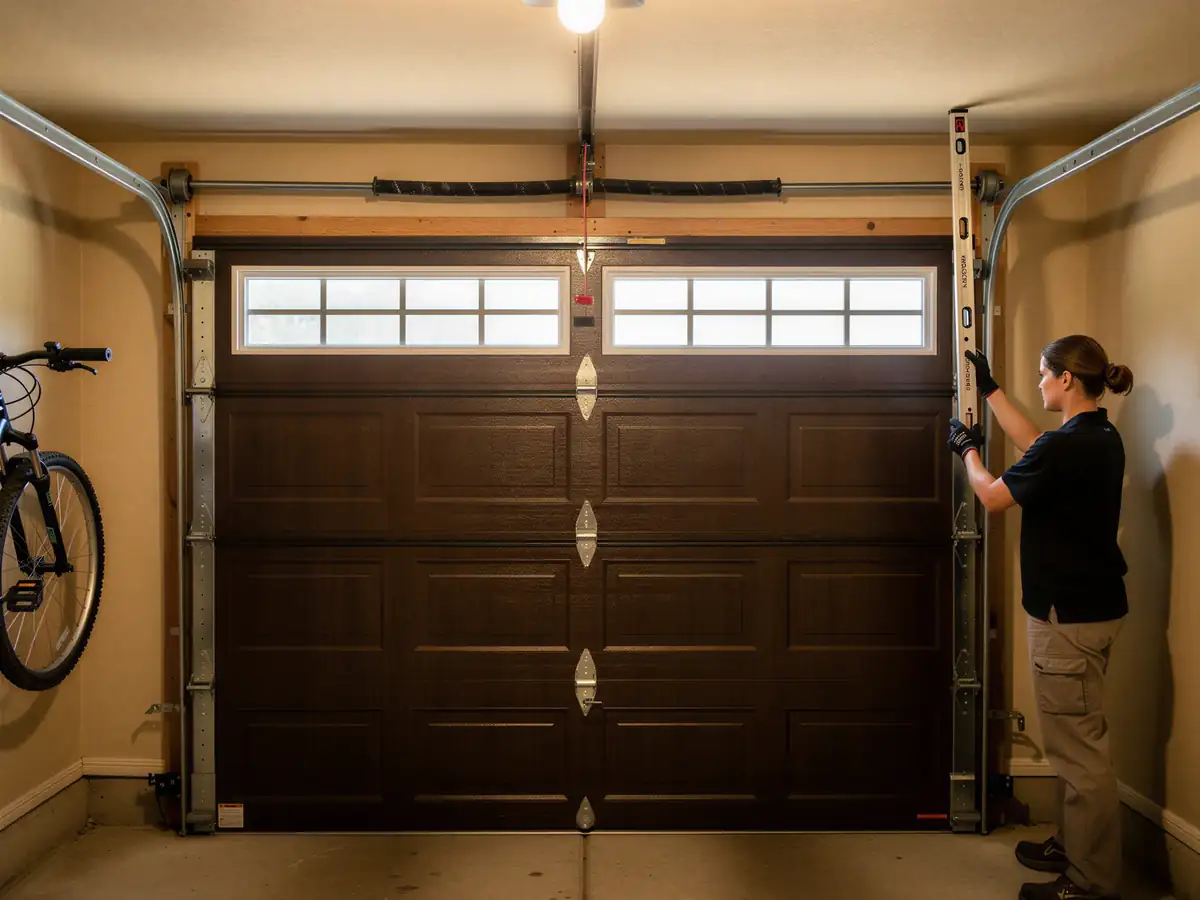
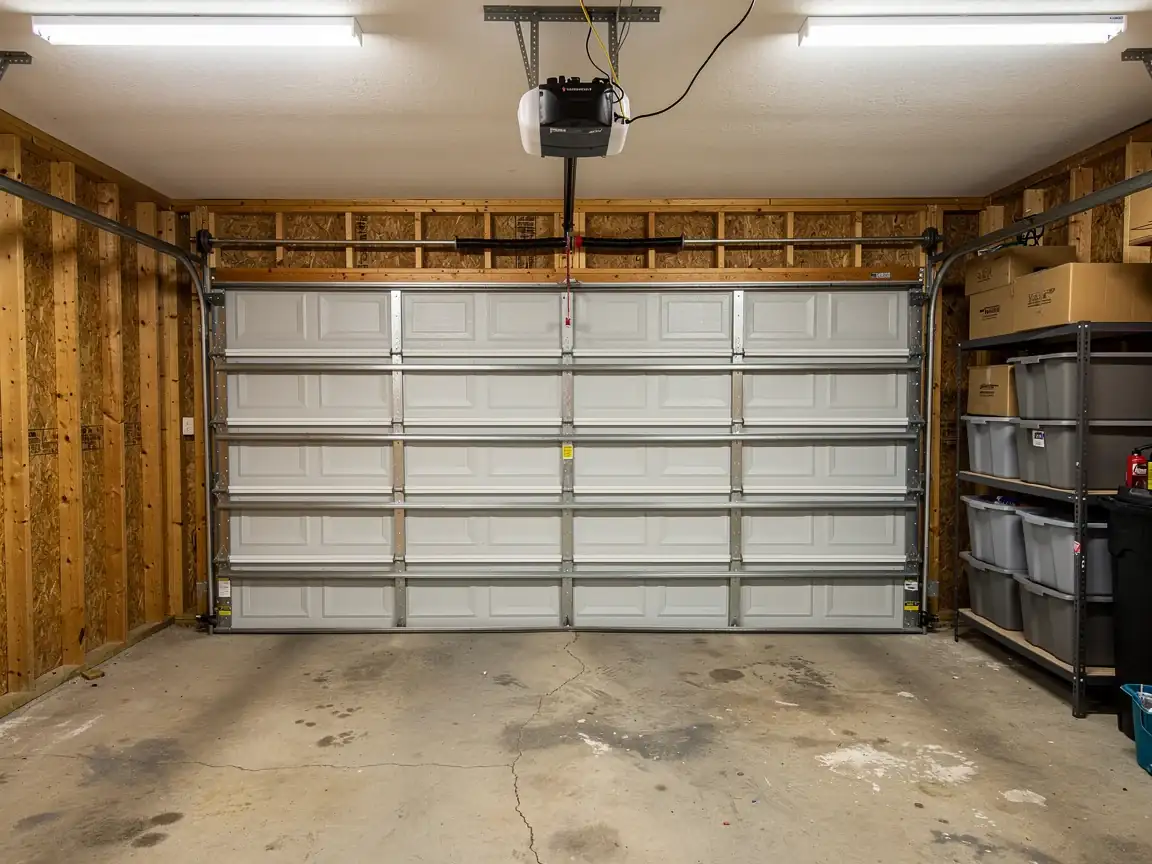
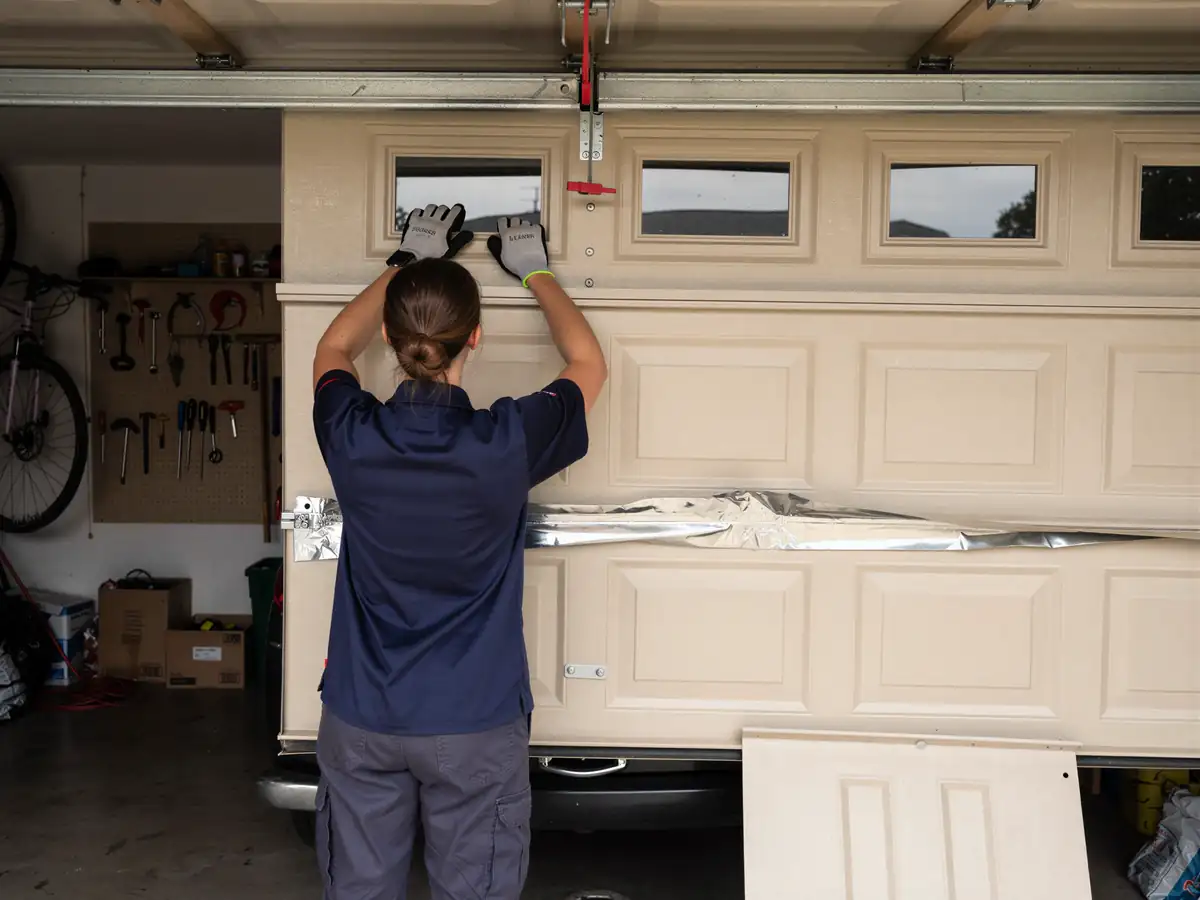
Homes built around the early '90s in this part of Minnesota typically went up with steel sectional doors on torsion spring systems rather than the older extension-spring, wood-panel setups common in 1960s construction. The openers from that build era are chain or belt drive units that are now pushing 30 years old if they were never swapped, which is long enough that the capacitor and gear-and-sprocket wear start showing up as the first real failure points. Cold-climate stress is part of this too. The area sits in a cold moderate climate band, and a door built to mid-80s or early-90s sealing standards doesn't hold heat the way a newer insulated steel door does, so owners here often notice the bottom seal hardening and cracking before anything mechanical actually fails. We don't replace a seal that's just stiff from cold if it's still sealing - that's a case where fixing nothing is the right call.
Common Jobs Here
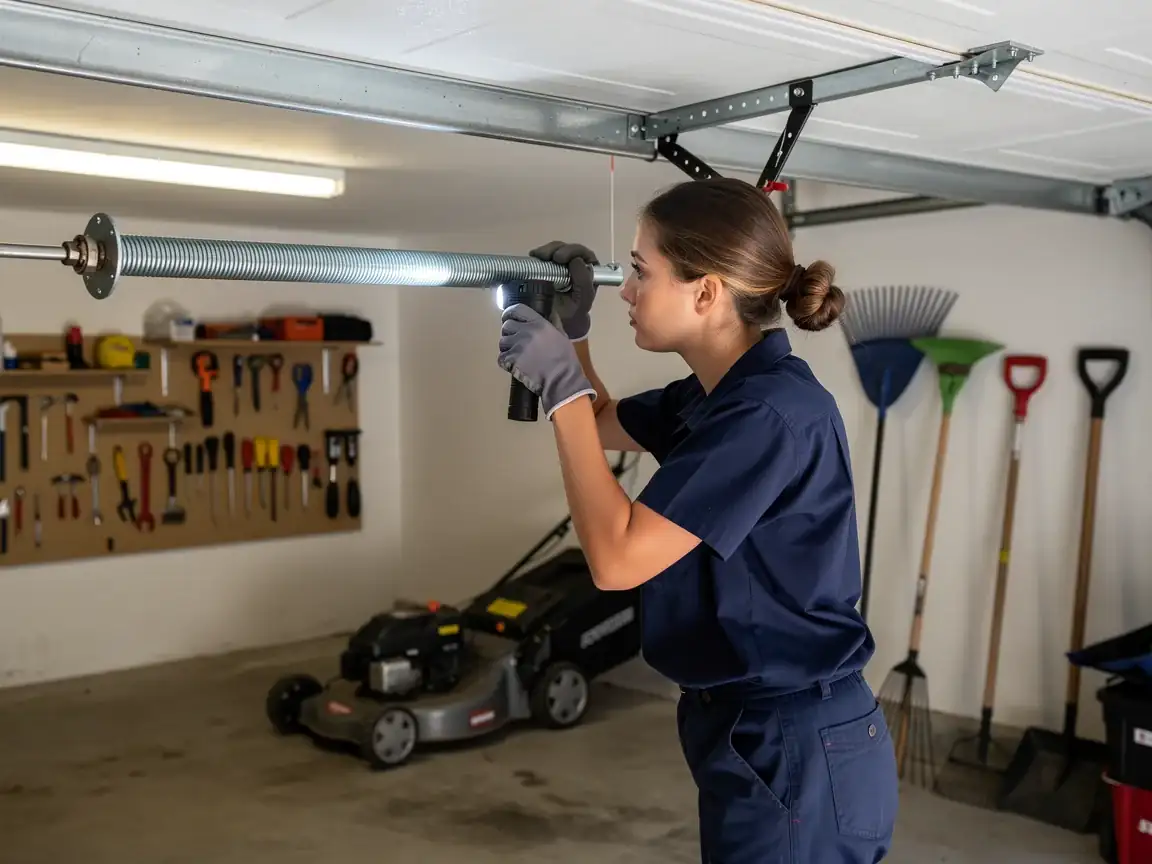
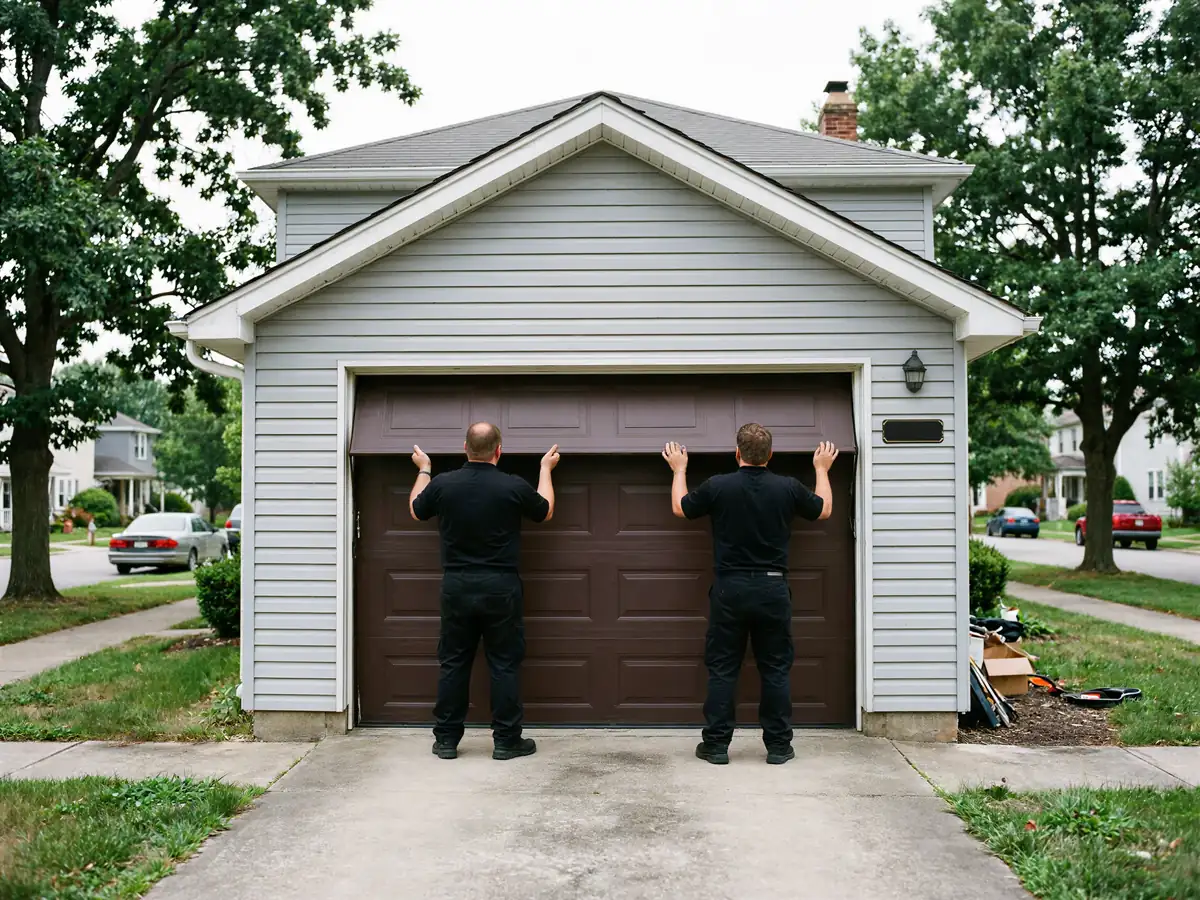
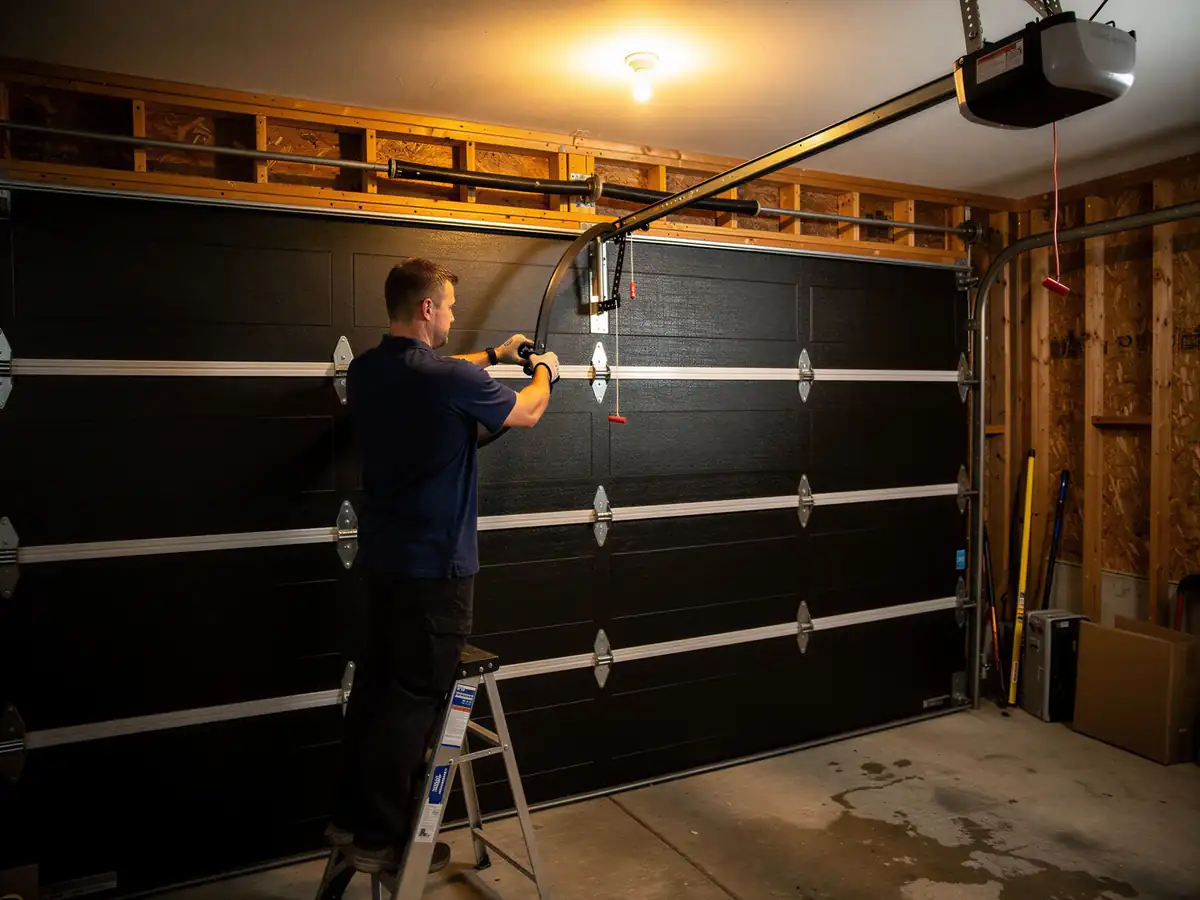
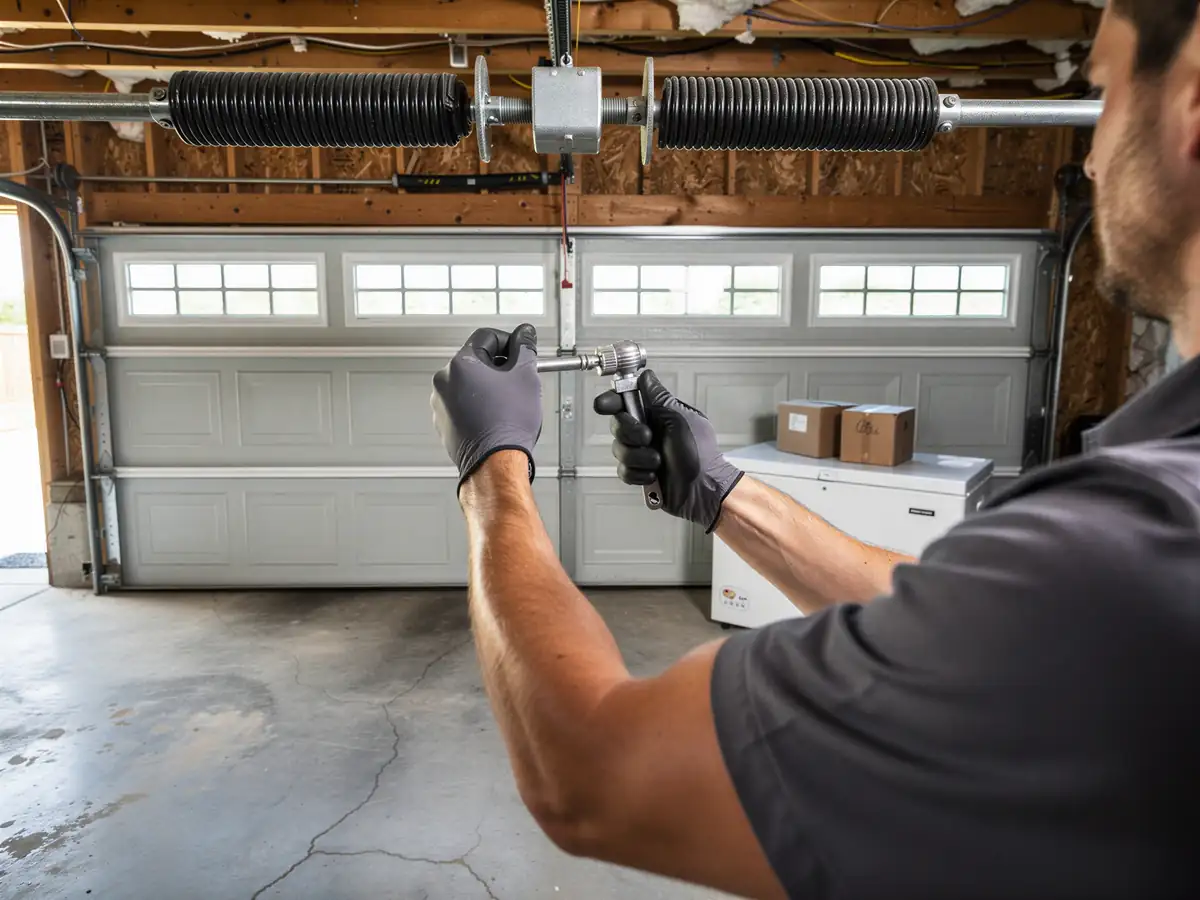
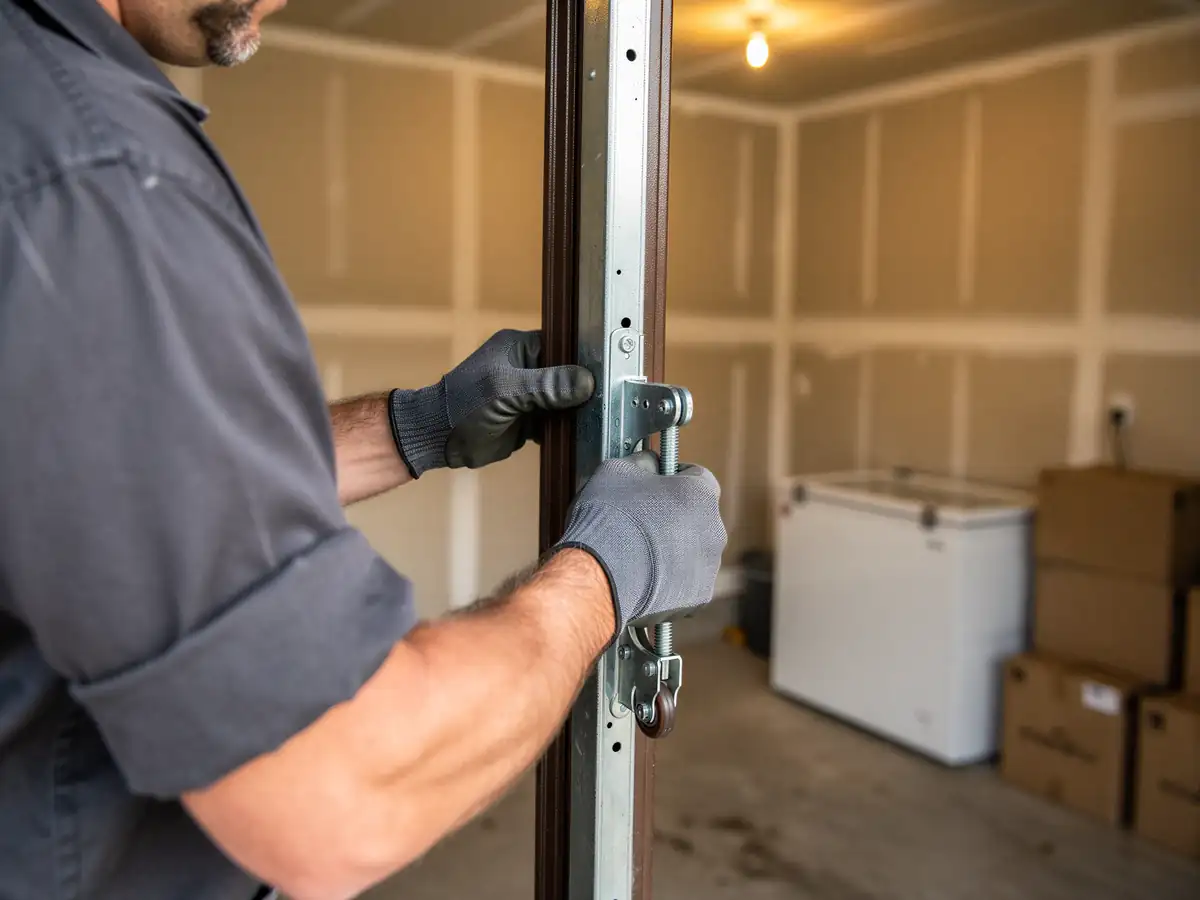
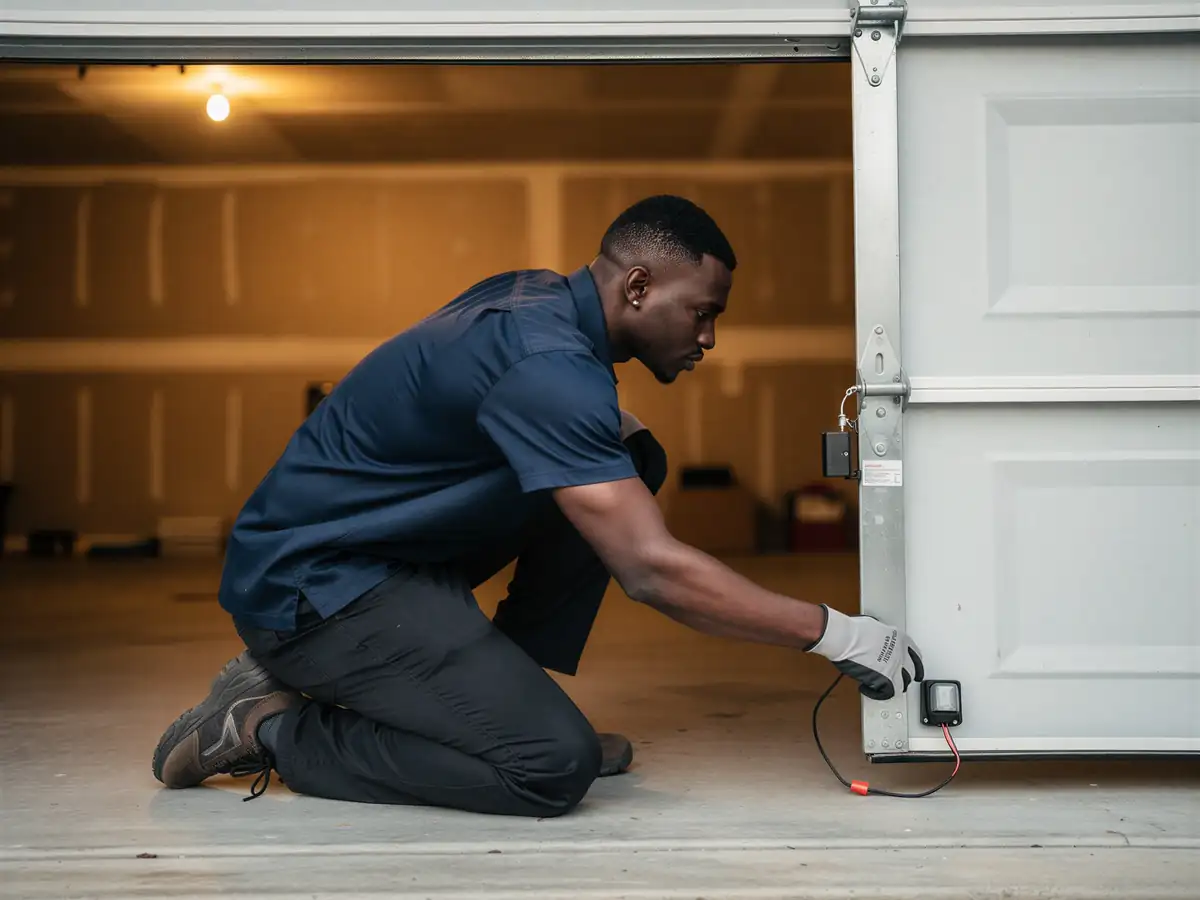
The calls that match this housing age are predictable: torsion spring replacement on doors that have logged somewhere around 10,000 open-close cycles, opener gear kits on units from the original build, and travel-limit or safety-sensor issues on openers that predate current photo-eye standards and got sensors added later as a retrofit. We also see broken rollers on the original steel tracks, since '90s-era doors often shipped with plastic rollers that have a shorter service life than the nylon or steel rollers used today. What we don't see much of here, compared to older stock closer to Savage, are the one-piece wood doors and side-mounted torsion setups that need parts nobody manufactures anymore. That's a real advantage of a newer build year: the hardware is still in production, so a repair is usually a repair, not a full teardown hunting for a discontinued part.