Why So Many Savage Garage Doors Were Never Built for Winter
Most Savage houses went up between 1956 and 2005, median 1975, with steel doors that predate thermal-break standards. Here's what that means for a Minnesota winter.
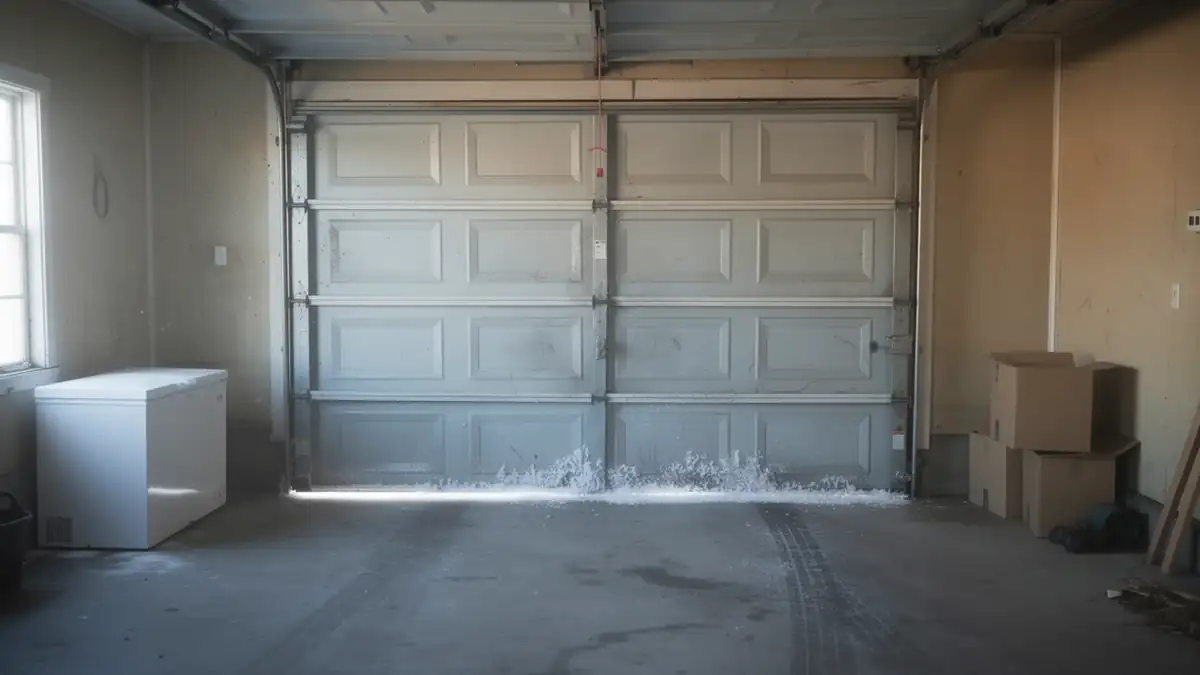
Savage sits in a cold-moderate climate band, and that matters more for a garage door than for almost anything else on the house. The door is the single largest moving panel in the thermal envelope, and if it was built before insulation codes caught up to Minnesota winters, it's doing almost nothing to stop that cold from pooling in the garage. A single-layer steel panel from the 1960s or 70s has no foam core and no thermal break at the hinge line. Cold soaks straight through the steel, hits the warmer air inside, and you get condensation on the inside face of every panel. That moisture runs down into the bottom seal and the track, and it's what you're looking at when a door won't lift on a sub-zero morning - not usually a broken spring, but a sheet of ice bonding the weatherstrip to the slab. The freeze-thaw cycle here isn't a one-week event. It runs for months, and it works on the same seams and corners over and over until the steel starts to show it - rust at the bottom panel seam, a bowed section where water pooled and froze, hinges that have worked loose from repeated expansion and contraction.
The Problem
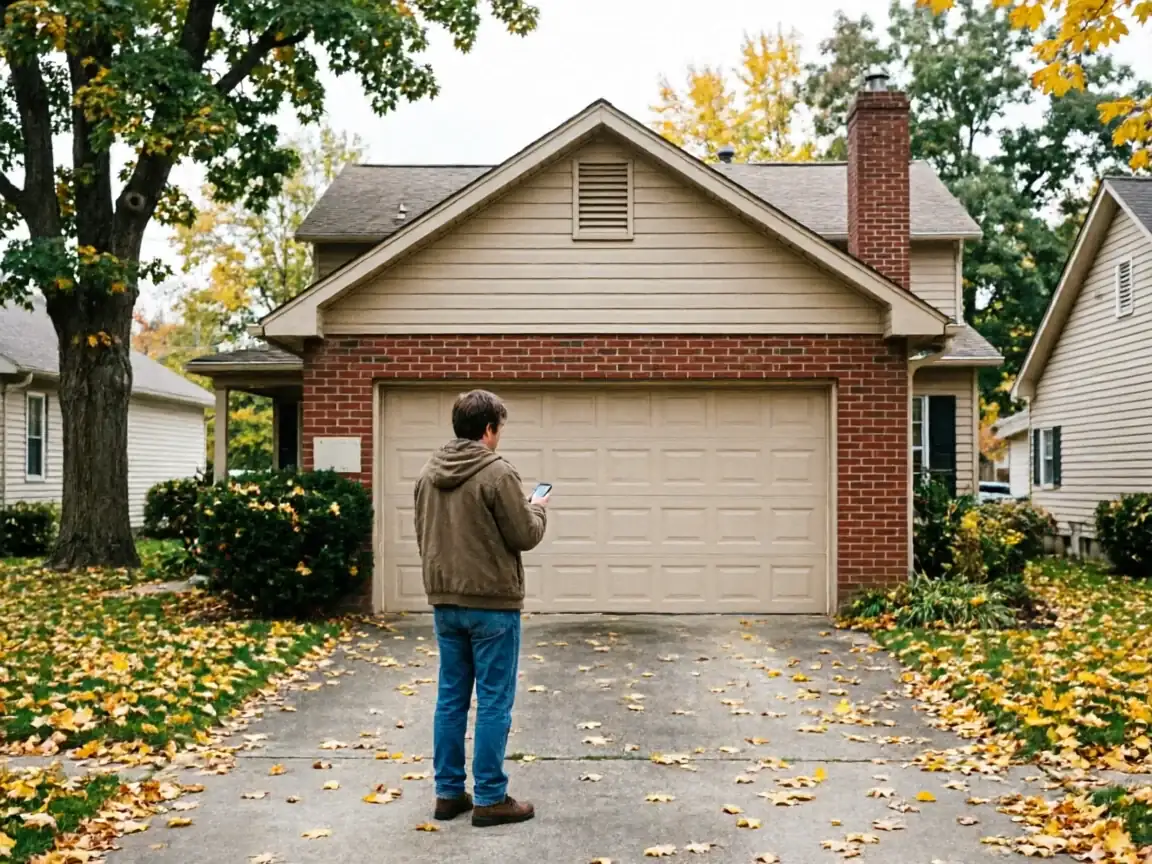
Most houses in and around Savage went up between 1956 and 2005, with the median build year landing at 1975 - right in the middle of the decades when garage doors were plain steel, uninsulated, and hung on hardware sized for a lighter, simpler door than what's often on the opening today. That 1960s-70s stock is the bulk of what we see on service calls. The door itself may have been swapped once since, but the track, the jamb brackets, and sometimes the header behind the trim are original to a house built before anyone wrote an insulation requirement into the code. That's a real mismatch: a modern double-layer door hung on 1970s track clearance, or a heavier door than the original spring was ever sized for. Across the wider service area, which covers roughly 109,890 households with about 58,530 of those owner-occupied, this is the dominant pattern, not the exception. It's not a flaw in any one house - it's just what building before insulation rules looked like, and it shows up as doors that are either too light for the cold or too heavy for the hardware underneath them.
When to Get Help
Call before the door quits on you, not after. If the bottom panel has visible rust bloom, if there's a gap of daylight along the bottom seal even with the door shut, or if the door groans and shudders for the first foot of travel on a cold morning, that's the original hardware telling you it's near the end. A door that's iced shut once is a nuisance; a door that ices shut every cold snap has a seal or slab-pitch problem that a space heater in the garage won't fix. We don't recommend bolting a foam-board kit onto a 50-year-old steel door and calling it insulated - the panel will still flex and crack the foam loose within a season or two, and you've spent money for almost no gain. If the door and track both date to the original build, the honest call is usually replacement with an insulated door rated for this climate, not a patch. That's the one limitation worth saying plainly: retrofitting insulation onto old, thin steel rarely holds up here.
What Changes With the Season
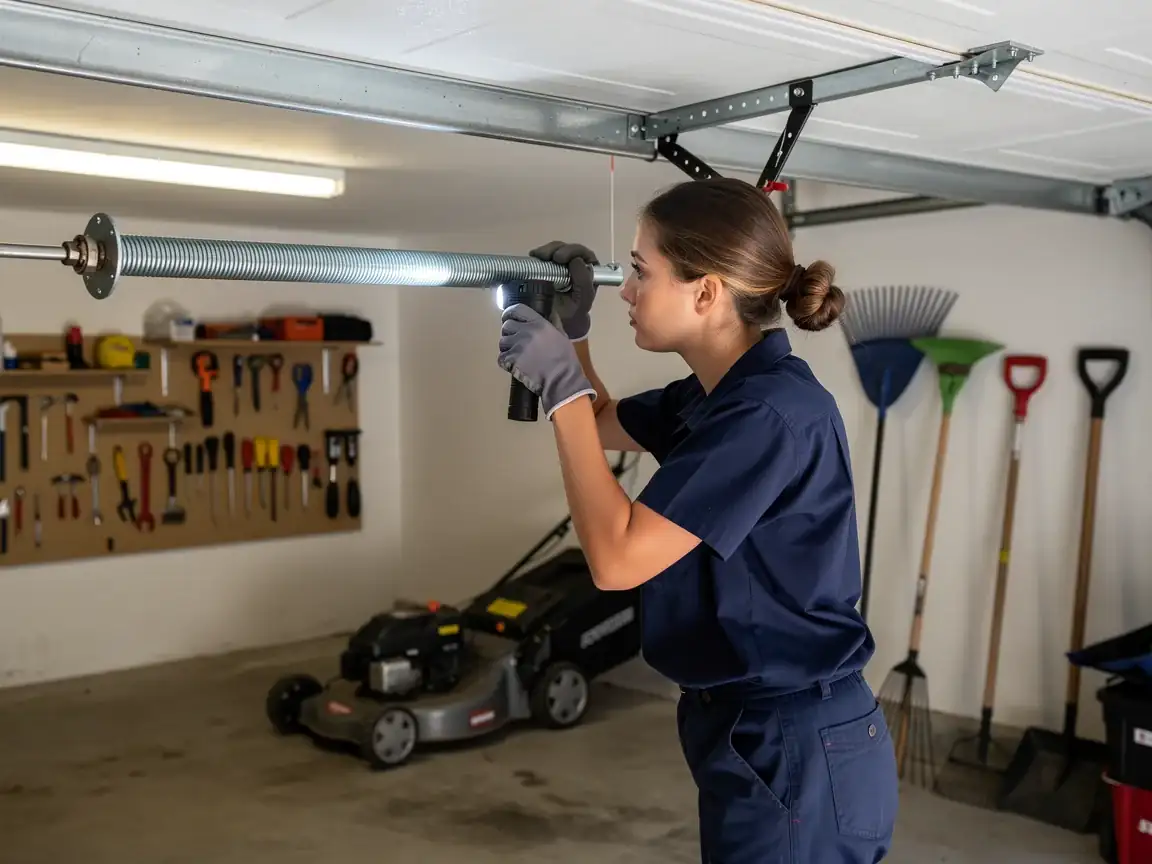
In a cold-moderate climate, the maintenance calendar isn't optional, it's seasonal. Before the first hard freeze, the weatherstrip at the bottom and sides needs to be checked for cracking - a strip that was fine in July can split the first time it hits single digits, and a split seal is what lets ice bond the door to the slab. Lubricate rollers and hinges with a product rated for cold, not household oil, which thickens and slows the door right when you need it to move freely. Torsion springs on original 1970s hardware were sized for lighter doors; if yours has been upgraded to a heavier insulated panel, winter is when an undersized spring shows its age, usually by snapping on the coldest morning of the year. With median household income across the area at $108,611, most owners here are in a position to replace rather than keep patching a door that's fighting the climate every winter - and for a lot of these mid-century houses, that's the more durable fix.
How it works
From “it’s stuck” to “it’s fixed”
01
Tell us what’s wrong
Describe the symptom - won’t open, loud bang, opener runs but the door won’t move.
02
On-site diagnosis
A technician tests the door under power and by hand and finds what actually failed.
03
Clear, up-front plan
You get the fix that’s needed and what drives the cost - before any work starts.
04
Repaired & tested
The repair is done, the door is set true and tested, and the work area left clean.
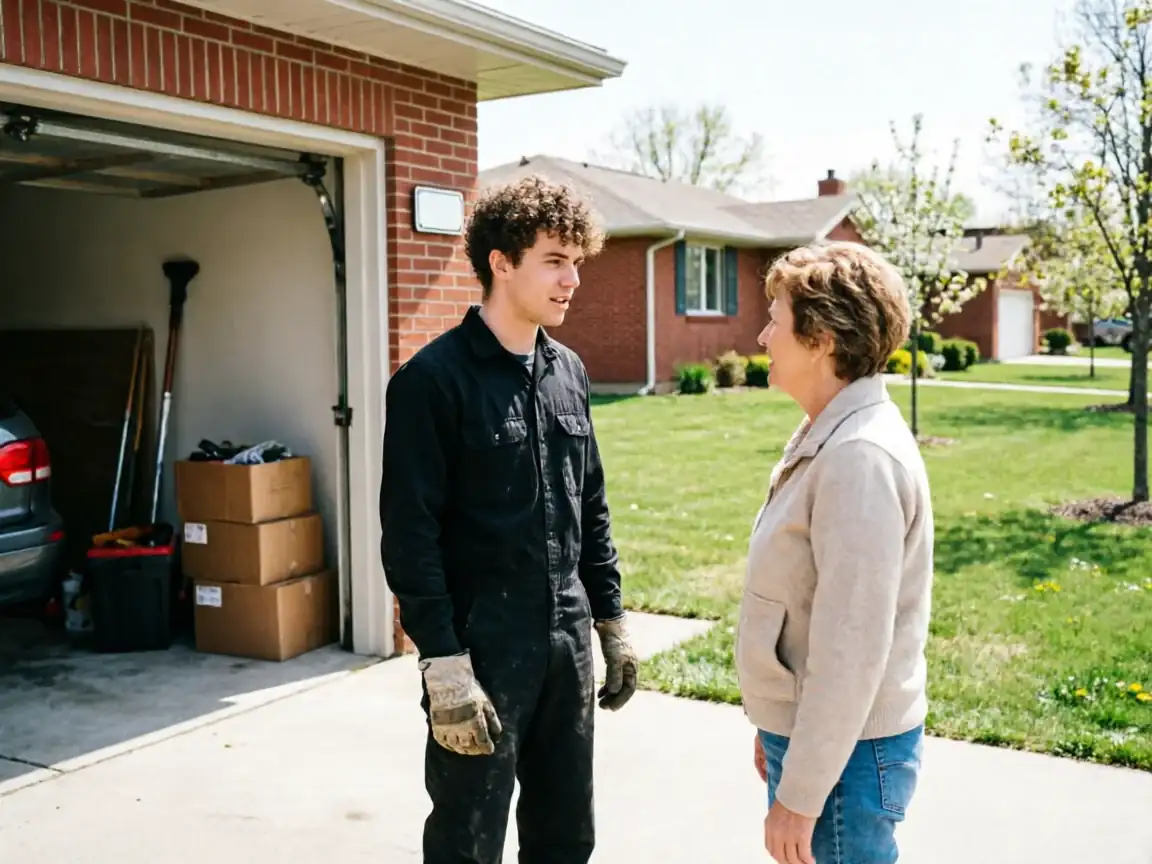
Not sure which repair your door needs in Savage, MN? Describe what it’s doing - every job starts with a diagnosis.
Why does my garage door ice shut every winter but my neighbor's doesn't?
It usually comes down to the seal and the slab pitch, not the door brand. If the bottom weatherstrip is cracked or the garage floor slopes slightly toward the door instead of away, meltwater sits right where the seal meets the slab and refreezes overnight. A door built in the 1960s-70s wave common around here often has a seal that's never been replaced, which is the first thing worth checking.
Is it worth adding a foam insulation kit to my old steel door?
Usually not if the door is original to a 1960s-70s house. Thin single-layer steel flexes with temperature swings, and glued-on foam board tends to crack loose within a season or two in this climate. For a door that old, a proper insulated replacement holds up longer than a kit and costs less over time than repeated patch jobs.
How do I know if my garage door hardware is original to the house?
If the house dates to the 1956-2005 range common in this area, and the track brackets are painted the same color as the jamb trim with no sign of a later retrofit, it's likely original. Original torsion springs from that era were often sized for lighter, uninsulated doors, so a heavier replacement panel on old hardware is a common mismatch we find on service calls.
Ready to get your garage door sorted?
Tell us what it’s doing and where you are in Savage - we’ll take it from there.