Garage Doors Built for Golden Valley's 1960s Housing
Savage Garage Door Pros repairs garage doors in Golden Valley, MN, where most homes date to 1966 - older torsion hardware and worn panels are common calls.
Across the wider service area Savage Garage Door Pros covers, homes went up anywhere from 1956 to 2005, with the midpoint sitting around 1975. Golden Valley doesn't track that midpoint. Most of the houses here were built closer to 1966, which puts this neighborhood a decade ahead of the newer subdivisions further out. That matters more than it sounds like it should. A door and opener installed in a home built in the late 1970s or 1980s is a different animal than one that's gone through fifty-plus winters of cold-climate expansion and contraction on original or early-replacement hardware. When we get a call from this area, we're not guessing at what we'll find on the truck - we're expecting older track brackets, heavier steel sections than what's sold today, and openers that have likely already been swapped once by a previous owner. The service area overall runs mostly 1960s-70s stock across its 31 named communities, and Golden Valley sits right in that older end of the range, not the newer tail.
How That Shows Up in the Door
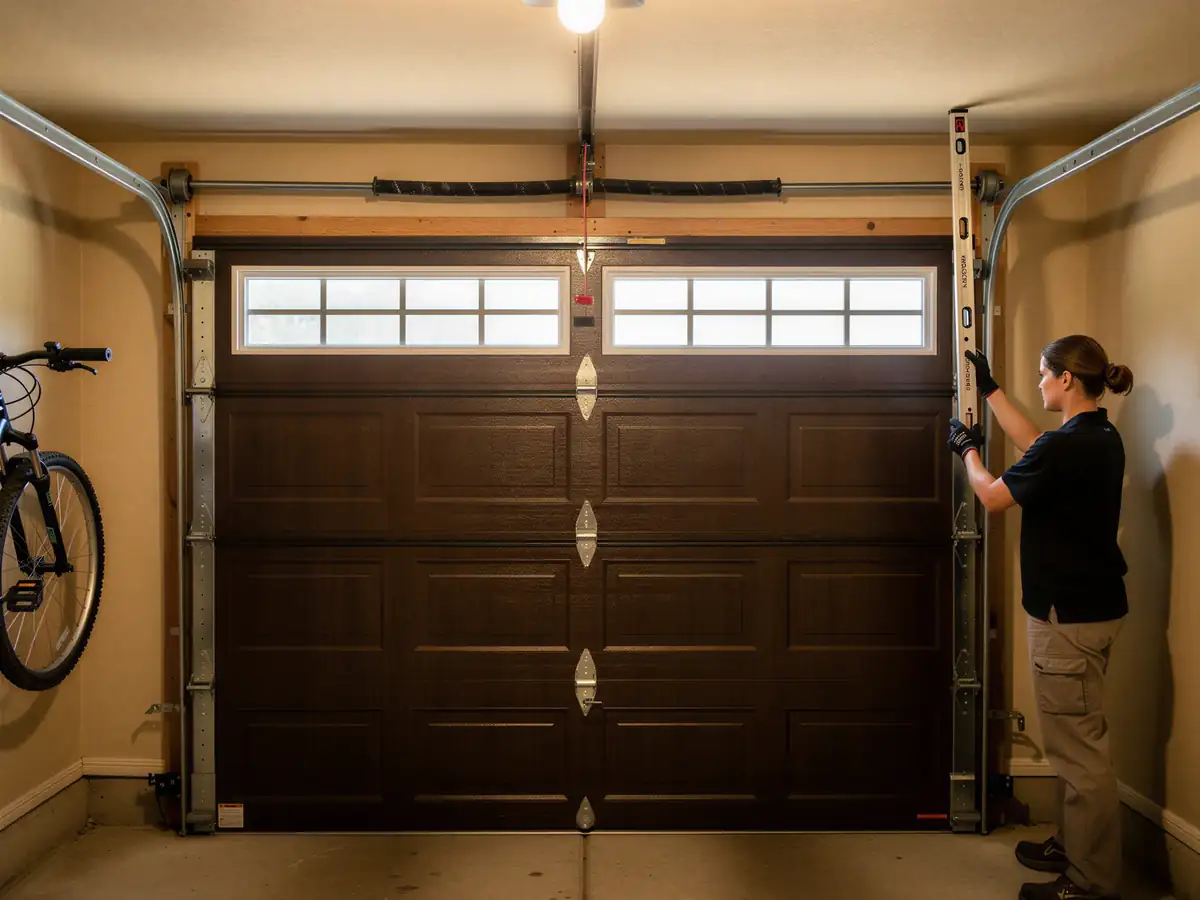
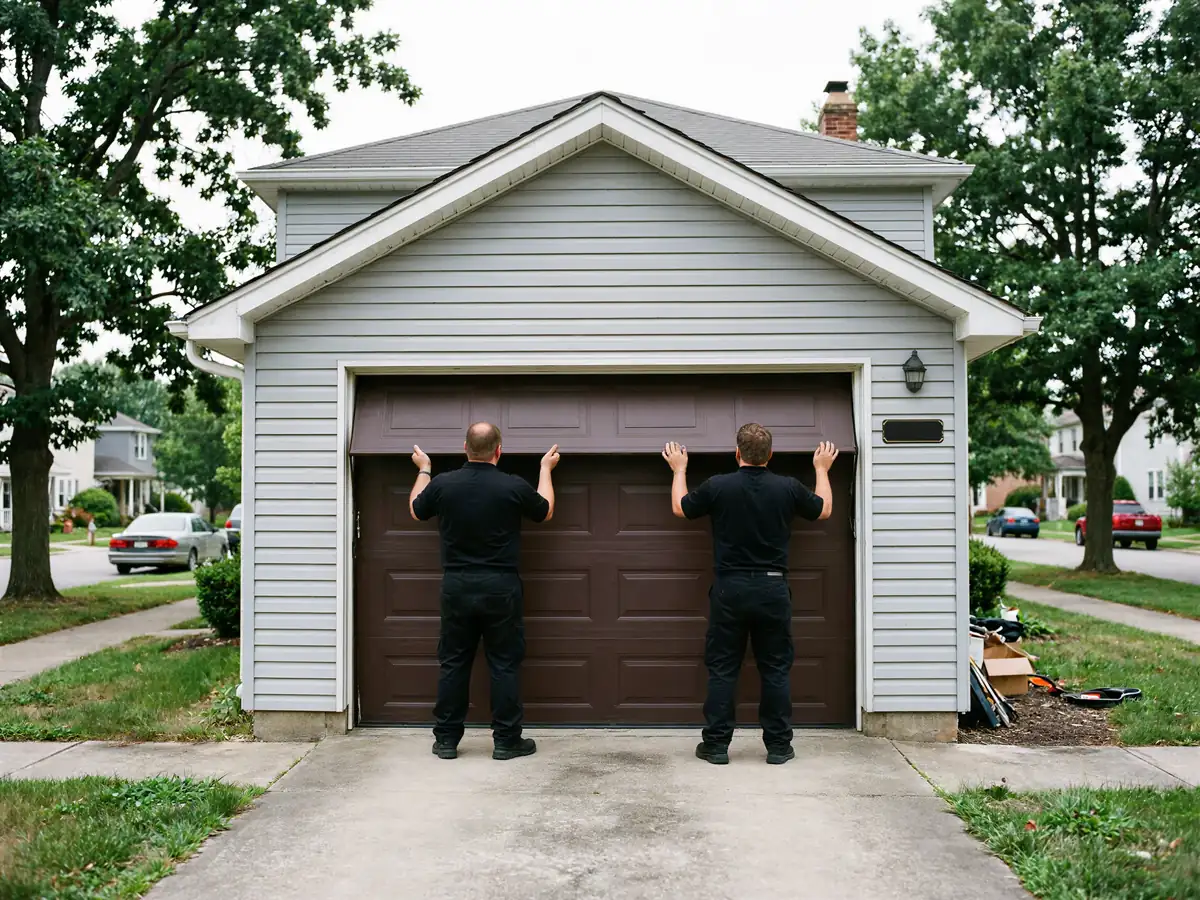
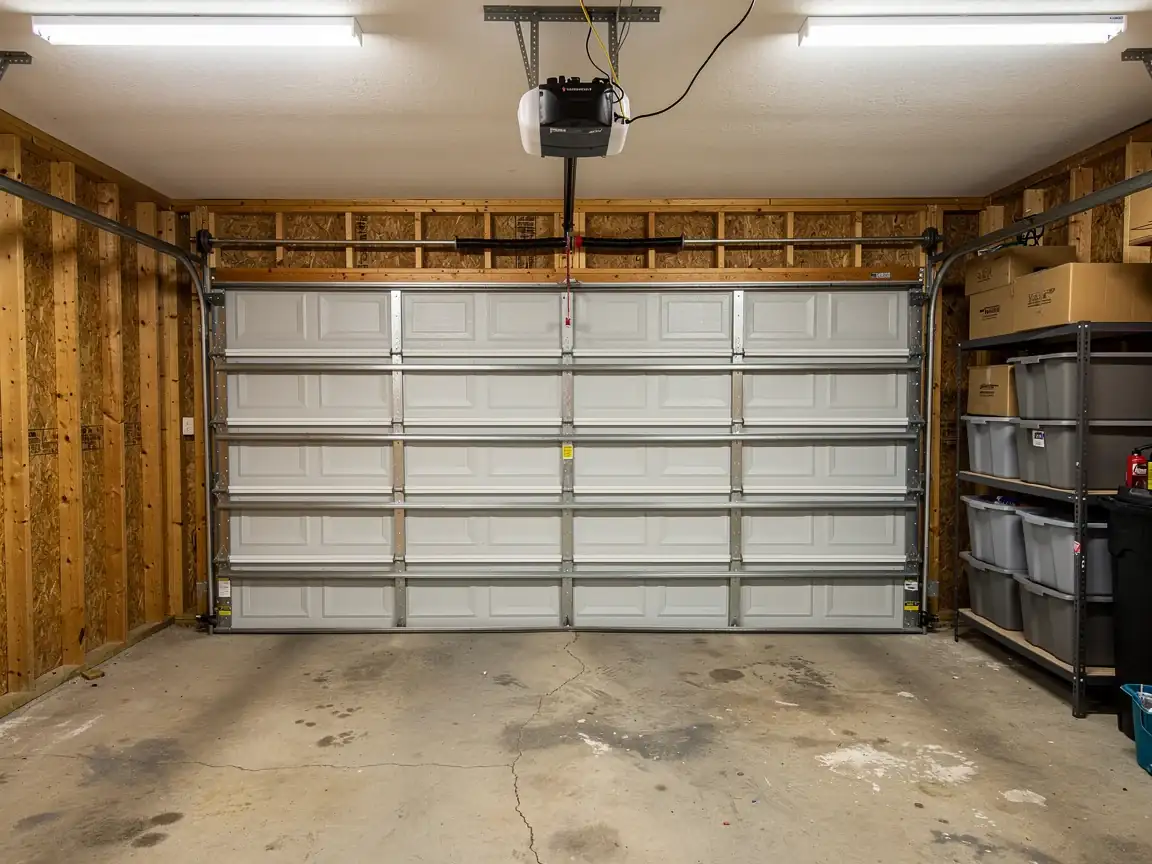
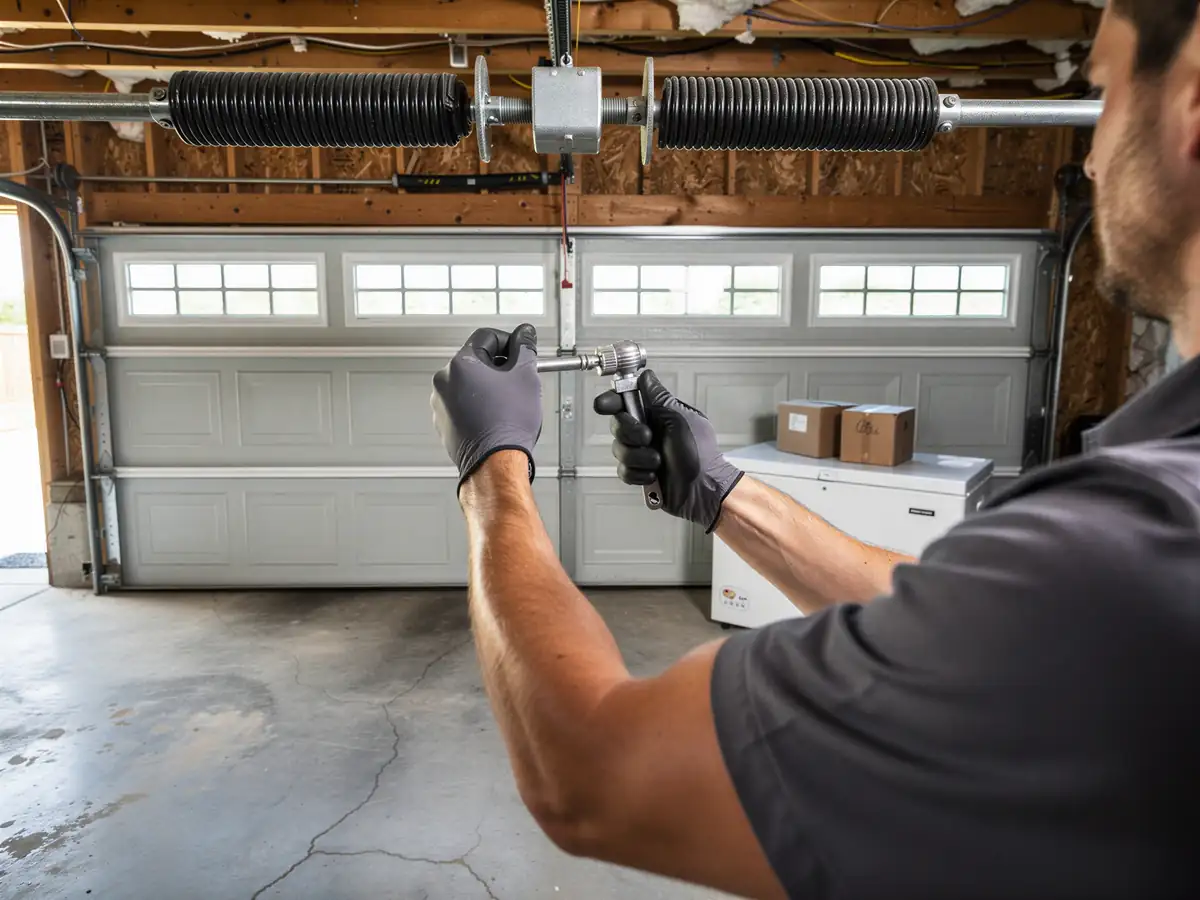
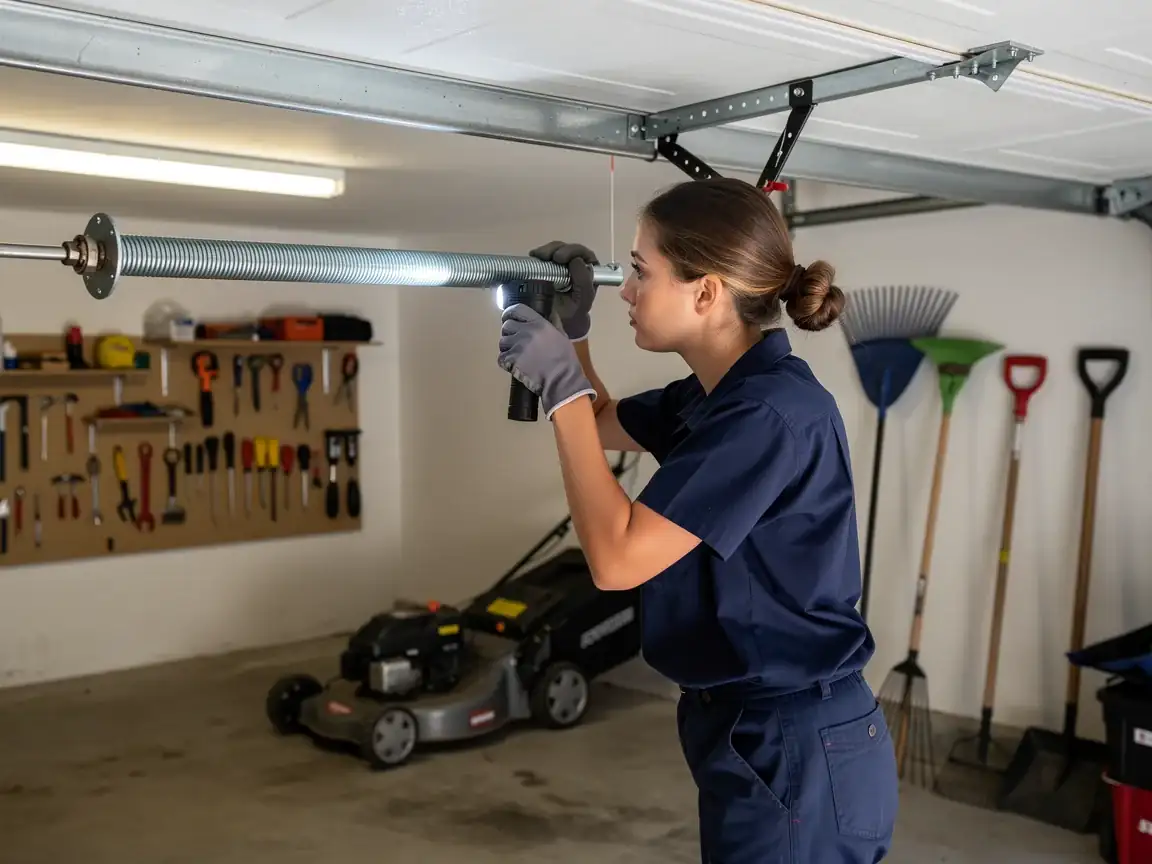
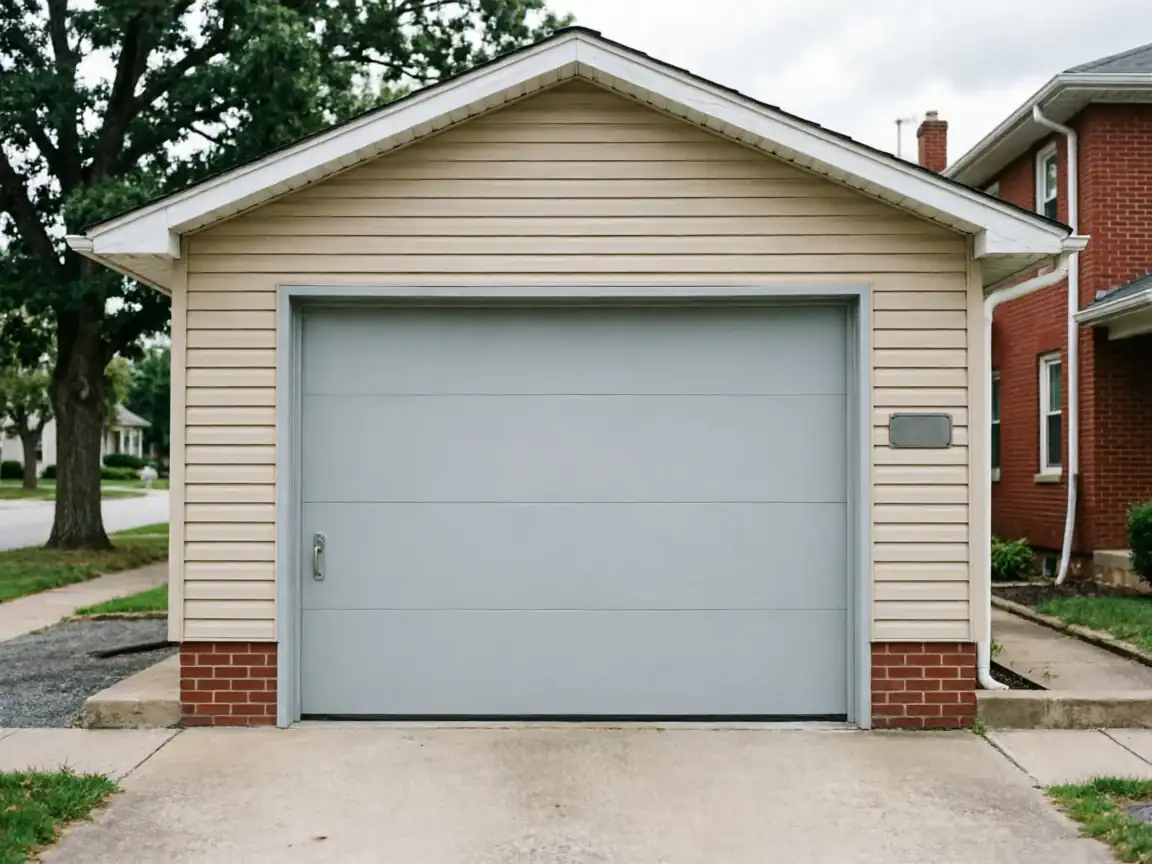
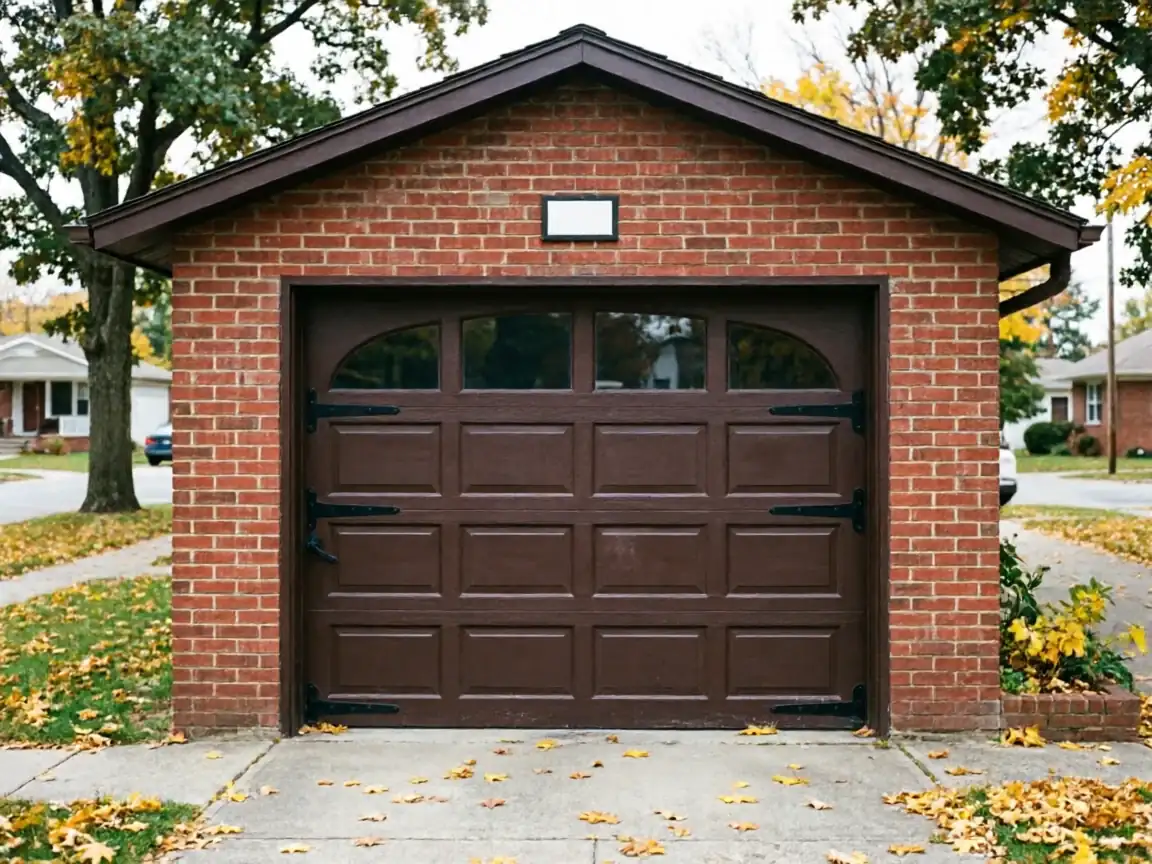
A 1966-era garage usually means a single-car or narrow double opening, steel or early fiberglass-faced panels, and torsion springs sized for hardware that's heavier than what gets installed in new construction. In a cold-moderate climate like this one, steel sections from that era tend to show rust at the bottom panel first, where snowmelt and road salt sit against the weatherstrip. Rollers wear out of round rather than snapping outright, which makes the door sound rough before it actually fails. Springs on houses this age have usually been replaced at least once already, sometimes with a spring sized for a lighter door than what's actually hanging on the track - that mismatch is one of the more common things we find once we're looking at the hardware up close. We don't assume every door here needs full replacement. A lot of these doors are structurally fine; it's the moving hardware around them that's worn out, and that's a repair, not a teardown.
Common Jobs Here
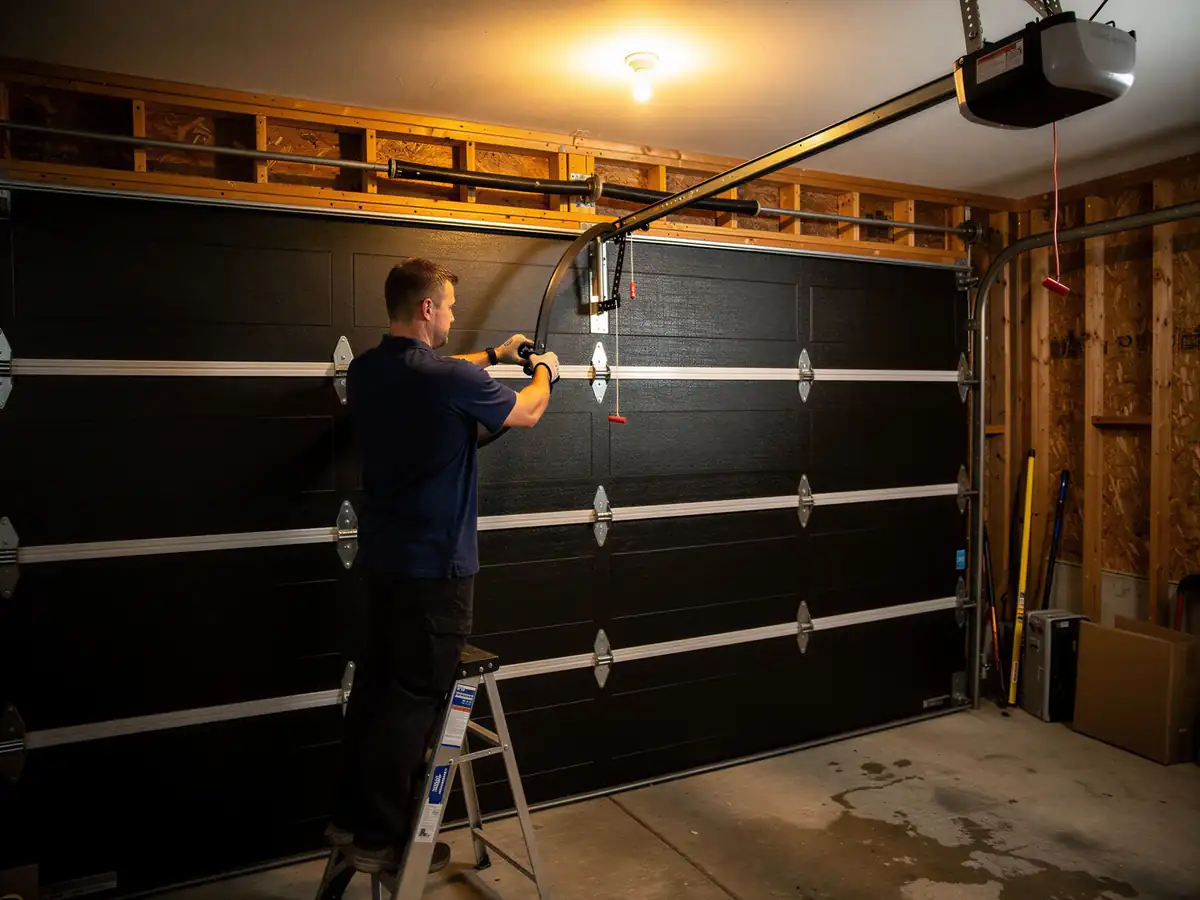
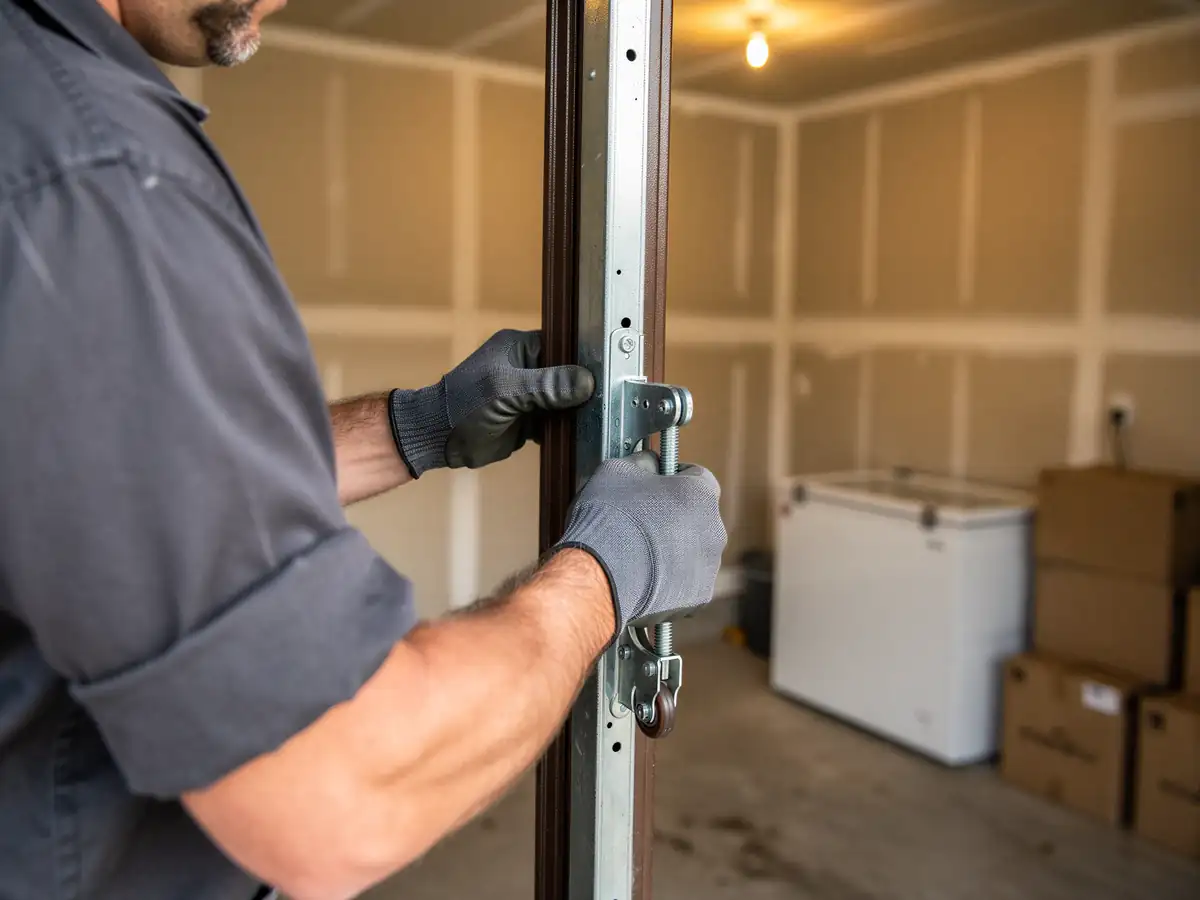
The calls that match this housing age tend to be torsion spring replacement on double doors, roller and hinge swaps where the metal has pitted from decades of cold and moisture, and opener replacement where the original unit or its first replacement has finally quit. Track realignment comes up often too - on an older frame, the bolts holding the track to the jamb loosen over the years and the door starts walking sideways instead of running straight. We also get cable replacement calls, usually paired with spring work since a frayed cable on a door this old is rarely an isolated problem. One honest limit: if the panels themselves are rusted through or the door has been patched more than once, replacement usually costs less over time than another round of repairs, and we'll tell you that straight instead of billing for a patch that won't hold.
This Area's Housing
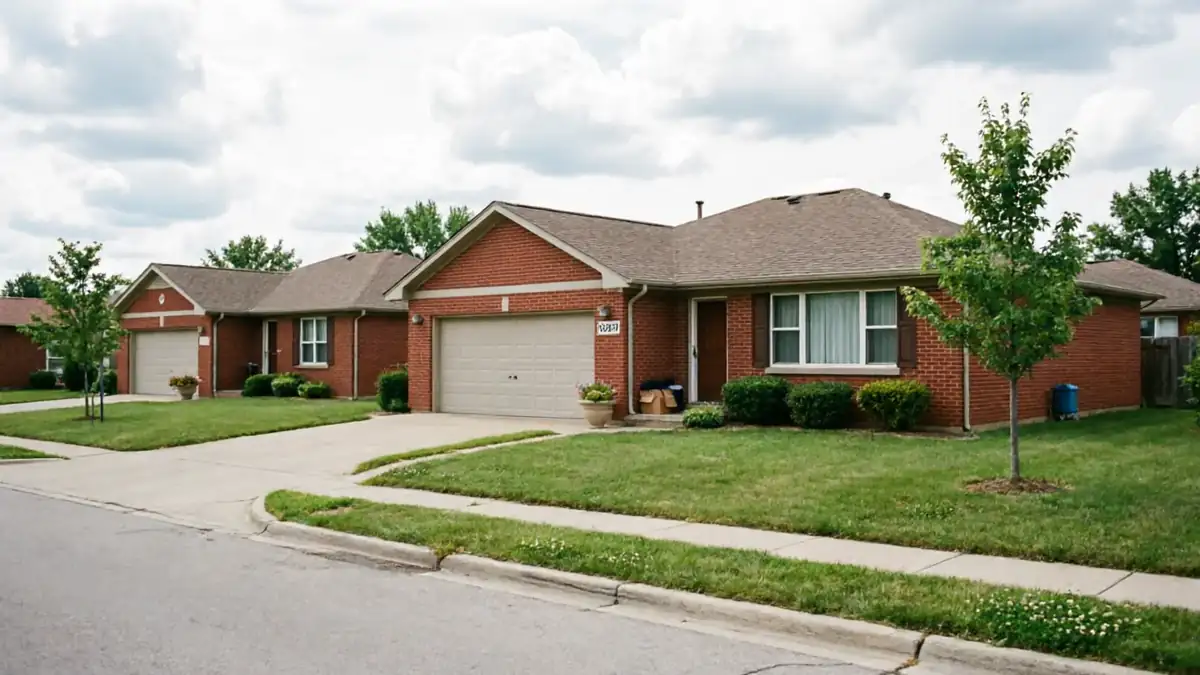
Golden Valley sits about 16 miles from our shop in Savage, and it's one of the closer-in communities we reach regularly. The area has roughly 9,671 households, with a median income of $114,435 - notably higher than the $108,611 median across the full service area, which tracks with the kind of established, well-kept housing stock typical of a neighborhood built out mostly by the mid-1960s. Across the broader service area there are 109,890 households and 58,530 owner-occupied houses, so Golden Valley is a meaningful but not dominant slice of who we work for. What that income and build-year combination tends to mean on the ground: owners here are more likely to put money into a proper spring and hardware repair rather than defer it, and more likely to ask about insulated replacement doors when the original steel sections finally give out. We don't have local call-volume or response-time numbers specific to Golden Valley, so we're not going to invent a turnaround promise here beyond what we can actually commit to on a call.
How it works
From “it’s stuck” to “it’s fixed”
01
Tell us what’s wrong
Describe the symptom - won’t open, loud bang, opener runs but the door won’t move.
02
On-site diagnosis
A technician tests the door under power and by hand and finds what actually failed.
03
Clear, up-front plan
You get the fix that’s needed and what drives the cost - before any work starts.
04
Repaired & tested
The repair is done, the door is set true and tested, and the work area left clean.
Not sure which repair your door needs in Savage, MN? Describe what it’s doing - every job starts with a diagnosis.
No. We're based in Savage, about 16 miles away, and travel to Golden Valley for jobs. We don't have a local depot here, so we schedule the trip into the route rather than offering drop-in service.
Why does my 1960s garage door act up more in winter?
This area sits in a cold-moderate climate zone, and steel panels and torsion springs from the 1960s and 70s weren't built with today's weatherstripping or lubricants in mind. Cold makes springs stiffer and metal more brittle, so breaks and rough-running doors both tend to cluster in winter.
Is it cheaper to repair or replace an old door?
Depends on the door. If the panels are solid and it's a spring, roller, or opener issue, repair almost always costs less. If the steel is rusted through or the door's been patched repeatedly, replacement tends to be the better money over a few years, and we'll say so rather than keep billing for patches.
What's the most common repair you do in this area?
Torsion spring replacement, often paired with roller or cable work, given how many doors here are running on hardware installed when the house was built in the mid-1960s or on a first-generation replacement spring.
Ready to get your garage door sorted?
Tell us what it’s doing and where you are in Savage - we’ll take it from there.