The Problem
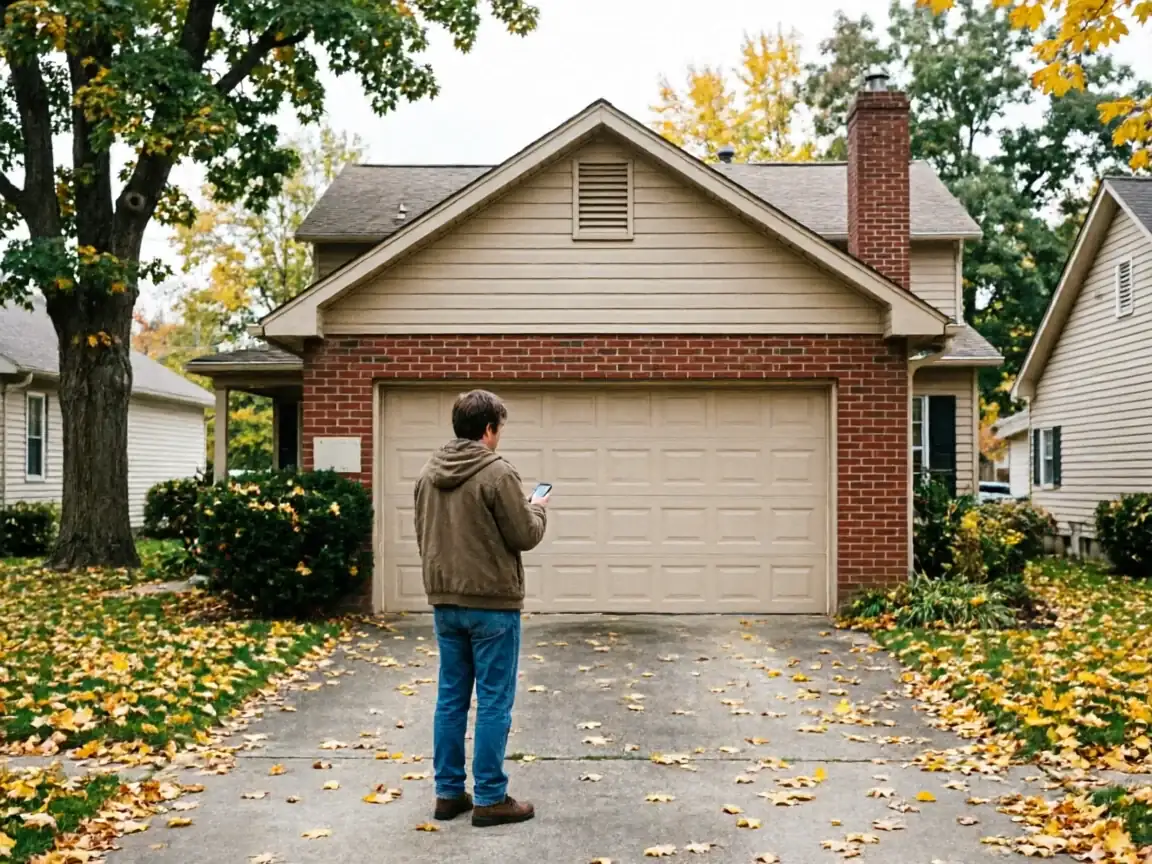
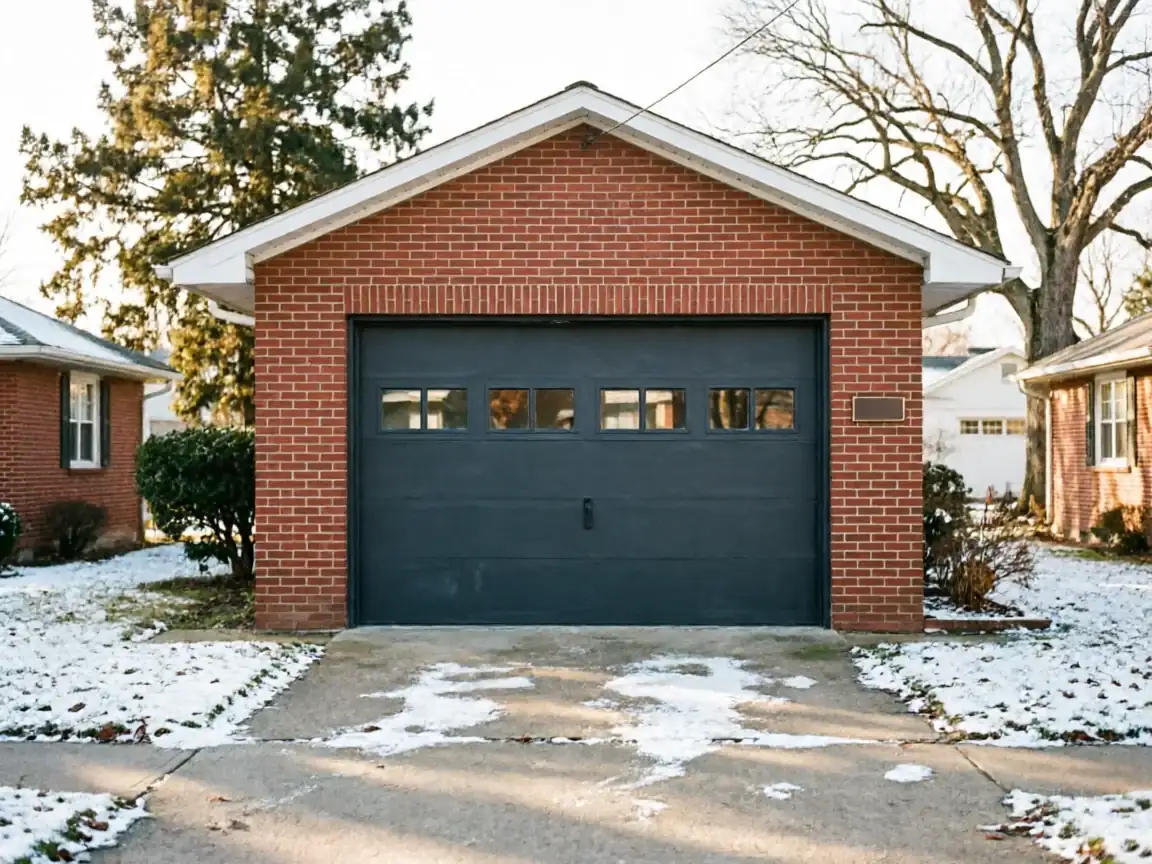
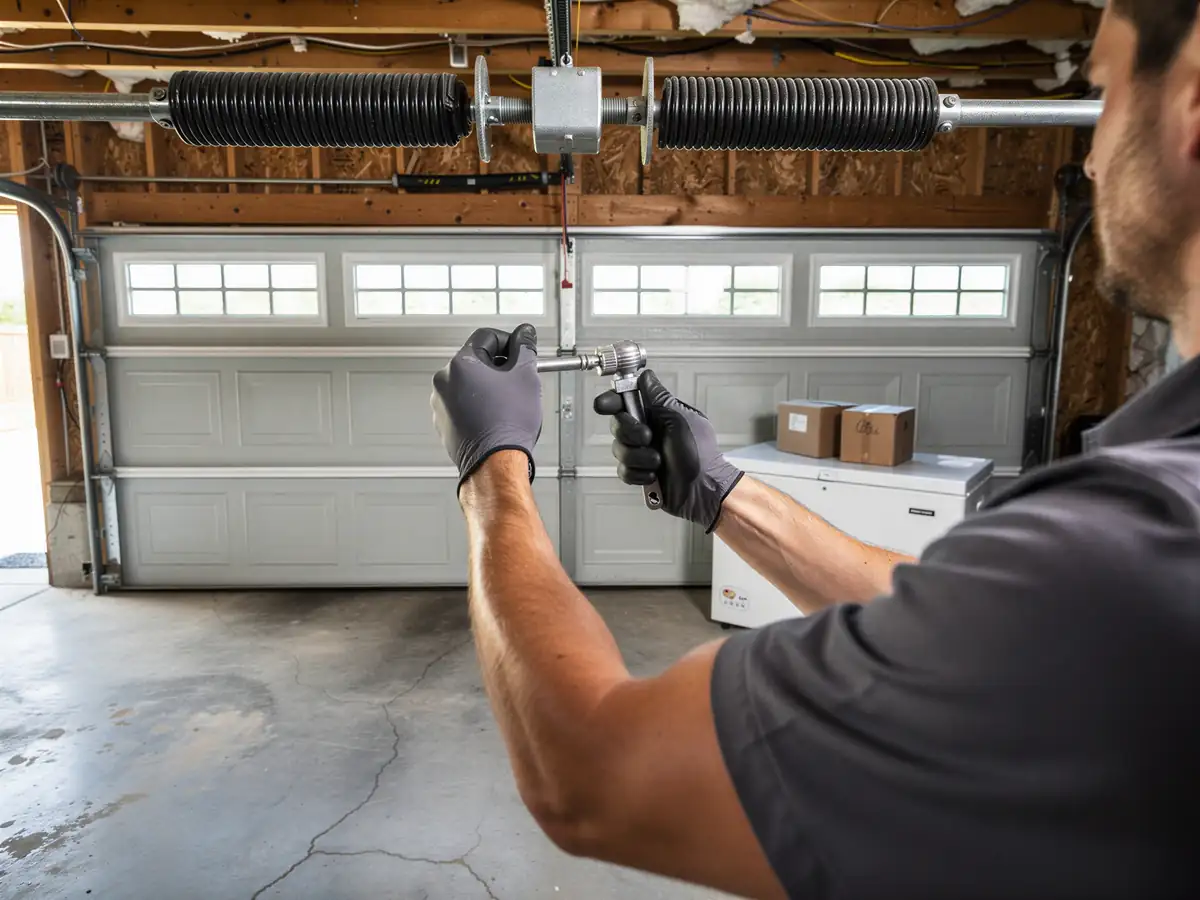
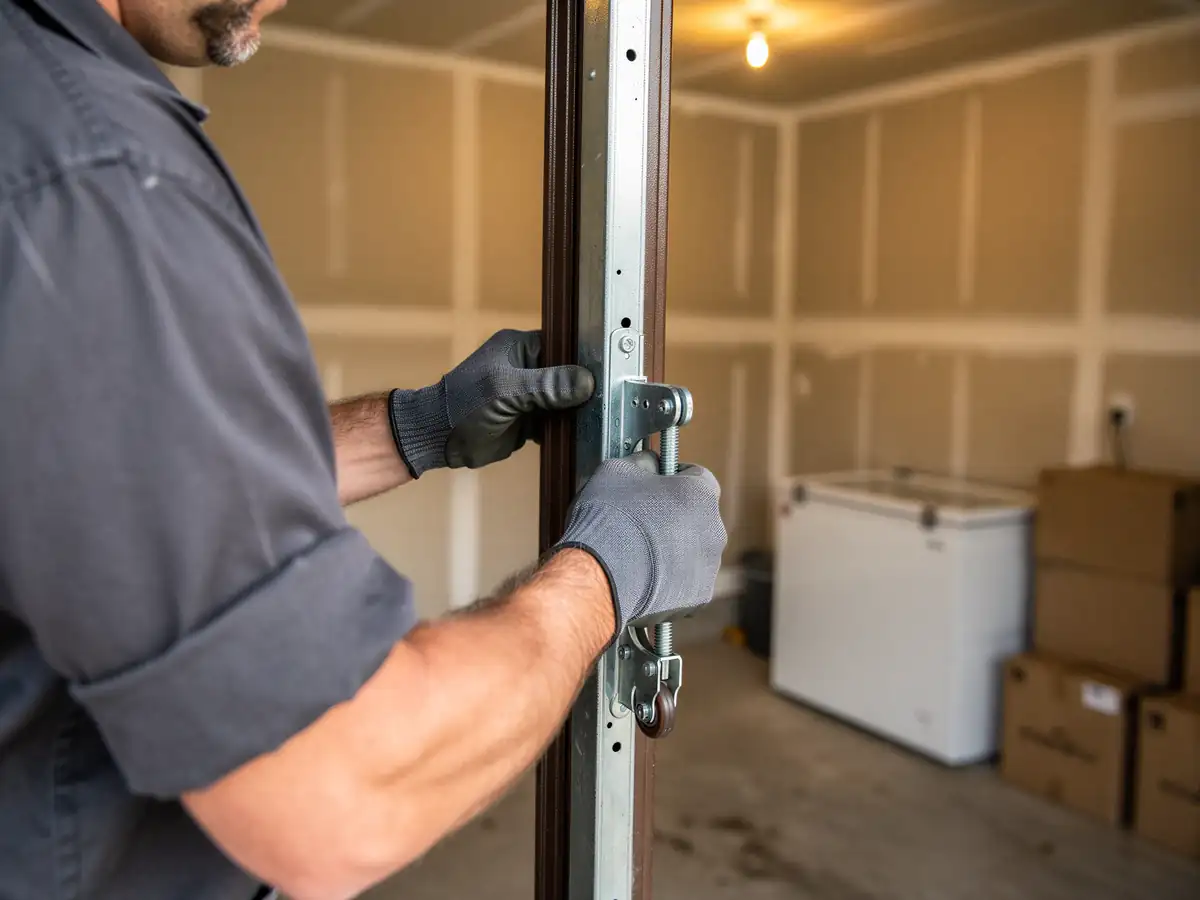
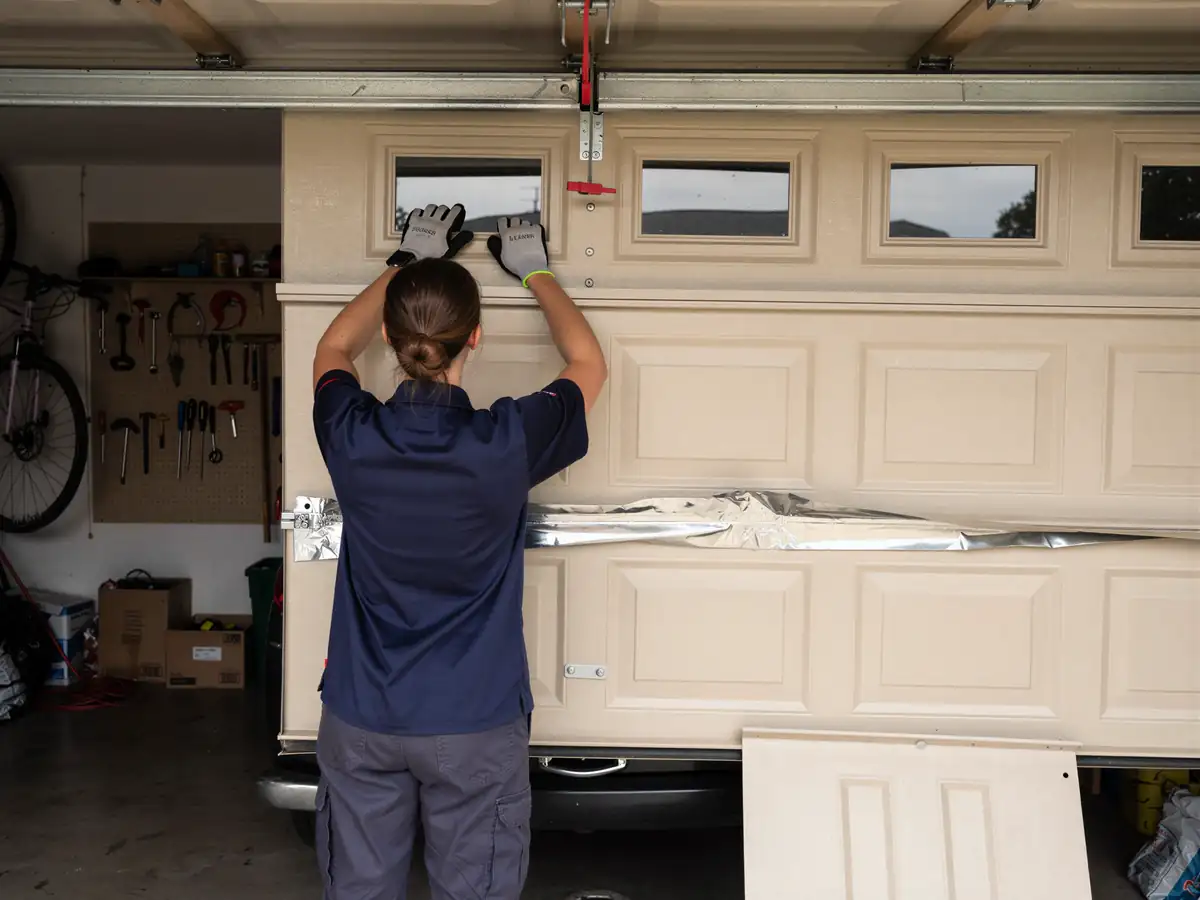
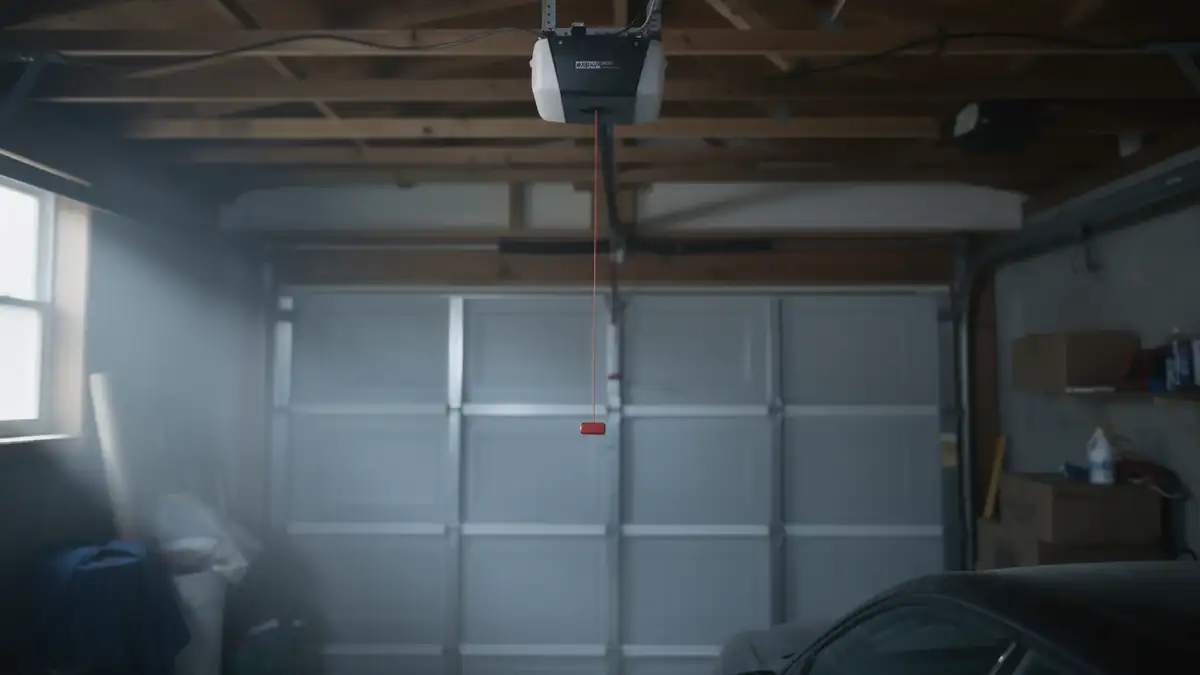
Most of the housing stock here went up between 1956 and 2005, with the bulk of it dating to the 1960s and 70s. That matters for openers in a way people don't expect: houses from that era were wired for a much lighter electrical load than today's openers, battery backups, and smart-home add-ons pull. The original garage circuit was sized for a light bulb and maybe a single outlet - not a opener motor plus a trickle-charging backup battery plus whatever else has been plugged in over fifty years of use. We see breakers that trip under load, outlets that have degraded, and openers wired straight to a circuit that's now carrying more than it was built for. Add the cold-weather strain on the motor and the battery, and you've got two problems stacking on top of each other: an opener that's already working harder than it should, running on wiring that was never upgraded when the opener was replaced. The fix usually isn't a bigger opener. It's matching the opener and backup system to what the circuit can actually handle.
When to Get Help
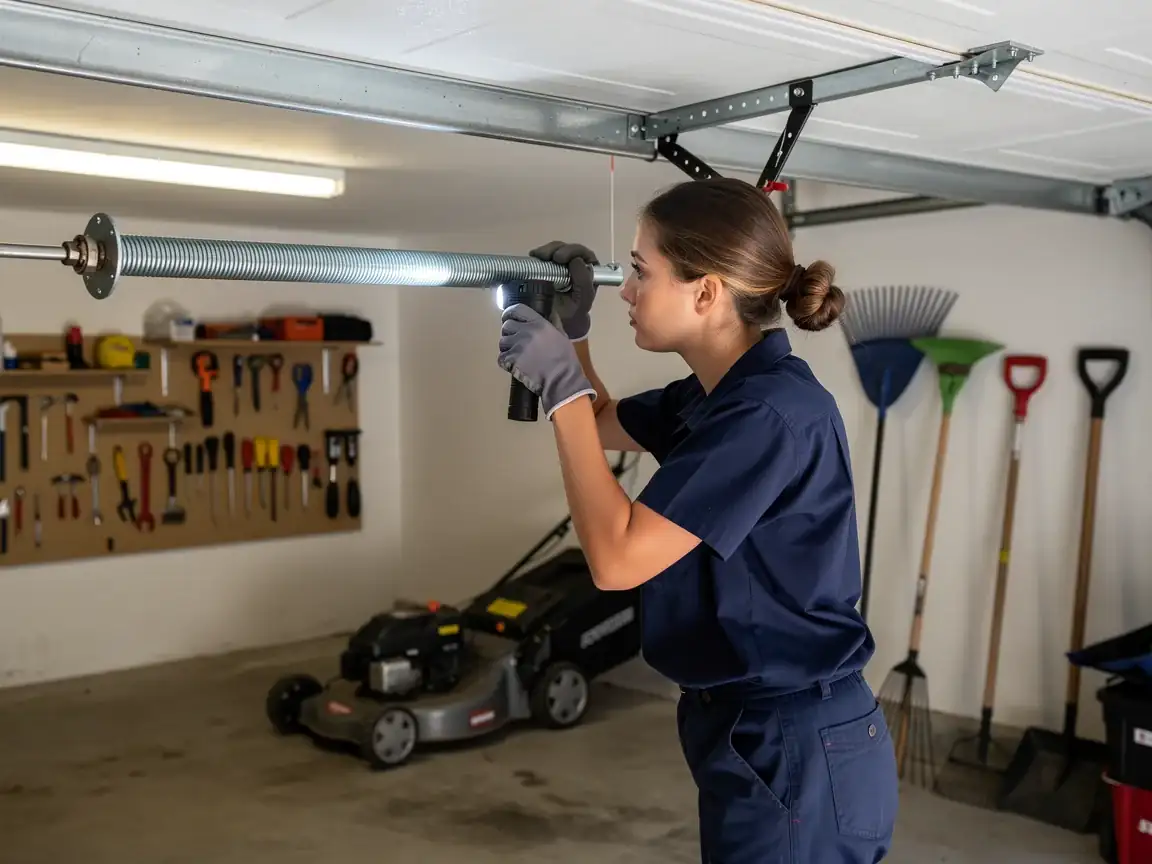
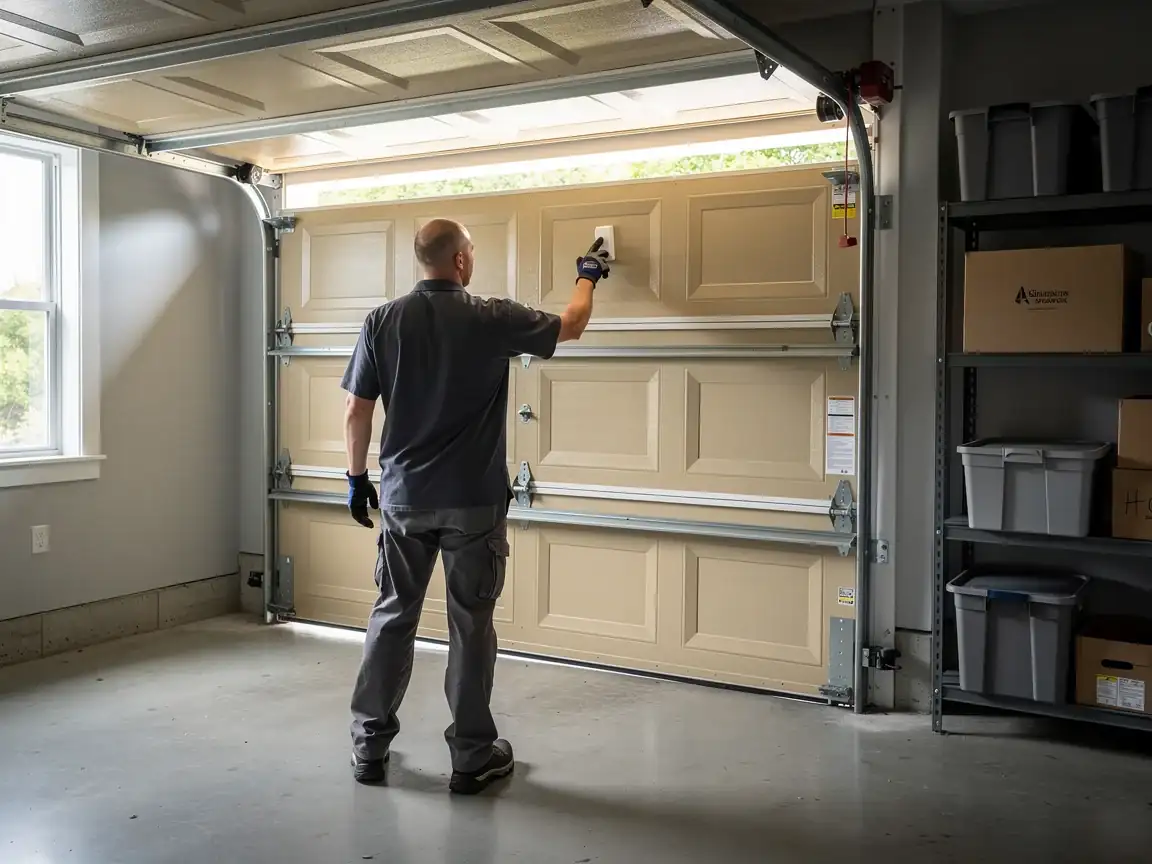
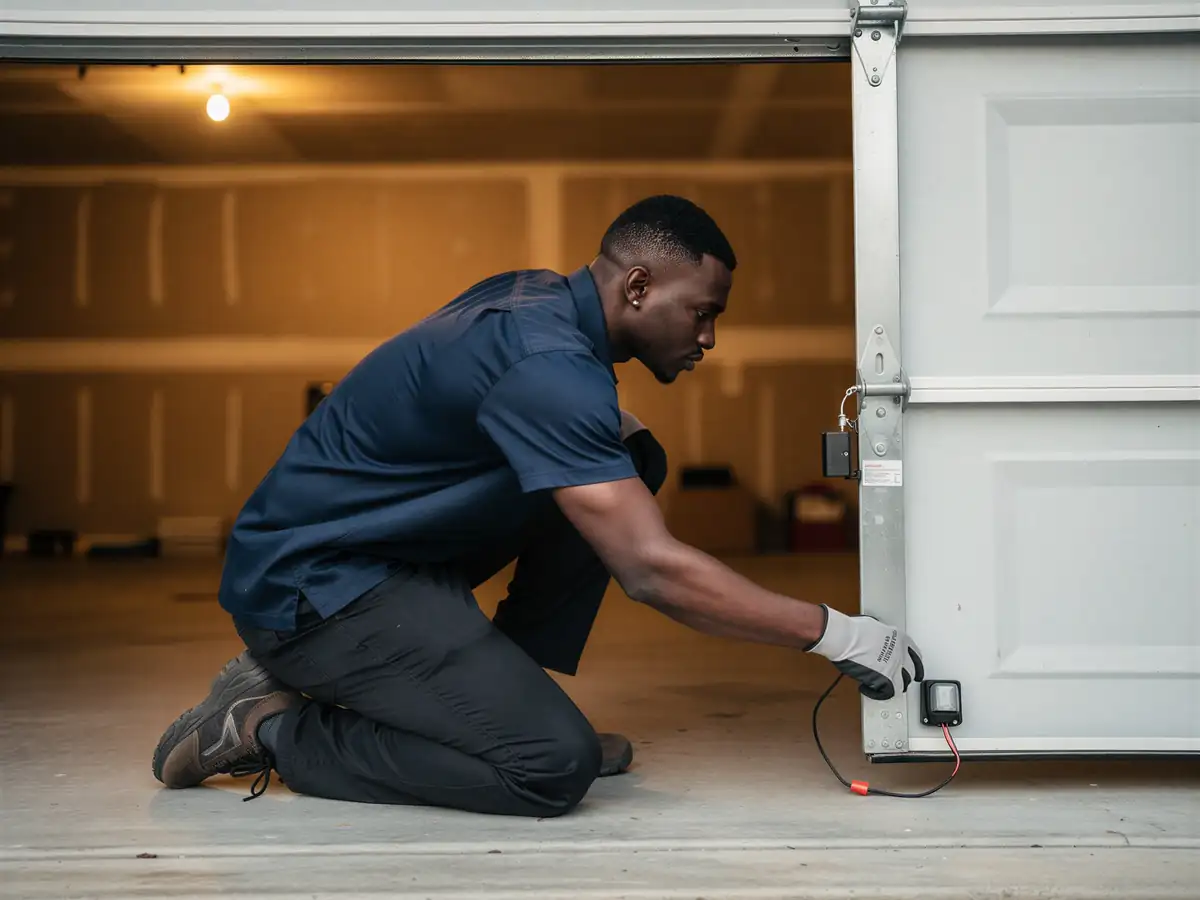
Call before the door stops working, not after. If your opener hums but the door doesn't move, if the battery backup light blinks instead of staying solid, or if the door responds slower in January than it did in August, that's the motor and board telling you they're under strain - not random bad luck. A door that won't open on battery backup during a power cut isn't a mystery; it's a battery that's already weak being asked to perform at its worst. We don't recommend swapping in a bigger battery as a first move - if the circuit itself is the bottleneck, a bigger battery just delays the same failure. One honest limit: we can diagnose and fix the opener and its wiring up to the panel, but if the problem traces back into your home's main electrical panel or service, that's outside what we touch, and you'll need an electrician for that piece before we can finish the job.