How That Shows Up in the Door
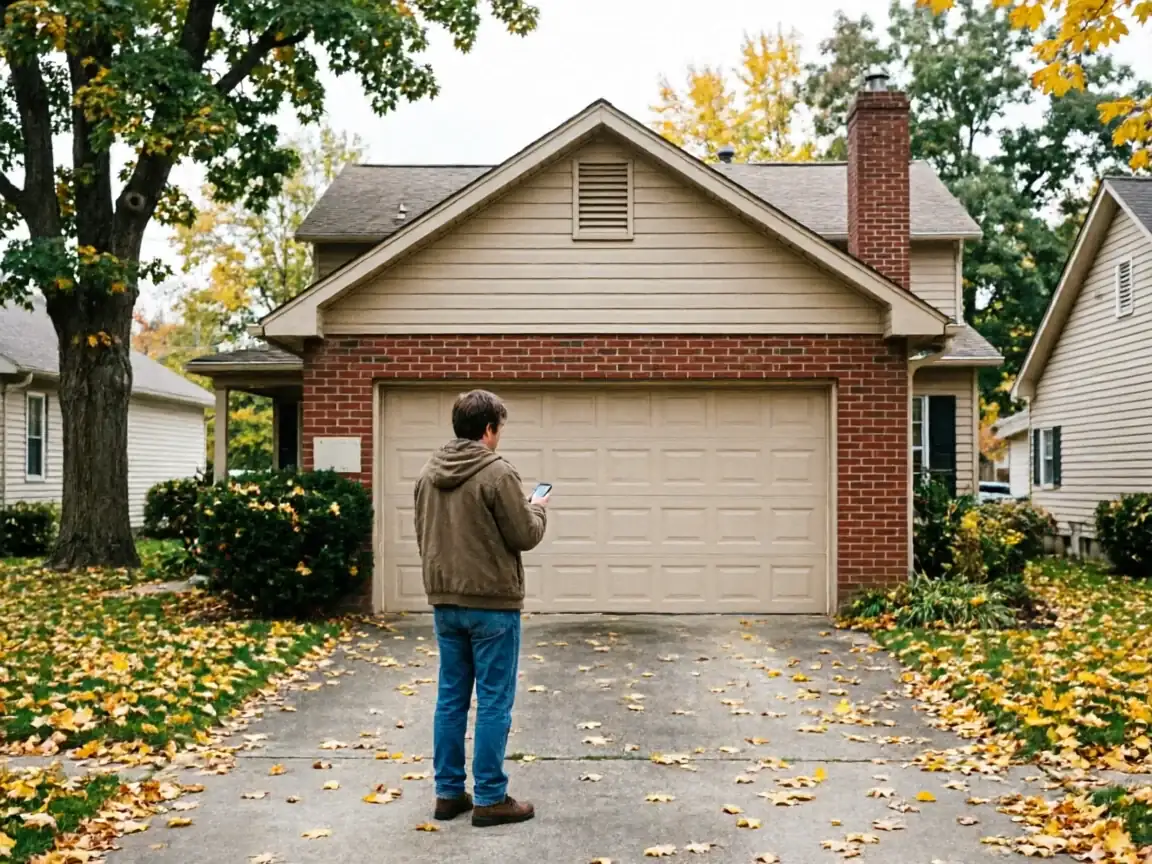
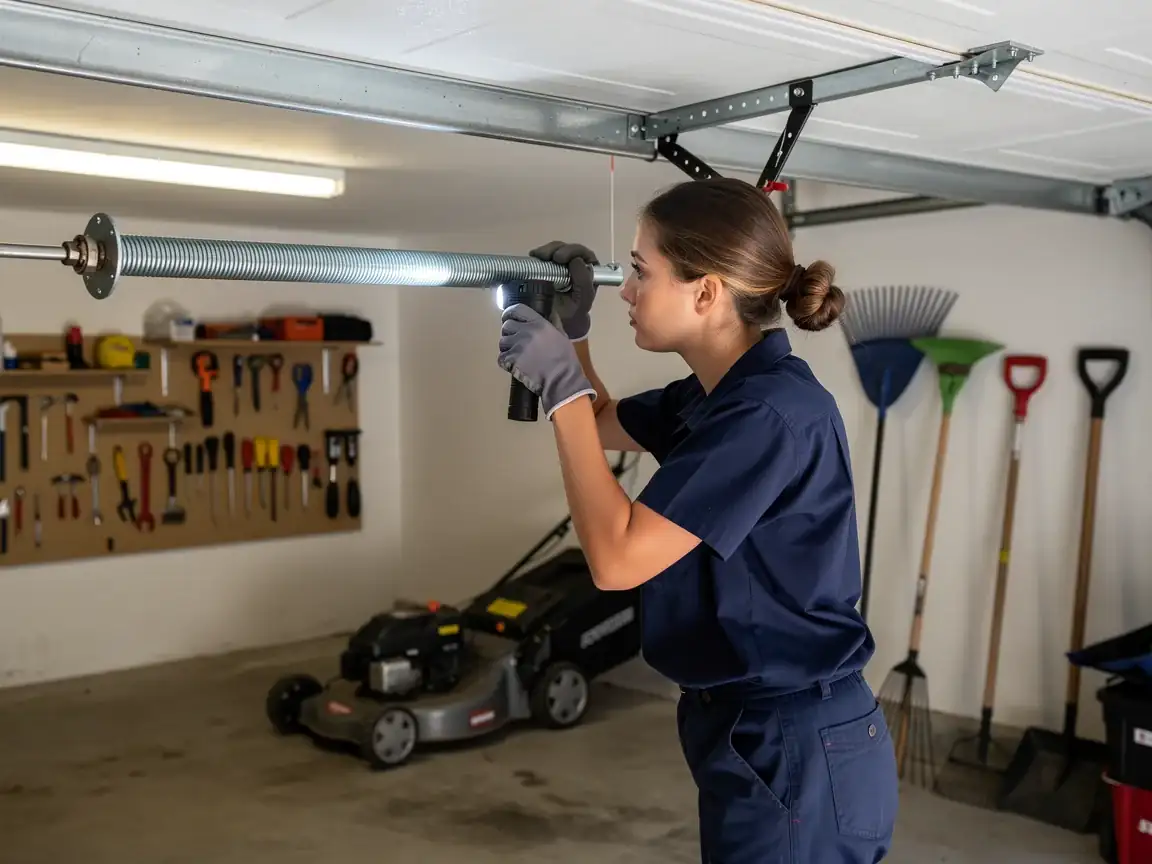
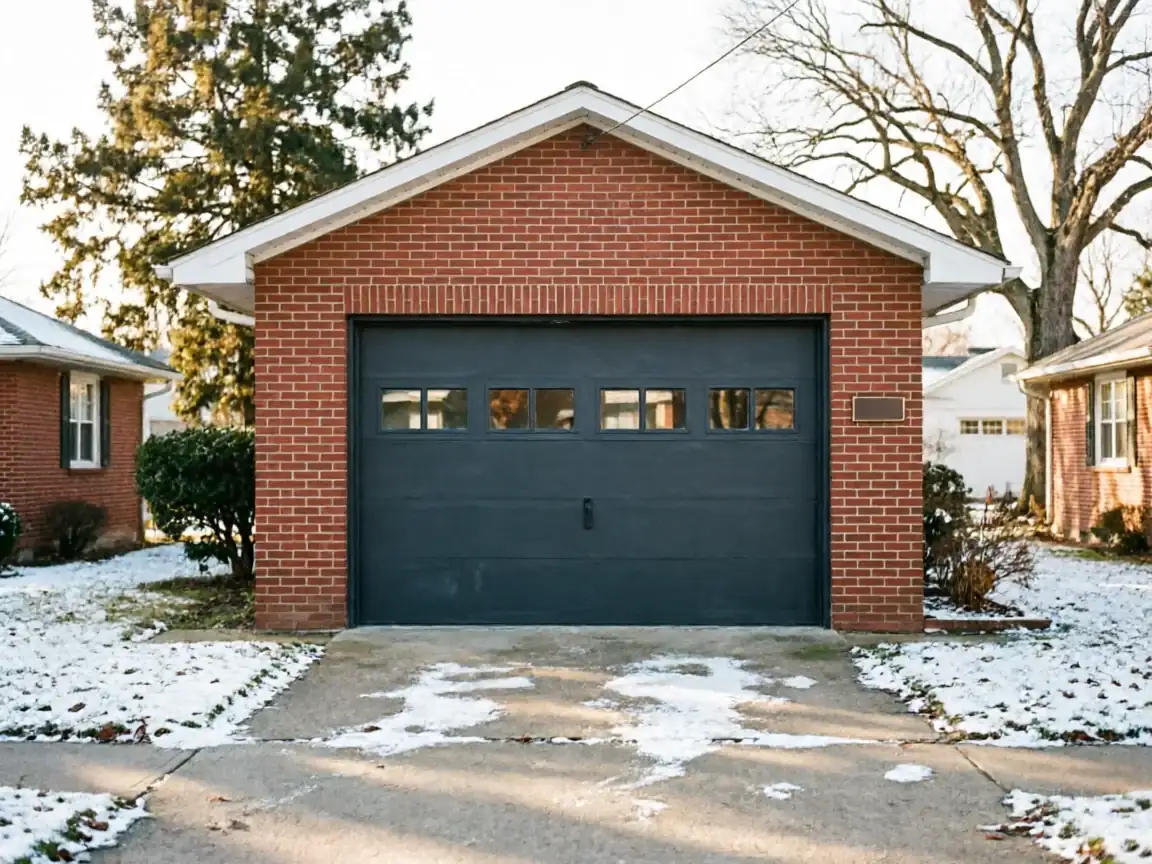
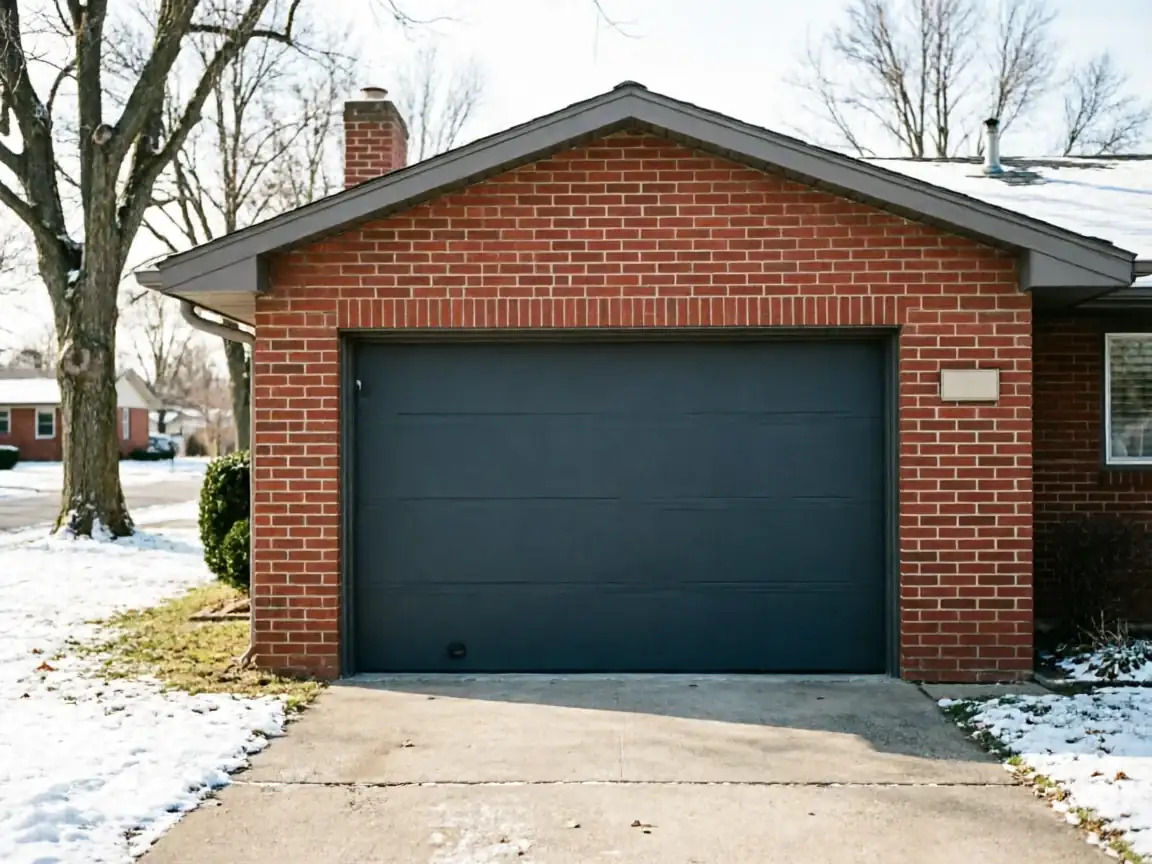
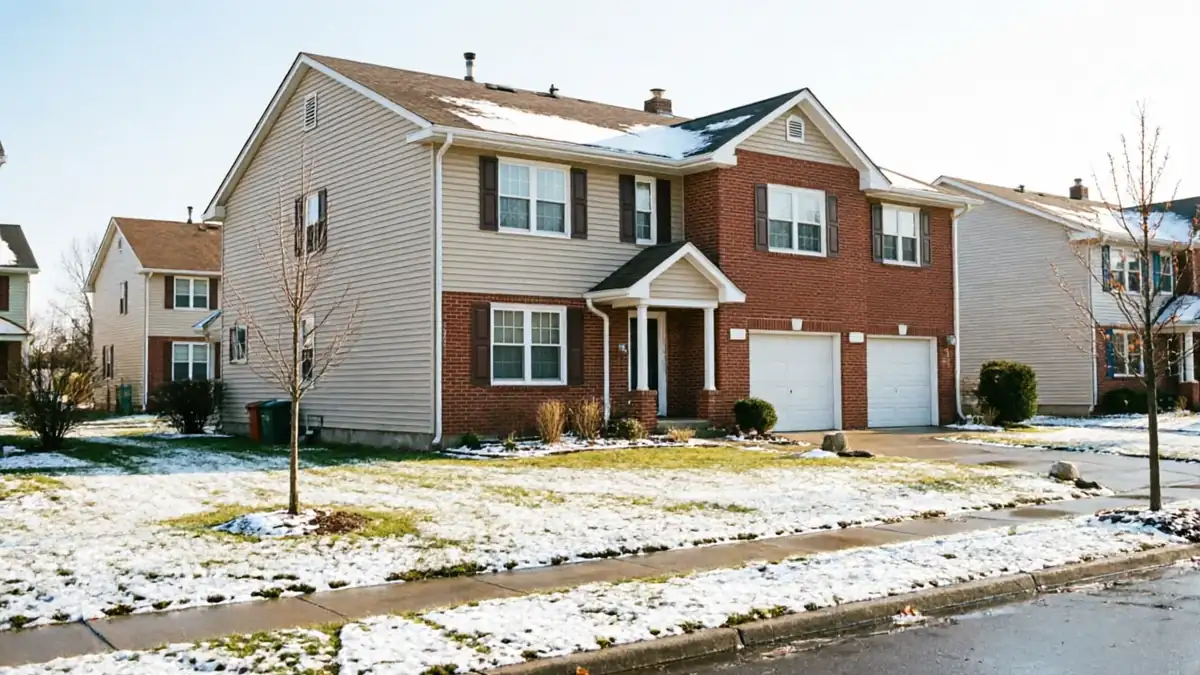
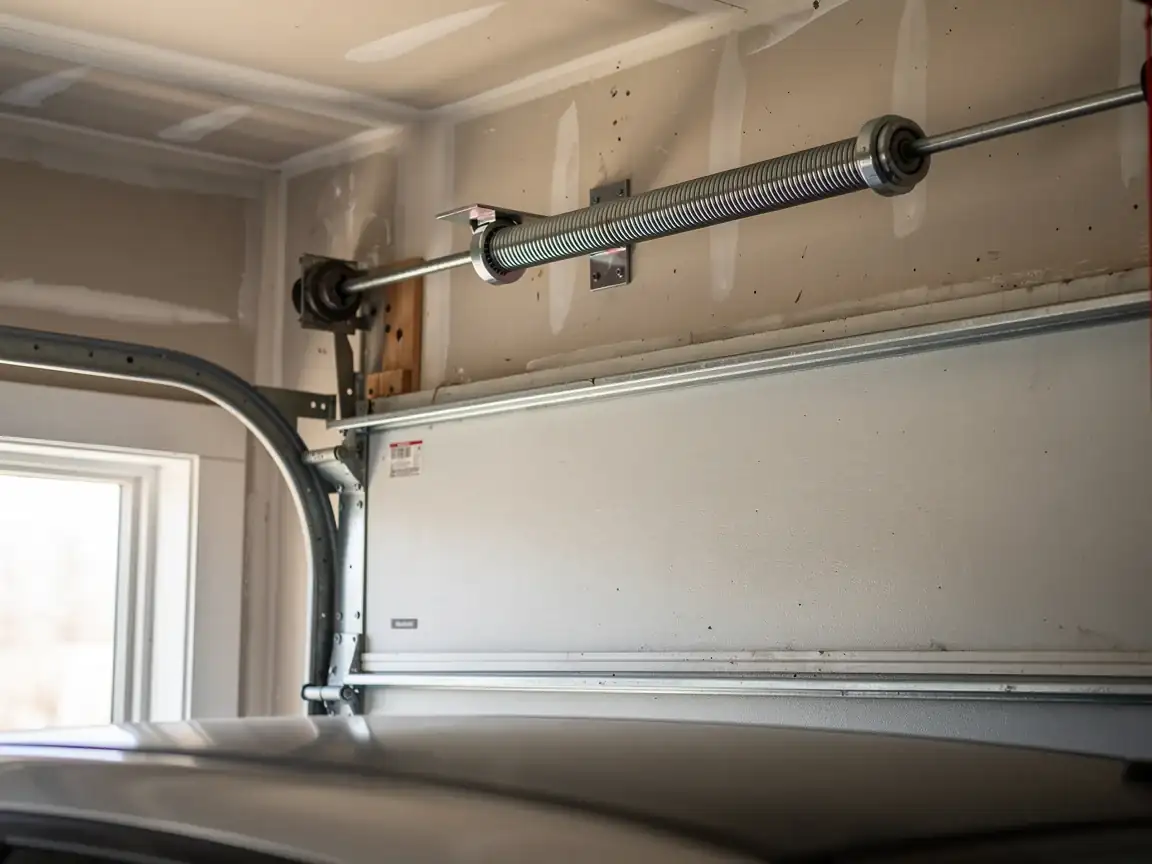
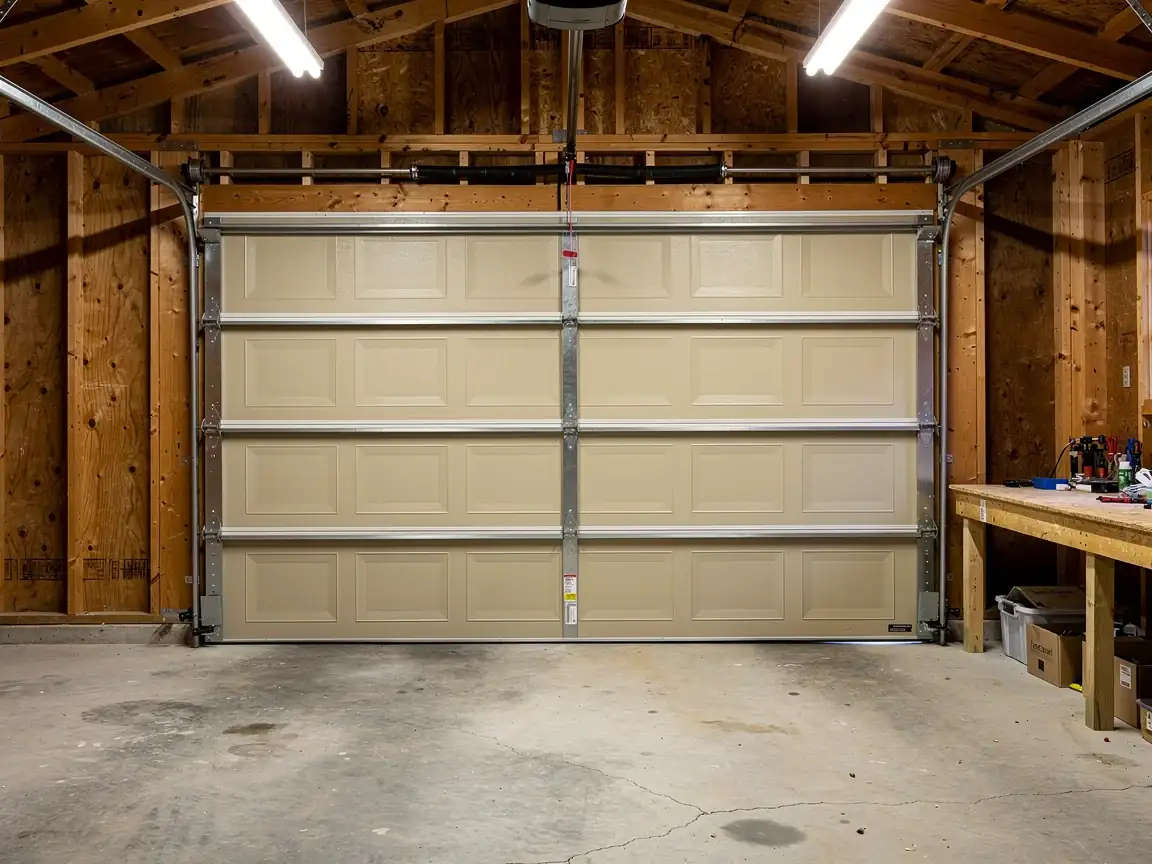
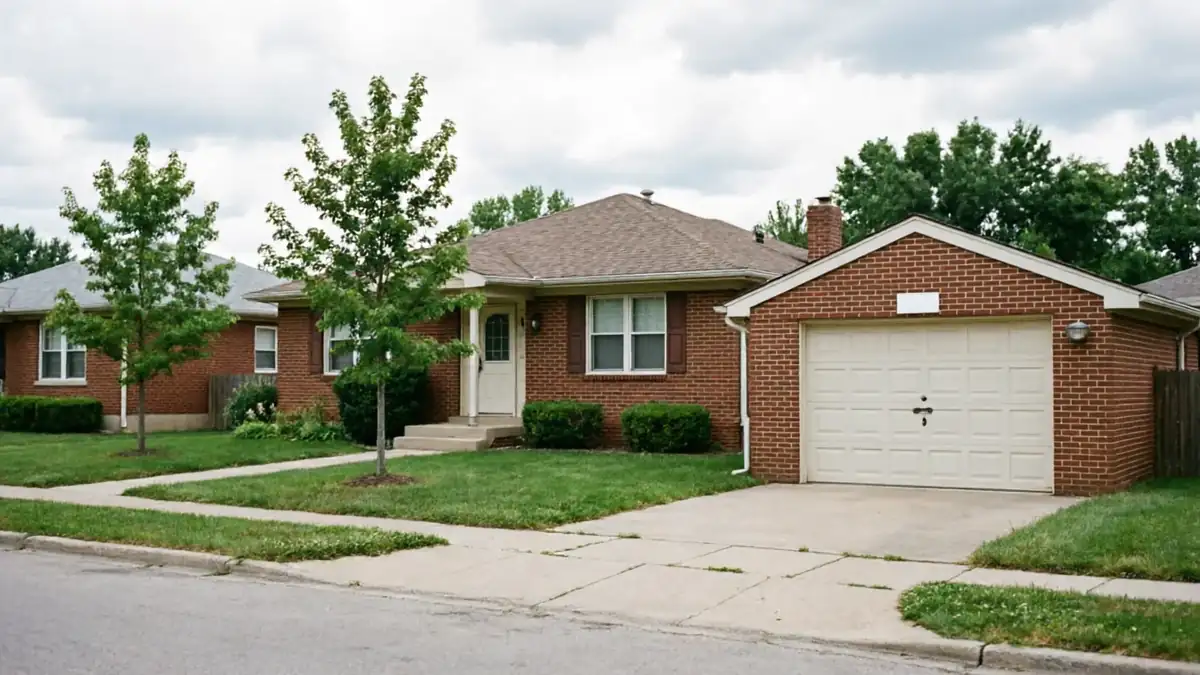
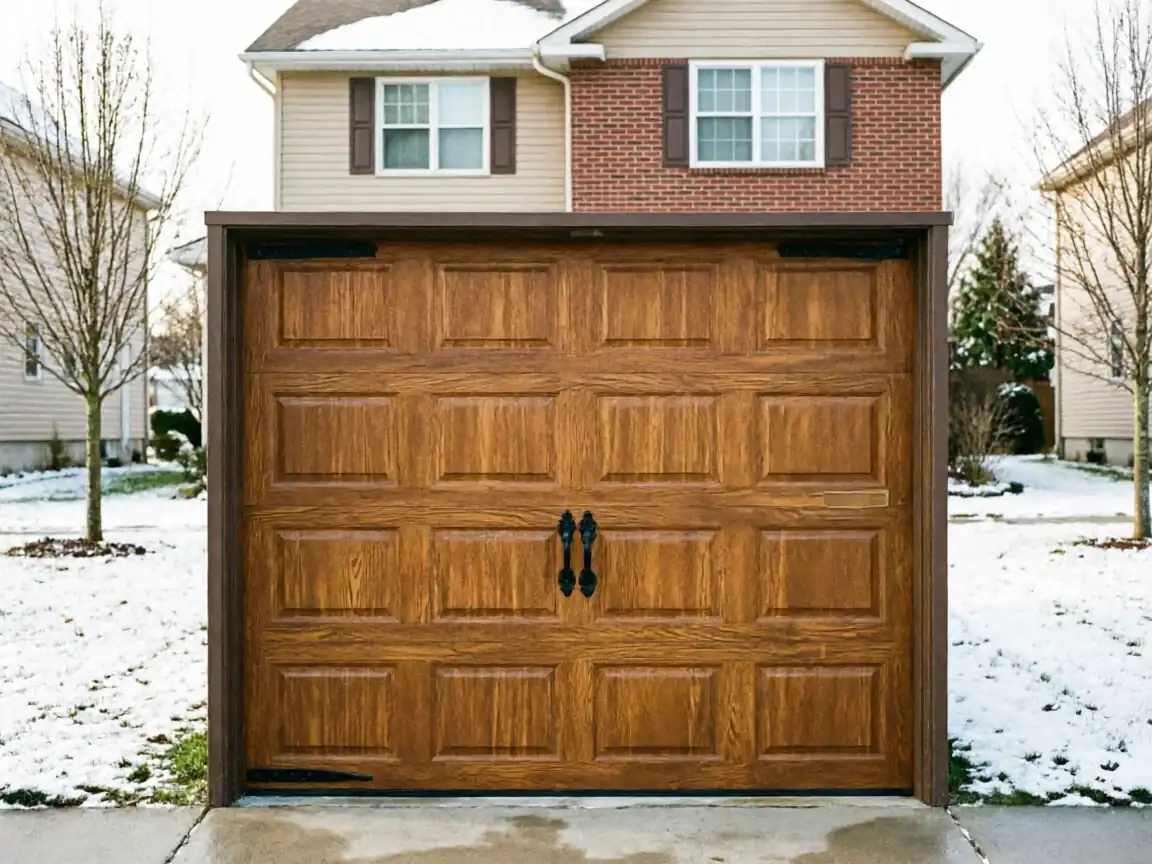
With a median build year of 1986, the torsion spring setups and opener brackets in Shorewood are mostly standard residential sizes - not the heavier, oversized gear some bigger pre-1980 doors needed. What fails tends to be age-related wear rather than mismatched or obsolete parts: a torsion spring that's done its 10,000 cycles, nylon rollers that have gone brittle, a chain-drive opener from the 90s or early 2000s finally losing its gear. Shorewood's median household income of $172,325 also shows up in the calls we get - more requests for a full opener upgrade or a insulated steel replacement door rather than a patch job to squeeze another year out of something failing. We still do the patch job when that's the right call. A worn roller or a frayed cable doesn't need a new door under it.
Common Jobs Here
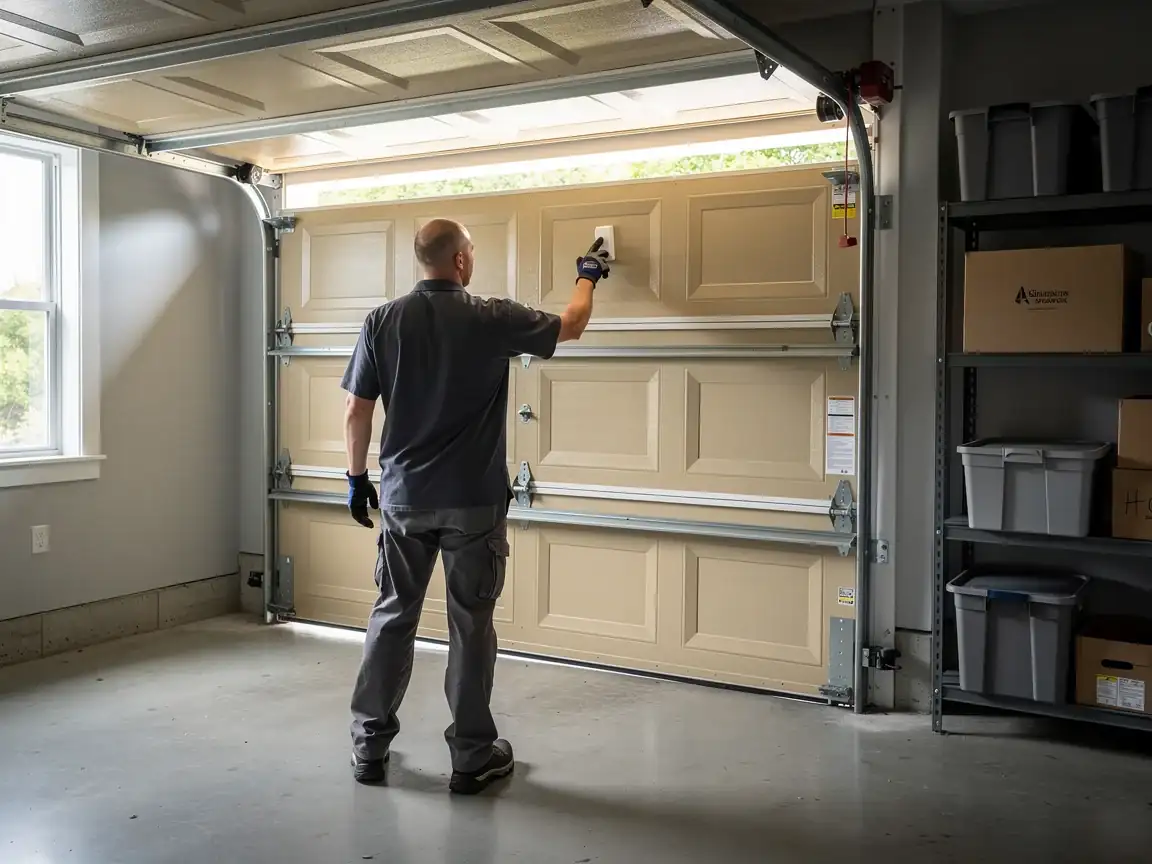
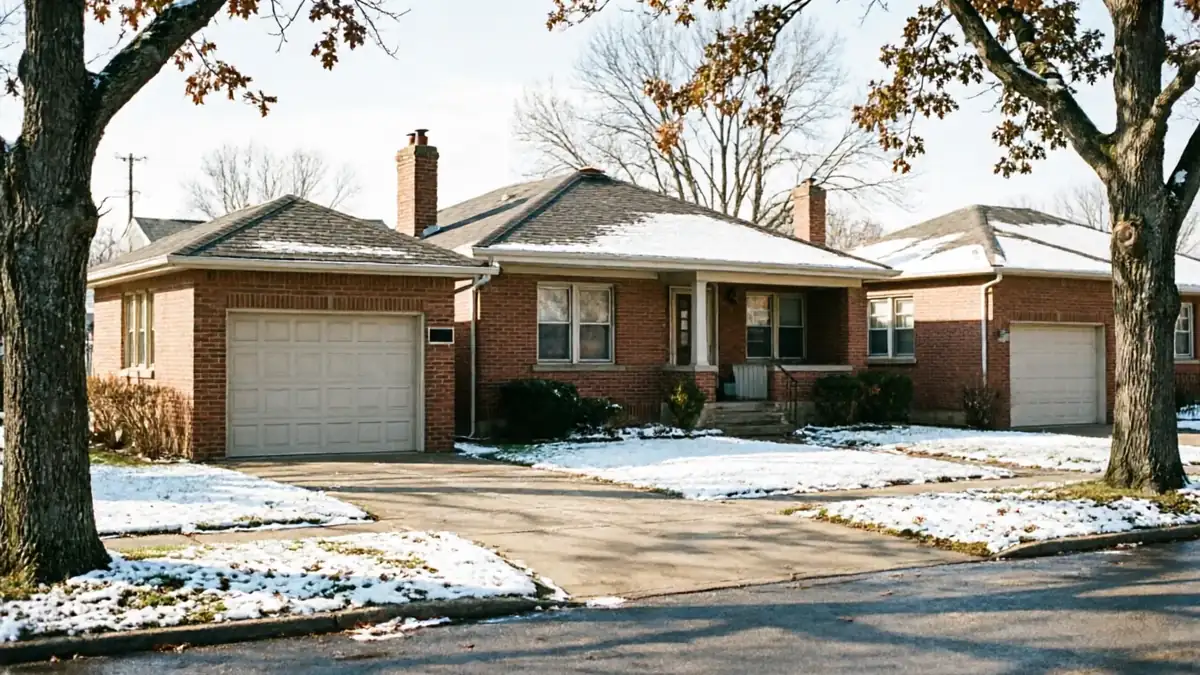
The jobs we see most in Shorewood: broken torsion springs on doors original to a late-80s or 90s build, opener replacements where the old chain-drive unit has outlived its gear kit, and track or roller work where a door's gone off its rails after years of normal use. Panel damage from a backed-into door comes up too, same as anywhere, but it's less common than spring and opener calls. Climate matters here - this is a cold-moderate climate band, and cold snaps are hard on old lubricant and tired springs, which is why winter tends to bring a jump in spring-failure calls across the whole area, Shorewood included. One limitation worth saying plainly: if a panel is damaged on an older steel door, matching the exact panel isn't always possible, and a full door replacement sometimes makes more sense than chasing a part that's been discontinued.