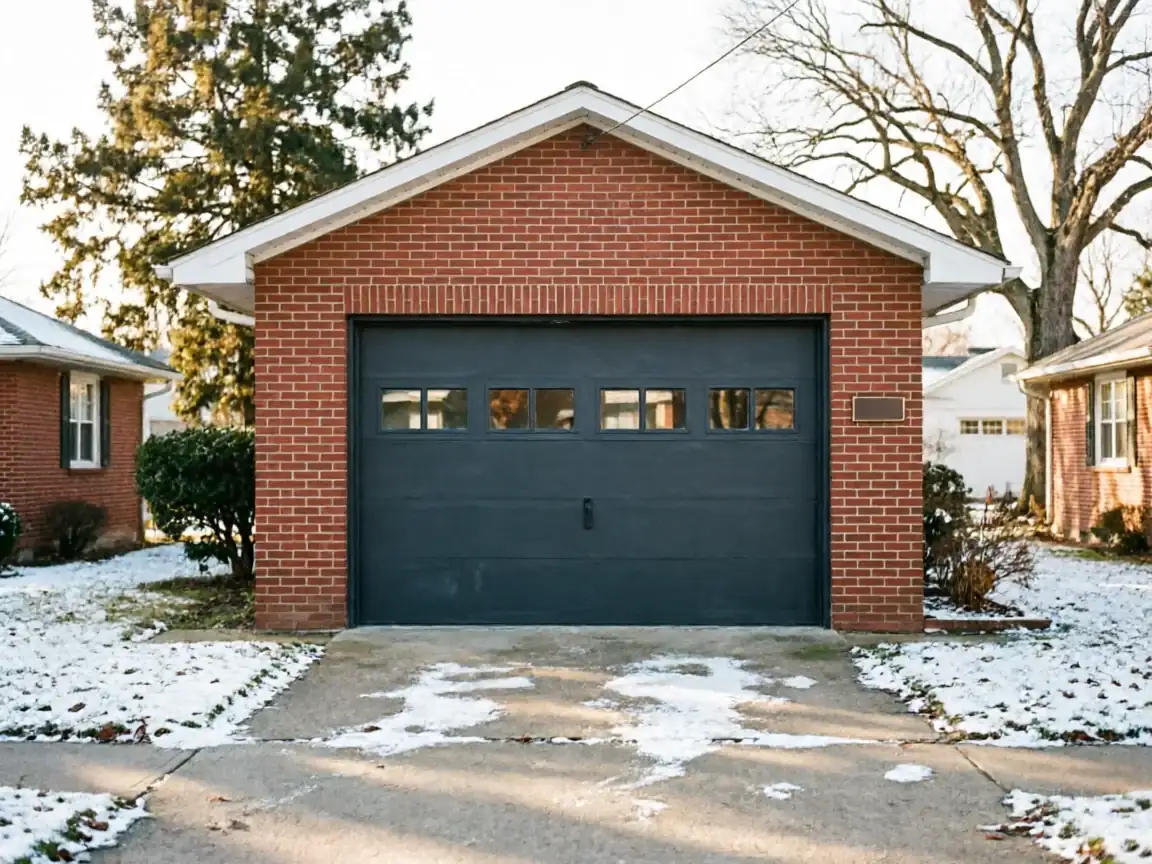
What You Are Seeing
Golden Valley sits 16 miles out from our shop in Savage
And that drive shapes how we schedule a maintenance call here - it's not a five-minute hop, so we batch jobs on this side of the metro rather than sending a truck out for one tune-up at a time. That's worth knowing if you're trying to get on the calendar for a specific day.
- 16 miles
The houses themselves cluster around a 1966 median build year
Which puts a lot of Golden Valley garages on hardware that's a generation newer than the oldest stock we see elsewhere in the service area, but still old enough that original springs, rollers, and cable have usually been swapped at least once by now. With roughly 9,671 households in town, there's a lot of that same-era hardware aging out at close to the same time, which is why we see clusters of the same complaint - a spring going soft, a roller rattling in a worn track - show up from the same few blocks within a season of each other.
- 9,671 households
Minnesota's cold winters are hard on steel and lubricant regardless of the house's age
Grease stiffens, cables lose a little give, and openers that were fine in October start struggling in January. None of that is unique to one street - it's just what a cold climate does to a door that hasn't been serviced in a couple years.
How to Book
We run maintenance calls in Golden Valley out of Savage, so booking here means working around that 16-mile drive - we're not based in town and we don't pretend otherwise. The practical upshot is that we're most efficient when a few households nearby book around the same time, so if a neighbor is also due for a tune-up, mention it when you call.
Tell us the age of the door if you know it, or just the approximate age of the house. For a lot of Golden Valley properties that's going to land near 1966, and that one detail helps us bring the right springs and rollers on the truck instead of guessing.
We don't offer a guaranteed same-day window for Golden Valley specifically - that's a Savage-based promise we're not going to stretch to cover a 16-mile radius without being straight about it. What we can do is give you a realistic day once we know what's on the schedule. Use the link below to see the rest of what we cover for this part of the service area.
What the Repair Takes
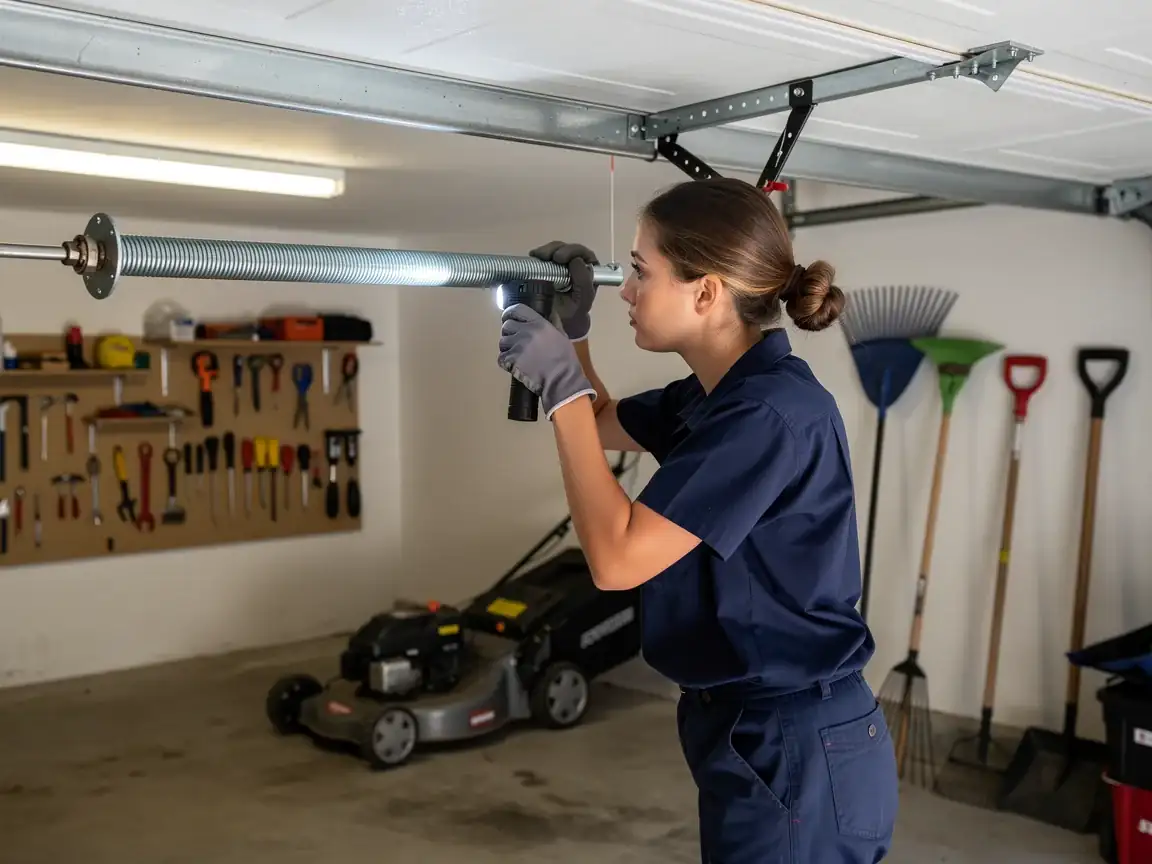
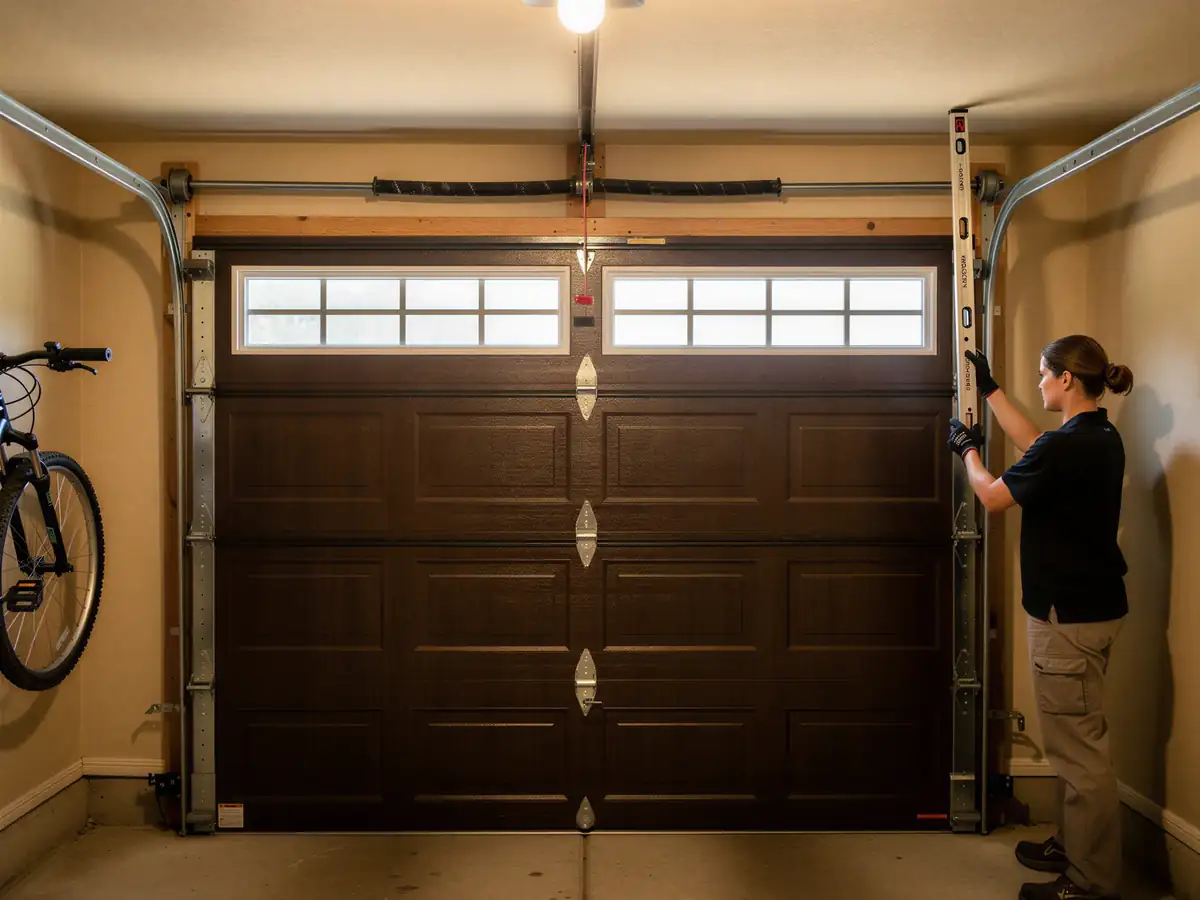
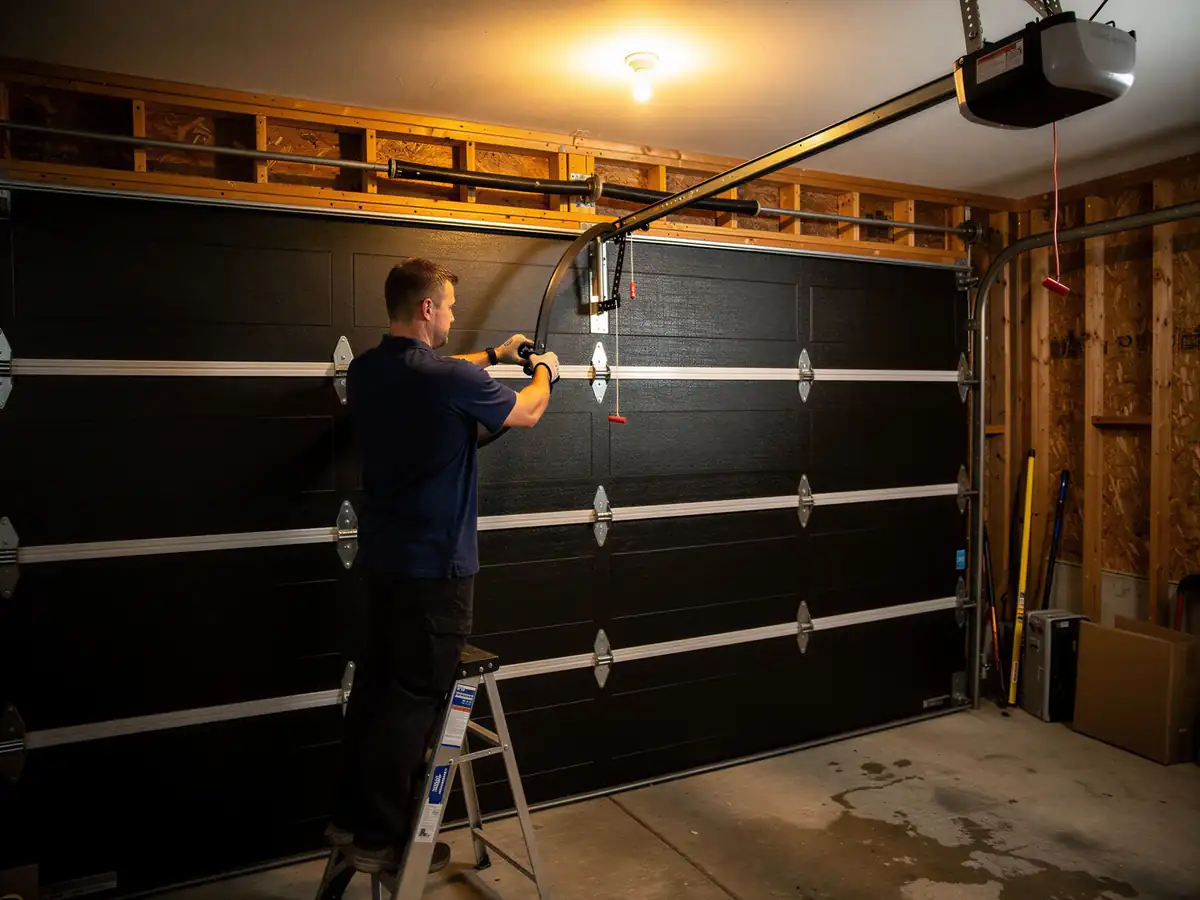
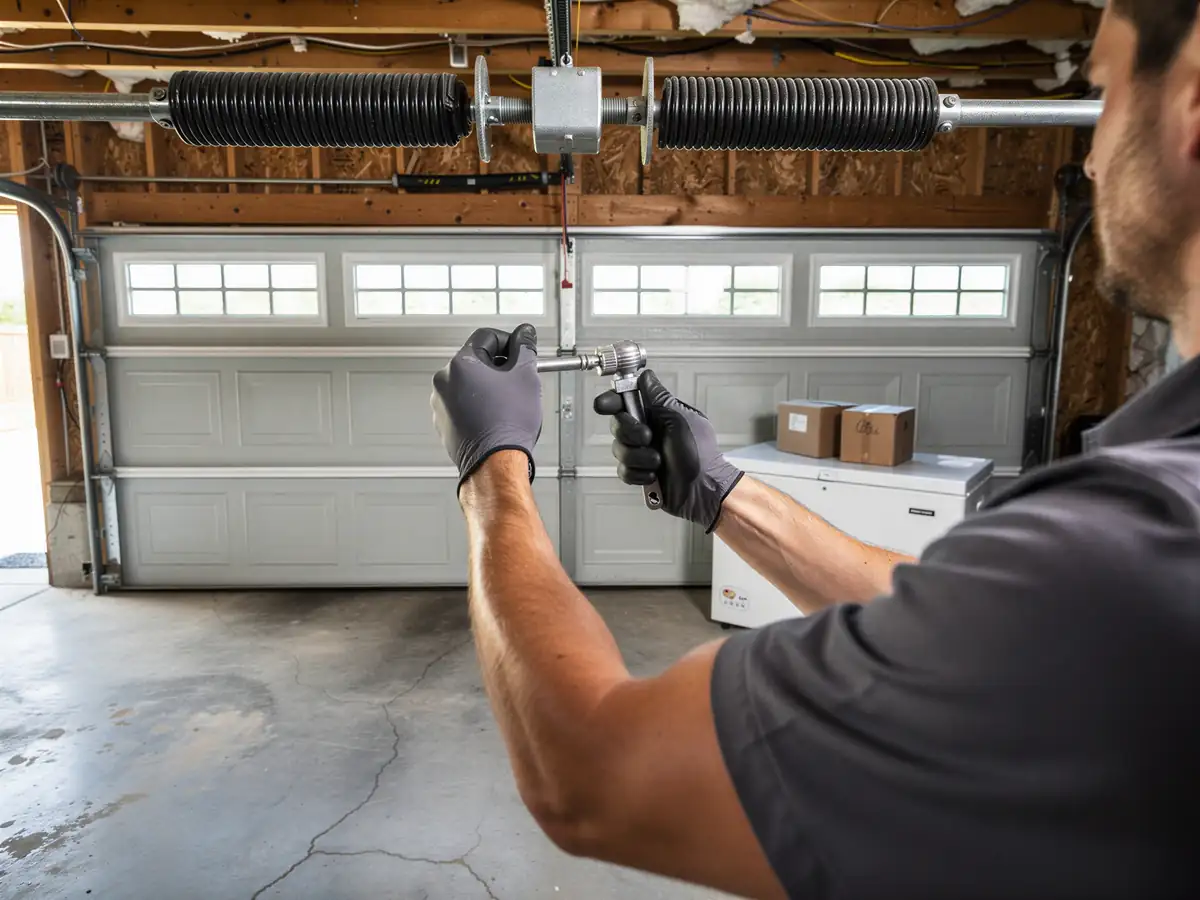
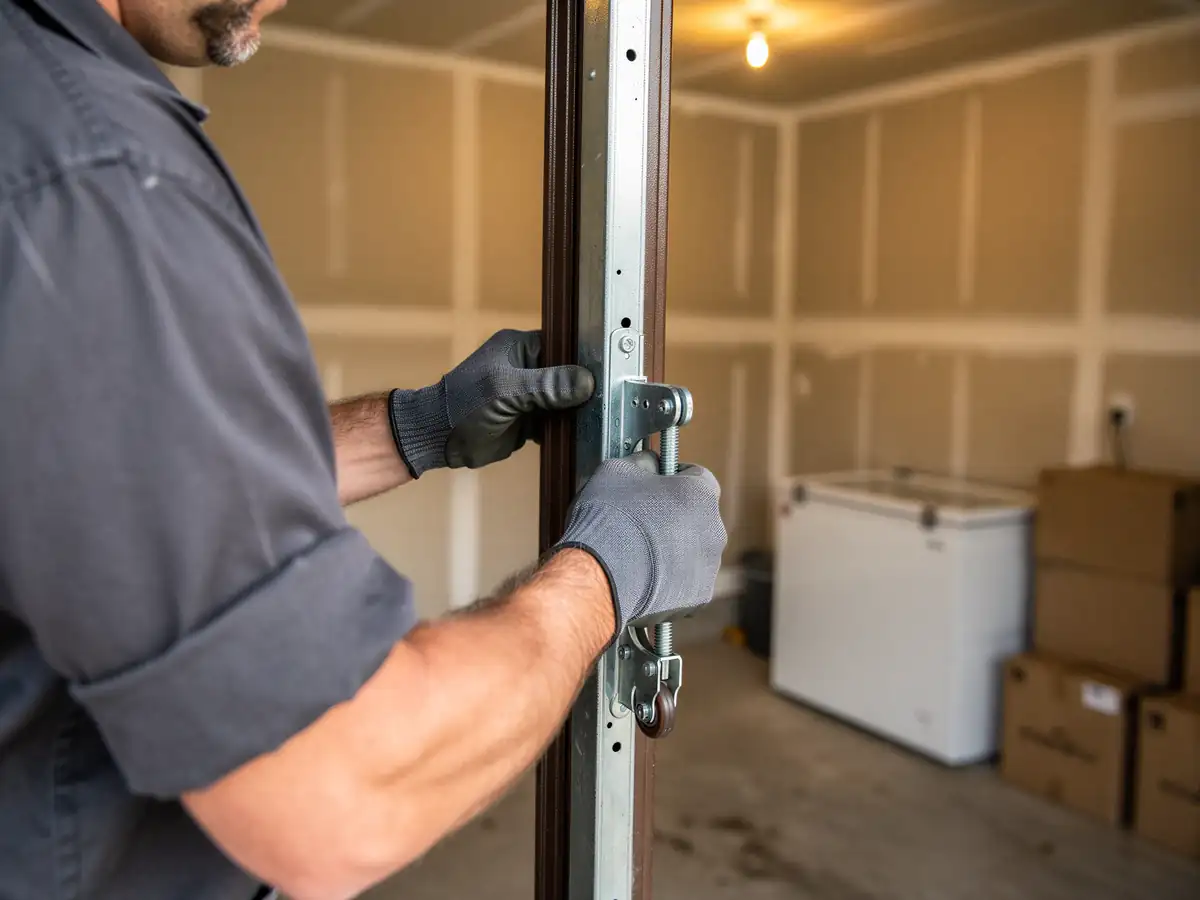
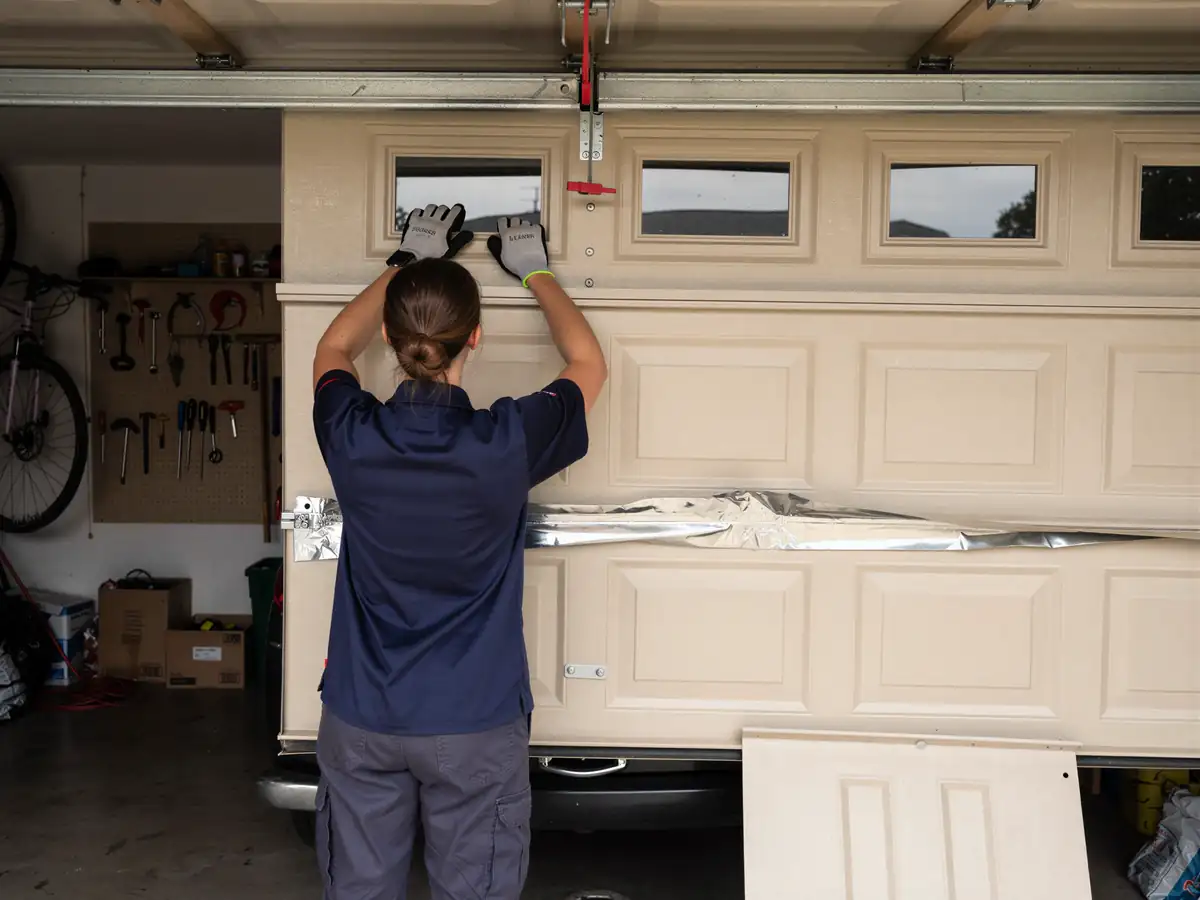
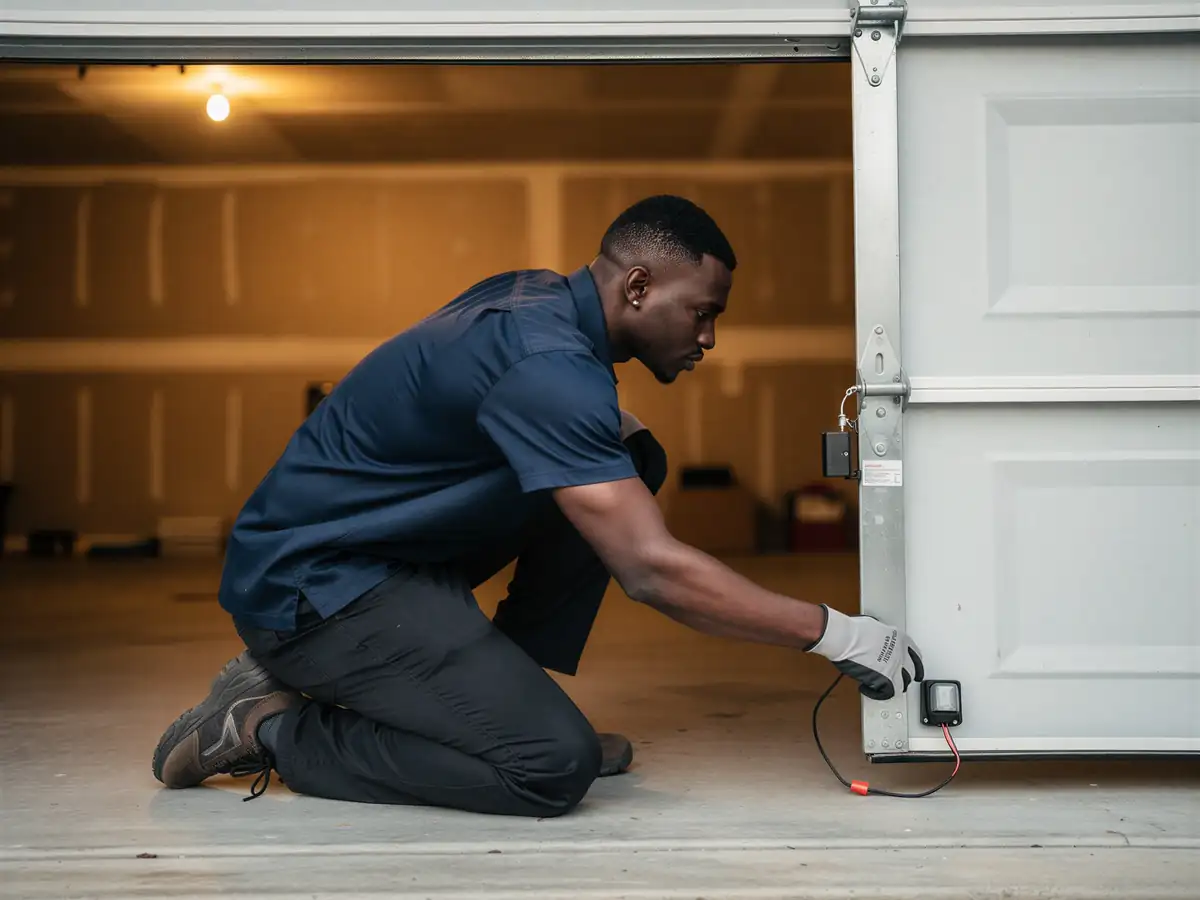
A standard maintenance visit covers the stuff that cold weather and age attack first: spring tension, cable wear, roller condition, track alignment, and opener force settings. On a door built around the 1966 median for this town, we're usually looking at hardware that's already had one replacement cycle, so we're checking for mismatched or mixed-era parts as much as wear itself.
We lubricate hinges and rollers with a cold-rated grease rather than the all-purpose stuff that turns gummy below freezing - this matters more here than in a mild climate, because stiff lubricant is one of the most common reasons a door starts dragging in January. We also check the bottom seal, since a cracked or flattened seal lets cold air pull heat out of an attached garage fast.
What we won't do on a maintenance call is force a spring or cable that's visibly fatigued past safe tension. If a part needs replacing, we'll say so and price it separately rather than patch it and have it fail in a month. That's the honest limit of what a tune-up should attempt.
What It Costs
We don't have a published flat rate specific to Golden Valley to quote here
And we'd rather leave this section short than invent a number. Travel from Savage is factored into scheduling rather than itemized as a separate line, and parts cost depends on what we find once we're in the garage - a 1966-era door with original-style hardware sometimes needs a part that newer doors don't.
With median household income here at $114,435
We don't see cost be the deciding factor on whether to do a tune-up versus skip it, but we'd still rather give you a number before we start than surprise you after. Call ahead and we'll talk through what a typical visit runs before you commit to a date.
What Can Go Wrong
The most common failure we catch on these calls is a spring that's lost enough tension that the opener is doing work it wasn't built for - the motor strains, the gears wear faster, and eventually the opener fails before the spring does. On a door from the mid-60s era, that spring has often already been replaced once, so the question is less "is it original" and more "is it the right weight for this door."
Cable fraying is the other one cold weather makes worse - steel cable gets a little less flexible in the cold, and a cable that was fine in summer starts showing wear strands in winter. We also see track misalignment from houses settling over fifty-plus years, which throws rollers off and causes the door to bind partway through its travel.
None of this is Golden Valley-specific hardware failing in a way unique to the town - it's the combination of 1960s-era stock and a cold climate playing out the same way it does anywhere with that mix. What's specific is how many houses here hit that combination at once.