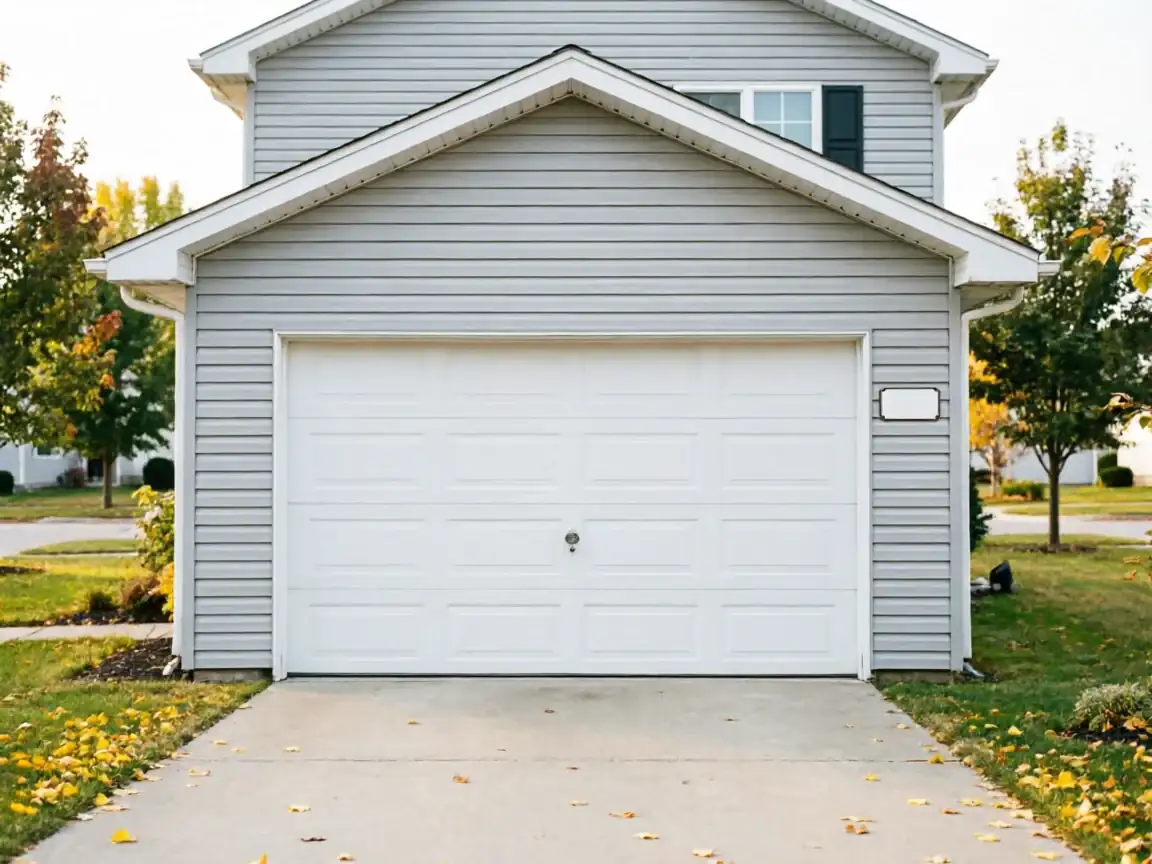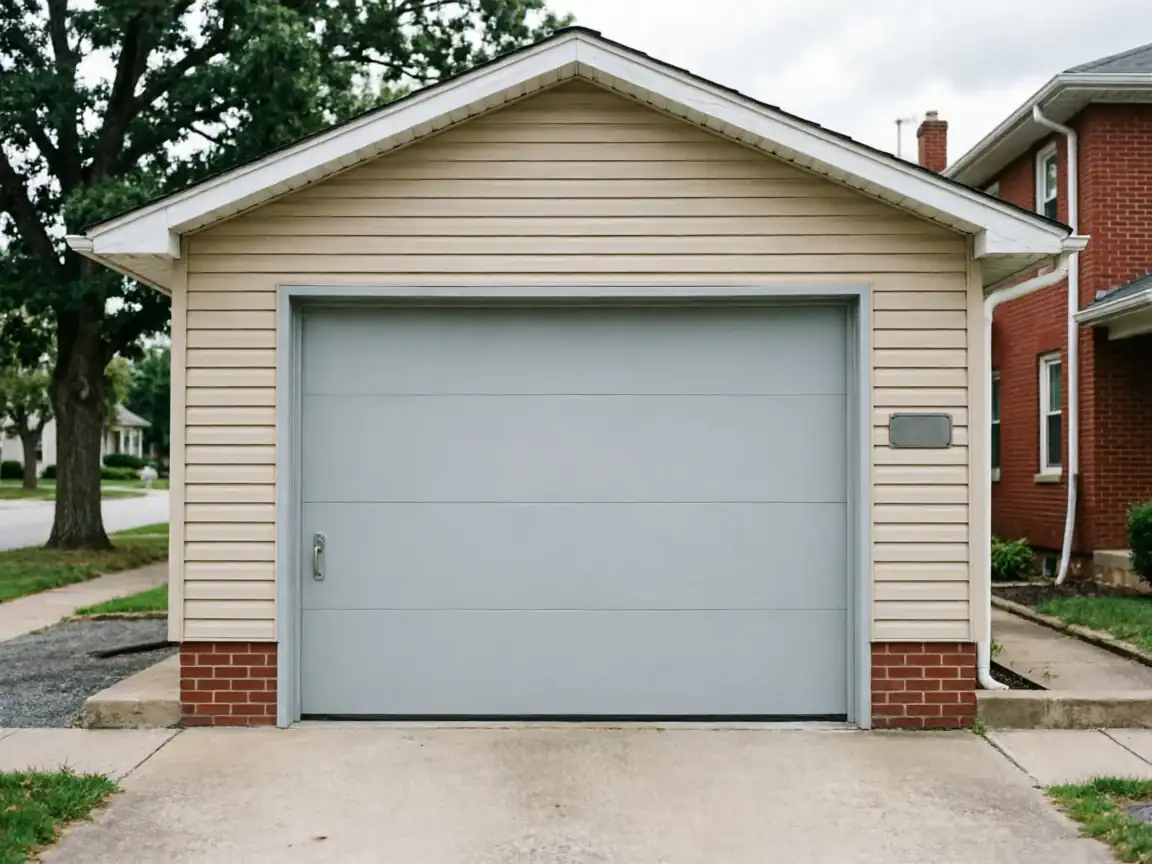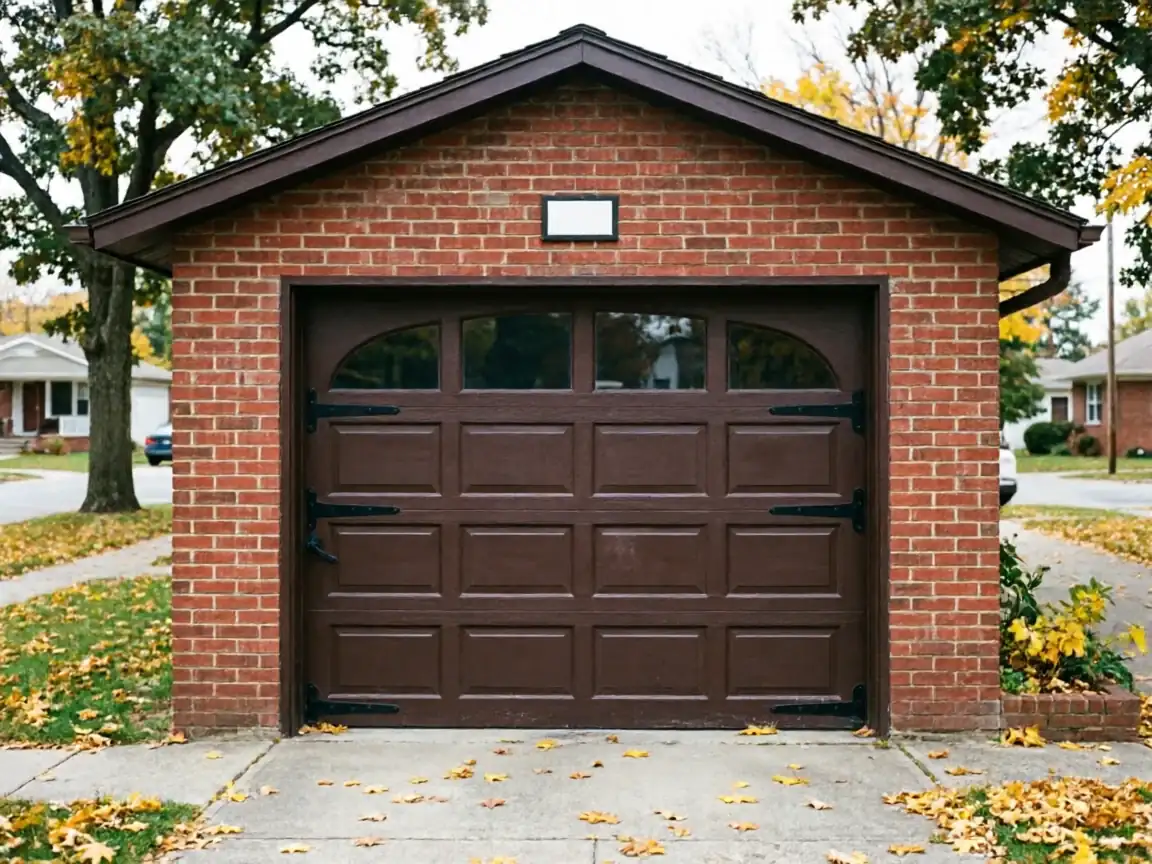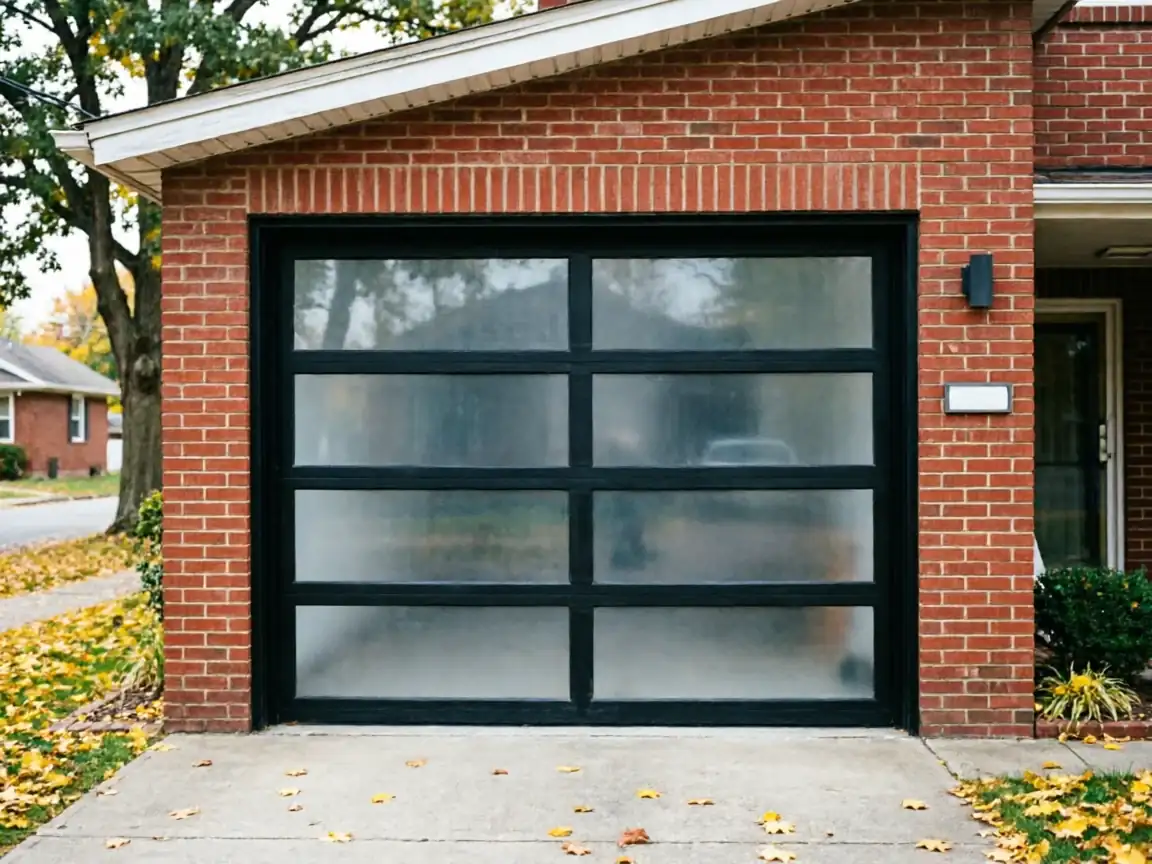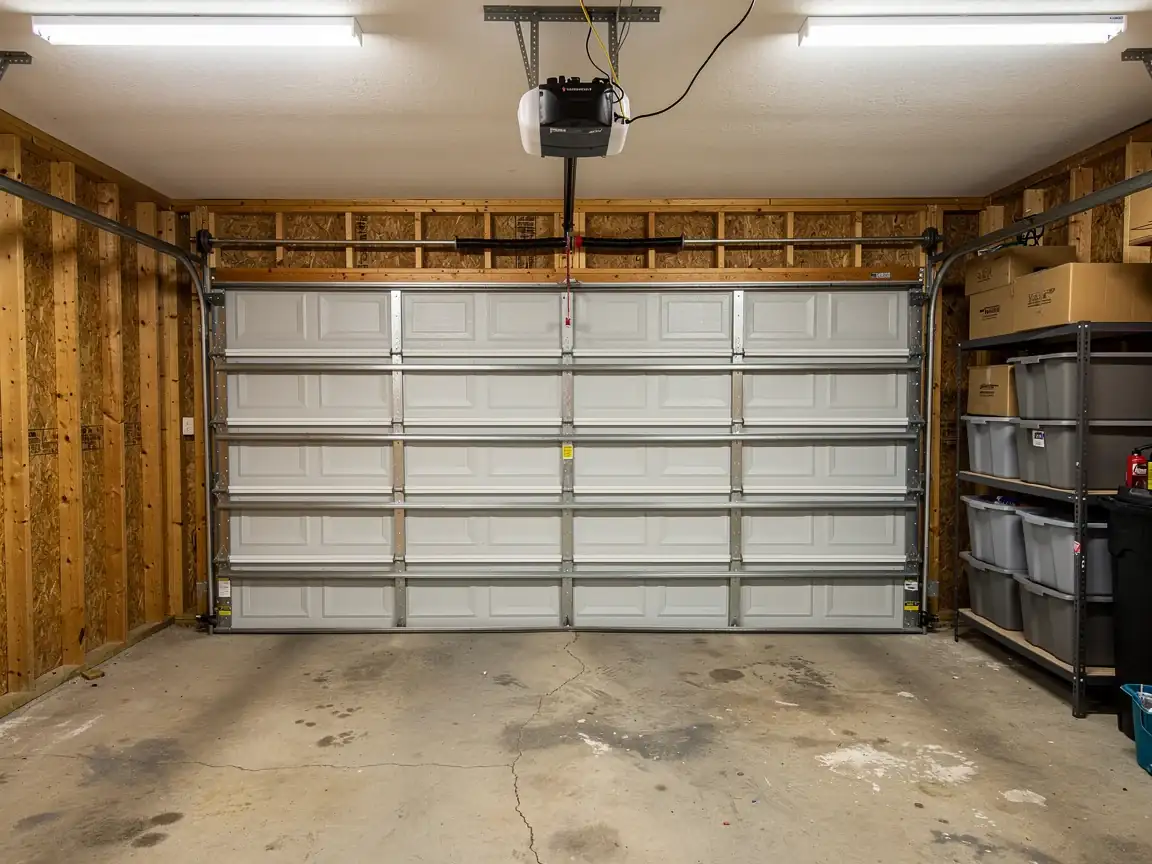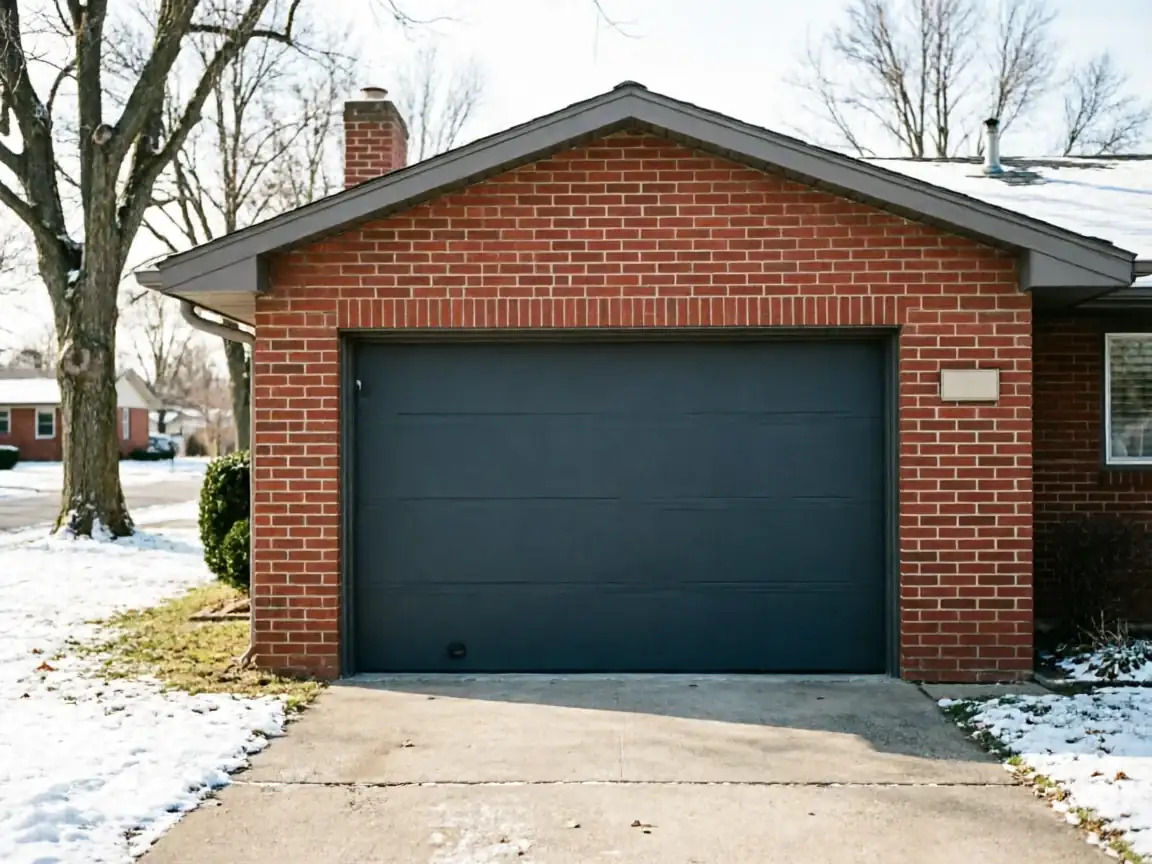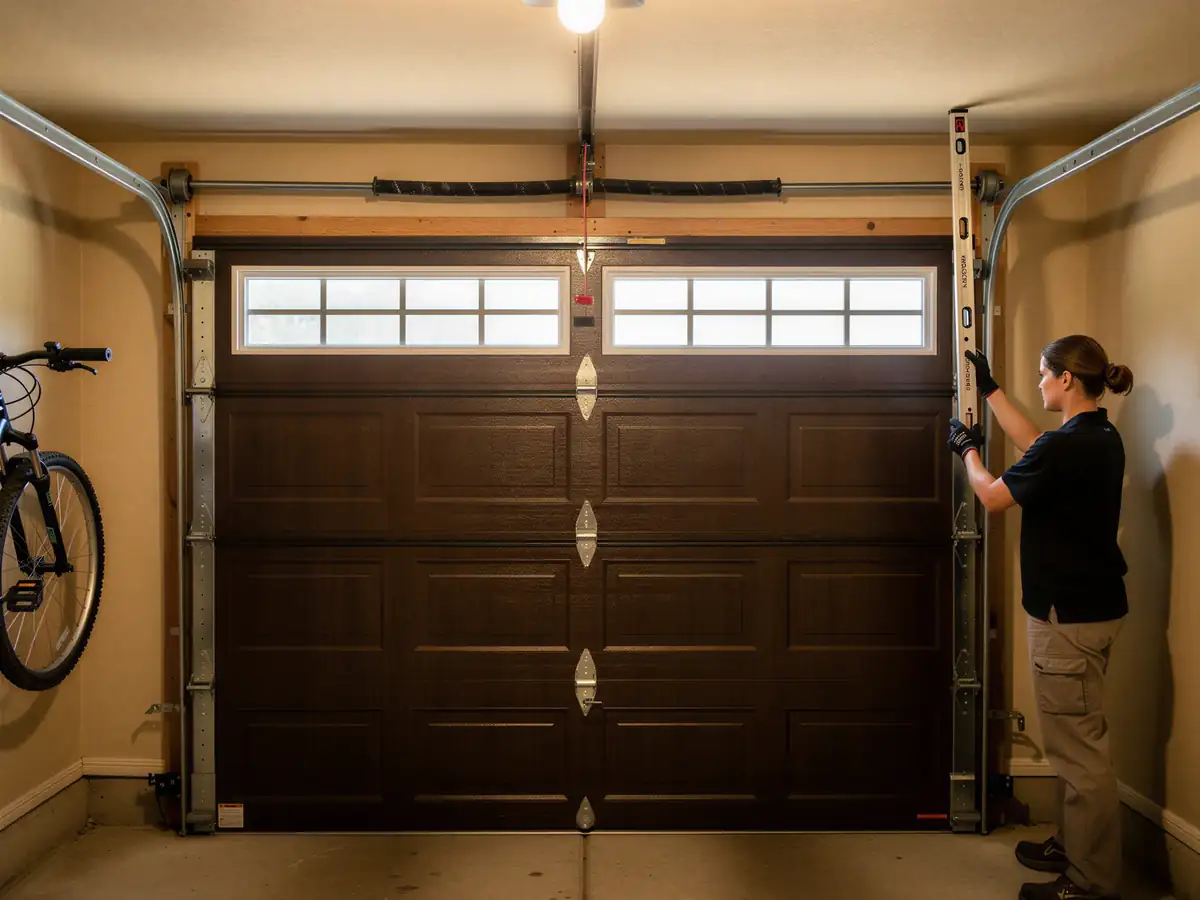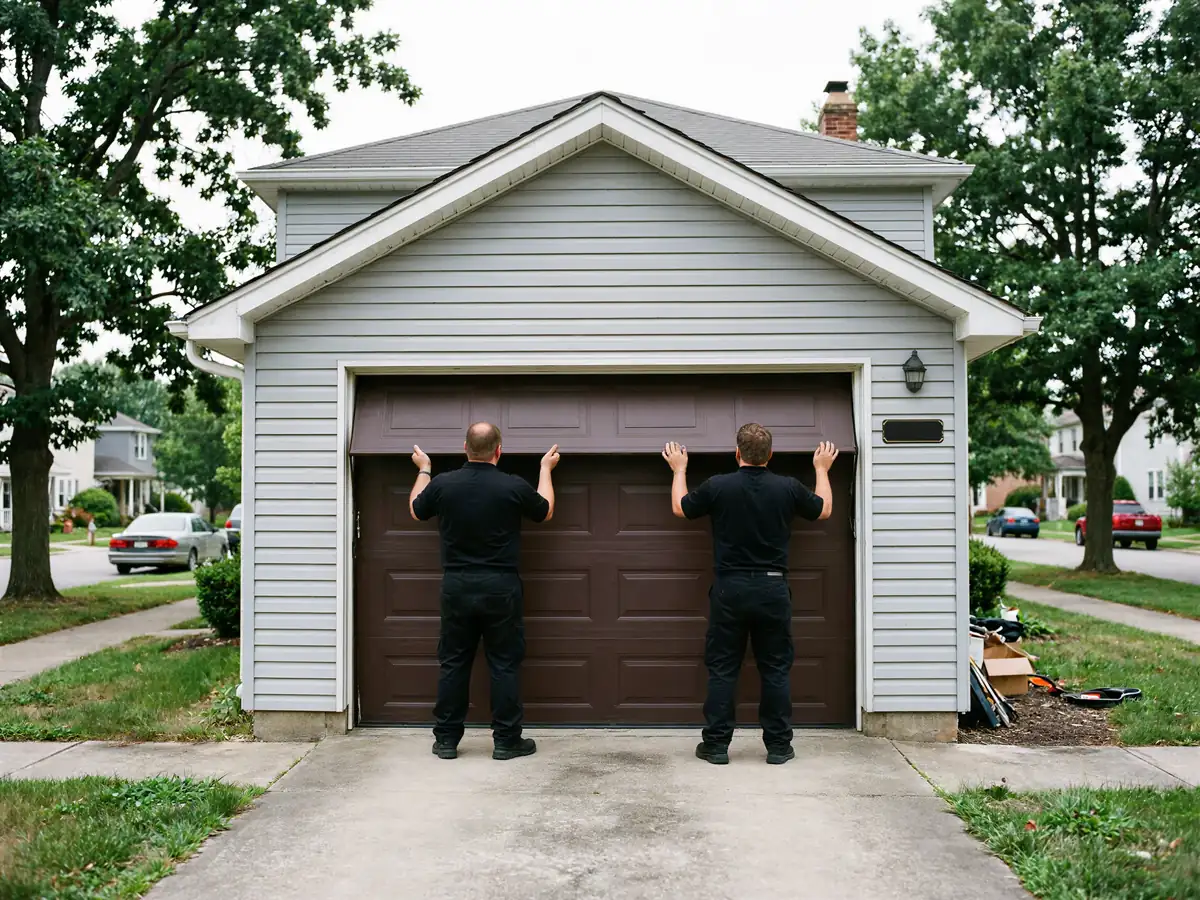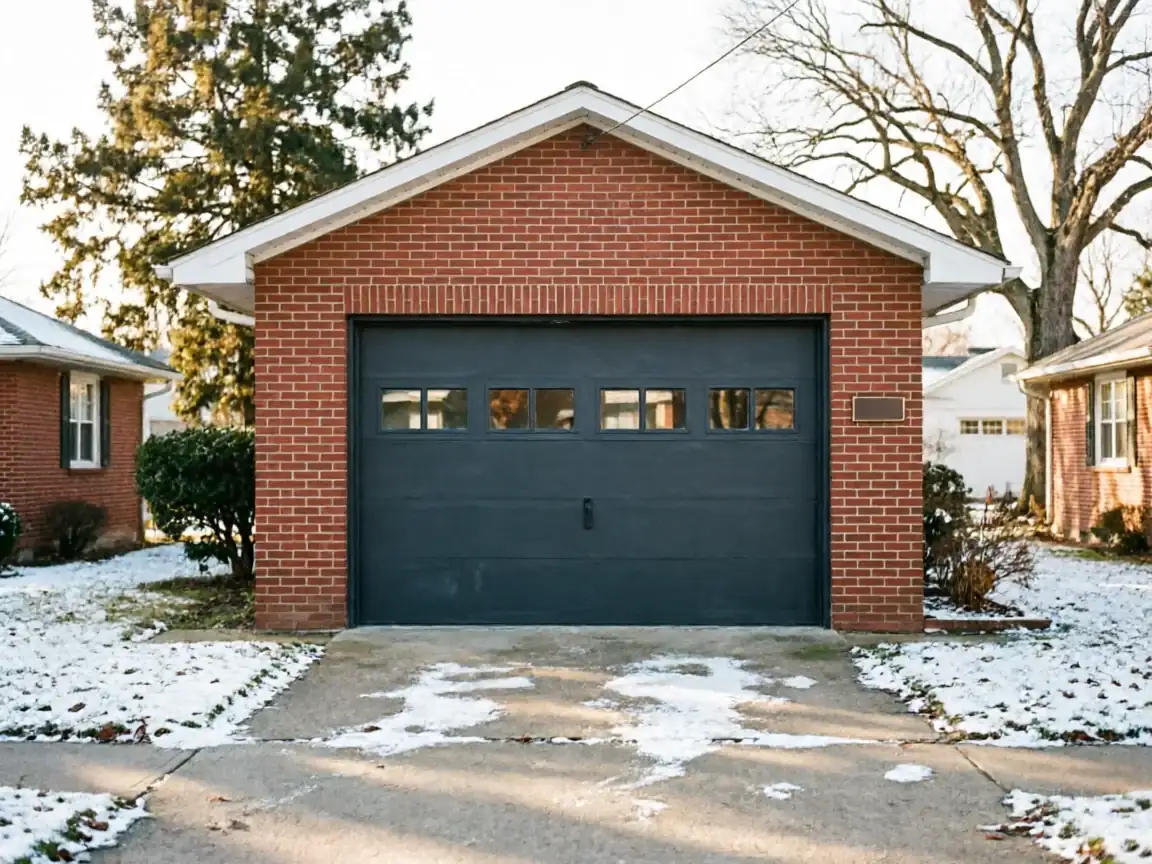
What You Are Seeing
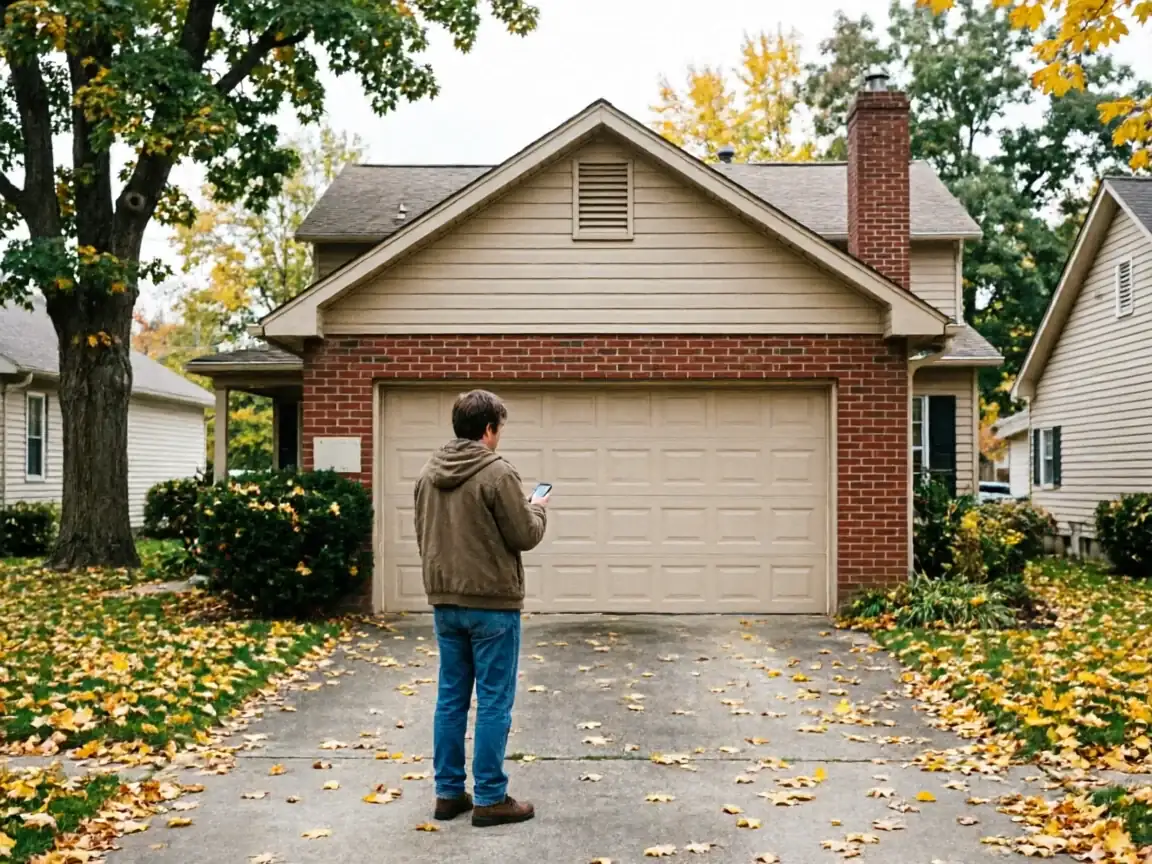
Golden Valley's homes carry a median build year of 1966
A decade older than the 1975 median across the wider Savage service area we work from. That decade matters more than it sounds. Doors from the mid-1960s often ran narrower panel sections and lighter-gauge steel than what came standard once production shifted through the 1970s and later. When one section dents, cracks, or rusts through, the replacement panel a supplier pulls off the shelf today is frequently built to a different width or rib spacing than what's already hanging on the rest of your door.
The climate band here is cold moderate
Which means freeze-thaw cycling is a real factor, not a theoretical one. Moisture gets into a seam on an older steel panel, freezes, expands the gap, and the next cycle makes it worse. On a 1966-era door with no insulation layer and a thinner skin, that process shows up faster than it would on a door built in the last fifteen years. We're coming from Savage, 16 miles out, so when we look at a panel here we're already expecting hardware and panel stock that doesn't match the newer builds we see closer to home.
- 16 miles
How to Book
We don't keep a branch or a crew staged in Golden Valley - every job here starts with a truck leaving Savage, 16 miles away. That's worth saying plainly, because it means we schedule the trip rather than dispatch on the spot. Call and describe what you're seeing: a dented section, a panel that's pulling away from its hinge, visible rust along the bottom row. If you can tell us the approximate age of the door, or whether it's ever been replaced before, that helps us bring the right panel stock on the first visit instead of a second trip to match sizing.
We'll ask about your specific street layout and door brand when you call, since we don't carry landmark knowledge of Golden Valley's neighborhoods the way we do closer to Savage. What we do bring is the build-year context above - most doors in this area are old enough that we check panel compatibility before quoting, not after we're standing in your driveway. You can see which other nearby communities we cover at our area page, and if you're closer to Savage itself the job looks a little different there too.
What the Repair Takes
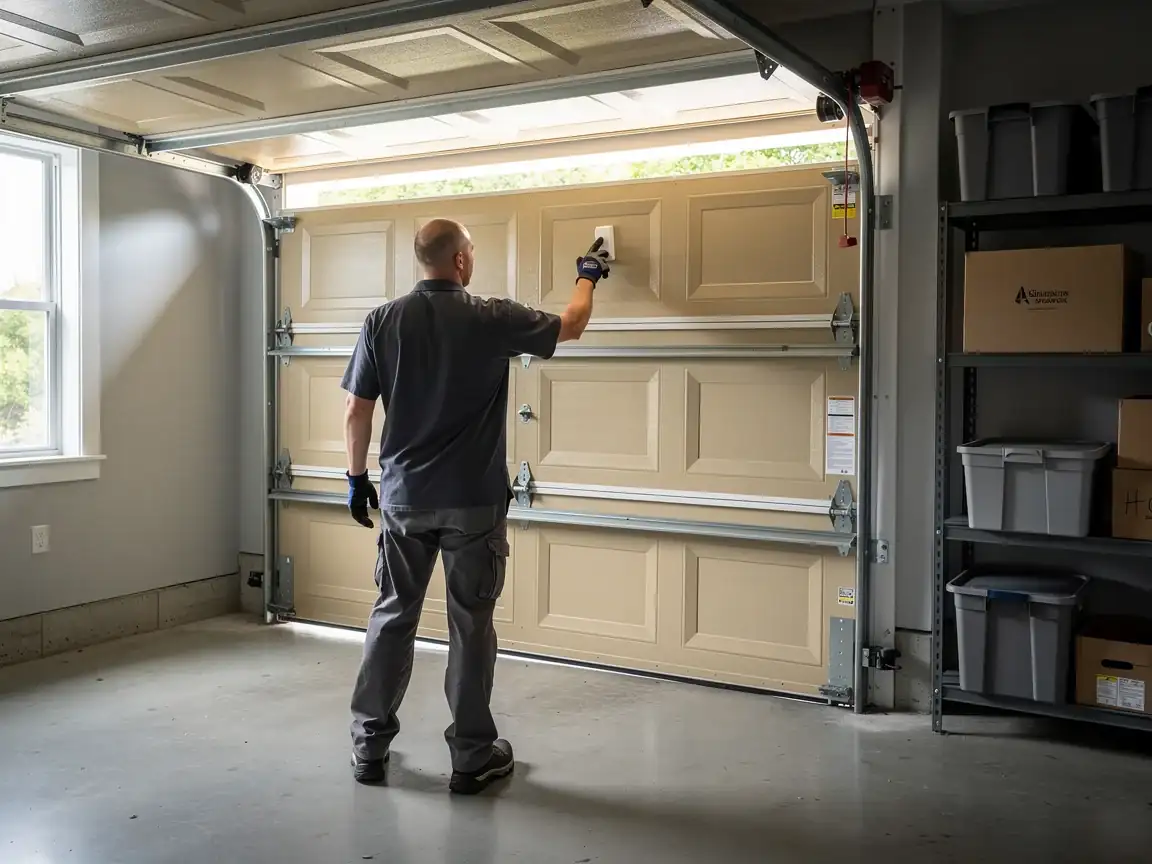
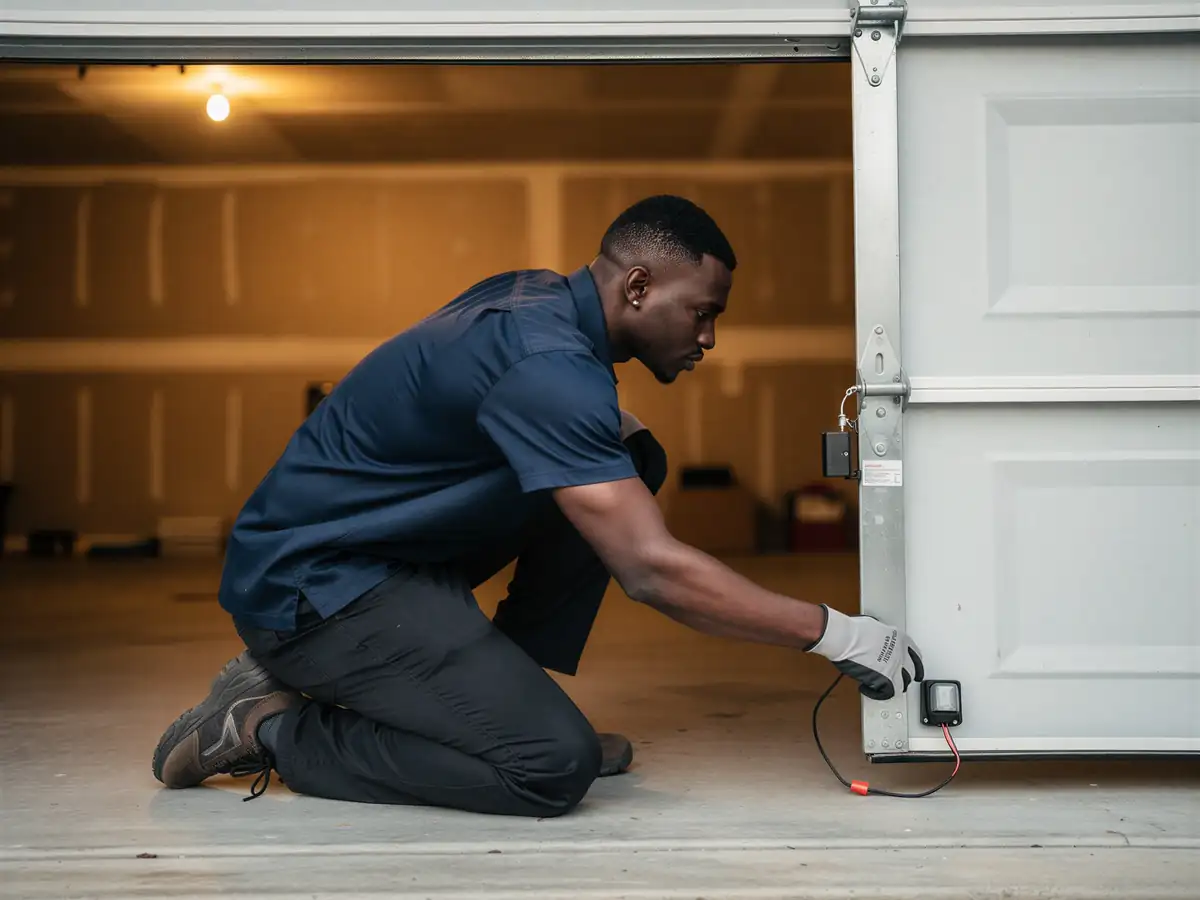
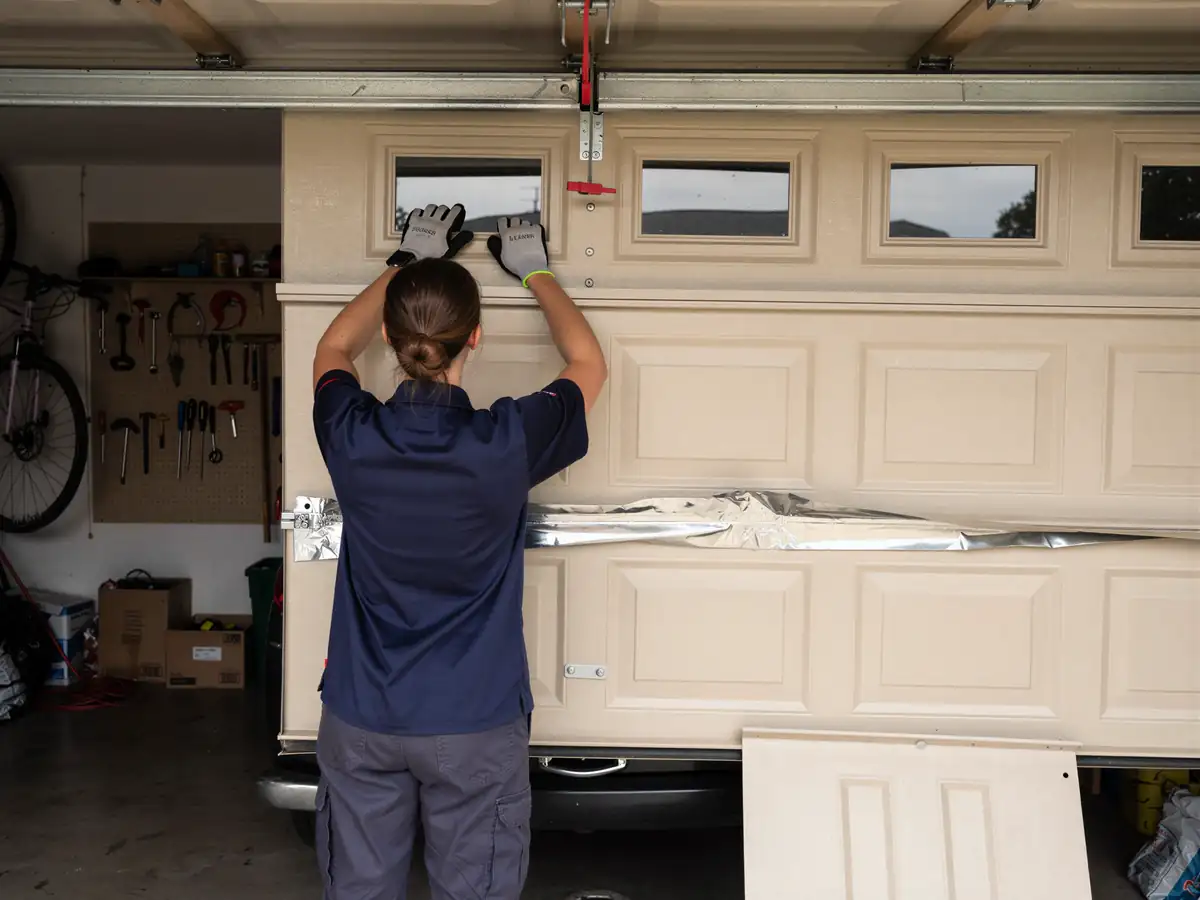
A single panel swap on a 1966-era door usually means measuring the existing section first, because manufacturers changed standard panel heights more than once between then and now. If your door is still fully original, there's a real chance the exact profile isn't manufactured anymore, and the honest answer is that we may need to match as closely as possible rather than find an identical replacement - that's the limitation worth knowing before you book, not after.
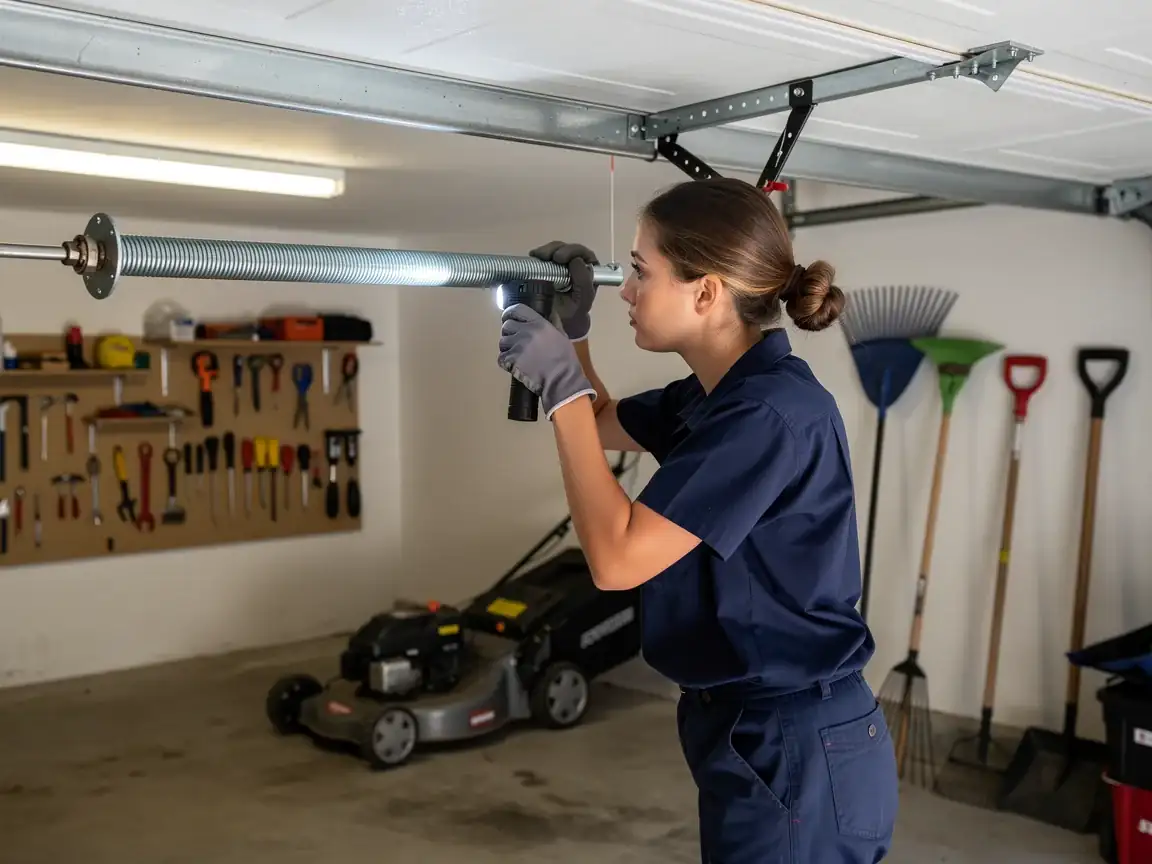
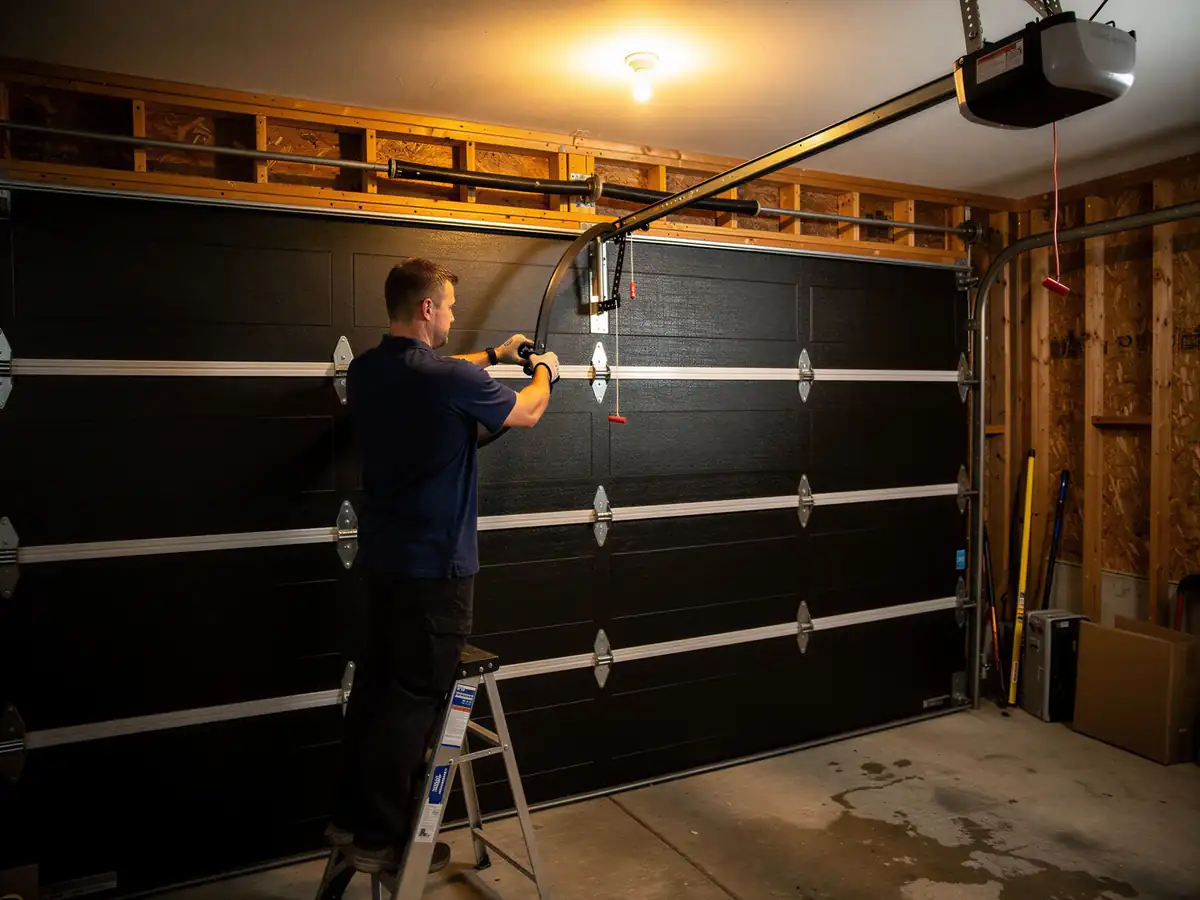
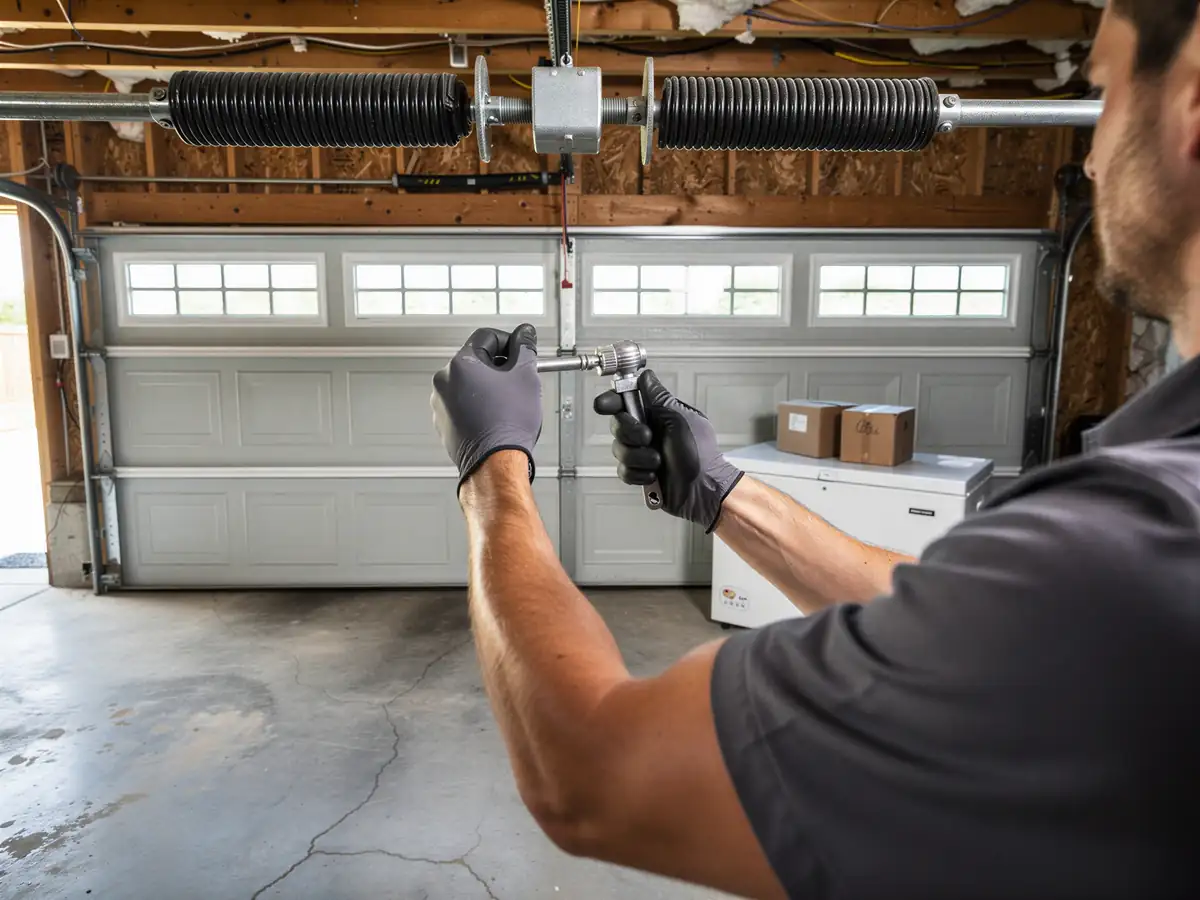
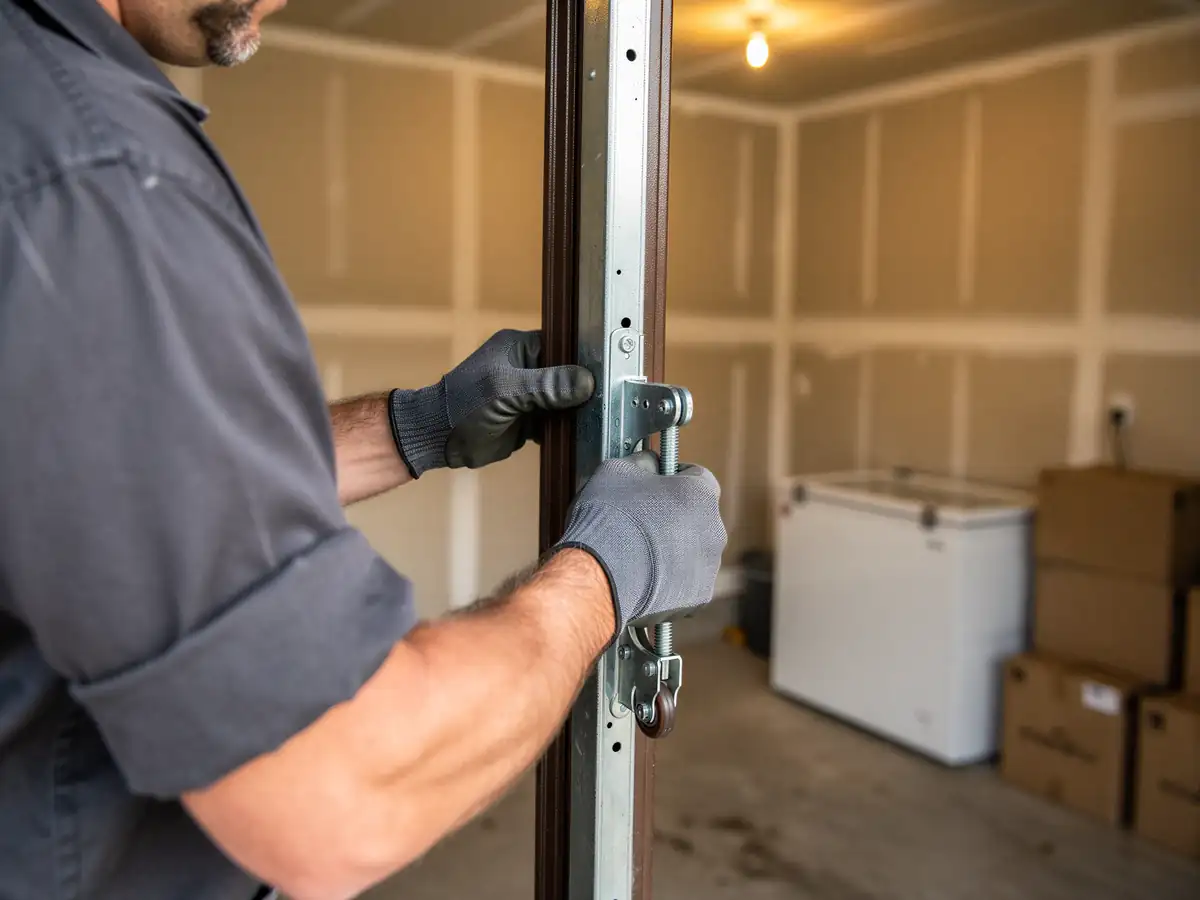
Once we've got the right stock, the mechanical part is straightforward: disconnect the section from its neighboring panels, pull the hinges and rollers, set the new panel, and re-hang the hardware. On doors this old, the hinges themselves are often as worn as the panel that failed, so we check those while we're in there rather than bolt fresh steel to tired hardware. Track alignment gets a look too - cold-climate swelling and settling over 50-plus years can shift a track enough that a brand-new panel won't seat right until the track's been reset. We'd rather tell you that up front than have the door bind a month later.
What Can Go Wrong
The most common issue on a house like this isn't the repair itself, it's panel mismatch after the fact - a new section a shade different from 50-plus years of sun-faded steel on the rest of the door. We flag that before ordering, but it's worth setting expectations now: with 9,671 households in this area and a housing stock this uniform in age, panel-matching requests for aging steel doors come up more here than they would in a newer subdivision, and sometimes the honest answer is that full replacement makes more sense than chasing a cosmetic match.
The other failure point is hardware that looks fine but isn't. Hinges and rollers from the same era as the panel often have enough wear that installing new steel on old pivots just transfers stress to the next weakest point. Rust at the bottom corners, where the cold moderate climate drives repeated freeze-thaw cycling against thin original steel, is the other recurring problem we see on doors from this build period. None of that means the door needs full replacement right away - just that a panel swap here is rarely as simple as bolting on new steel.