Doing It Yourself
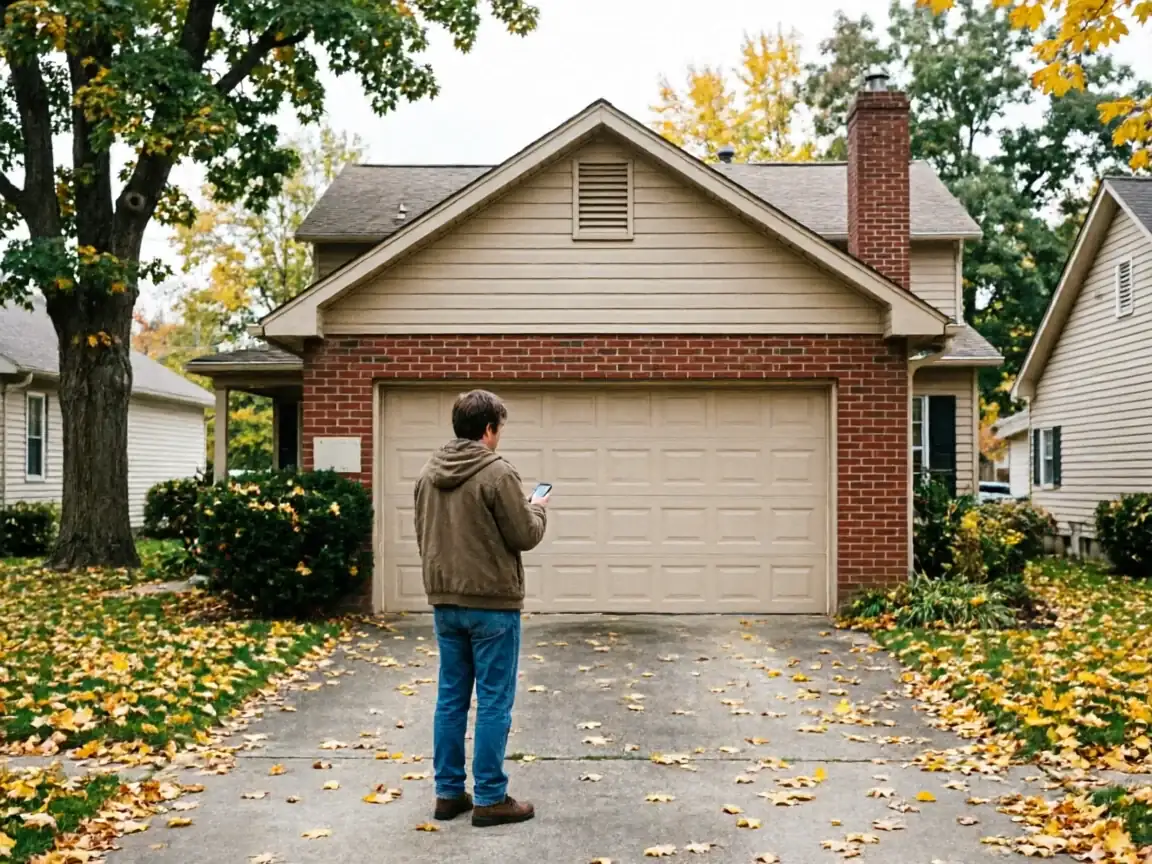
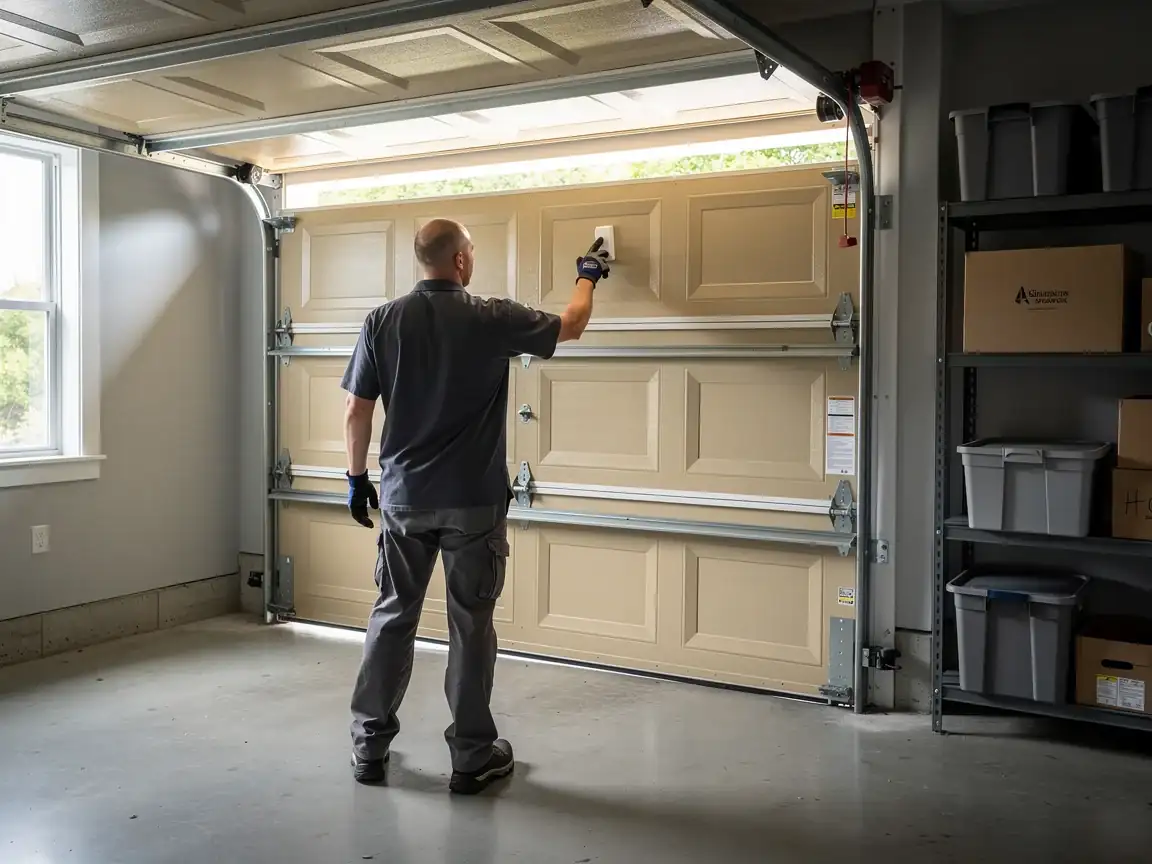
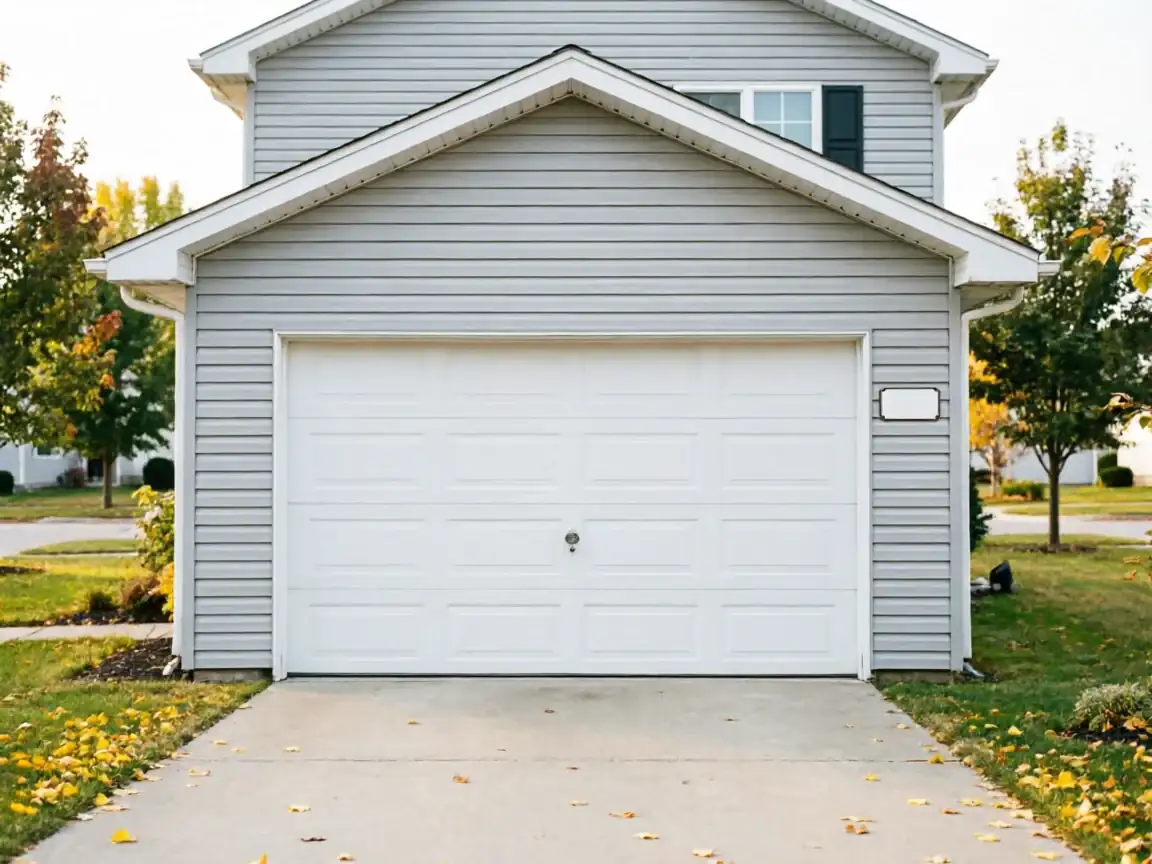
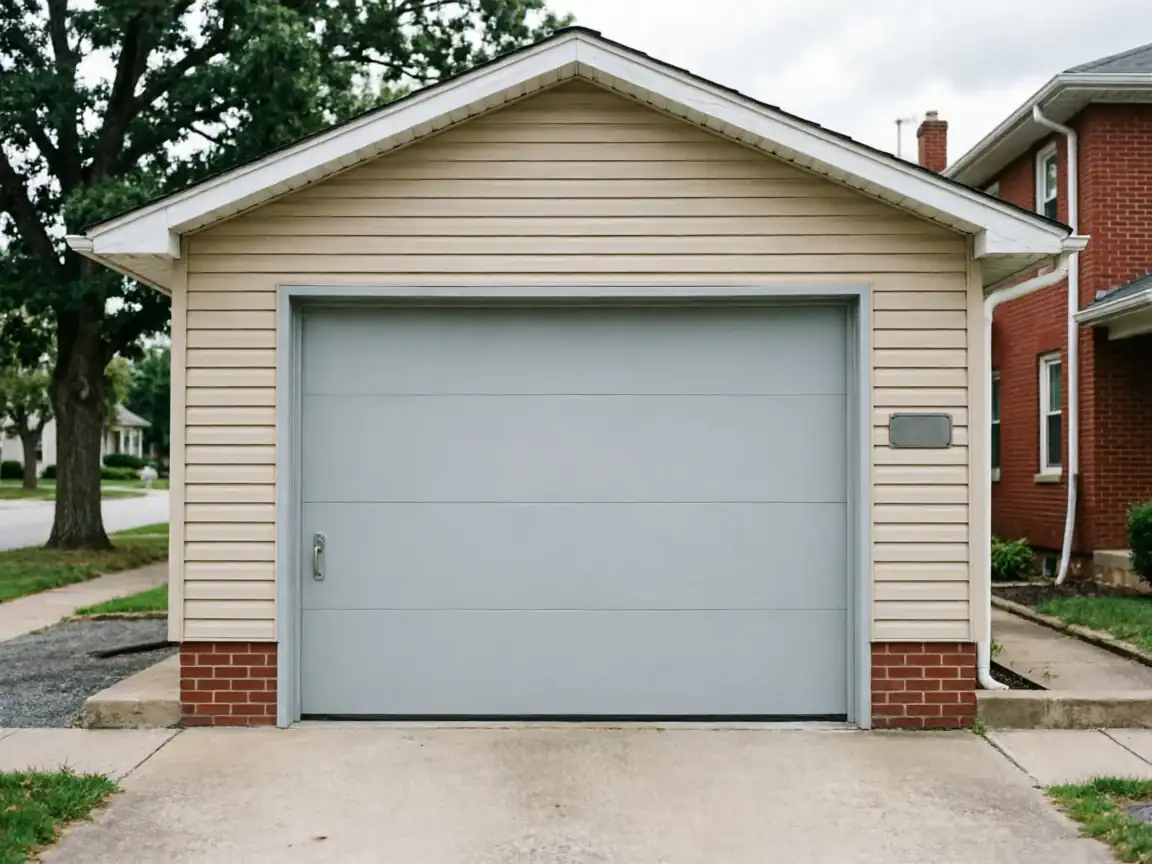
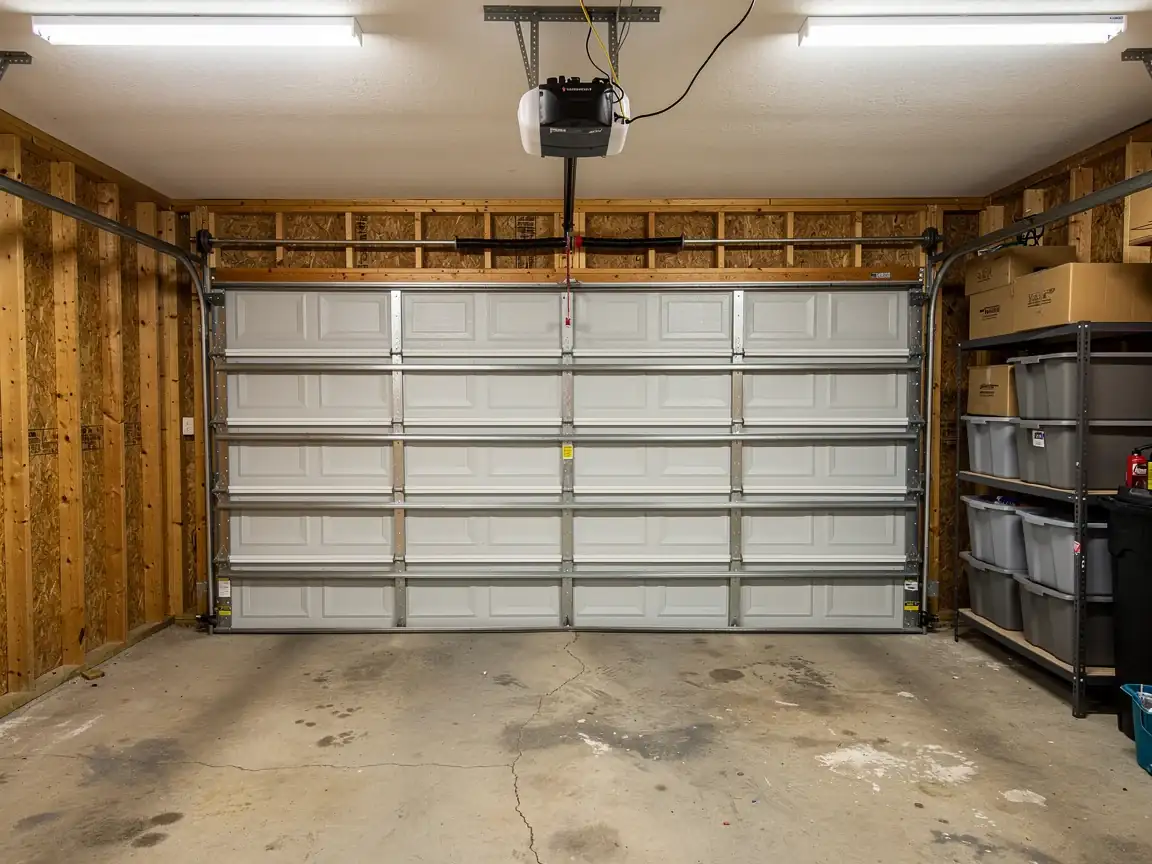
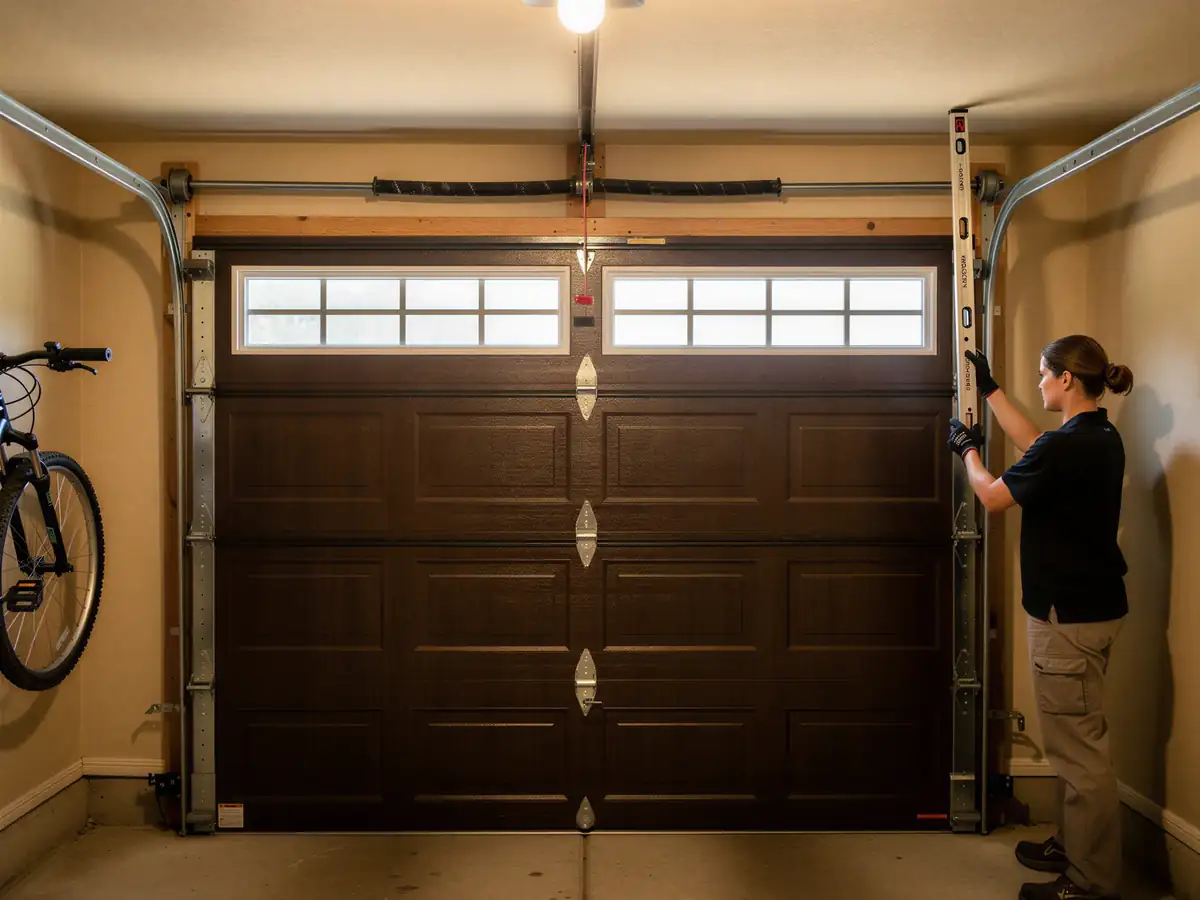
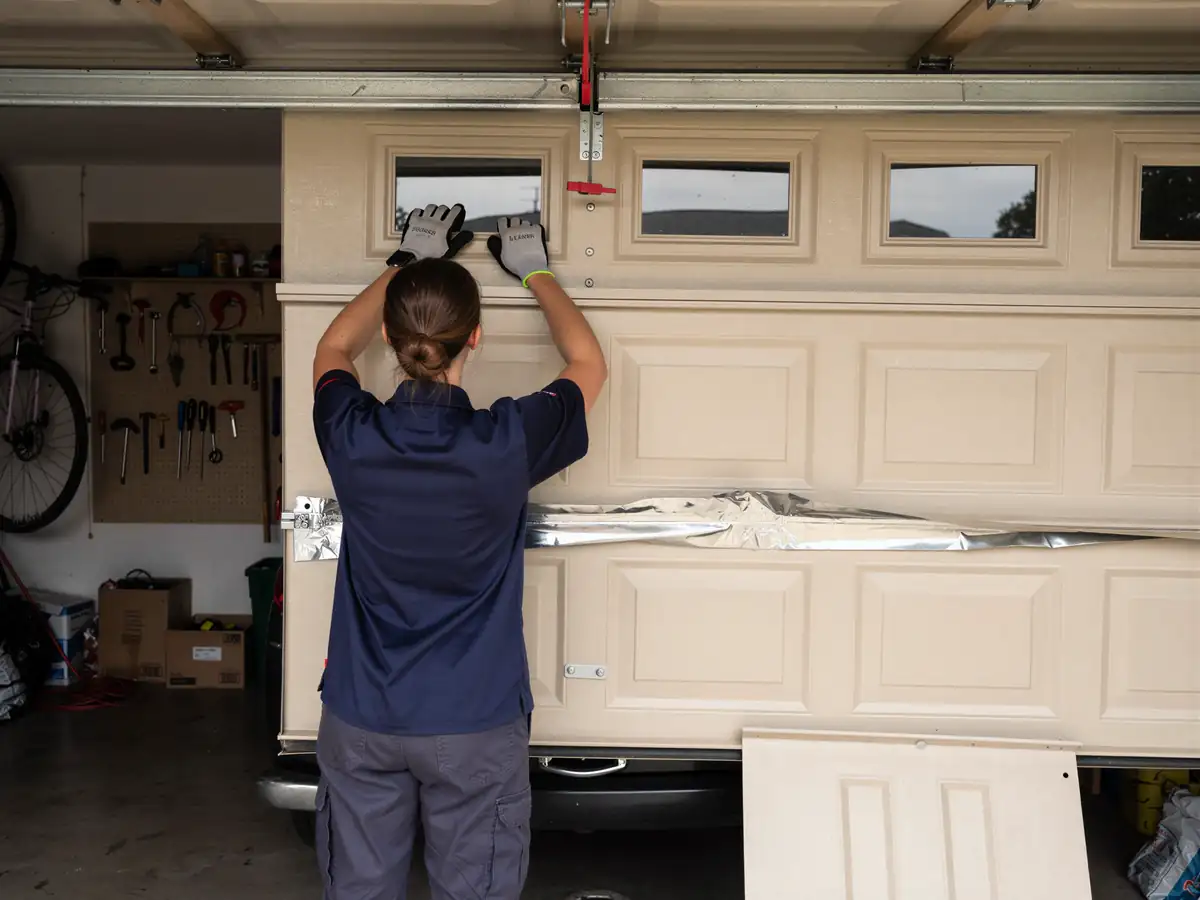
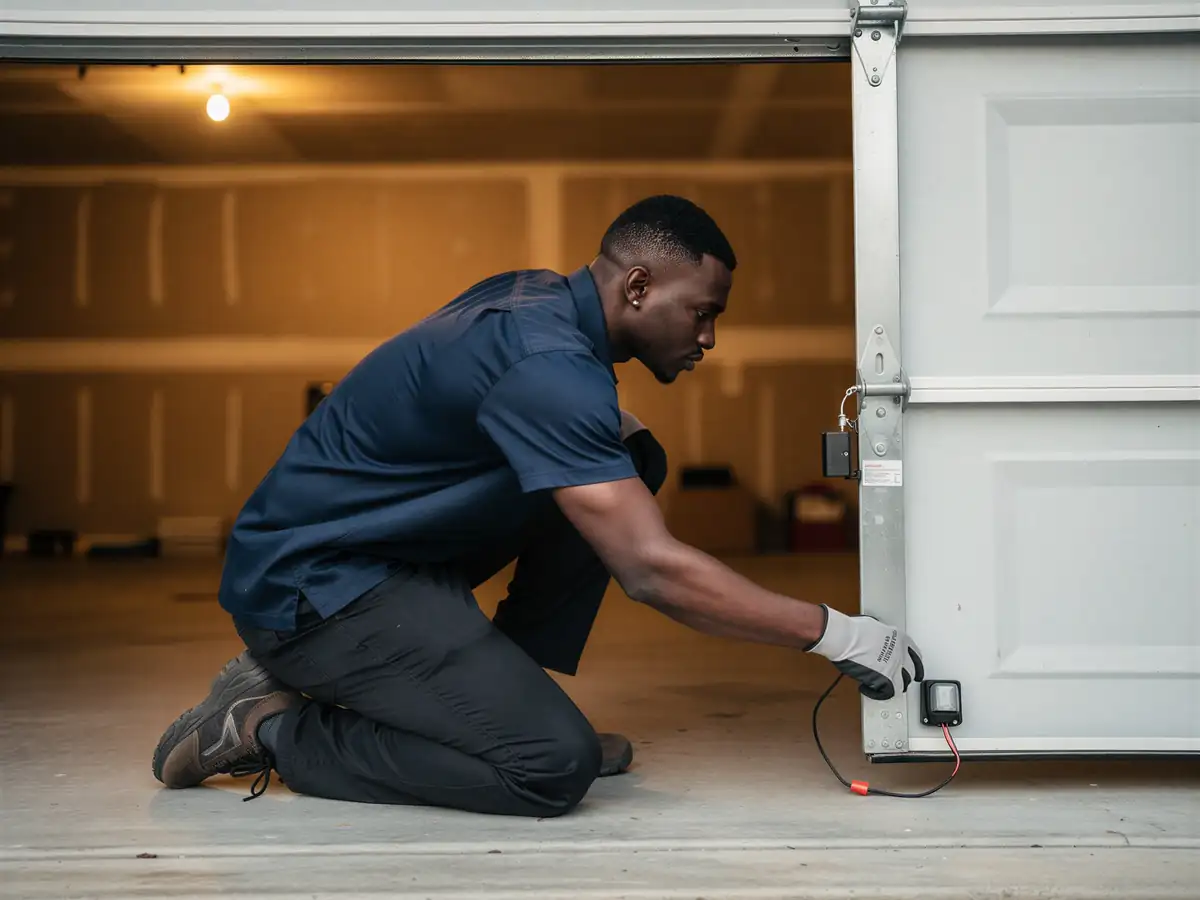
You can handle some of this. Wipe down the tracks and check them for dents or gaps against the rollers. A can of white lithium grease on the hinges and rollers once or twice a year does more good than most people expect, especially heading into a Minnesota winter - the cold-moderate climate here means grease that's fine in July can stiffen up and bind by January. Test the auto-reverse: set a 2x4 flat on the floor under the door and close it. It should reverse on contact. If it doesn't, stop using the opener and call someone.
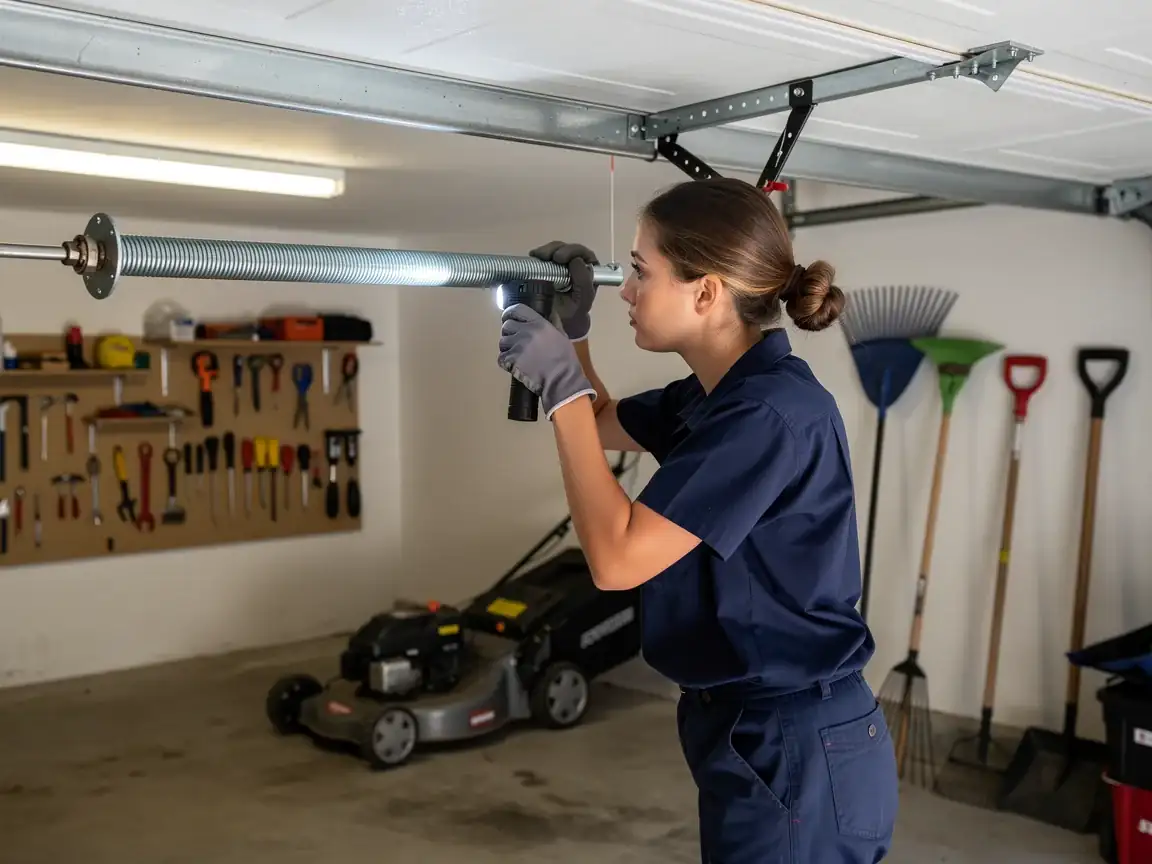
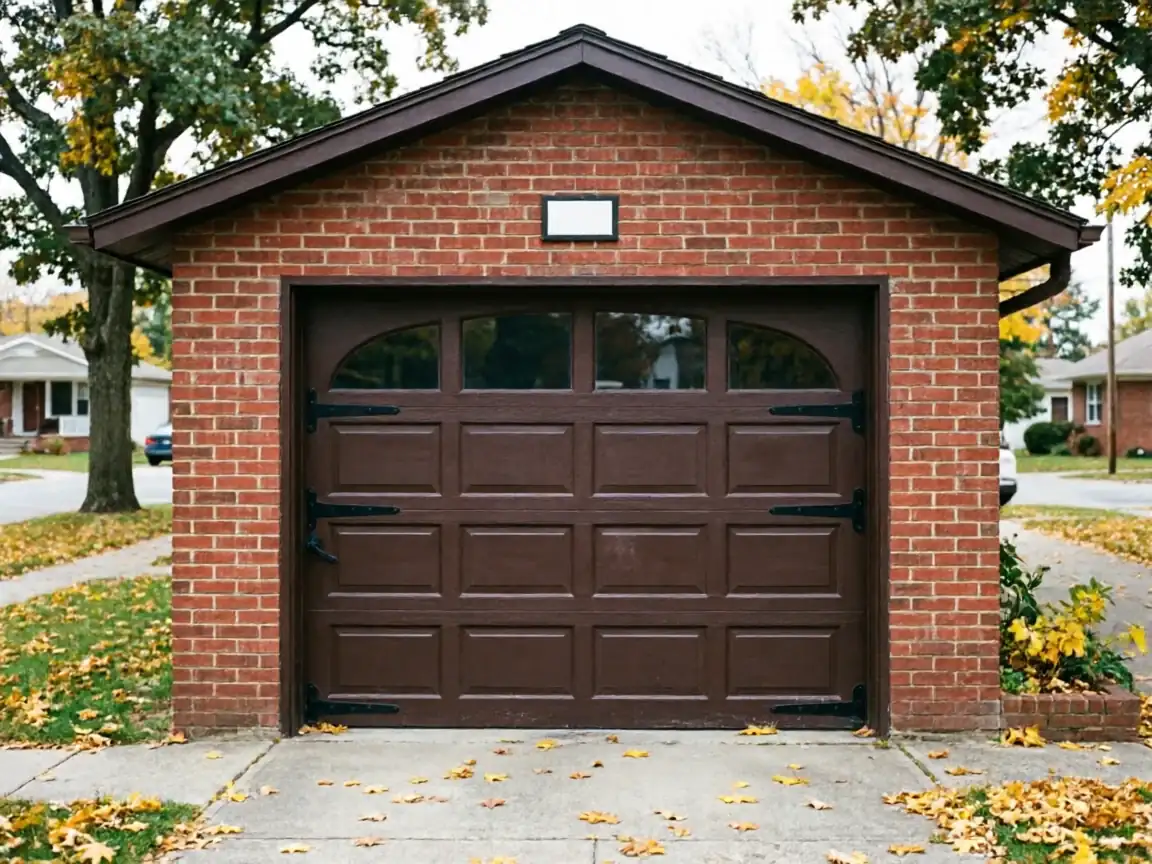
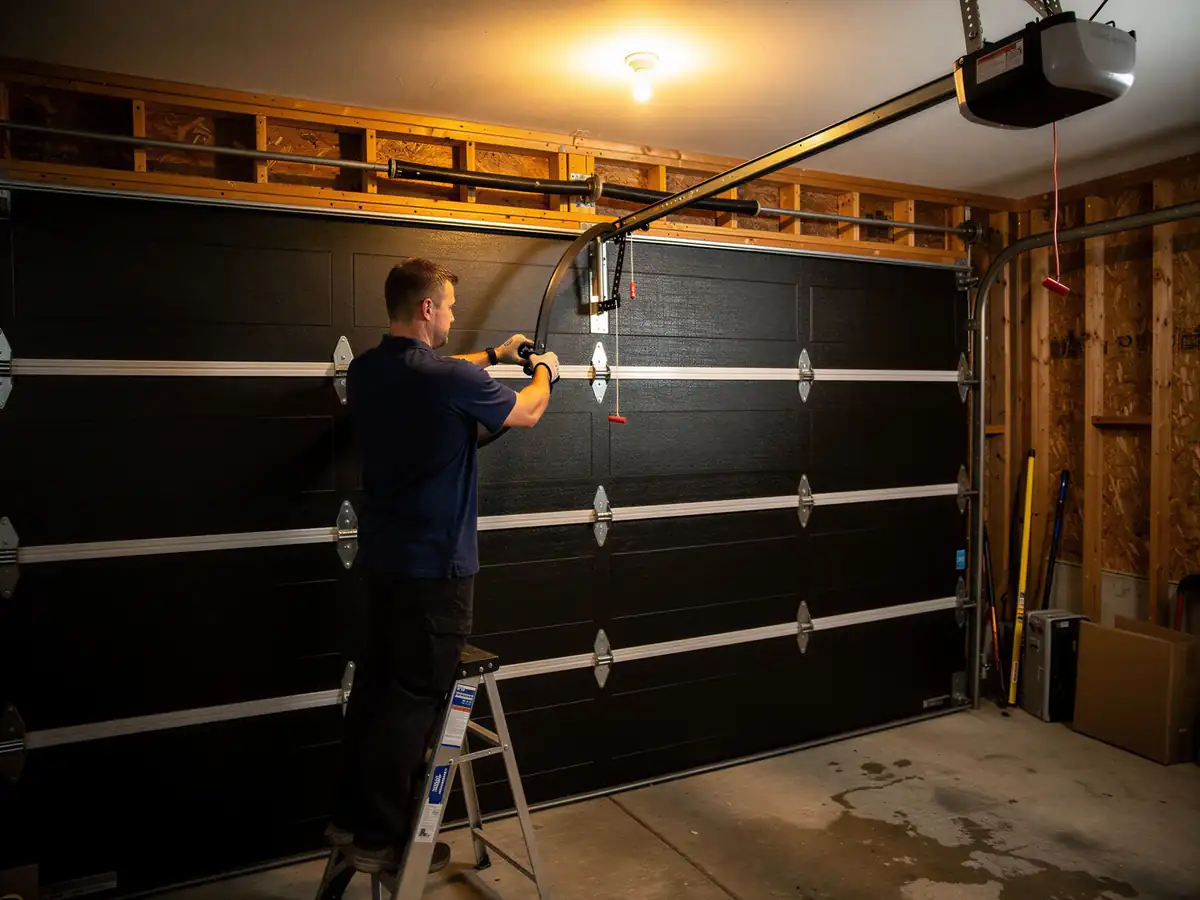
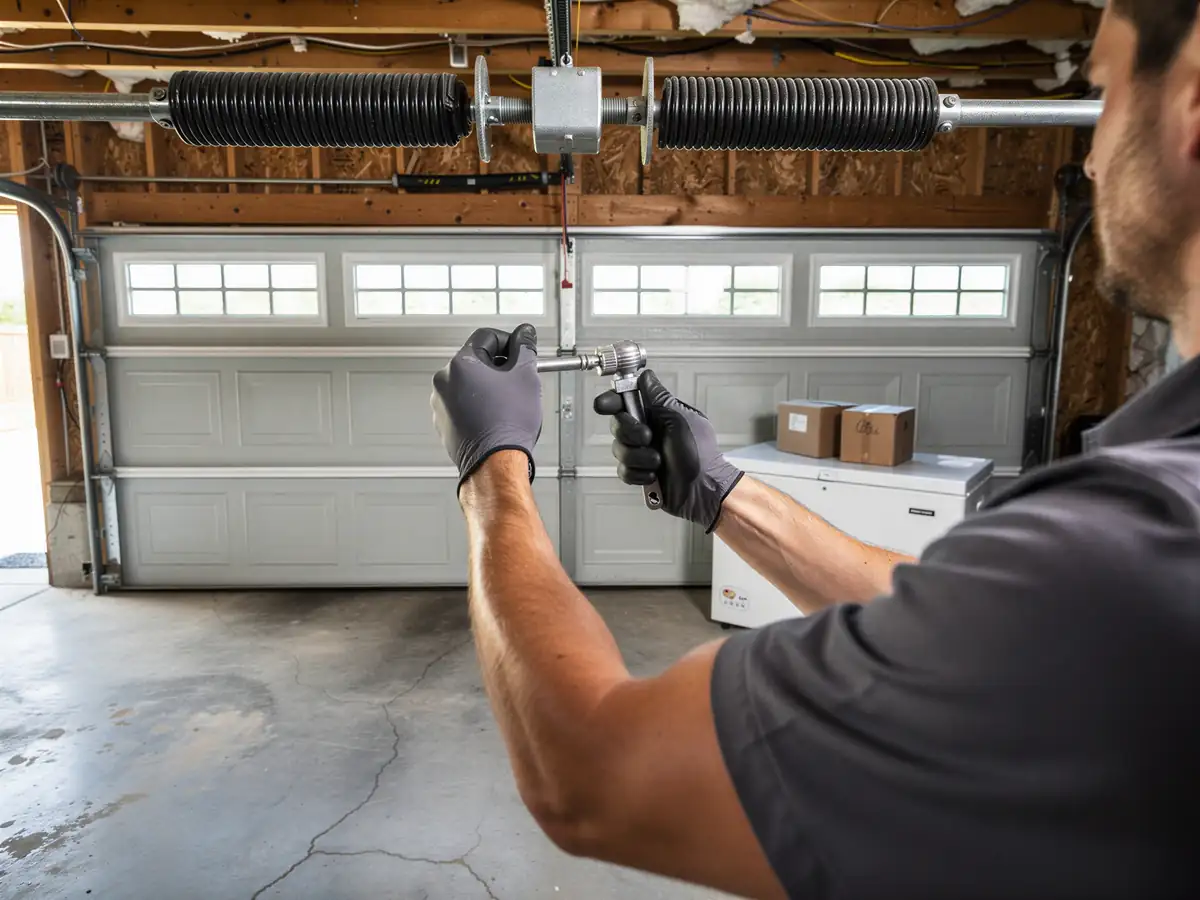
What you shouldn't touch is the torsion spring itself. These are wound under enough tension to break bones if the winding bar slips, and on a 1993-era door that's likely original, the spring is three decades into a lifespan it may not have much left of. We're not going to pretend that's a weekend project. If you're not sure how old your spring is, that's a five-minute thing for us to check - not something to guess at.
What It Costs
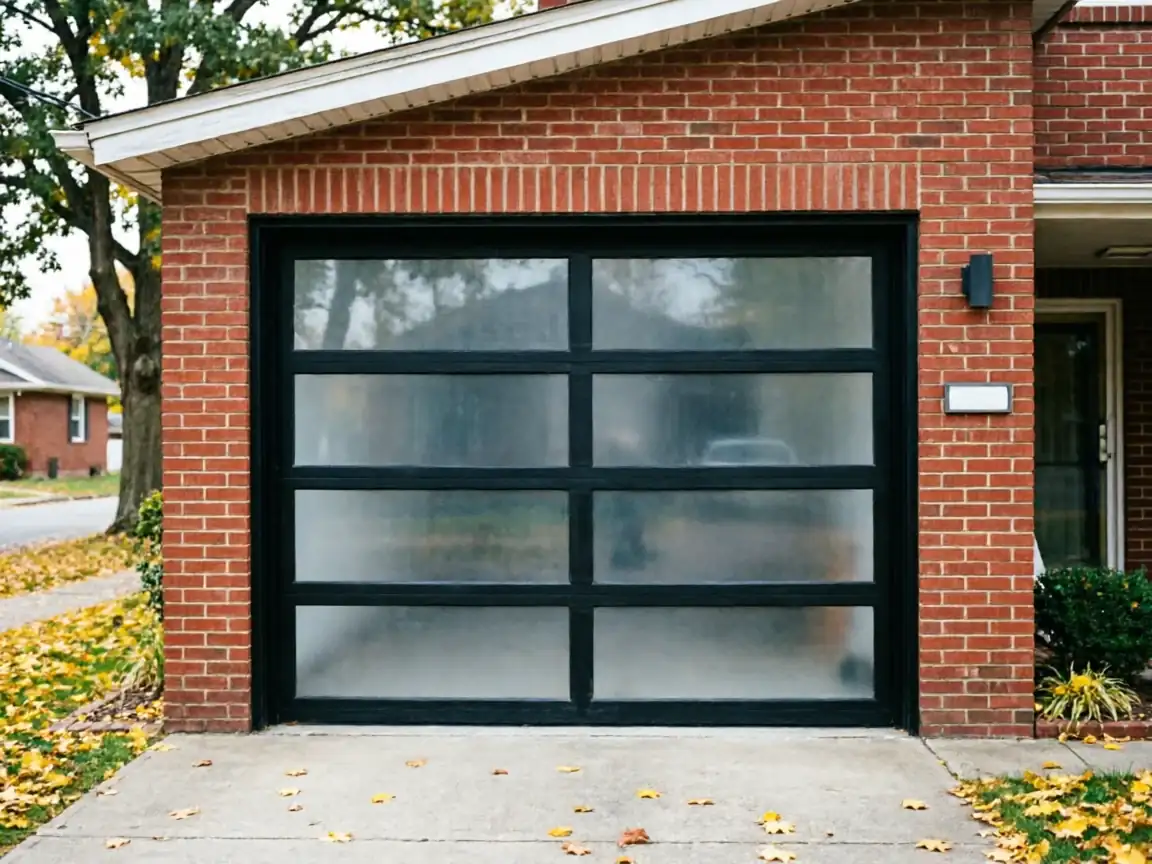
We don't have a flat number to quote you here, because cost on a maintenance visit depends on what we find once the door's open - whether it's lubrication and a tension check, or a spring that's close to the end of its cycle count and needs replacing. What I can tell you is Chanhassen's household income runs well above the median across the broader area we cover ($138,034 here versus $108,611 across the service territory), and that doesn't change what a tune-up costs - the door doesn't know what the house is worth. What it does mean is more of these doors have openers and hardware that are still in decent shape, not deferred-maintenance cases, so a lot of visits here are closer to a straightforward check and lube than a repair job.