Doing It Yourself
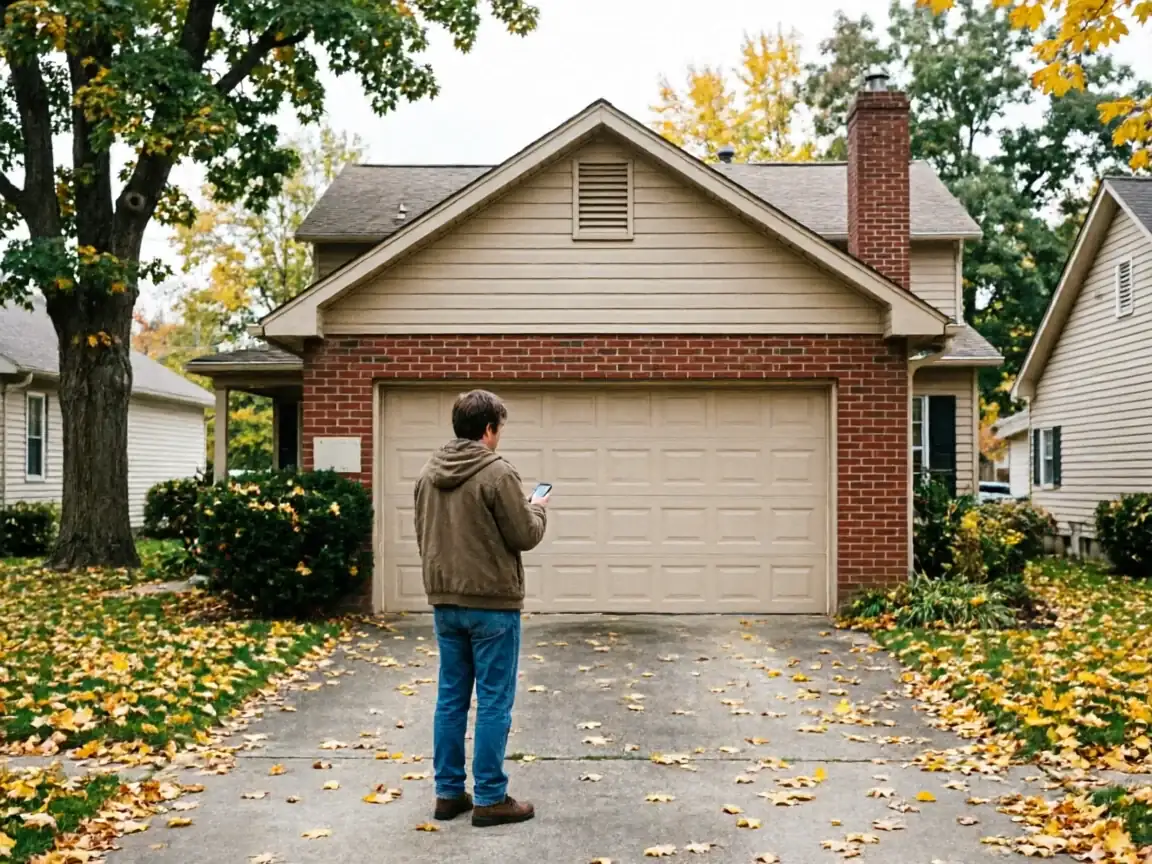
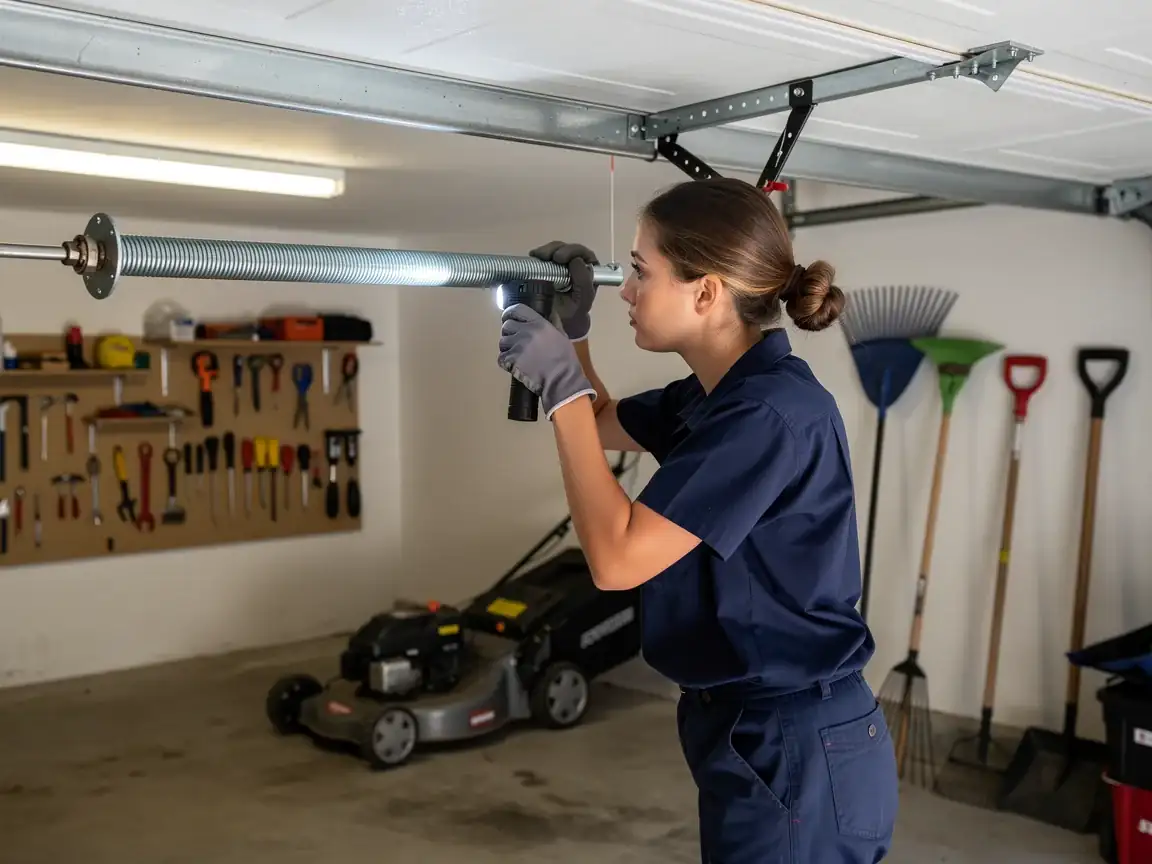
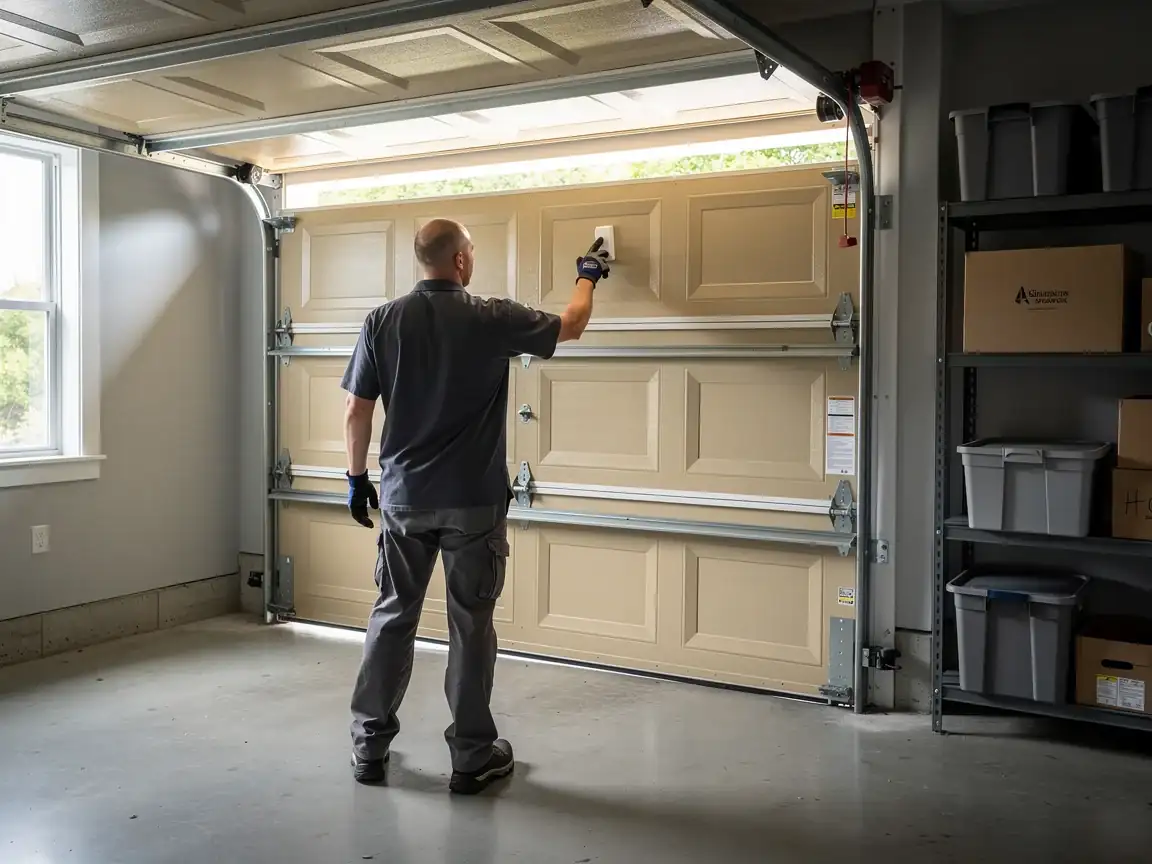
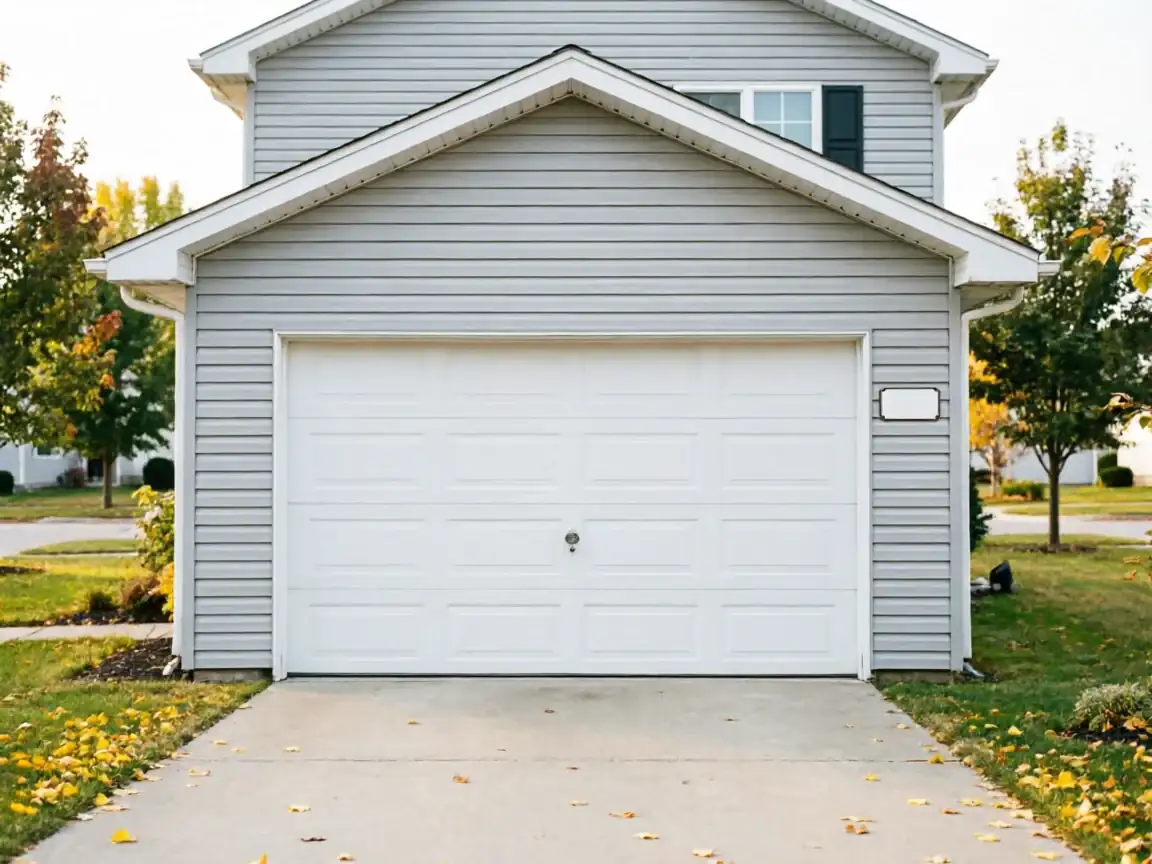
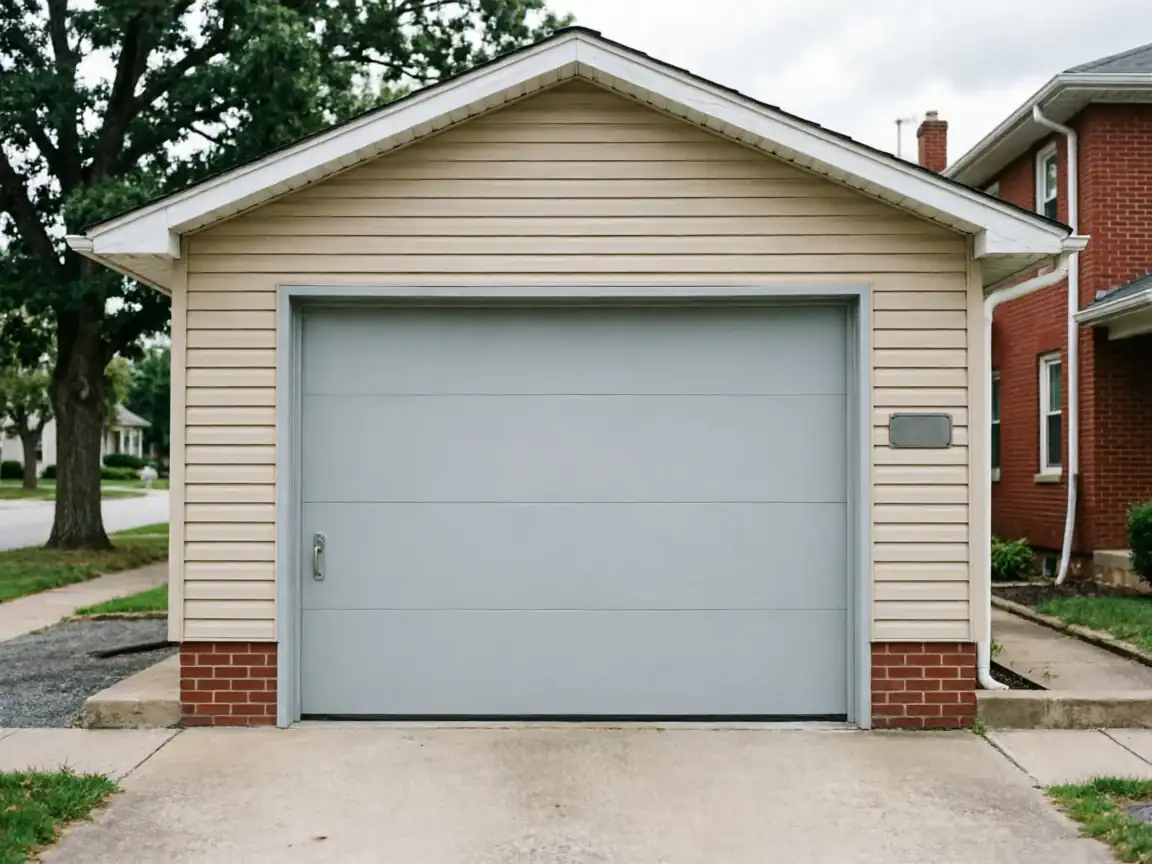
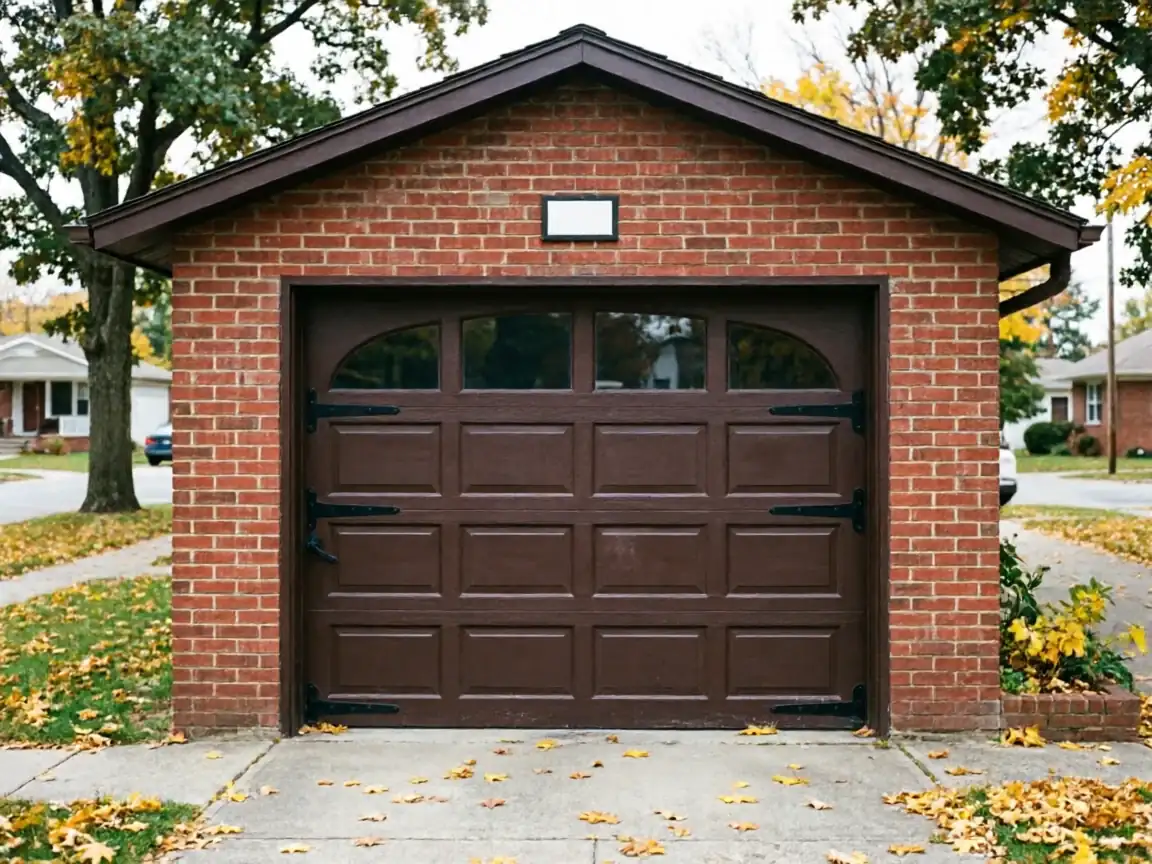
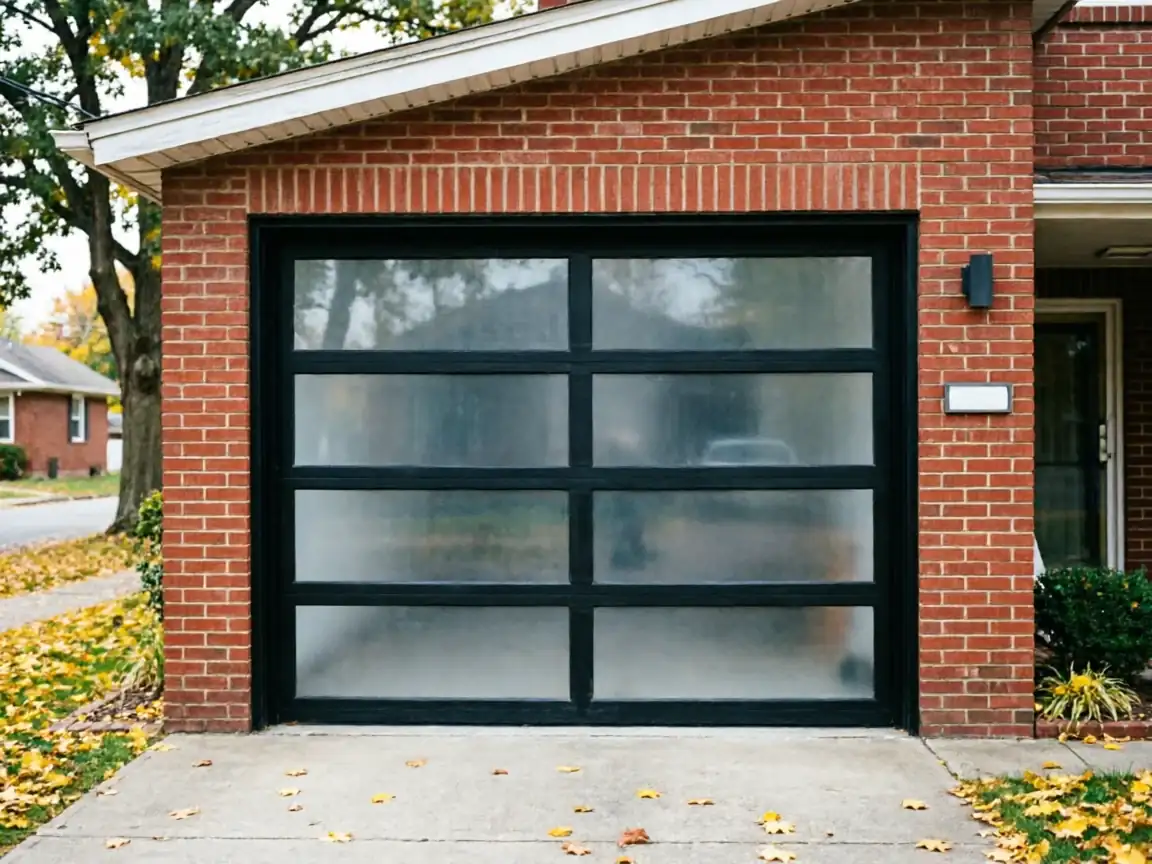
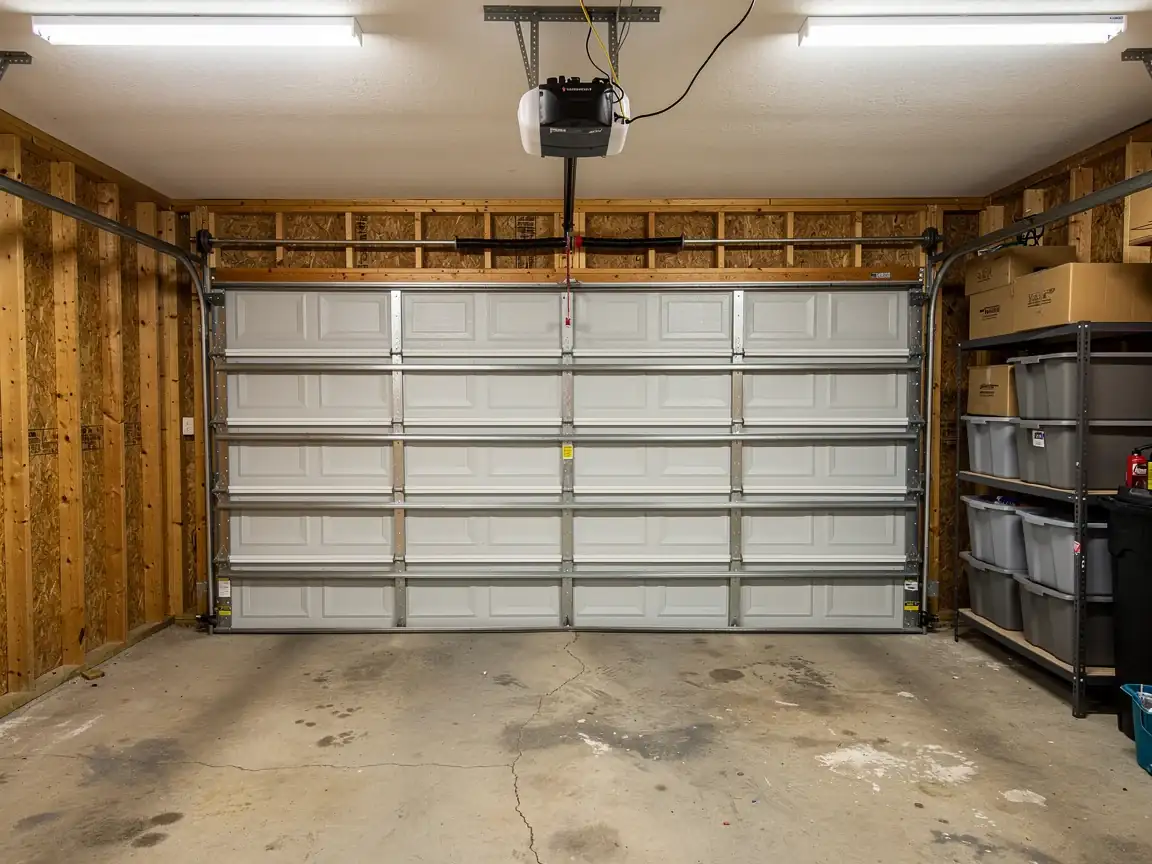
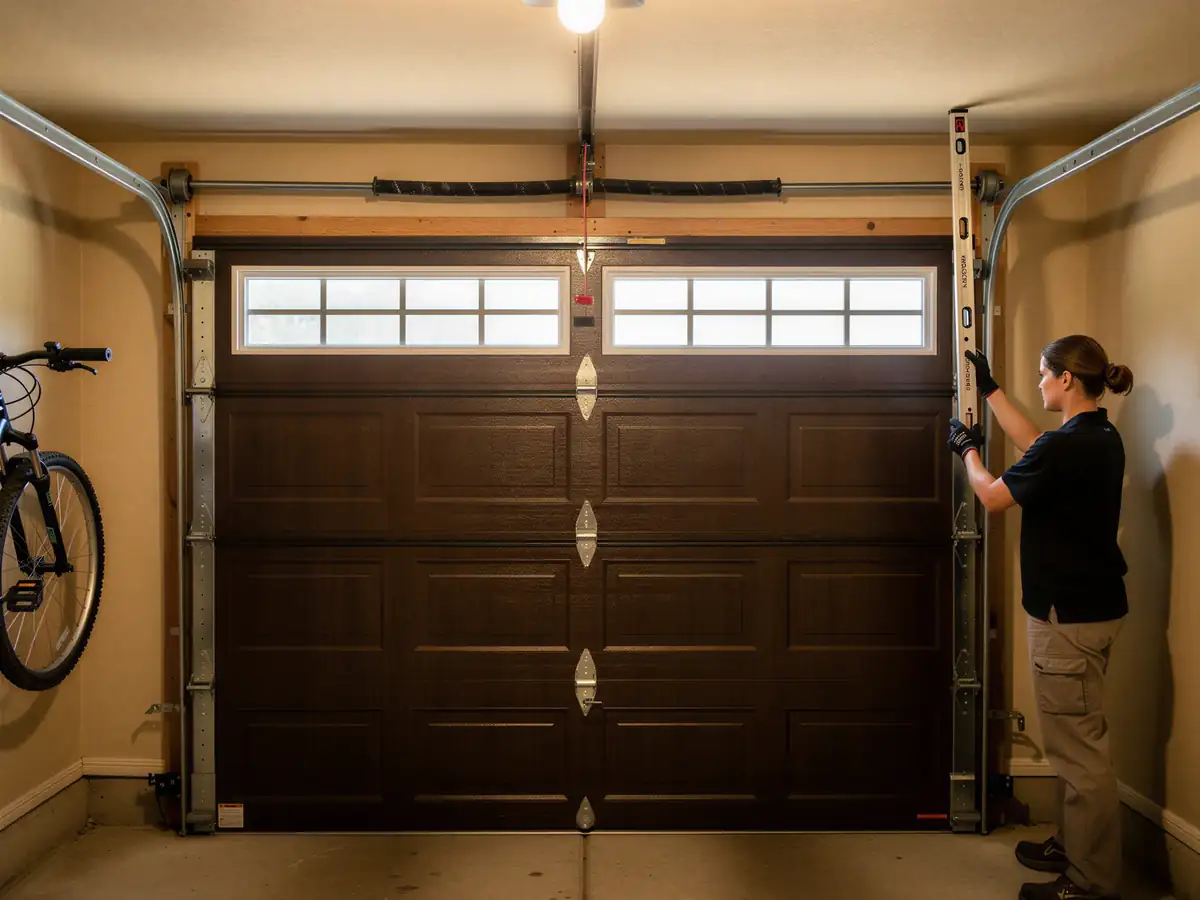
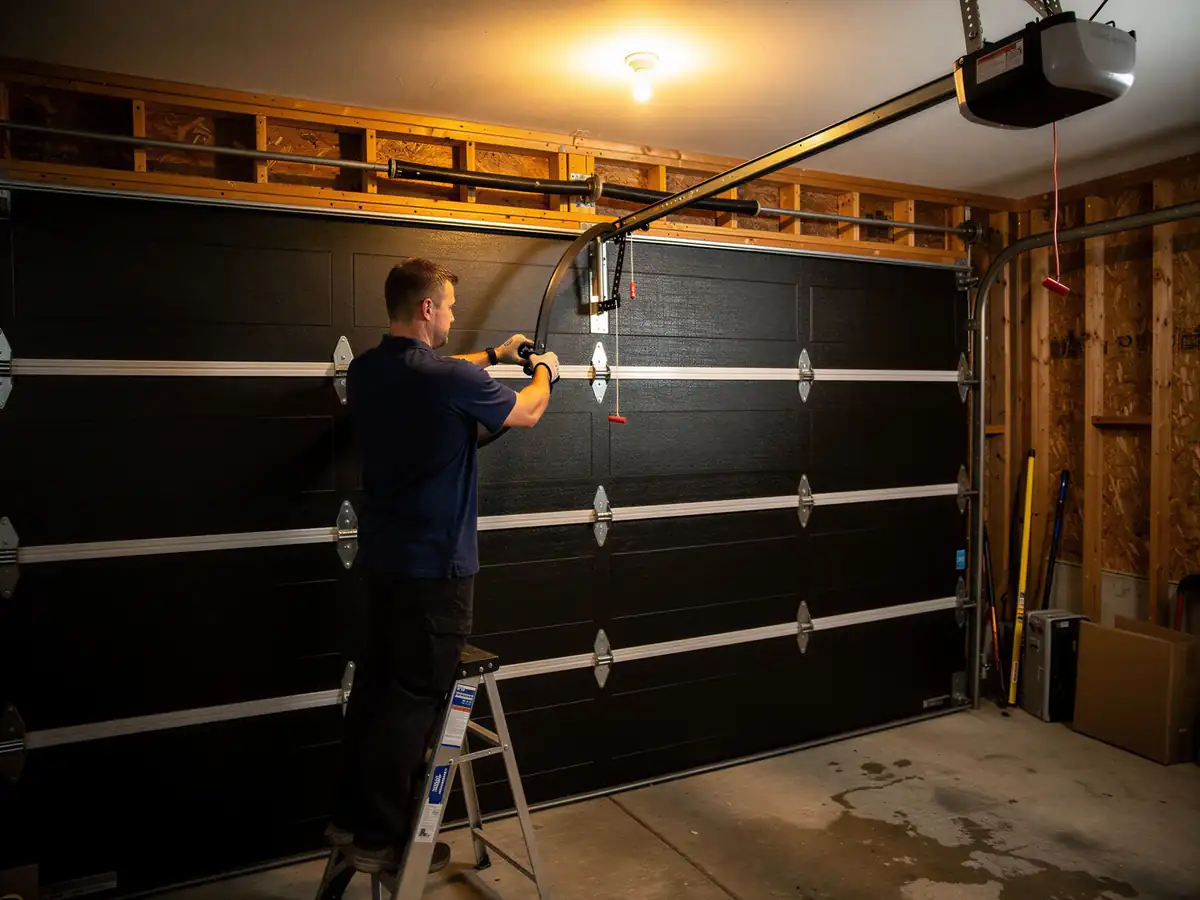
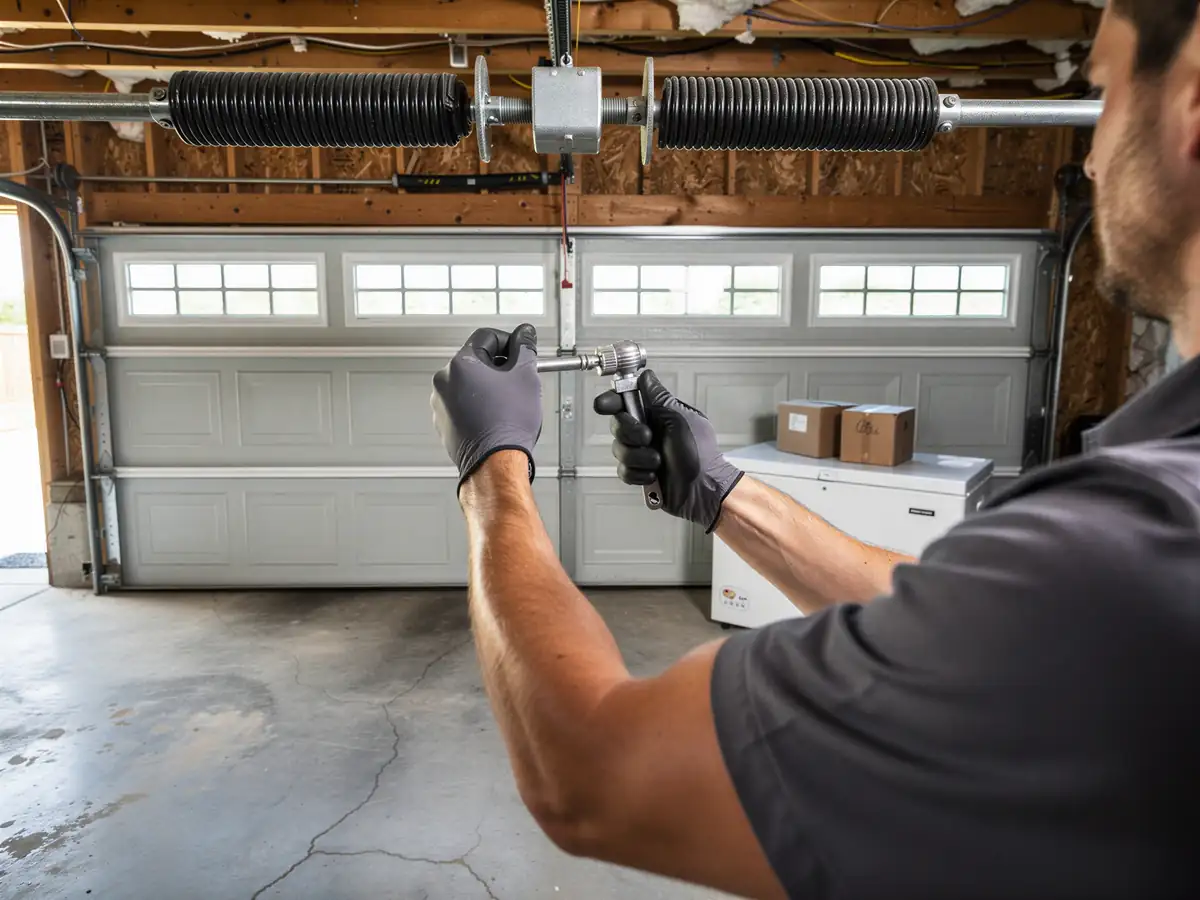
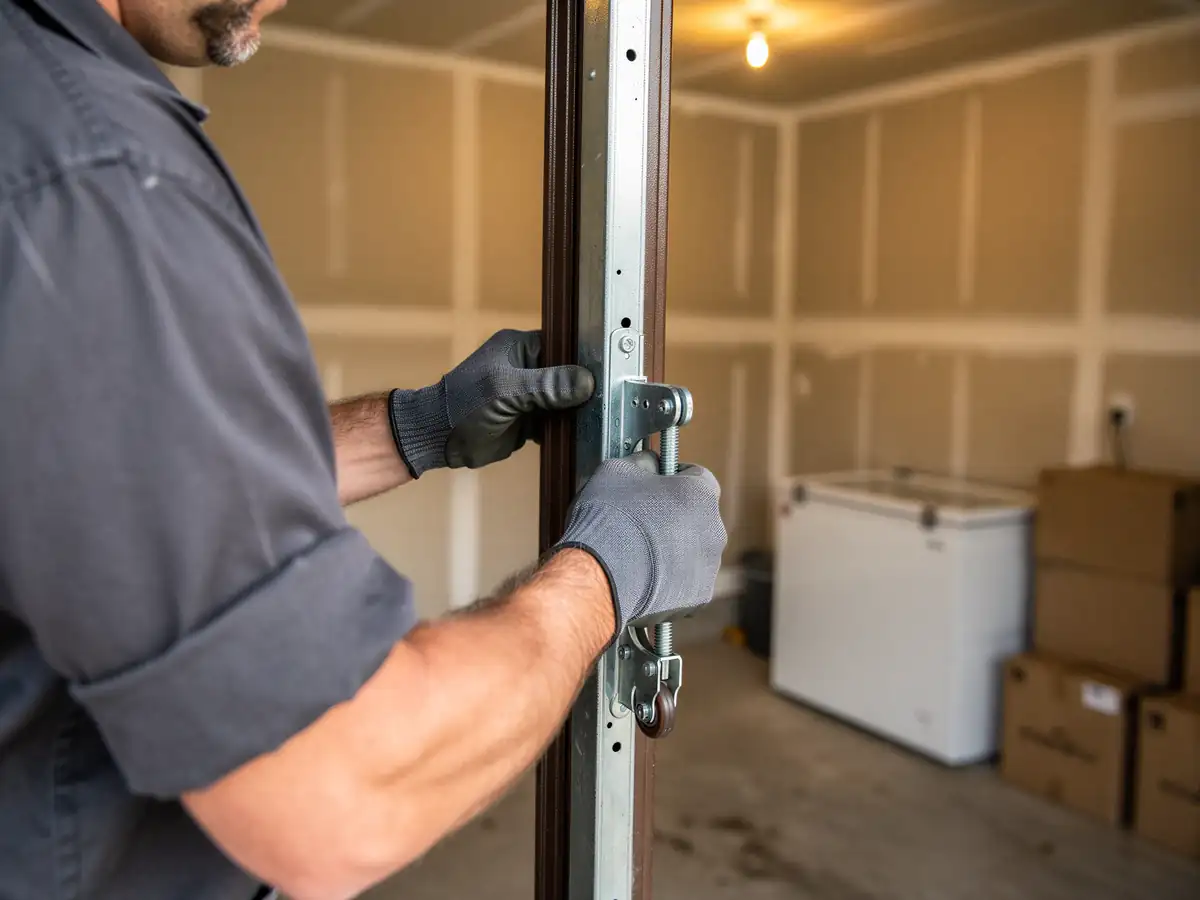
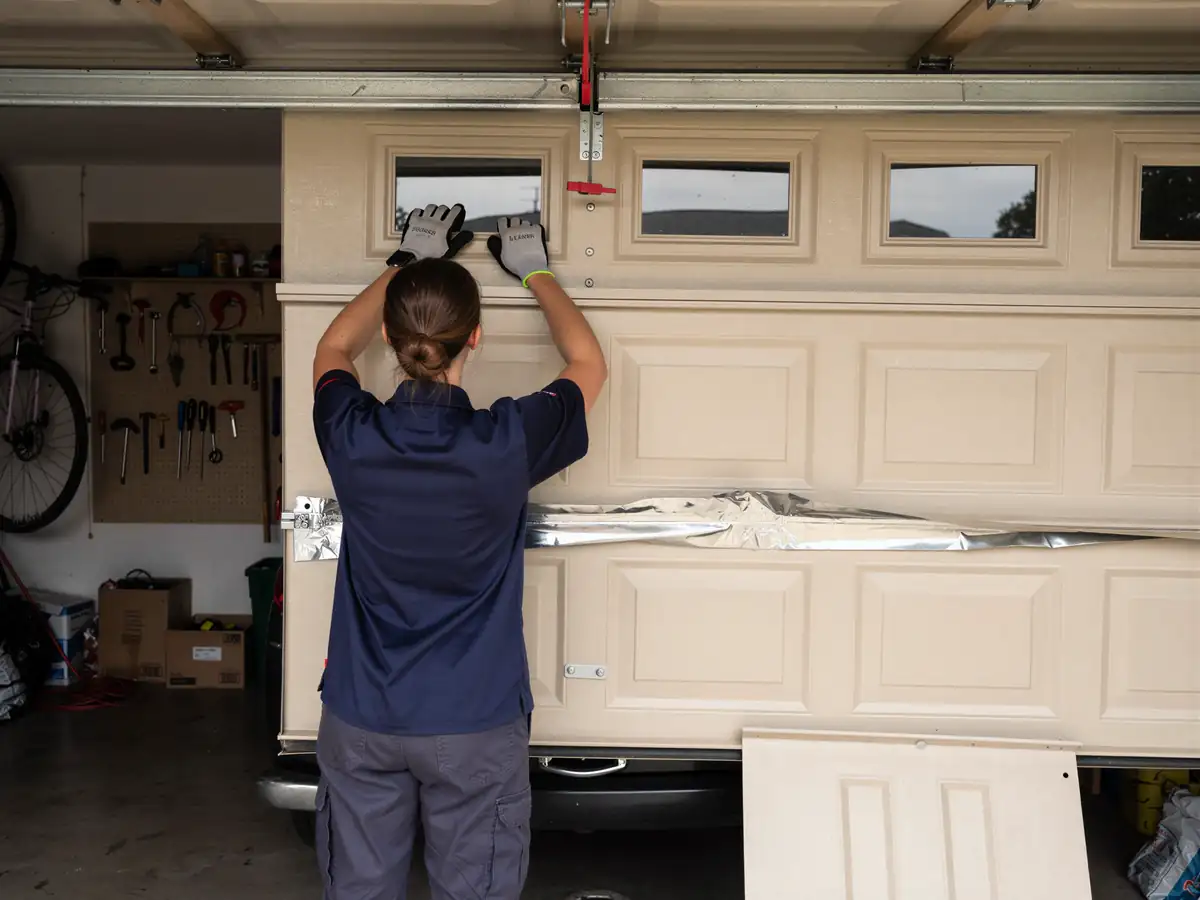
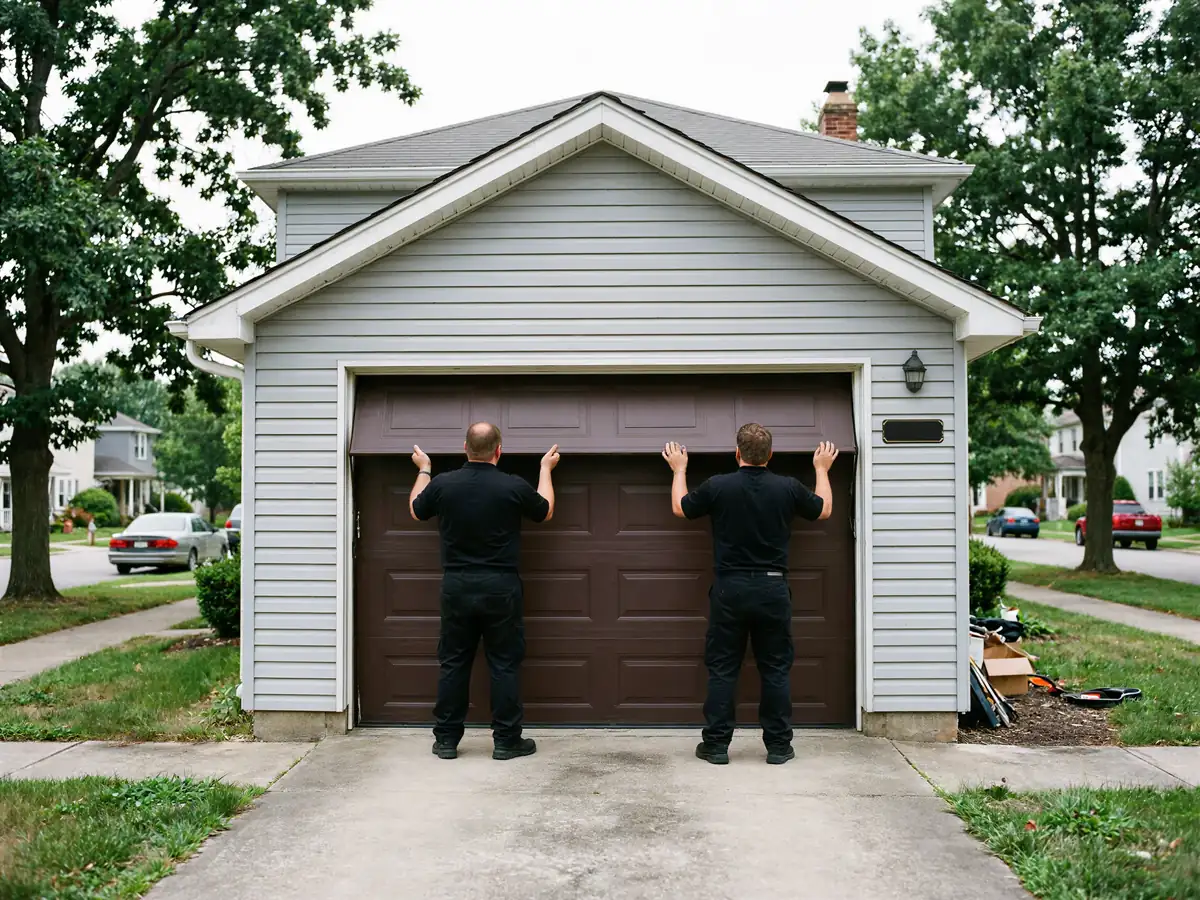
A homeowner can swap weatherstripping, replace rollers, or re-tension an opener's travel limits without much risk. Replacing the door itself is a different job. A 16x7 steel sectional with torsion springs on a 1990s-era header involves spring tension that can injure you badly if the winding bars slip, and getting panel alignment wrong on a double-wide door shows up immediately as a track that binds or a door that won't seal evenly along a 16-foot span. If your current door is original to the house, the track and drums may also be older than anything sold today, which means a mismatch if you try to mix new panels with old hardware. We're not going to tell you it can't be done - some people do it - but we will say the margin for error on a double door install is small, and the part that goes wrong first is usually the spring system, not the panel itself.
What It Costs
We don't have a flat number to quote without seeing the door and opening, and we're not going to invent one here. What we can tell you is what moves the price: single versus double door, insulated versus non-insulated panels, whether the existing torsion hardware and header can be reused or need replacing, and whether the opener gets swapped at the same time. Chanhassen's median household income, at $138,034, runs well above the roughly $108,611 median across the broader area we cover, and we see that reflected in requests for higher-end insulated doors and matching openers rather than the base builder-grade replacement. That's a preference, not a requirement - a plain steel door still does the job and costs less. One honest limitation: specialty sizes, custom colors, or certain insulated models can have a longer order lead time from the manufacturer, so if you need something non-standard, build in extra time before you're without a working door.