What It Costs
We don't quote a flat number over the phone for Mendota Heights because the job depends on what's actually failed and what the door is made of
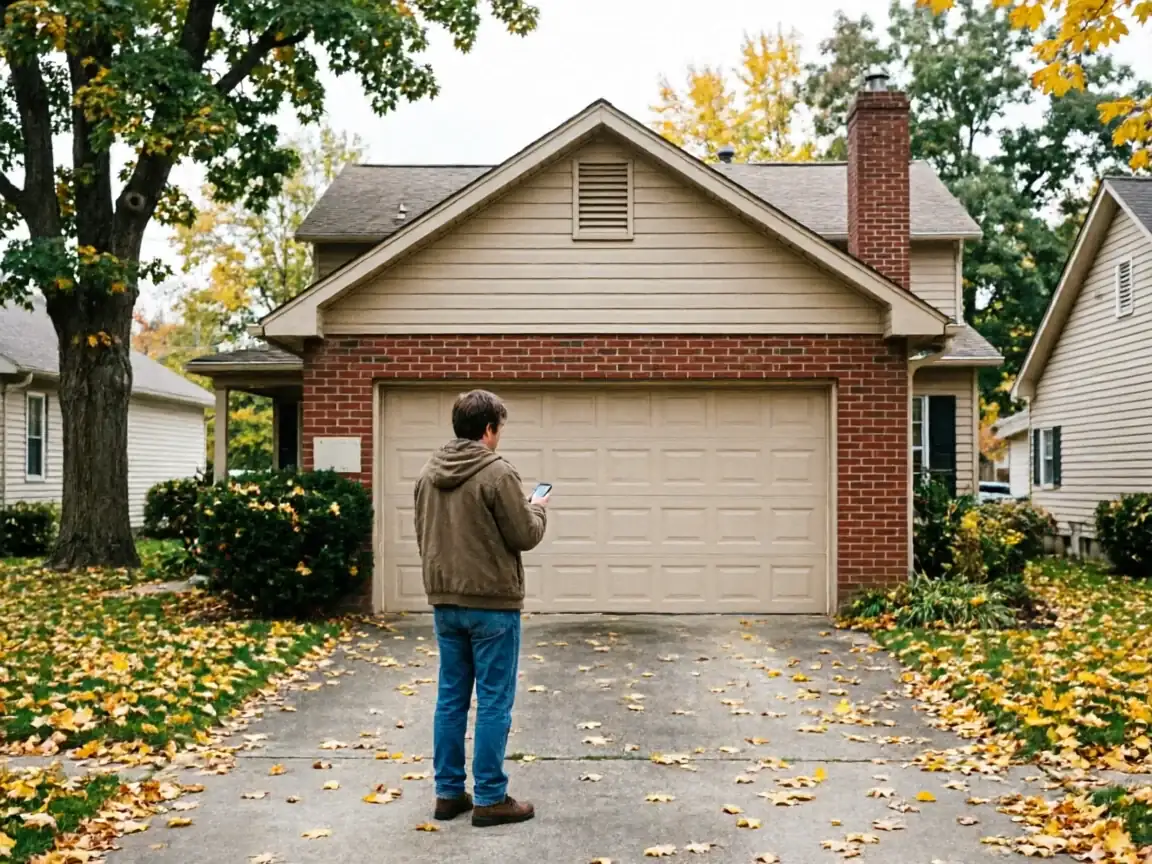
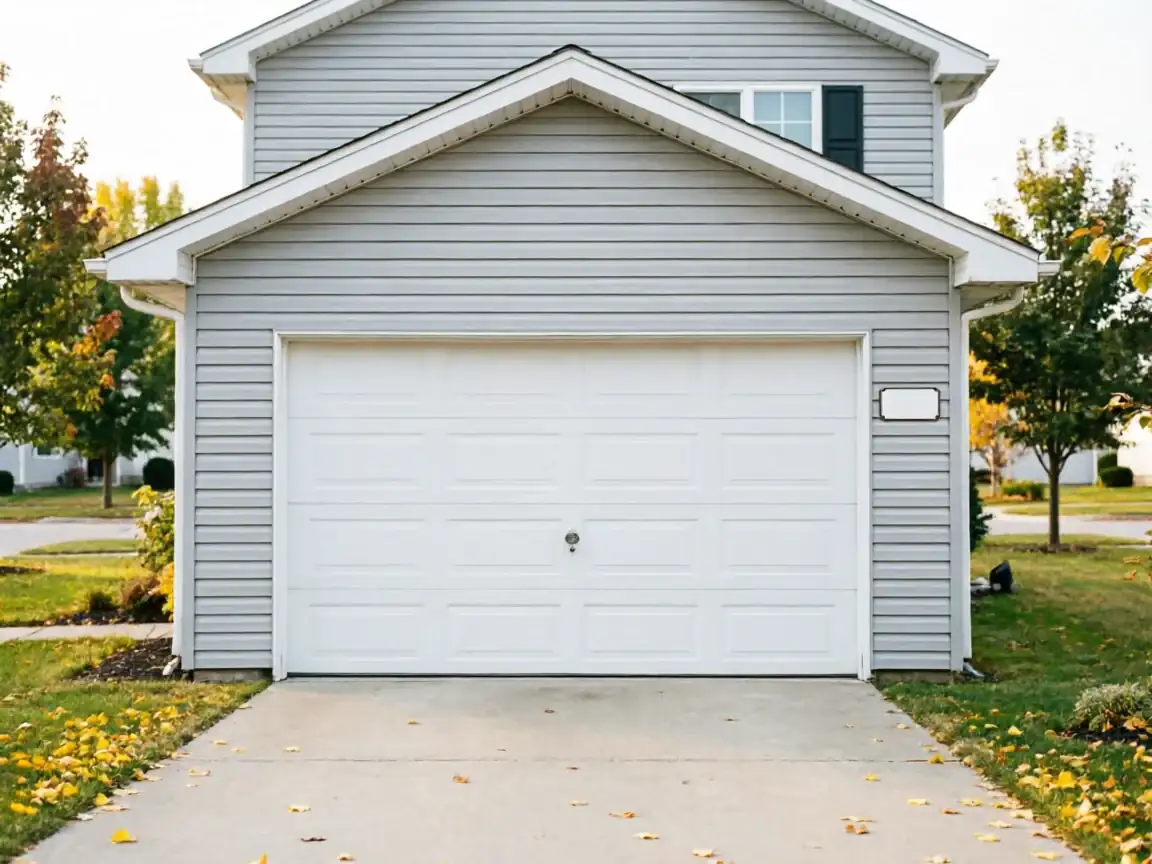
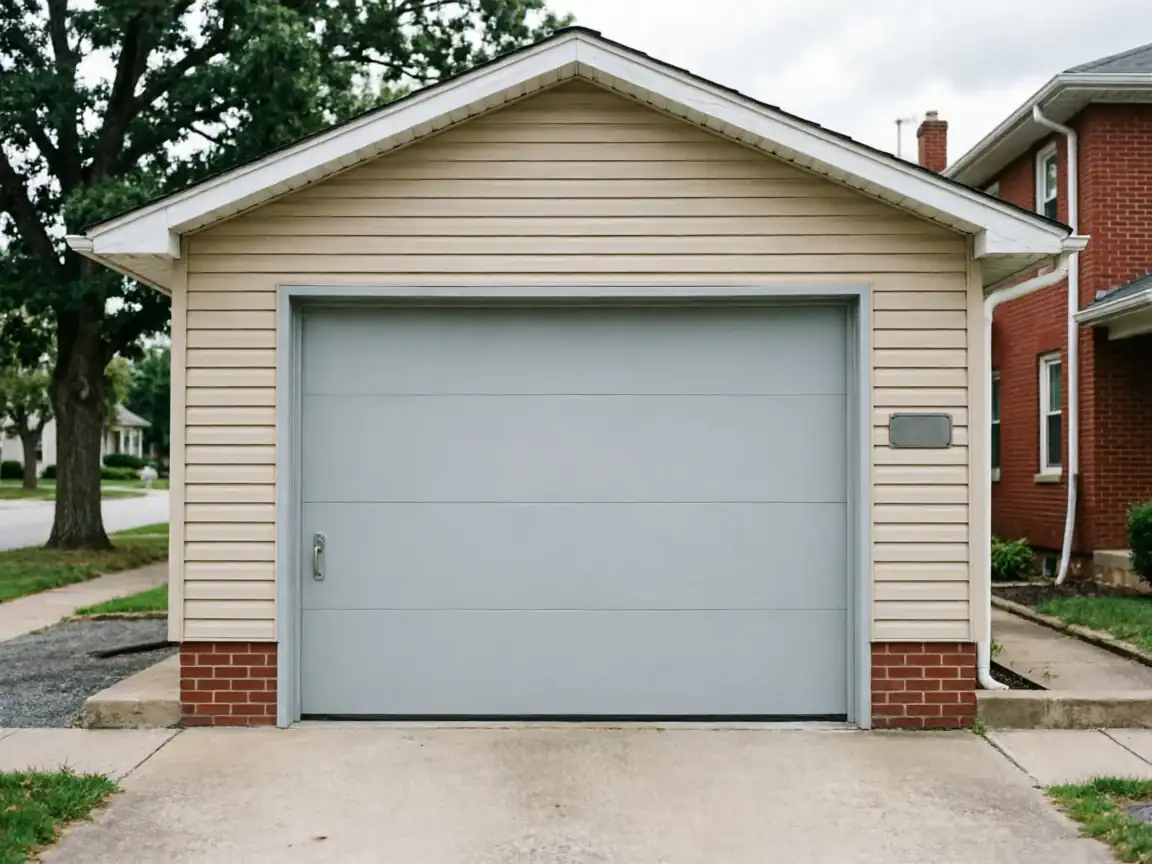
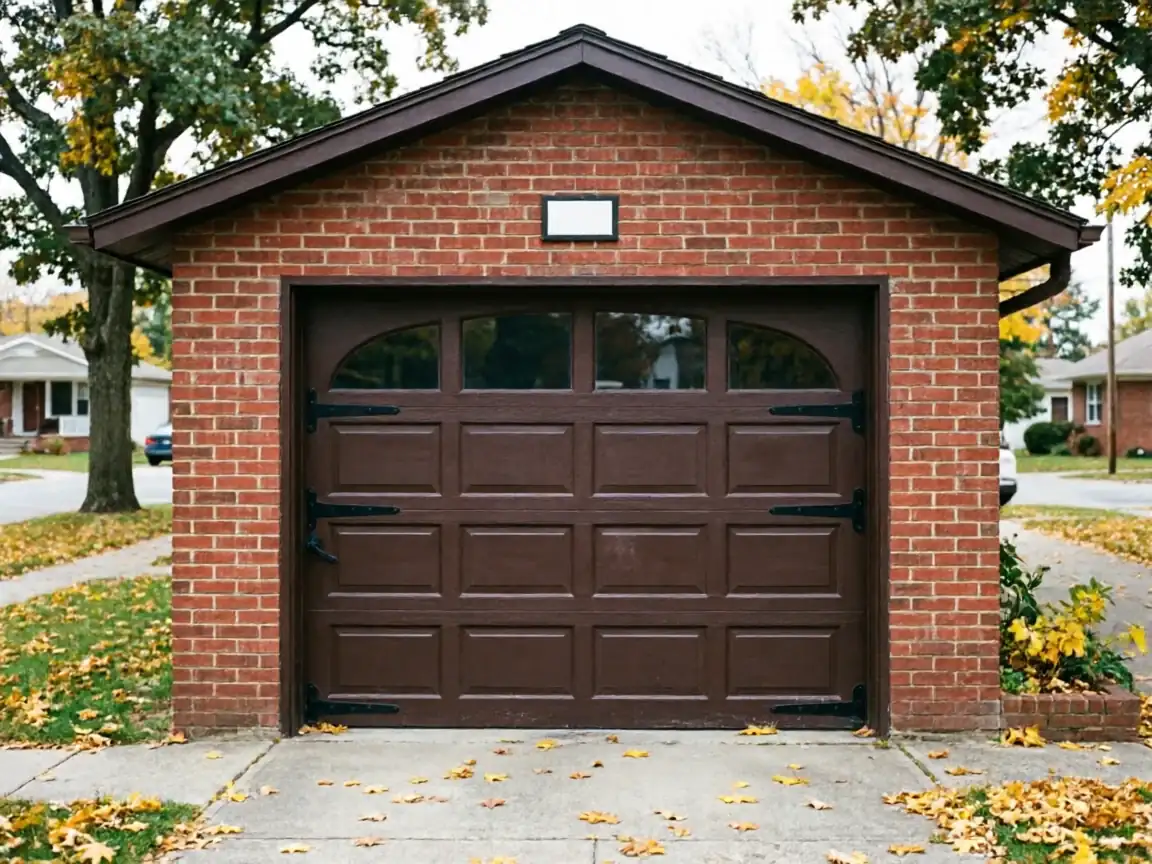
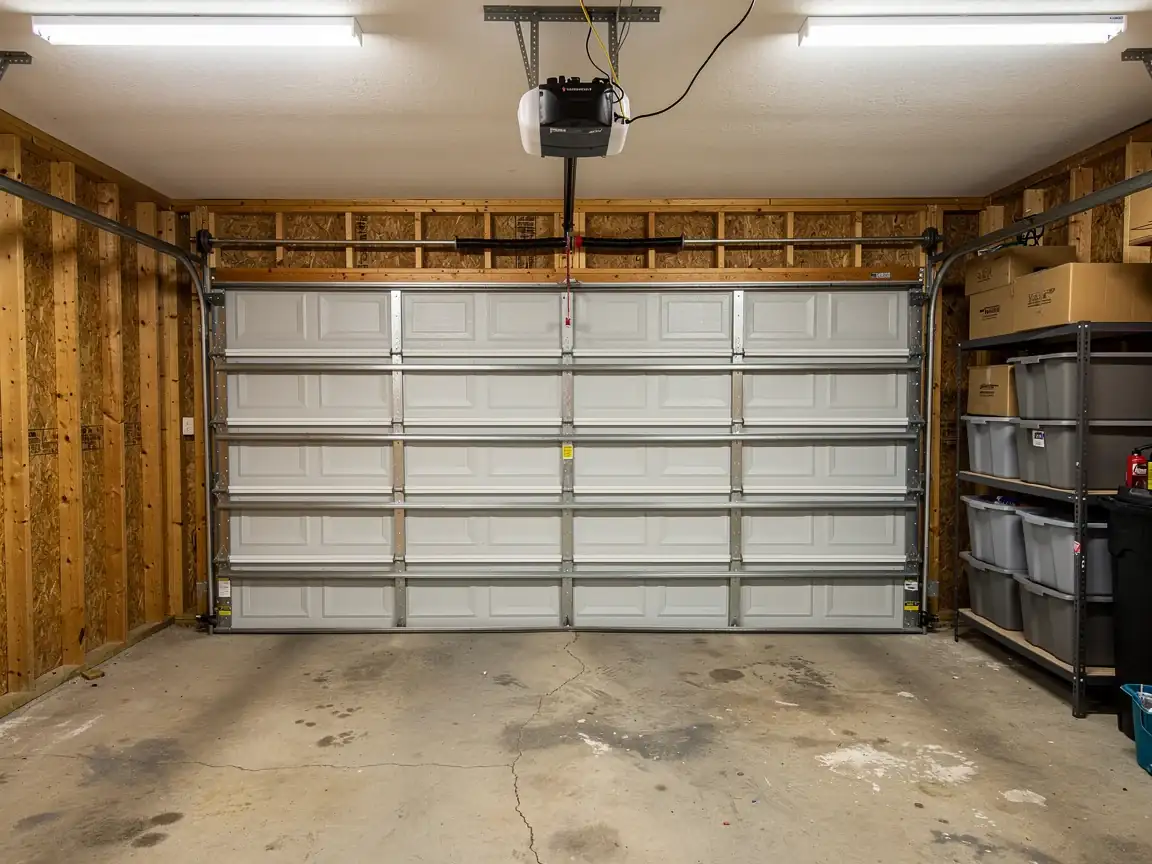
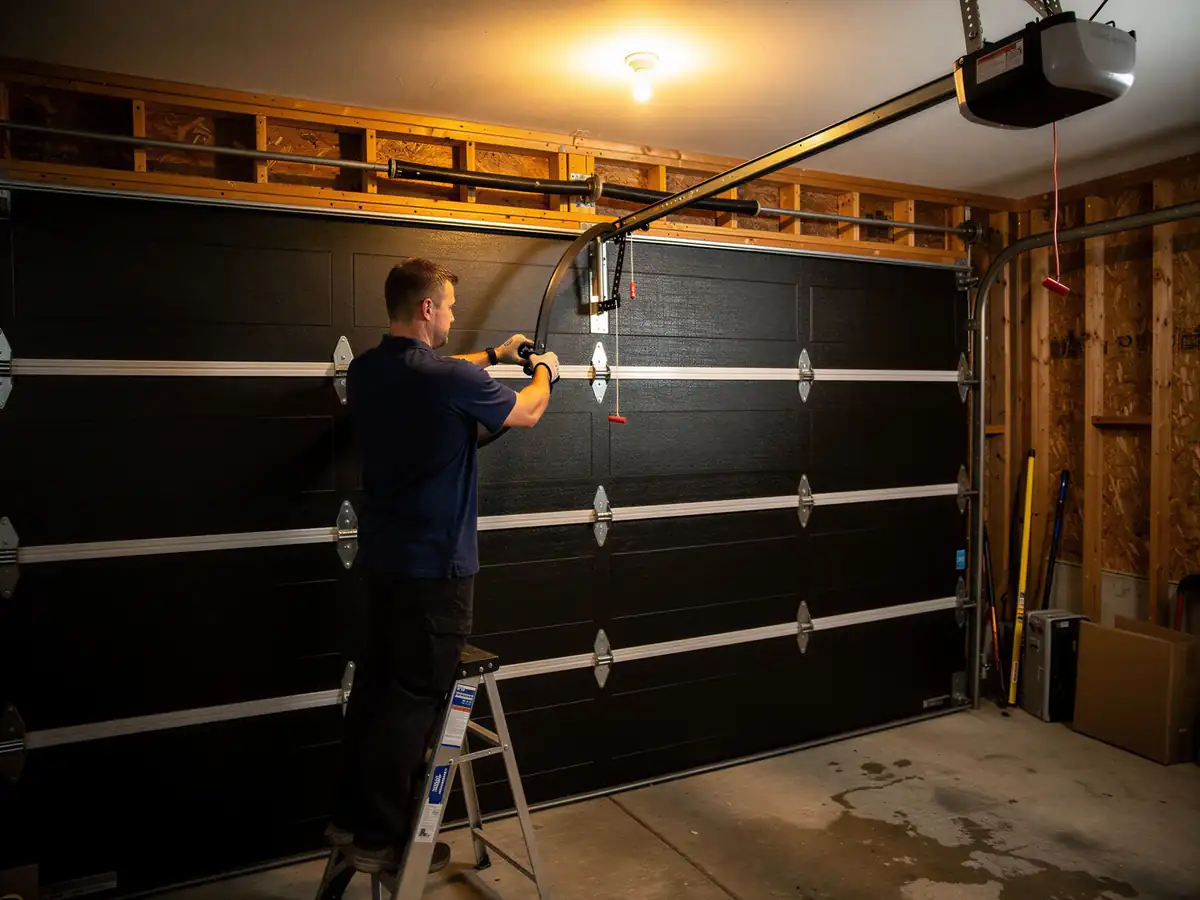
But the starting point here is different from older parts of our service area. Most houses in Mendota Heights went up around 1983, newer than the 1975 median across the broader 31 communities we cover from Savage. That means fewer of the heavy one-piece wood doors you find in 1960s stock, and more steel sectional doors on torsion hardware that's now pushing forty years of use.
- 31 communities
With a median household income of $132,935 in Mendota Heights
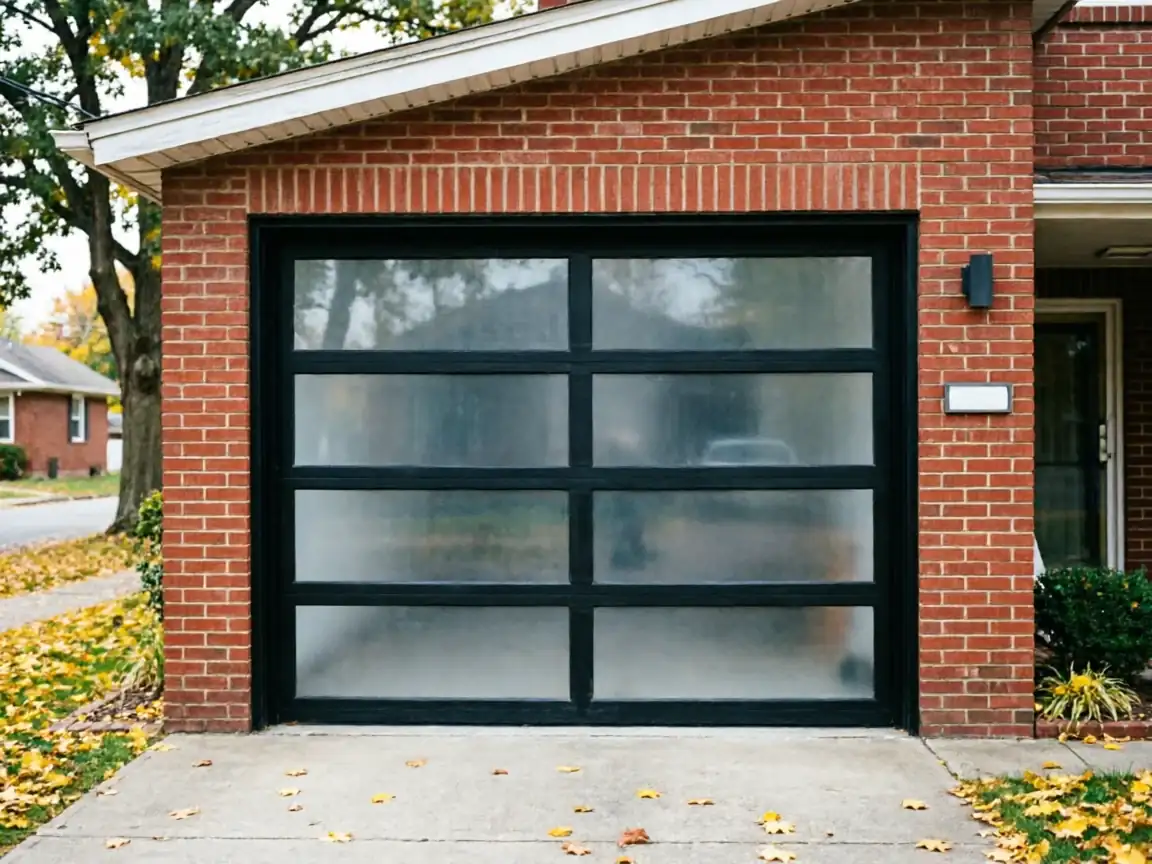
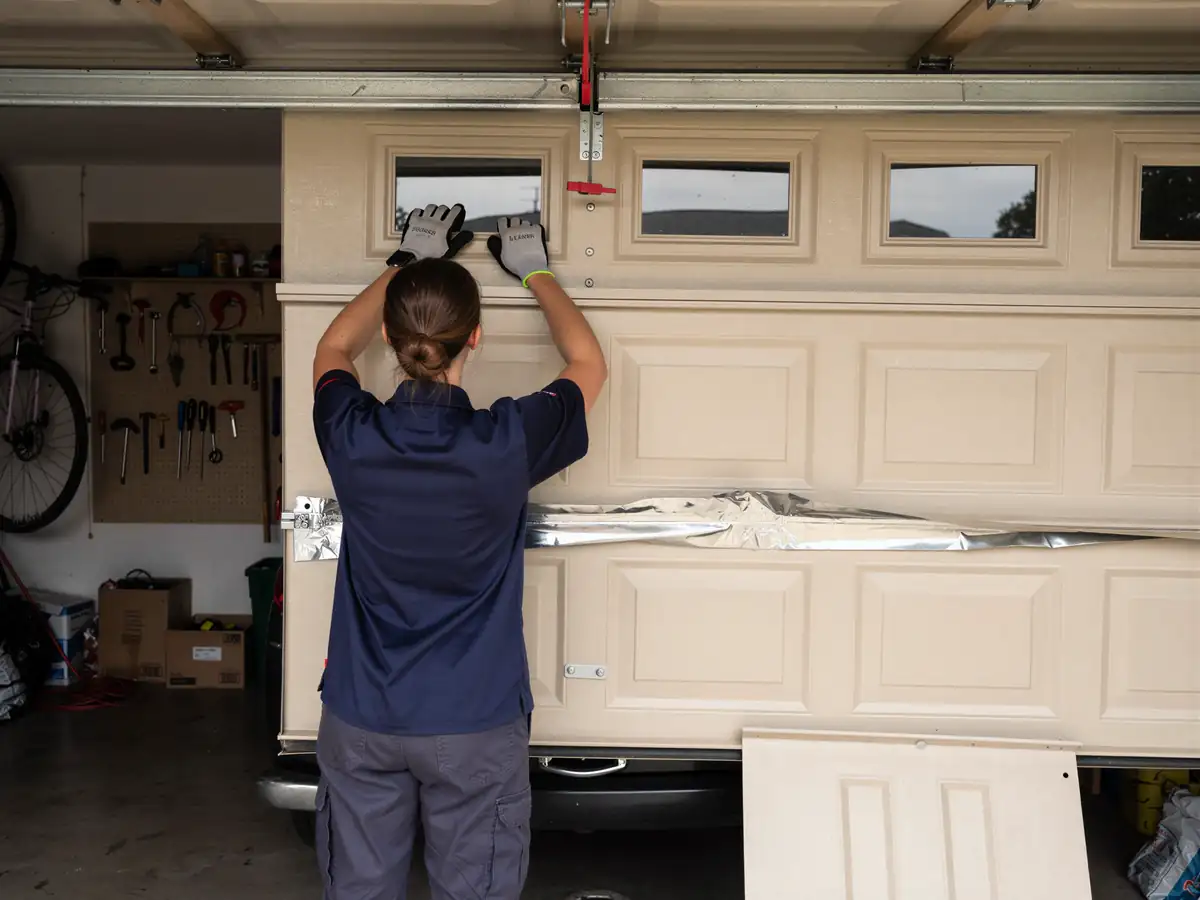
We see more owners choose full panel or door replacement over a patch repair once the door starts showing its age, since the cost difference between fixing a 40-year-old torsion system and swapping the whole unit often isn't large. We'll tell you straight which side of that line your door is on before we start, not after the truck is already loaded with parts you didn't need.
- $132,935 median household income
Doing It Yourself
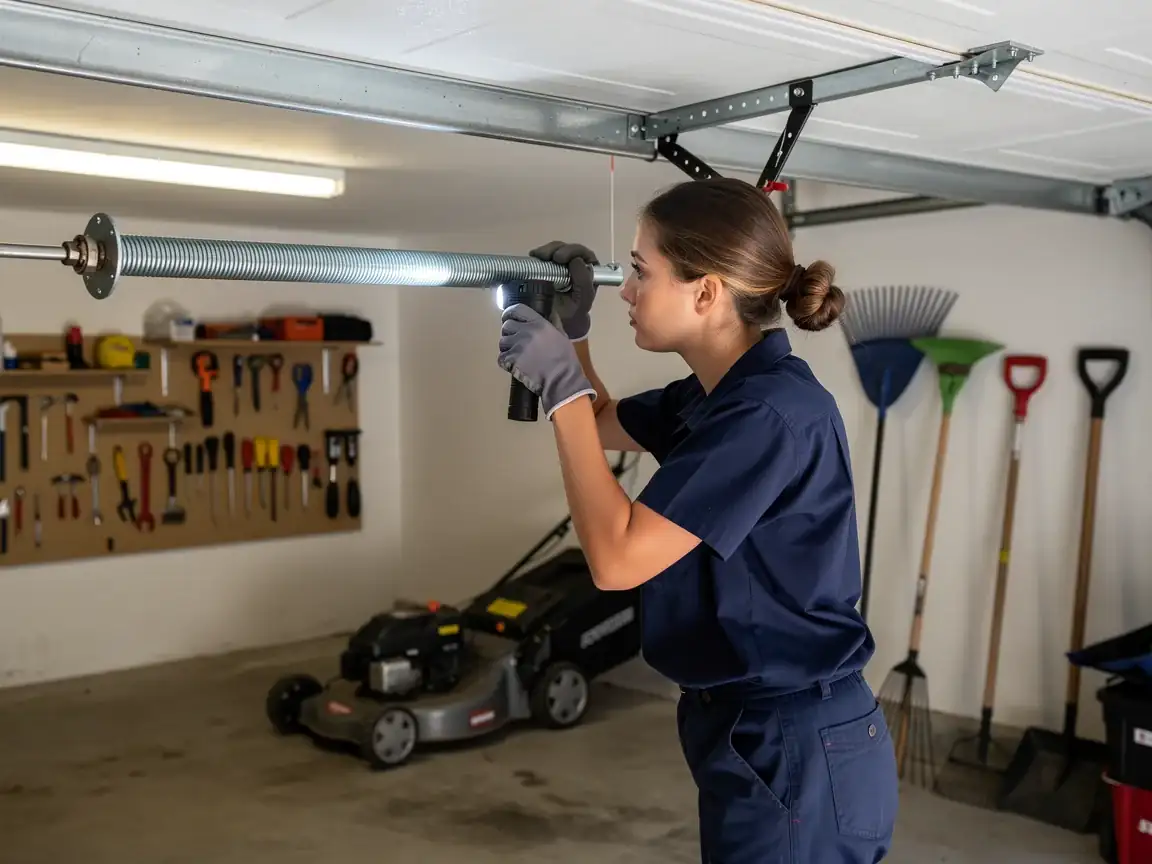
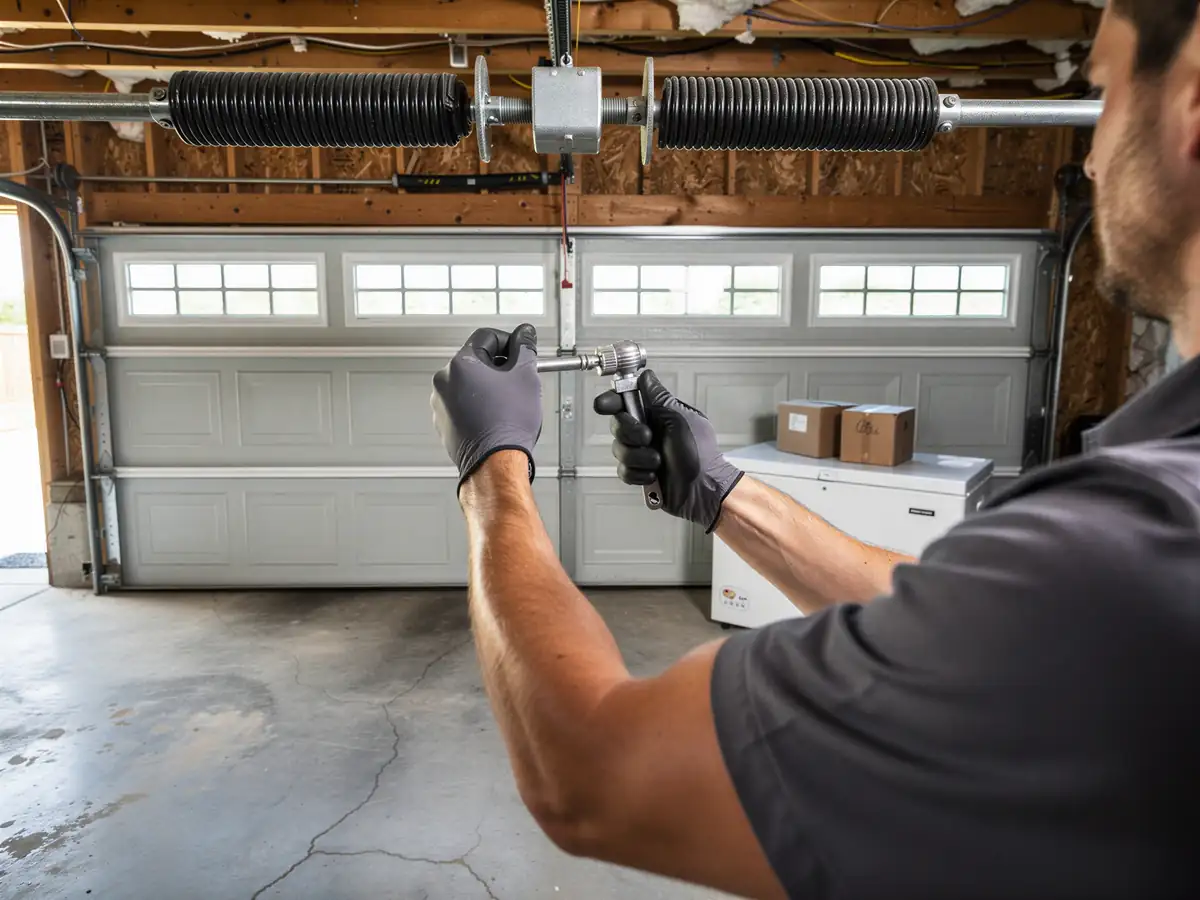
A torsion spring job on a door from the early 1980s is not a safe weekend project, and we'll say that to anyone who asks regardless of what era their house is. The spring is under enough tension to break a wrist or worse, and the winding bars for older torsion drums aren't something most homeowners have sitting in a toolbox.
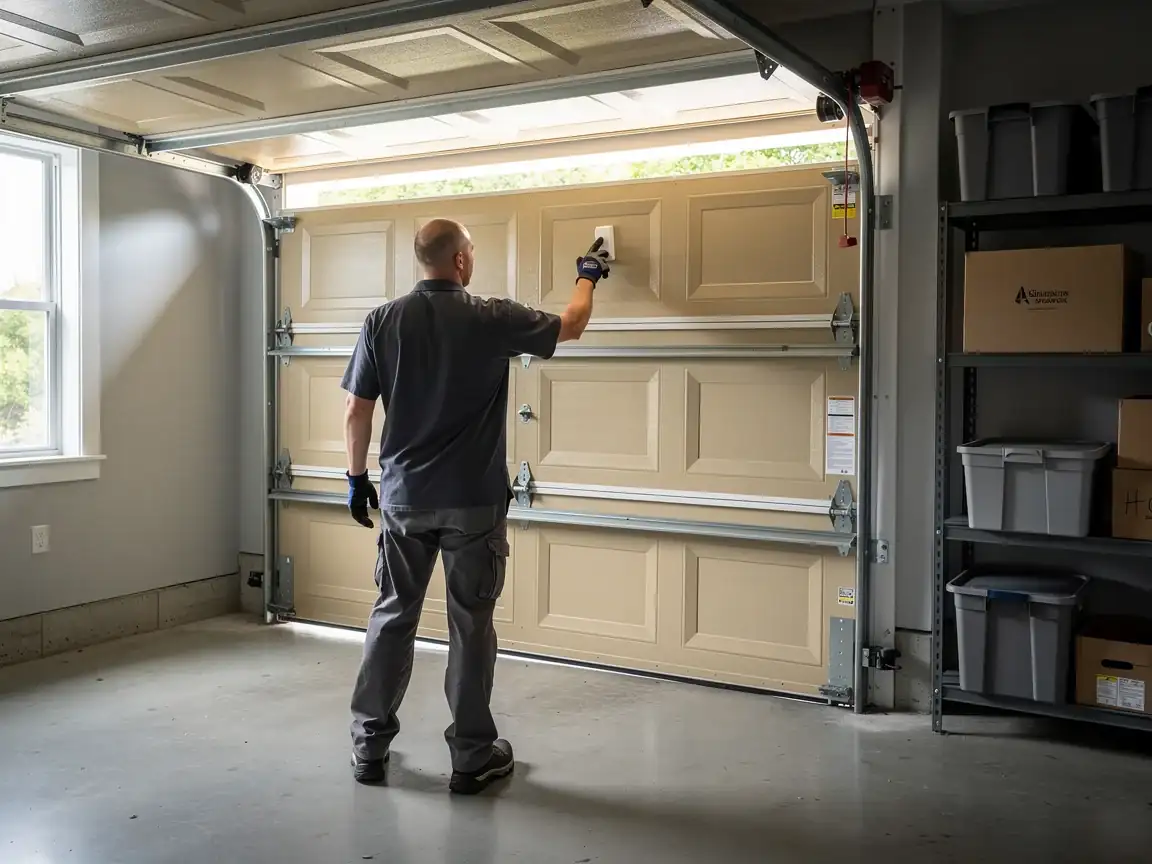
What you can reasonably handle yourself: lubricating hinges and rollers, tightening loose bolts on the track brackets, replacing worn weatherstripping along the bottom of the door, and testing the auto-reverse safety feature by setting a 2x4 under the door and watching it reverse on contact. If it doesn't reverse, stop using the opener and call someone. Anything involving the spring, the cable drums, or realigning a bent track on a door this age is where DIY stops making sense and starts costing more to fix after the fact.
What Is on the Truck
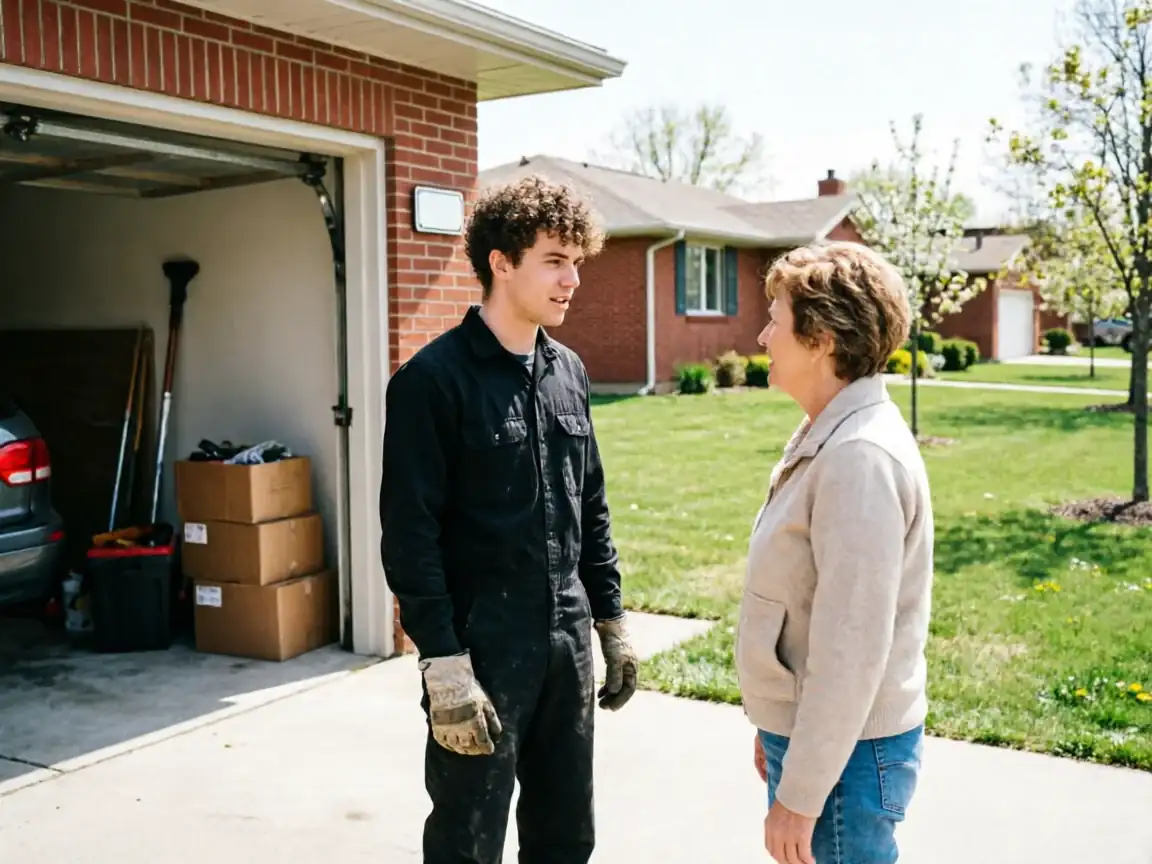
Because we're driving 14 miles out from Savage to reach Mendota Heights, we load the truck based on what's most likely to be wrong before we leave, not after we arrive. For a market this size, with roughly 4,740 households, the stock is steel sectional panels, standard torsion springs sized for residential doors, and the rollers and cable most 1980s-era setups actually use.
What's not always on the truck is a specialty insulated panel or a less common opener model, especially on a higher-end door some owners in this area have installed. If that's the case, we'll tell you on the first visit, order the part, and come back rather than guess and leave you with a mismatched panel. That's the one real limitation of working this far from the shop: a second trip costs you a day you didn't plan on, so we'd rather be upfront about it than pretend we always carry everything.
What the Repair Takes
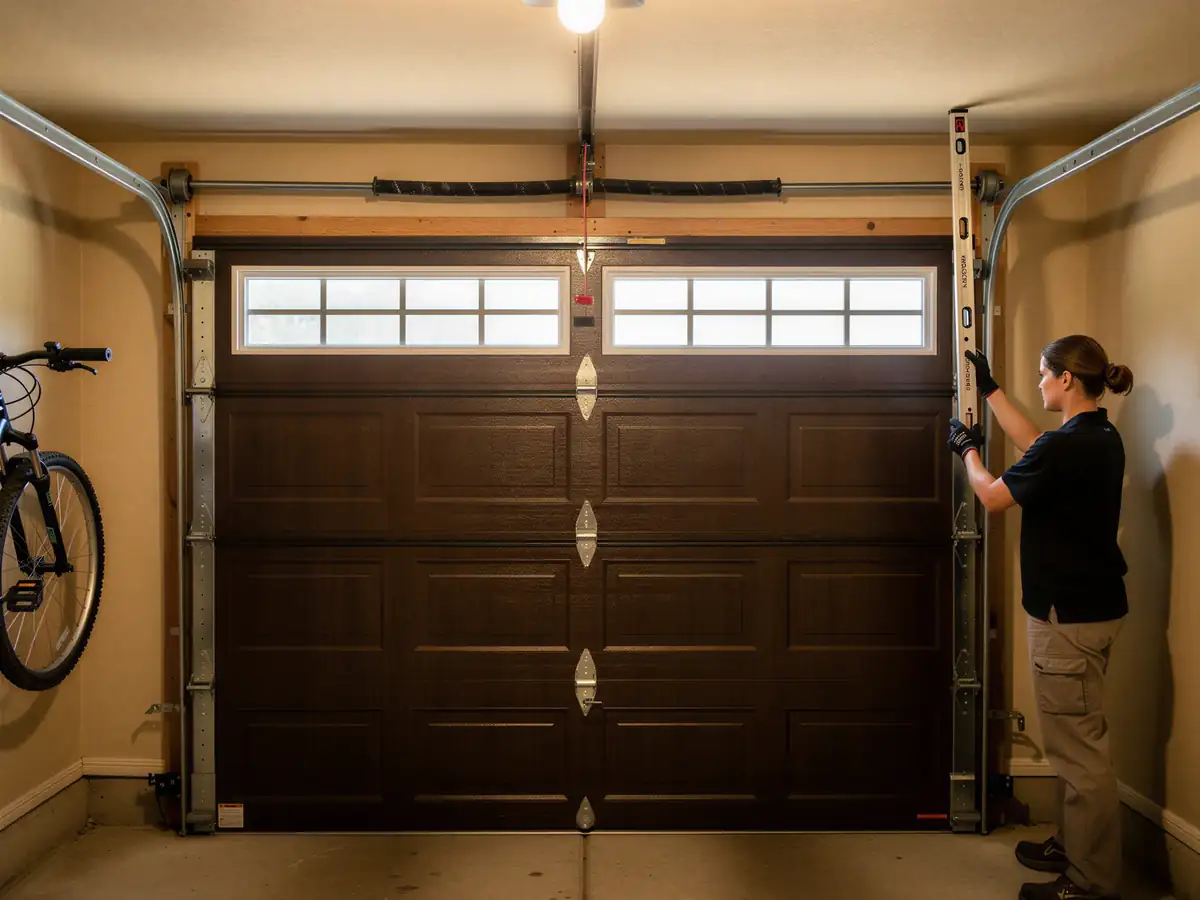
Most torsion spring replacements and opener swaps take under two hours once we're on site
But the trip itself is part of the job here. At 14 miles each way, we build the drive into the window we give you rather than padding the repair estimate to cover it.
- 14 miles
For doors from the early 1980s, the repair usually goes faster than expected because the hardware is simpler than what you'd find on a newer door with integrated sensors and smart openers - fewer wires to trace, fewer boards to diagnose
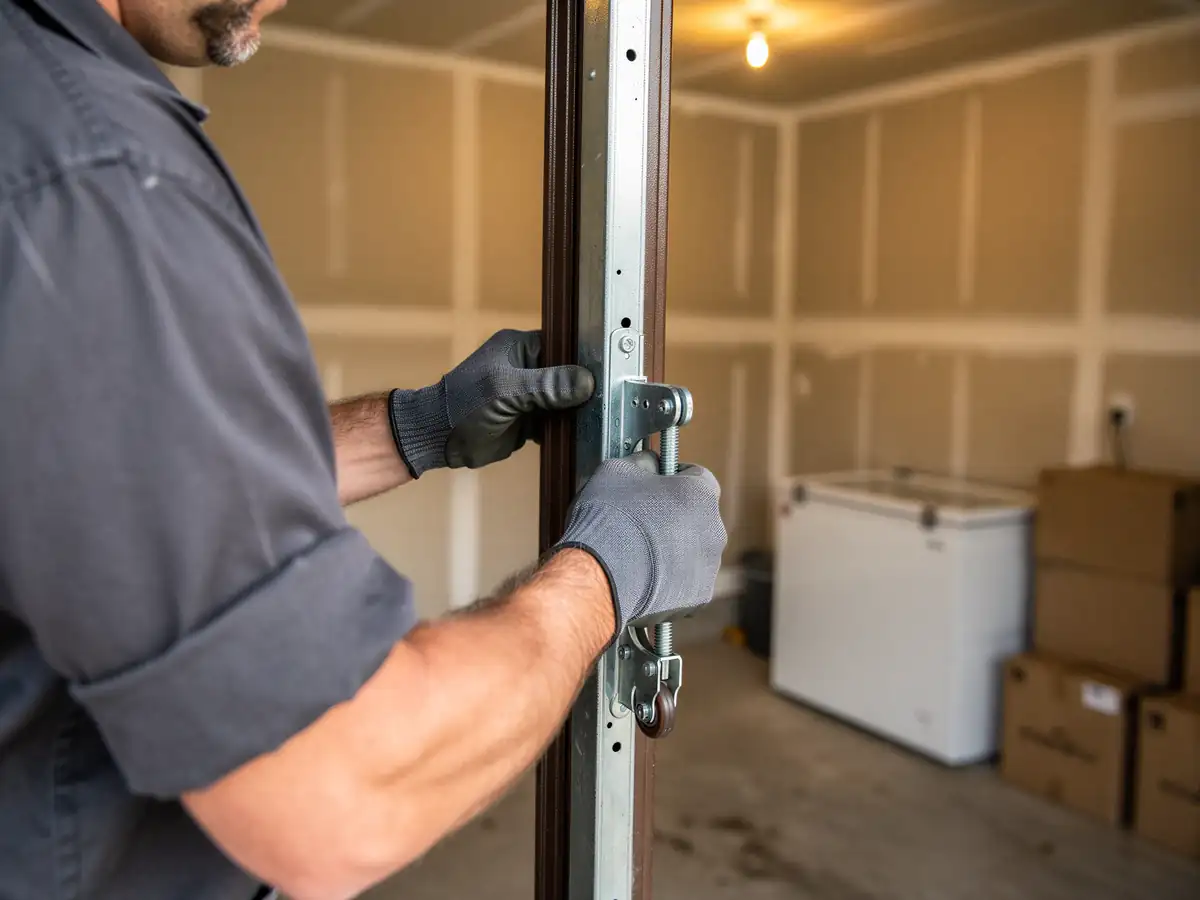
Where it slows down is corrosion on original hardware that's never been serviced. Minnesota's cold winters mean moisture gets into bearings and spring coils that haven't seen grease in years, and freeing up a seized torsion drum takes longer than swapping a clean one.
What Can Go Wrong
The most common fault we see on doors from this era in Mendota Heights is a torsion spring that's simply worn out from age, not from any one event - metal fatigue after thousands of open-and-close cycles since the early 1980s. The second most common is a cable that's frayed at the drum from decades of use without inspection.
Cold winters add a layer most owners don't think about: condensation and freeze-thaw cycling inside steel panels can rust out the bottom section first, since that's where water sits longest. If your door has started sagging at one corner or the bottom panel looks pitted, that's usually what's happening, not a track problem. We'll check the track and rollers too, but on a door this age, the spring, the cables, and the bottom panel are where we look first.