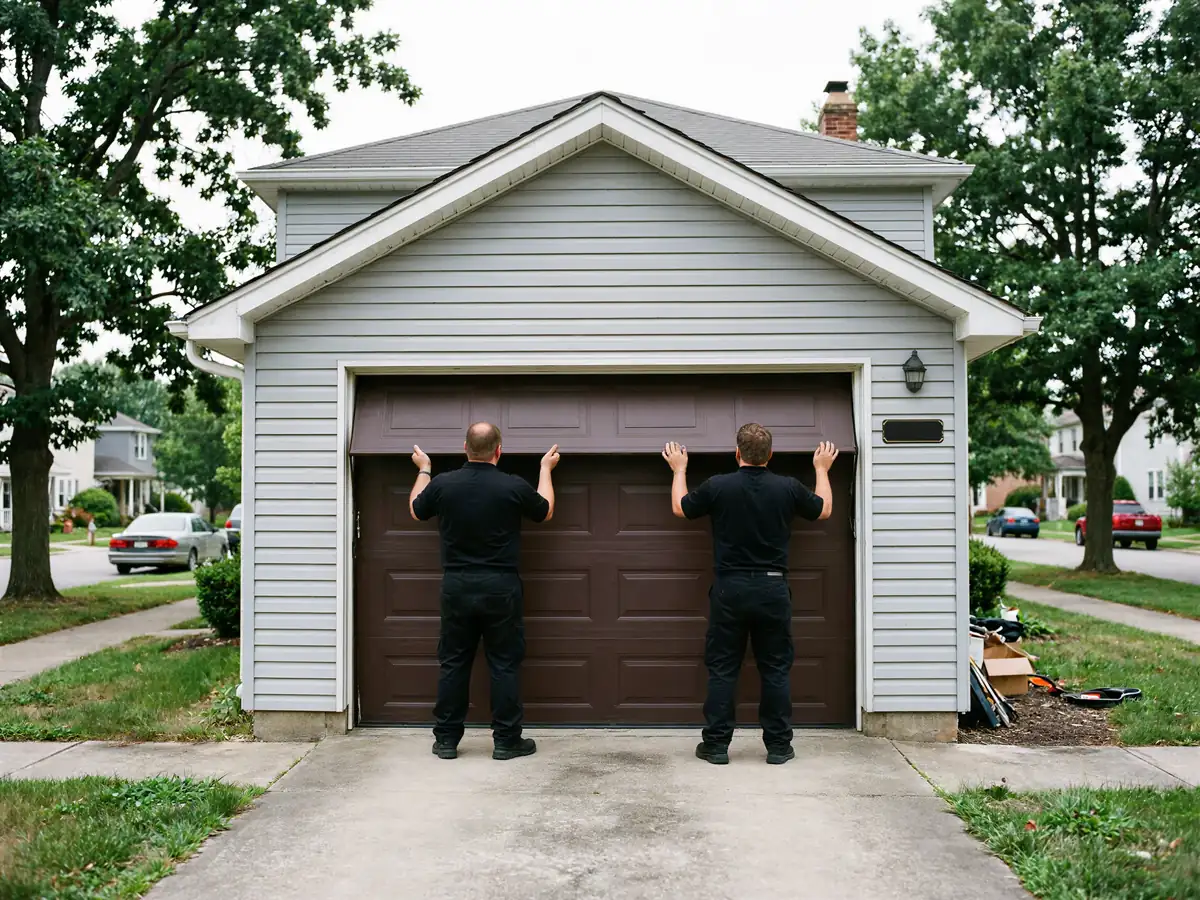
Doing It Yourself
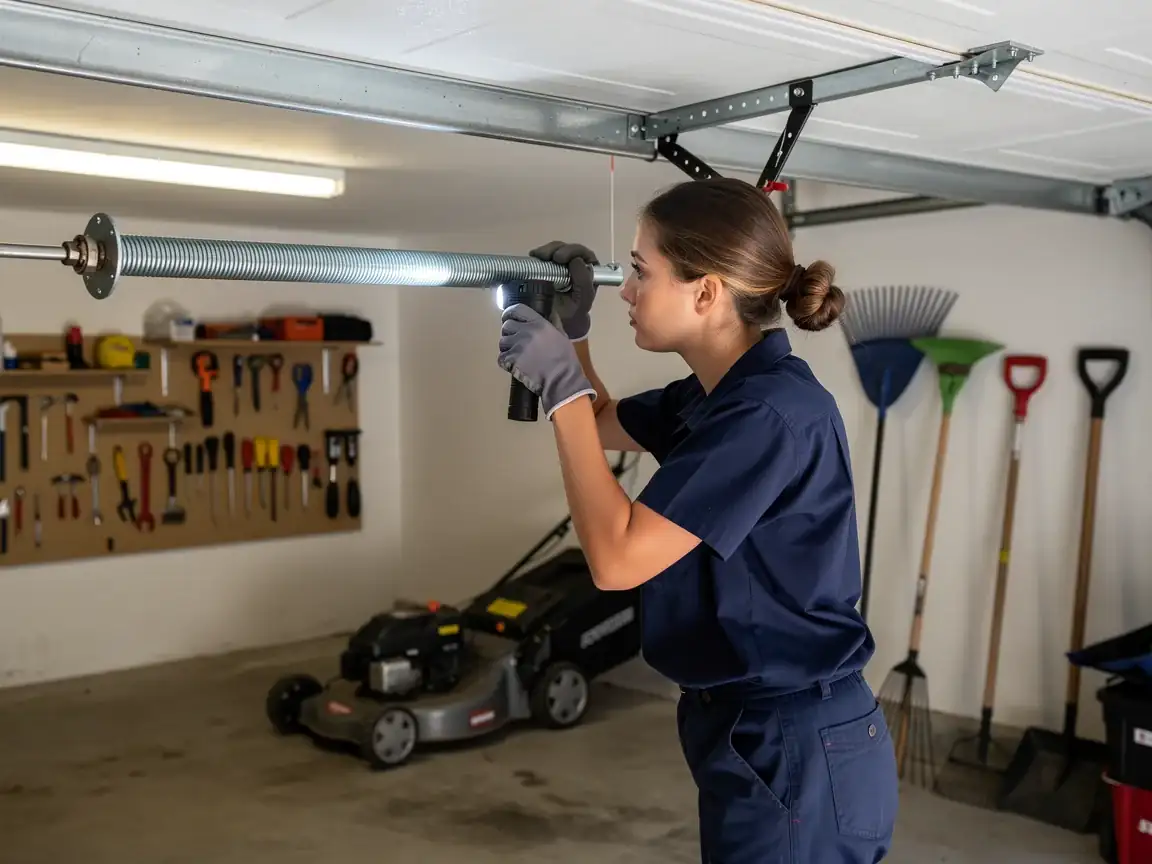
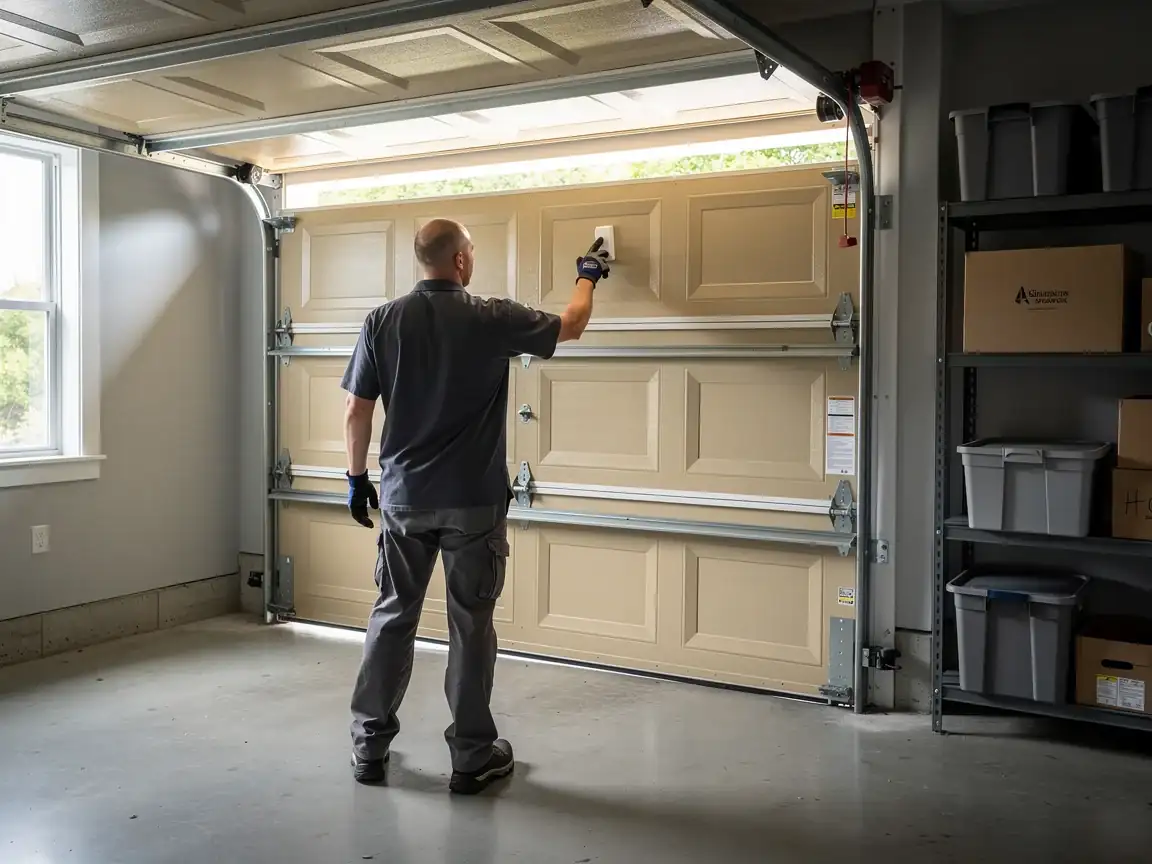
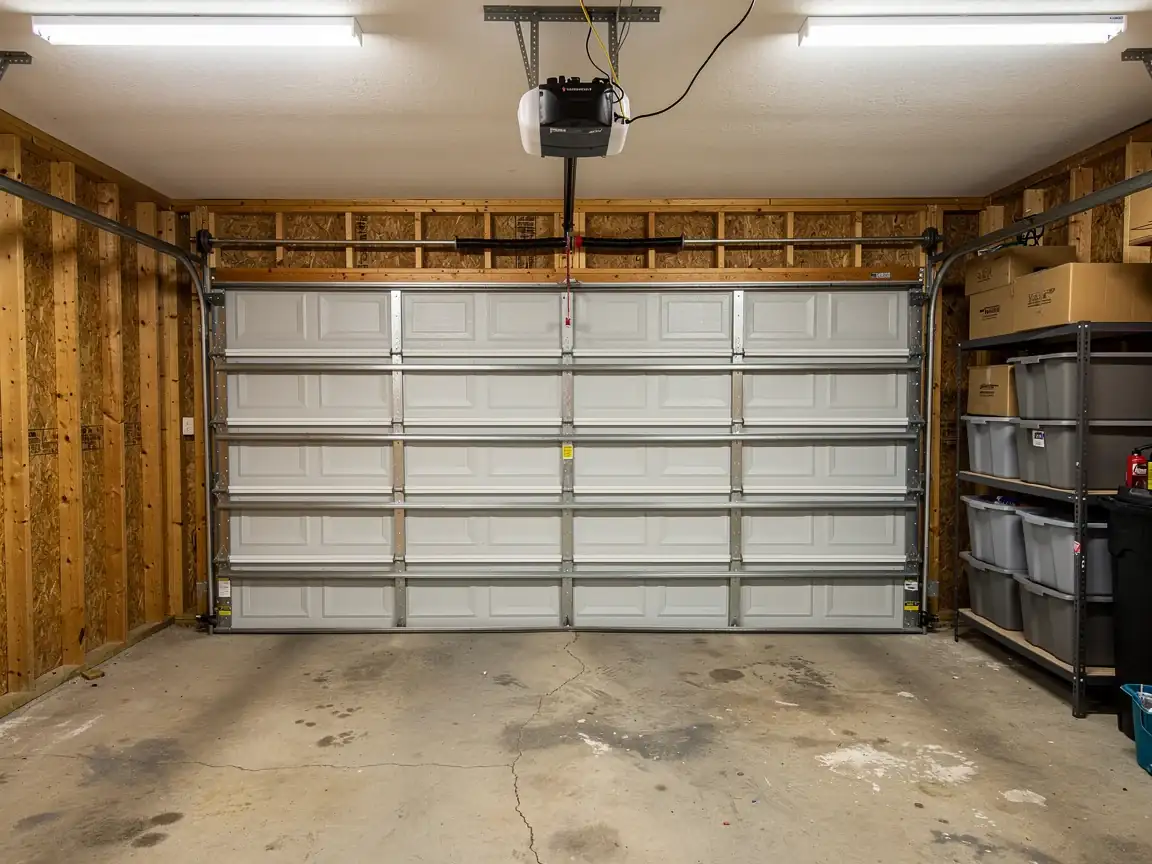
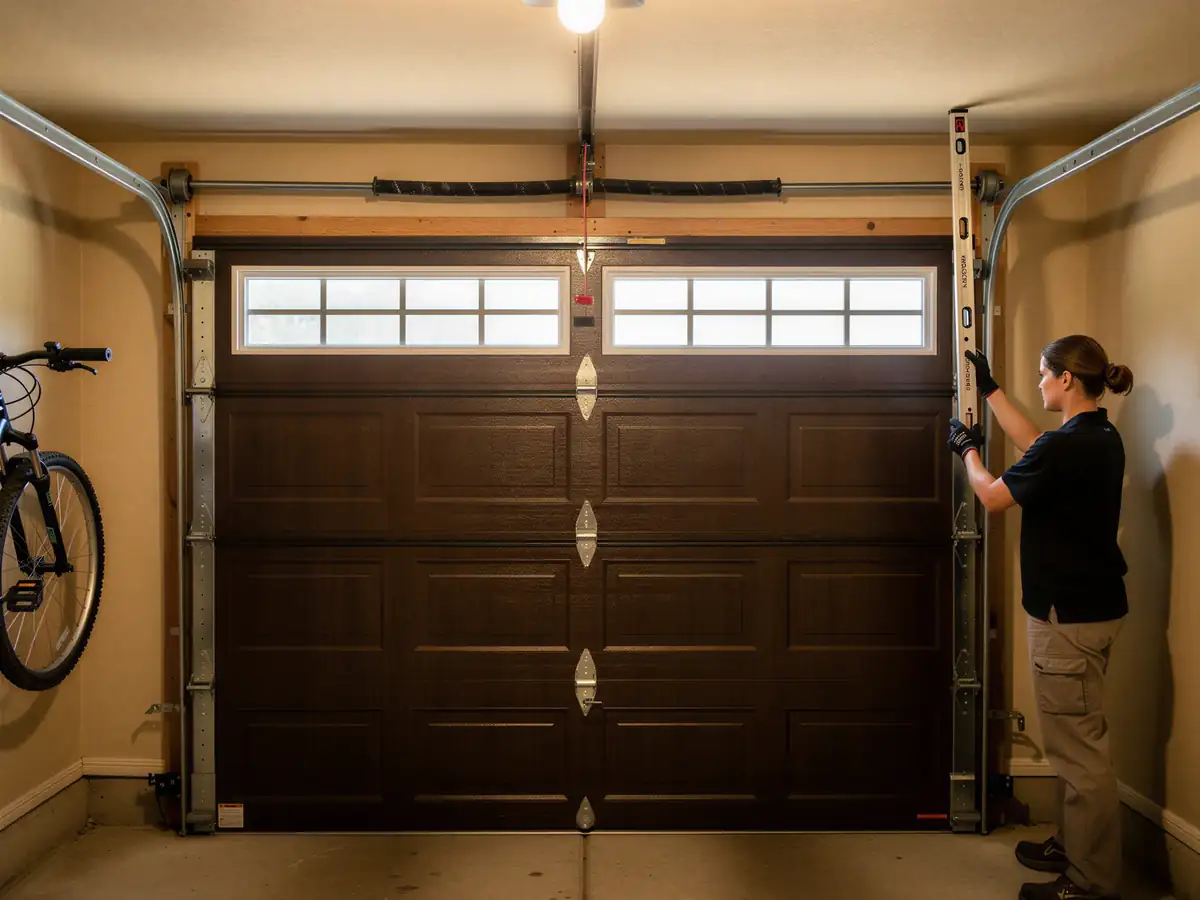
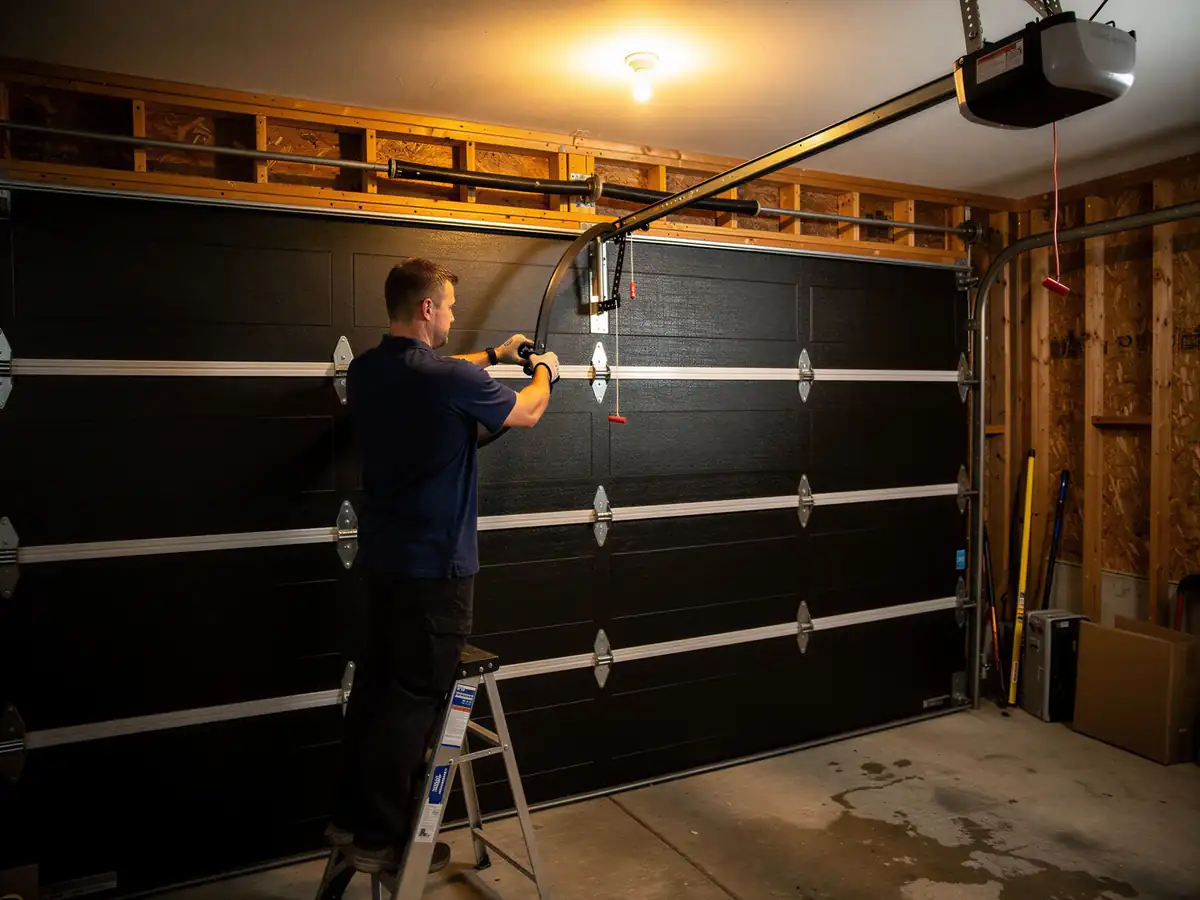
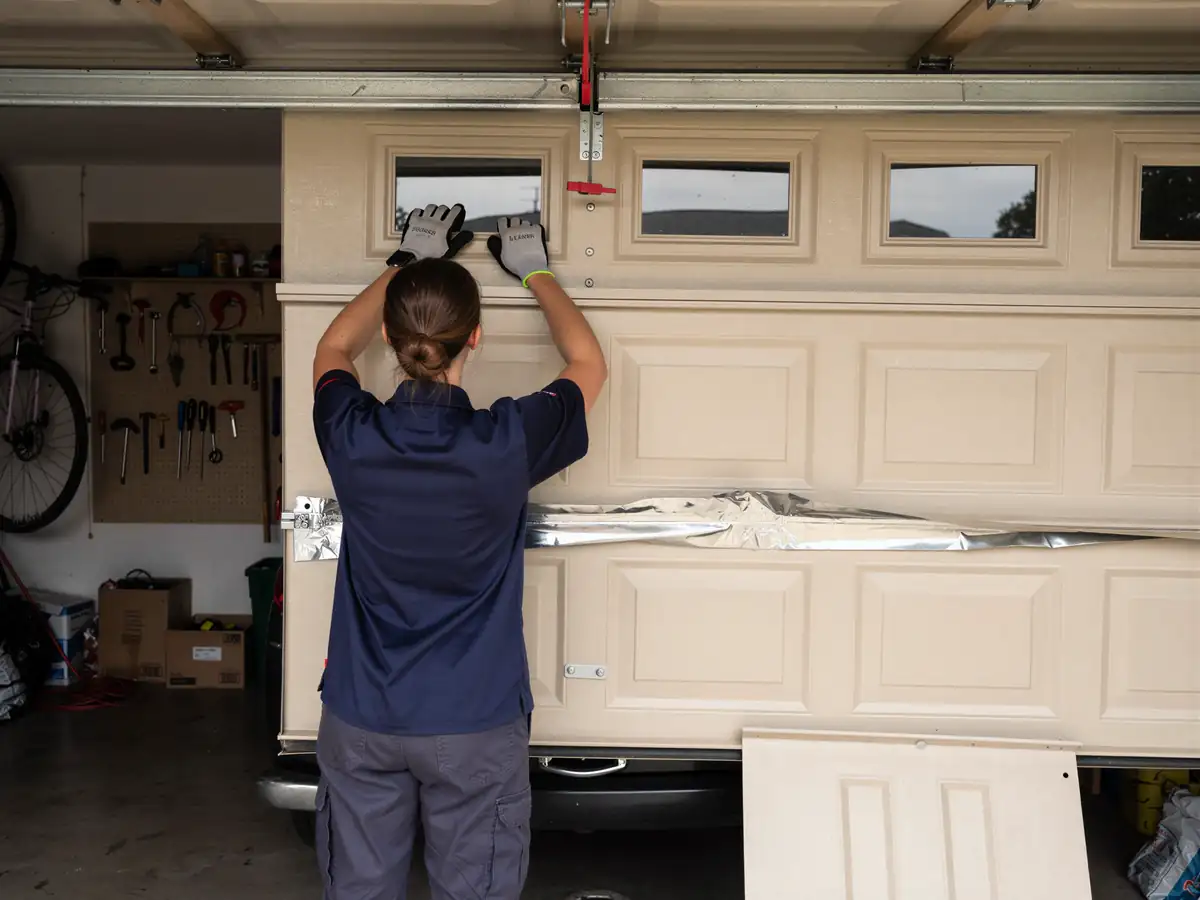
A full door swap on an 80s-built house is more forgiving than on an older one, because the rough opening is more likely to be standard and the track holes are usually in good wood. That said, we still don't recommend doing this one alone. A new door is heavy, the panels have to go up plumb before you can trust the track, and a torsion spring under tension is not a place to learn as you go. If you're comfortable with tools, swapping weatherstripping or hardware on an existing door is reasonable DIY work. Replacing the whole door and its lift system is a two-person job minimum, and most of the injuries we see on these jobs happen in the first ten minutes, before the opener is even unplugged.
What Is on the Truck
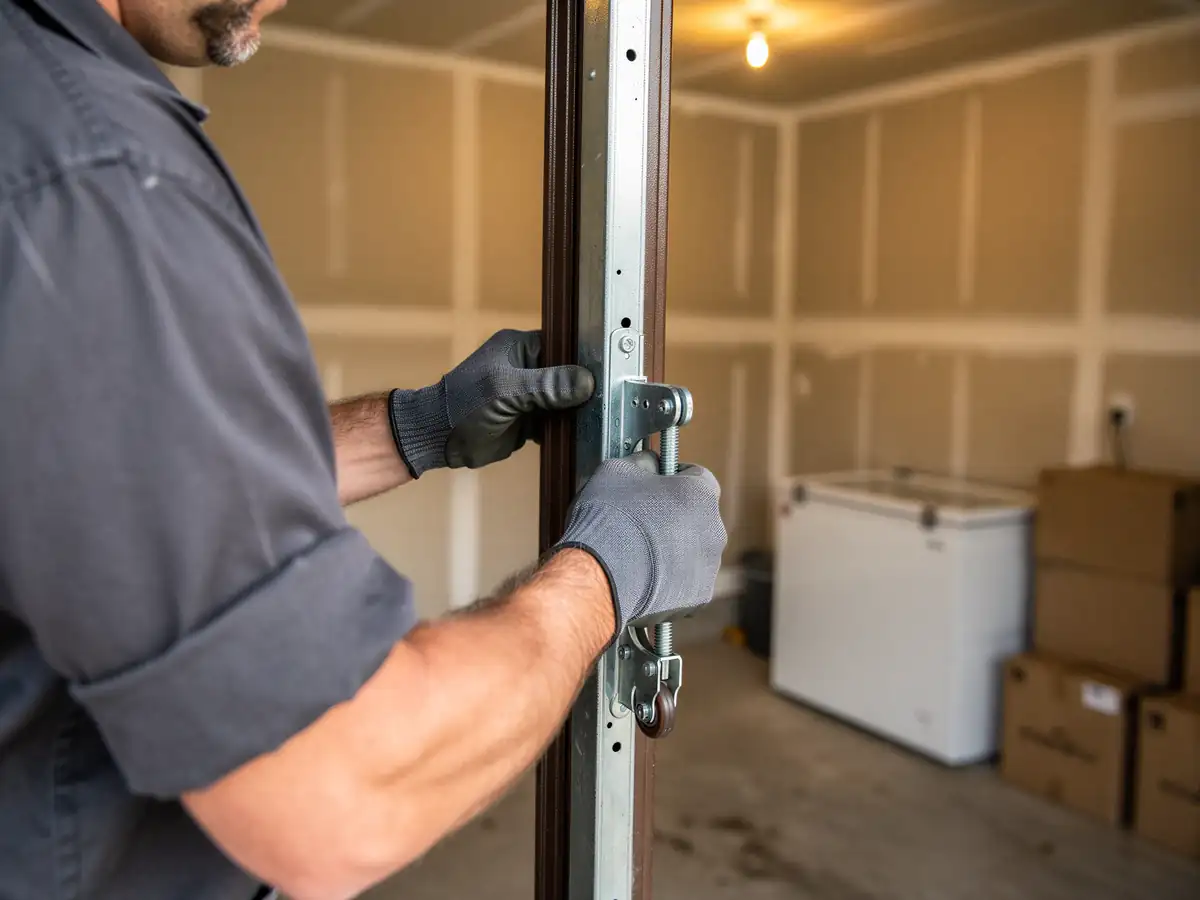
We come from Savage, 14 miles out, so the truck is loaded before we leave - there's no running back for a part we forgot. For a Mendota Heights install that typically means a standard range of torsion springs sized for 7 and 8-foot openings, both steel and insulated door sections in common widths, new track sets, and the fasteners and seals that go with a full tear-out. Because the area's cold-moderate climate means real winter use on these doors, we carry insulated bottom seals and weatherstripping as a default stock item, not something we special-order after the fact. What we don't carry on the truck is custom millwork - carriage-style wood doors or non-standard widths get ordered ahead once we've measured, and that's the one piece of this job with a lead time we can't shrink.
What Can Go Wrong
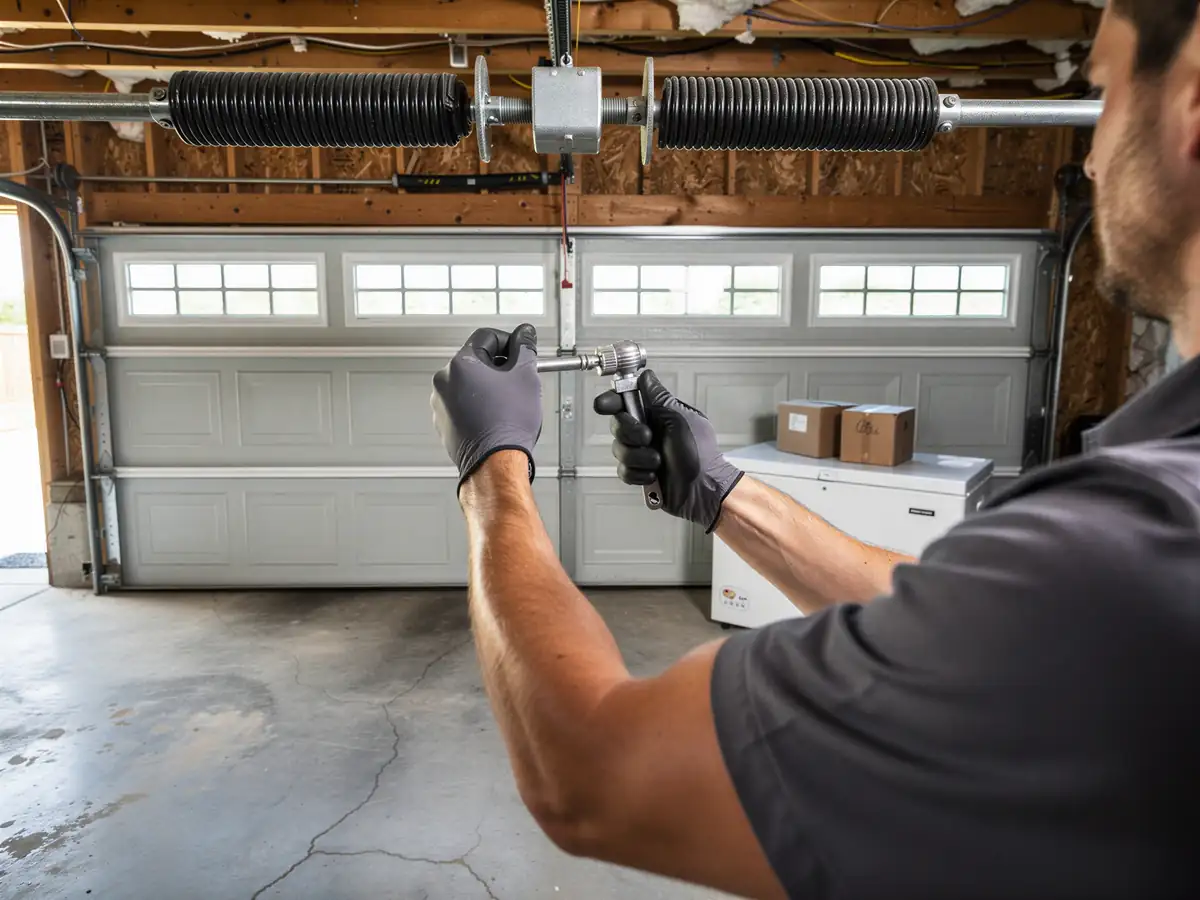
The most common issue we run into on 1980s-era Mendota Heights installs is a mismatch between the new door's weight and the old torsion spring and opener, if either is being reused. A heavier insulated door on a spring sized for the old lightweight steel slab will either not lift properly or will wear the opener's gears down fast. The fix is sizing the spring to the new door, not the old one - skipping that step is the single most common callback we see on jobs like this. Less common but real: track brackets anchored into a jamb that's taken on moisture over the years, which needs reinforcing before the new track goes up, not after.