Doing It Yourself
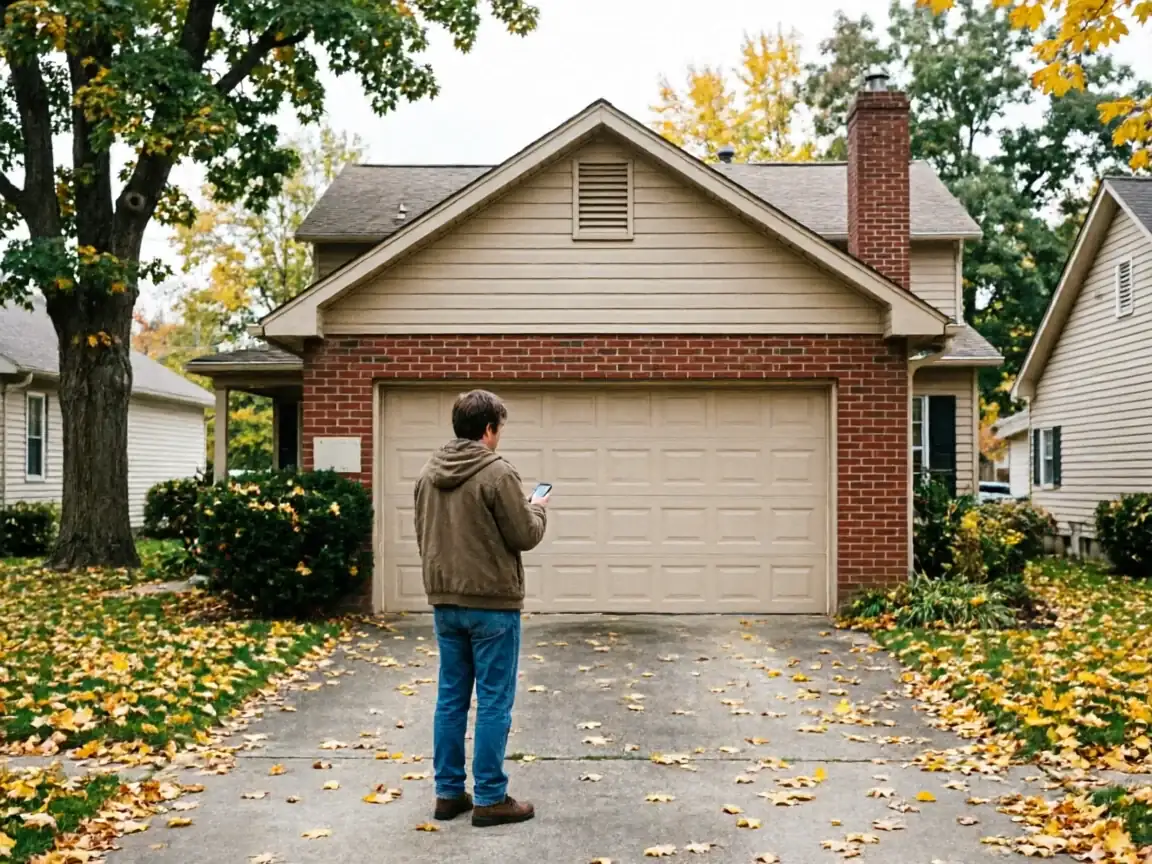
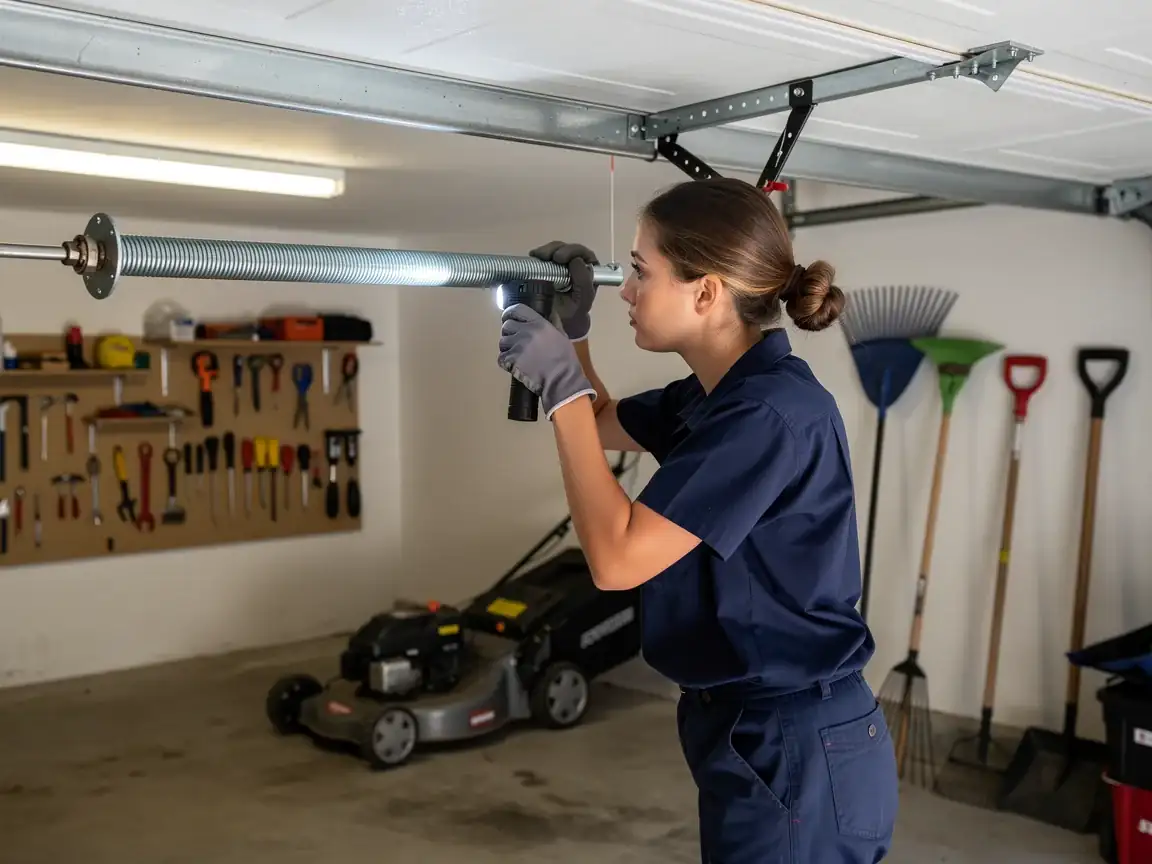
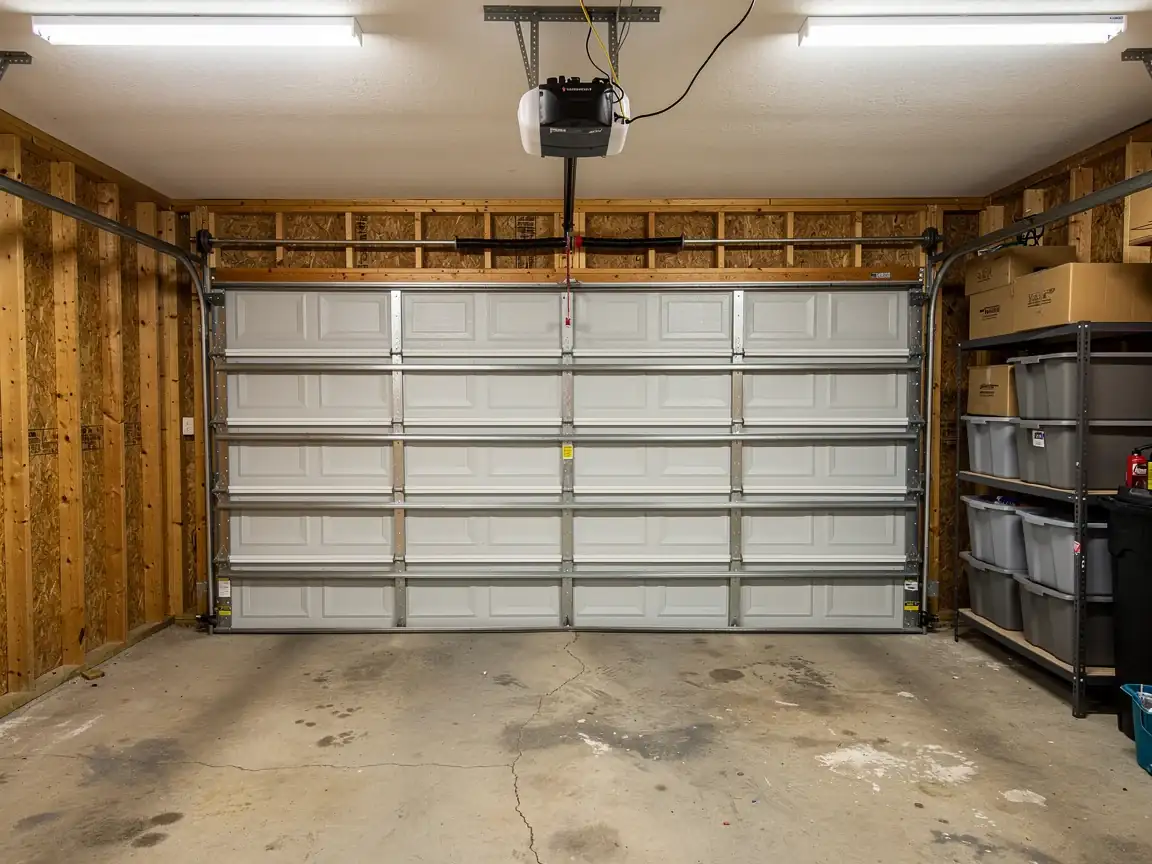
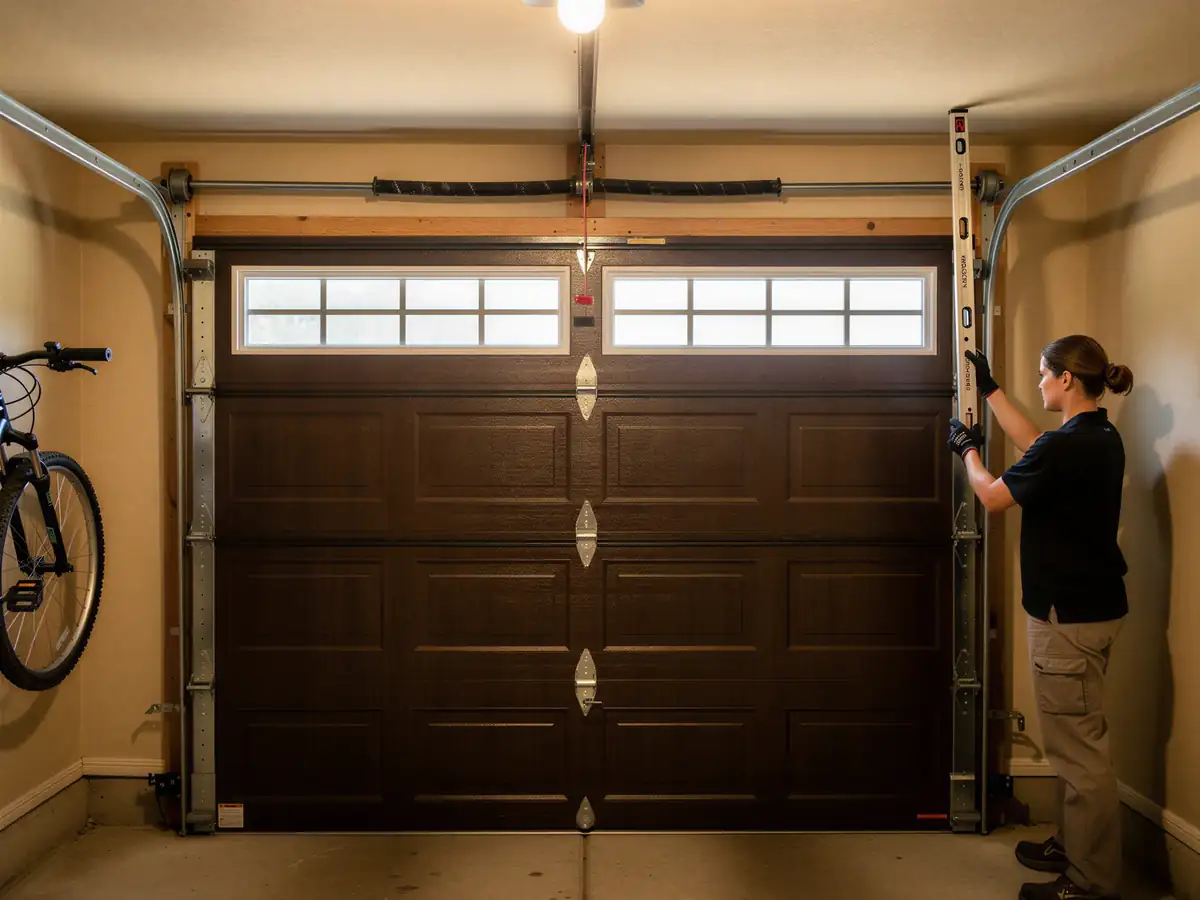
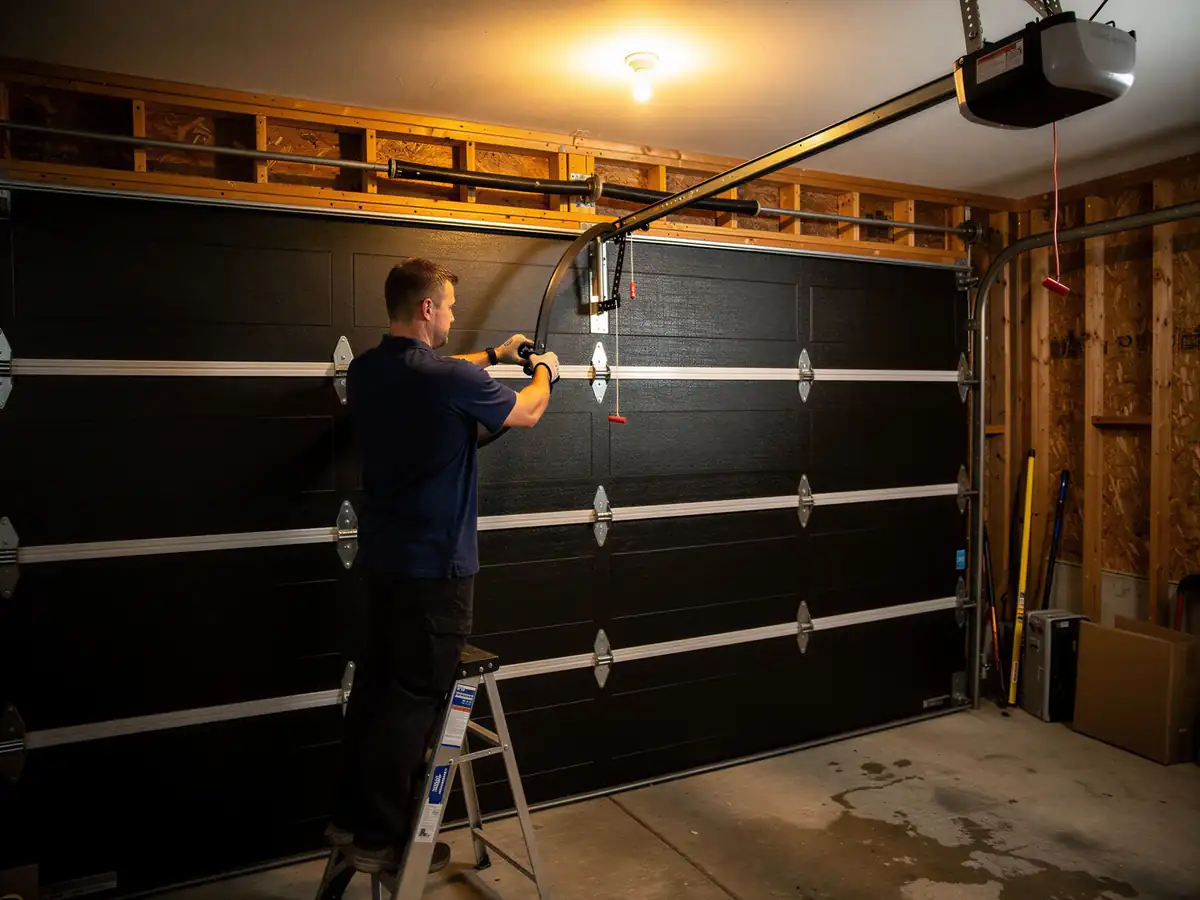
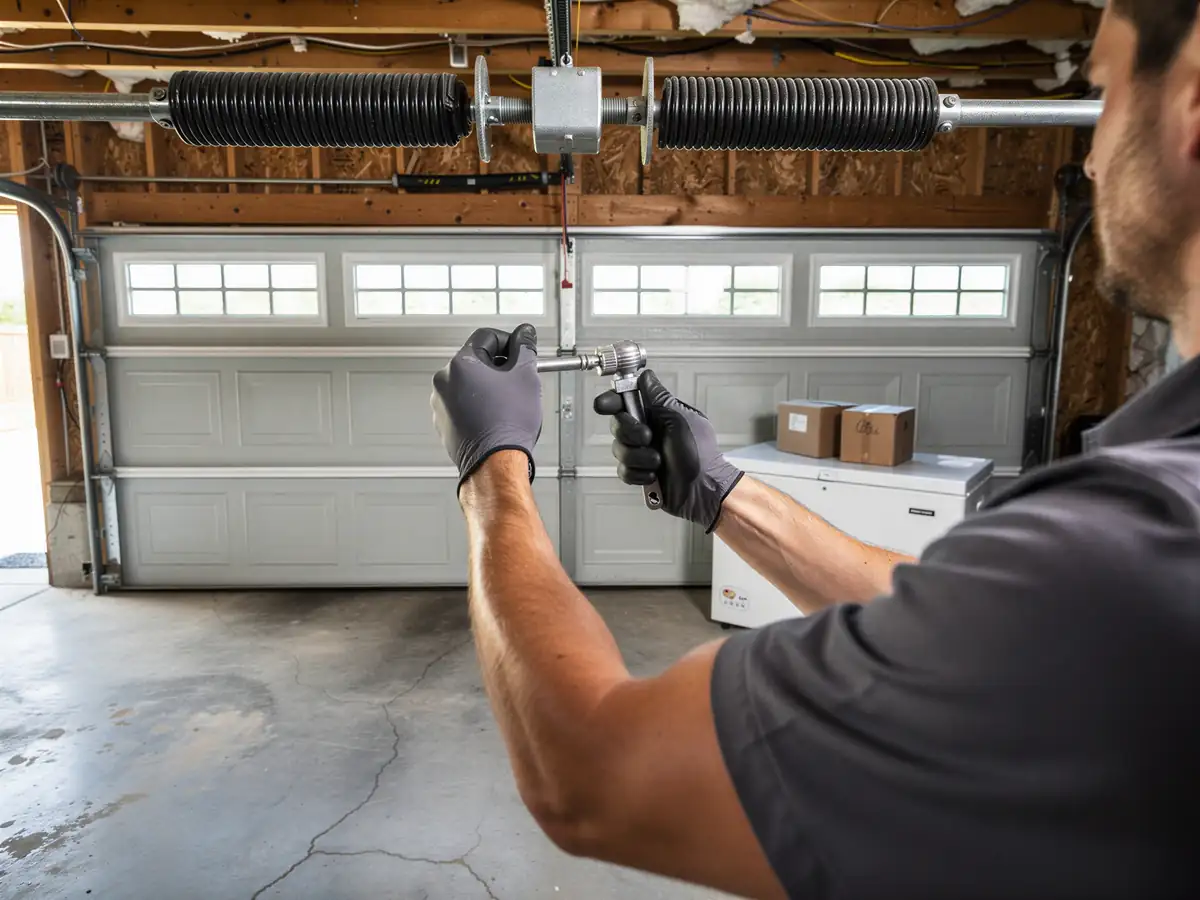
A garage door torsion spring holds enough stored tension to break a wrist or worse if it lets go while you're working on it. We say this on every page we write and it's still true here: don't unwind a torsion spring with winding bars you bought that morning. Extension springs on older two-spring setups are a little more forgiving but still not a weekend project if you've never done one. What you can safely check yourself: whether the door is a torsion-spring single bar above the opening or an older extension-spring pair along the horizontal tracks, and whether the cables look frayed. That tells us what's on the truck before we show up, which saves you a second trip charge if the first guess was wrong. Lubricating hinges and rollers with a garage-door-specific lubricant (not WD-40, which washes grease out) is fine to do yourself and extends the life of whatever spring is currently on the door.
What Is on the Truck
Median year built in Mendota Heights runs around 1983, noticeably newer than the 1956-2005 spread with a 1975 median that covers most of the broader area we serve. That later build year usually means torsion spring setups mounted on a single shaft above the door rather than the older side-mounted extension spring pairs you still find on houses from the '60s. We carry both because the wider service area has plenty of the older stock, but for a typical Mendota Heights call we're loading torsion springs sized for a standard 7-foot or 8-foot door, center brackets, and the winding bars and cable clamps that go with that setup. If your house happens to be older than the neighborhood median and still has the original extension springs, say so when you call - it changes what goes on the truck and saves us guessing wrong on-site.
What Can Go Wrong
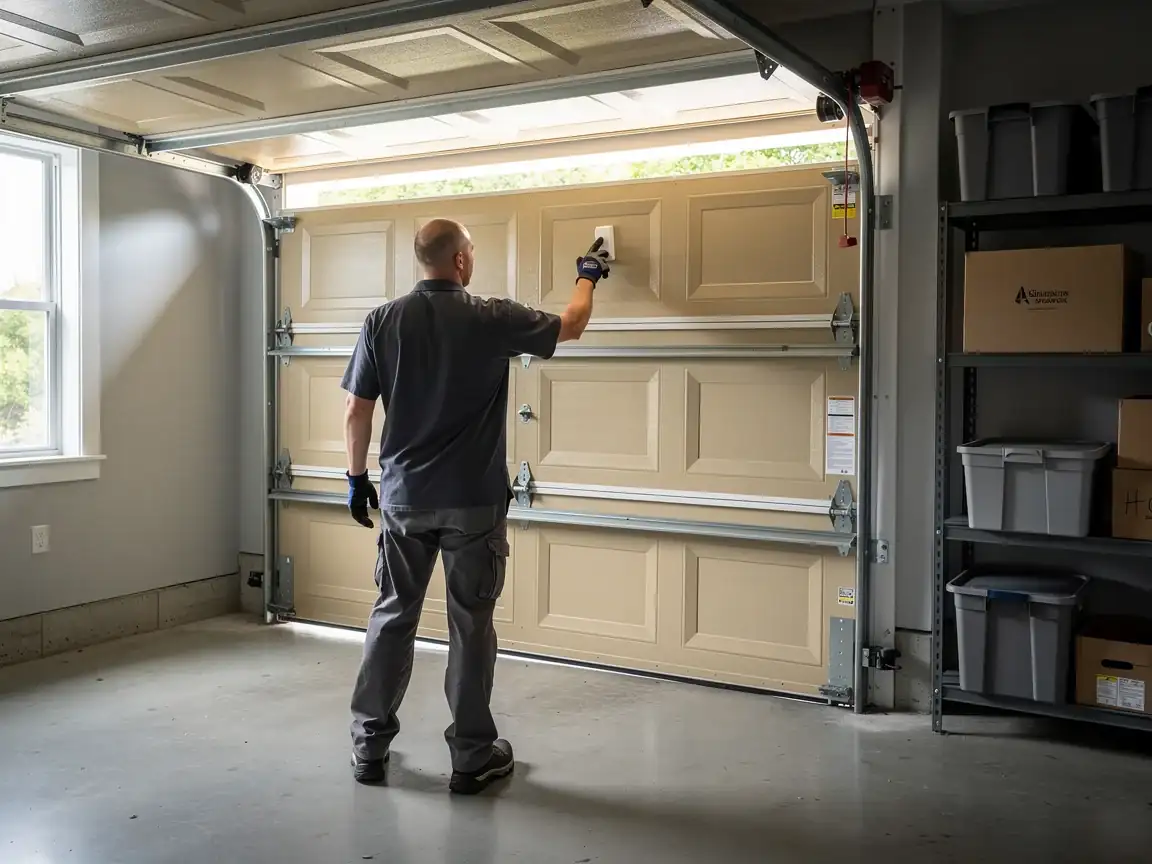
The most common thing we find mid-job on a Mendota Heights call isn't the spring at all - it's a center bearing plate that's worn oval instead of round, which means the new spring will wear out fast if we don't replace the bearing with it. On houses built closer to 1983, we also sometimes find original steel tracks that have developed a slight bow from decades of a slightly misaligned opener pulling against them; that's a track-alignment job, not a spring job, and we'll flag it rather than just hand you a bill for parts you didn't ask about. Our honest limit: if the door itself is warped, delaminated, or the opener is failing at the same time the spring goes, we'll tell you plainly that a new spring on an otherwise dying door is money spent twice. We'd rather lose that upsell than have you call back in six months.