Doing It Yourself
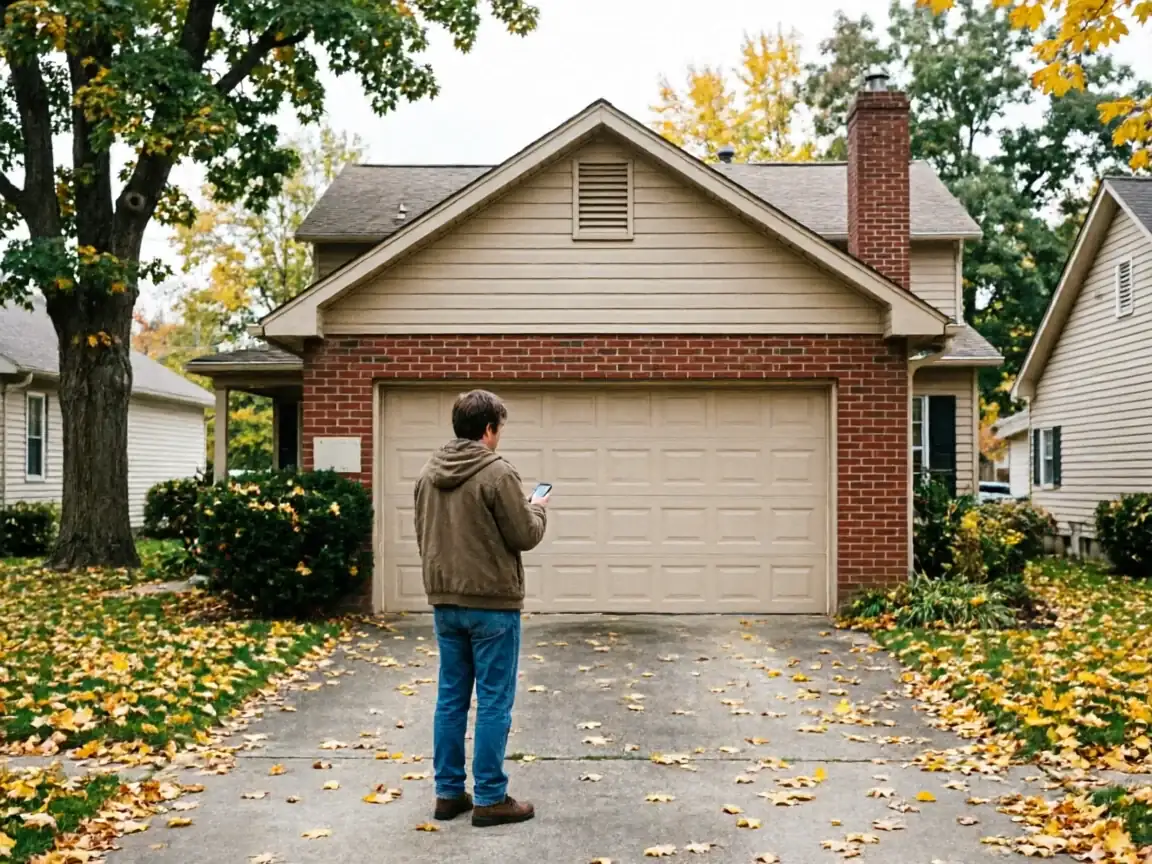
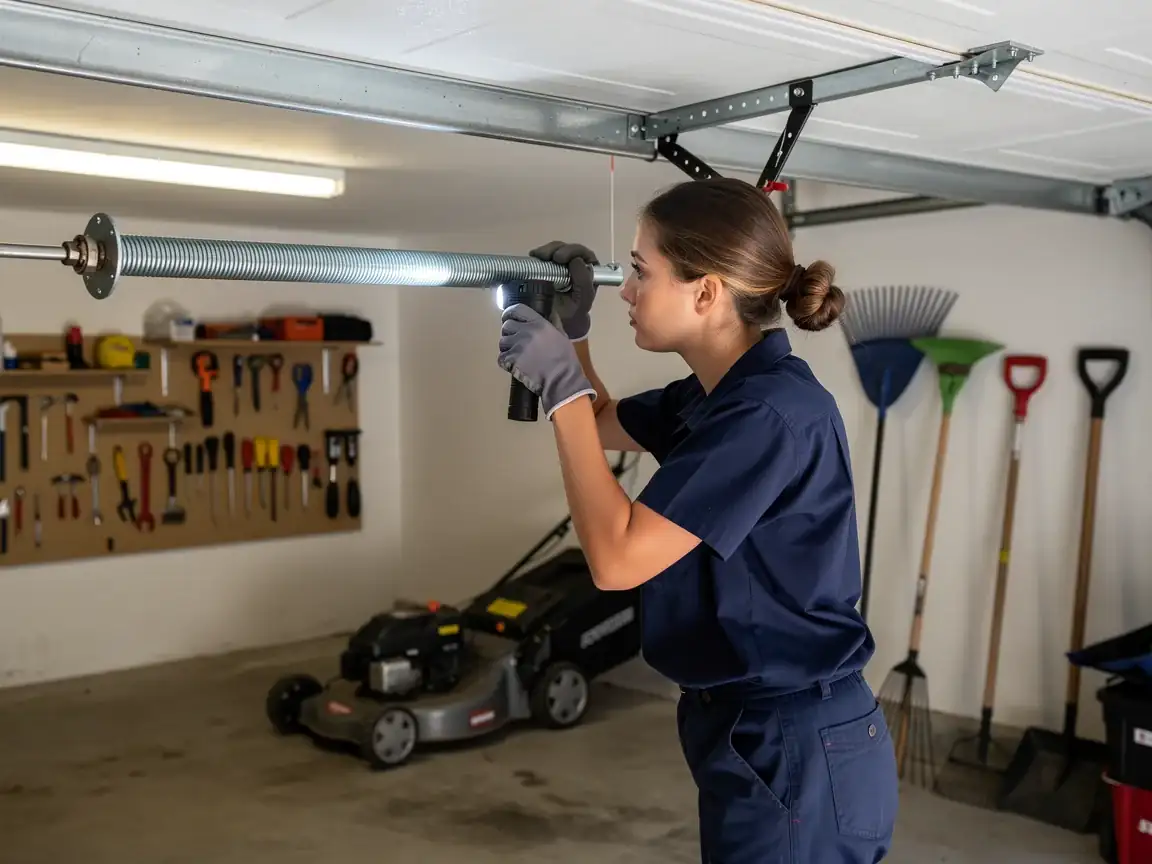
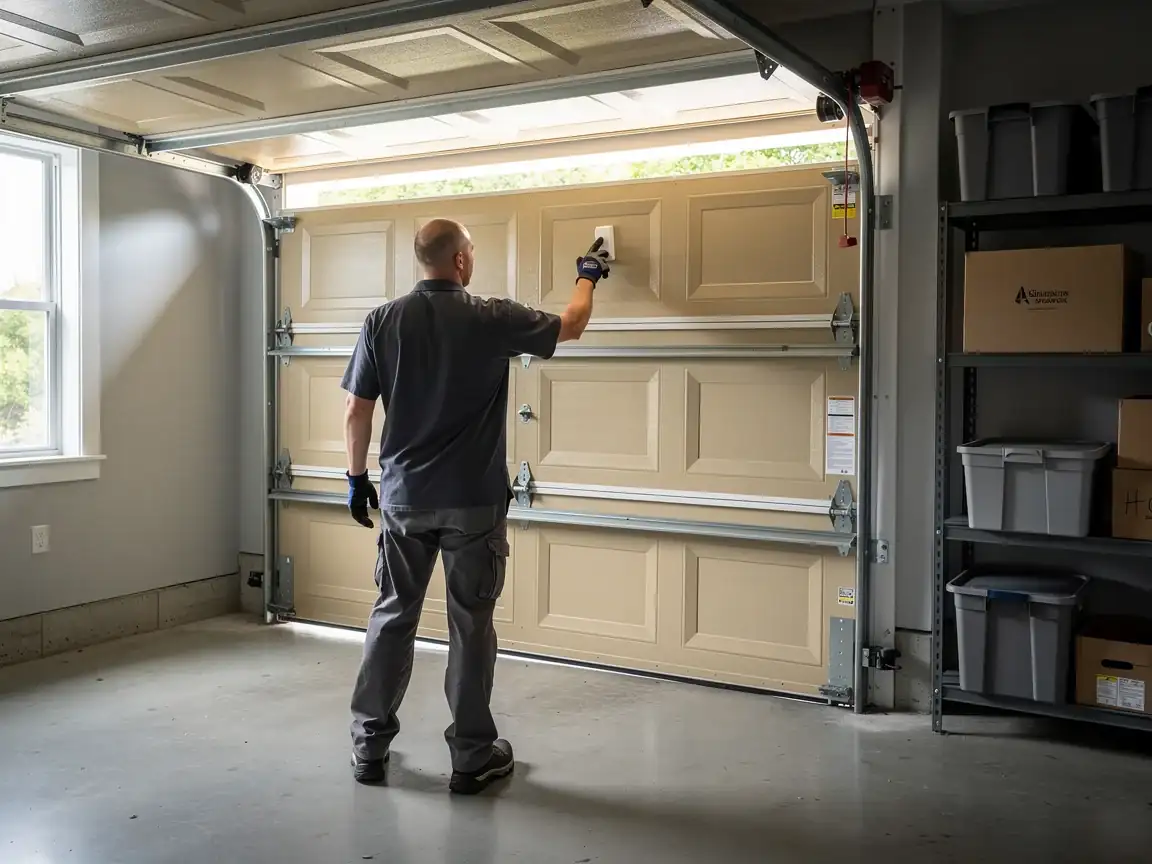
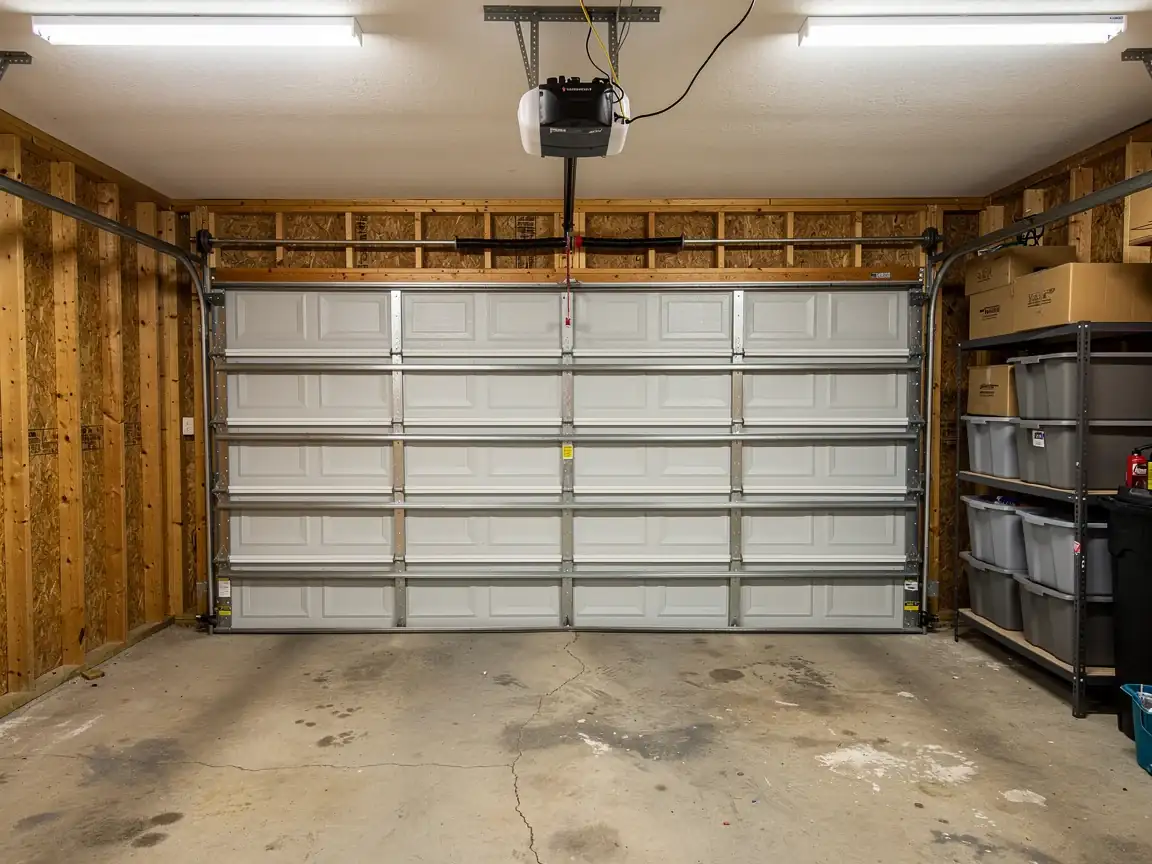
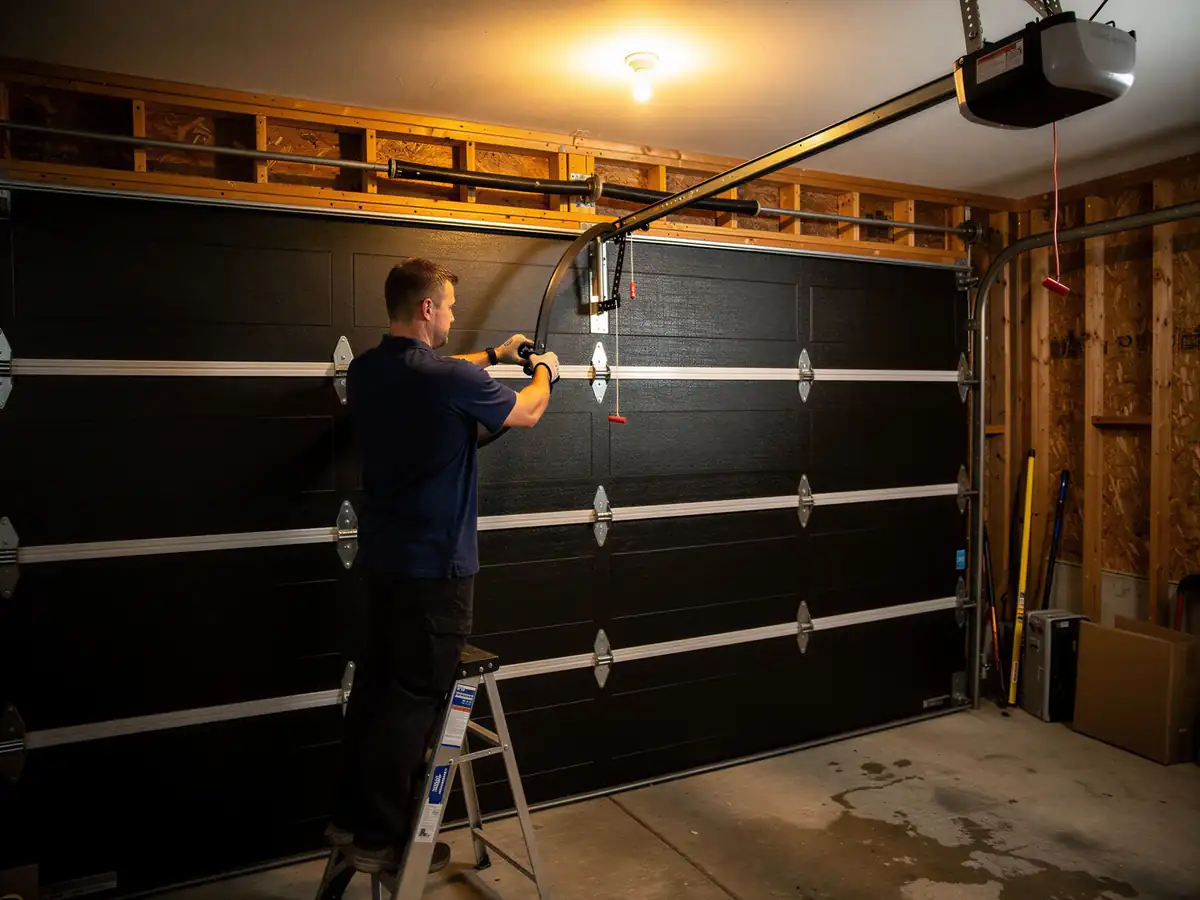
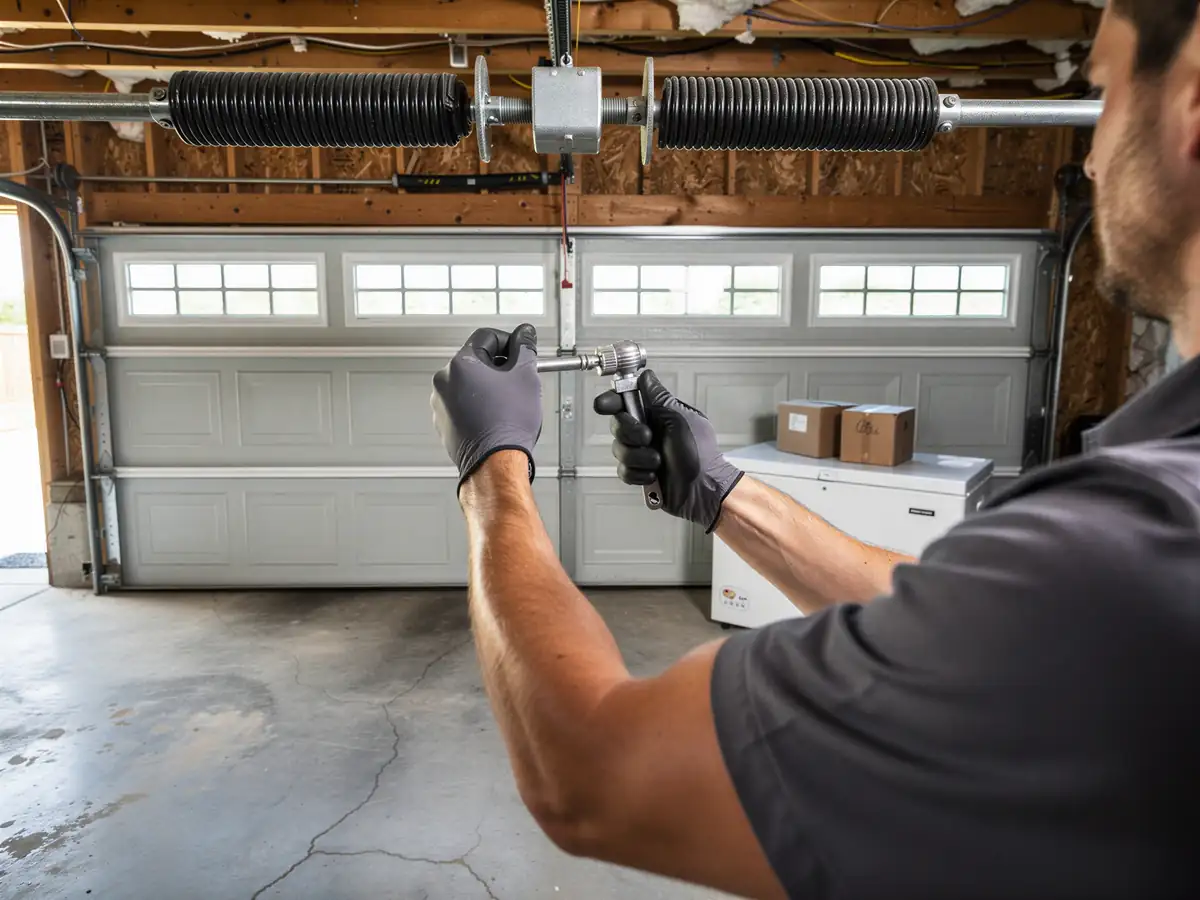
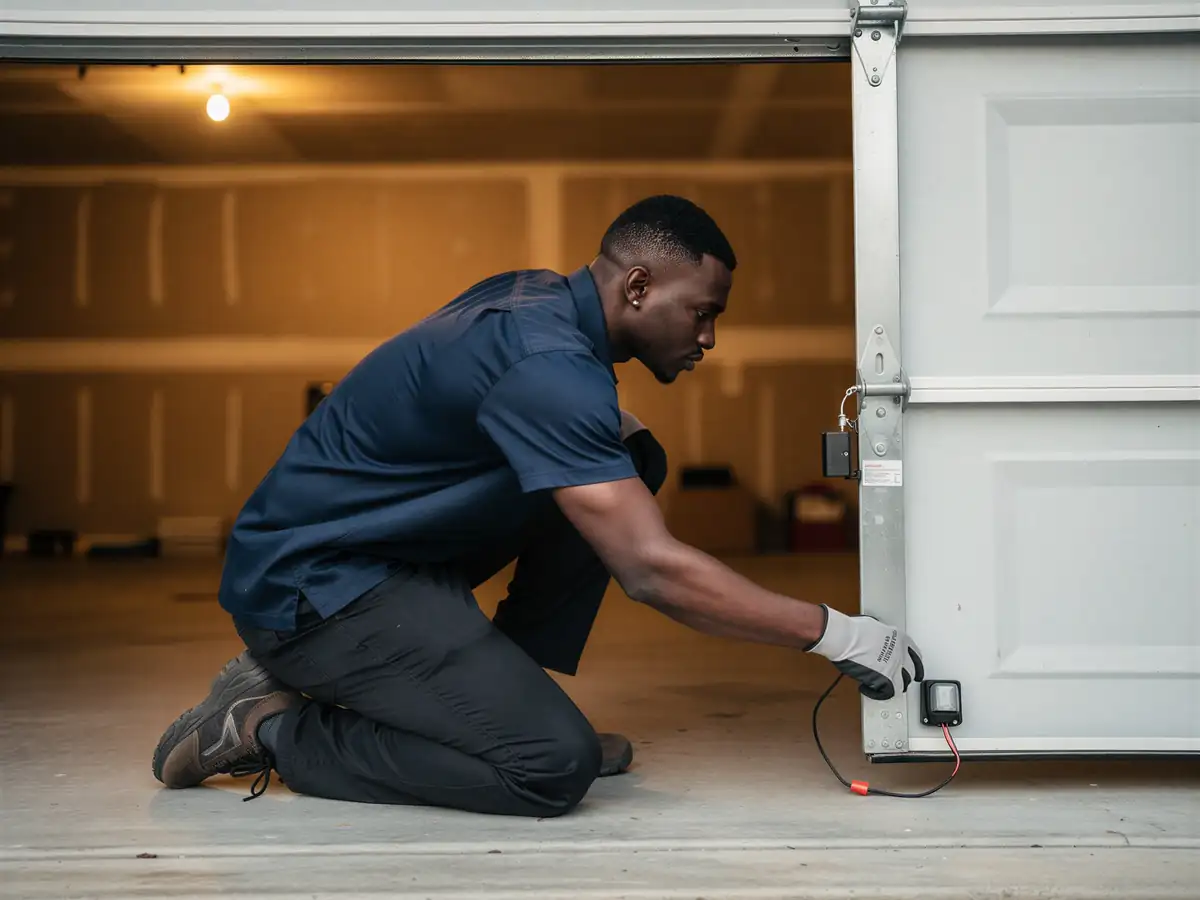
A torsion spring holds enough stored tension to do real damage, and that doesn't change because the door is twenty years newer. If your opener is making noise but the door still runs smooth, you can safely check the track for debris and make sure the photo-eye sensors near the floor are aligned and clean - a bumped sensor is a common, harmless fix. What you shouldn't touch is the spring itself, or the cables running down either side of the door. On the newer doors common in Victoria, the torsion system is usually a single higher-tension spring rather than the older double-spring setups, and winding or unwinding it without the right bars is how people end up in the ER. If the door reverses on its own, drifts open, or the opener runs but the door doesn't move, that's a job for a call, not a YouTube afternoon. We're honest that some of these diagnostics take longer on newer openers with built-in logic boards - there's more to check before we know what's actually wrong.
Why It Happens Here
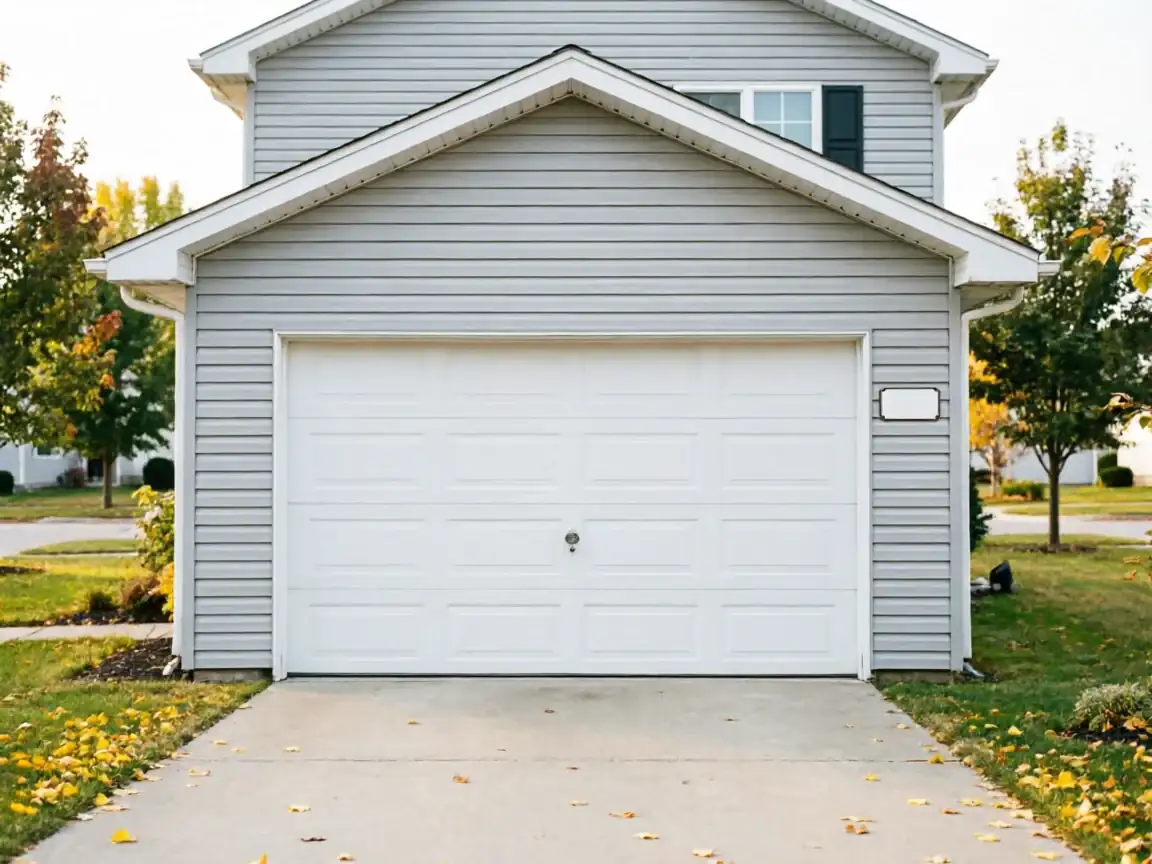
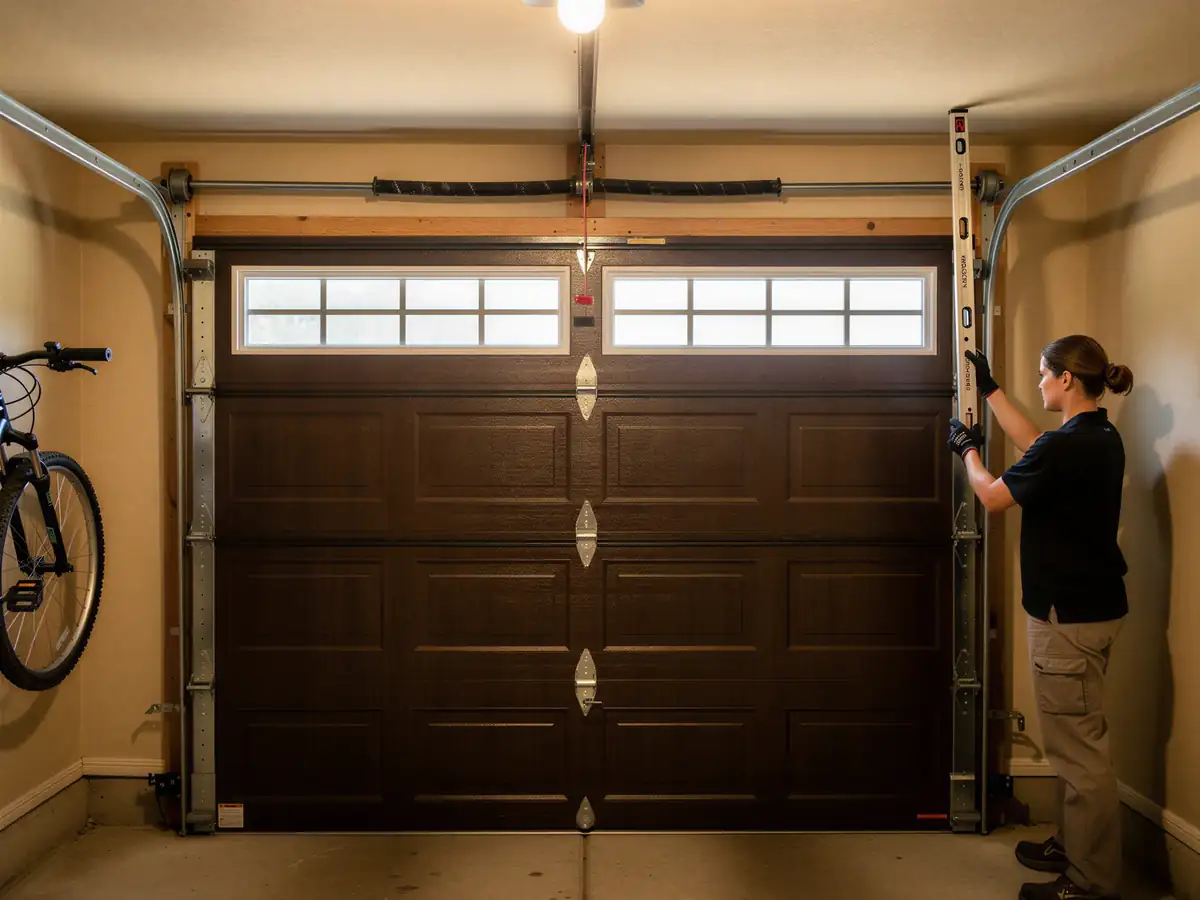
Victoria's housing stock being newer changes what breaks and when, compared to older pockets of the service area. A door installed around 2005 is reaching the age where original torsion springs - rated for a typical 10,000-cycle lifespan - start giving out, especially on doors that get used twice a day for two decades. That's different from a 1970s-era home where the whole door and track assembly may already have been replaced once or twice. The cold-moderate winter swings across this region still do their part: steel contracts in the cold, grease stiffens, and a spring already near the end of its cycle count is more likely to snap on the first truly cold morning rather than in July. We also see more double-wide doors on newer construction here, which puts more load on a single center spring and means a failure there takes out the whole door at once, not just one half.
What the Repair Takes
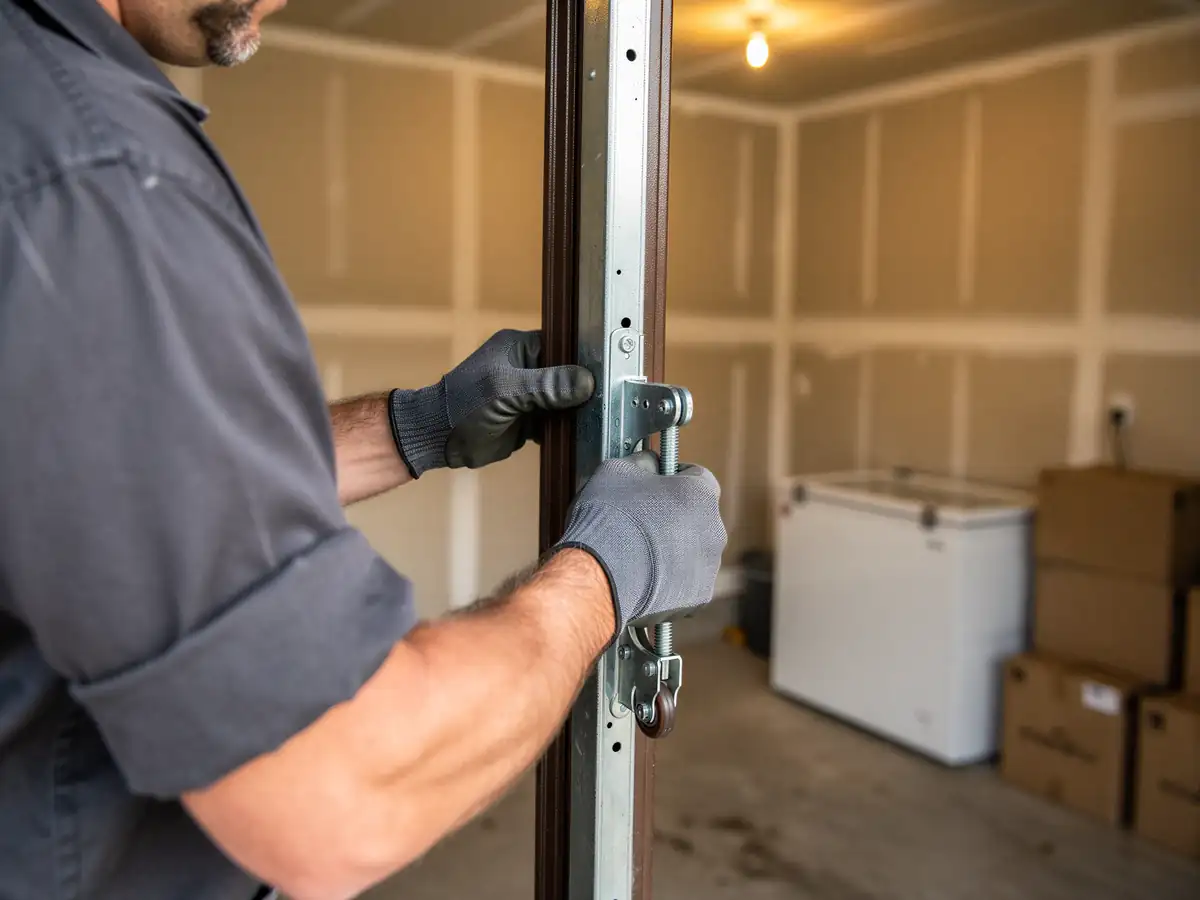
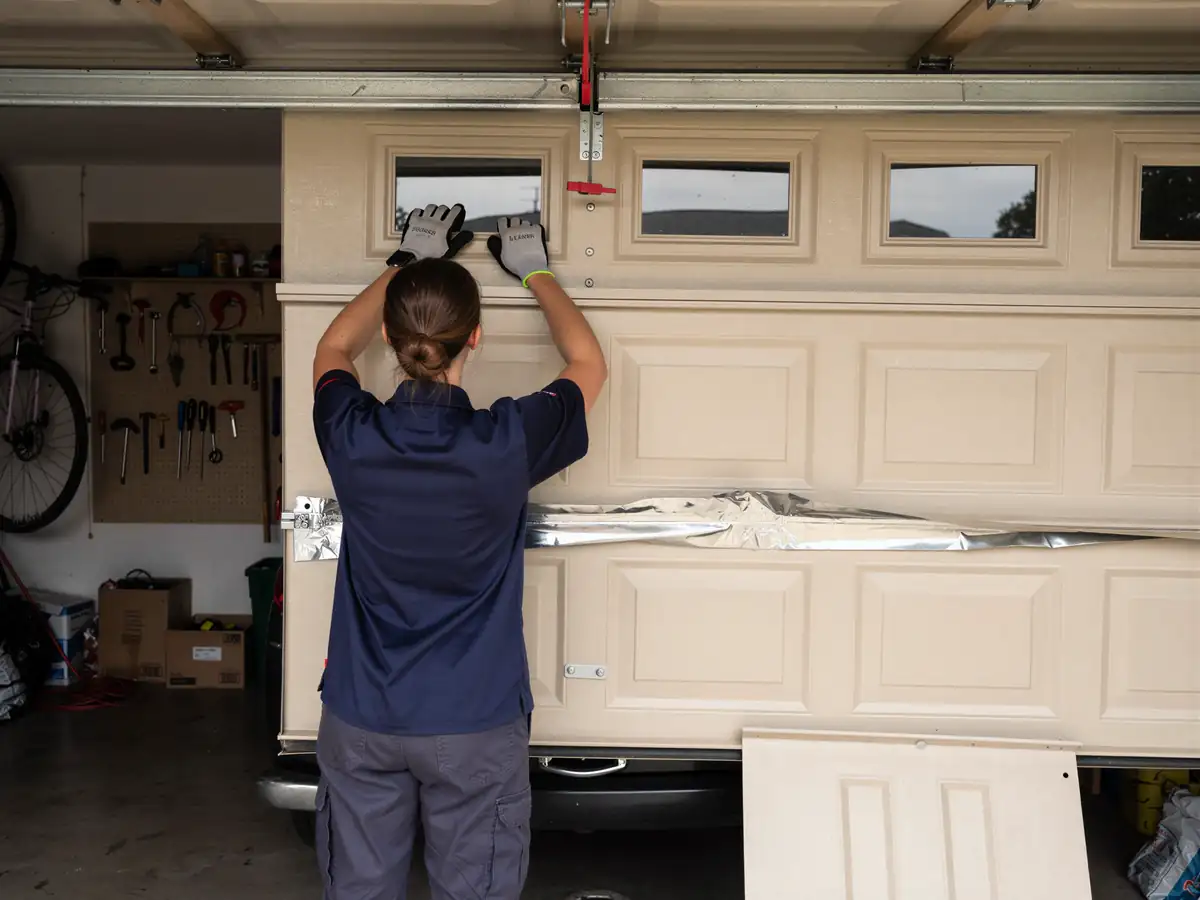
Most single-spring replacements on a steel sectional door are a same-visit job once we're on site - the work itself usually runs under two hours including balancing the door afterward. Double doors with the heavier torsion spring common on newer Victoria construction take a bit longer to set up correctly, since getting the tension right on a bigger door matters more for how it rides afterward. Opener repairs vary more: swapping a logic board or sensor is quick, but if the issue turns out to be a failing motor on an older original unit, replacement is usually the better call than trying to source a vintage board. We'll tell you straight when a repair isn't worth it against buying new - that's not a sales pitch, it's just the math on a door and opener pushing past their rated cycle life.