Doing It Yourself
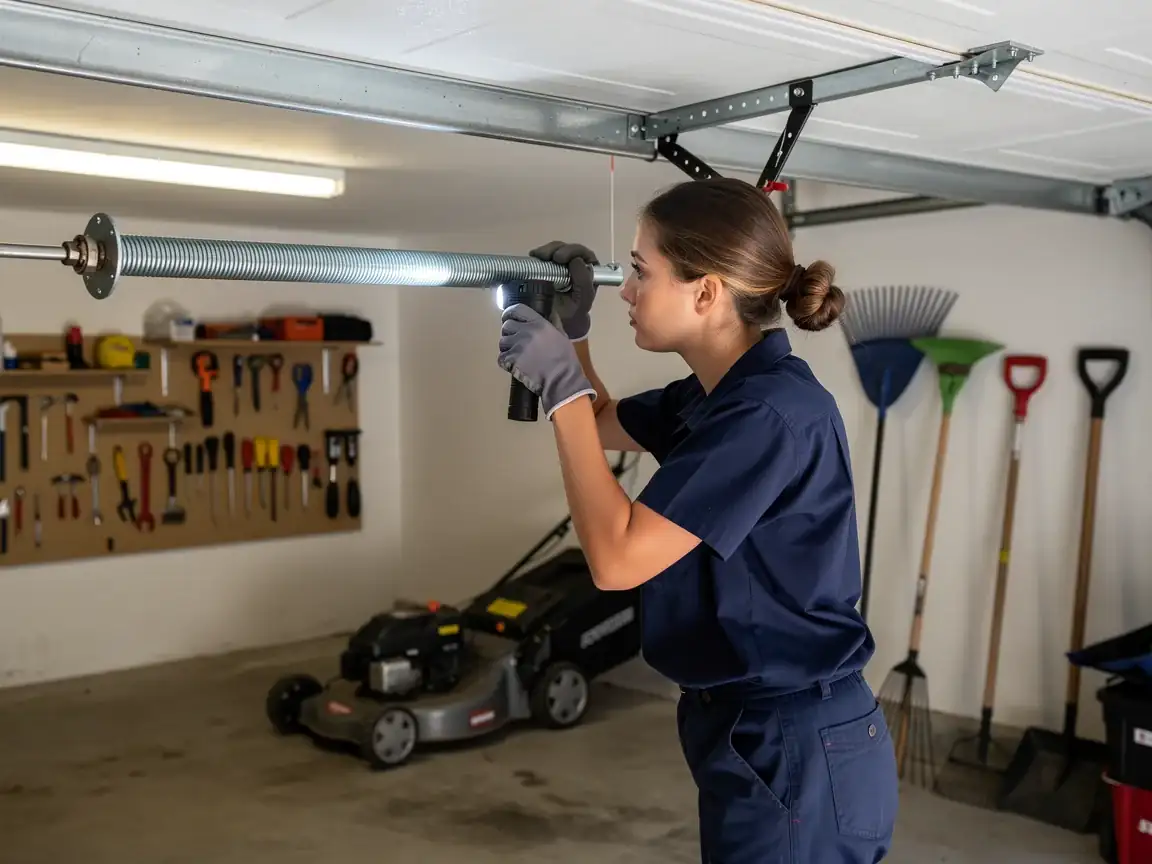
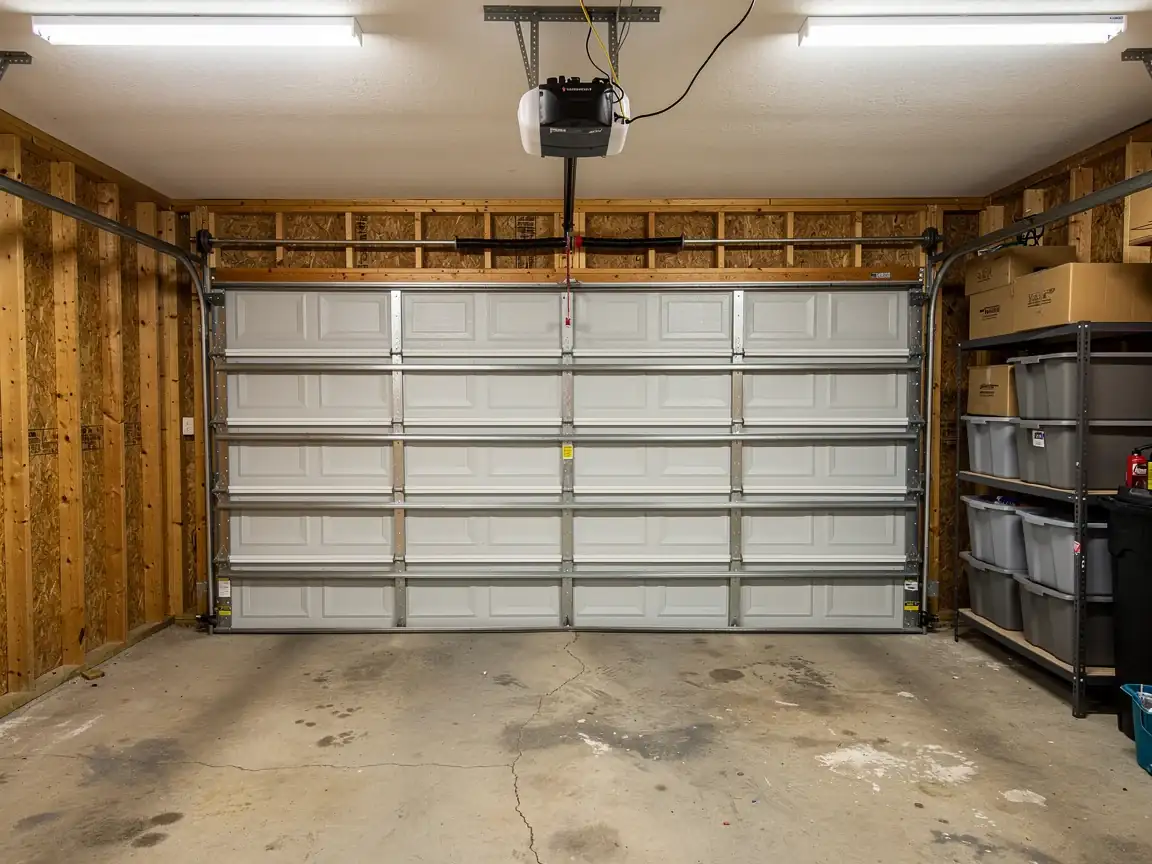
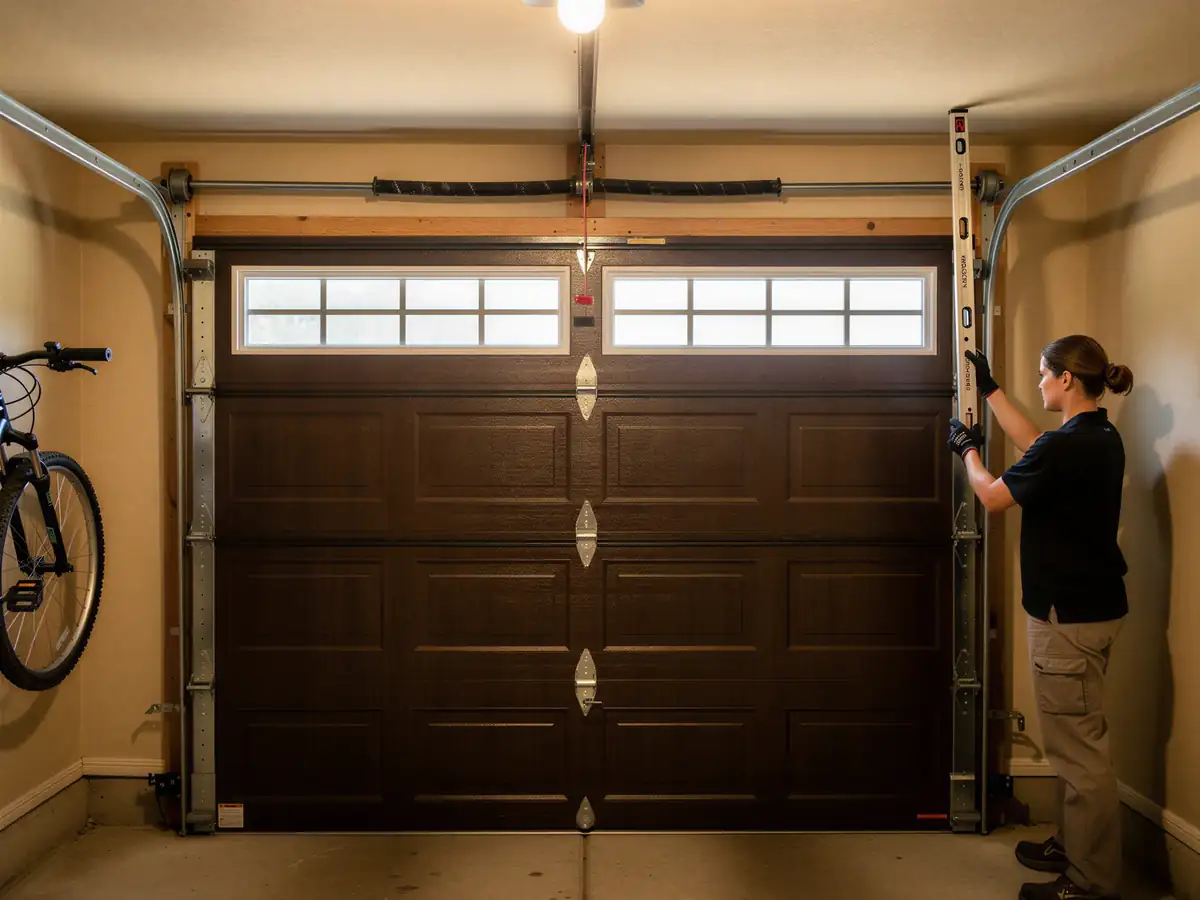
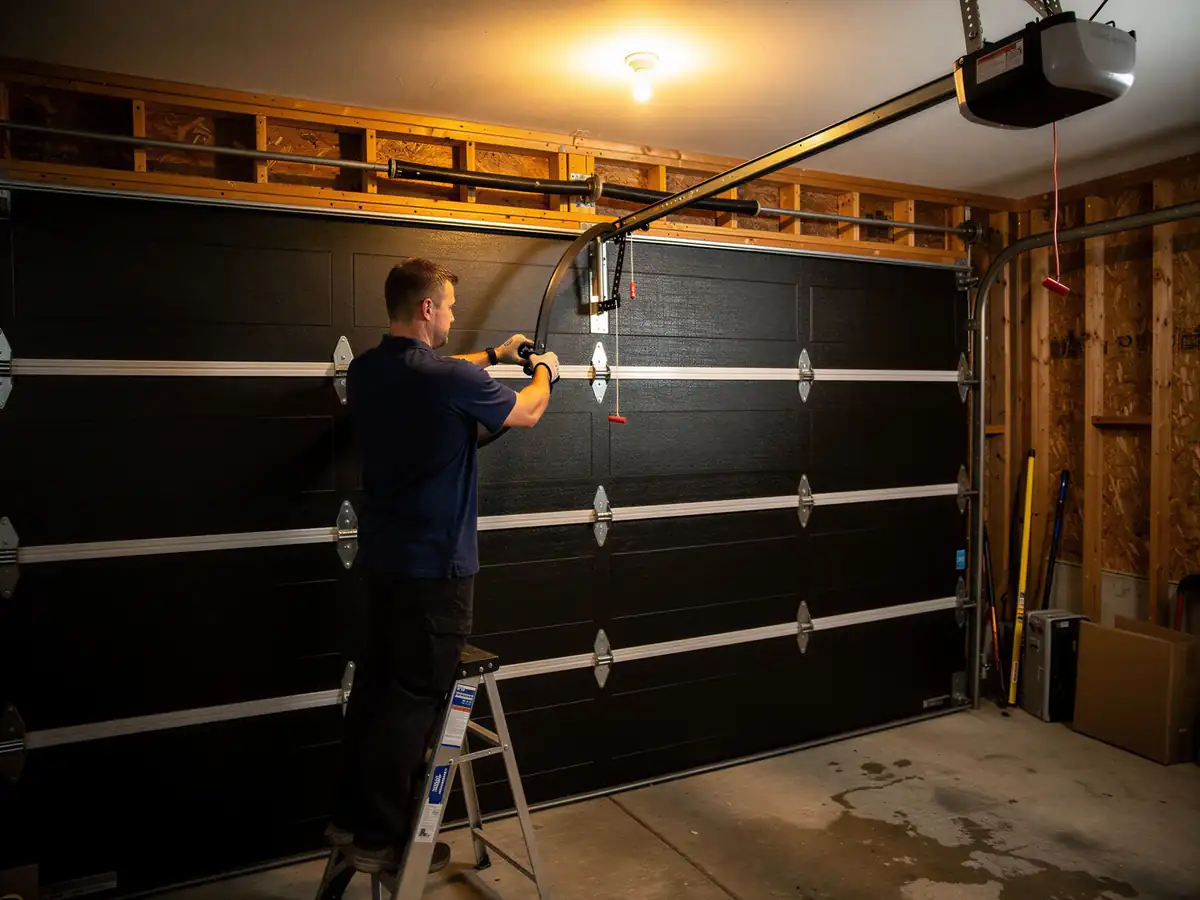
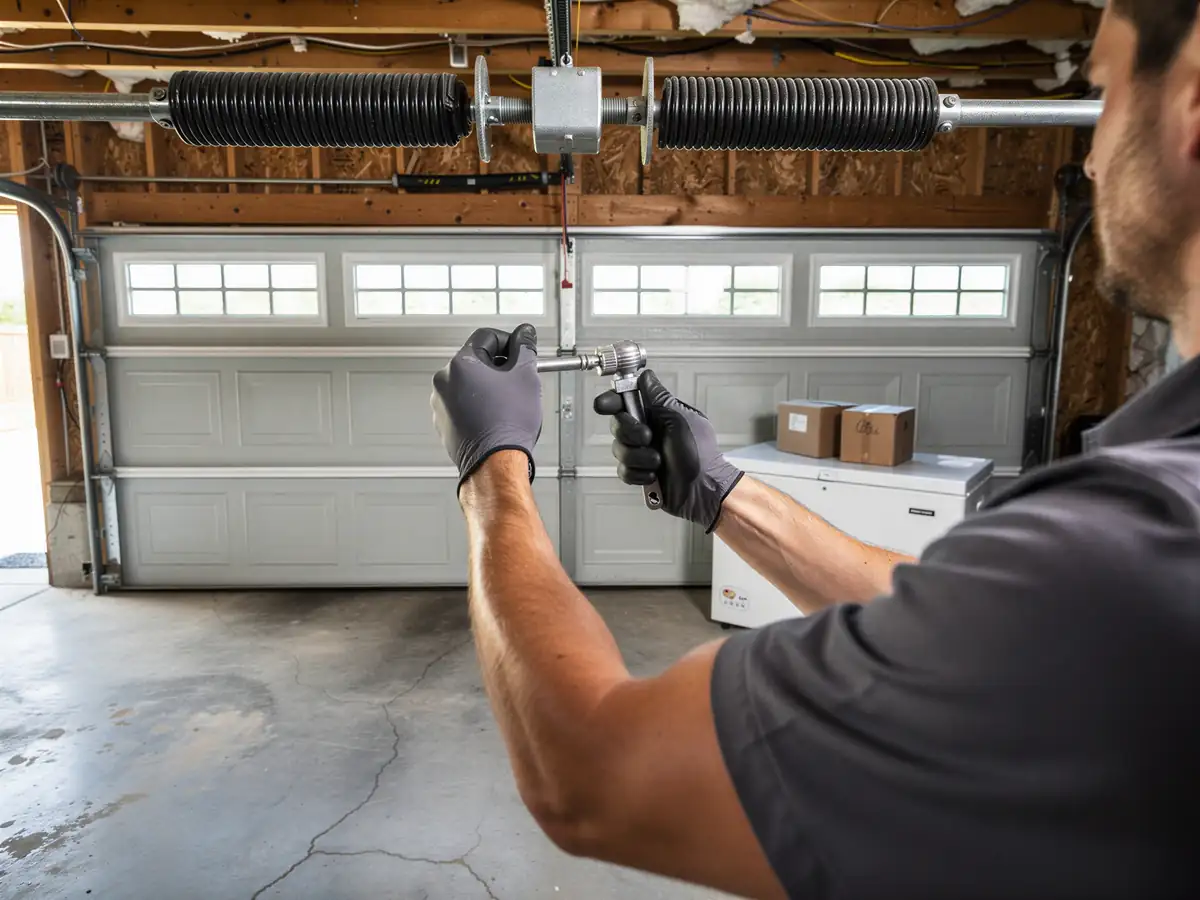
A torsion spring under tension can put you in the hospital, and that risk doesn't change because your door is newer. If anything, winding cones and bars on a 2005-era door look deceptively tidy compared to an older door's hardware, and that tidiness fools people into thinking the job is lighter work than it is. It isn't. Unplug the opener, don't try to muscle the door open by hand, and don't attempt to loosen or wind the spring yourself - that's true in Victoria the same as anywhere else. Where you can actually help yourself: check whether the door is a standard builder-grade torsion double or something with upgraded insulation and heavier panels, since that changes which spring we bring on the first trip. A photo of the spring and the sticker on the end bearing plate, if there is one, saves a return visit more often than people expect.
Why It Happens Here
Victoria's housing runs newer than most of what we cover from Savage - median build year around 2005, versus a service area where typical stock dates to the 1960s and 70s and spans builds from 1956 up through 2005. That gap matters for spring failure. Older doors in our area are more likely to be on original hardware, which means springs that have simply outlived their cycle count. Victoria's doors are more likely to be failing from something else: a door that's seen 15-20 years of daily cycles with its original spring, now unwinding at the rate that equipment just does, cold Minnesota winters working the steel through expansion and contraction every season. We're in a cold moderate climate band here, and that seasonal swing fatigues spring steel whether the house is from 1962 or 2005 - the age of the house changes how recently the spring was installed and sized, not whether cold weather is part of the story.
What the Repair Takes
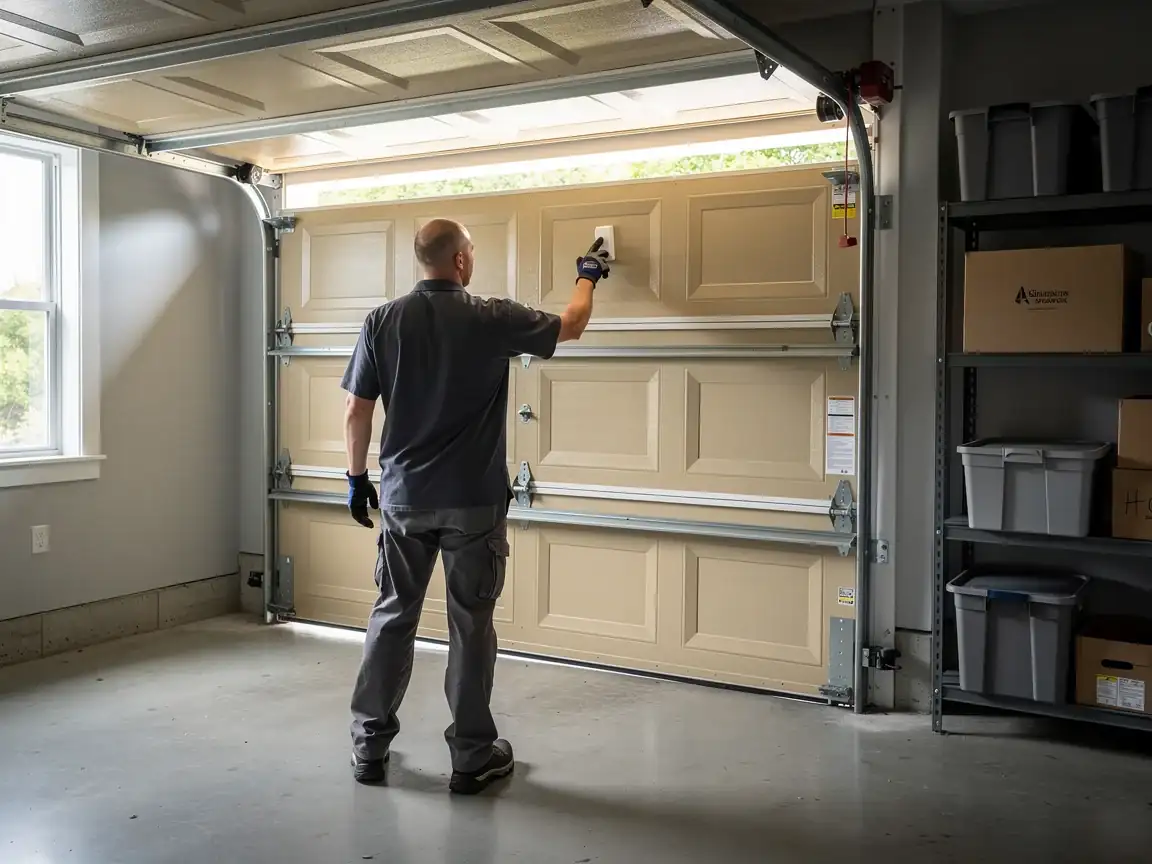
A straight spring swap on a standard torsion double is usually a same-visit job once we're on site - remove the broken spring, confirm the drum and cable are undamaged, install and wind the correct replacement, test the door through a full cycle. Where it runs longer: if the spring failure took a cable or a bent track with it, or if the door's balance is off because of a prior repair that wasn't done to spec. We check the whole system before we call the job done, not just the spring, because a mismatched or improperly wound spring is one of the more common comebacks we see on any door, new or old. Victoria is about 16 miles from our Savage base, which we factor into scheduling rather than pricing - the repair itself costs the same whether the drive is short or long.