What It Costs
We don't post a flat number here because what you pay depends on the opener you pick and what's already bolted to your header
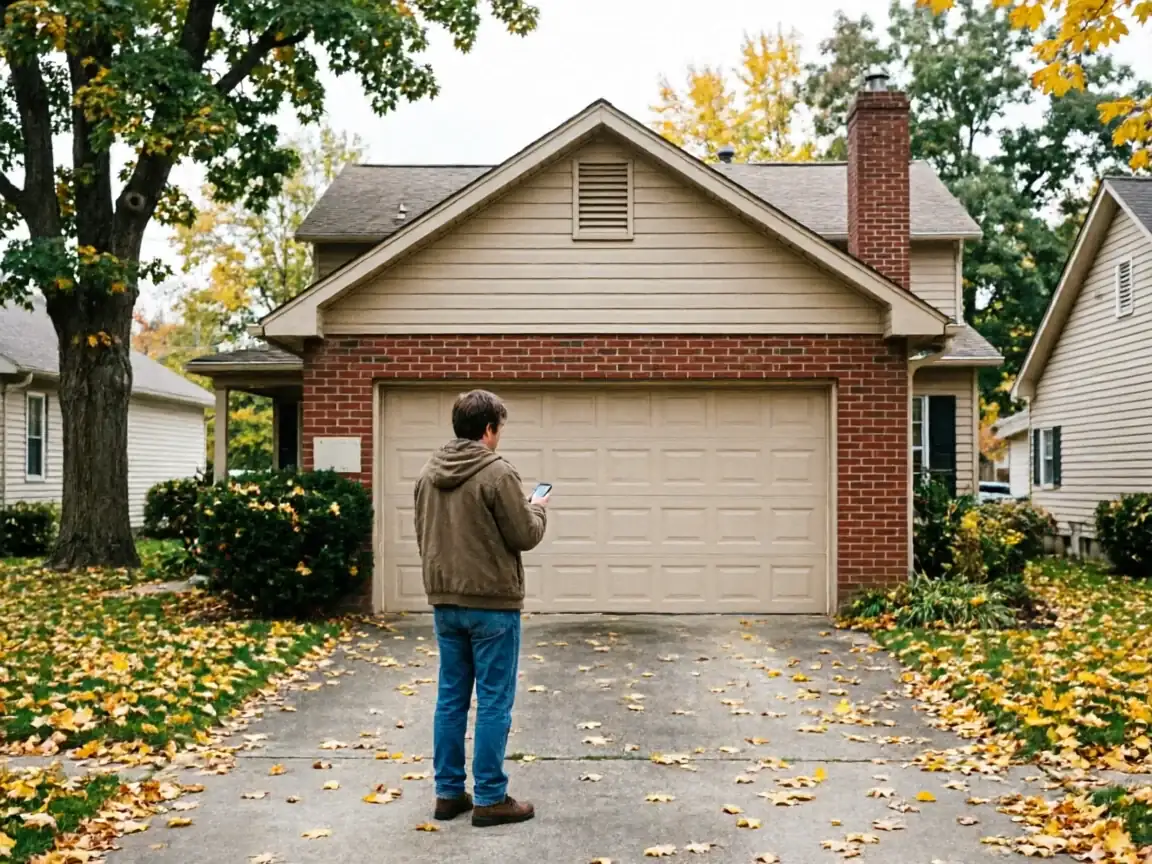
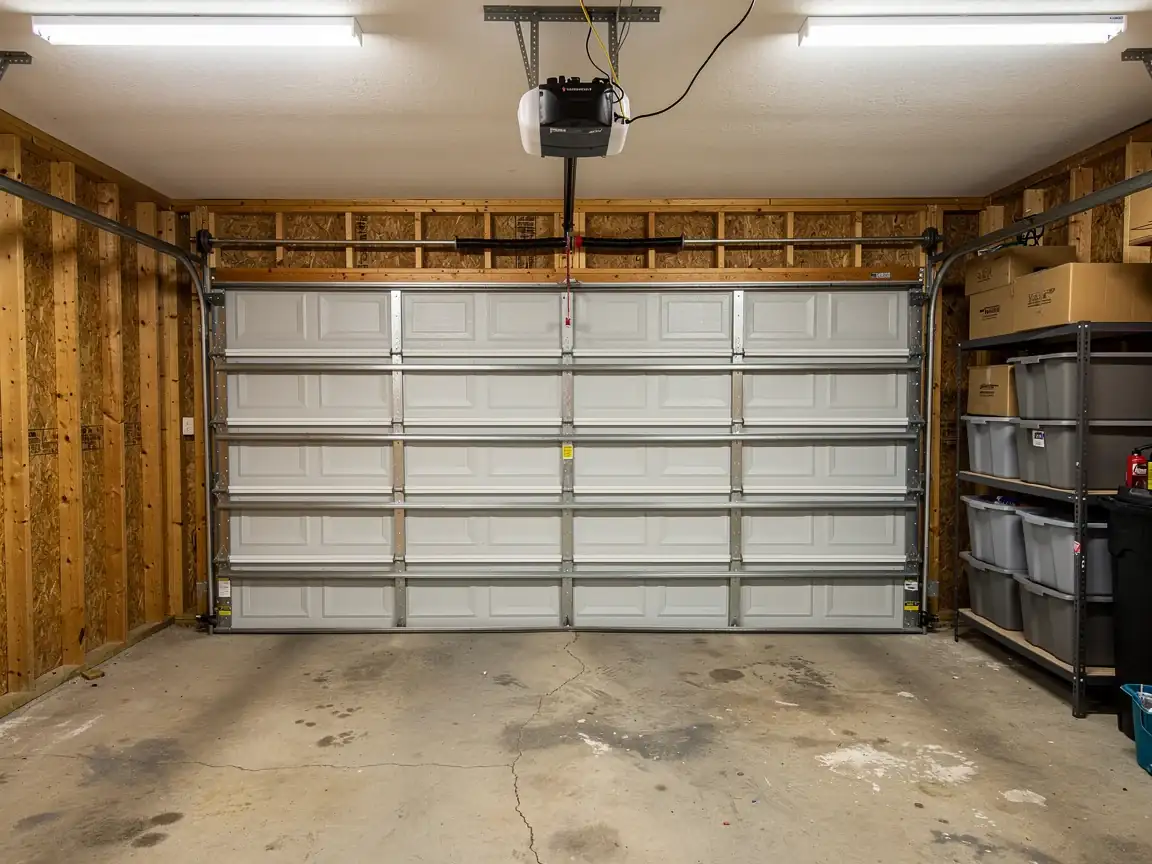
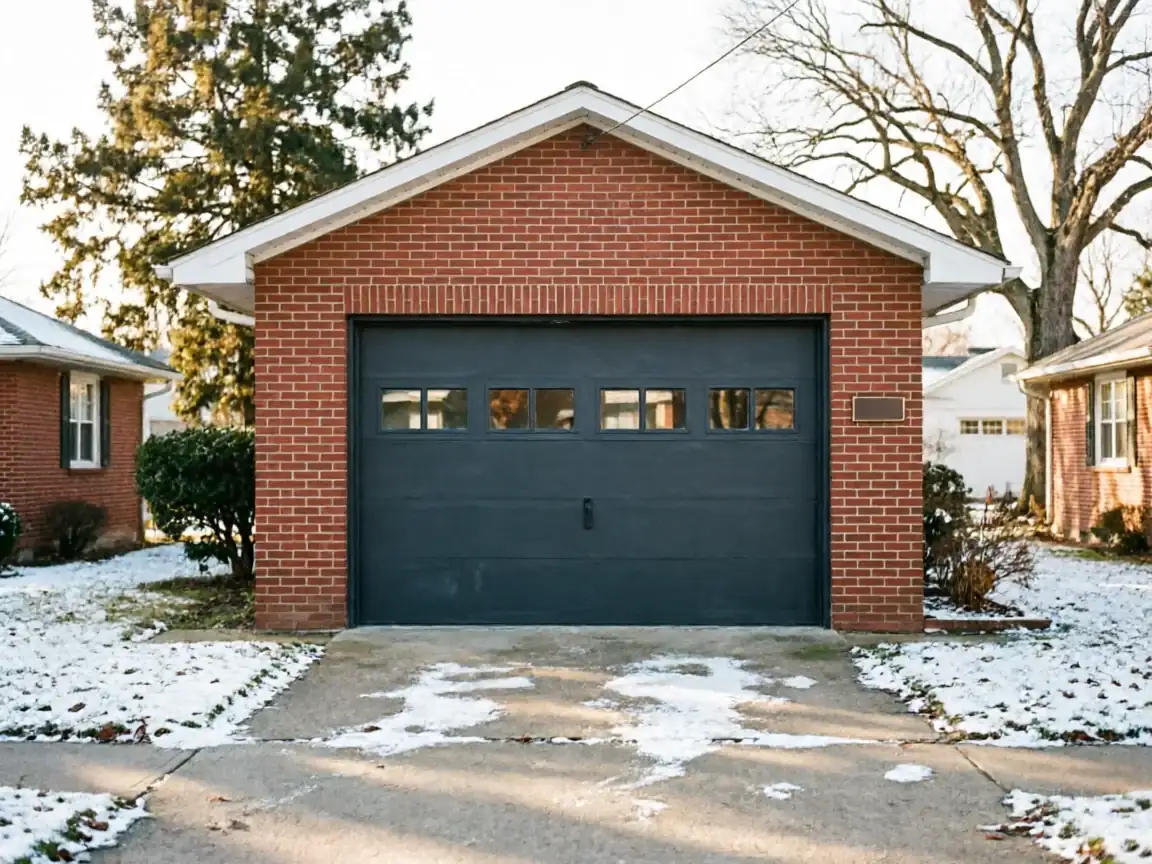
What we can tell you is what drives the quote in a town like Victoria: most of the houses here were built around 2005, which means the opener on your ceiling right now is very likely the builder-grade unit that came with the house - a chain-drive, half-horsepower model picked to meet a spec sheet, not to last forever. Swapping that for a belt-drive or a unit with battery backup is a different job than replacing a dead unit with the same thing. If your rail, mounting bracket, and wiring are still in good shape, the labor side is simple. If the bracket's cracked or the wiring's been chewed by rodents, that adds time. We quote after we look, not before.
One honest note: we don't carry every opener brand on the truck
If you want a specific model, we may need to order it, which adds a day or two before we can get back out to Victoria.
Doing It Yourself
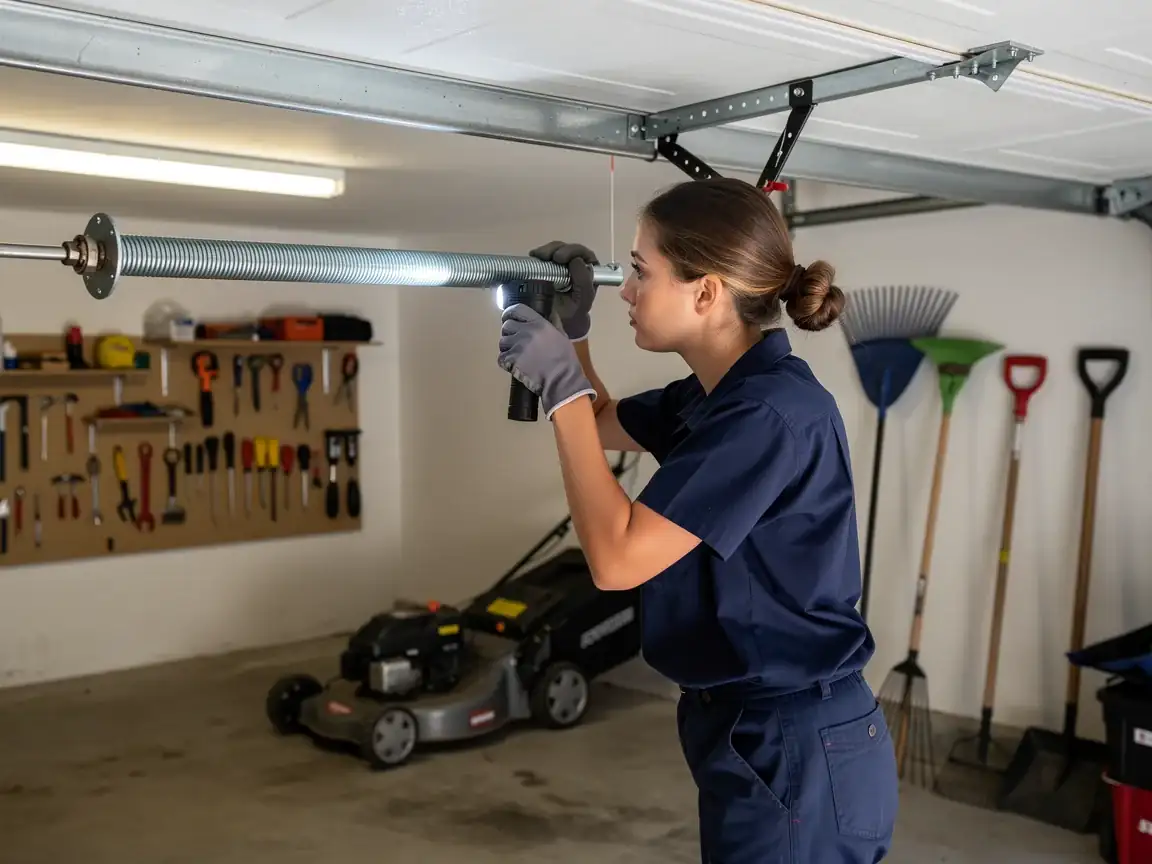
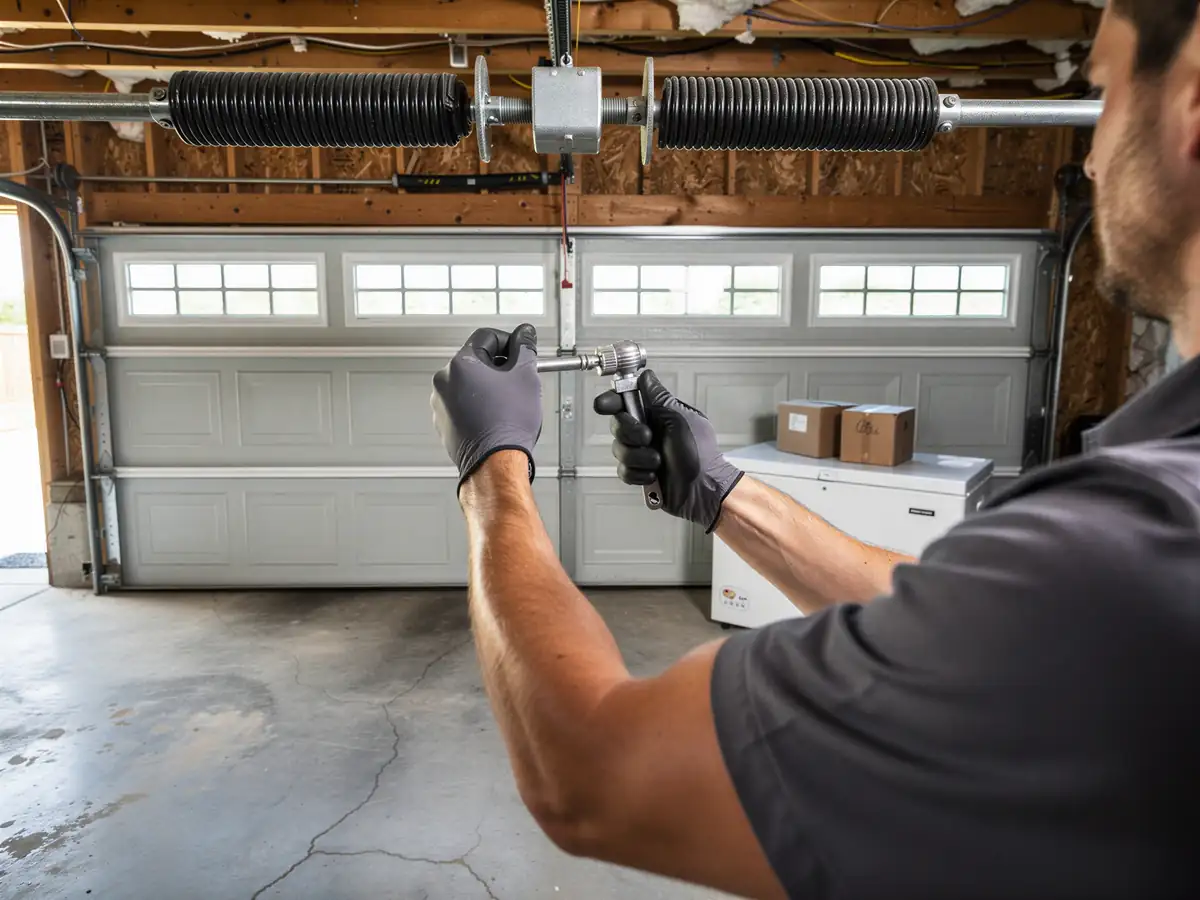
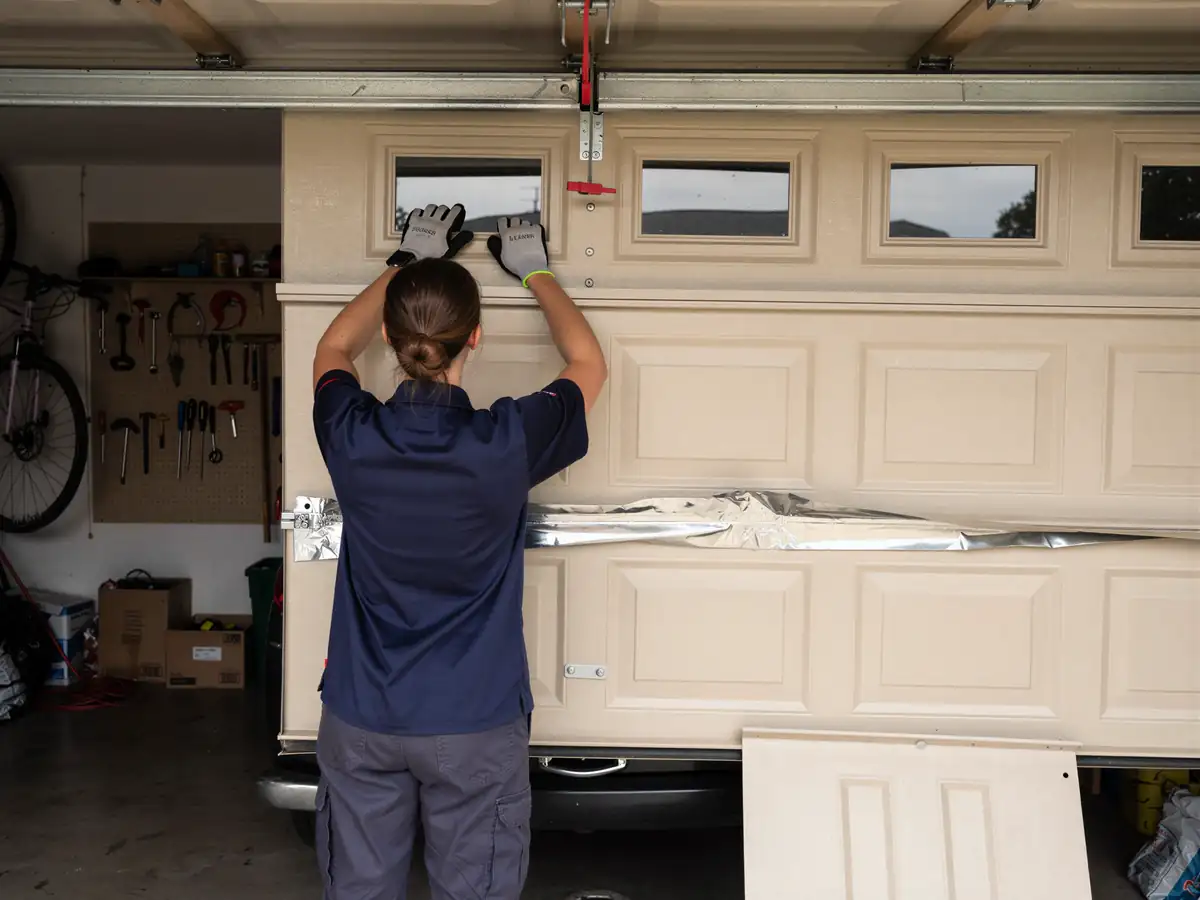
A garage door opener install looks like a weekend project on video, and for some people it is. If you're replacing a unit with the same rail length and the same door, and you're comfortable on a ladder with a drill and a wiring diagram, you can do it. Where people get hurt - not figuratively, actually hurt - is misjudging spring tension on the door itself while the opener's off, or wiring the opener to a circuit that isn't protected the way code wants it. If your house is from the 2000s building wave like most of Victoria's, your door hardware is probably original too, and a 20-year-old spring doesn't always give you a warning before it lets go.
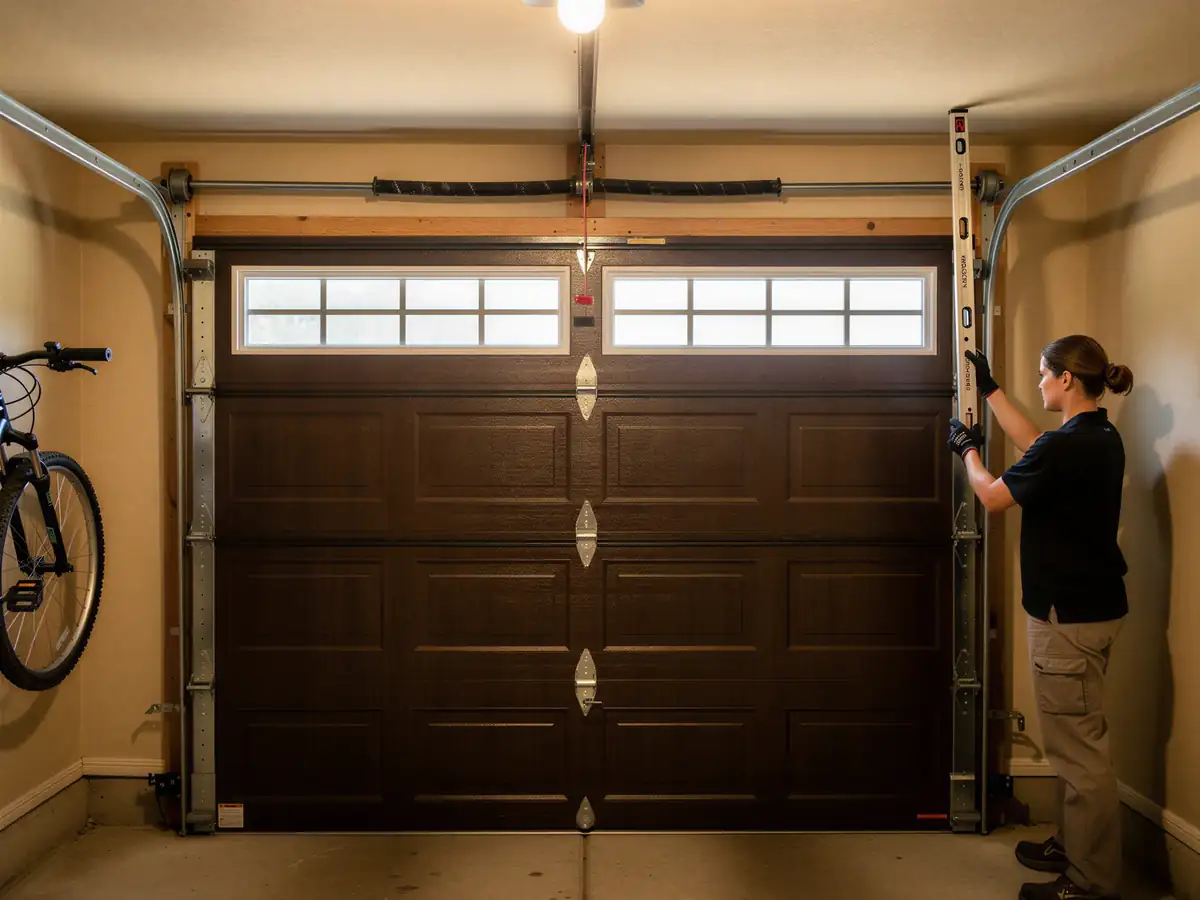
If you're swapping drive types (chain to belt) or moving from no opener to adding one, you're also dealing with rail length, header clearance, and a safety-reversal sensor alignment that has to be exact. That's where most DIY installs get redone by someone else a year later.
Why It Happens Here
Victoria is a smaller community - about 3,914 households - and that shapes the kind of opener calls we get more than you'd think. In an older suburb with decades of mixed housing ages, we see everything: 1970s chain-drives failing from age, 1990s logic boards, newer belt-drives. In Victoria, the housing is tighter in age, clustered mostly around that 2005 median build year. That means the opener failures we see here cluster too - right now, it's the original builder units hitting the 15-to-20-year mark where the drive gear strips, the circuit board gives out, or the safety sensors drift out of alignment from age rather than damage.
The cold is also a factor across this part of Minnesota. An opener rated for a heated, insulated garage doesn't always perform the same in an unheated one once the grease in the drive gear stiffens up in deep cold. That's a real issue on any unheated garage in this climate band, Victoria included, and it's worth knowing before you pick a replacement unit.
What Is on the Truck
We carry a working stock of openers and the brackets, rail sections, and wiring hardware that cover most of what we run into
Chain-drive and belt-drive units, battery-backup models for people worried about outages, and the standard safety-sensor pairs that every opener needs to pass inspection. For a straight swap-out on a house with a standard single or double door, we usually have what we need with us.
What we don't stock is every specialty rail length or a particular smart-home integration module a homeowner's seen online
Those get ordered in. We'd rather tell you that up front than show up and improvise with the wrong part.
What the Repair Takes
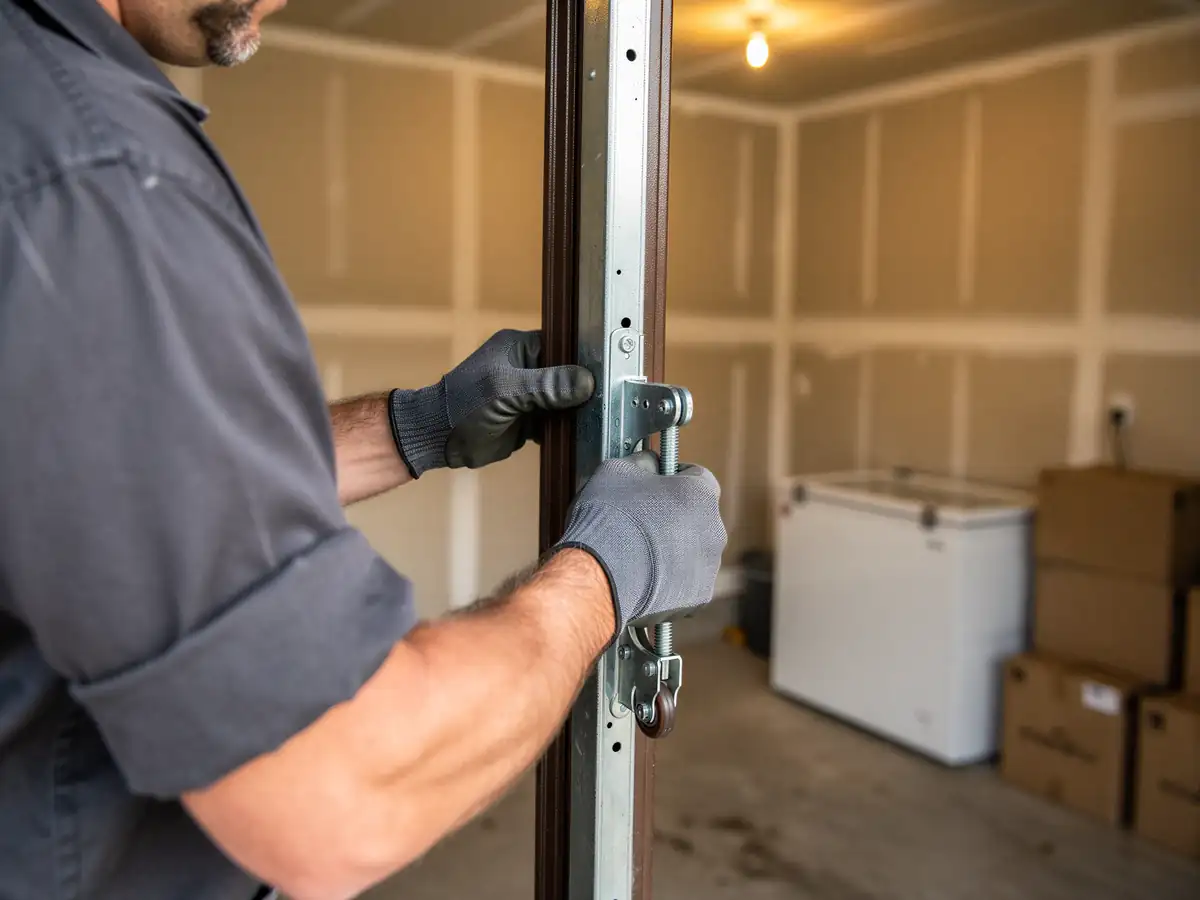
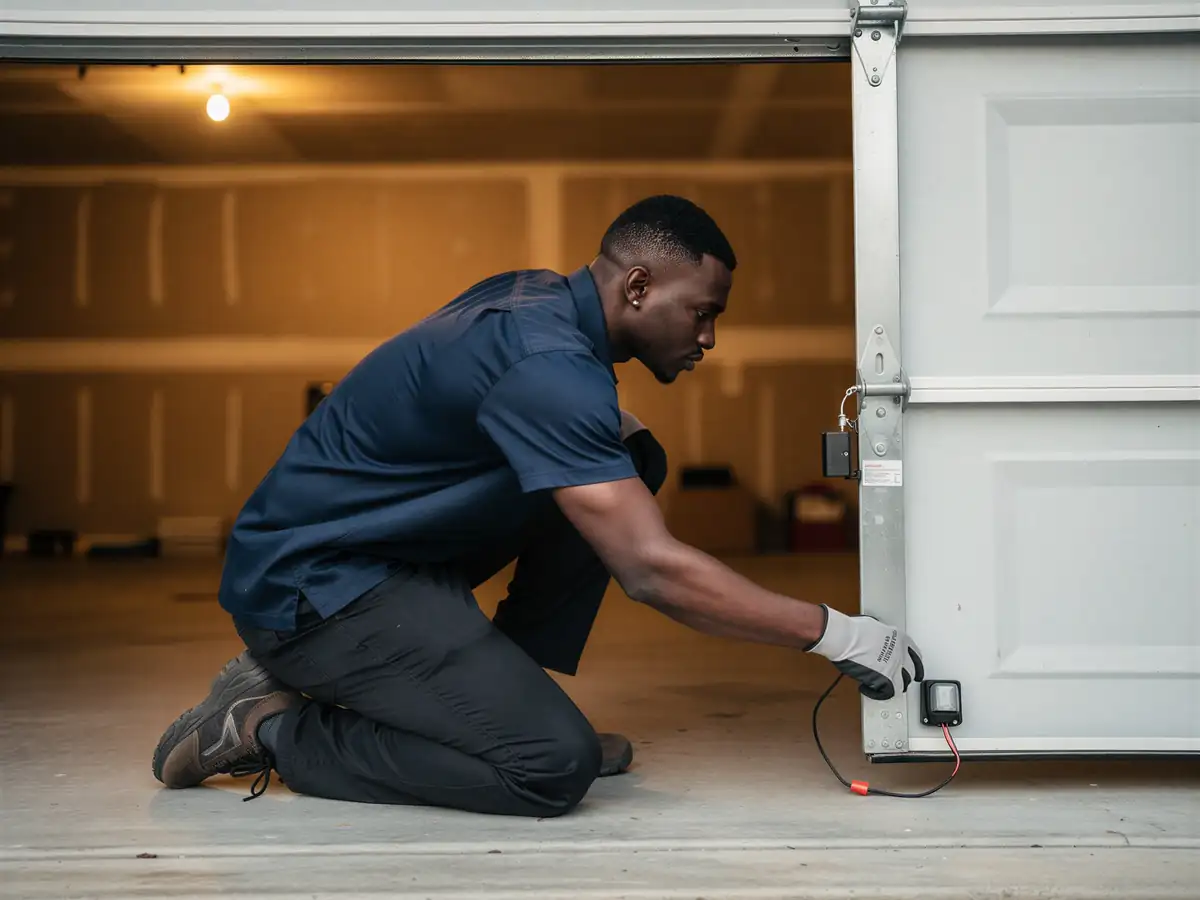
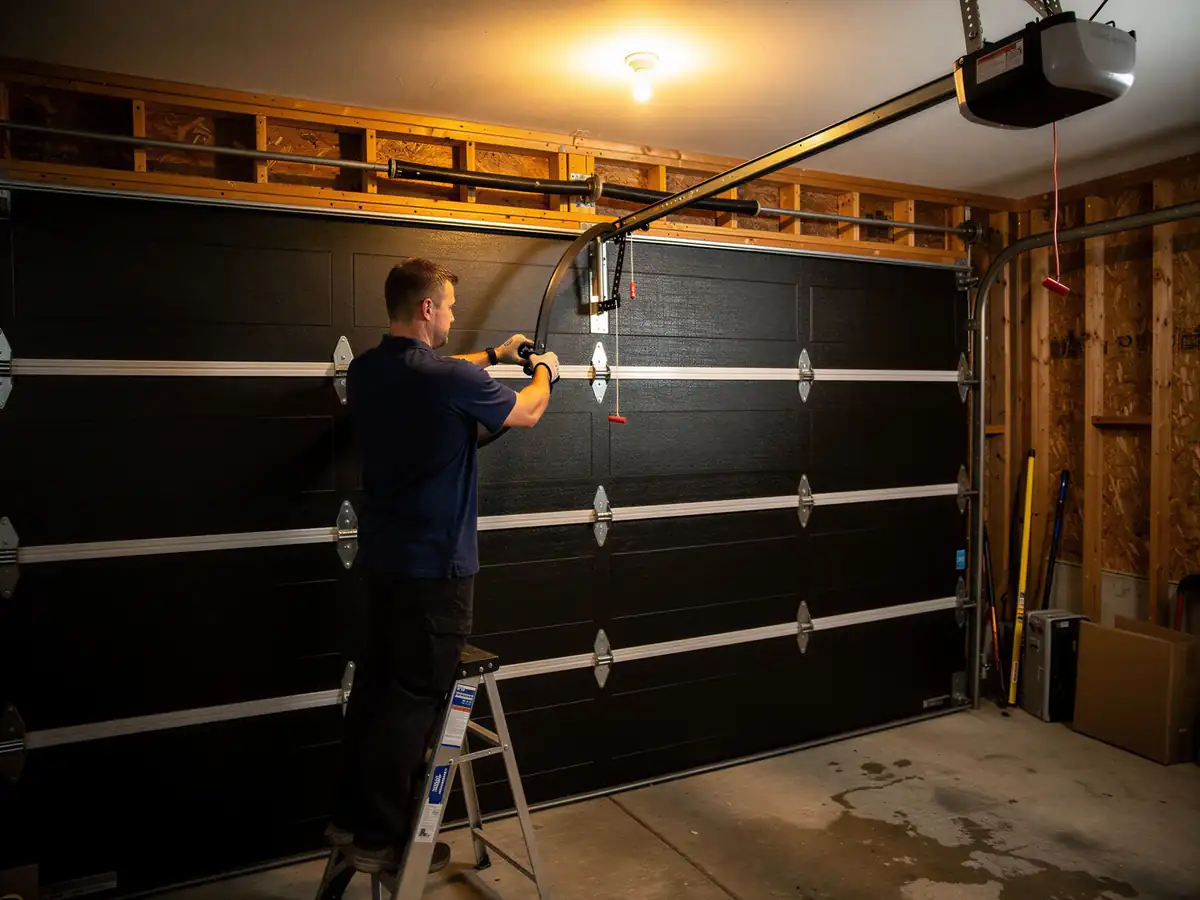
Installing a new opener on an existing rail and bracket setup is the simplest version of this job - old unit off, new unit on, sensors aligned and tested, remotes programmed. Adding a bracket replacement, rewiring, or switching rail length because you're changing drive types takes longer, since we're not just bolting on a new motor, we're rebuilding part of the mounting.
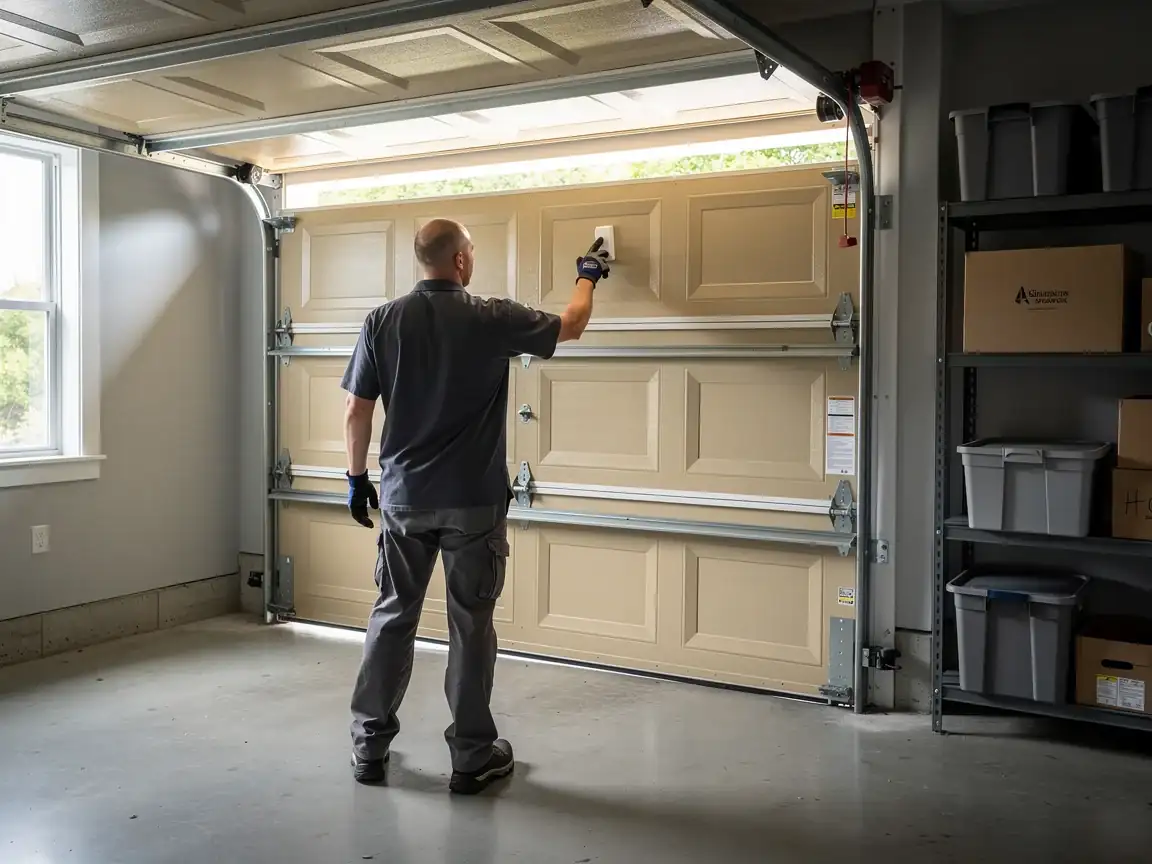
On a house from Victoria's typical build era, the header and ceiling framing are usually standard enough that we're not fighting the structure - that part of the job tends to be clean. Where it slows down is testing: we don't call a job finished until the safety reversal sensors are aligned and the auto-reverse actually stops the door on contact, every time, not just once. That's not optional and it's not fast to fake.