Doing It Yourself
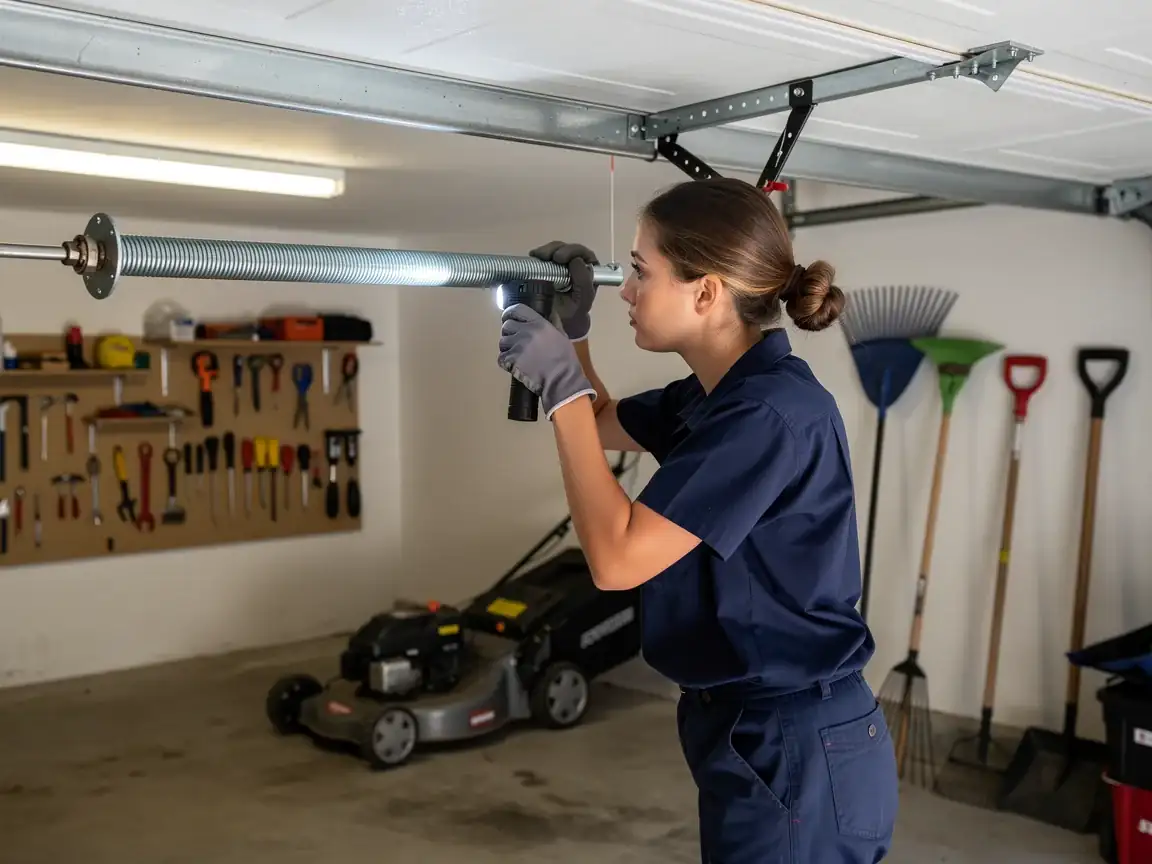
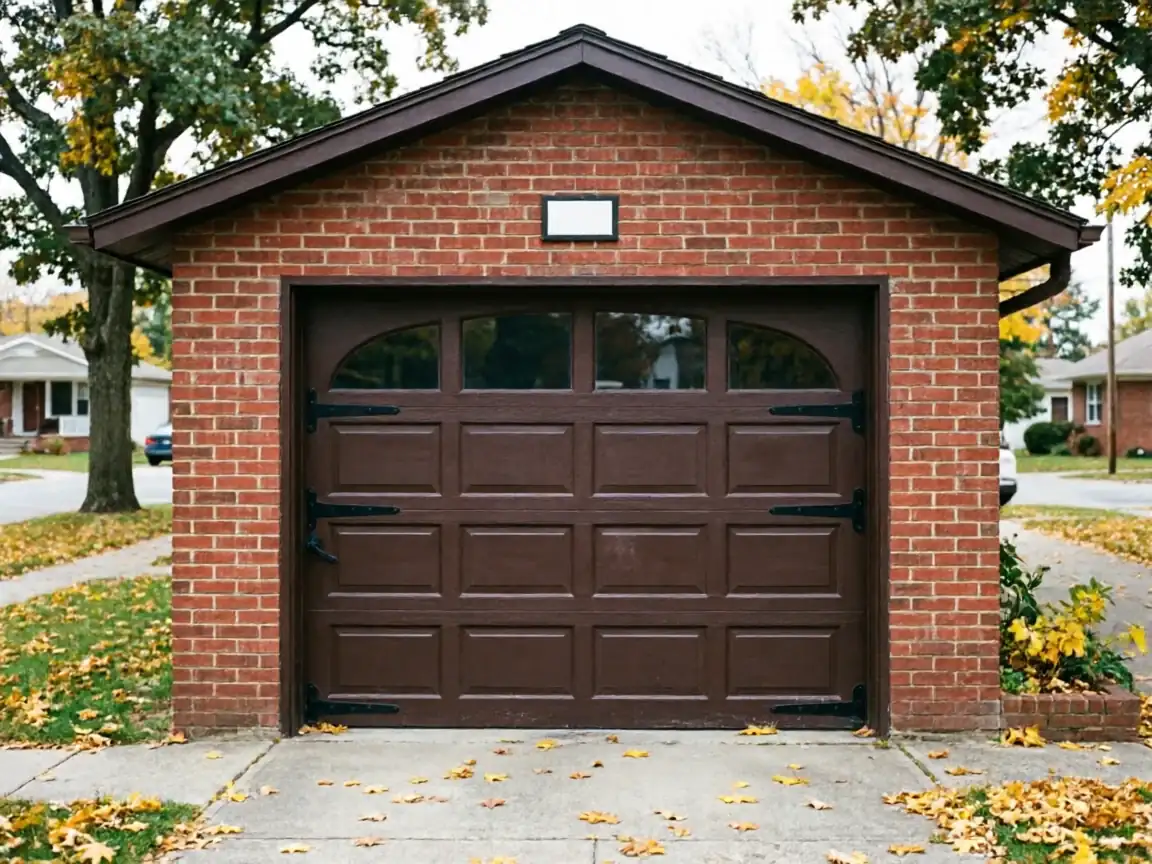
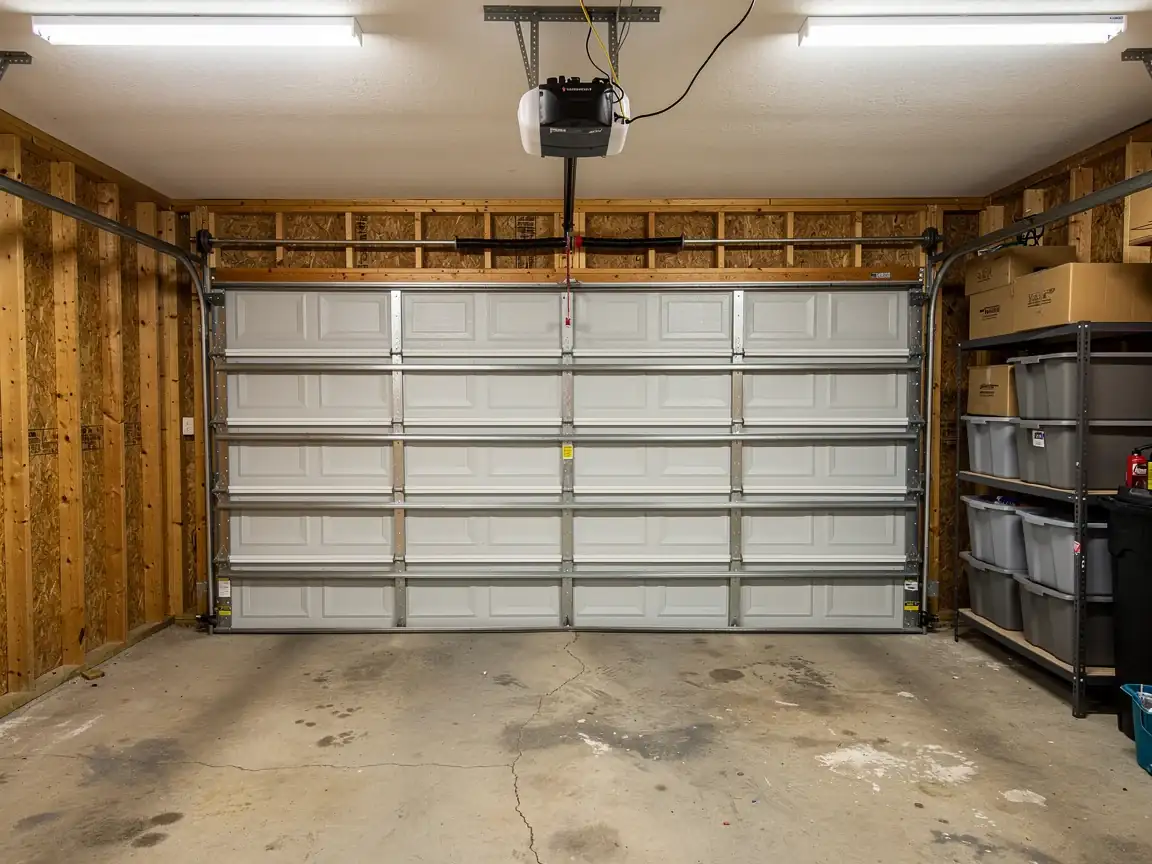
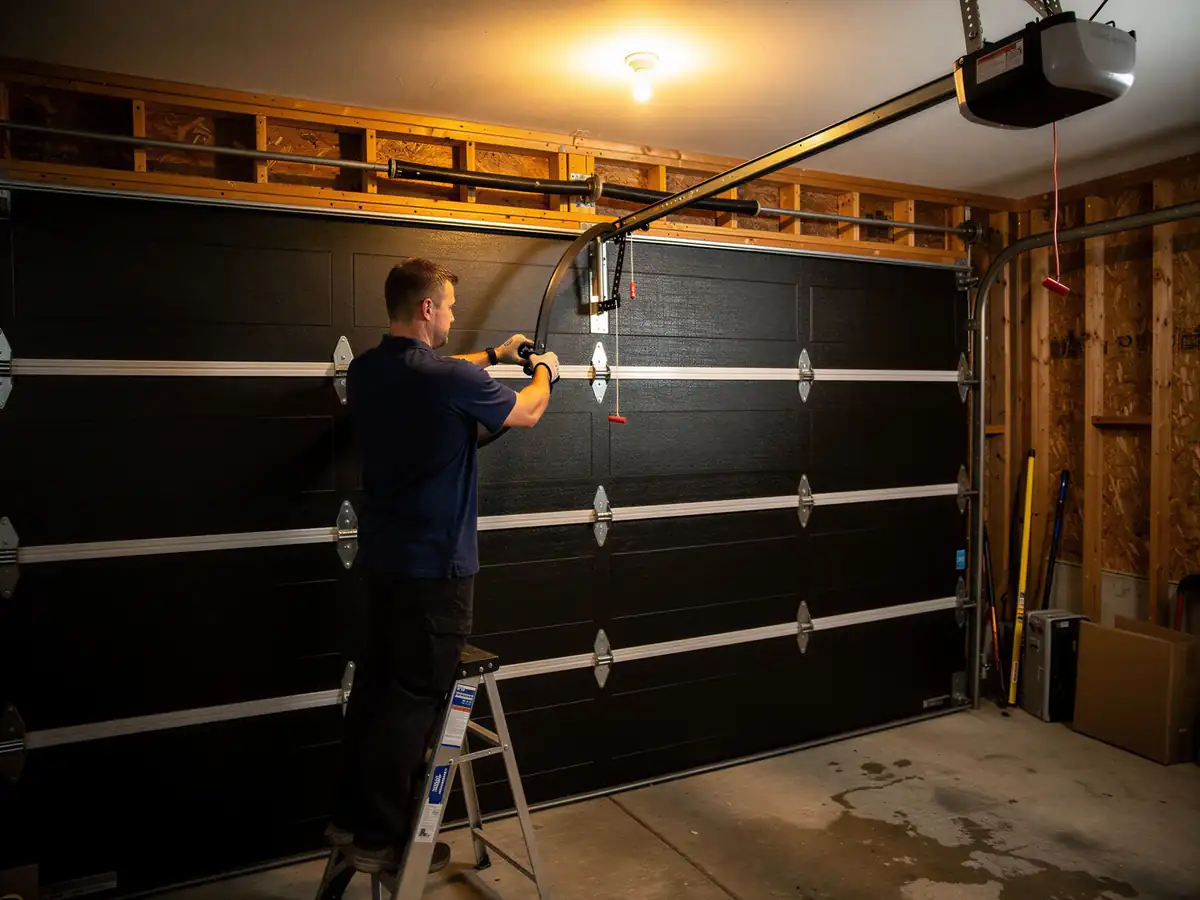
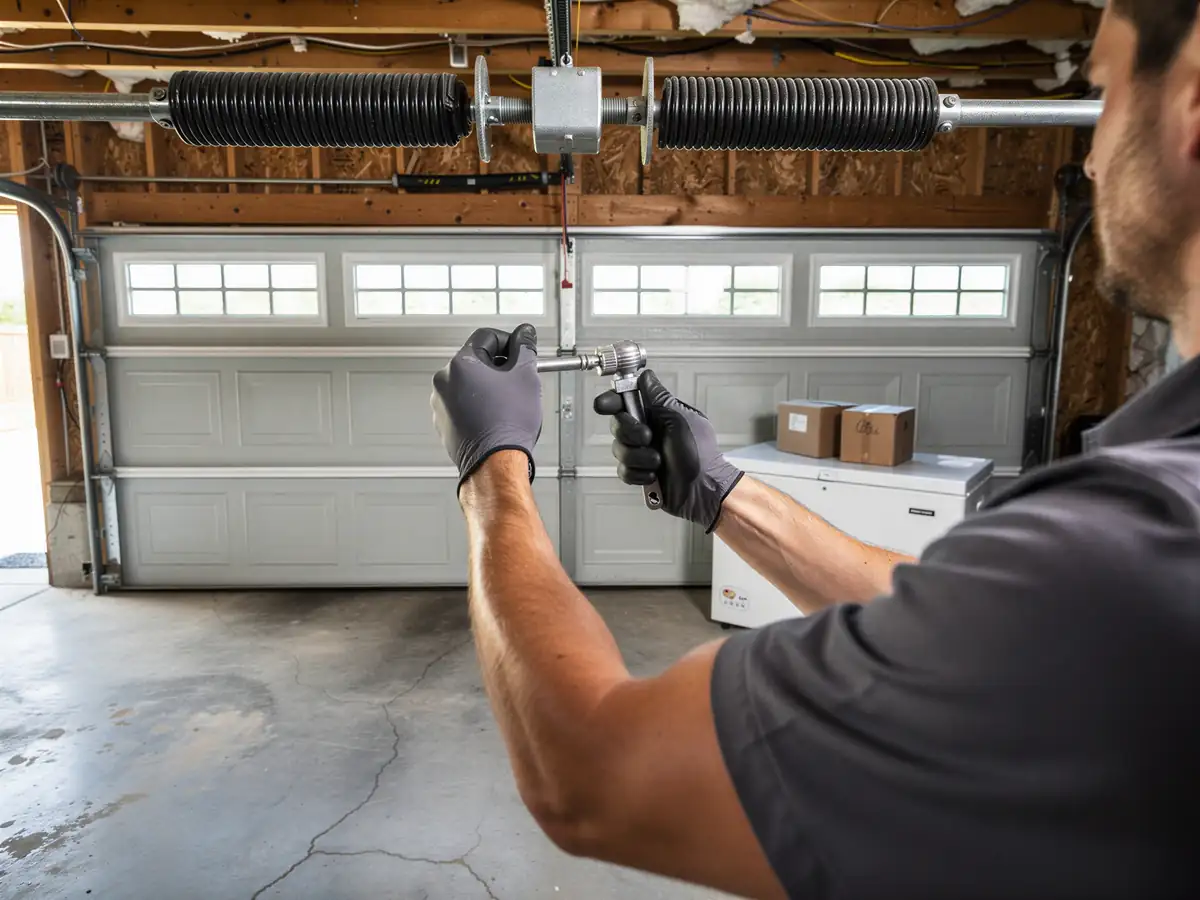
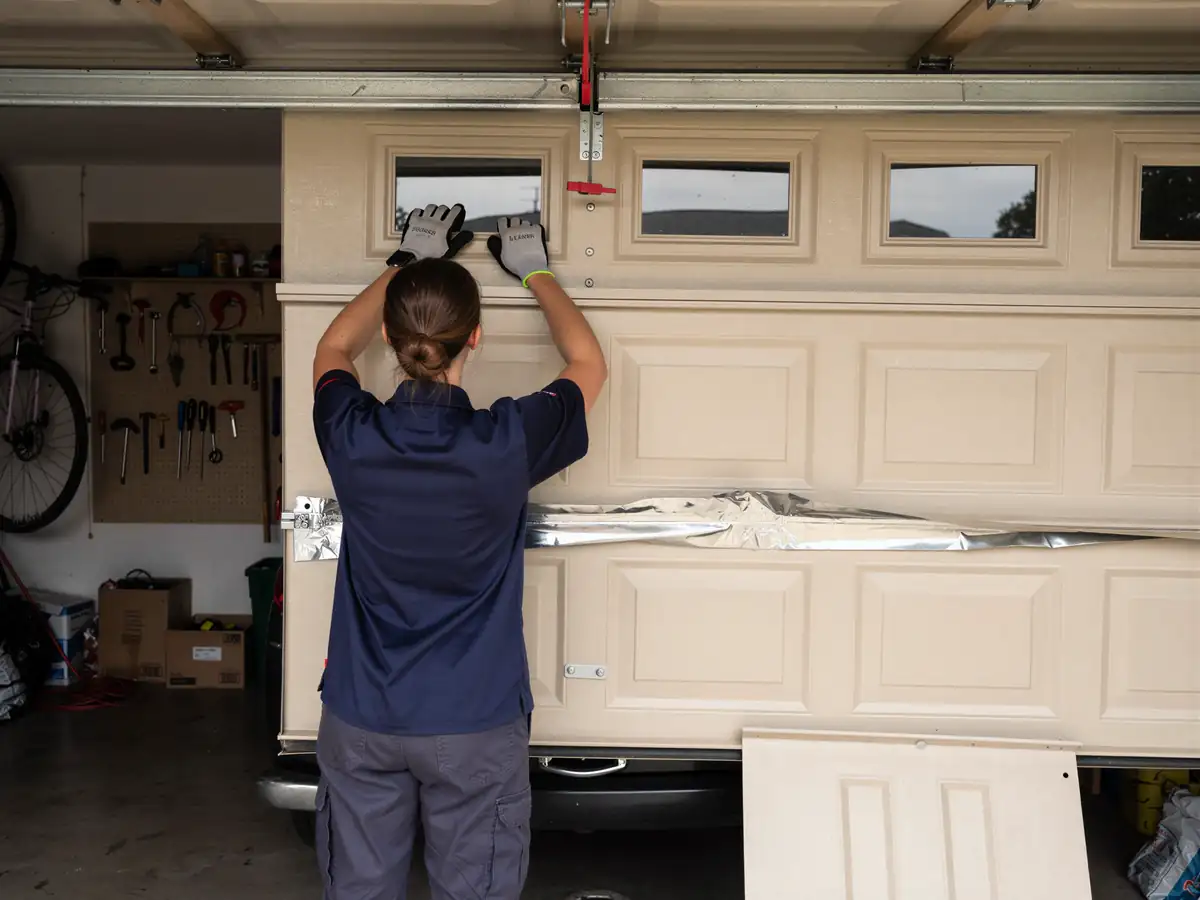
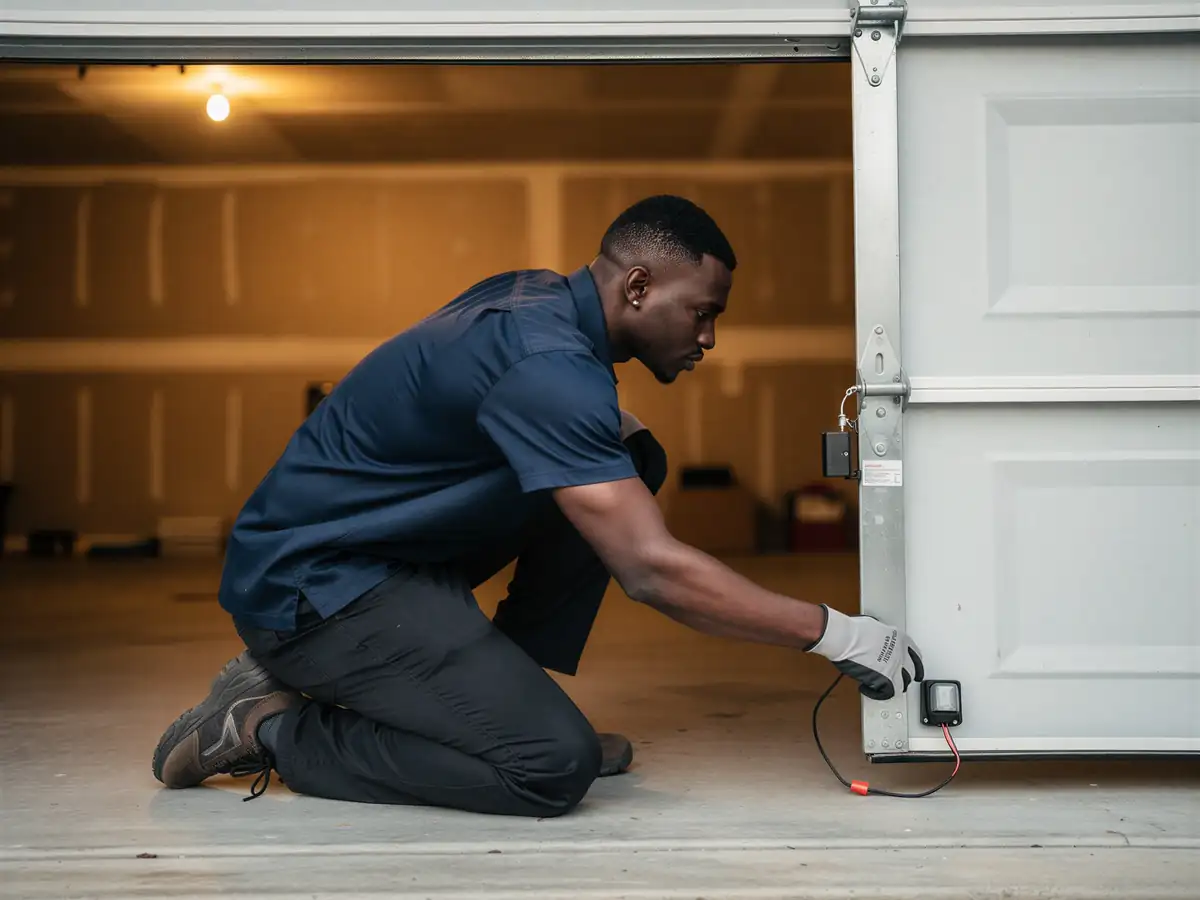
Lubricating rollers and hinges, checking that the auto-reverse safety sensors still work, and tightening loose hardware are all things an owner can do on a Saturday with a ladder and a can of the right lubricant (not WD-40 - it's a degreaser, not a lube). What you shouldn't touch is the torsion spring or anything under load. Even on newer doors like the ones common in Victoria, the spring is wound tight enough to cause a serious injury if it lets go while you're working near it. If your door is still within its original factory warranty period, some manufacturers void that warranty if anyone but a licensed tech has opened the spring system - check your paperwork before you pull a cover plate.
Why It Happens Here
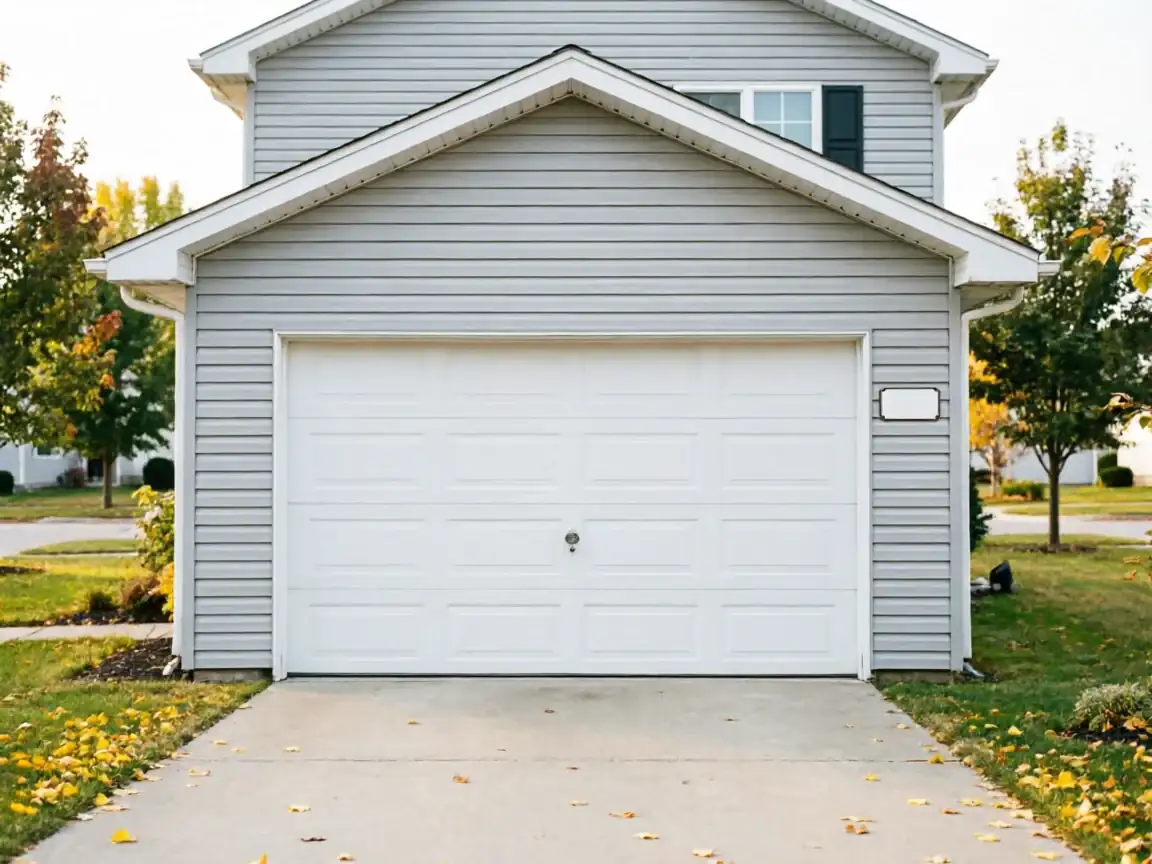
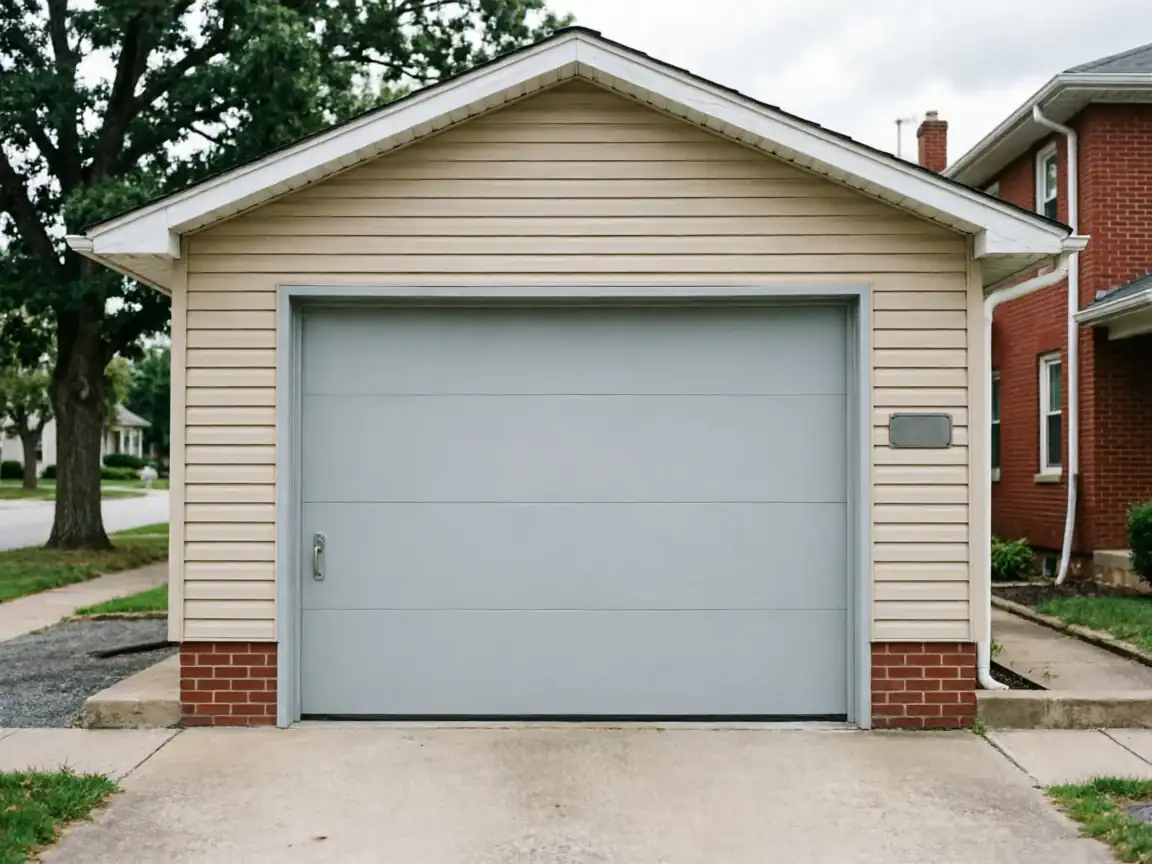
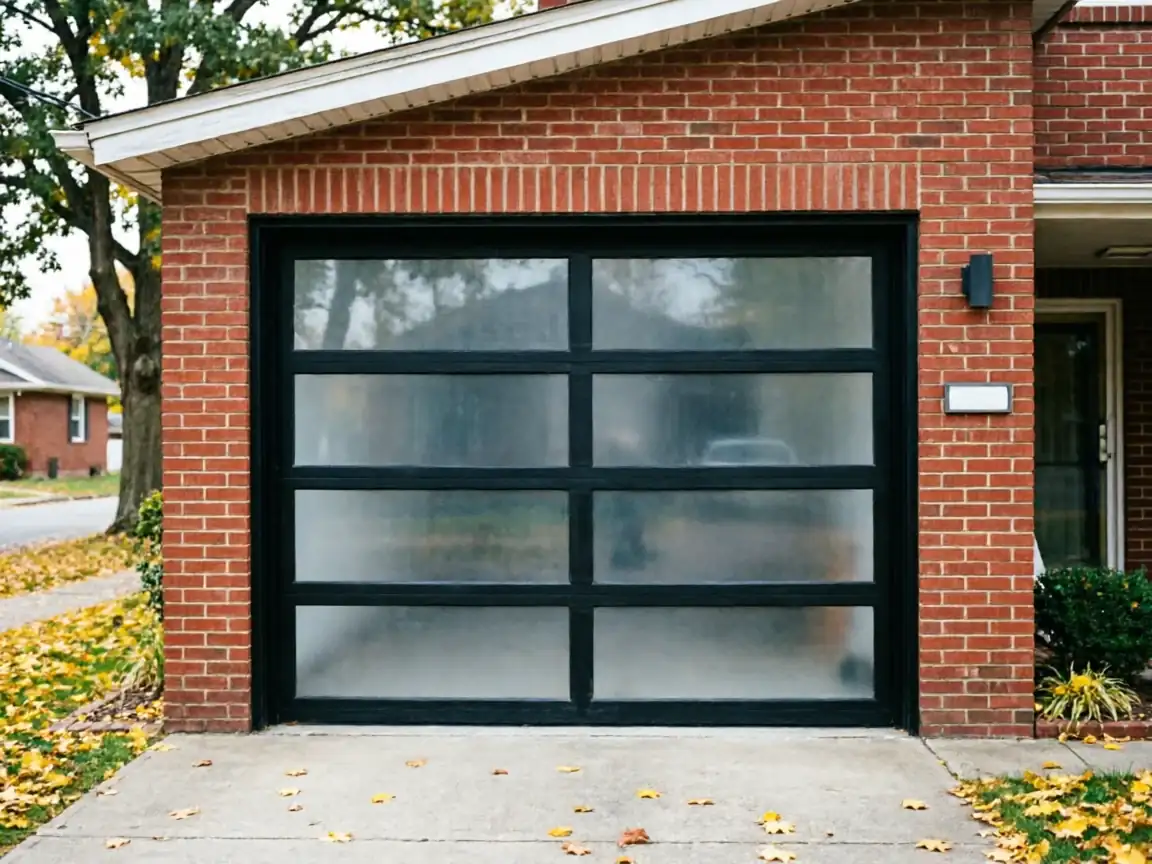
Victoria's households skew newer-built and higher-income than the area average - median income here runs well above the roughly $108,611 figure we see across the wider service area - and that shows up less in why doors fail and more in what's failing. Fewer original one-piece doors, fewer side-mounted torsion setups from the 1960s and 70s that are common elsewhere in the territory. What we do see in a cold-climate build like this one is moisture and temperature cycling working on weatherstripping and on the bottom seal faster on newer insulated doors than people expect, plus condensation inside steel panels during freeze-thaw swings. That's a maintenance item, not a hardware failure, and it's one that gets missed because the door still looks and opens fine.
What the Repair Takes
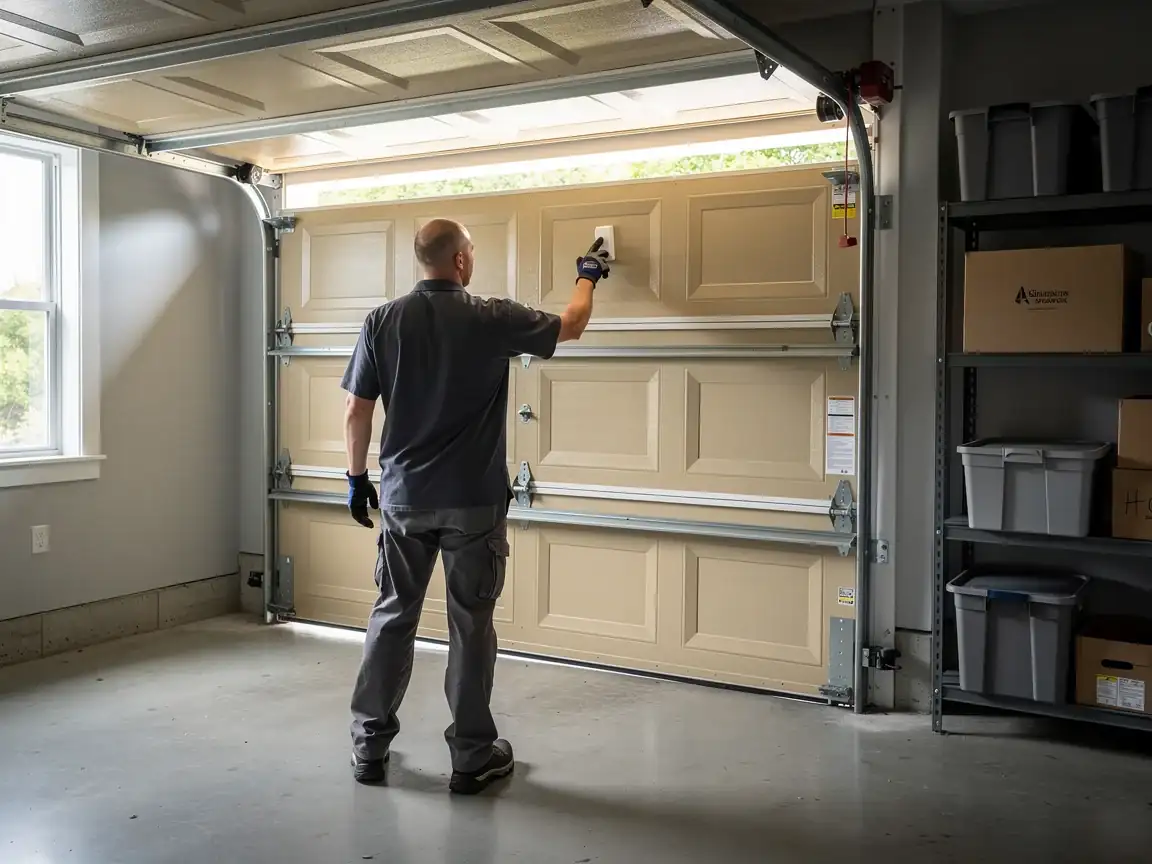
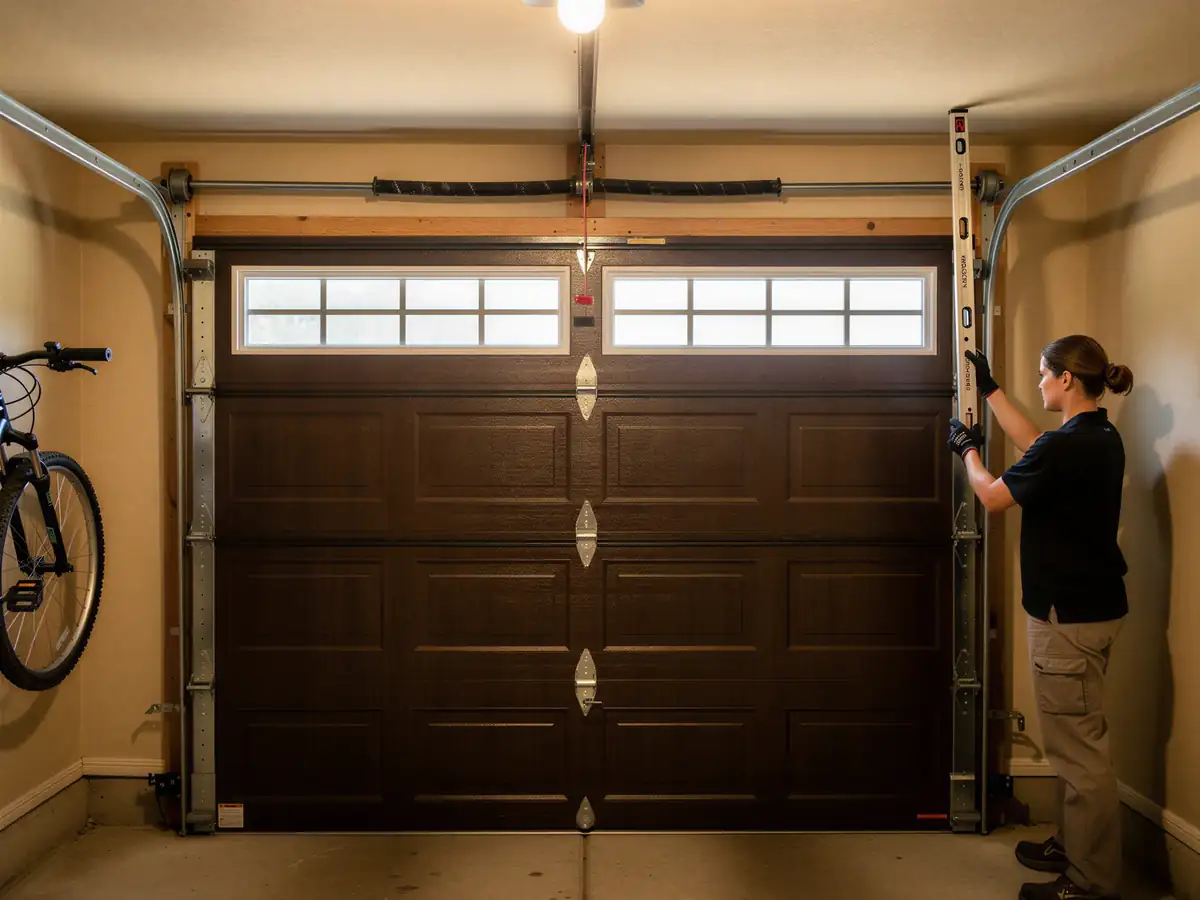
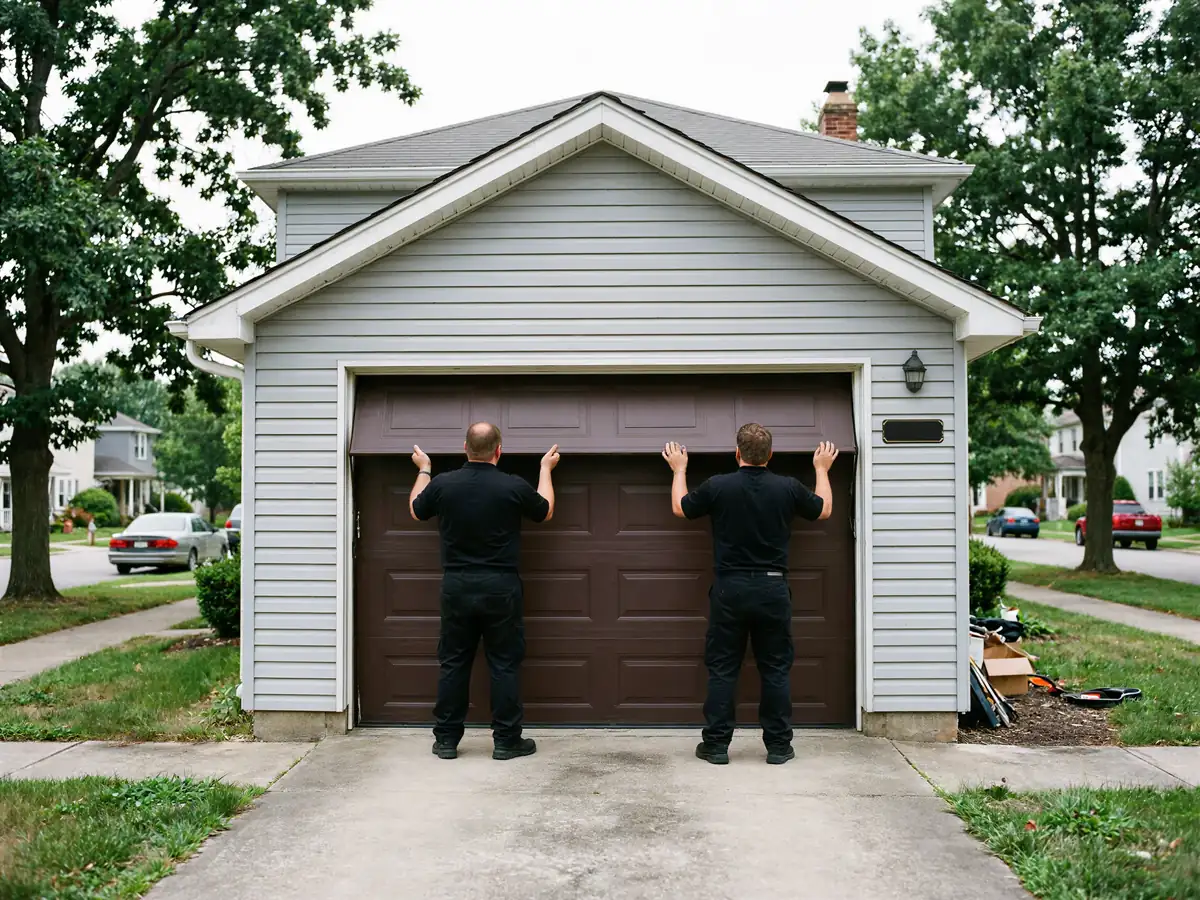
A standard tune-up - lube, hardware check, balance test, sensor check - takes under an hour on most doors. Where it runs longer is if the door's out of balance, which strains the opener and shortens its life even if nothing's visibly broken yet. On the newer stock common in Victoria, balance problems usually trace back to a spring that was sized wrong at install rather than one worn out from age, since most of these doors haven't logged the cycles an older door has. We come from Savage, about 16 miles out, so we schedule the visit before we load the truck - tell us what you're hearing or seeing and we bring the right stock the first time.