Why It Happens Here
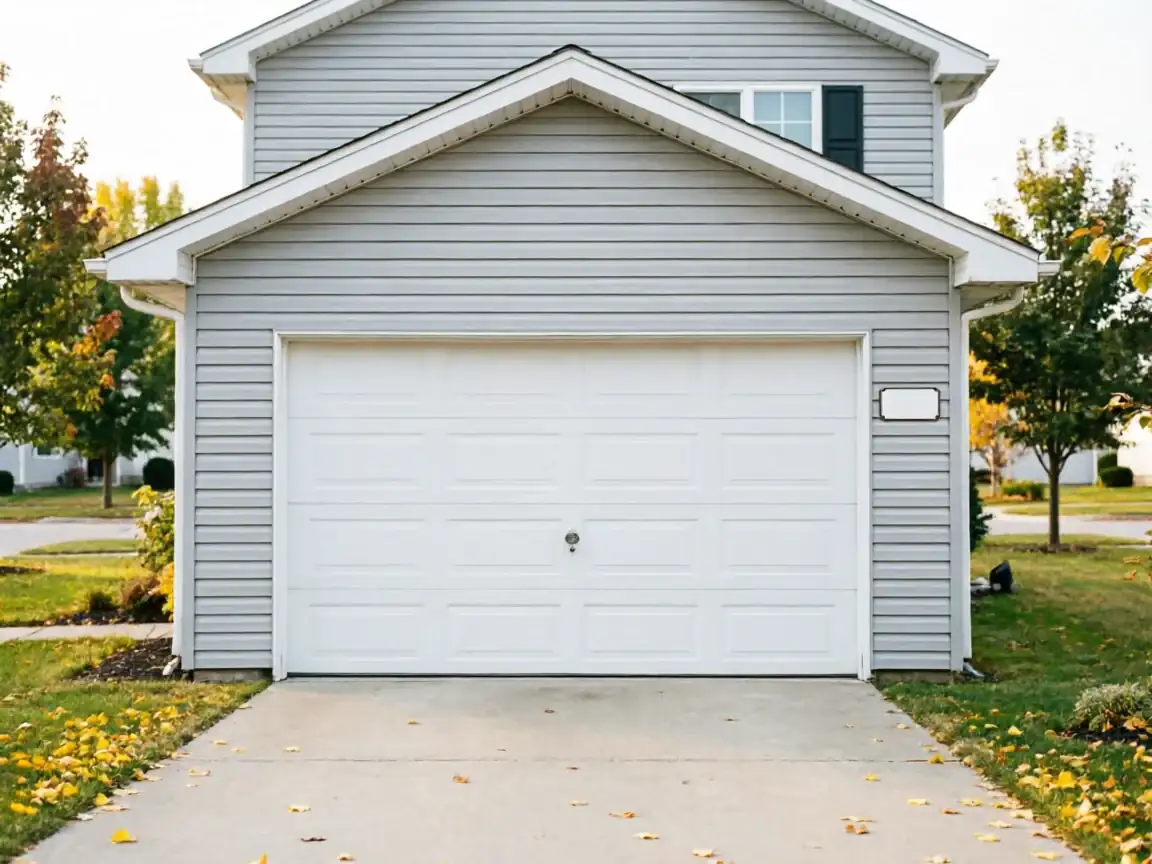
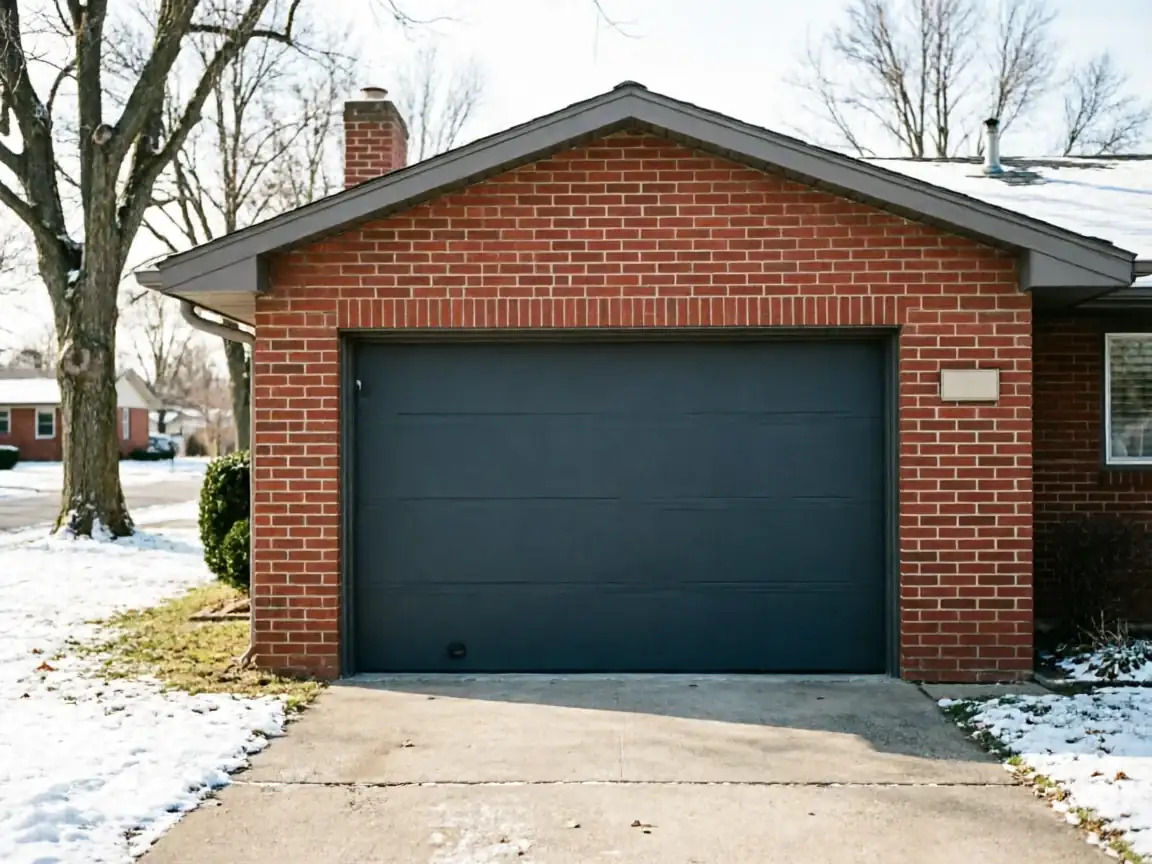
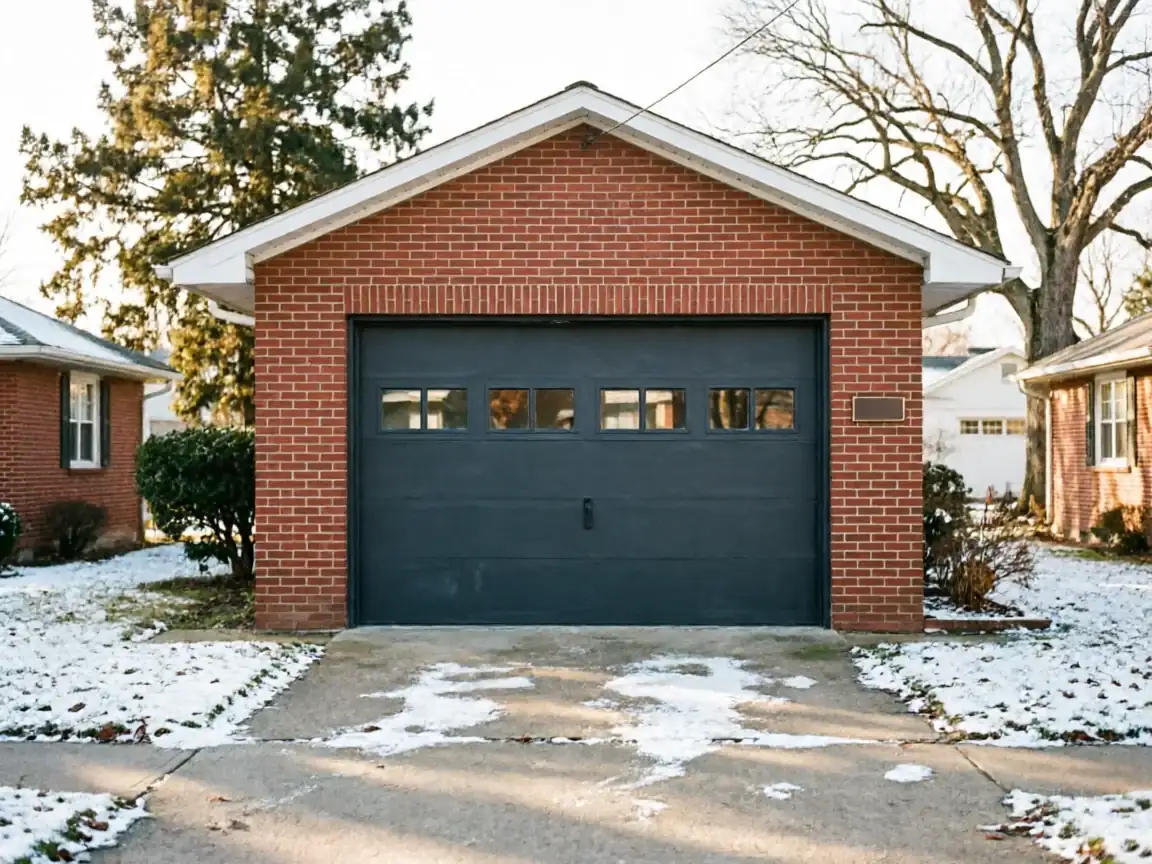
Orono's housing stock centers on 1982, newer than much of the wider service area where the median build year runs closer to 1975. That difference matters for one reason: torsion springs are rated by cycle count, not by calendar year, and a spring installed when a house was built in the early 1980s has had roughly four decades to rack up open-and-close cycles. Most springs are rated for 10,000 cycles, which for a household using the door twice a day works out to somewhere in the 13-to-15-year range before failure risk climbs. Houses built in 1982 are now well past that math twice over. The pattern we see on this side of the metro is springs that haven't been touched since installation, on doors heavy enough with insulation that the original spring was already working near its rated limit from day one.
What the Repair Takes
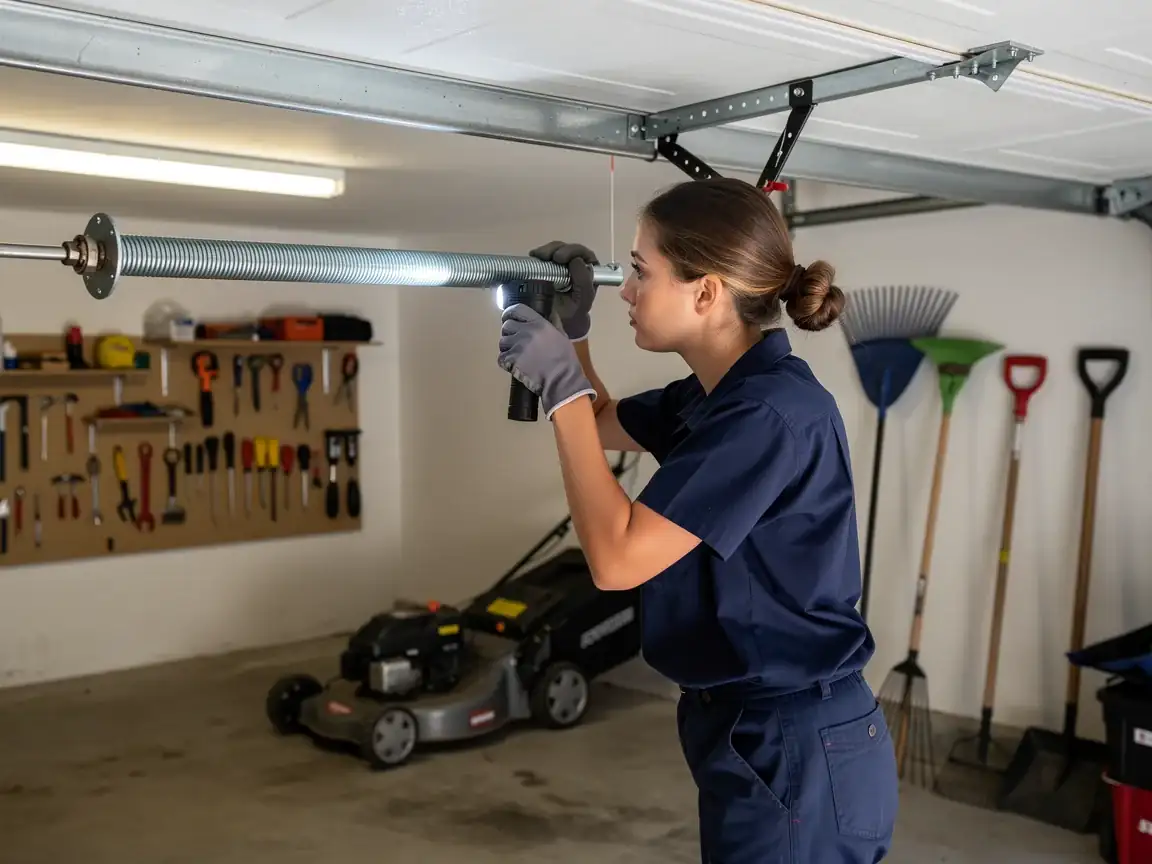
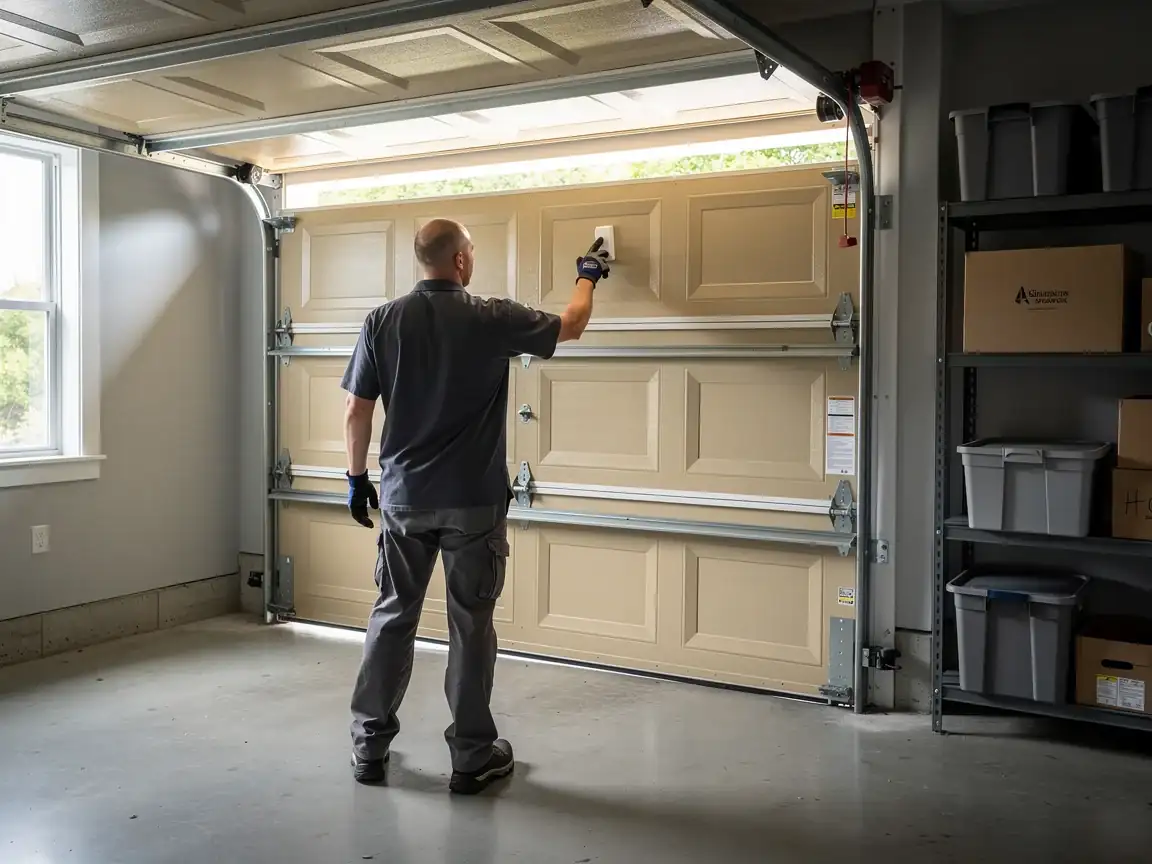
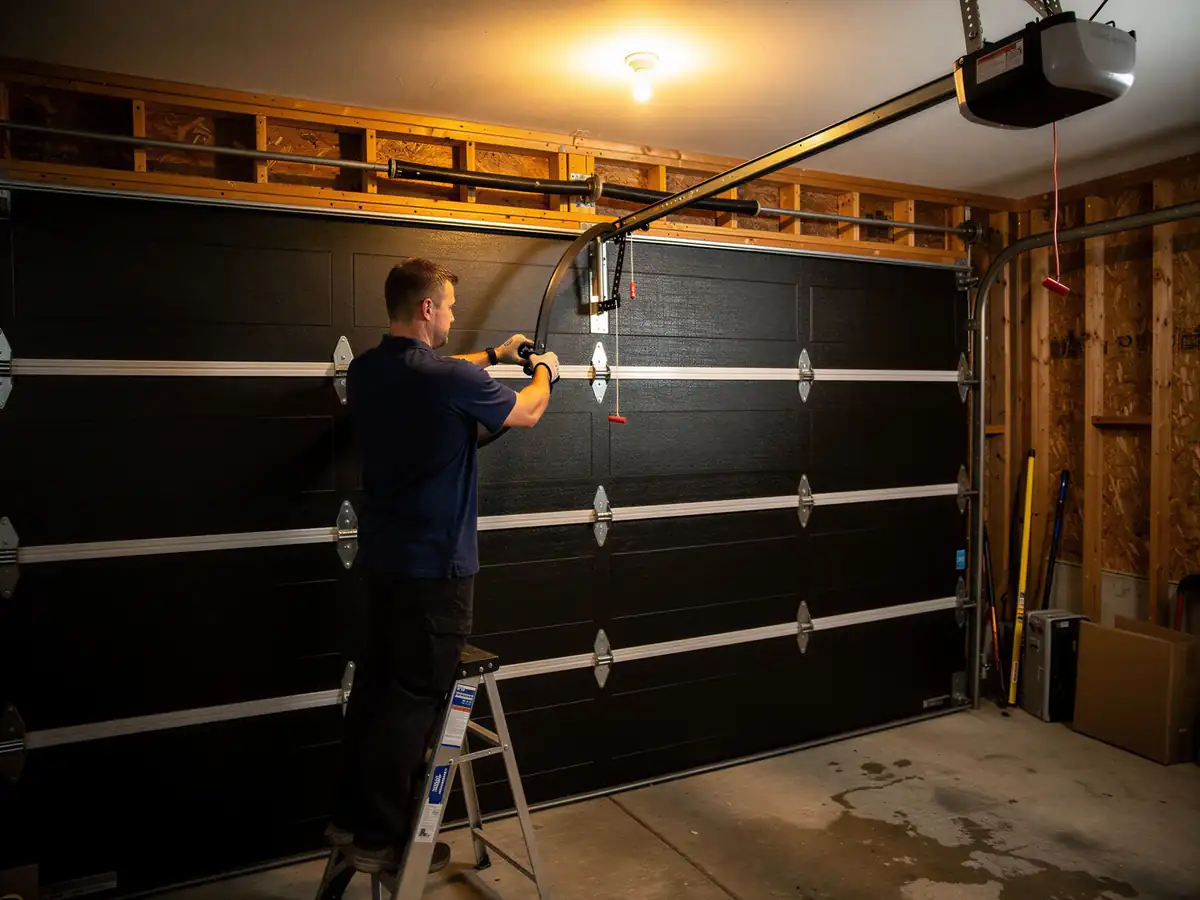
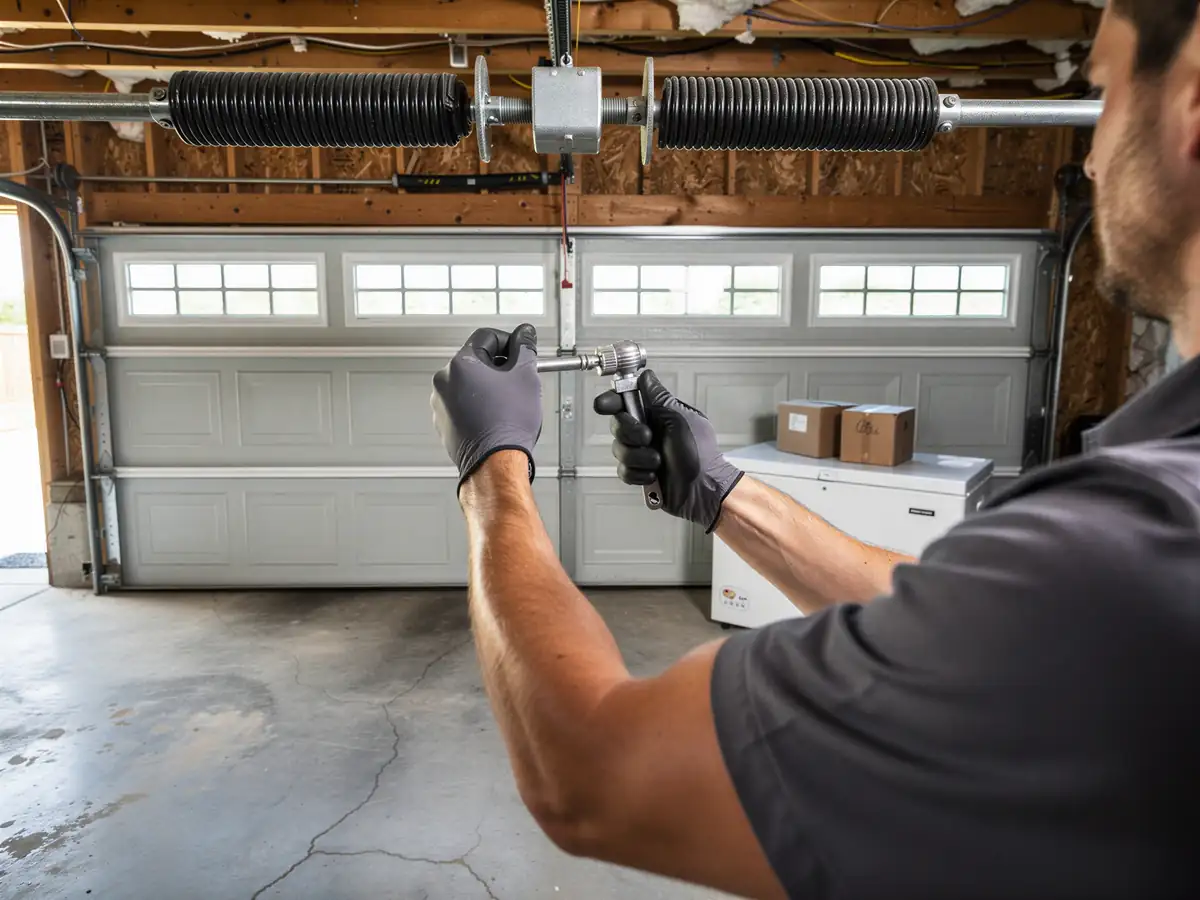
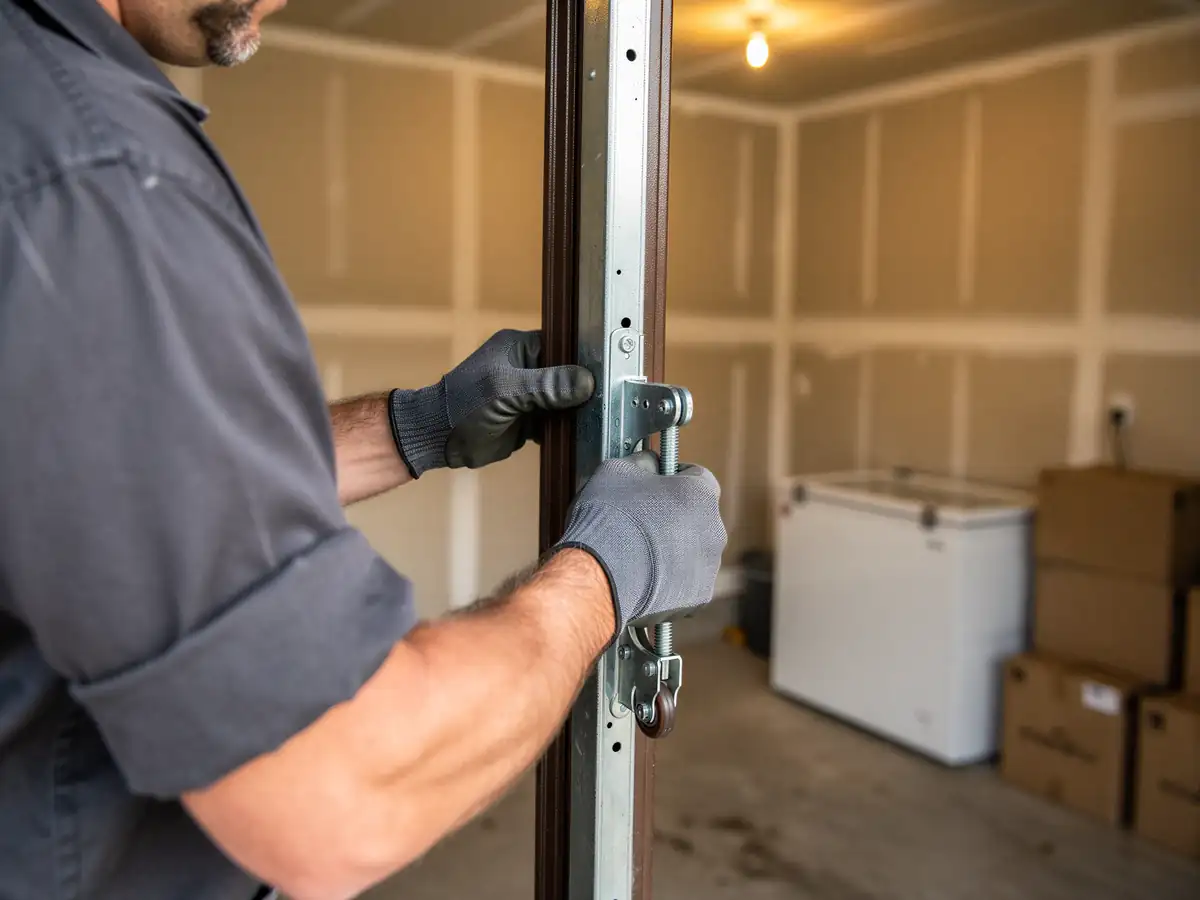
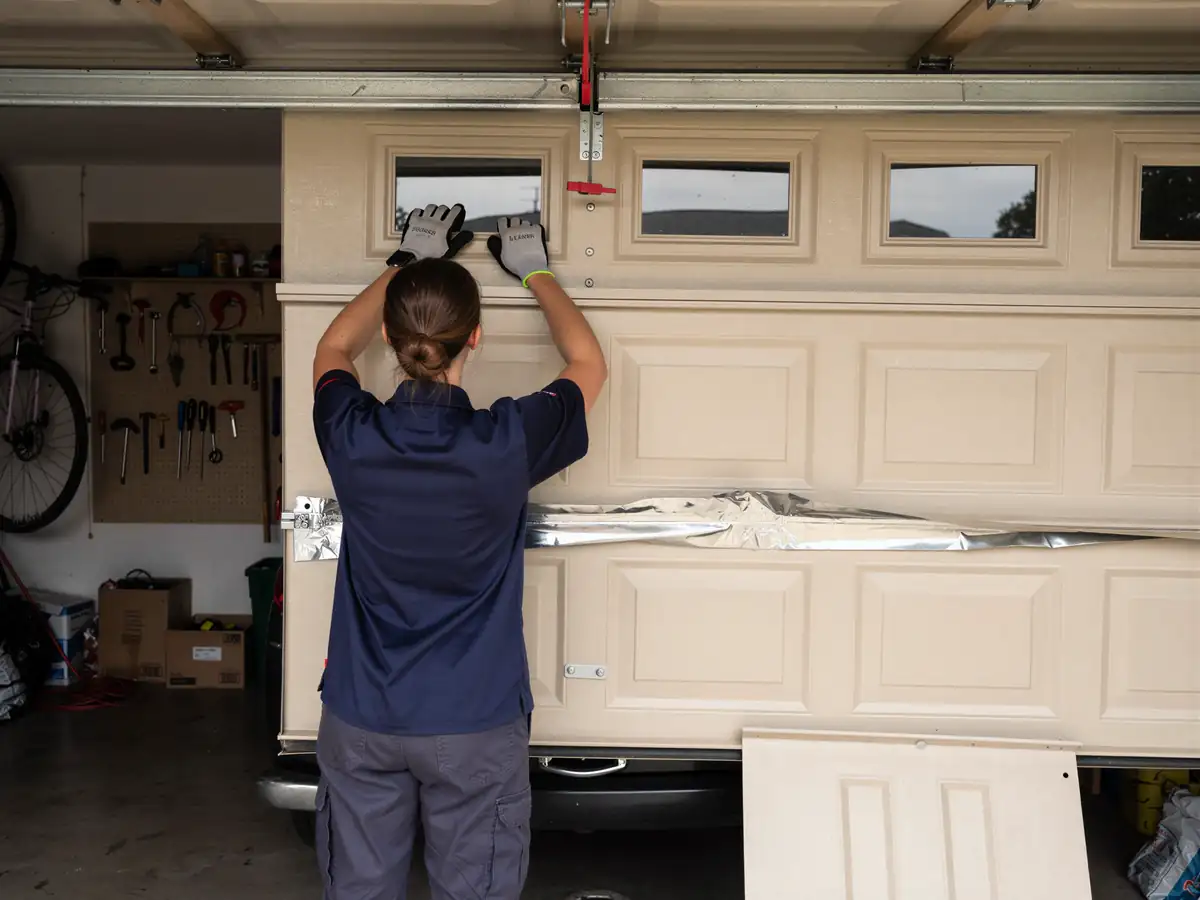
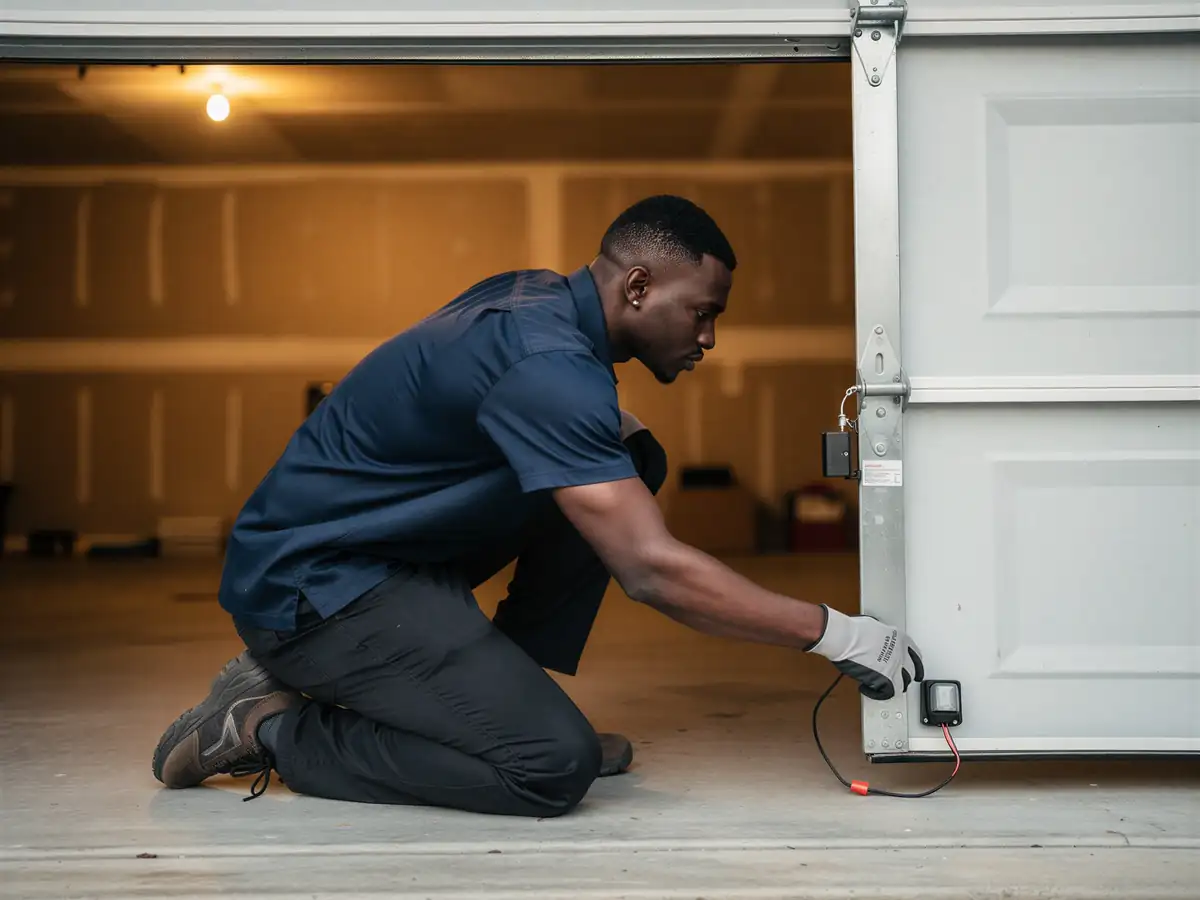
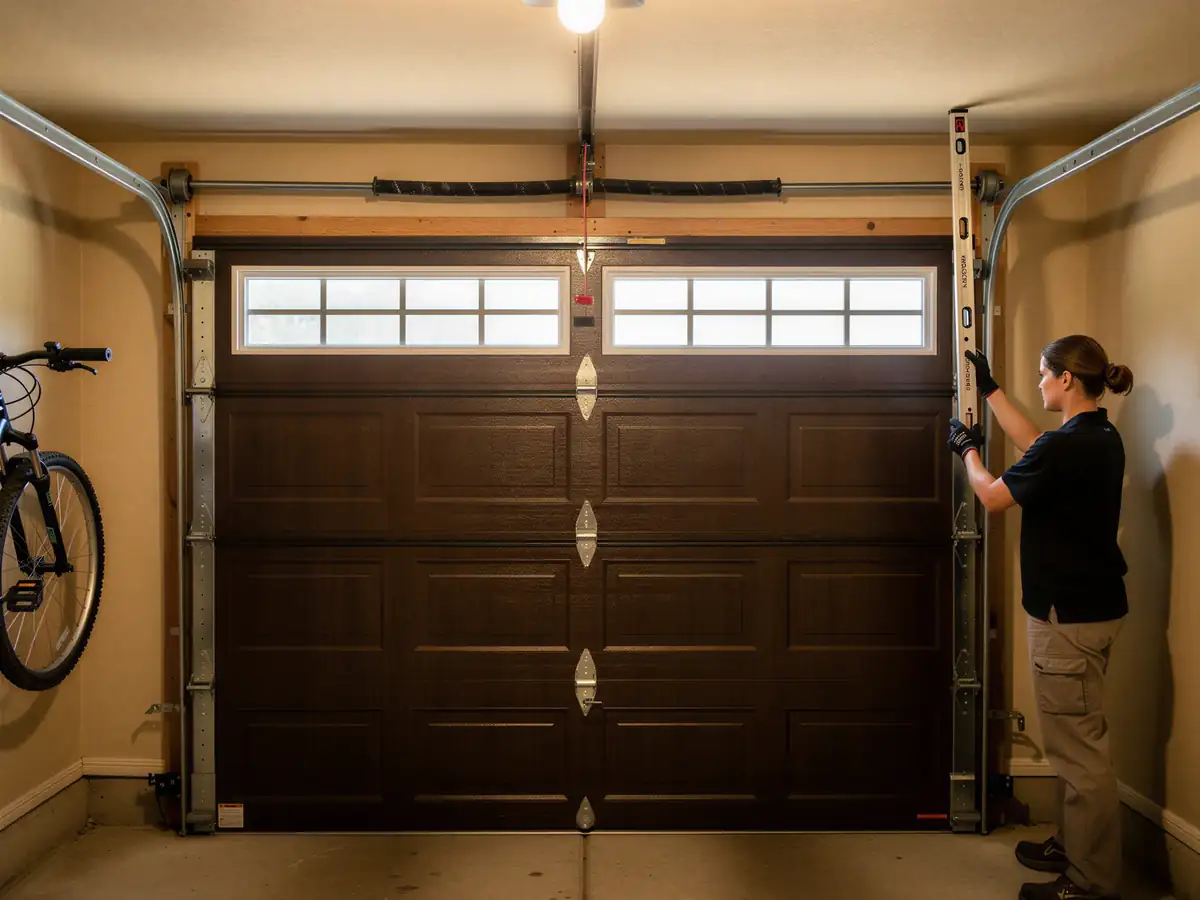
We travel from Savage, about 18 miles to Orono, so the repair itself starts once we're on site with the right spring and hardware already loaded based on what you describe on the phone. A torsion spring swap on a standard double door runs through disconnecting the opener, clamping the door, removing the old spring and bearings, and setting new hardware to the correct wind for the door's weight. On an insulated steel door from this era, that weight is the variable that matters most, heavier than a hollow-core door of the same size, which means the spring has to be matched correctly or it'll fail early again. We test full travel and balance before we leave, not just that the door closes.
What You Are Seeing
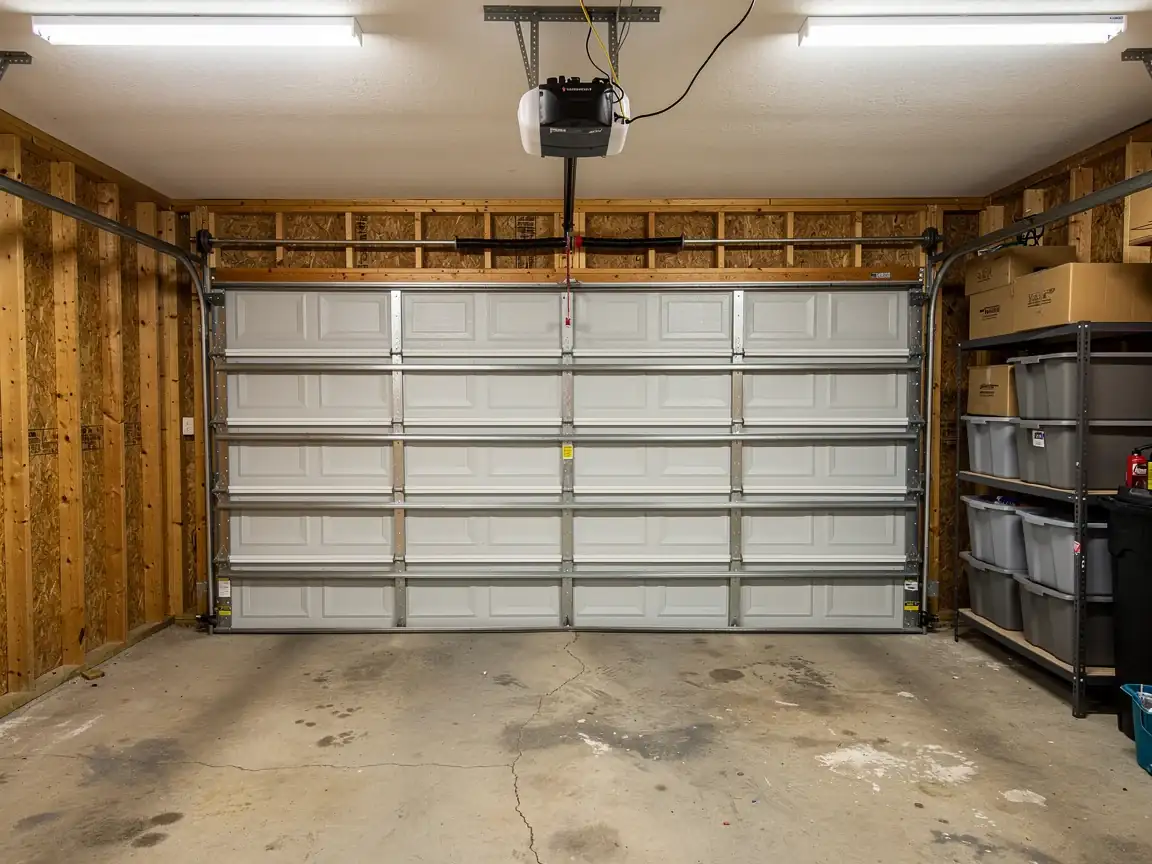
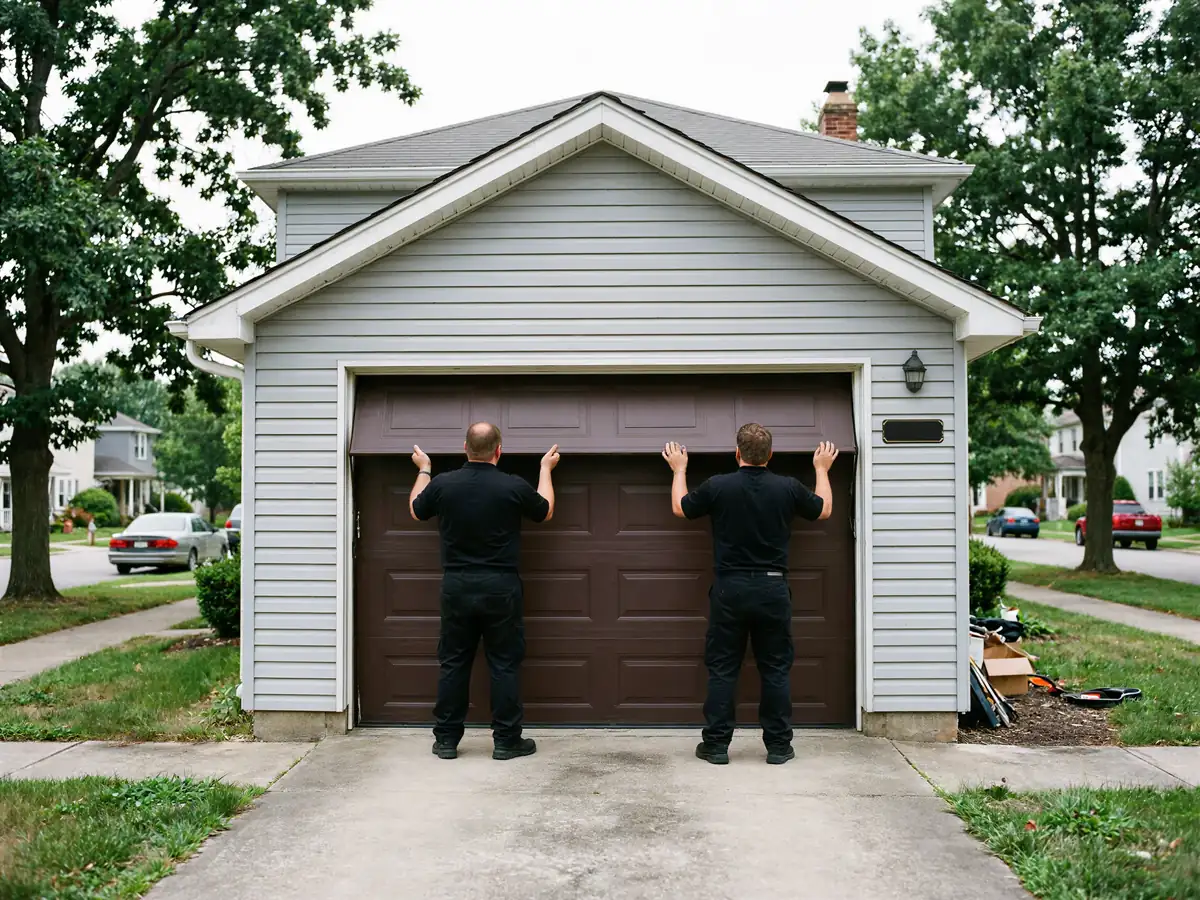
If the door won't open at all and the opener motor hums or clicks without movement, that's almost always a broken torsion spring, not a motor problem. A door that opens but feels heavy, or one where you can see a visible gap in the spring coil above the door, points the same direction. Cables that look loose or frayed at the bottom bracket often mean the spring already failed and the cable is now carrying weight it was never meant to hold alone. On a house with the original 1982-era hardware, these are wear patterns we'd expect to find now, not signs of something unusual with the installation.
Doing It Yourself
Torsion springs are wound under heavy tension and we don't recommend touching them yourself, full stop. Lubricating hinges and rollers, checking that the track is clear of debris, and tightening visible loose bolts on the track brackets are all reasonable homeowner tasks that won't hurt anything. Replacing a spring, adjusting spring tension, or working on the cables and drums is a different category of job. The tension stored in a wound torsion spring has put people in the hospital, and it's not a place to save a service call.