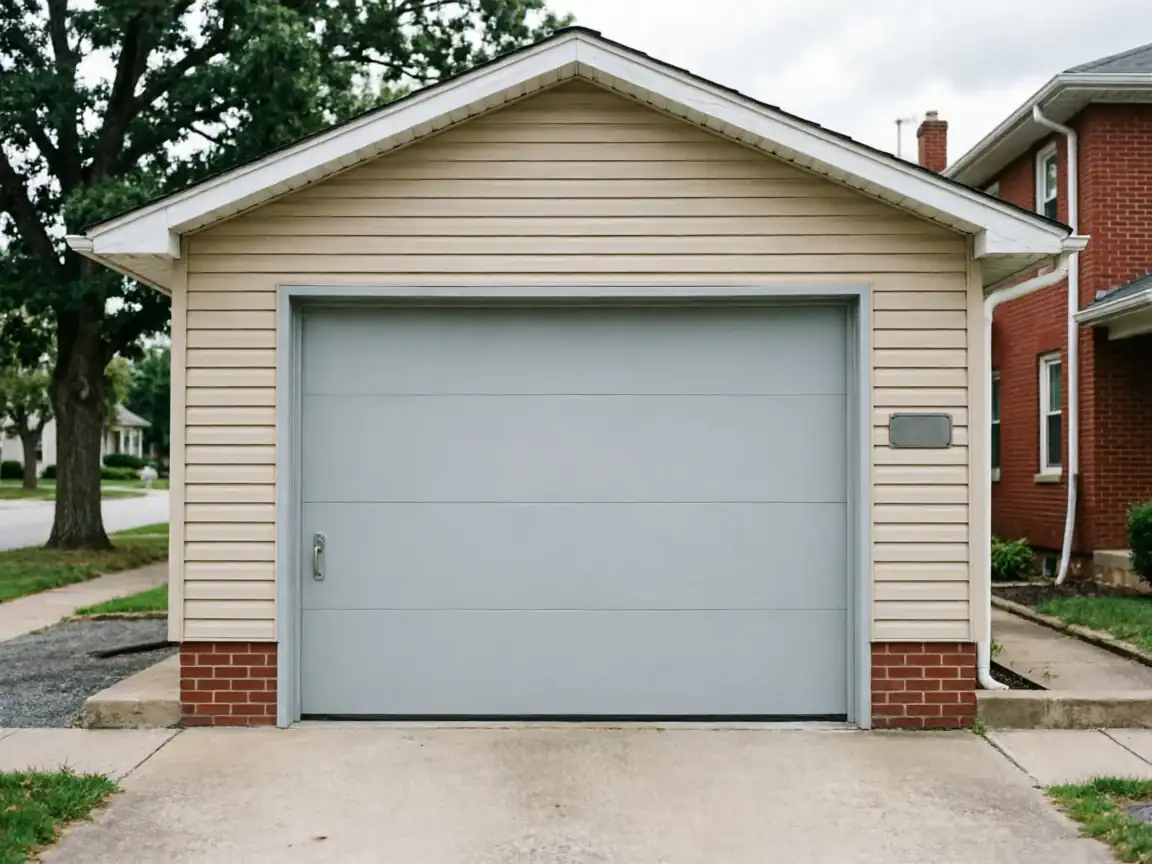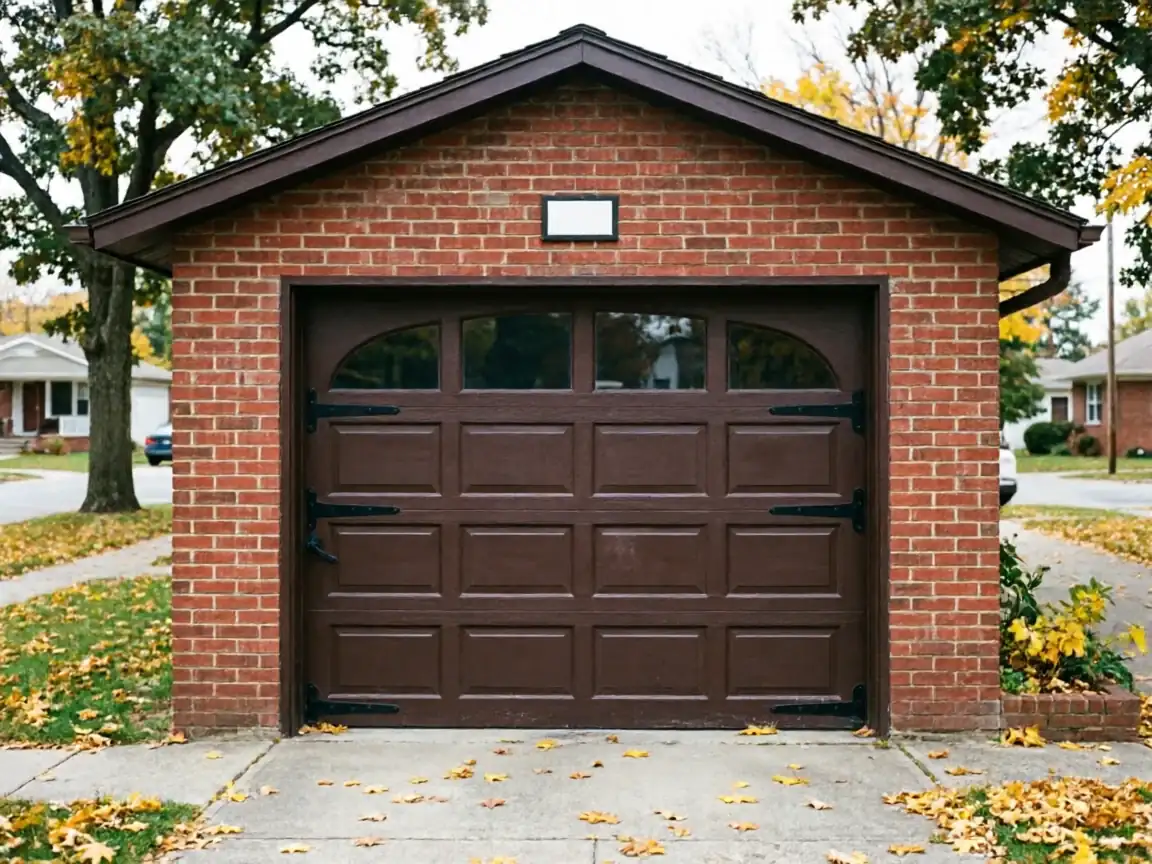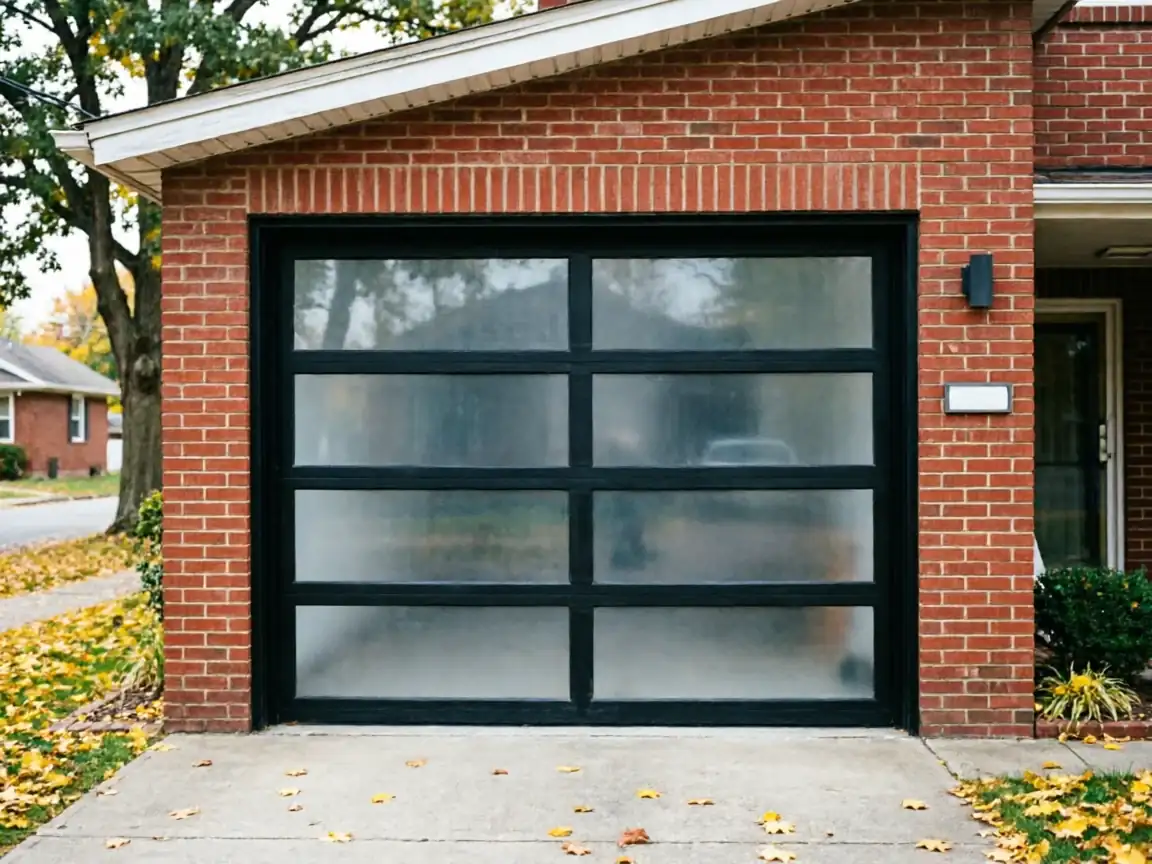
What Is on the Truck
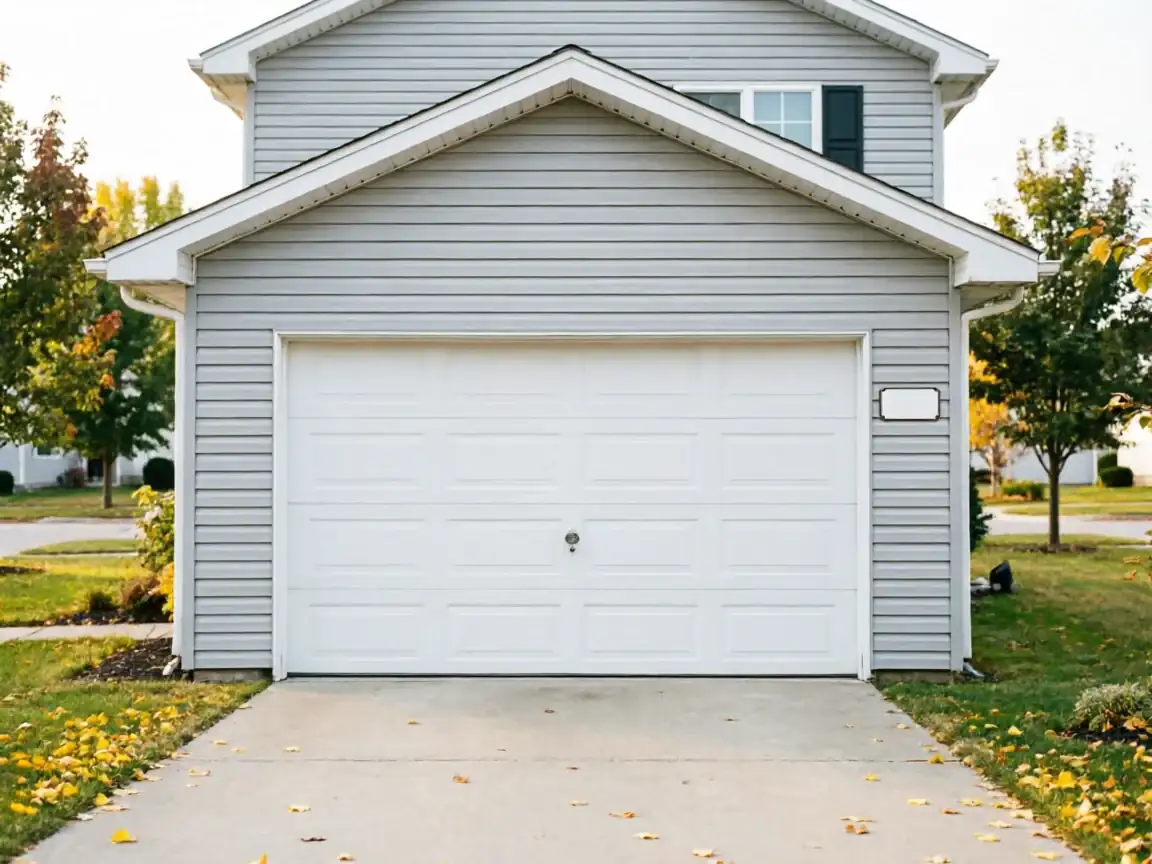
Most houses in Orono date to around 1982
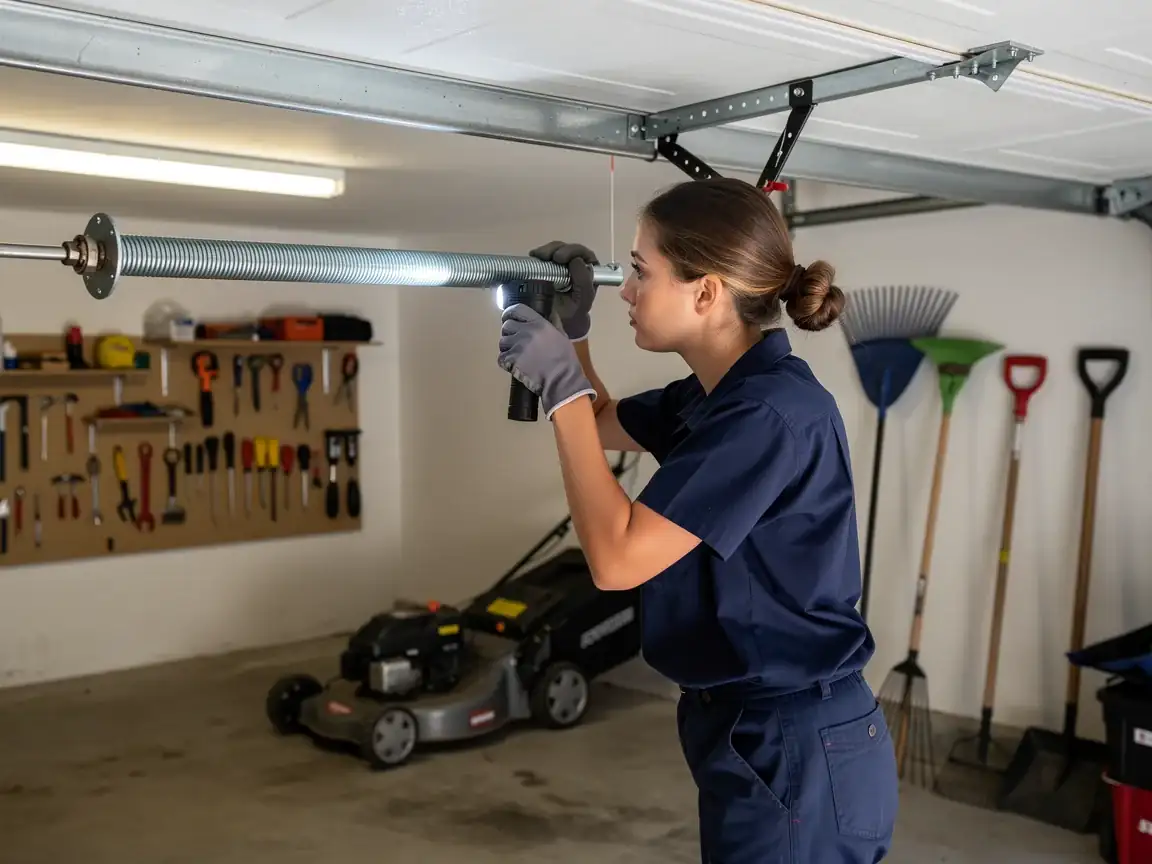
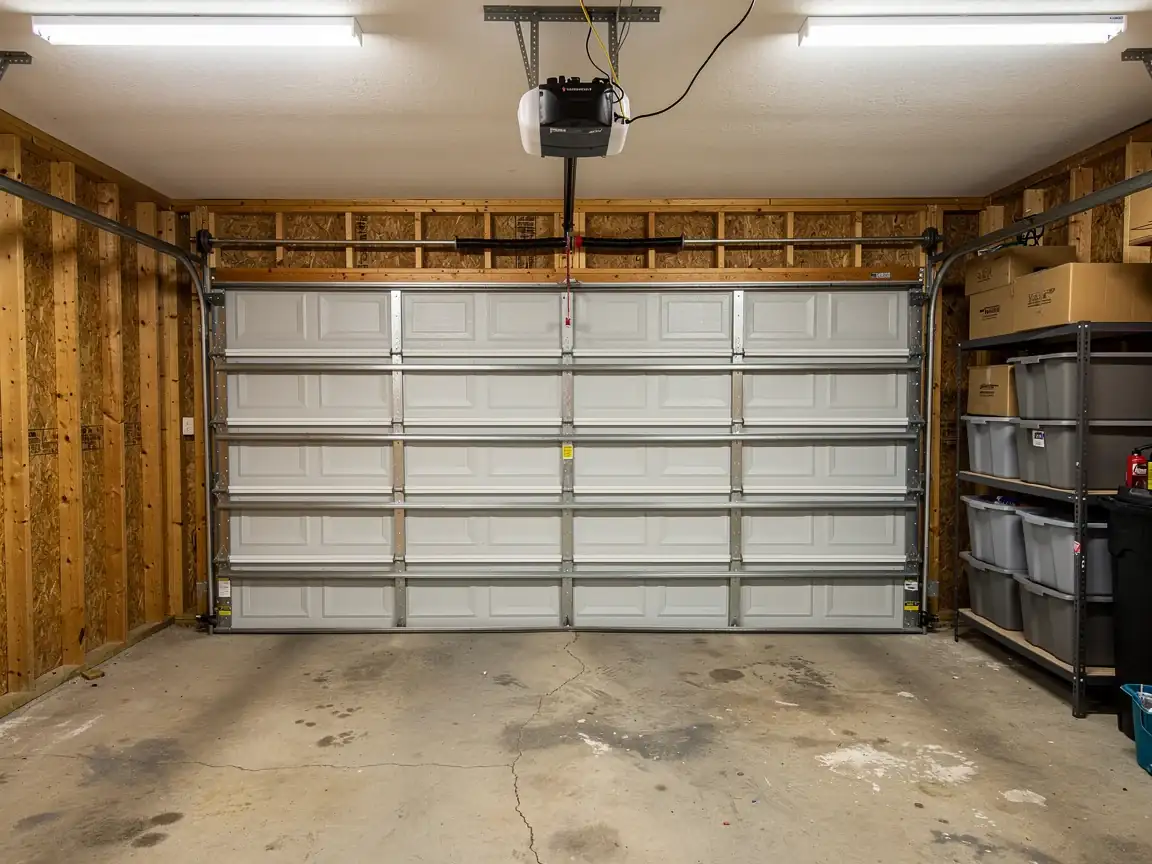
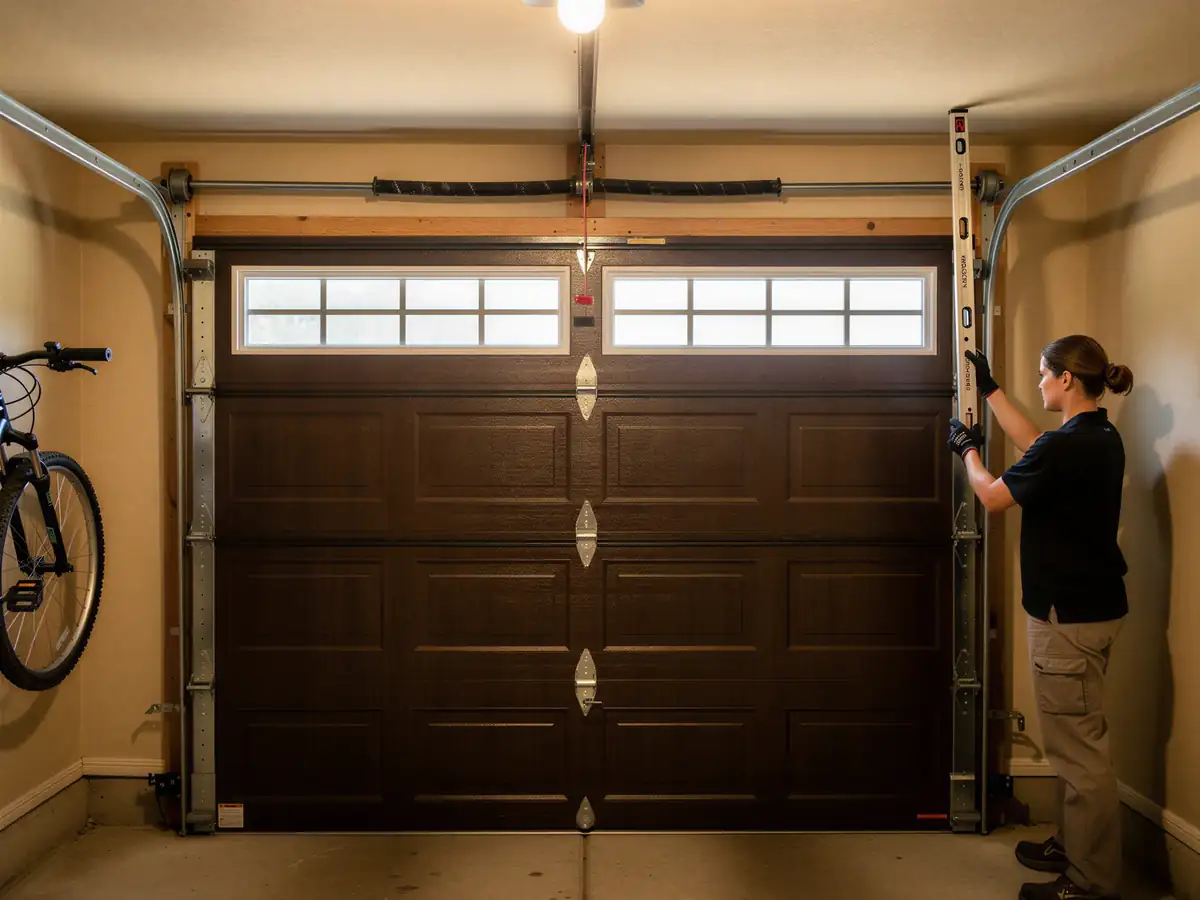
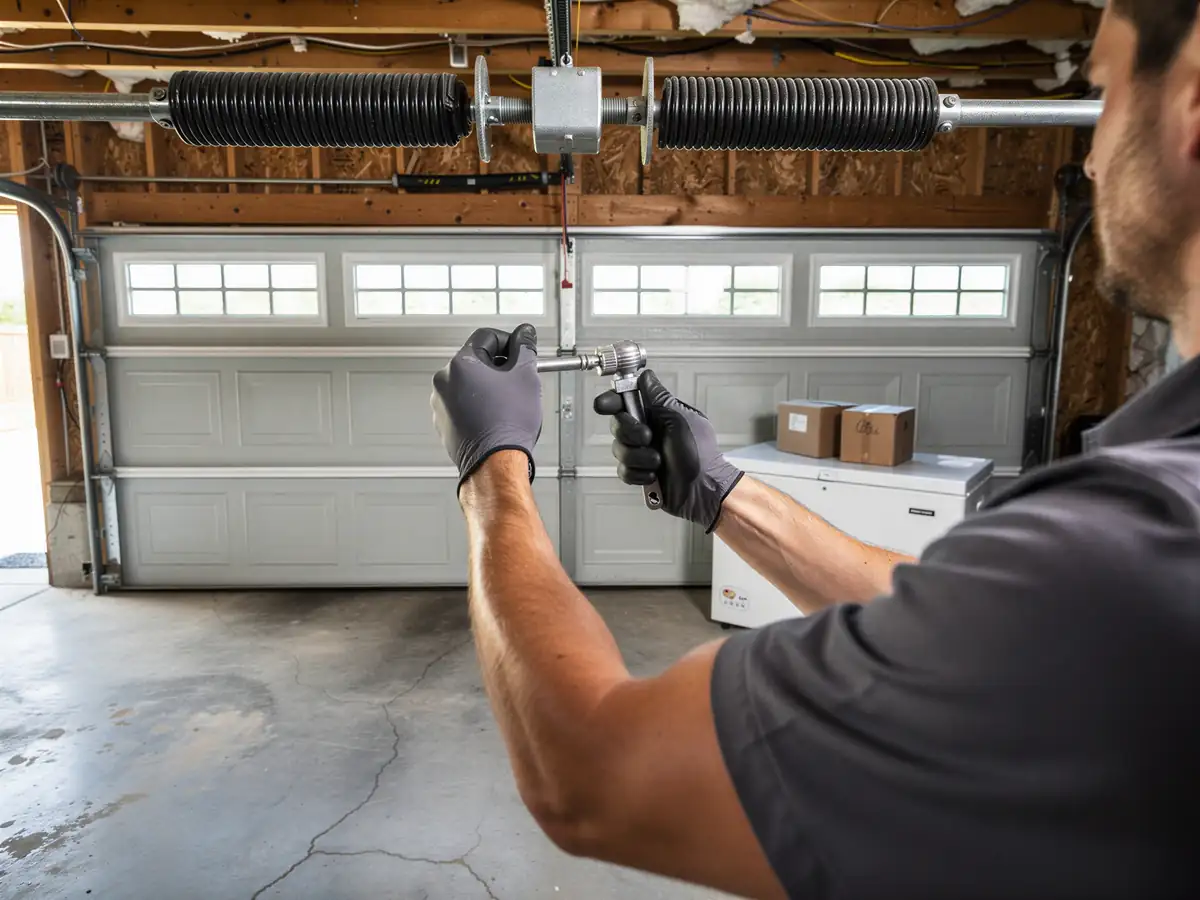
Which puts them in a different hardware generation than a lot of what we see closer to Savage, where stock runs older on average. By the early 80s, torsion springs were becoming standard on wider double doors, but you still find plenty of extension spring setups on single-car doors from that build era, with the open coils running along the horizontal tracks instead of a shaft over the header. We carry both spring types and the safety cables that extension setups need, since a lot of homes from this period were built before cables were required on every job. We also stock chain-drive opener parts, since that was the common drive type going into garages built in this stretch, before belt drives became the usual upgrade pick. If a job calls for something outside what's on the truck, we say so up front rather than guessing at a fix with the wrong part.
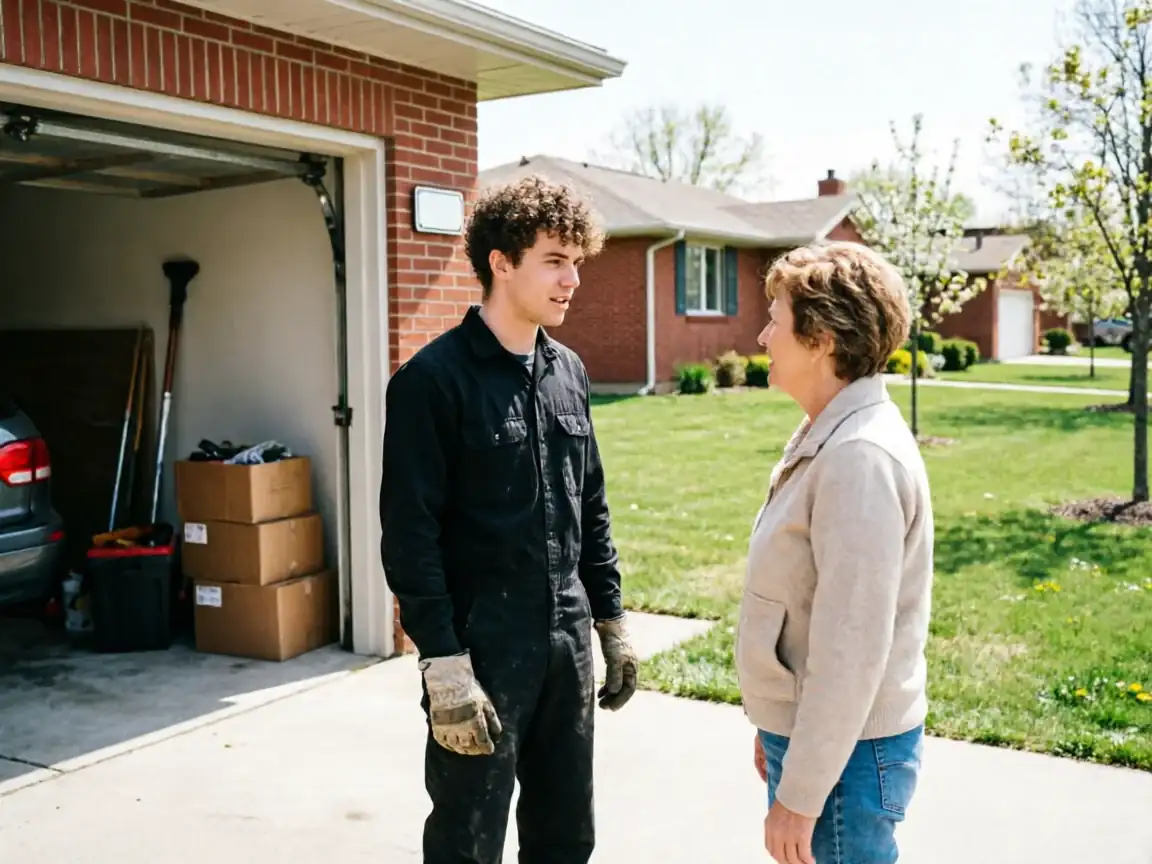
We come out from Savage, about 18 miles away
So we load the truck before we leave rather than planning on a parts run mid-job.
- 18 miles
Why It Happens Here
A door installed in the early 1980s has had roughly four decades of cycles on it, and the springs on a door that age are well past a normal life span even if nothing looks broken yet. Extension springs from that era, if they're still original, are a known failure point because they don't carry safety cables unless someone added them later. When one lets go, the door can drop hard and fast, and there's nothing holding the spring itself from becoming a problem in the garage.
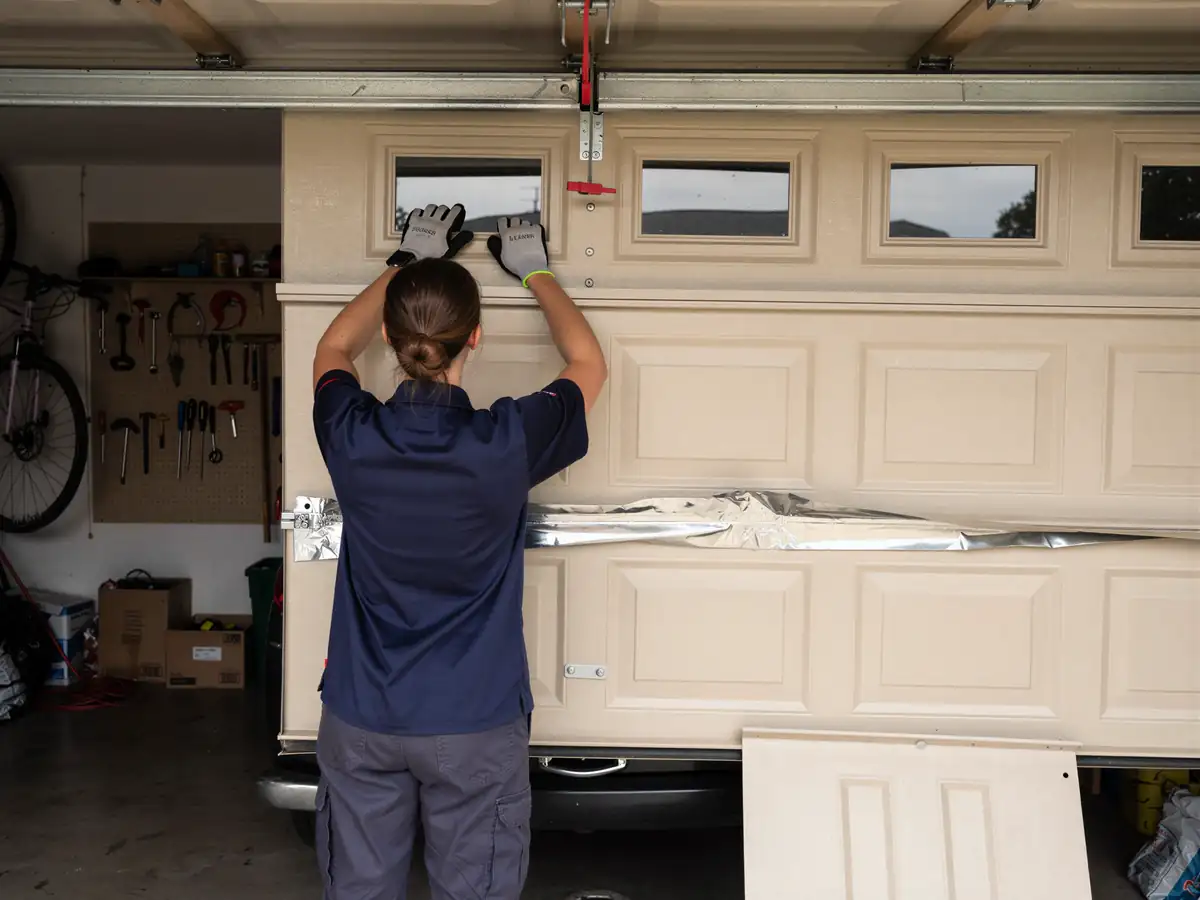
Households here run smaller in number than the service area overall, but that doesn't change what the hardware is doing. The climate is the other half of it: Minnesota's cold band puts real stress on steel panels and on opener gear through freeze-thaw cycles each winter, and doors from the early 80s often have lighter-gauge panels than what's sold today, so dents and bent track happen a bit easier than on newer stock.
What the Repair Takes
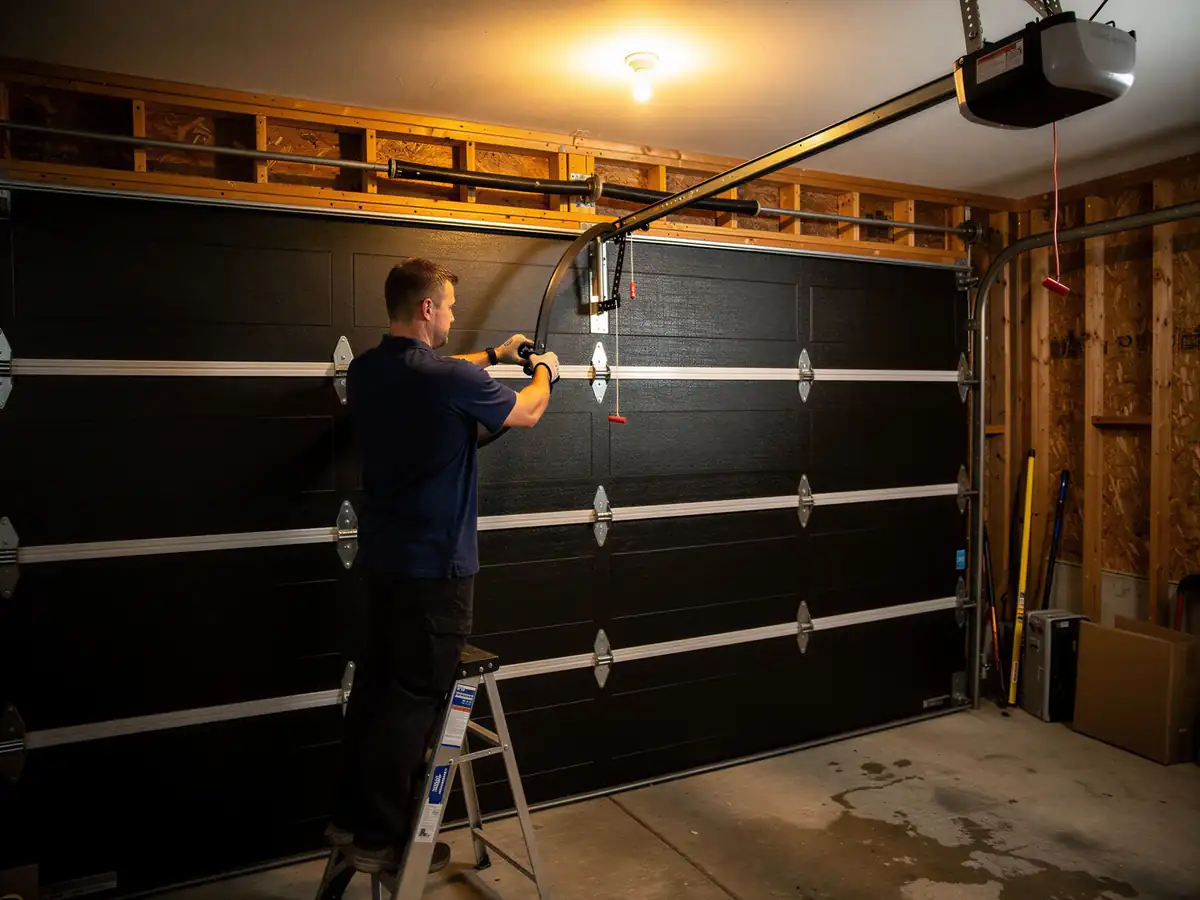
On a door from this era, the first question is whether the spring is torsion or extension, because the tools and the danger are different for each. Torsion spring jobs need a winding bar and the shaft locked down before anything else happens; extension spring jobs need the door fully supported since there's no shaft holding tension in reserve. If the opener is an original chain-drive unit from the early 80s, parts can be hard to source, and at some point we'll tell you plainly that replacing the opener costs less than hunting down obsolete gears.
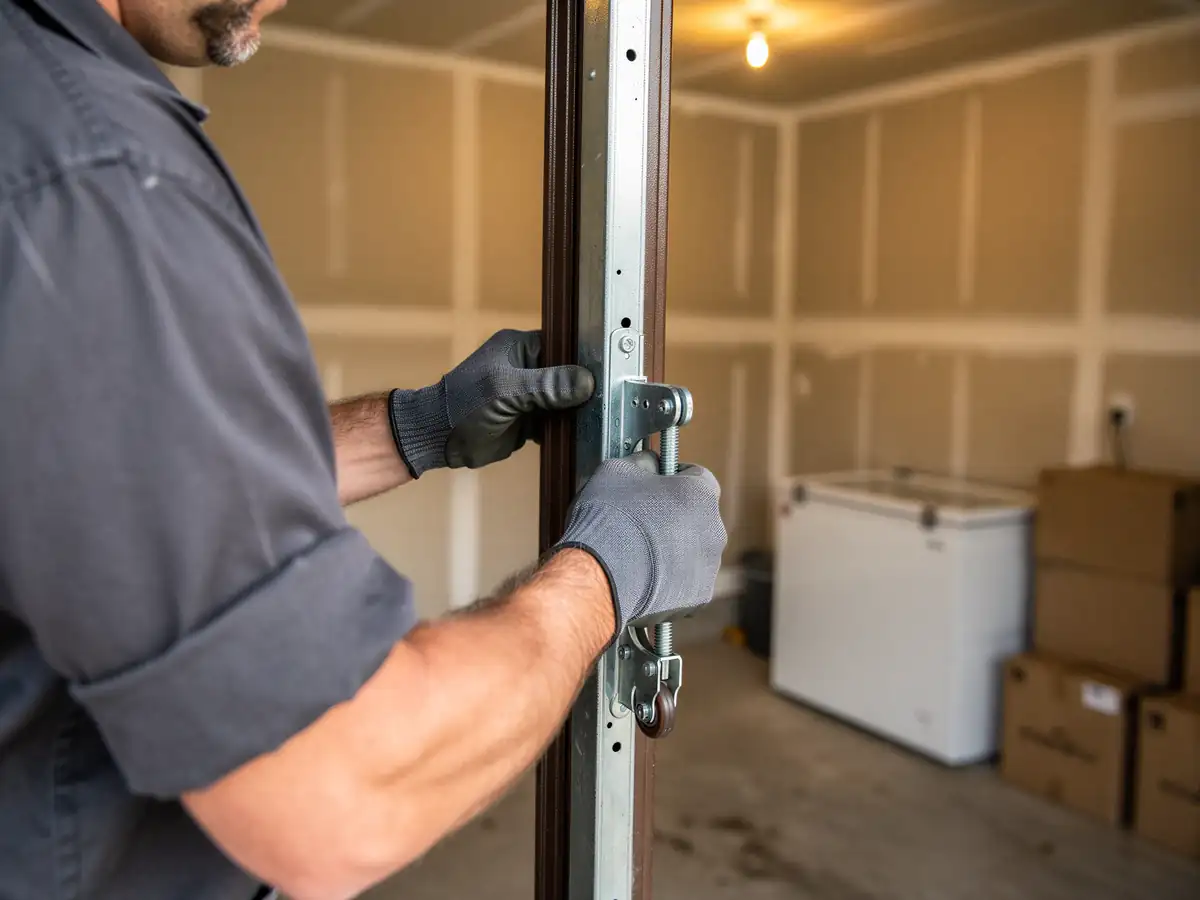
Track alignment is also more common on these older installs, since the mounting brackets have had decades to loosen, settle, or shift slightly with the framing. We check the full travel of the door, not just the spring, before calling a repair done.
What You Are Seeing
A door that slams the last foot of its travel, rather than easing down, usually means a spring has lost tension - on a house from the early 80s, that's often an original extension spring well past its rated cycles. A door that opens unevenly, with one side lagging the other, points to one spring doing more work than its pair, which happens when only one has failed or stretched.
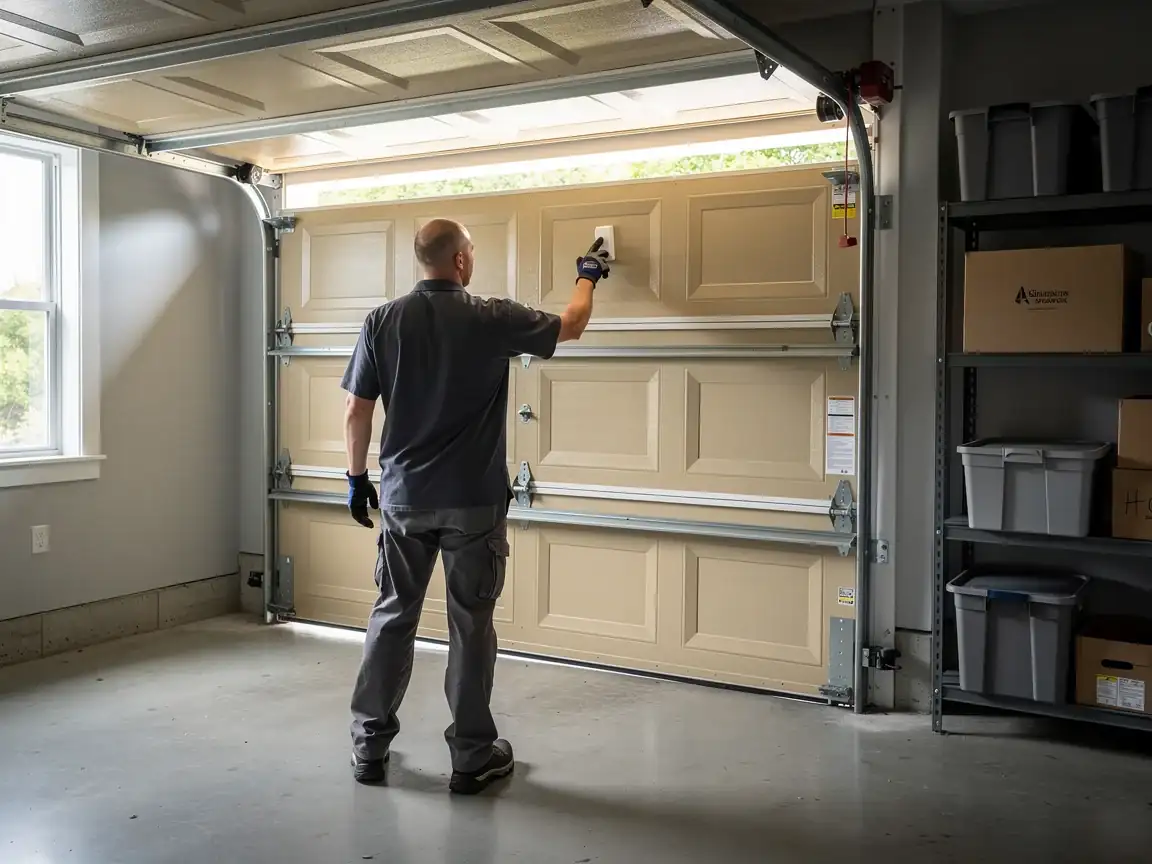
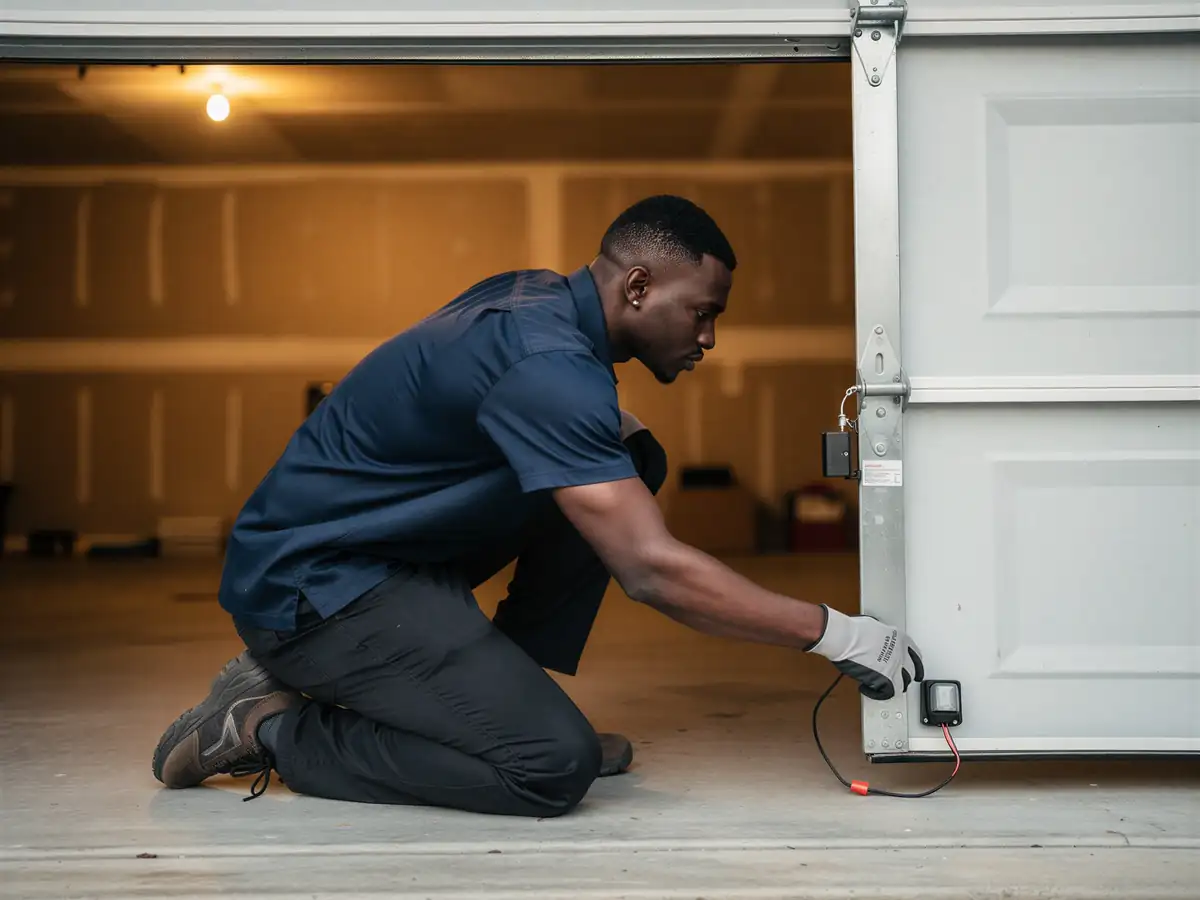
Grinding or popping from the opener unit, especially on a chain-drive system, often means the chain has stretched over the years rather than a motor problem. And if the door shudders partway up and stalls, check the track first - on houses this age, a bent section or a loosened bracket is as likely a cause as anything electrical.
Doing It Yourself
Lubricating hinges, rollers, and the track with a garage-door-specific lubricant is reasonable to do yourself, and it's cheap insurance against the kind of wear that's common on a door this age. Tightening visible bolts on the track brackets is fine too, as long as the door is down and the opener is unplugged.
What we don't recommend touching yourself: the spring, whether torsion or extension. Both store enough force to cause a serious injury if they let go while you're working near them, and that's true whether the spring is original to a 1982 install or three years old. If the door won't move, or moves unevenly, that's a call for someone who does this daily, not a weekend project.