Why It Happens Here
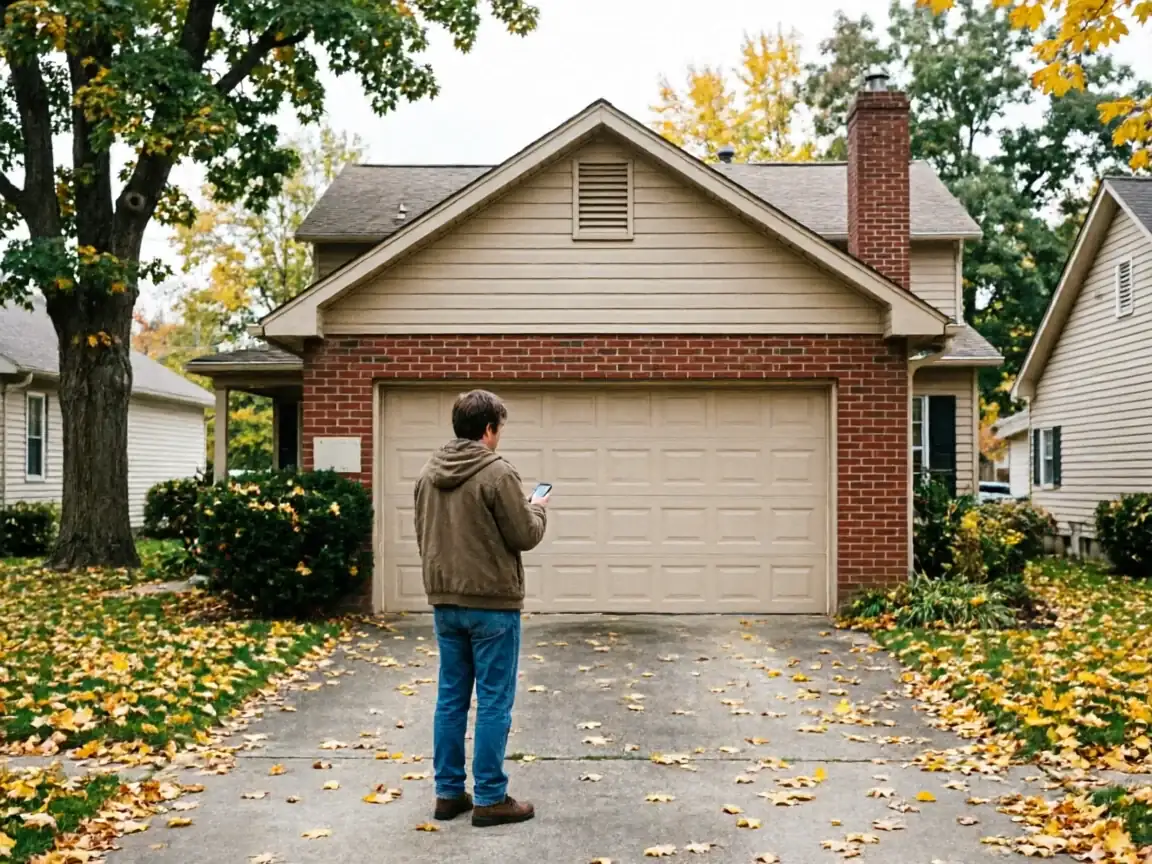
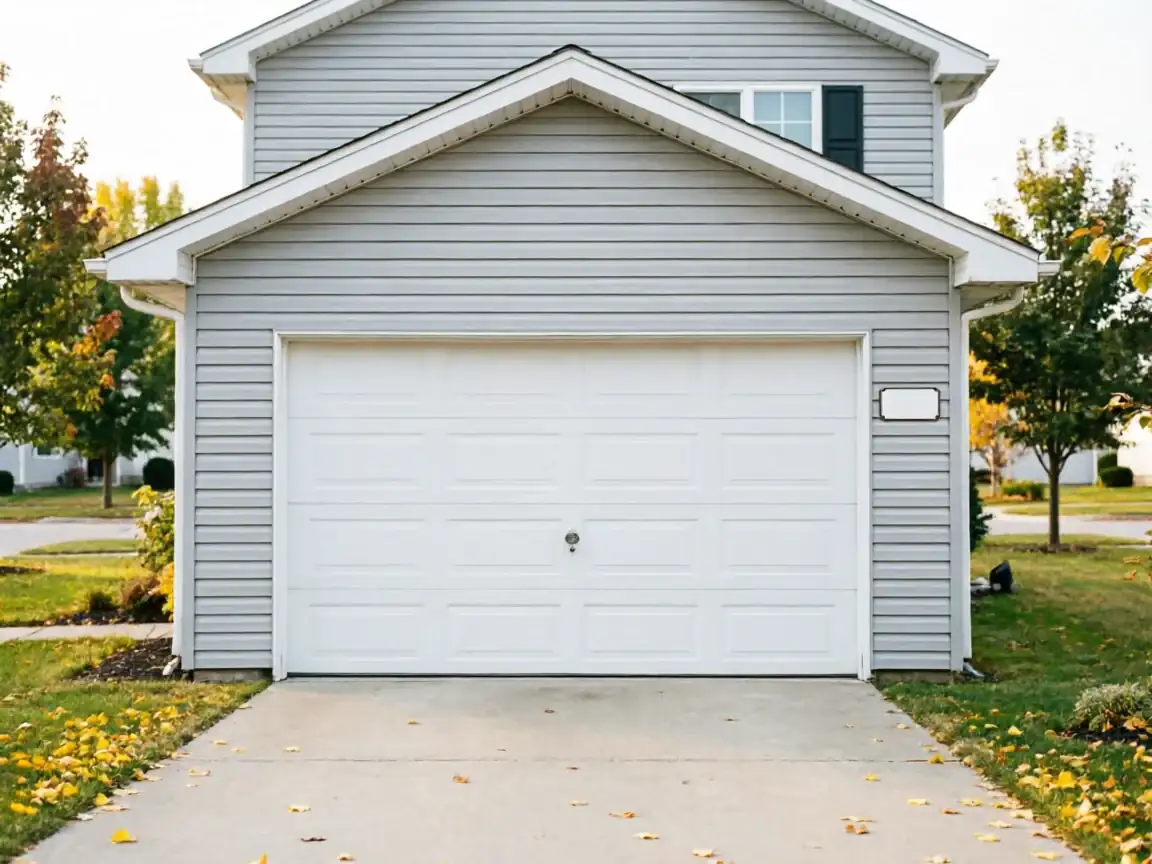
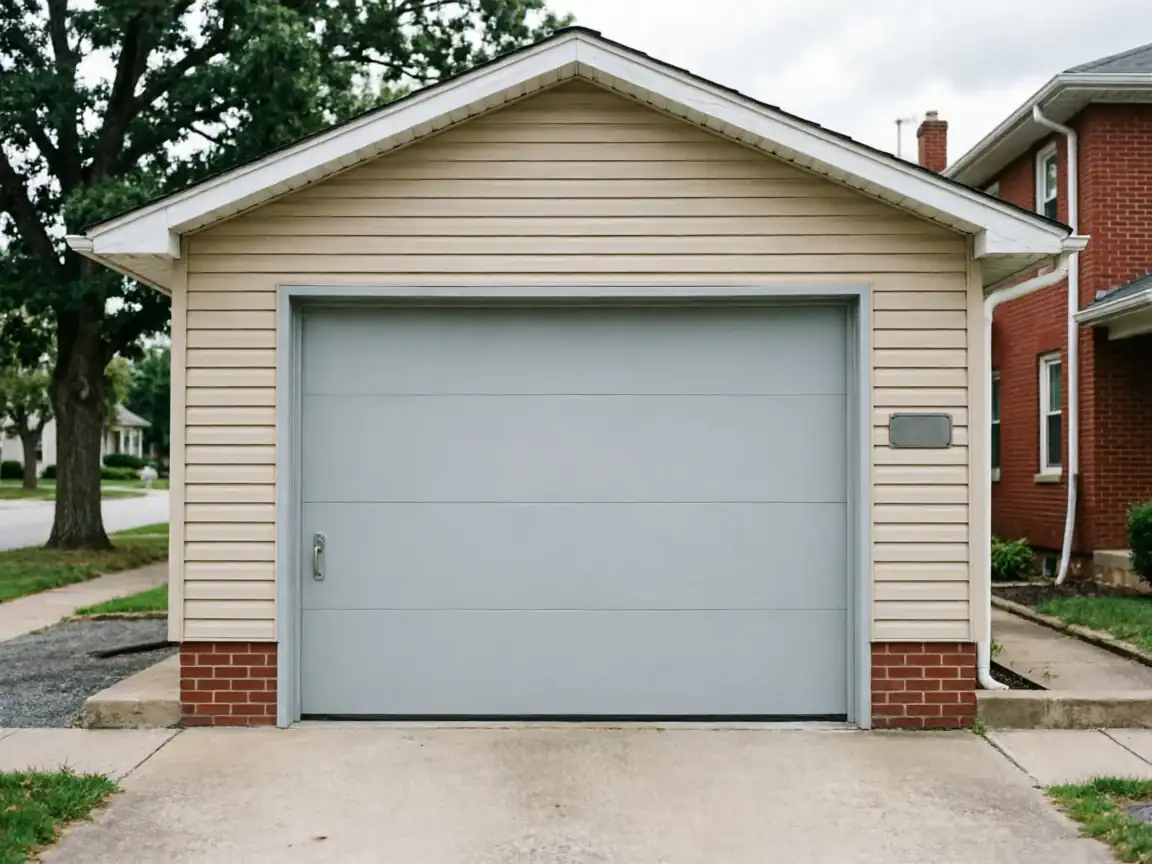
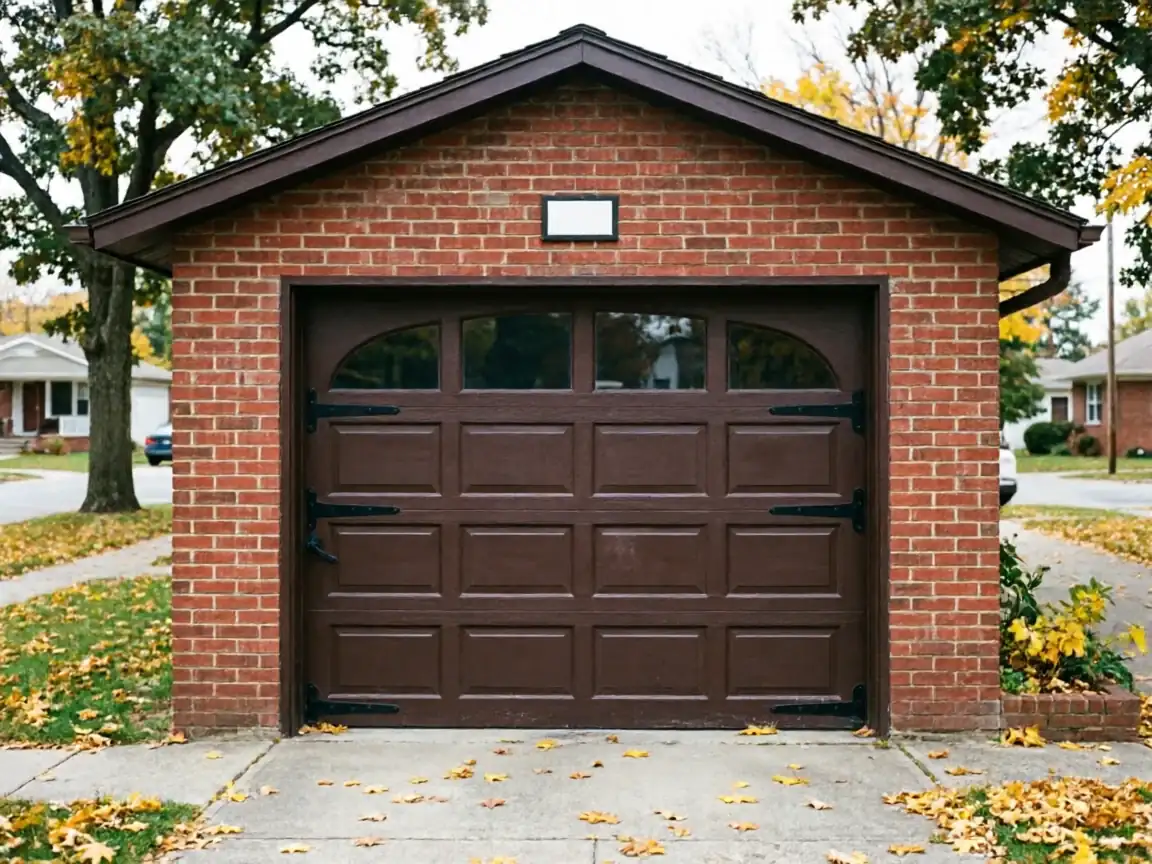
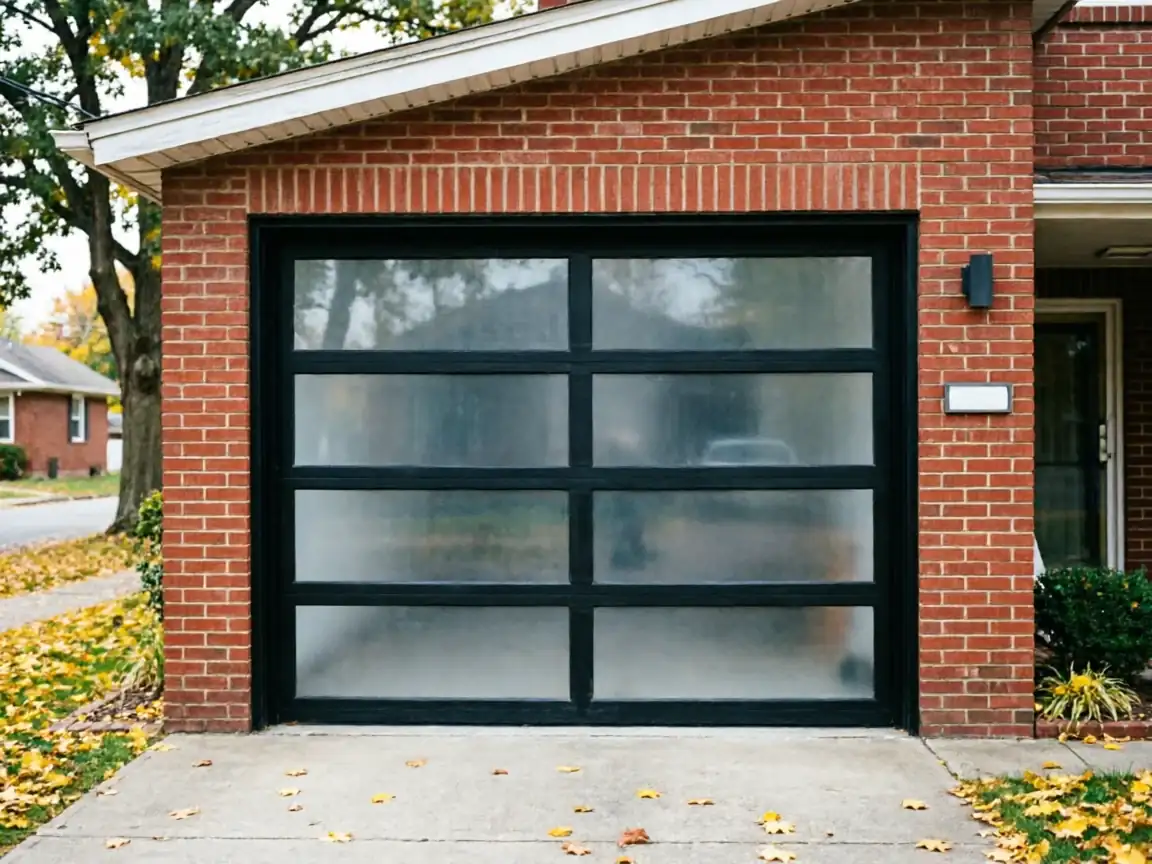
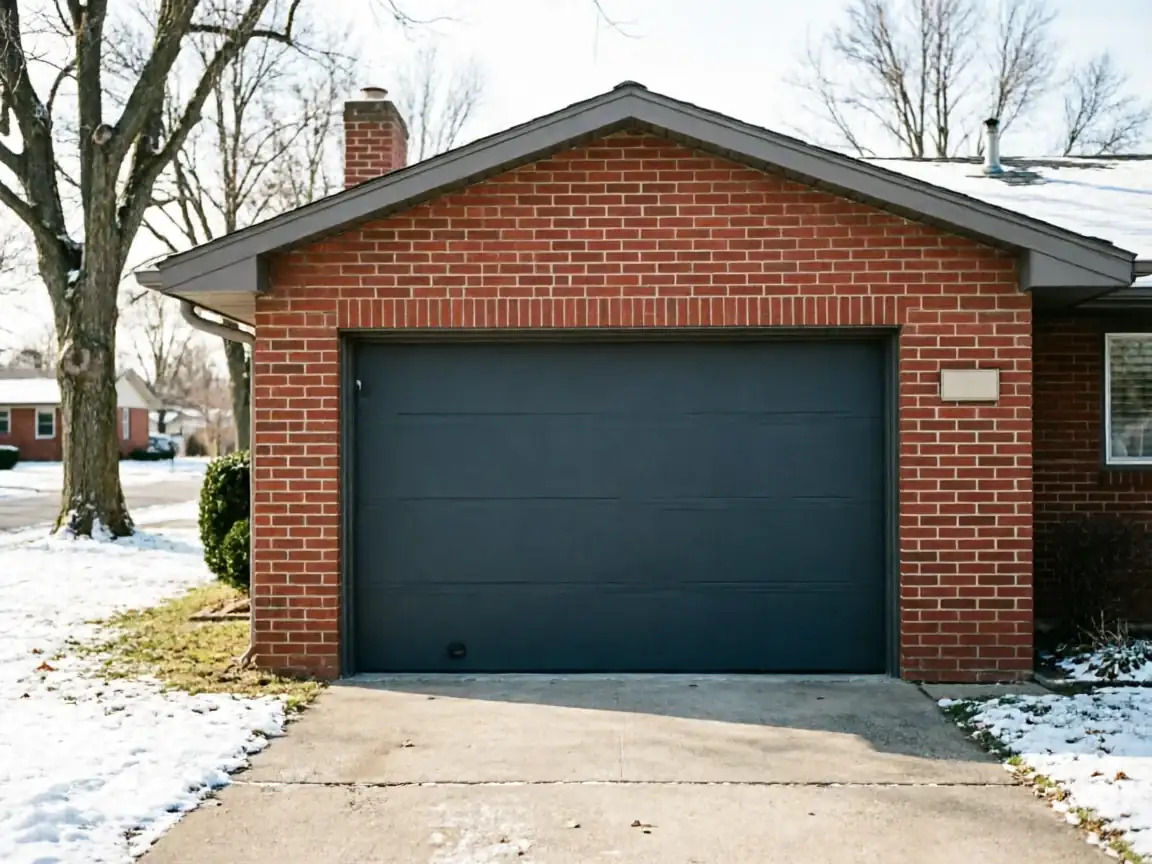
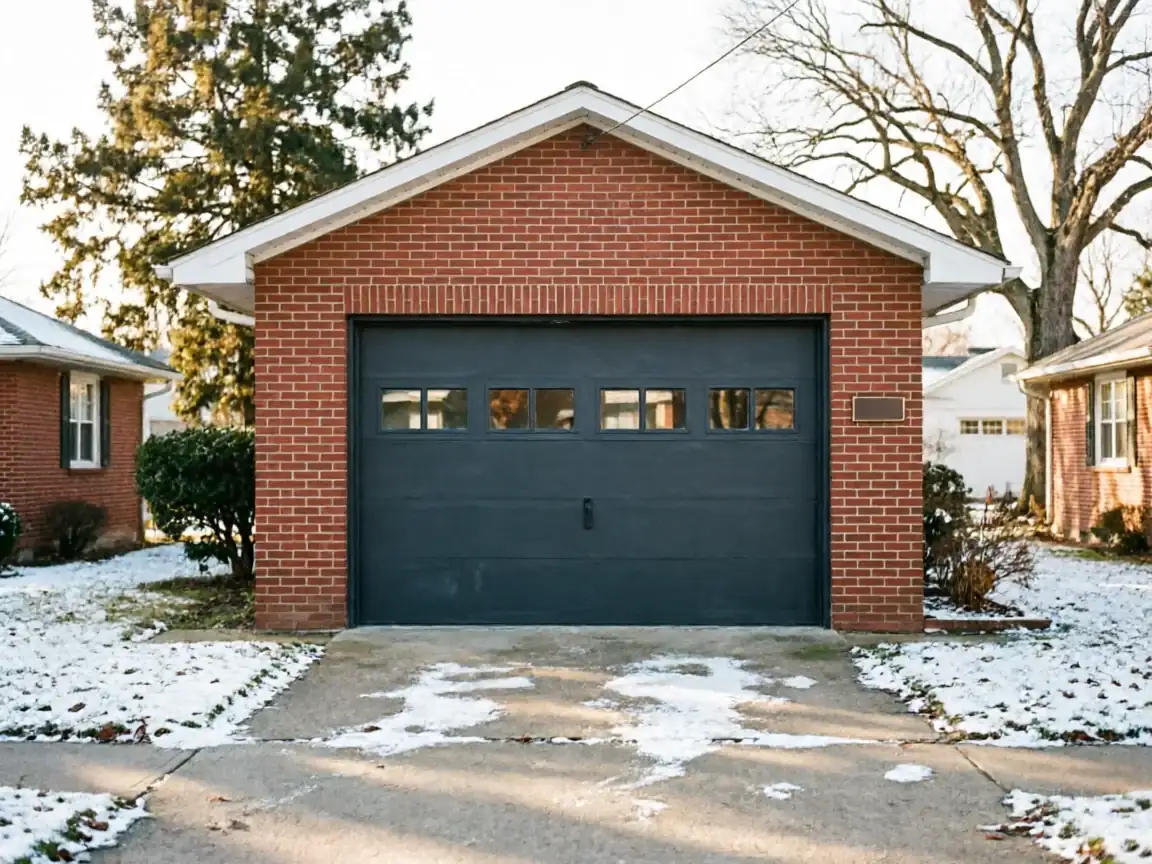
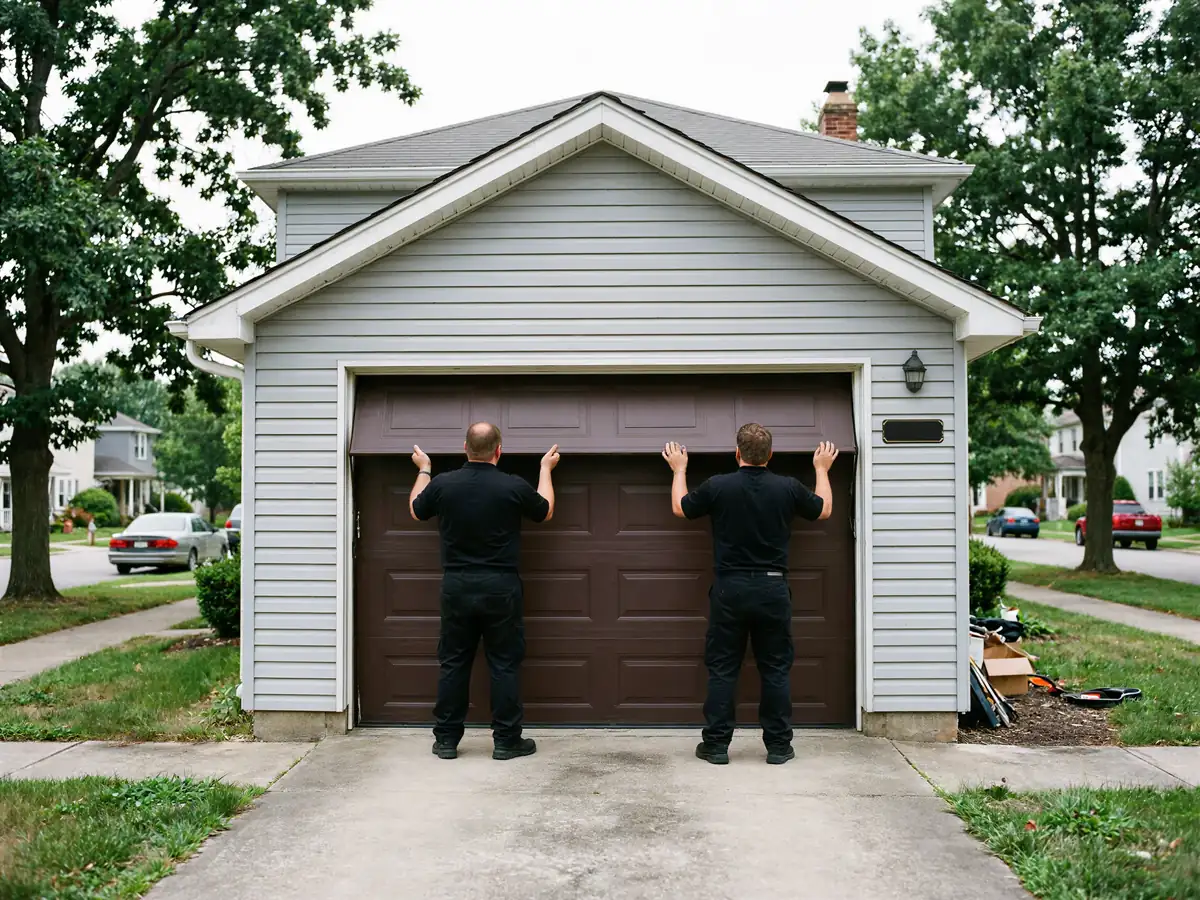
A door installed when the median house here was built, 1982, is now over four decades old. That's past the working life of the springs, the rollers, and often the opener, even if the panels themselves still look fine from the driveway. Minnesota's cold climate puts a lot of stress on steel and on old foam-core insulation that's lost its seal over the years, and a door from that era was rarely built to the insulation standard a homeowner wants today. With 3,081 households in Orono and a median income of $181,875, a fair number of these replacements aren't emergency fixes, they're upgrades, swapping a thin single-layer door for an insulated one before winter finds the gaps. That's a different job than patching a broken spring, and it changes what we bring.
What the Repair Takes
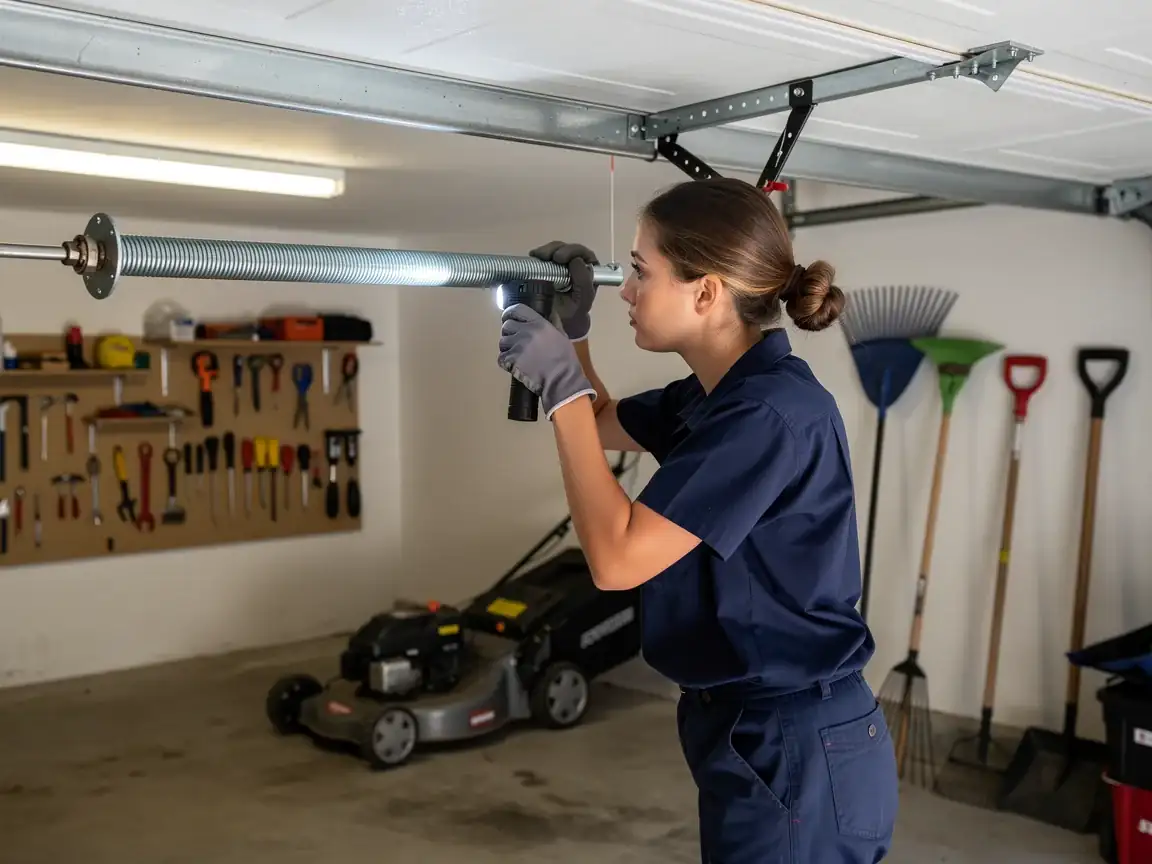
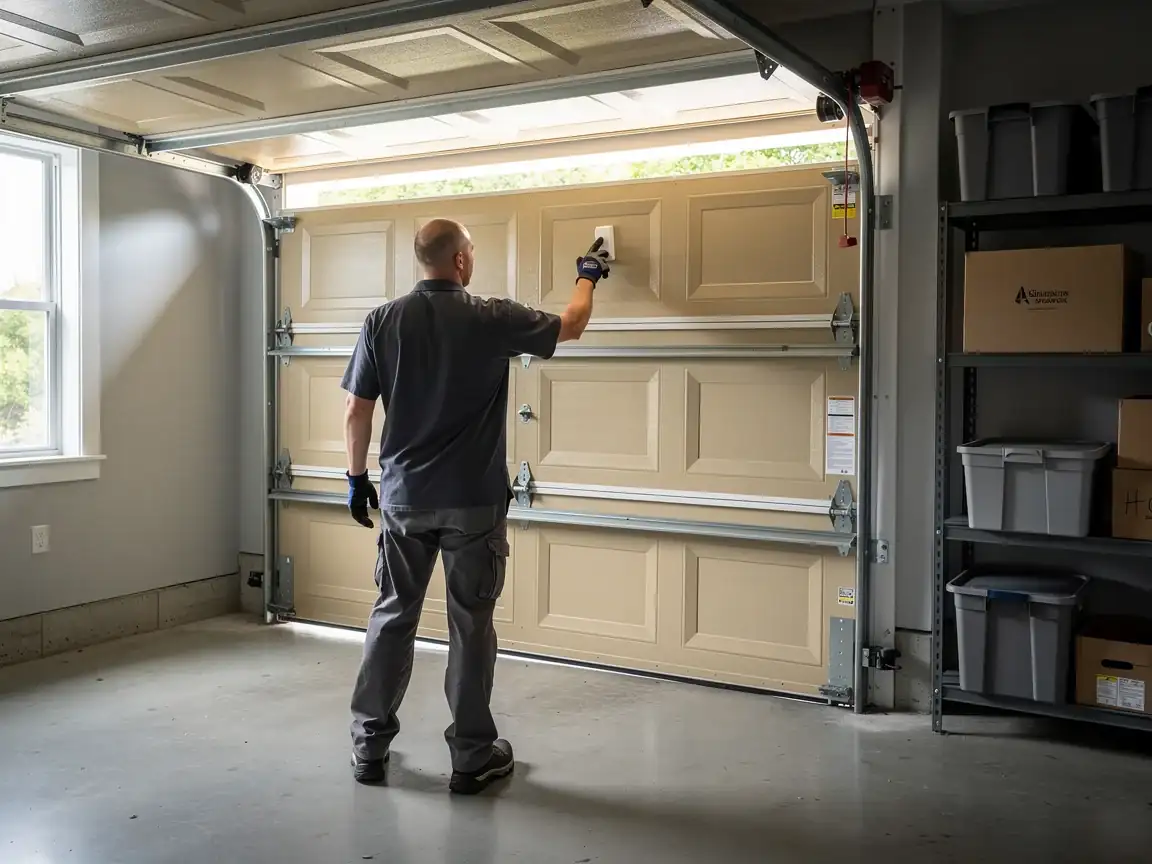
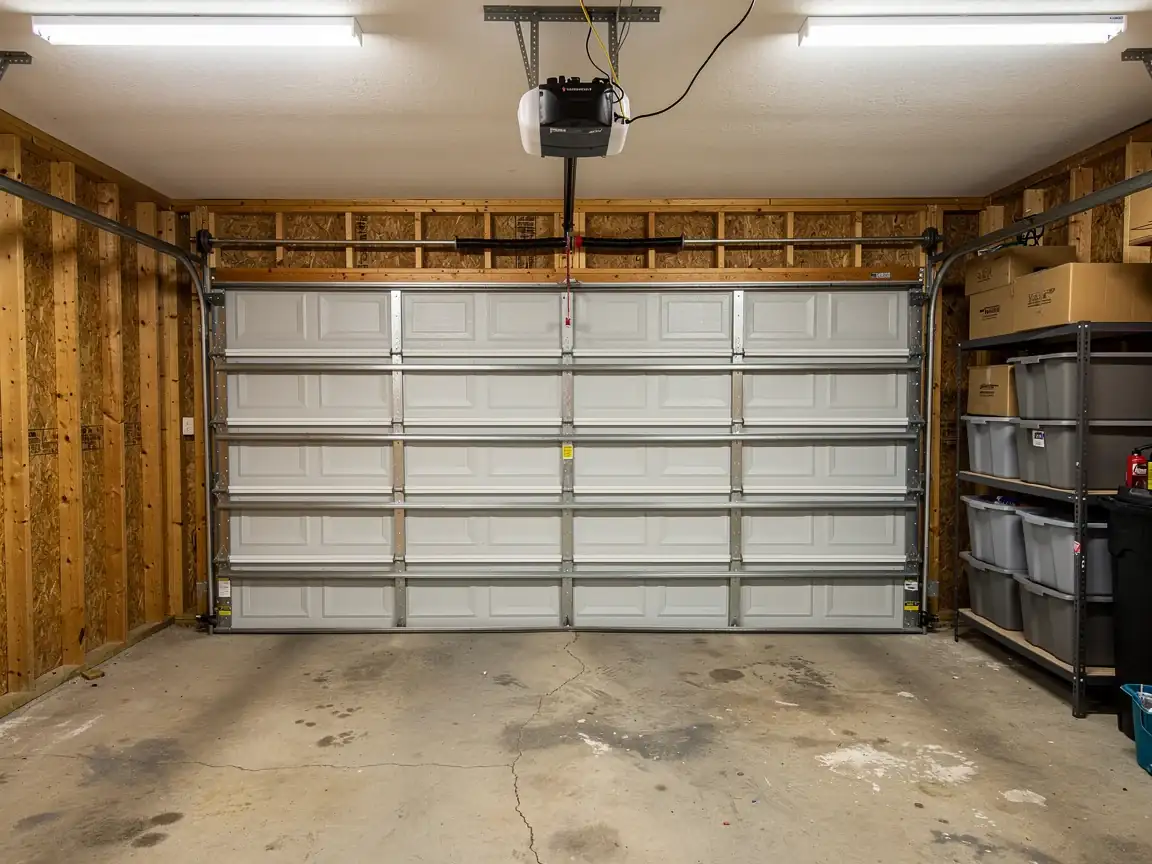
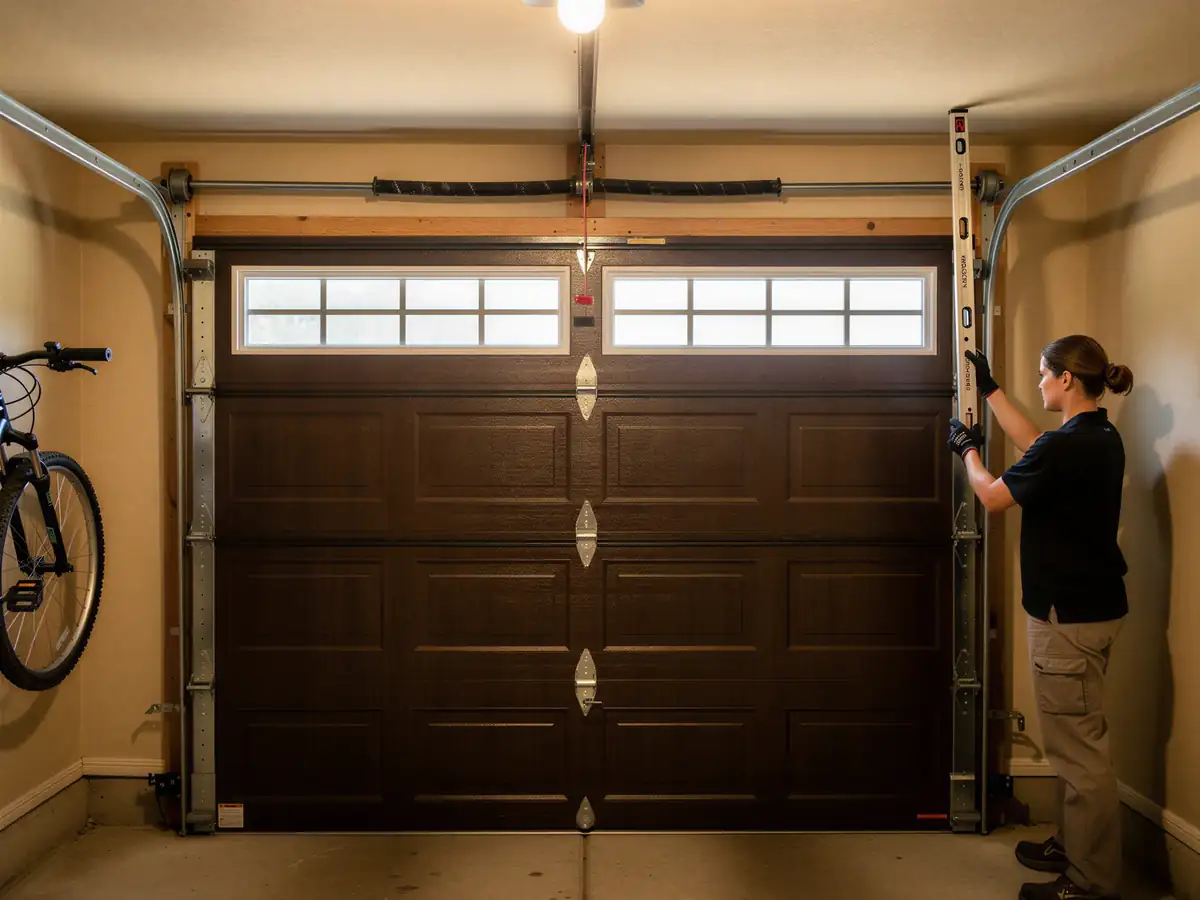
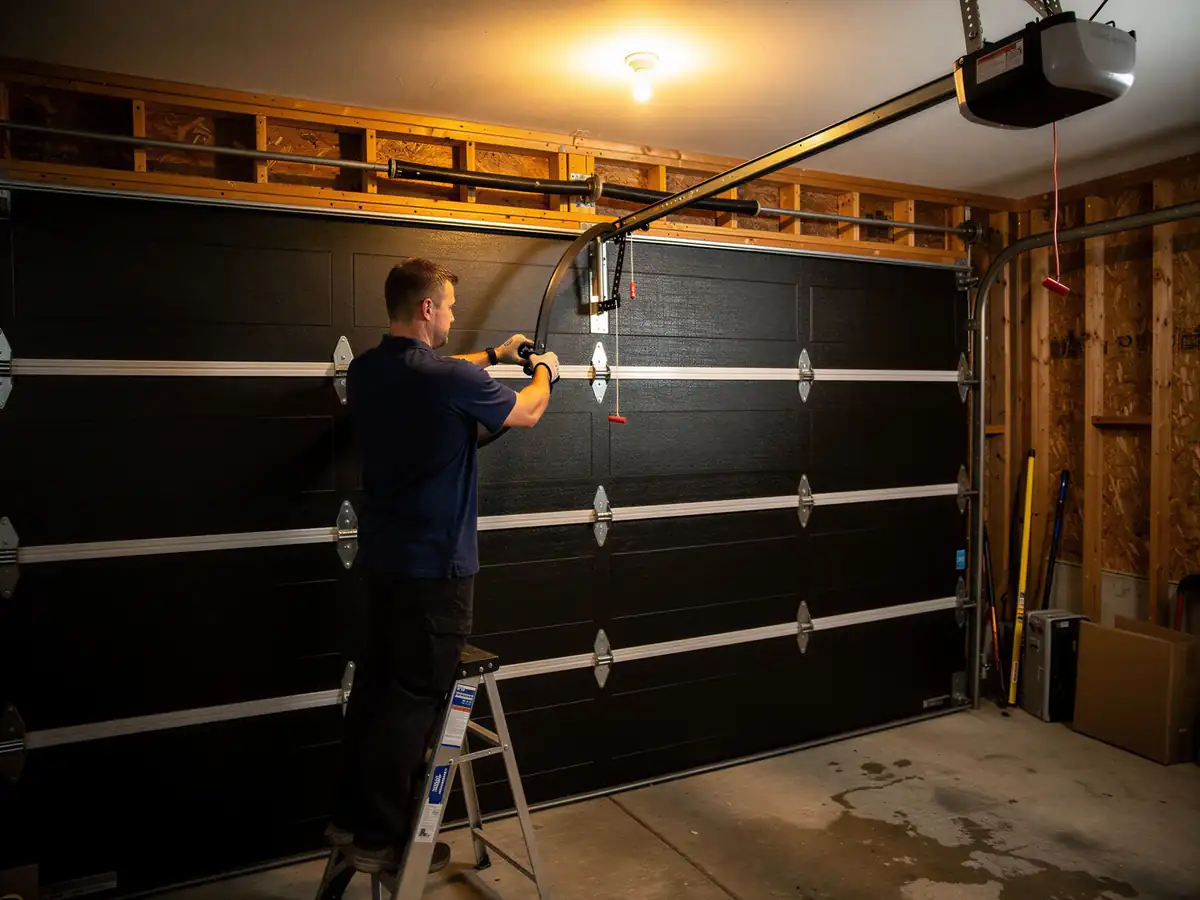
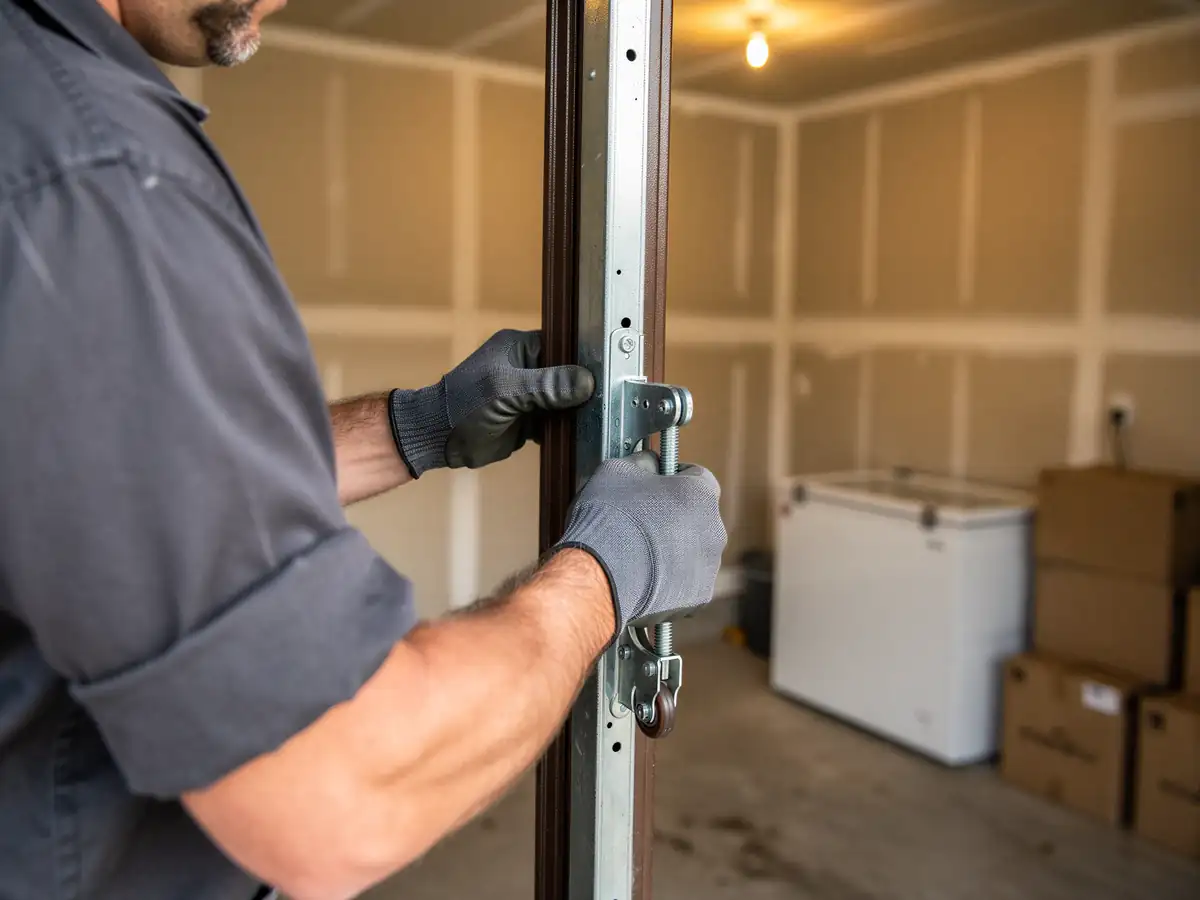
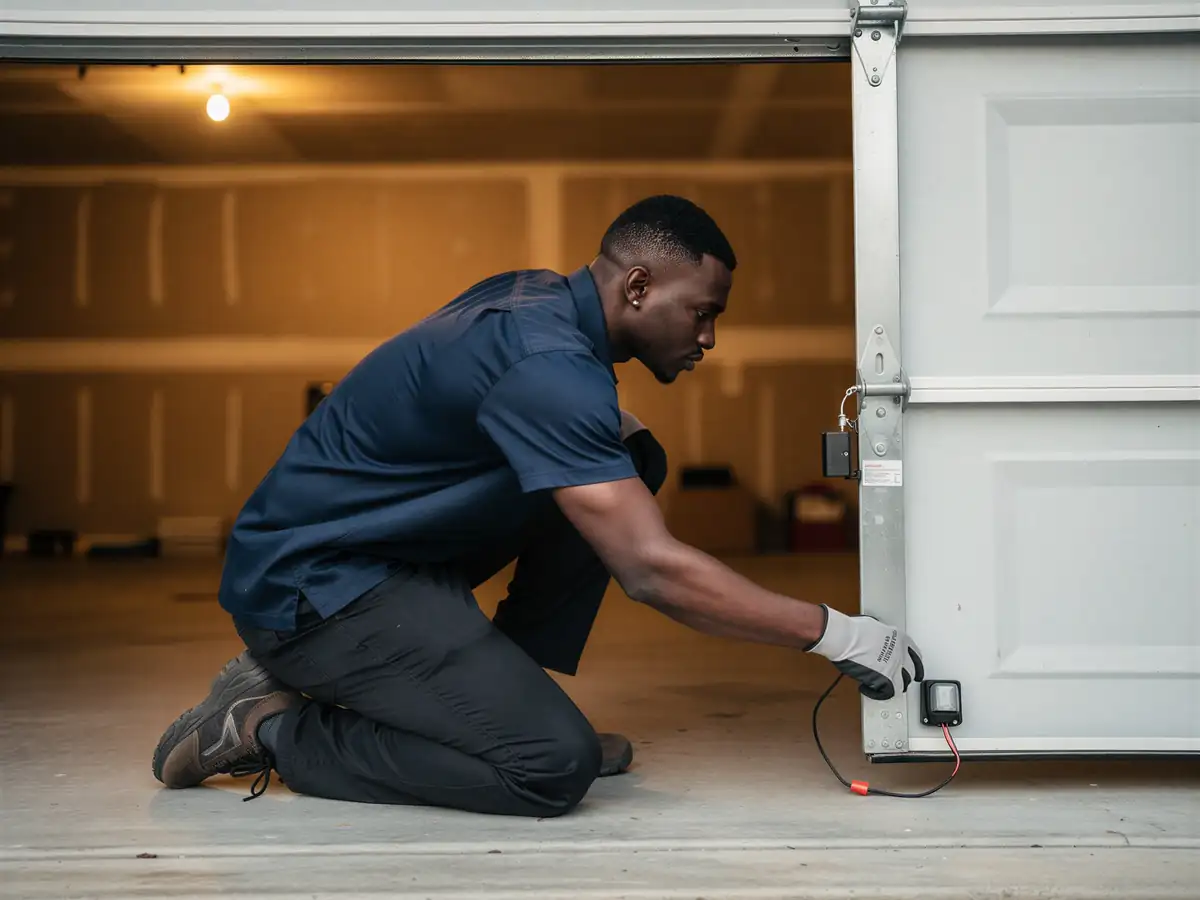
New installation starts with pulling the old door off its track, which on a house from the early 1980s often means dealing with hardware that was never built to current mounting standards. We check the jamb and header for square before anything goes up, because framing settles over 40-plus years and an opening that looks fine isn't always plumb. The new door gets hung, tracks aligned, springs set to the correct weight for the panel material you chose, and the opener reconnected or replaced if you're upgrading that too. On a straightforward single-door job this is usually a one-day install; a double door, a custom size, or an opener swap adds time. We balance and test the door under power before we leave, not just by hand.
What You Are Seeing
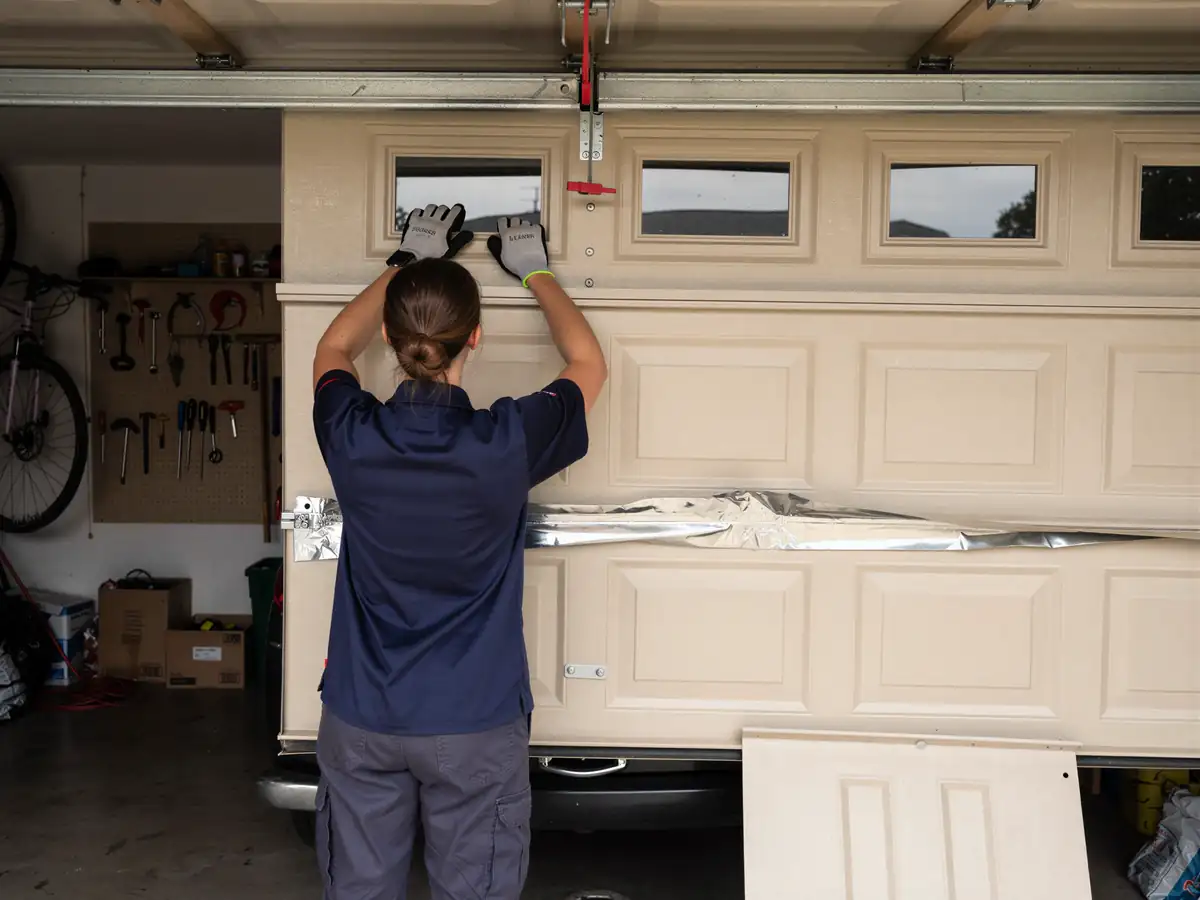
If your door is original to a house built around 1982, the signs it's time to replace rather than repair are usually visible before anything fails outright. Daylight showing around the edges when it's closed, panels that have started to bow or dent from decades of use, a door that's noticeably heavier to lift by hand than it used to be, or rust forming at the bottom panel from years of Minnesota winters. None of that means the door will fail tomorrow. It means the hardware and insulation are past what they were built for, and a repair at that point is money spent on a door you'll replace in a year or two anyway.
Doing It Yourself
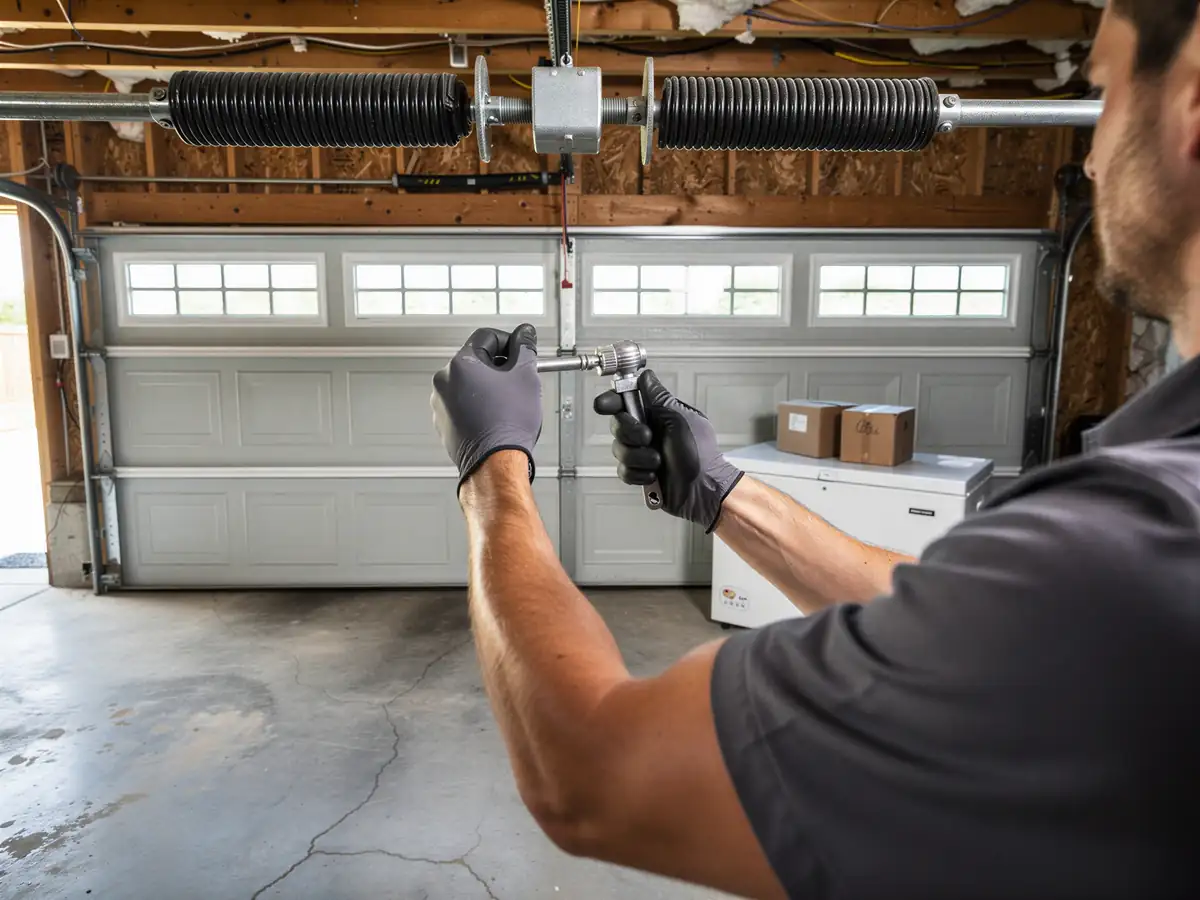
We'll be straight with you: hanging a new garage door yourself is not a weekend project to take lightly. The springs carry enough tension to cause real injury if you don't know how to set them, and getting the track alignment wrong on an older frame means the door binds or falls off the rail within weeks. If you're comfortable with tools, swapping weatherstripping or replacing rollers on an existing door is reasonable DIY work. A full new installation, especially matching a door to an opening framed decades ago, is where we'd tell you to call rather than guess. It's also where a bad DIY job costs more to fix than the original install would have.