Why It Happens Here
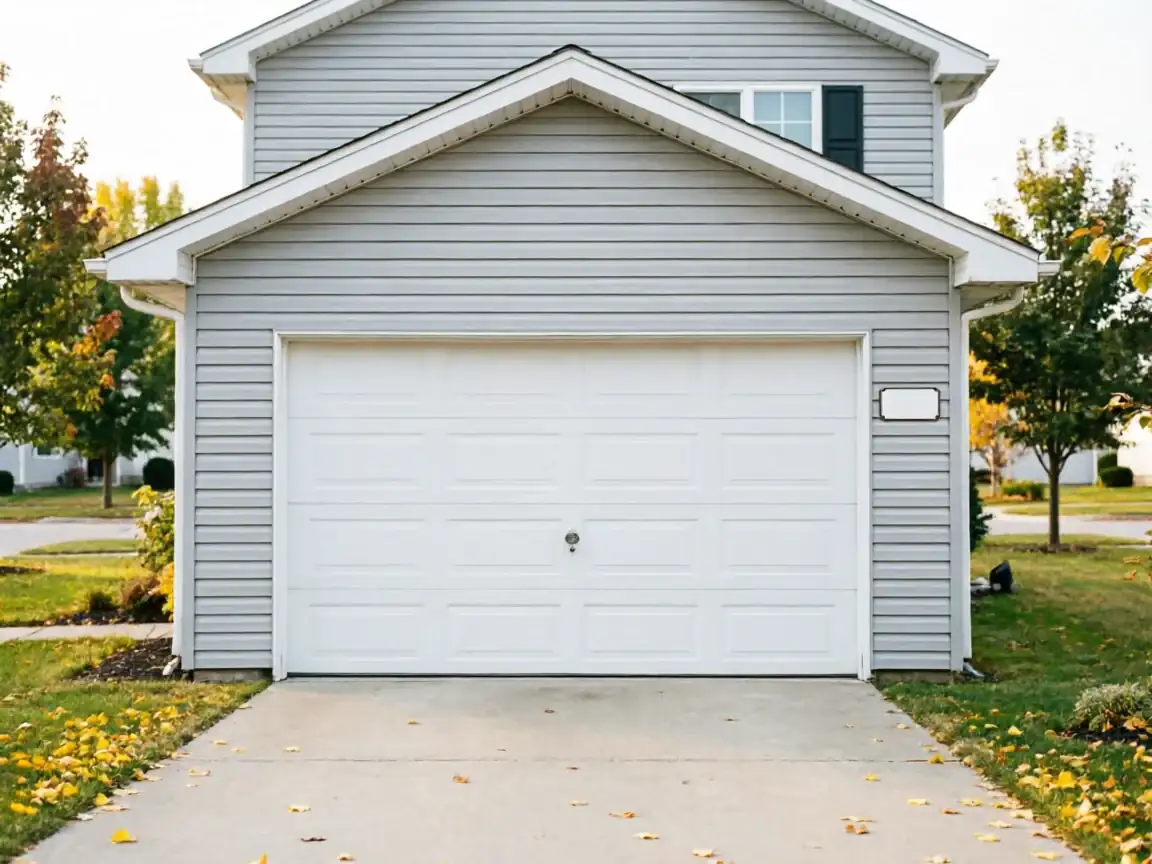
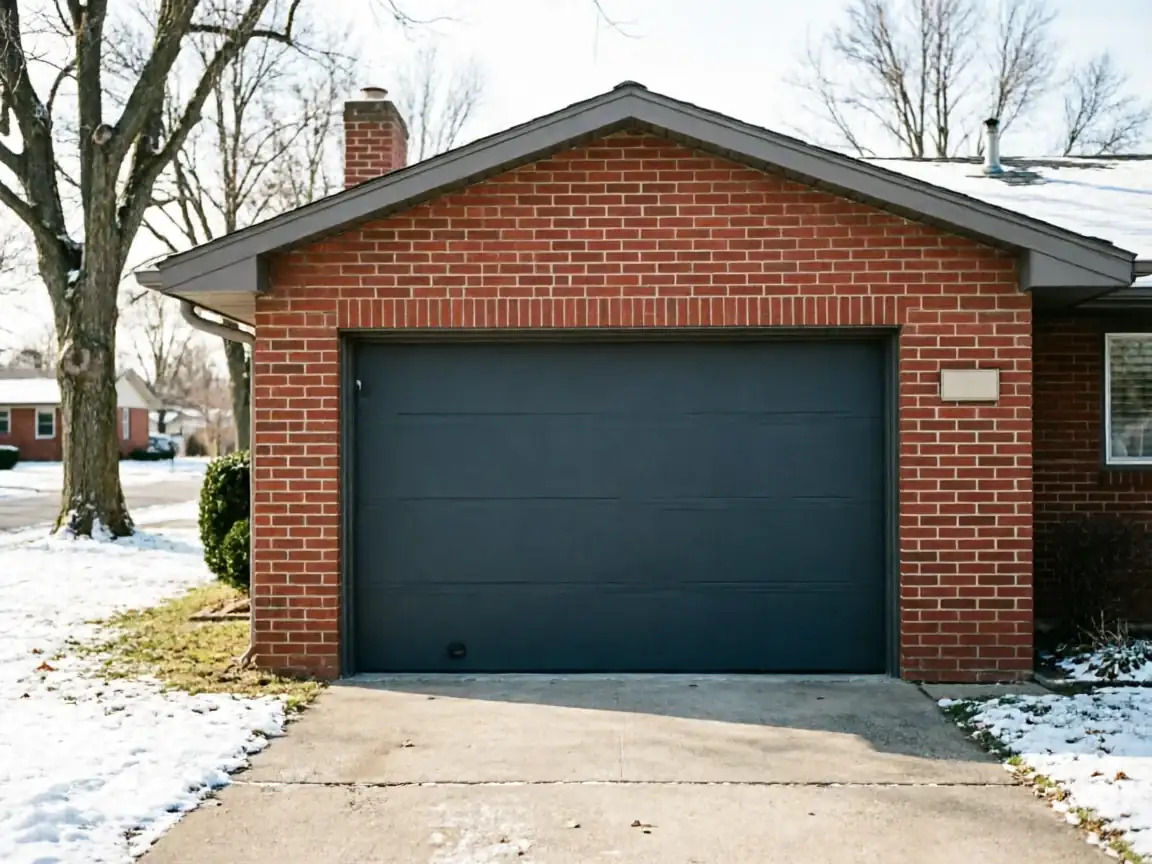
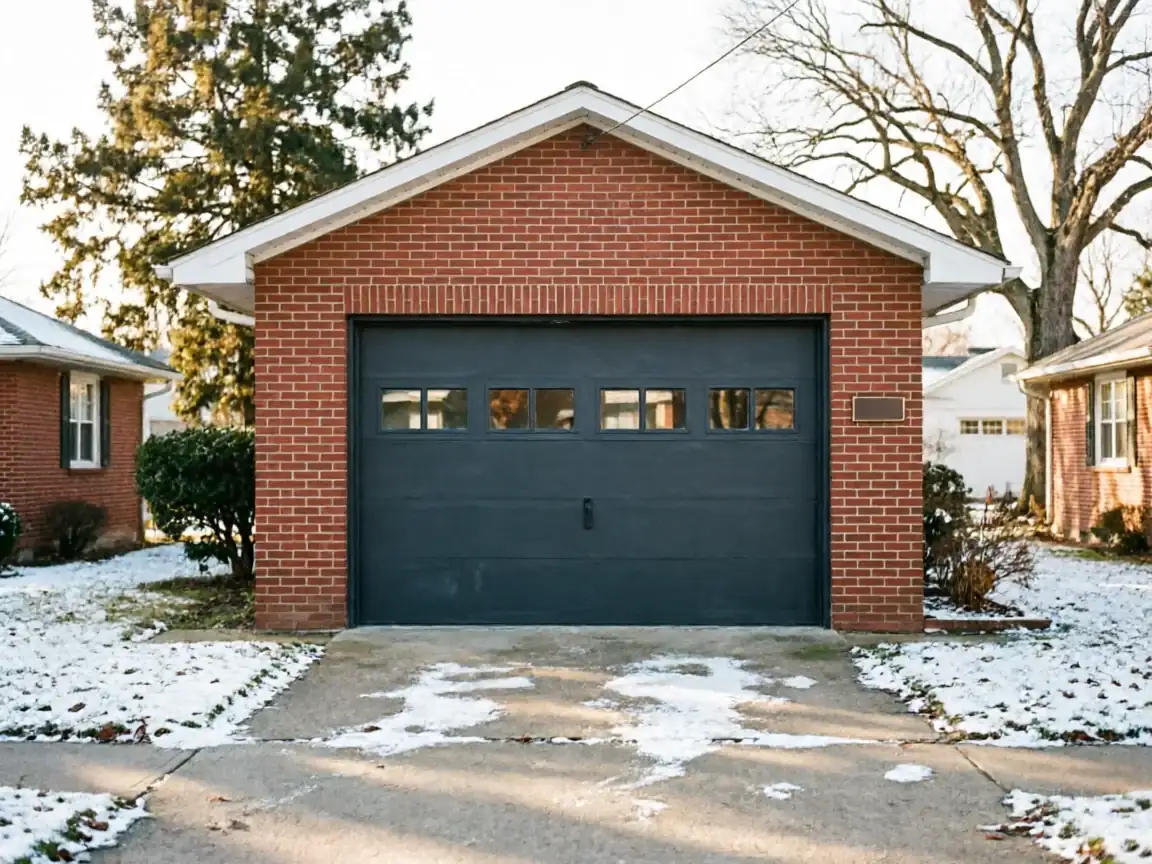
Orono sits in a cold-moderate climate band, and the freeze-thaw cycle through a Minnesota winter works on steel the same way everywhere it hits, but what makes the damage pattern here specific is the door itself. A sectional door installed in the early 1980s has had forty-plus years of road salt spray, sprinkler overspray, and the odd bumper tap to work on a thinner steel skin than what ships today. The bottom one or two panels take the brunt of it - that's where splash and impact concentrate - so by the time a homeowner calls us, it's usually a single bottom section that's rusted through or dented past the point of pulling straight, not the whole door. Household incomes in the Orono service area run well above the regional median, and we see that reflected in wider three-car doors, which means more steel surface area exposed to the same thaw cycle and more linear feet of track that panel sag can throw out of alignment.
What the Repair Takes
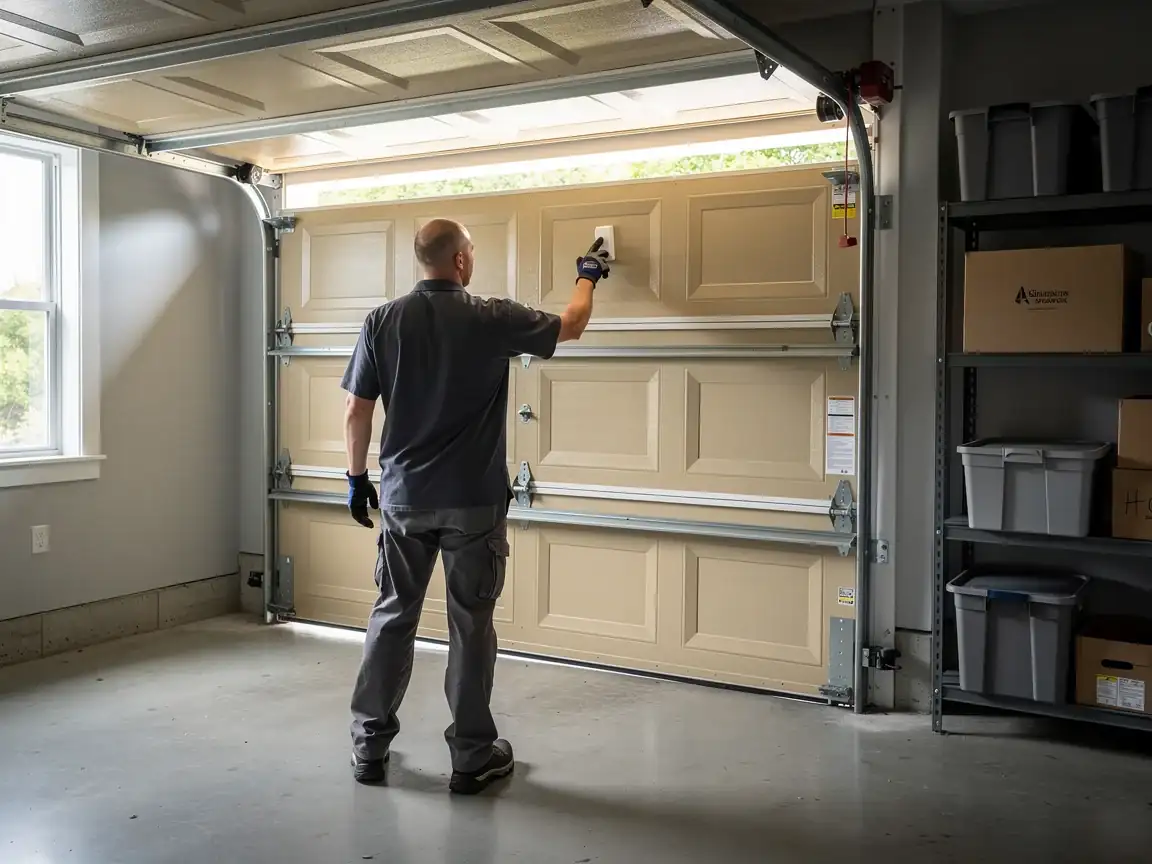
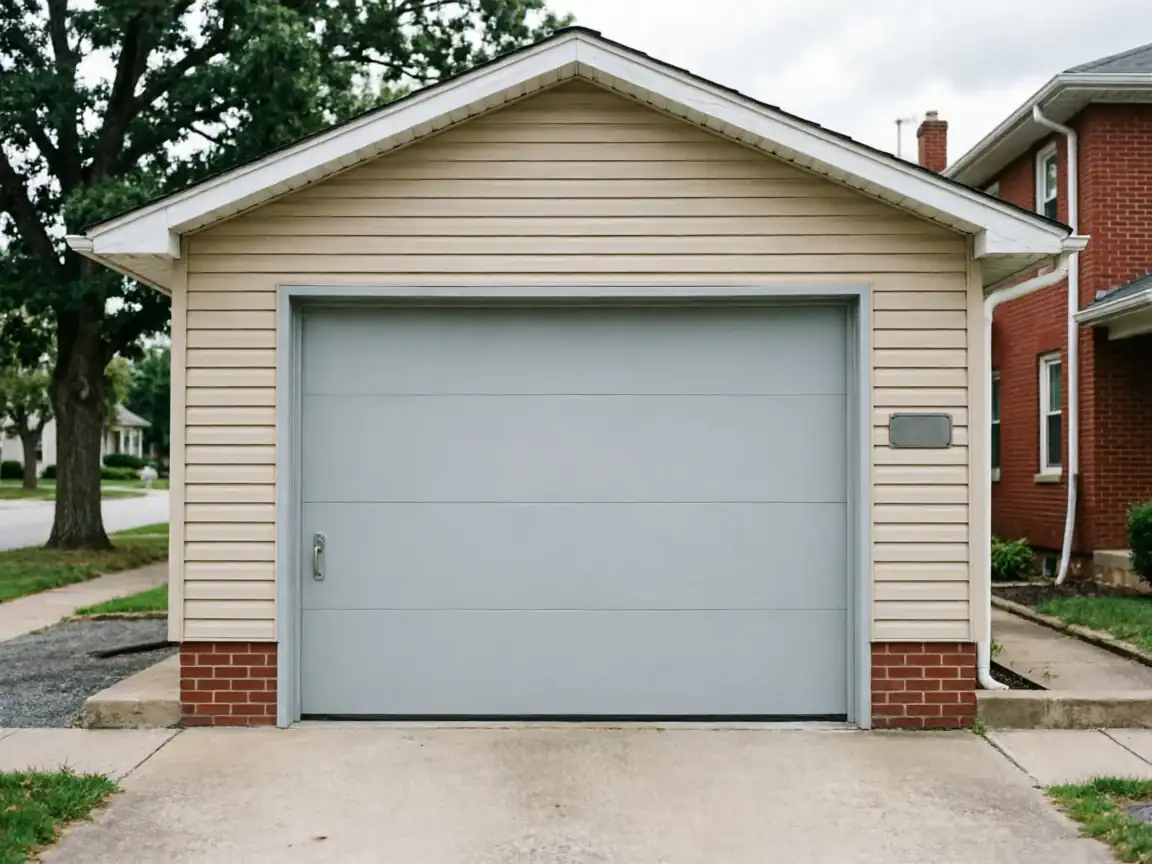
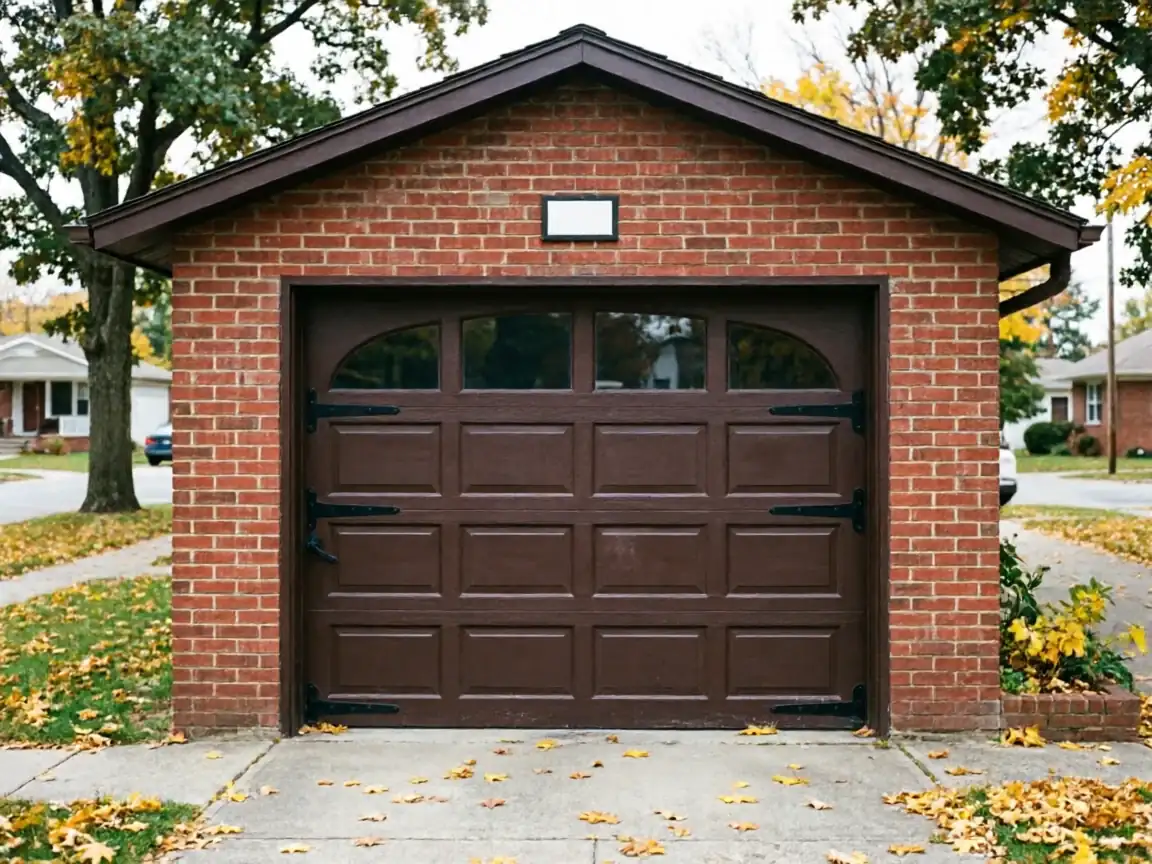
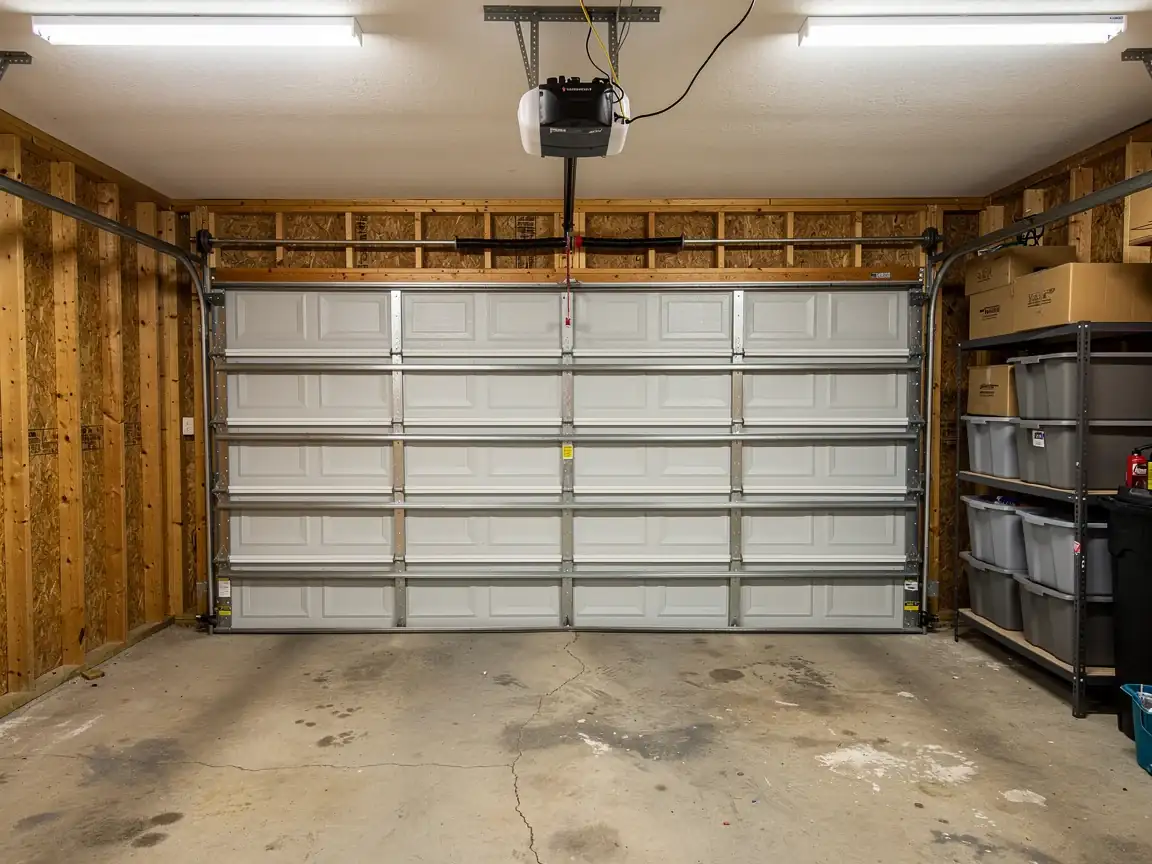
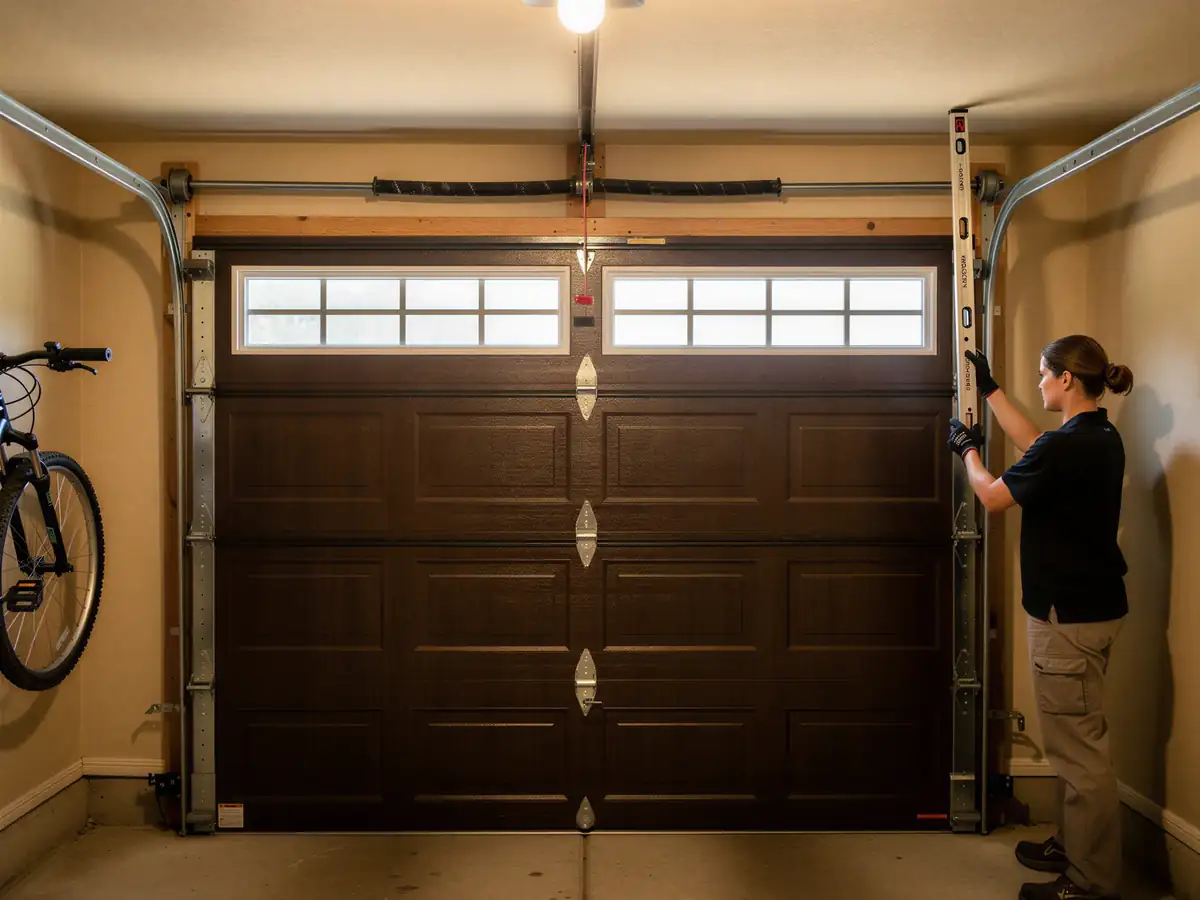
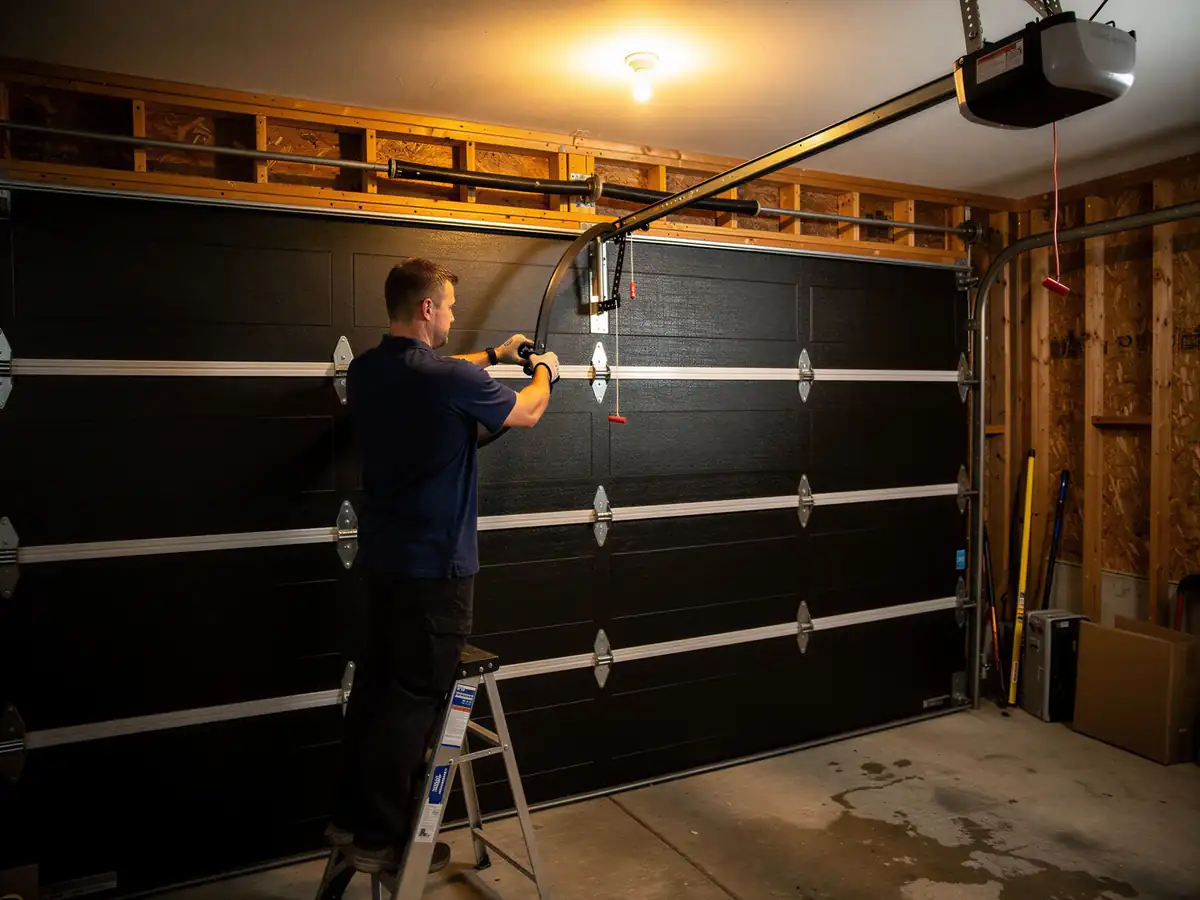
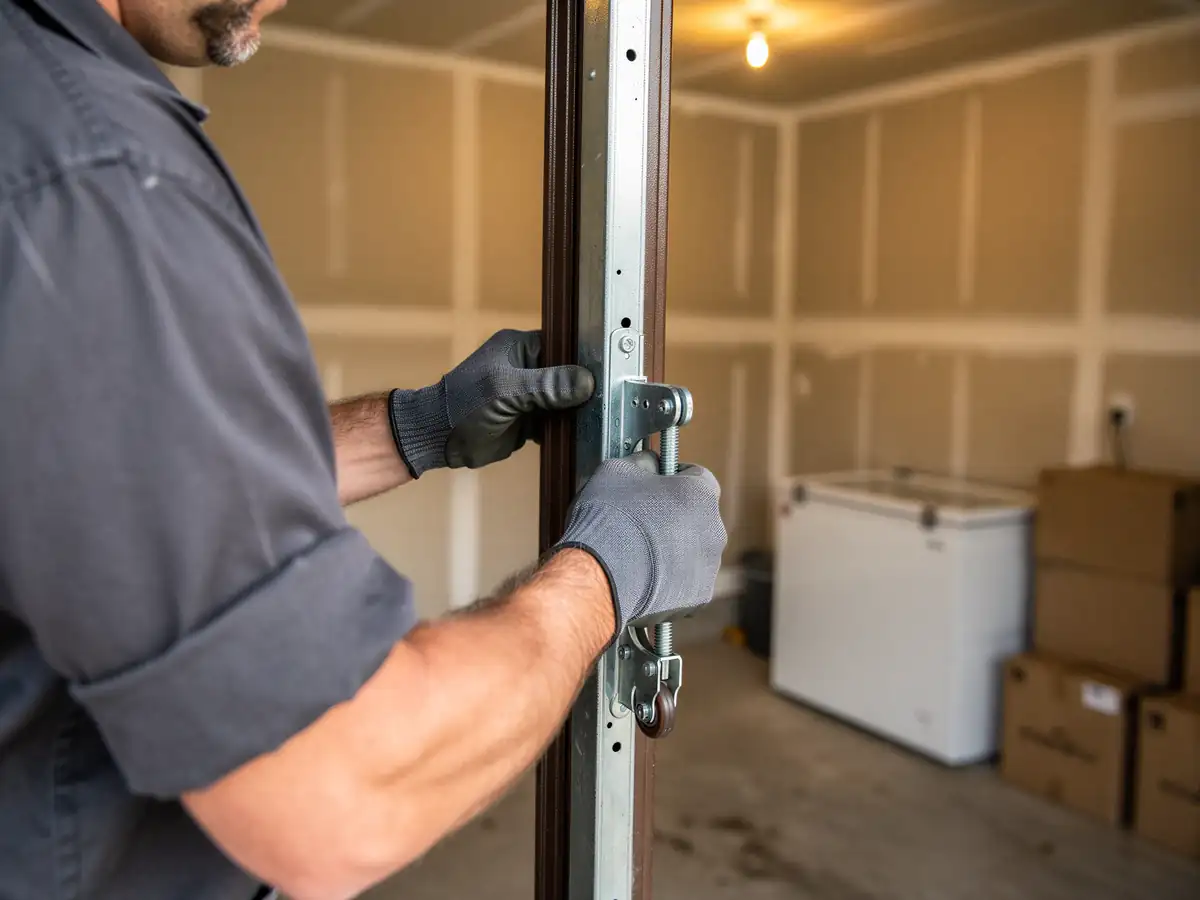
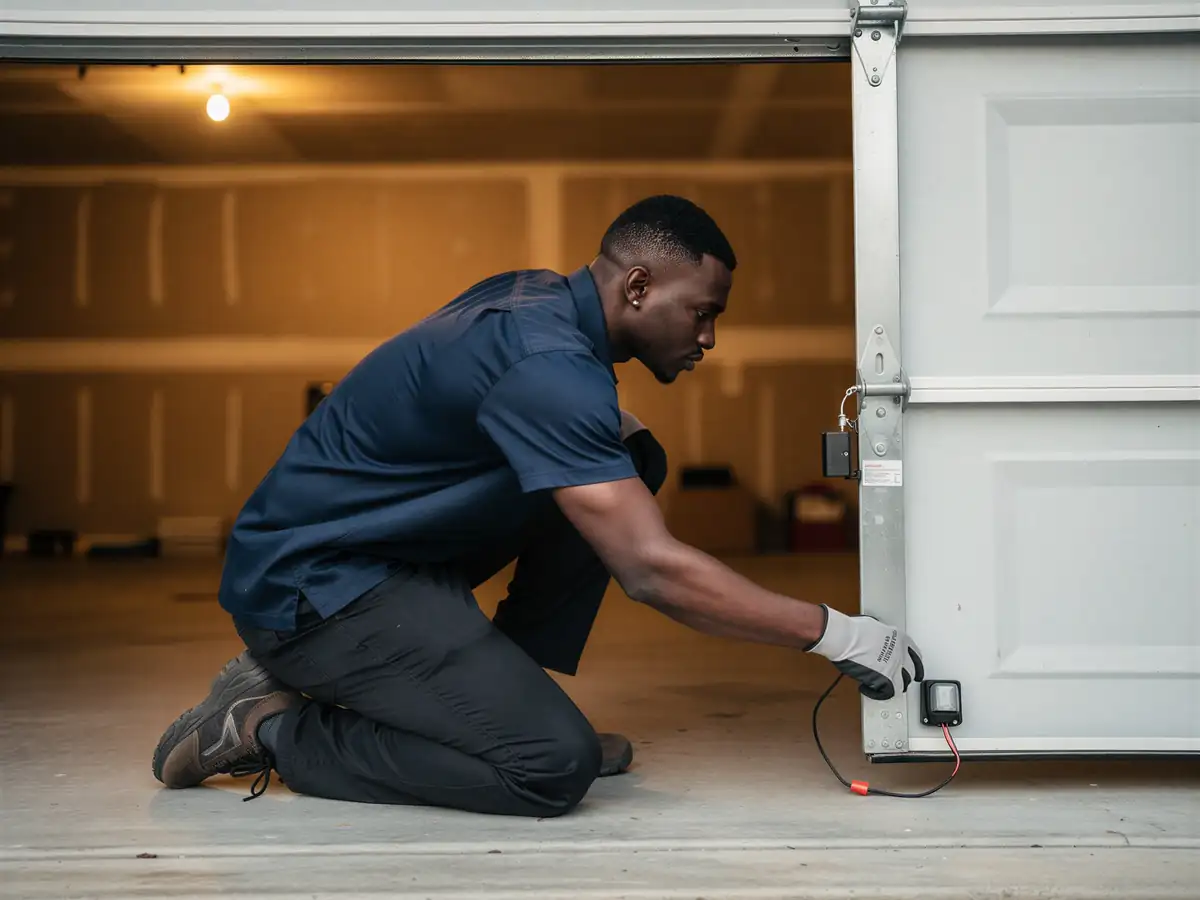
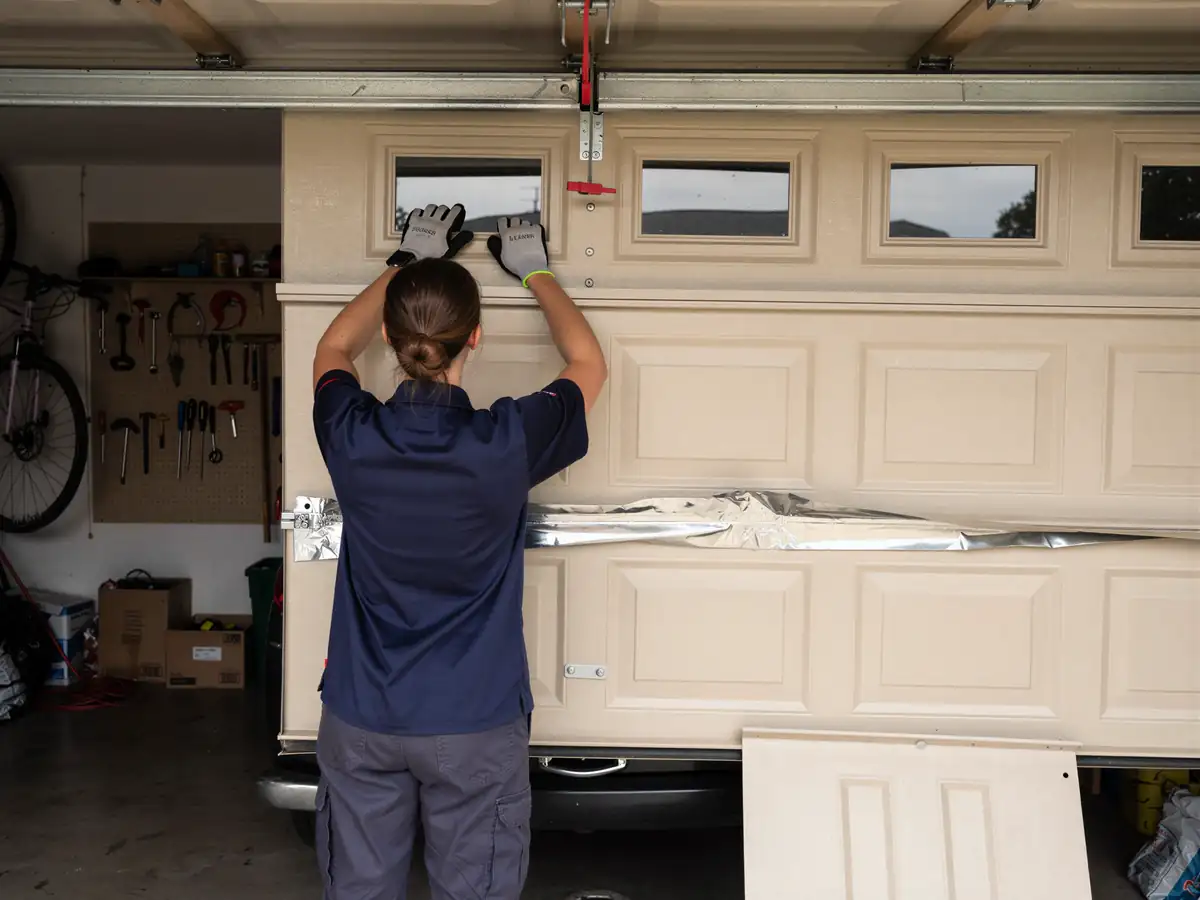
Panel replacement starts with pulling the door off its rollers enough to isolate the damaged section without disturbing the spring tension on the rest of the door. On a door built in the 1982 range, the hinge spacing and track width are usually standard, so a matched replacement panel bolts in clean. Where it gets slower is on doors that have been repainted or have a discontinued raised-panel profile - we match what we can and flag anything that needs a special order before we start cutting into the old section. Once the new panel is in, we re-hang the door, check it rolls level in the track, and test the opener's force setting, since a new panel changes the door's weight balance slightly and an opener tuned to the old door can over- or under-compensate. We don't leave a job with the door closing hard on one side or light on the other - if the balance is off, we adjust it before we call it done.
What You Are Seeing
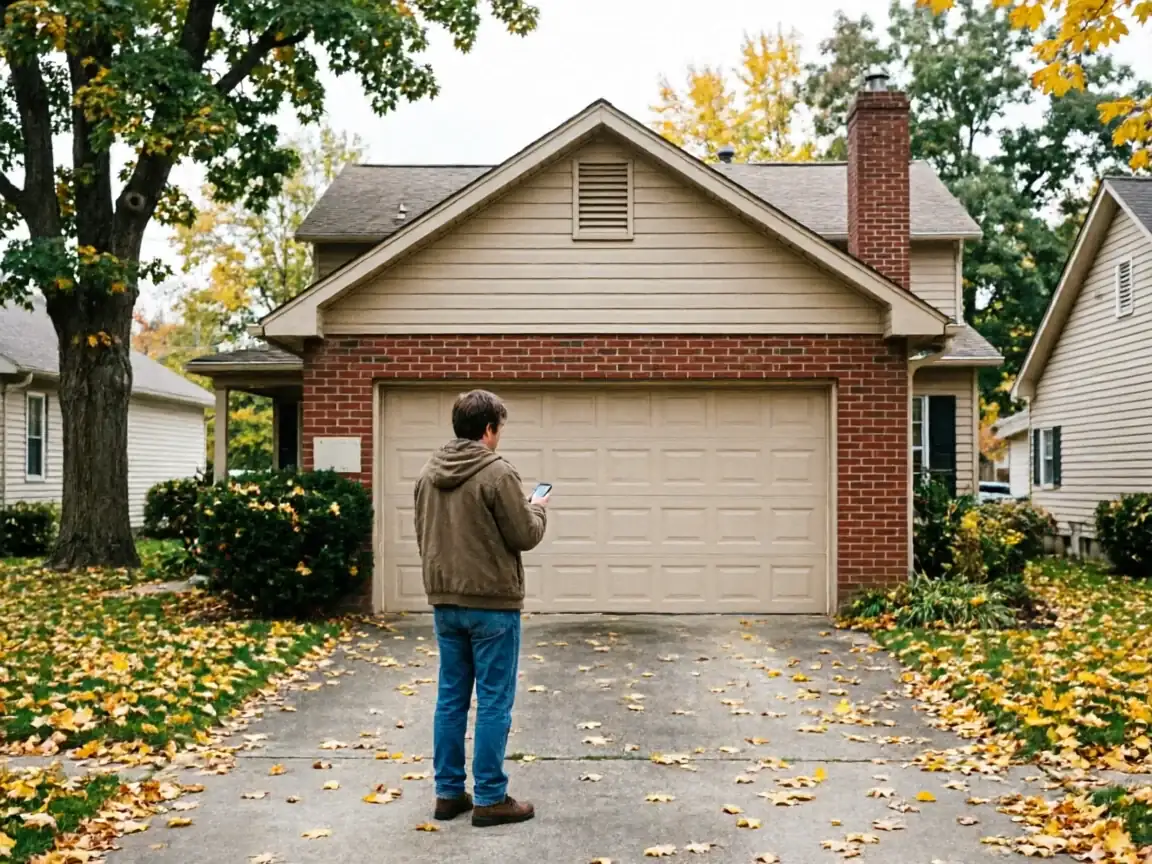
The most common call we get from this part of the service area is a bottom panel with a rust line along the lower edge, sometimes with a soft spot you can press a thumb into, or a dent deep enough that the section no longer sits flush against the one above it. On wider three-car doors, that misalignment shows up as a visible gap or a panel that bows slightly when the door is down. If the door still opens and closes but drags or binds partway through the cycle, that's usually the damaged section catching on the track rather than a spring problem, though we check the spring anyway since the two often get blamed on each other. A door that's stopped sealing at the bottom, letting in a draft along one edge, is almost always a panel issue rather than a weatherstrip issue at this point in a door's life.
Doing It Yourself
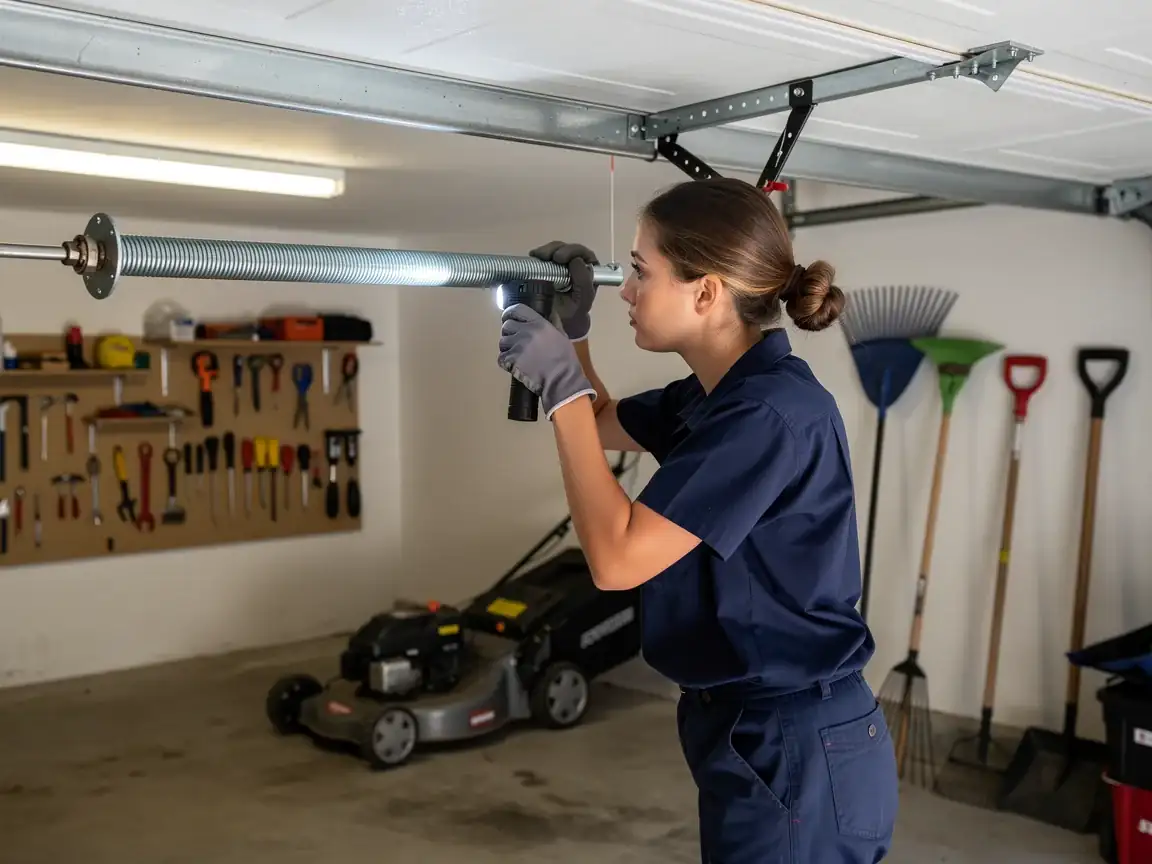
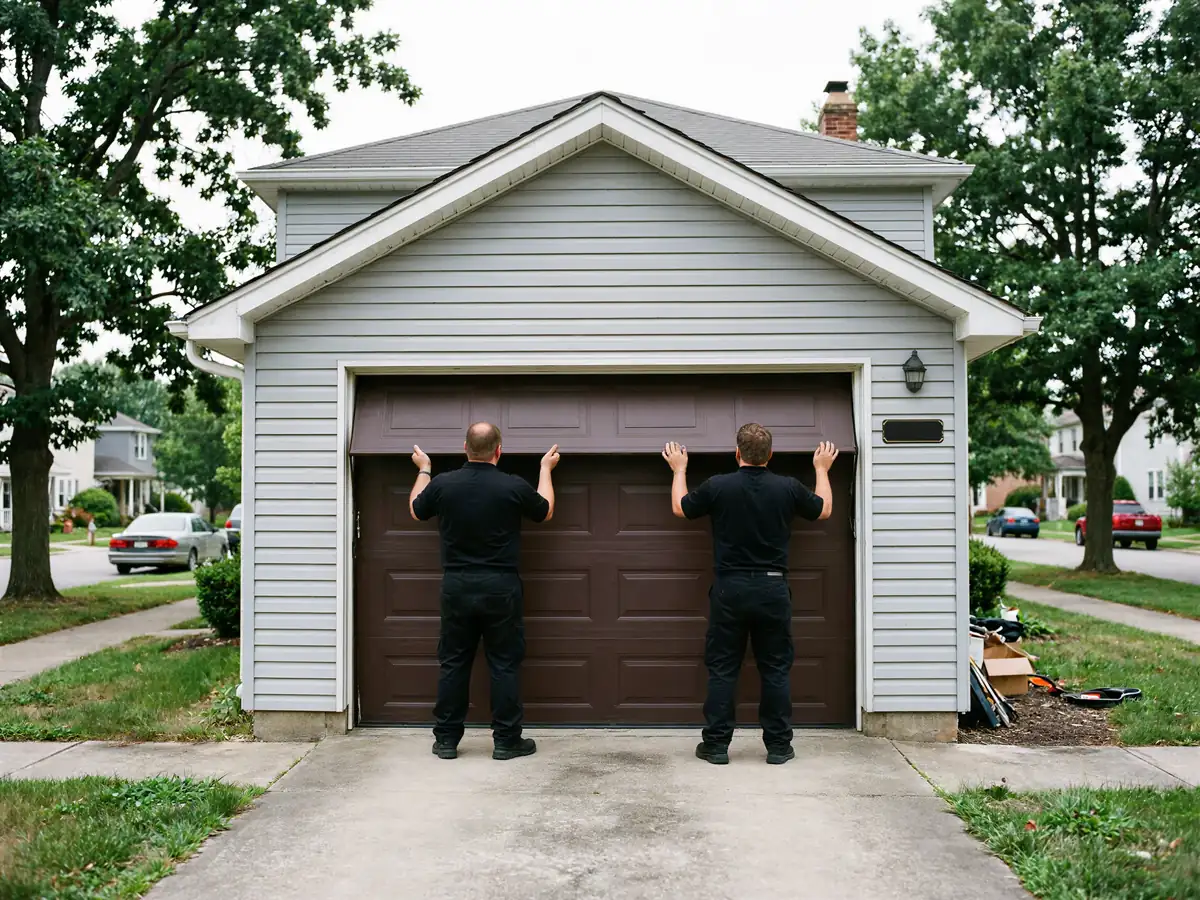
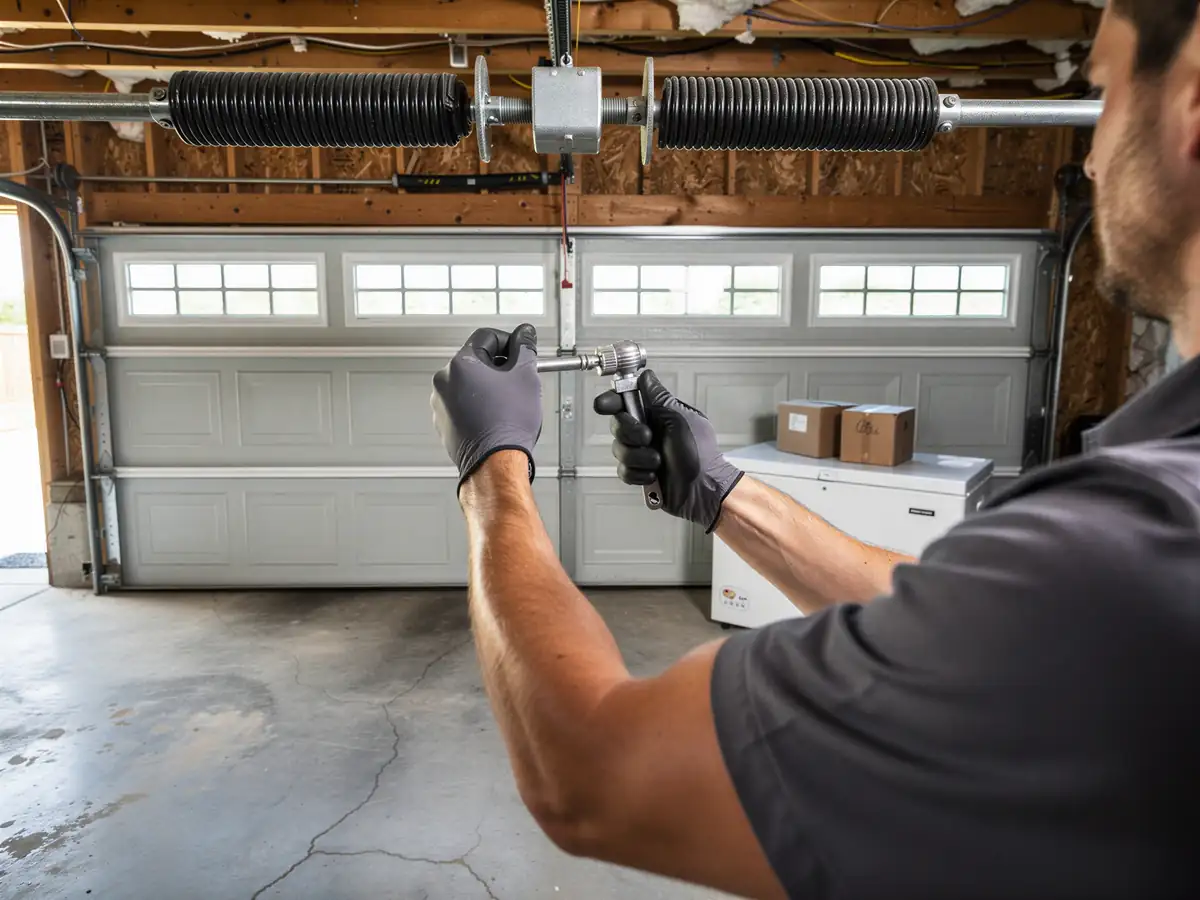
Swapping a single bottom panel on a standard-width door is within reach for someone comfortable with a drill and willing to support the door section properly while the hinges come off - it's bolts and brackets, not a specialty tool job. Where we'd tell you to stop is anything above the bottom section on a door that's still under spring tension, because releasing hinges on a mid-height panel without controlling the door's weight is how people get a section dropped on a hand or a foot. We also won't talk anyone through a torsion spring adjustment over the phone; that's not a DIY limitation we're willing to bend on, regardless of how straightforward the panel swap itself looks.