What Is on the Truck
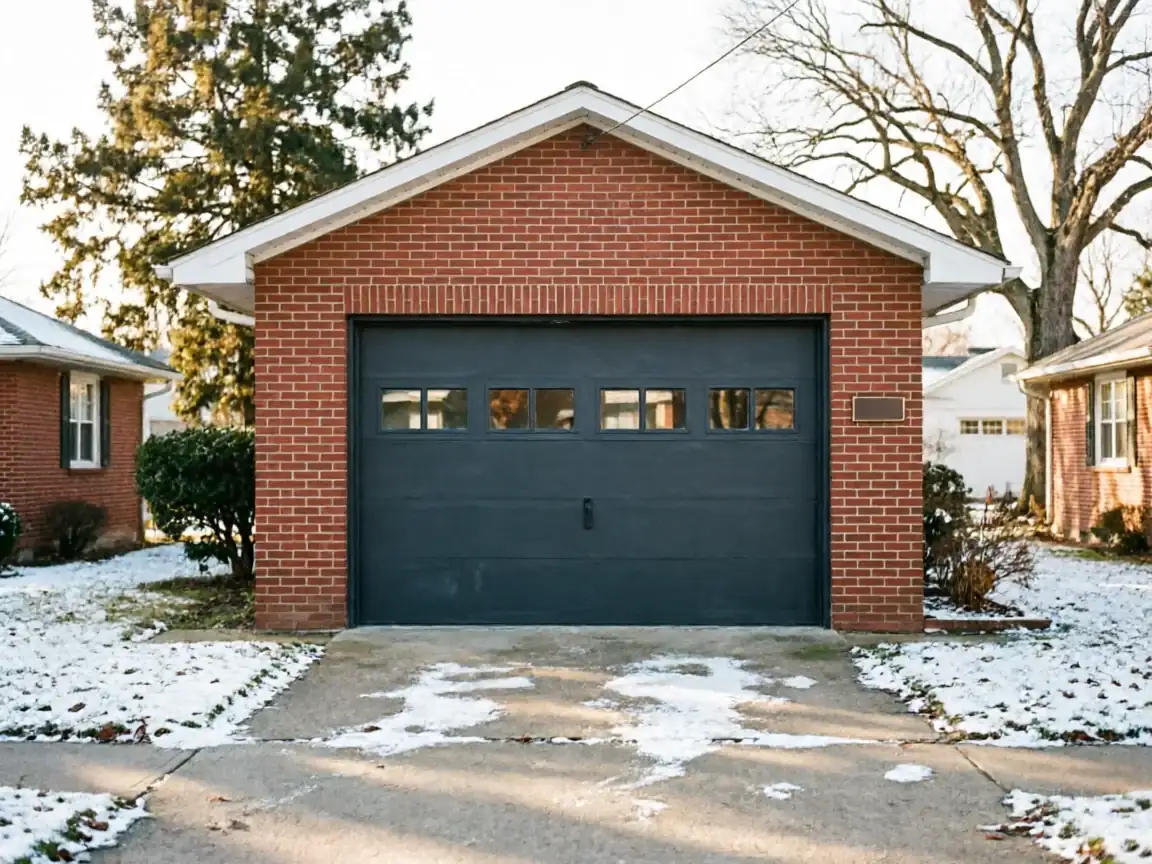
The median house in Orono went up in 1982
A good seven years newer than the 1975 median across the rest of the area this company covers. That matters for what gets loaded on the truck before the drive out. A house from 1982 almost never has the original chain-drive opener still running, but a lot of them have a second-generation unit from the 90s or early 2000s bolted onto a door frame built for it, with brackets and header clearance that newer belt-drive units don't always match out of the box.
We carry both chain and belt drive heads
Plus the longer rail sections that some of these taller garage openings from the early 80s call for. Orono's median household income, at $181,875, runs well above the $108,611 median for the broader area, and we see that reflected in more owners asking for quieter belt-drive units with battery backup rather than the cheapest chain drive on the shelf. We bring both, but we don't push one over the other without seeing the door first.
What we don't carry is a stock of obscure
Long-discontinued rail extensions for the handful of doors out here that predate 1982. If a bracket doesn't exist anymore, we'll say so on site rather than force a fit.
Why It Happens Here
Openers fail on a schedule tied to when the house was built, not when the owner calls. With Orono's median build year sitting at 1982, the openers original to these homes are now past the point where replacement parts make sense versus swapping the whole unit. Circuit boards from that era weren't built with rolling-code security or soft-start motors, and once the capacitor or the main gear set goes, there's often nothing left on a parts shelf to fix it with.
The cold-moderate climate rating for this part of Minnesota adds another layer. Openers here take more cold-start strain on the motor and more condensation on the logic board than a unit installed somewhere with a milder winter. That combination, a 40-plus-year-old opener design meeting four decades of cold starts, is why so many calls out here are installs rather than repairs.
What the Repair Takes
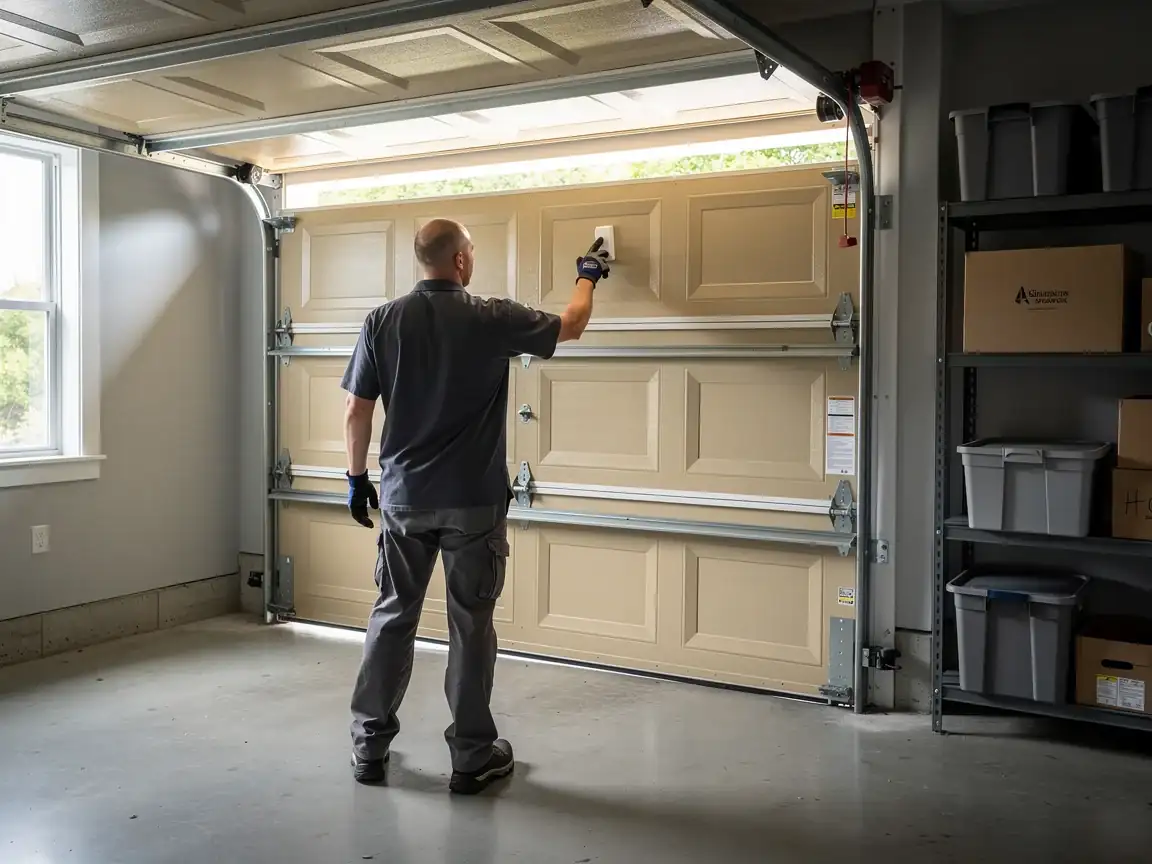
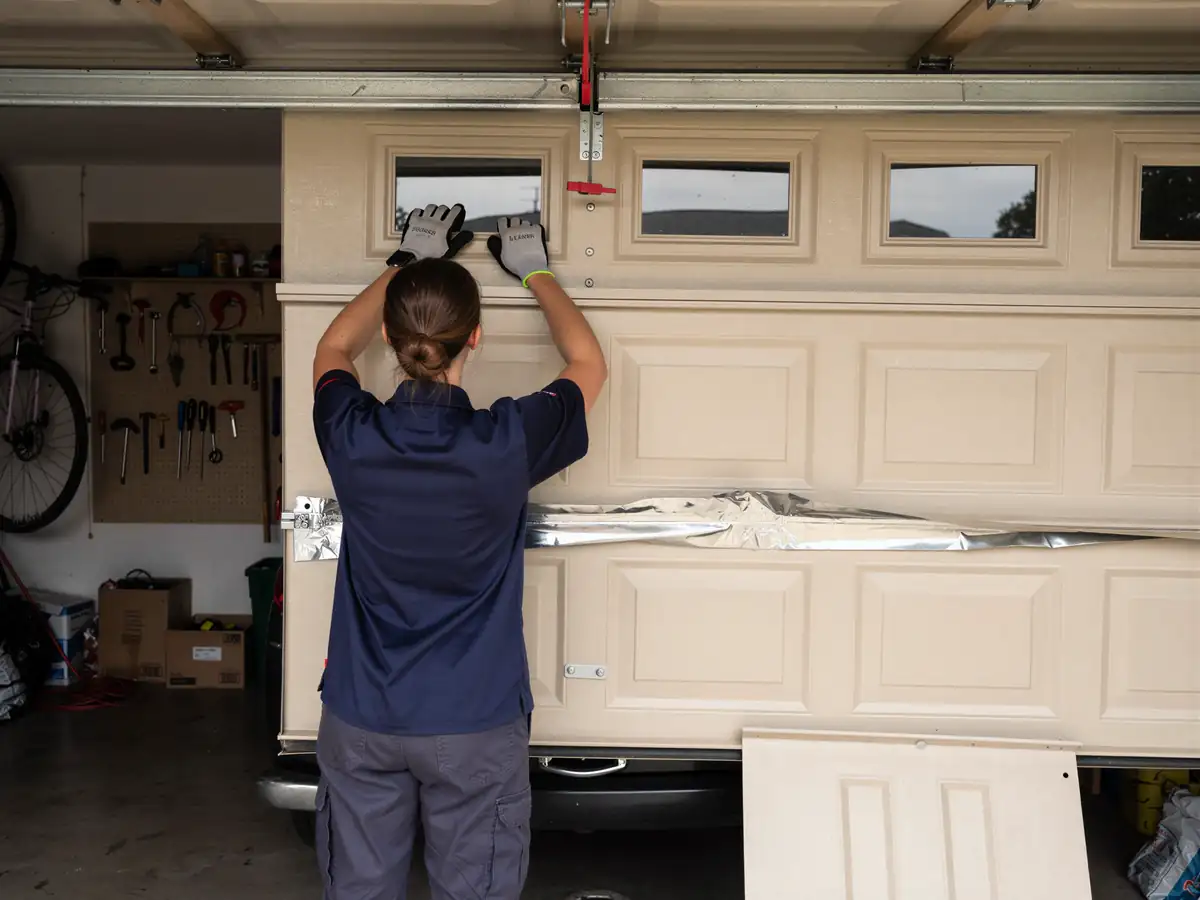
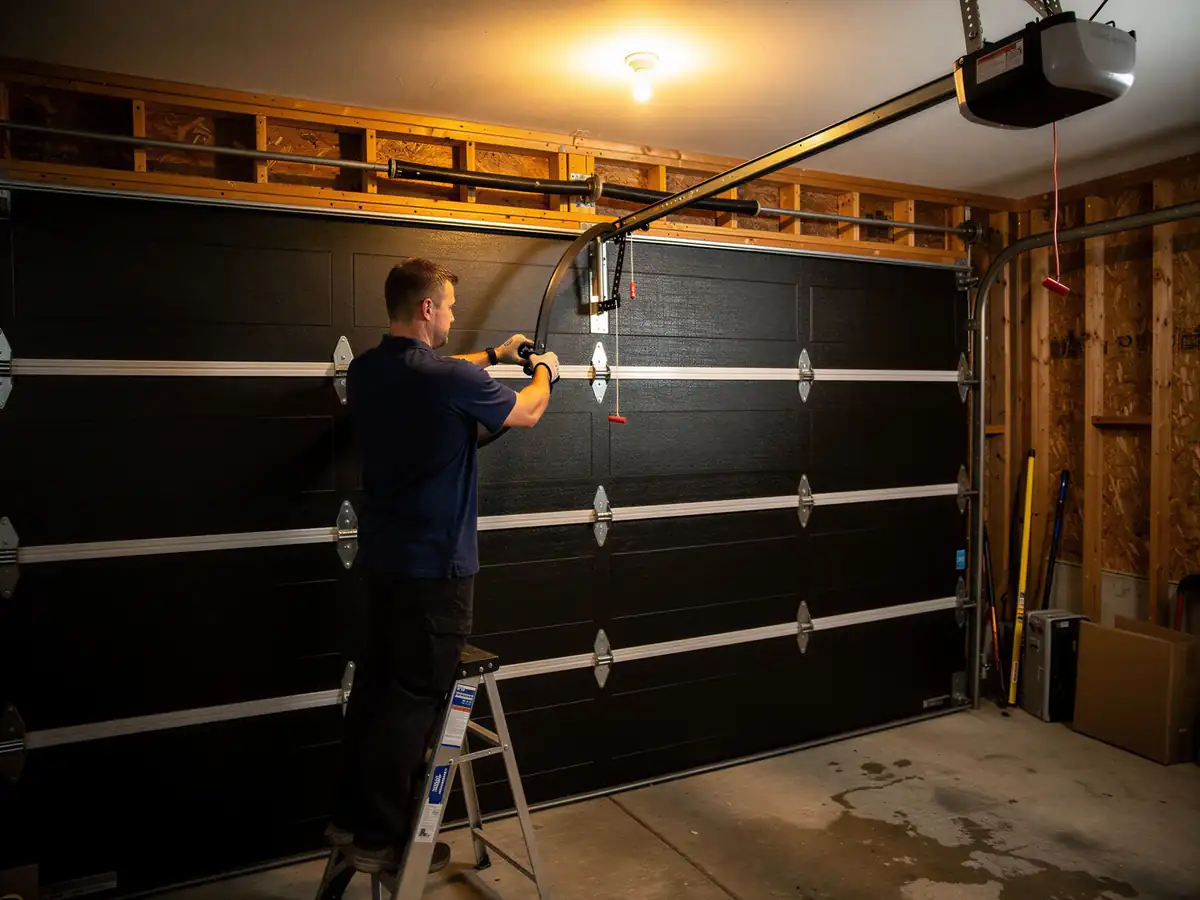
An opener swap at a house in Orono starts the same way every job does: we check the door itself before touching the opener. A worn opener on a door with bad springs or a bent track will burn out the replacement just as fast as the original. Once the door's confirmed sound, the job is removing the old head unit and rail, mounting the new bracket to the header, and running the rail to the door with the travel limits set for that specific door's height.
Orono runs about 18 miles from our shop in Savage, which we factor into scheduling rather than into the job itself. There's no separate branch or crew based in Orono, and we're not going to claim a response time we can't back up from that distance. For most installs, once we're on site, the swap itself takes a single visit. Battery backup units and smart-opener models with camera or keypad add-ons take a bit longer to wire and pair.
What It Costs
Cost depends on the drive type, whether the existing rail and bracket can be reused
And whether the owner wants battery backup or smart-phone connectivity added. We don't publish a flat number here because a straight chain-drive swap on an existing bracket and a belt-drive unit with battery backup and new rail aren't the same job, and quoting one price for both would be misleading.
What we can say is that Orono's household income runs notably higher than the area median
And we see that show up in which options owners choose, not in what we charge for the base install. The price of the unit and the labor to hang it doesn't change because of the zip code. Call for a number specific to your door and your opener choice.
What You Are Seeing
If the opener strains and sounds like it's working harder than it used to before the door even starts moving, the motor is on its way out. A door that reverses halfway up, or an opener that runs but the door doesn't move at all, usually points to a stripped gear or a broken drive belt rather than anything the remote control can fix.
In a house built around 1982, a remote that's stopped syncing no matter how many times it's reprogrammed often means the receiver board itself is dying, not the battery. And if the opener light flickers when the door is in motion, that's a wiring or power supply issue worth checking before it leaves you stuck with the door half open.
Doing It Yourself
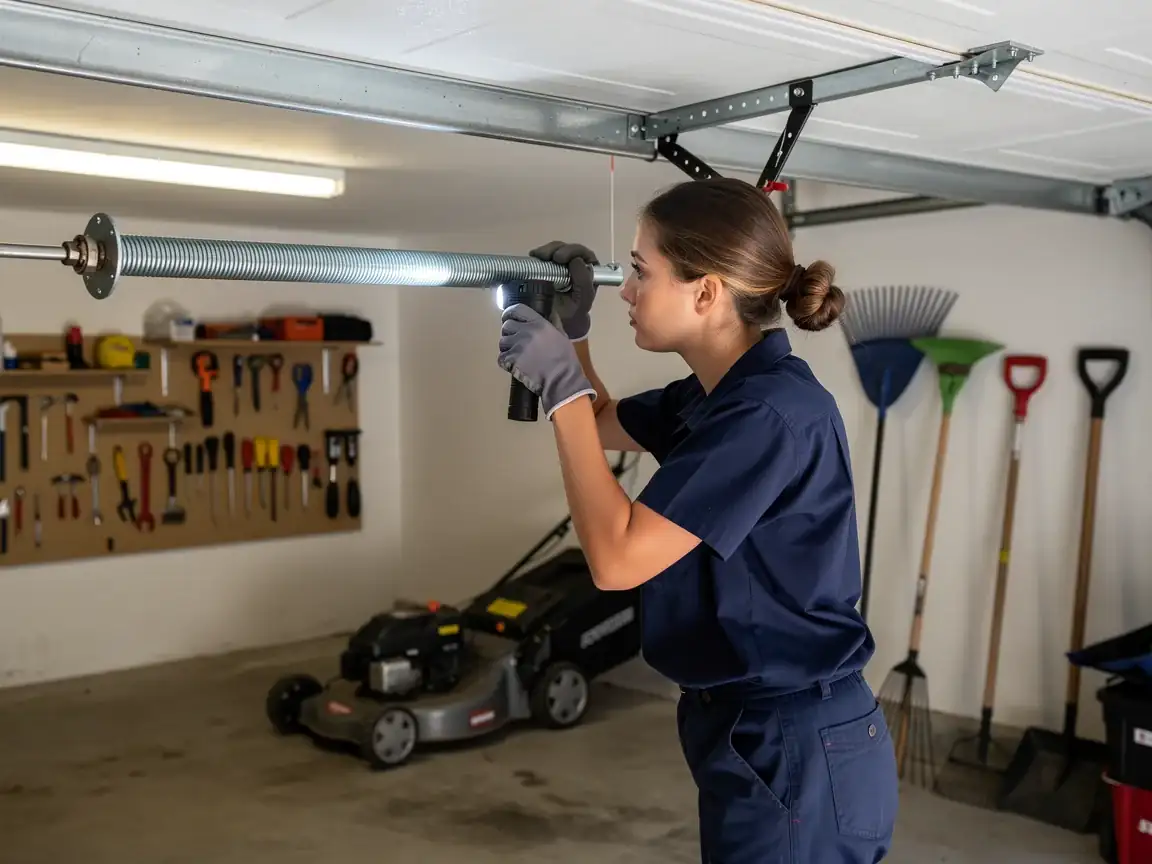
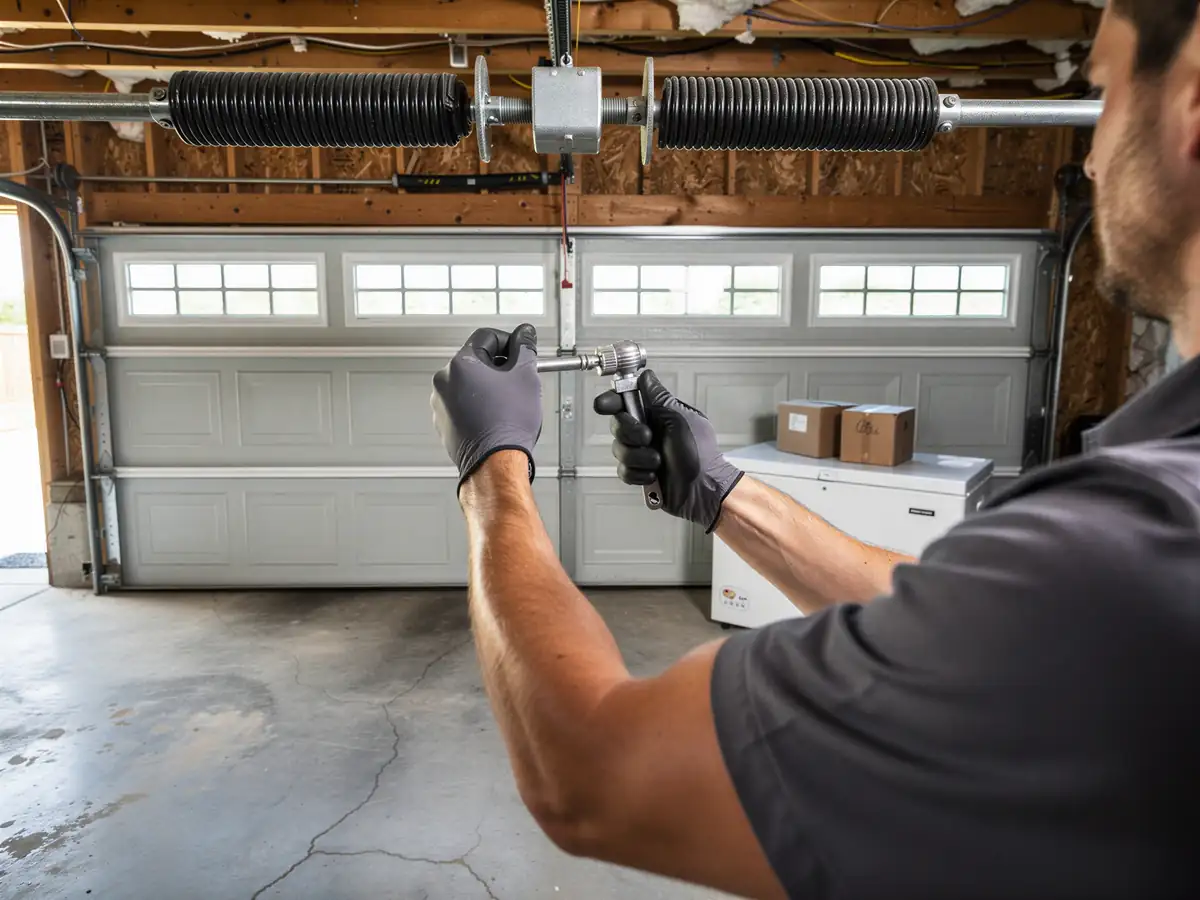
Swapping the remote battery, resetting the travel limits, or lubricating the chain or belt are jobs most owners can do themselves with the manual that came with the unit. Where it gets risky is anything involving the torsion spring, the tensioned cable, or removing the old opener head while the door is still under spring load. Those aren't opener jobs exactly, but they sit right next to the opener and a mistake there can do real damage.
We'll also say plainly: if your opener is original to a mid-80s house and the logic board is failing, replacing the board alone usually costs close to a new unit once labor is added in. At that point, a full swap is the better use of the money, not a patch job. That's the one honest limit on DIY repair here, not a lack of skill on the owner's part, just a lack of available parts for boards that age.