What the Repair Takes
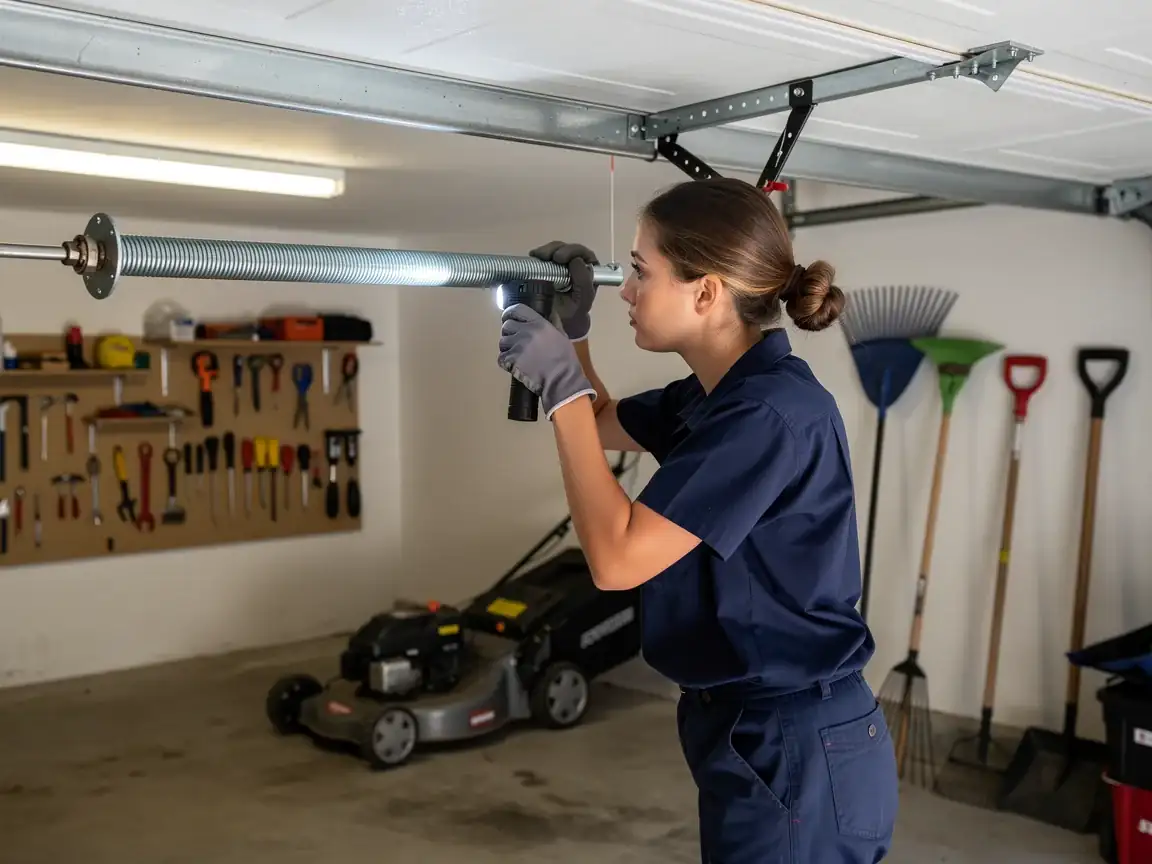
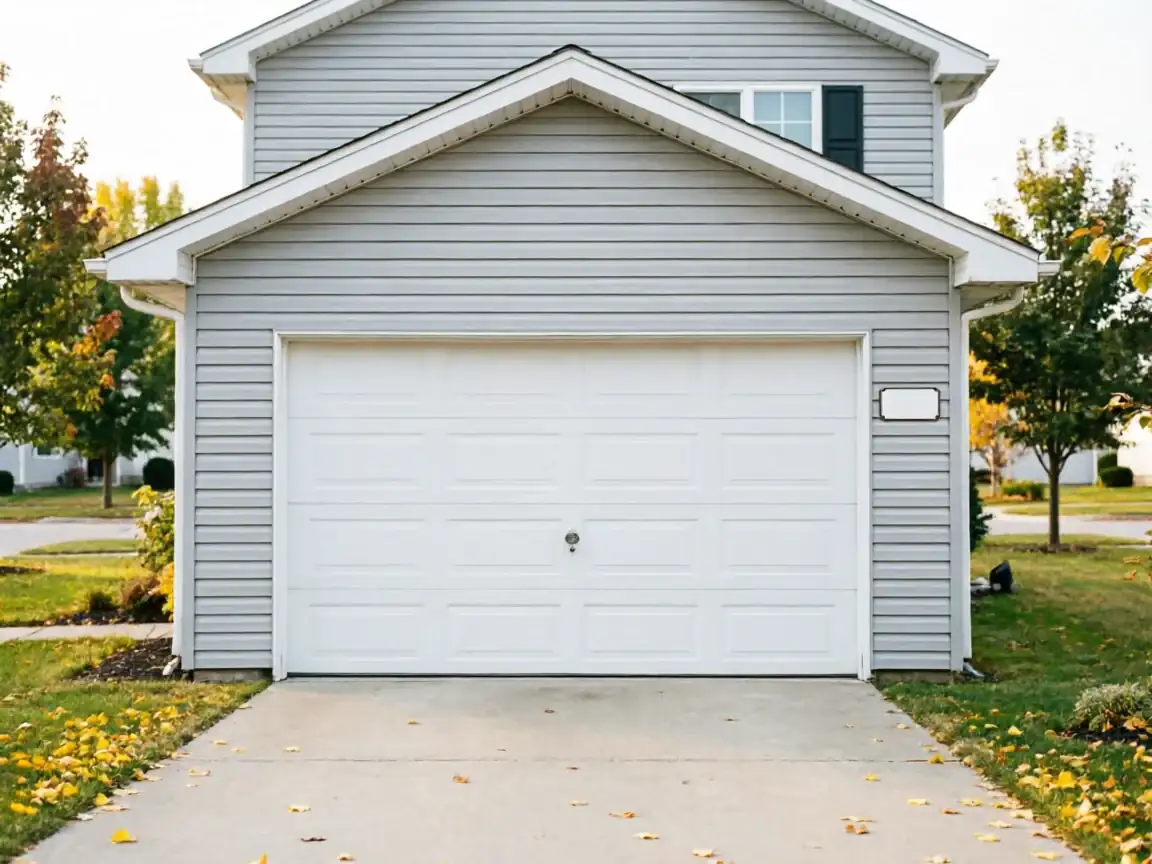
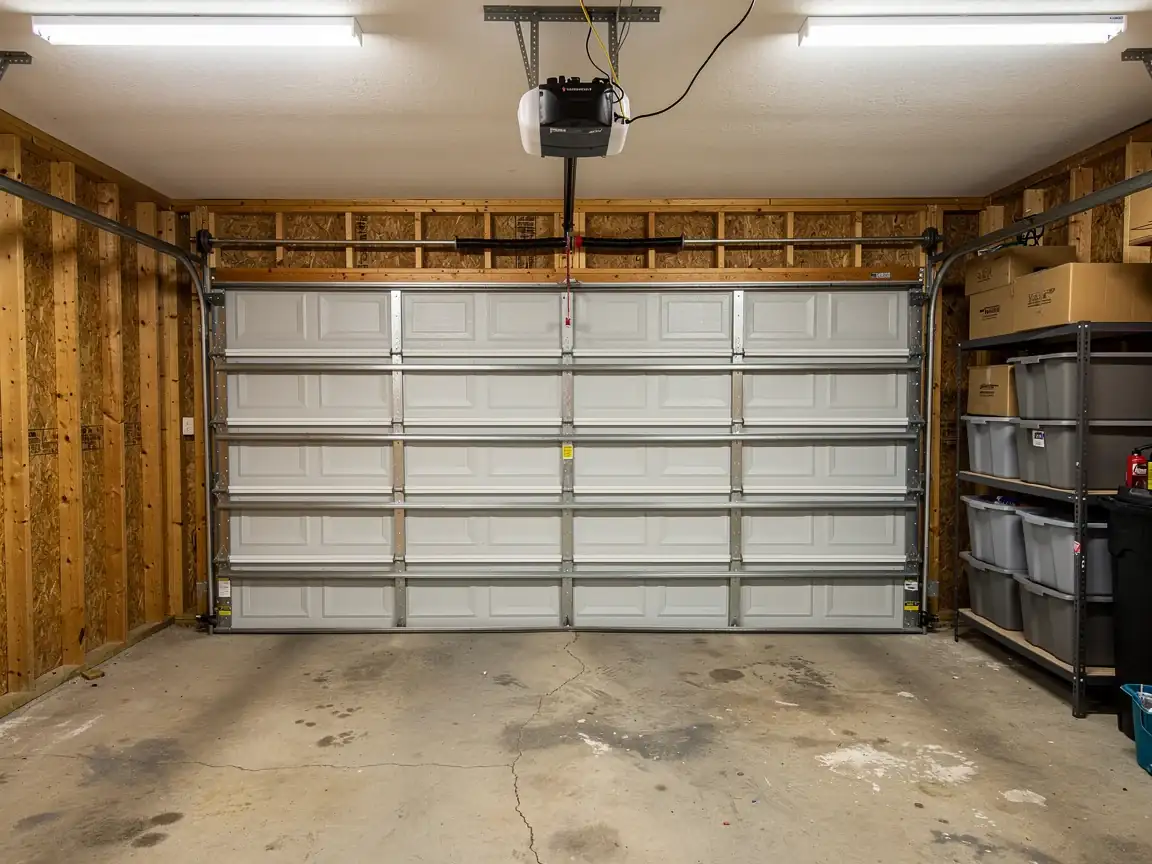
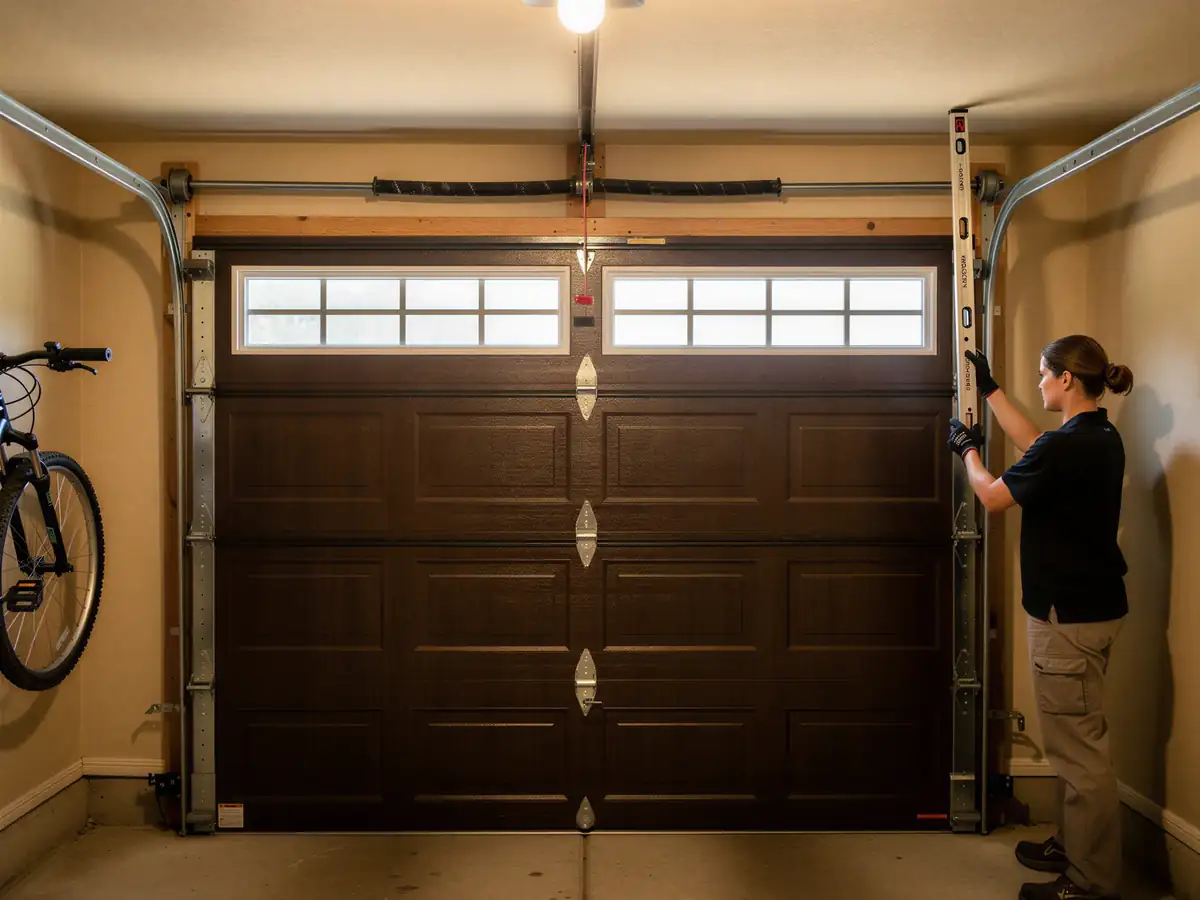
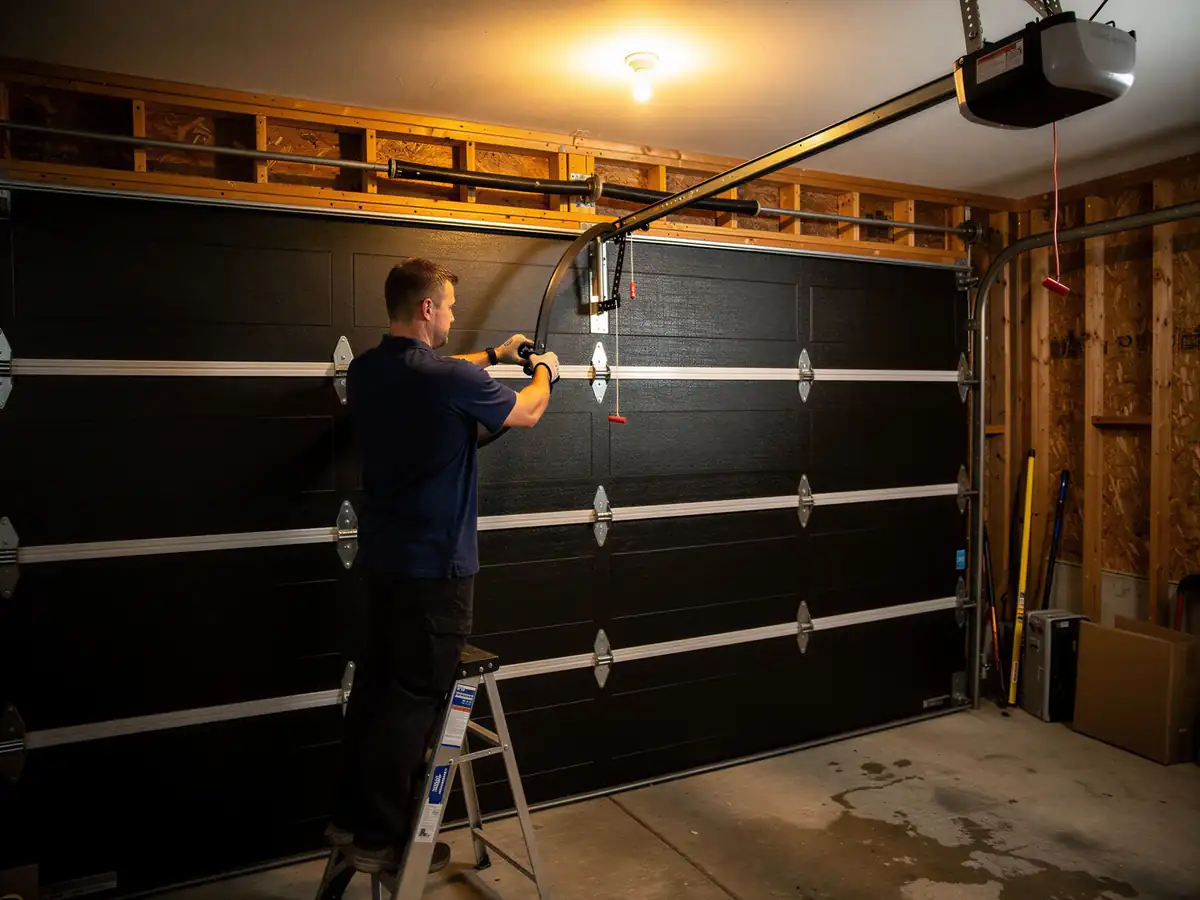
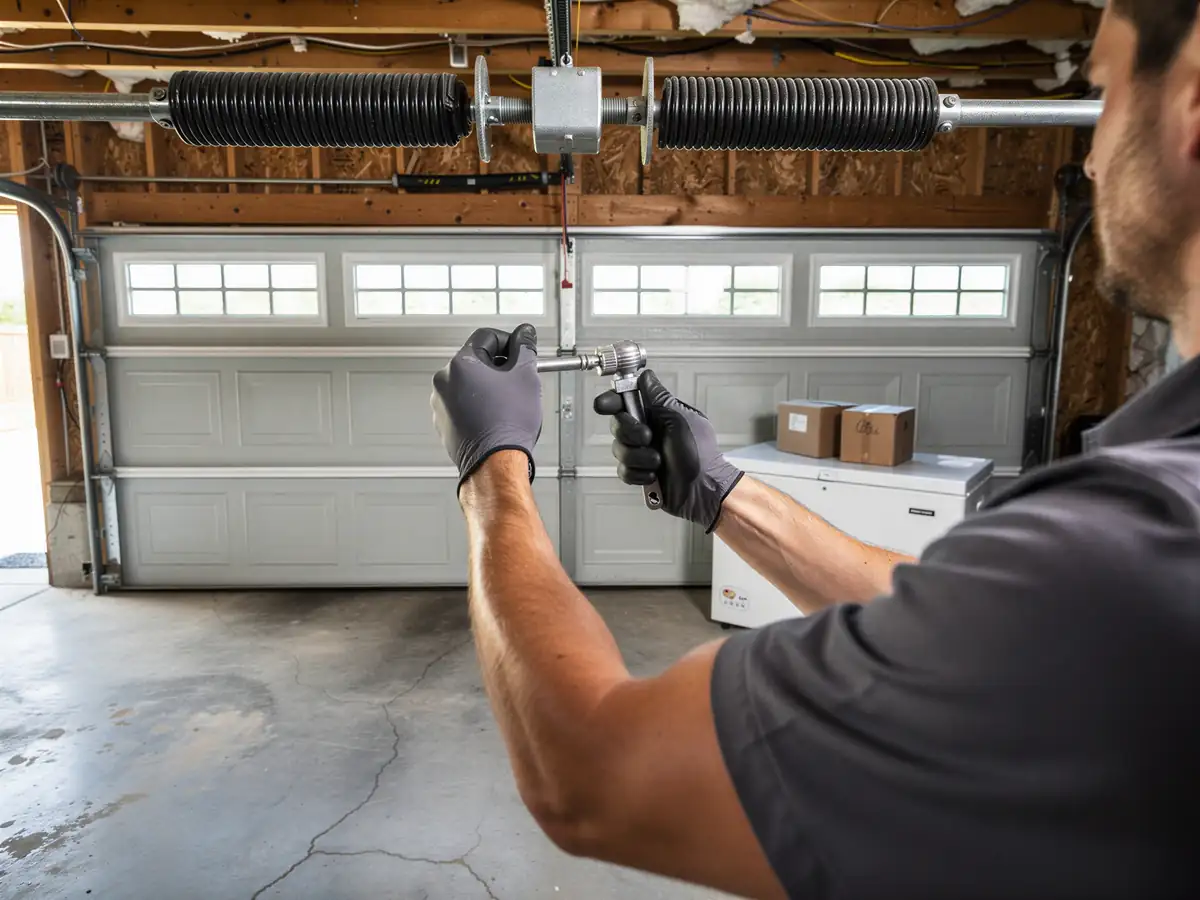
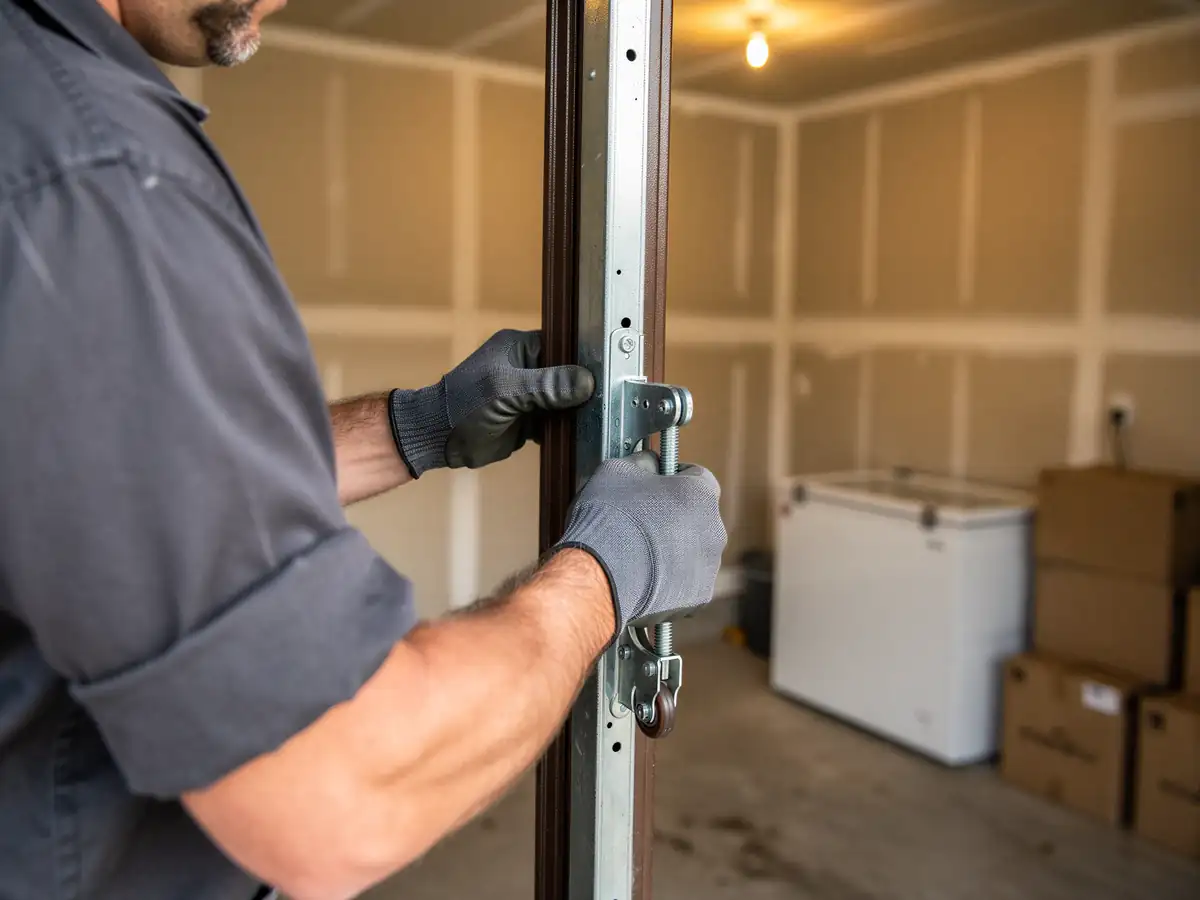
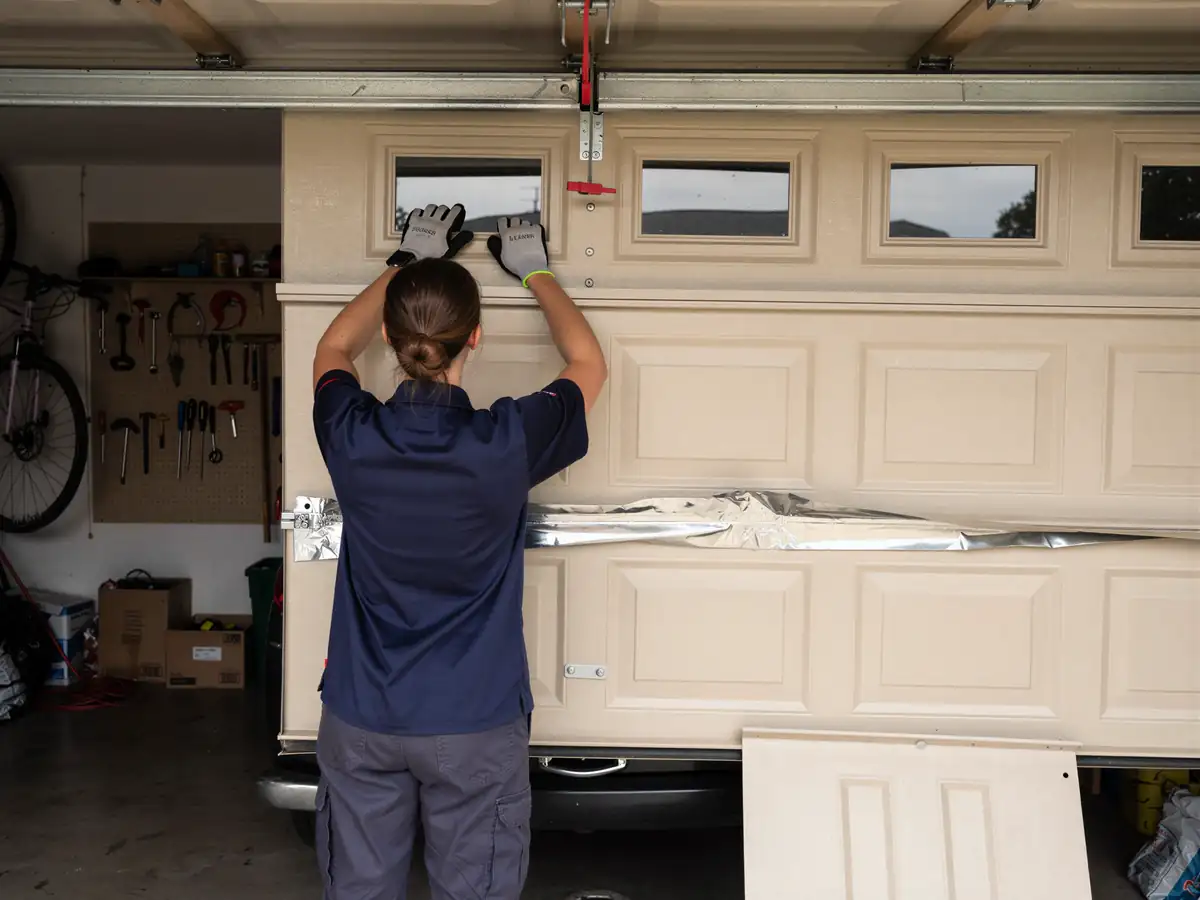
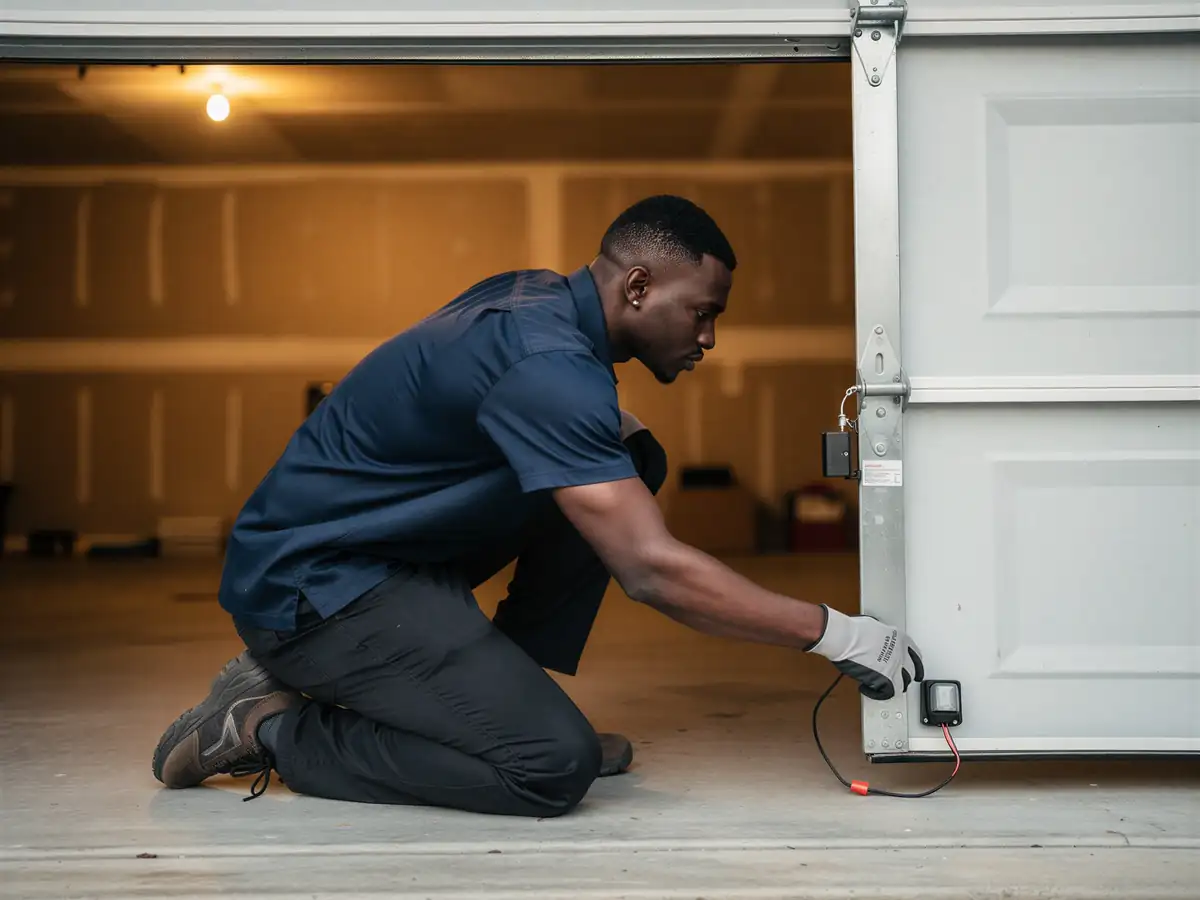
Most Shorewood calls we get are for doors original to houses built in the 1980s and 1990s - steel sectional, often a wider double-car opening, raised-panel face. The torsion springs on these are sized for a heavier door than the older 1960s stock elsewhere in the area, so the replacement spring has to match that lift weight, not a generic size off the shelf. Rollers and hinges are usually standard enough to carry on the truck. Openers from this era are frequently chain-drive units nearing the end of their service life, and when the opener goes, it's often cheaper to replace the unit than keep feeding it belts and gears. We measure the door, confirm spring wind and cycle count, and quote the job before any work starts.
Why It Happens Here
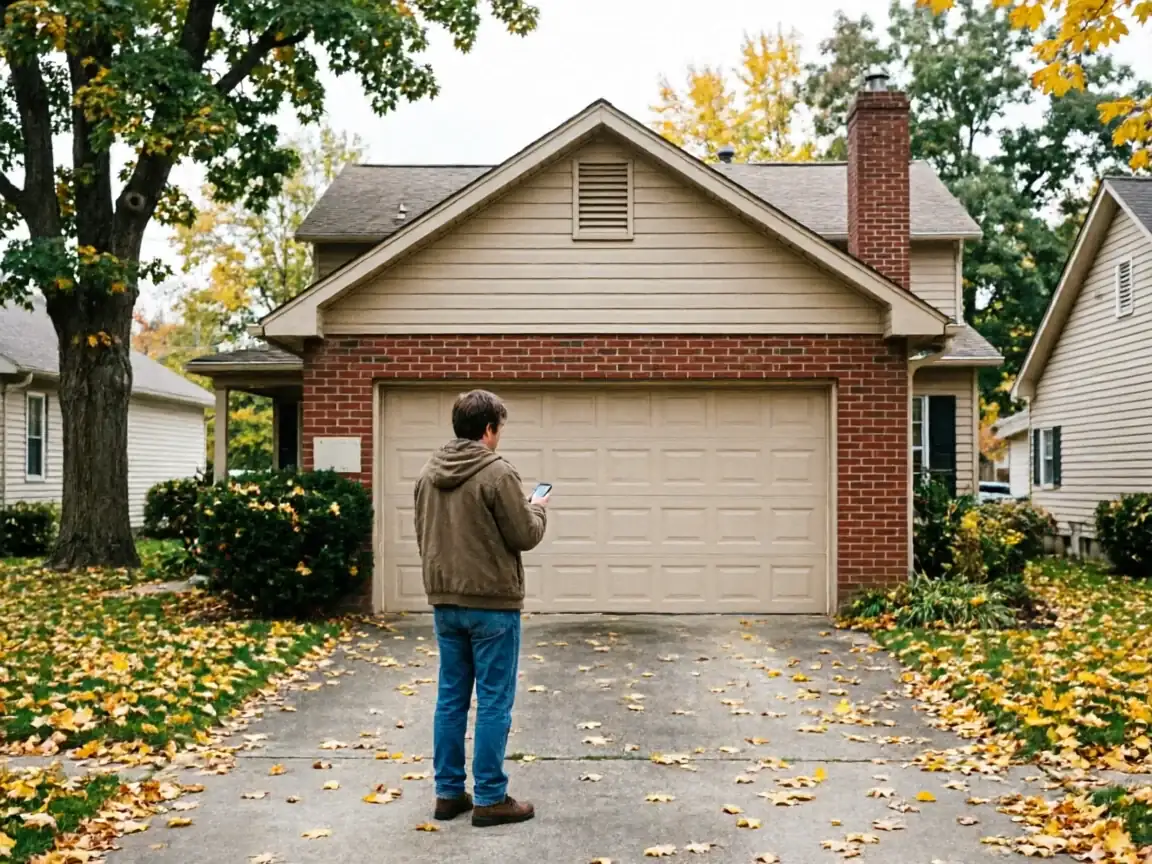
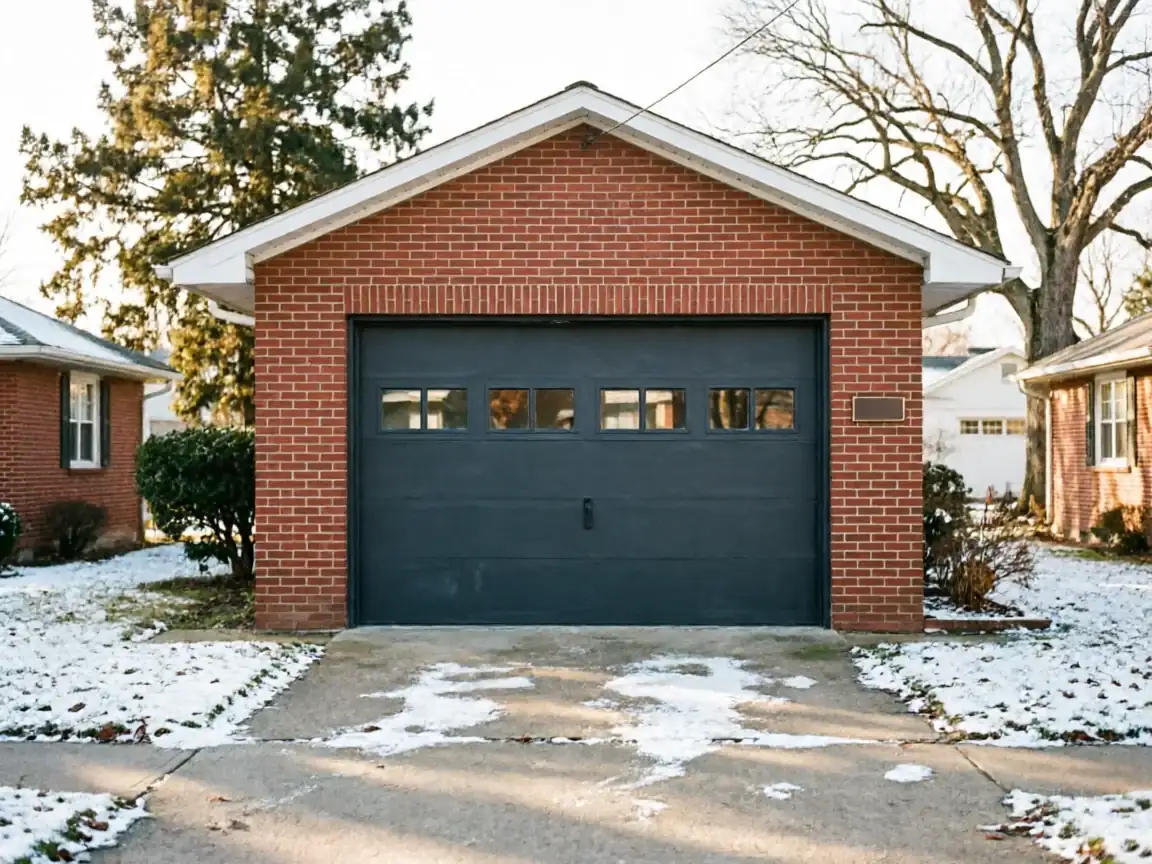
Housing in this part of the area mostly went up between 1956 and 2005, but Shorewood itself centers closer to 1986 - later than much of the surrounding service territory. That matters because doors from this period are a different animal than the 1960s originals: wider, heavier, usually steel instead of the older wood or lighter-gauge panel. The region sits in a cold, moderate climate band, and forty years of freeze-thaw cycling is hard on any moving part, but it's especially hard on the nylon rollers and galvanized cable common to mid-1980s installs. Cable rusts at the bottom coil where it sits near a cold slab in winter. None of this is unique to Shorewood's weather - it's regional - but the door generation it's acting on here is distinct from what we see closer to Savage.
How to Book
We cover Shorewood from our base in Savage, about 15 miles out. Call or use the booking link below, tell us the door's age and whether it's a single or double, and we'll bring the right spring size and hardware rather than guessing on site. We don't keep a branch or drop-off counter in Shorewood - every job here is a truck roll from Savage, so give us a description of what the door is doing (won't open, sags on one side, opener grinds) so we can load the truck right the first time.
What You Are Seeing
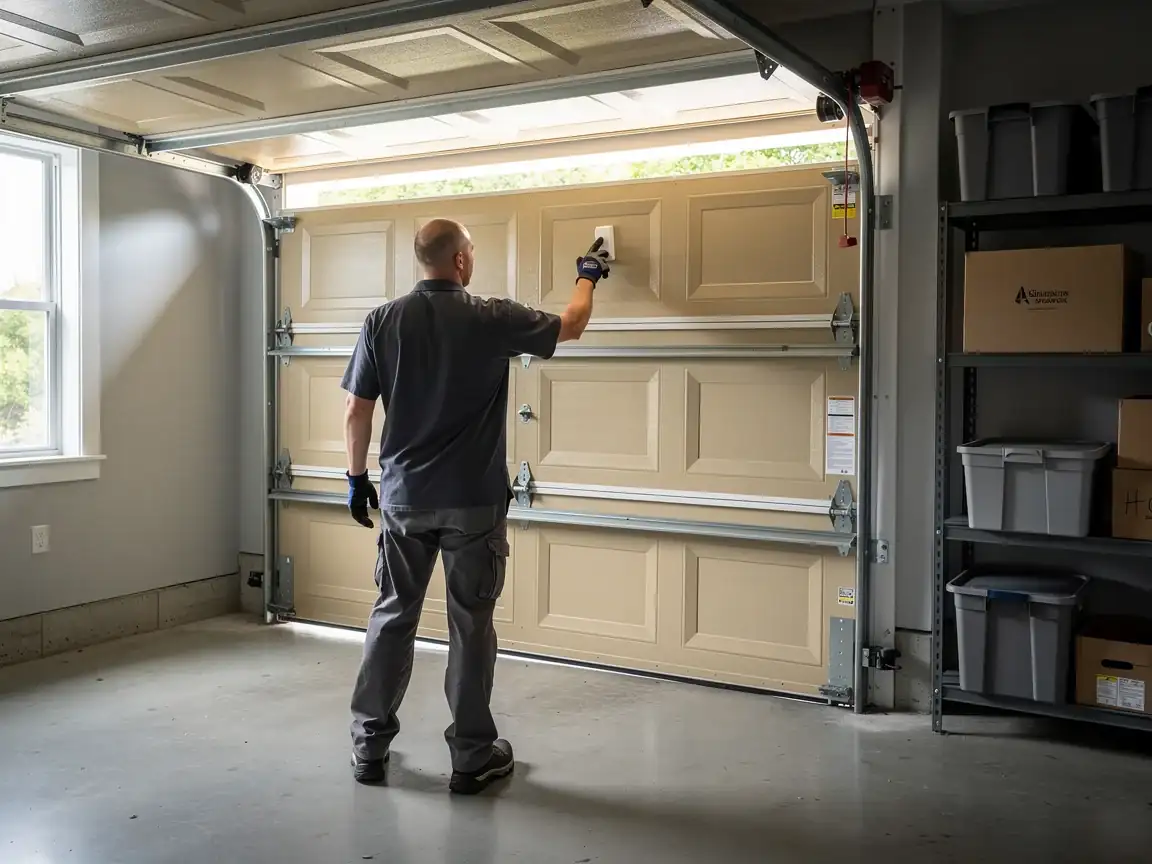
If your door is a wide steel sectional with raised panels, likely original to a house built in the 1980s or 90s, you're looking at hardware sized differently than the older 1960s doors common elsewhere in the service area. A spring that looks fine but takes noticeably more effort to lift by hand than it used to is nearing the end of its wind count. A door that shudders or jerks partway up, rather than gliding, often points to a roller failing in one track while the others still hold. Rust streaks at the bottom corner of the track usually trace back to cable or bracket corrosion from sitting near a cold concrete slab through repeated winters. None of these are emergencies you have to solve today, but none of them get better left alone either.