What the Repair Takes
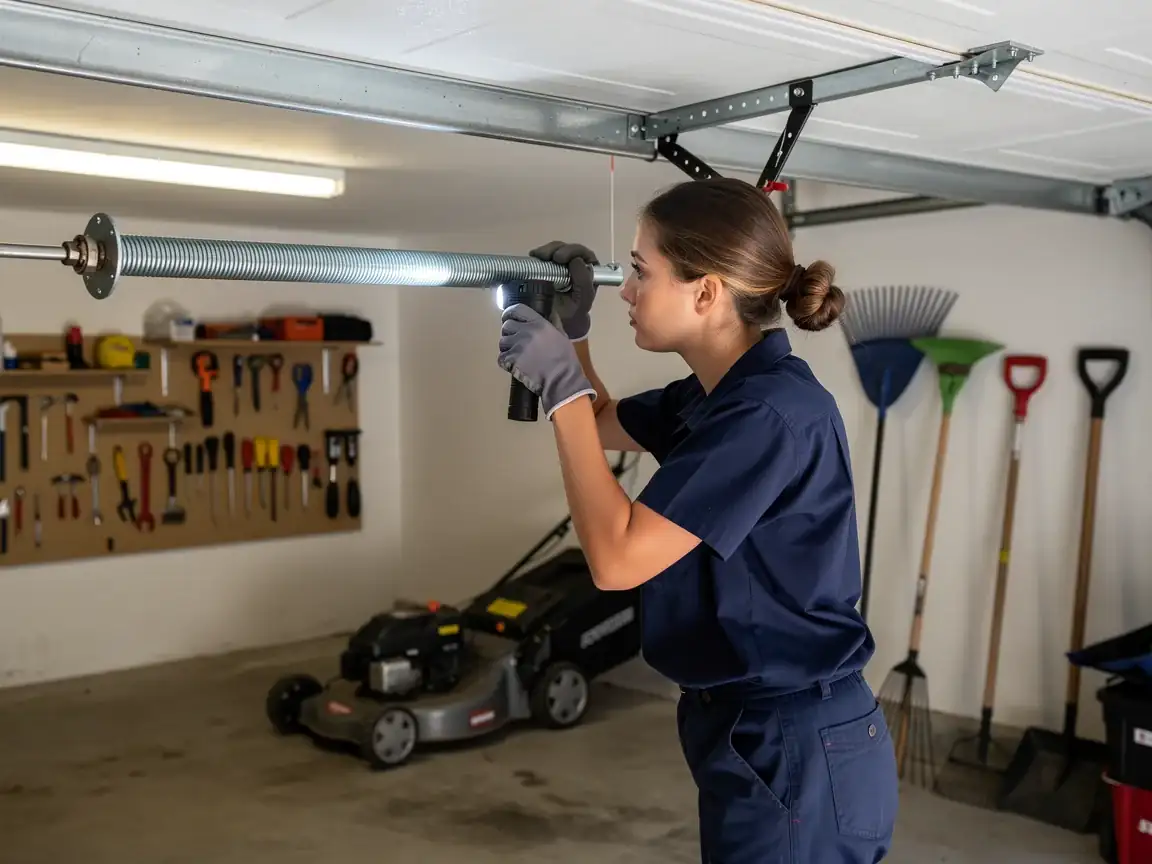
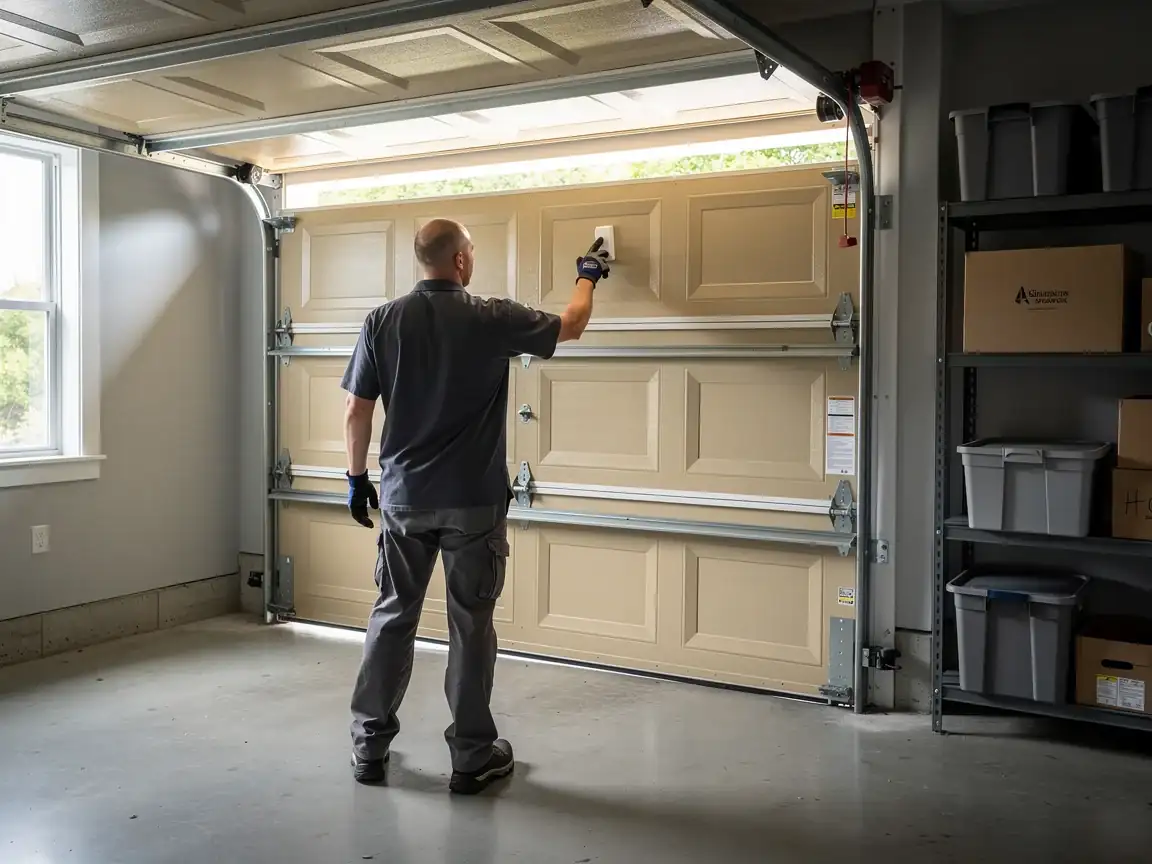
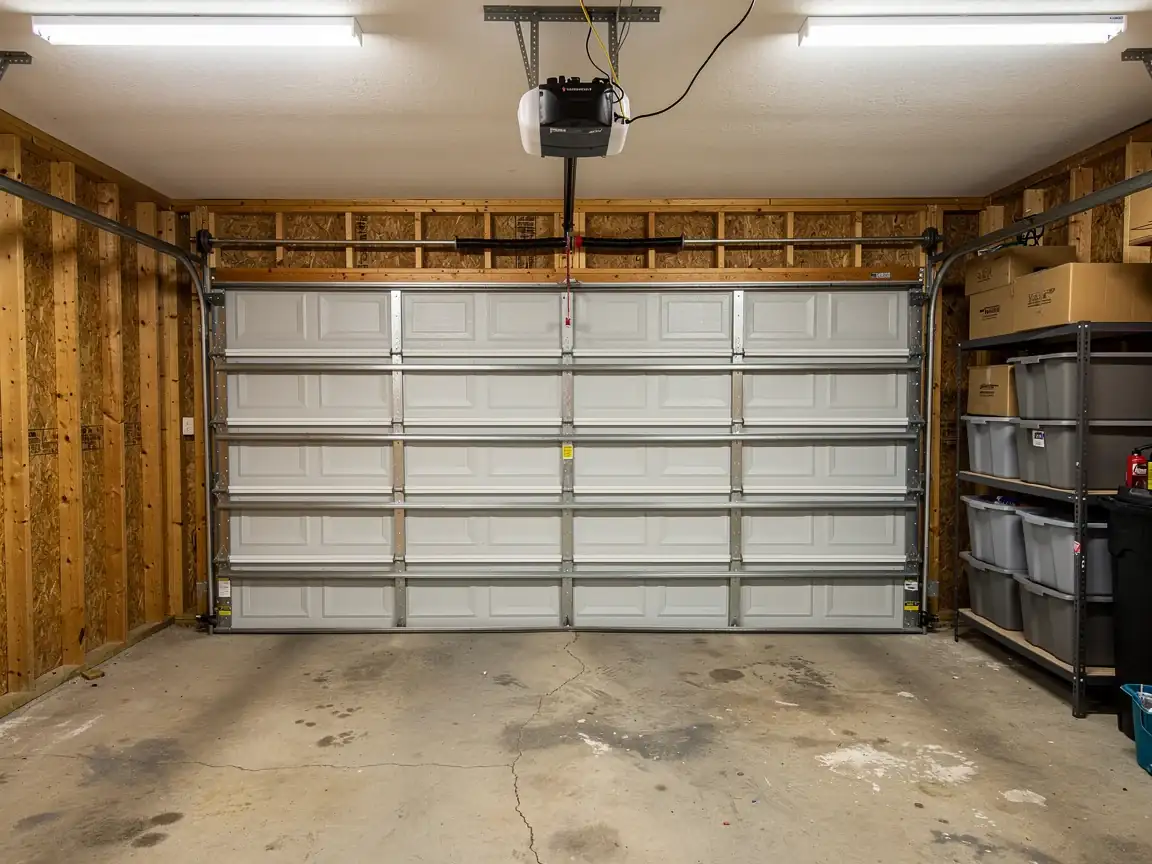
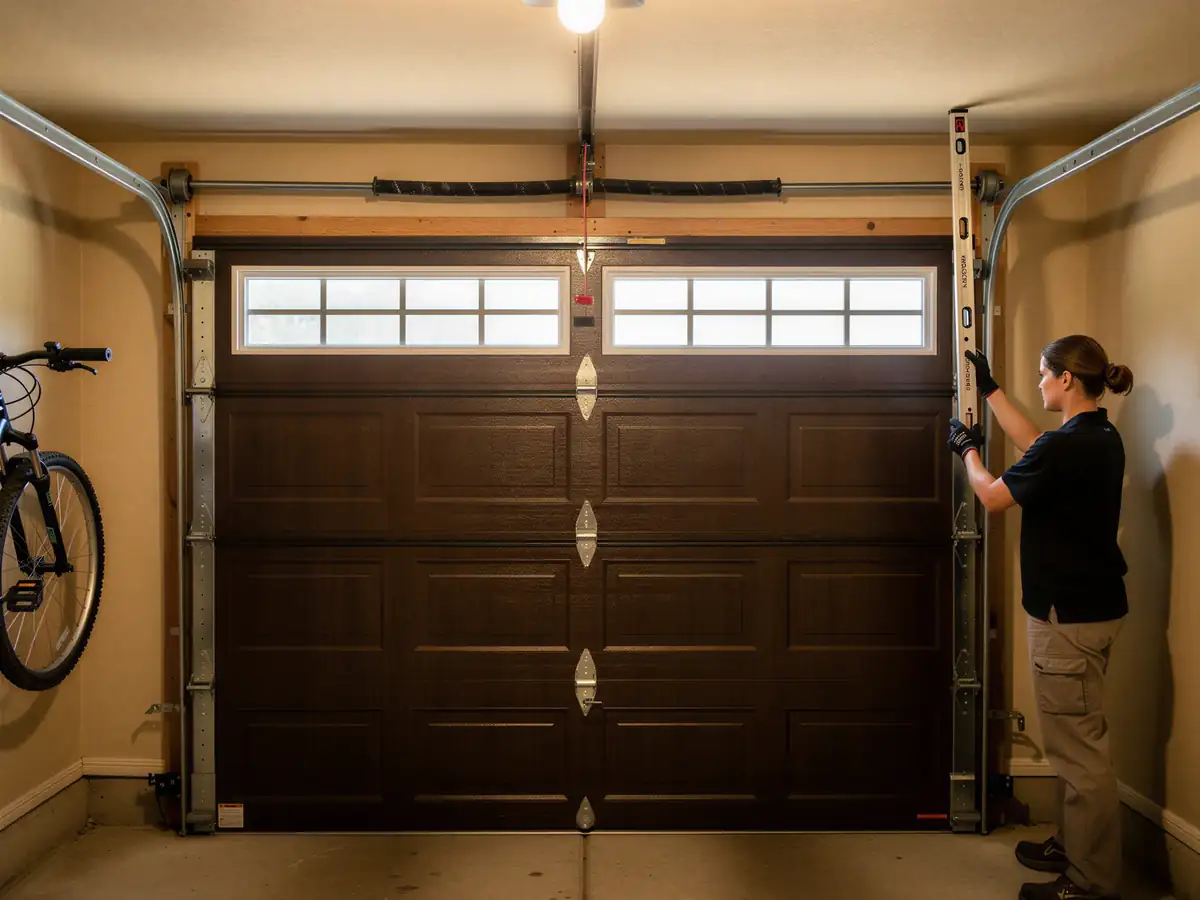
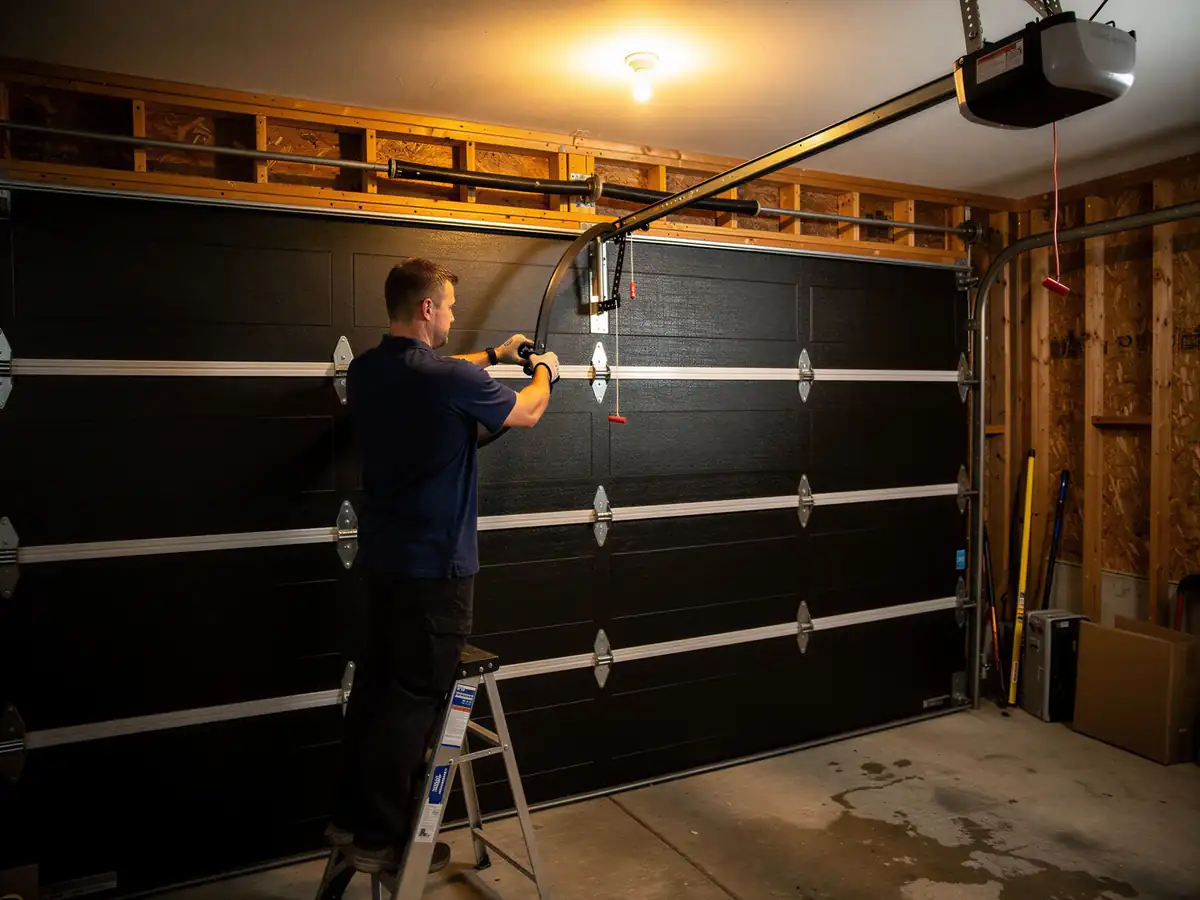
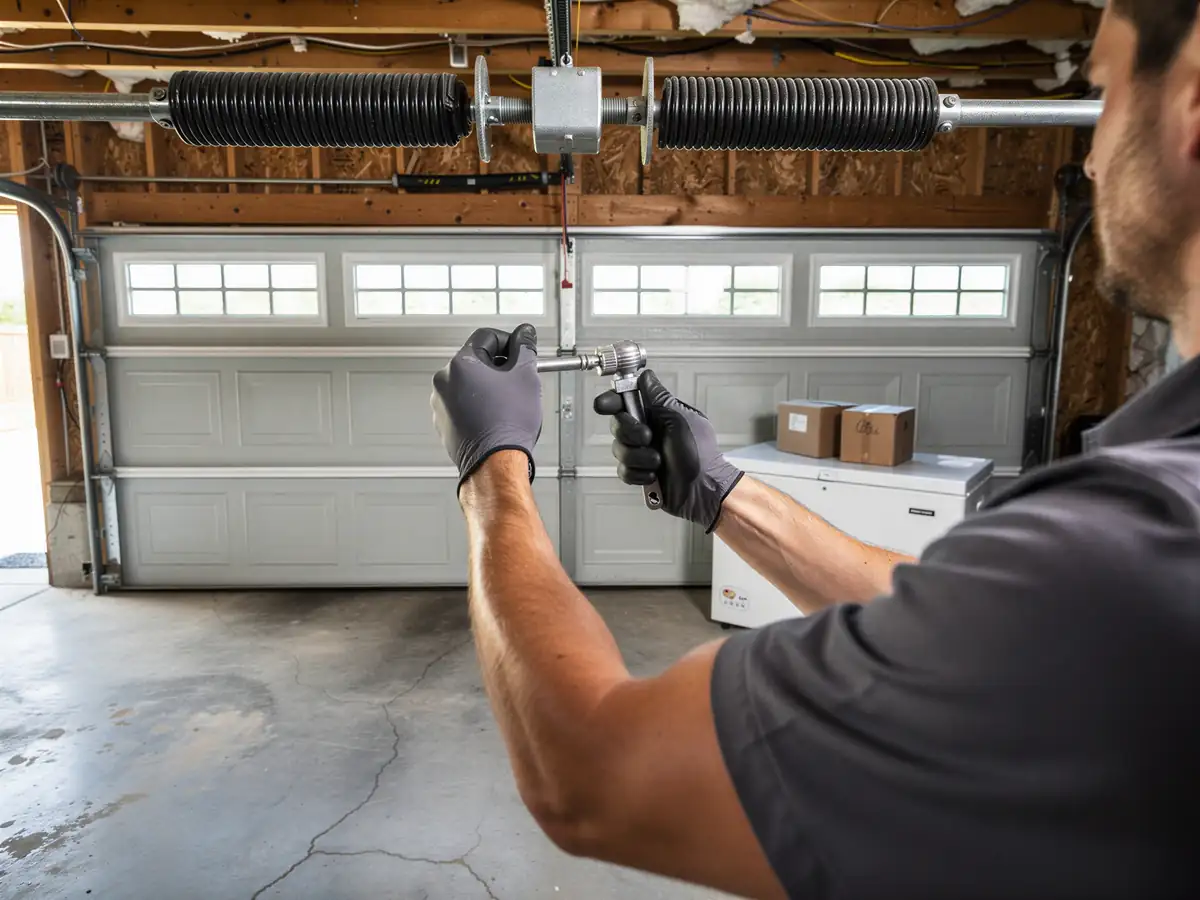
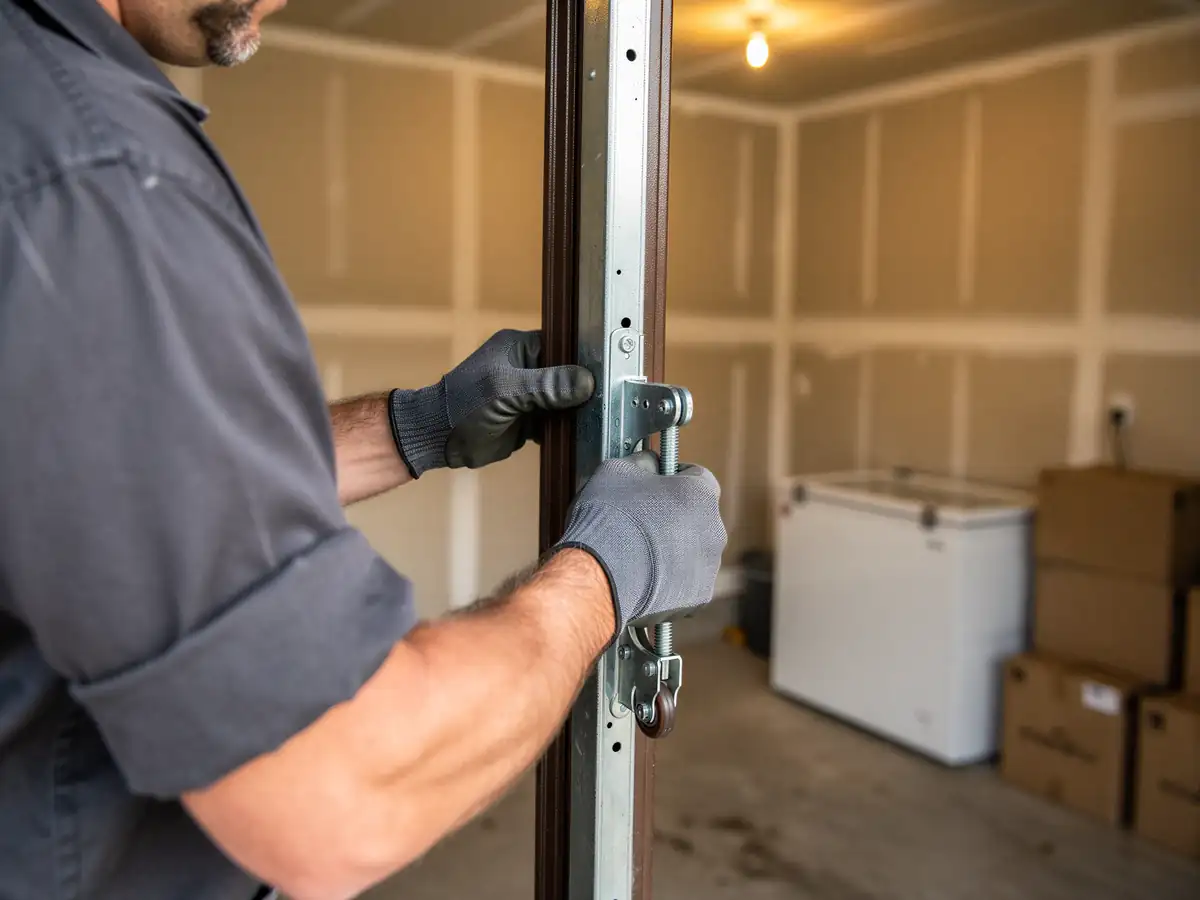
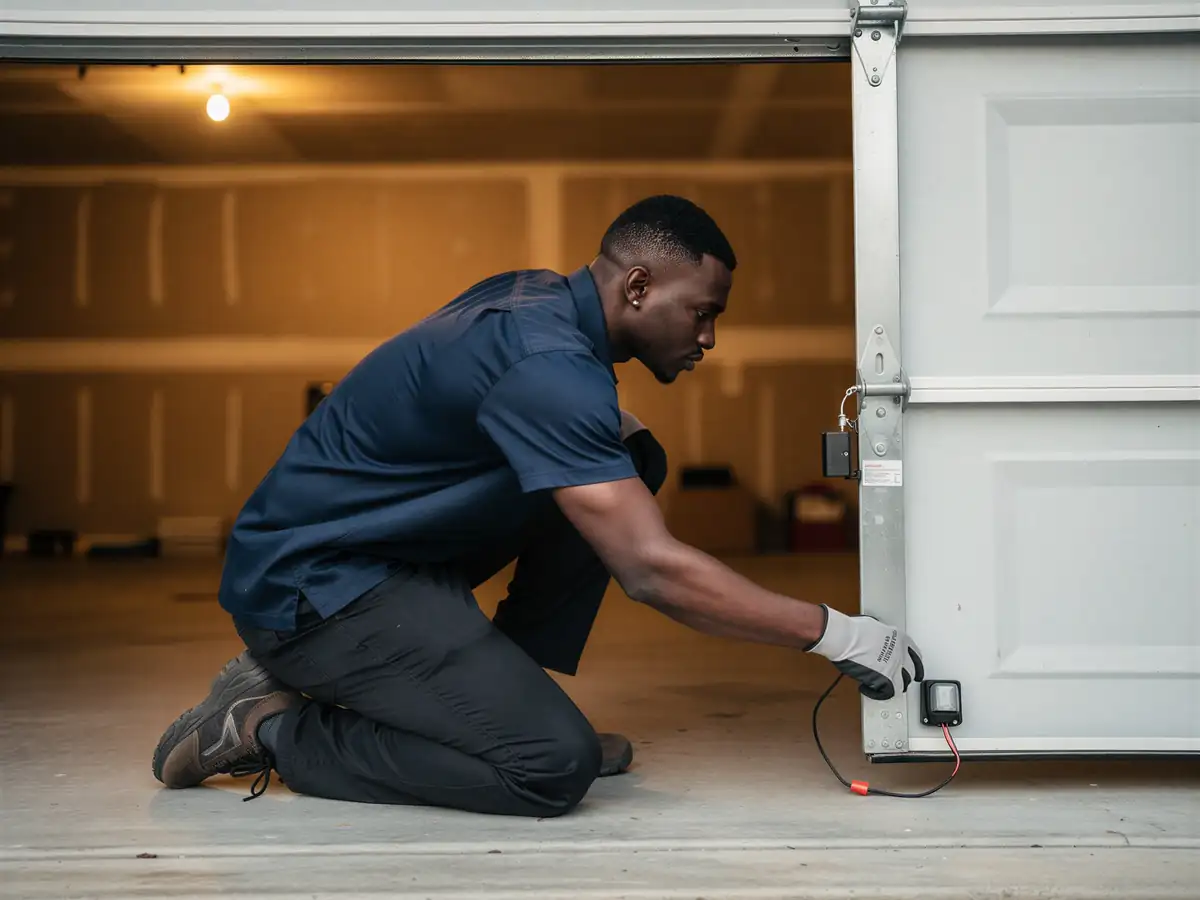
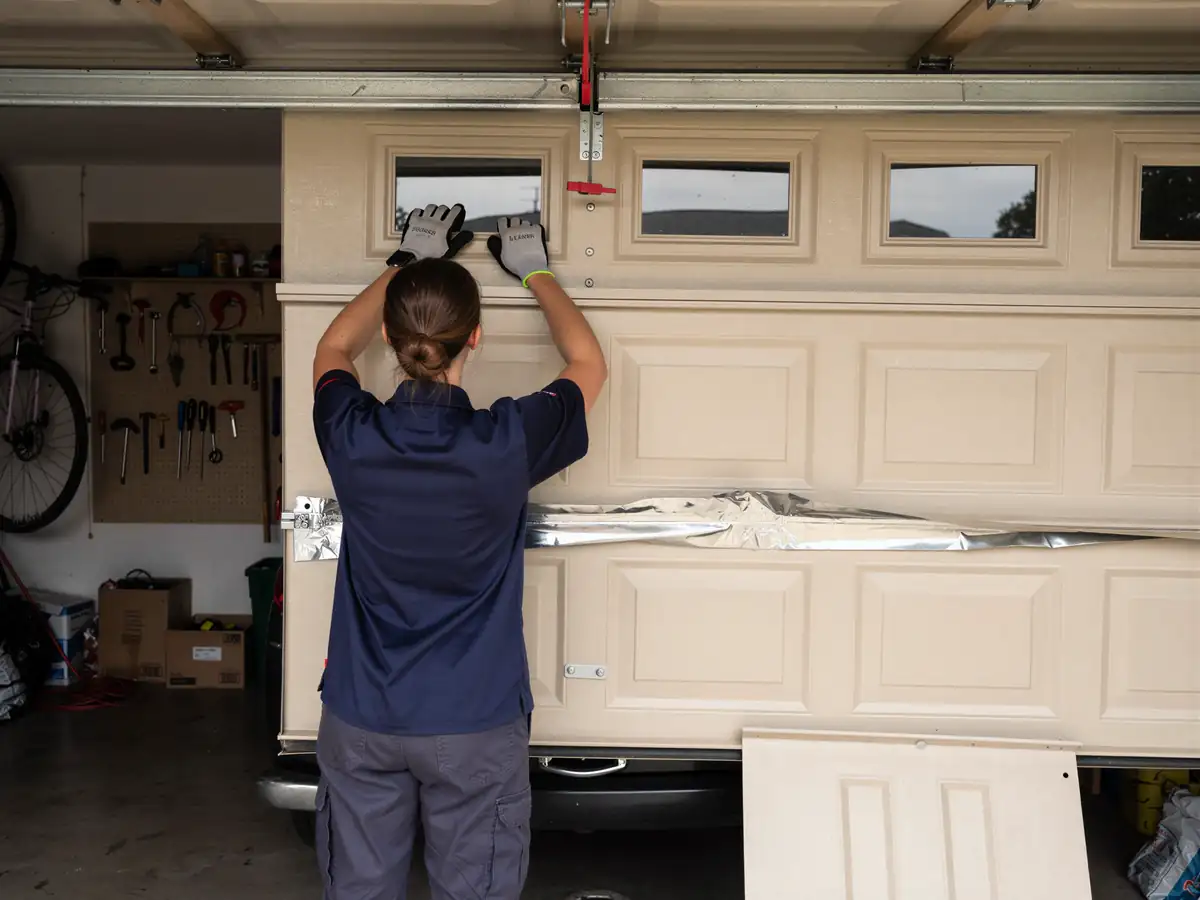
A single-panel swap on a door from Shorewood's typical build era usually runs long on sourcing and short on labor. The panel itself - matched to the right rib count, insulation type, and end-stile hardware - is the part that takes time to track down; the actual swap, once the panel's in hand, is an afternoon job including re-squaring the section and checking track alignment. We come out from Savage, about 15 miles away, so we schedule the visit once we've confirmed the panel matches rather than making two trips. If the damage caught the hinges or rollers along that section too, we replace those at the same time since the door's already apart. We don't stock every panel profile on the truck - doors built in the mid-1980s through the 1990s used enough different manufacturers and rib patterns that an exact match sometimes has to be special-ordered, and we'll tell you upfront if that's the case rather than installing something close and calling it done.
Why It Happens Here
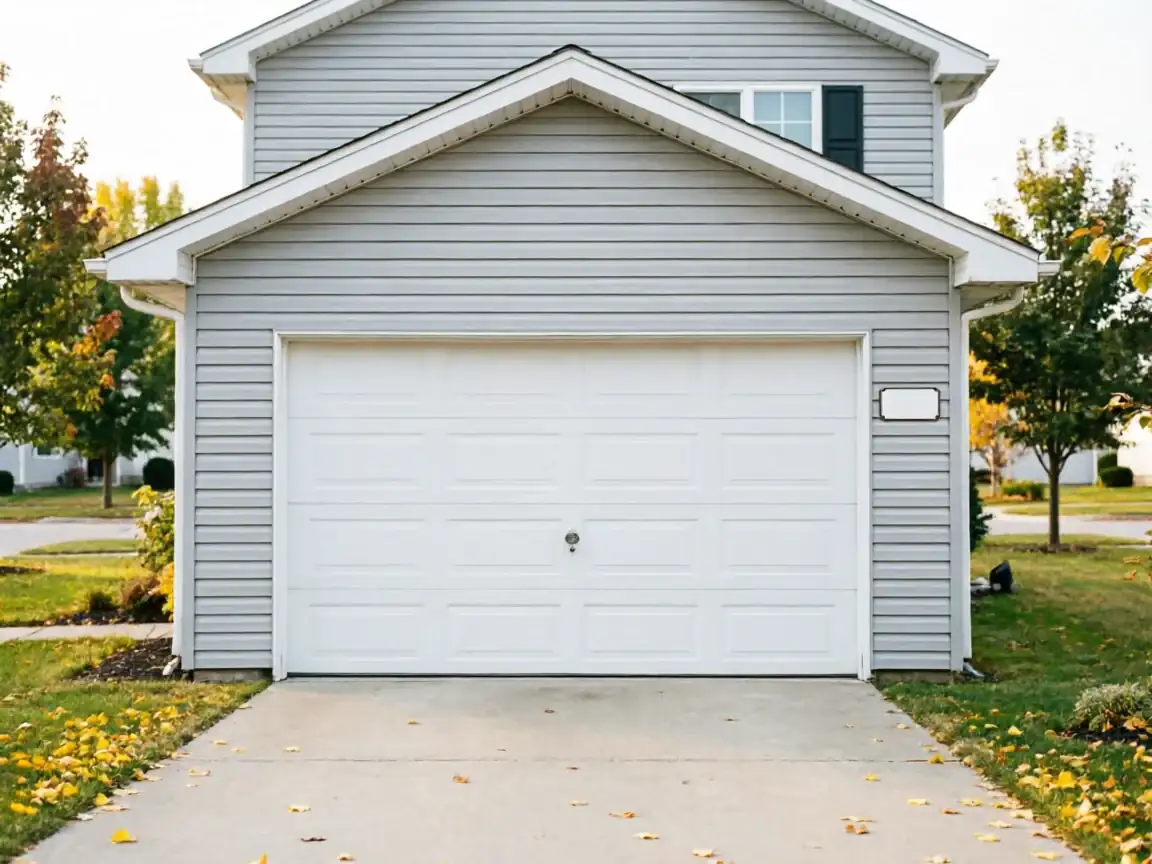
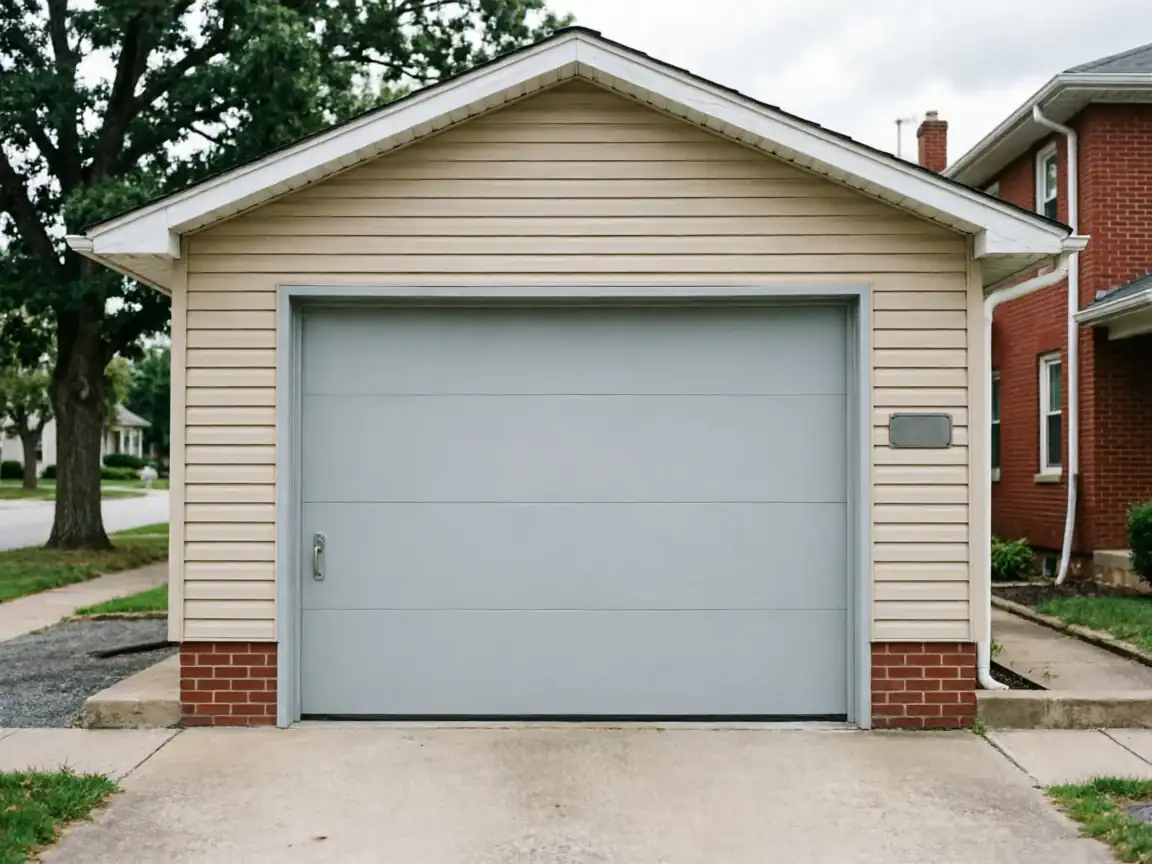
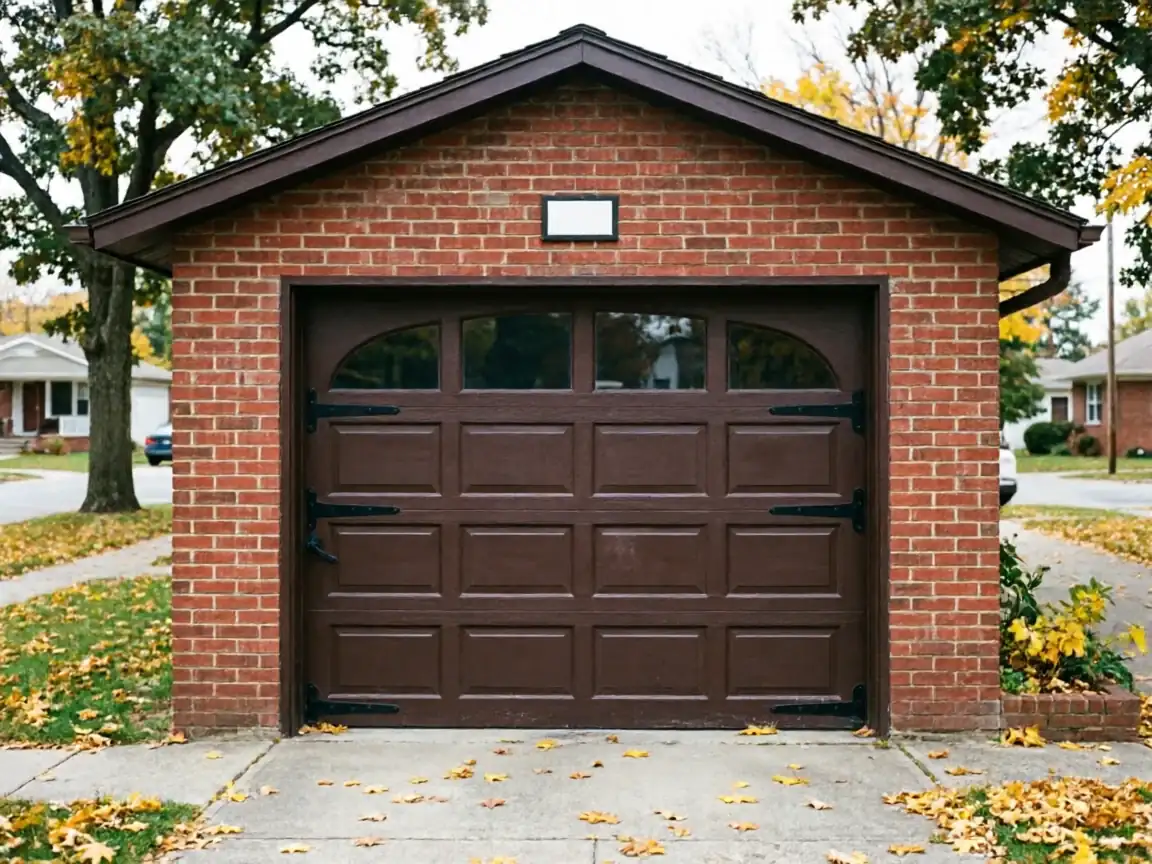
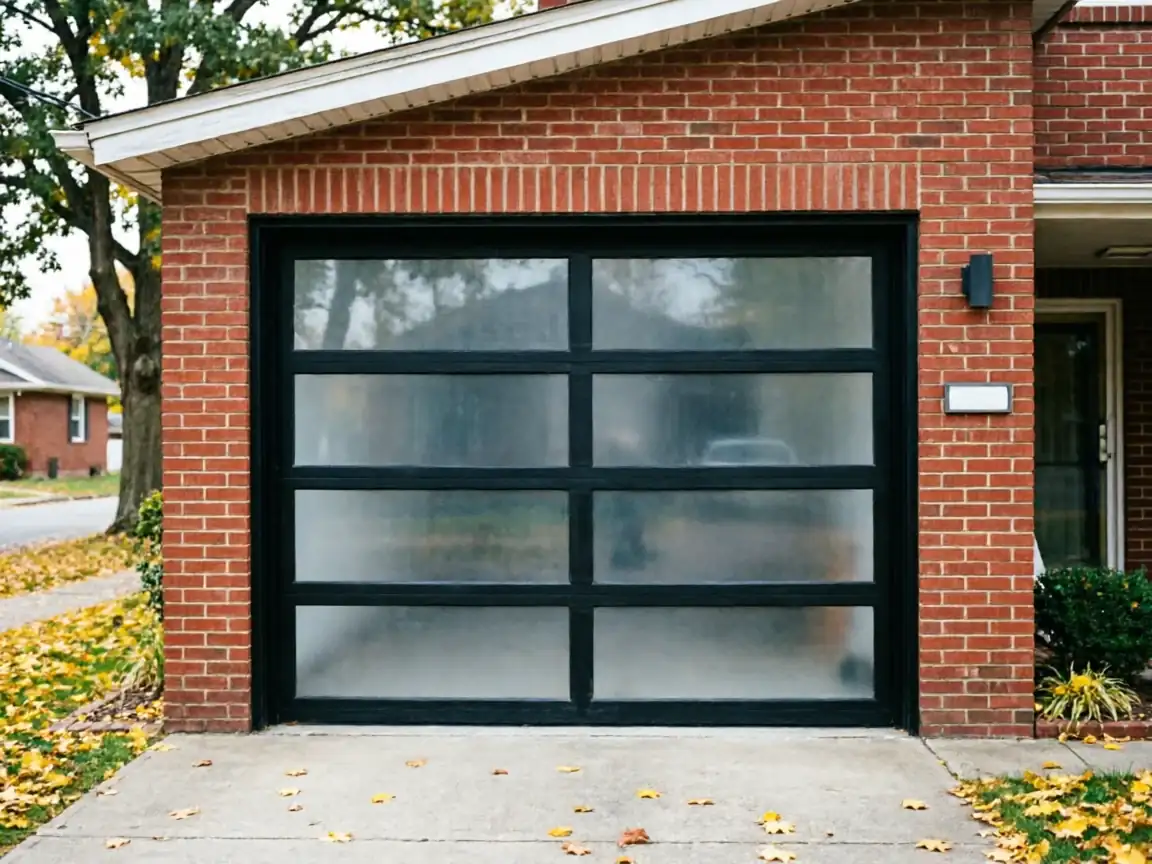
The panel damage we see on Shorewood doors tracks pretty closely to when the houses went up. A median build year around 1986 means most doors are steel sectional units now pushing three and four decades old, with foam-core insulation that's done its job for Minnesota winters but has also let moisture work into dented panels over time. The broader service area runs older on average - closer to a 1975 median - so a lot of our other stops involve flush wood-look doors and different hardware entirely. Here, it's more often a factory steel panel that's taken a hit from a car bumper or a wind-driven branch and dented inward enough that the section won't seat flush, letting cold air track in along that one panel even when the rest of the door seals fine. Minnesota's cold climate band doesn't cause the dent, but it does make a dented, non-sealing panel noticeable fast - that's usually the complaint that gets the call placed, not the dent itself.
How to Book
We cover Shorewood from our base in Savage, roughly 15 miles out, so panel jobs here get scheduled once we've got a photo of the damage and, ideally, the door's model or brand sticker from inside the garage. That lets us start sourcing the right panel before the truck heads your way instead of guessing on-site. See the Savage, MN panel replacement page for how we handle the job more broadly, or check areas near Shorewood we also cover. We don't keep a branch in Shorewood - every visit here is a trip from Savage, so same-day isn't something we promise sight unseen, though we'll tell you honestly what's realistic once we know the panel situation.
What You Are Seeing
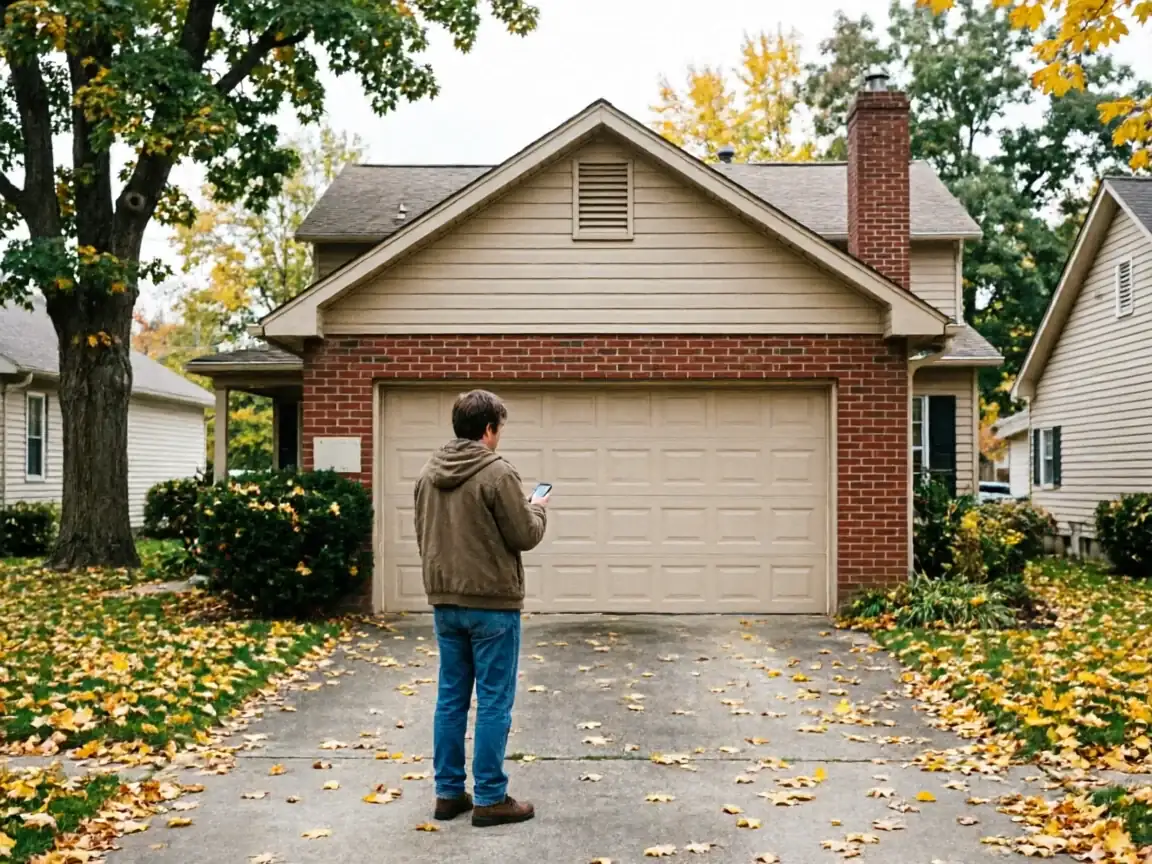
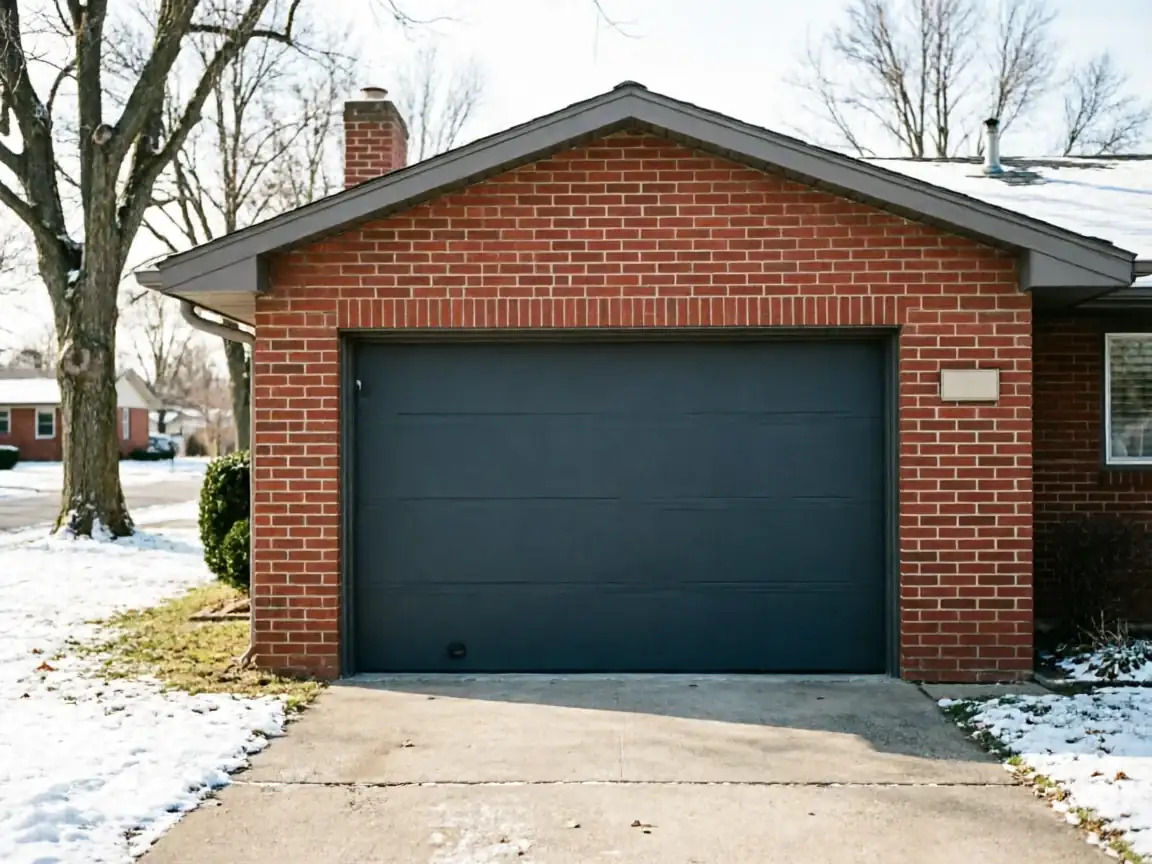
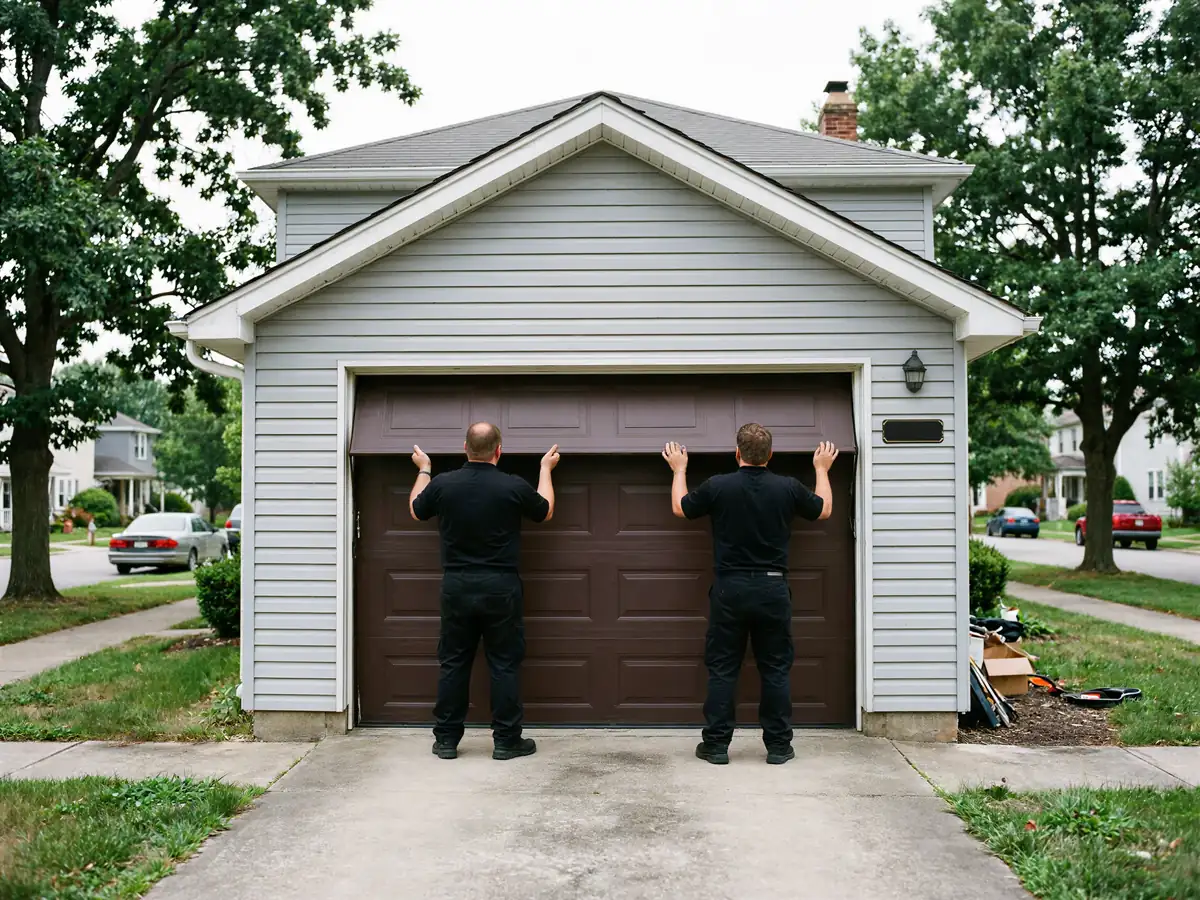
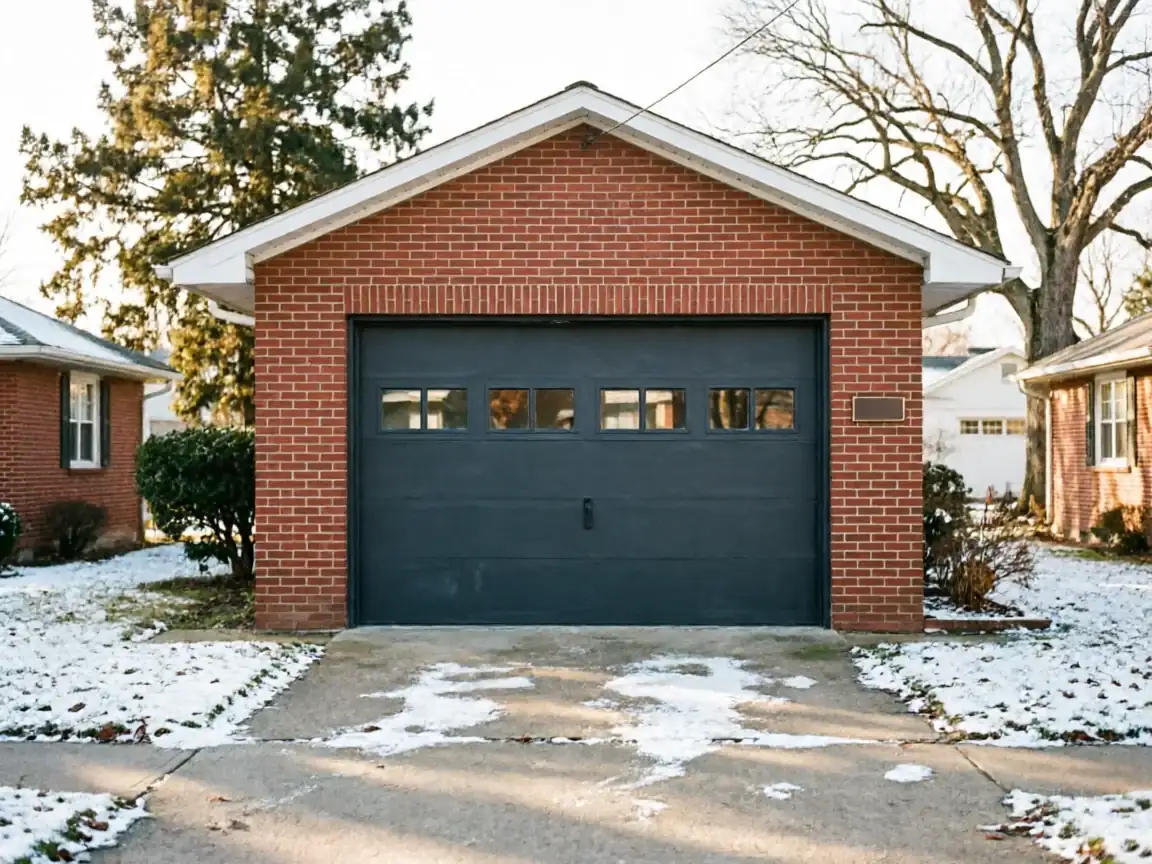
If you're standing in the driveway looking at a dent, the questions worth answering before you call are simple: does the door still travel smoothly on the track, is the dent on a hinge line or between them, and is cold air noticeably coming through that one section compared to the rest of the door. A panel bowed enough to catch the track on the way up is a bigger job than one that's just cosmetically dented. Given that most doors in Shorewood date to the mid-1980s or later, the panel underneath that dent is almost certainly steel with foam insulation rather than an older solid-wood or unisulated type, which affects both what a replacement costs and how it'll perform through another Minnesota winter. We'd rather look at a photo and tell you it's a twenty-minute panel swap than have you assume the worst - but we'll also tell you plainly when a 30-plus-year-old door with one bad panel is close enough in cost to a full replacement that patching it isn't the better money.