Doing It Yourself
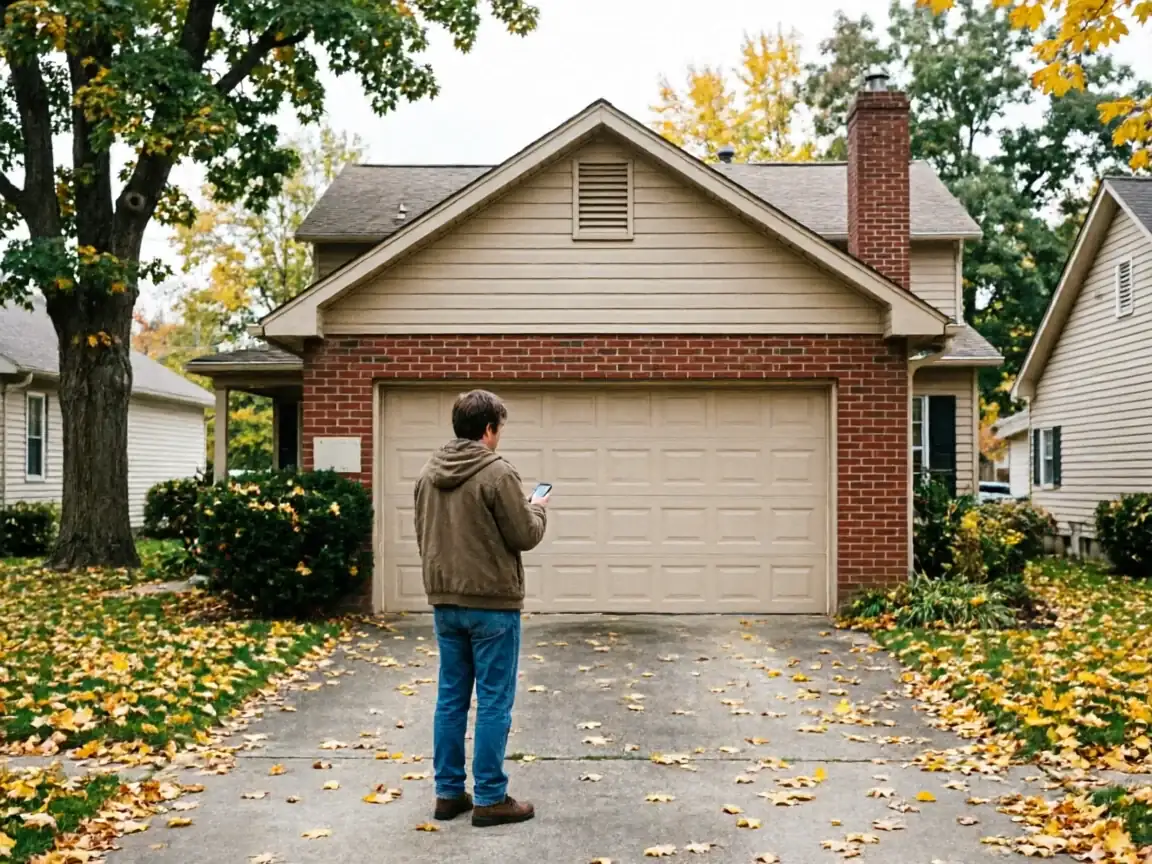
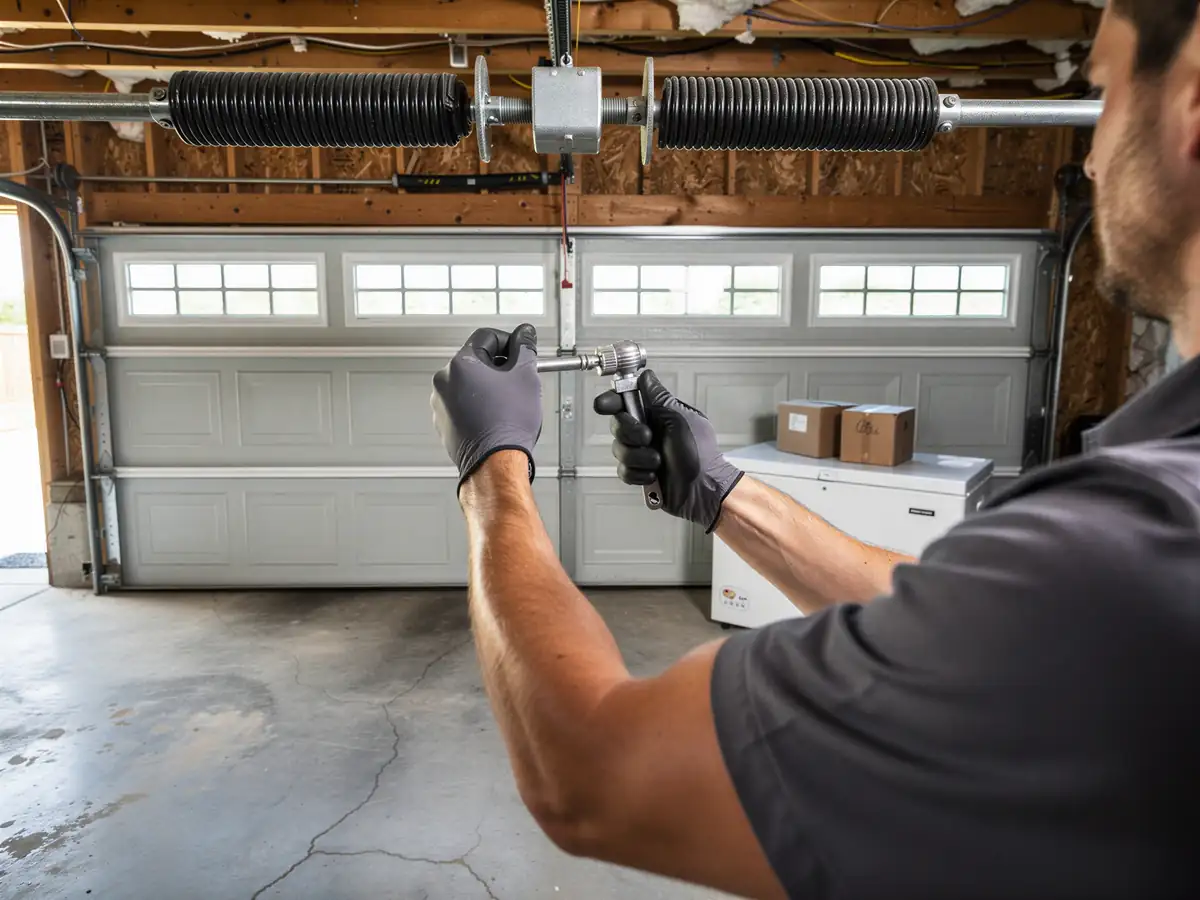
A torsion spring holds enough stored tension to break a bone or worse if it lets go while you're working on it
We get why people try - a snapped spring looks like a two-bolt swap on paper. It isn't. Winding bars, the right cone, knowing which direction the spring unwinds - get one step wrong and the bar flies out of your hand.
We'll also say the honest thing here
If your door is original to a house built around 1986, which describes a lot of Shorewood stock, the springs are old enough that a single replacement is sometimes a band-aid. If one side goes, the other is usually close behind on the same wind cycle. That's not an upsell - it's just how torsion springs age. We won't tell you to replace a spring that's got life left in it just because we're there.
What the Repair Takes
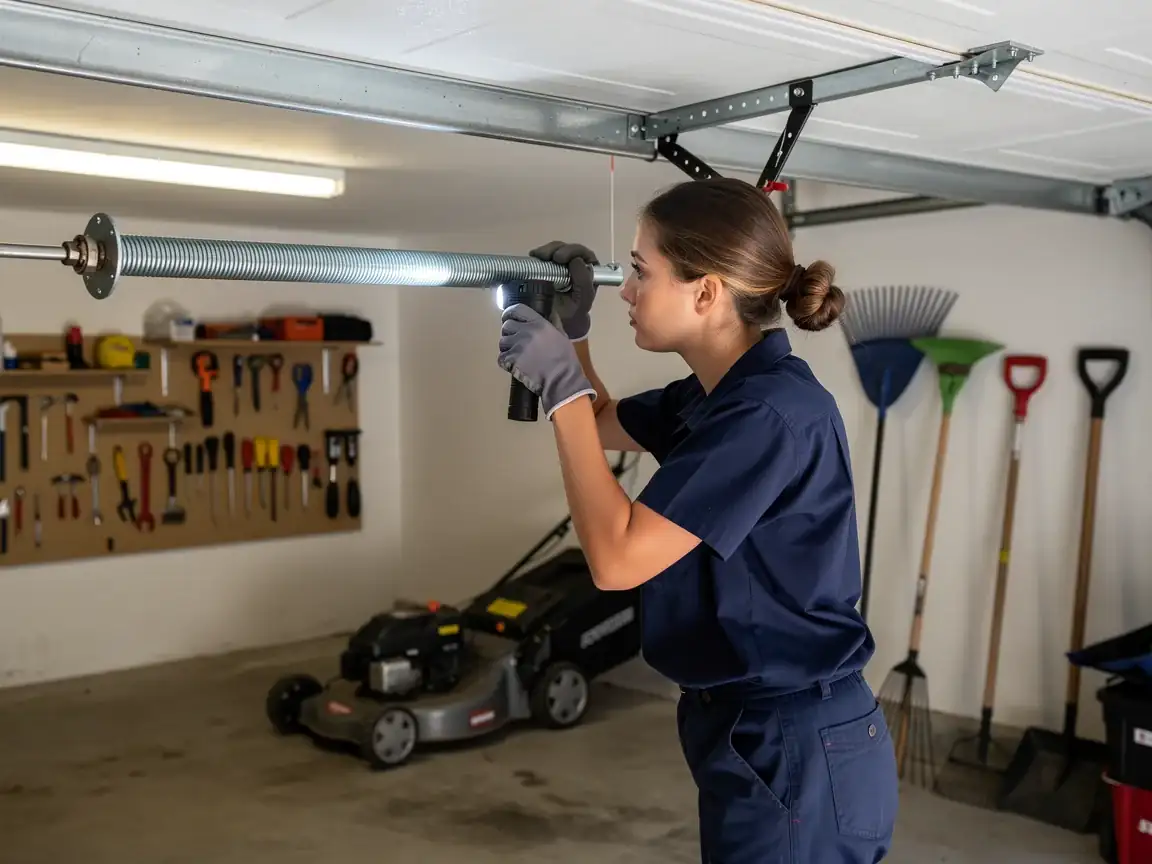
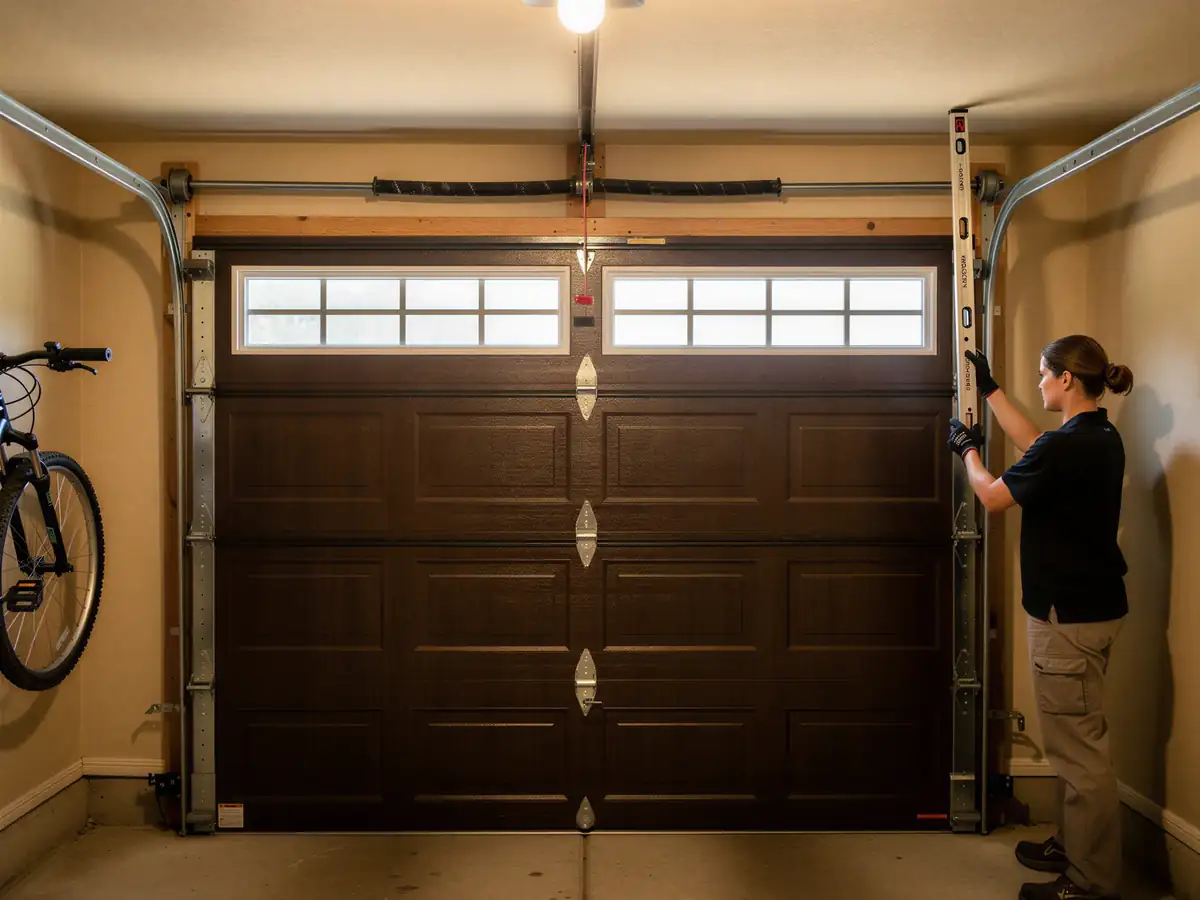
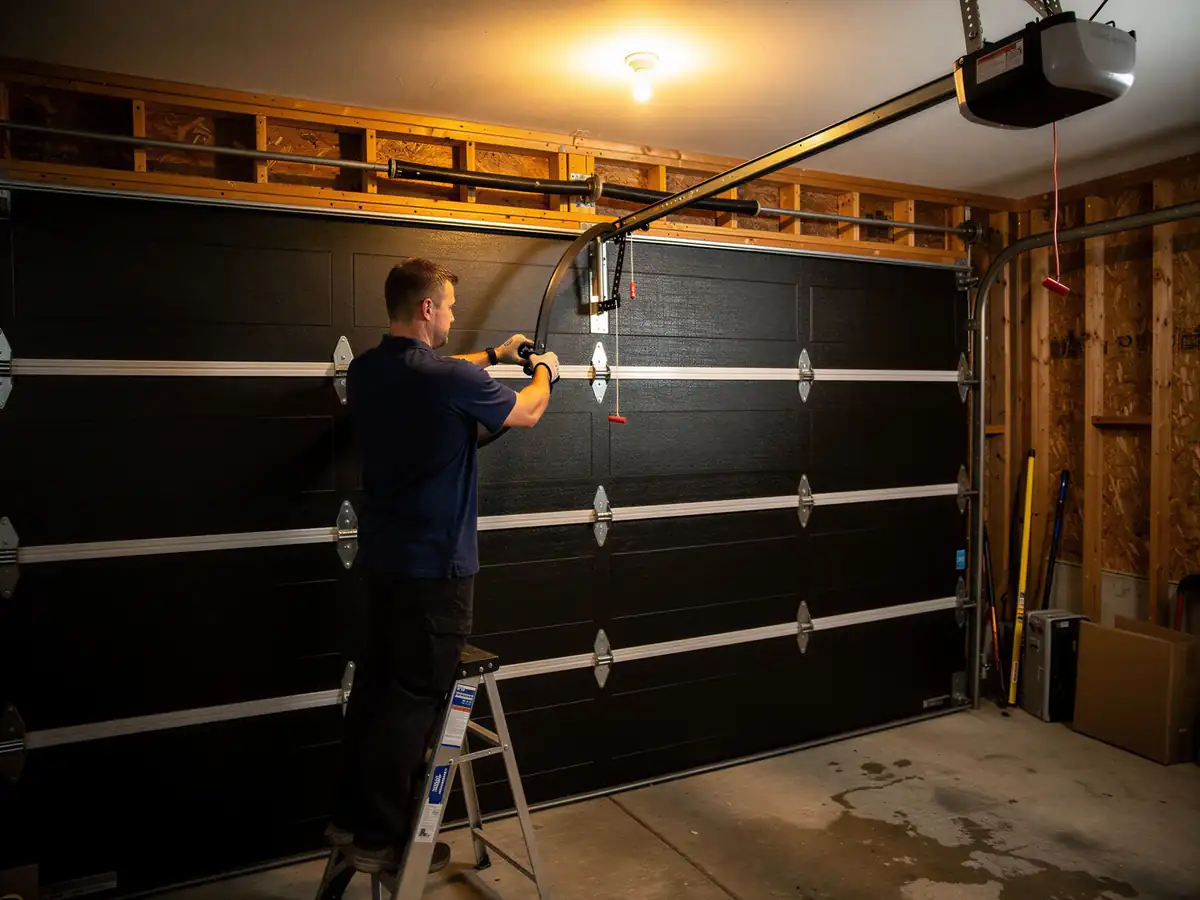
Most jobs are a straight swap: pull the broken spring off the shaft, match wire size and wind to the door's weight, set the new spring, test cycles. On a standard double door that's typically one visit. Where it takes longer is when the bearing plates or the center bracket have worn alongside the spring - common once a house passes the 35-40 year mark, which is where Shorewood's median build year of 1986 is now sitting.
We carry common torsion sizes on the truck from Savage, about 15 miles out. If your door takes an odd-length spring or a two-spring setup that isn't standard stock, that's the one thing that can push a job to a second trip for parts. We'd rather tell you that up front than promise same-visit and miss it.
Why It Happens Here
Shorewood's housing mostly went up well after the 1960s-70s wave that's typical across a lot of the wider service area - the median build year here is 1986, newer than you'd guess if you're used to older torsion setups. That matters because doors from this era were commonly built for a single torsion spring rated for standard steel double doors, not the heavier insulated panels a lot of owners have since swapped in. Upgrade the door, keep the original spring, and you've got a spring working harder than it was sized for.
Add in a Minnesota winter - cold, moderate swings through the season - and steel spring wire fatigues faster on the cycle count than it would somewhere milder. None of that is unique to this house or that house. It's the combination of a 1980s-era spring spec plus three or four decades of winter cycling that we see again and again out this way.
What Can Go Wrong
A spring that snaps clean is the obvious failure
Less obvious: a spring that's stretched or lost tension gradually, so the opener is doing more of the lifting than it's built for. That shows up as a motor that strains, a door that reverses partway up, or a chain that jumps. We'll check tension and shaft wear before we just hand you a quote for a spring.
On the newer end of Shorewood's housing stock, we also see cable fraying where it rides the drum
Not a spring problem on its own, but it often gets found during a spring call. We won't bolt in a new spring and ignore a cable that's one bad cycle from snapping.
How to Book
We run this job out to Shorewood from Savage, about 15 miles. Call and describe what the door's doing - whether it's a full break, a door that won't lift, or one side sagging - and we'll bring the right spring stock for a standard double door setup. If your door's an odd size or two-spring configuration, say so when you call; it helps us load the truck right the first time.
What You Are Seeing
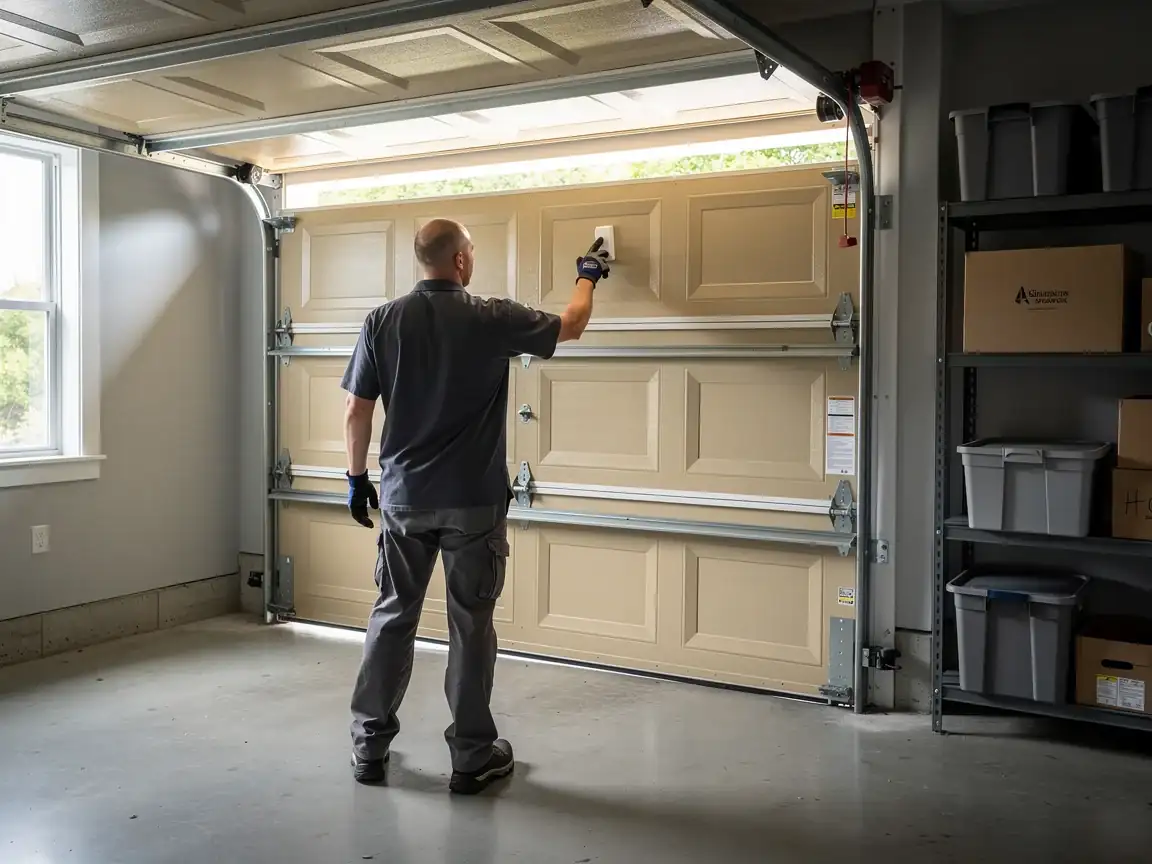
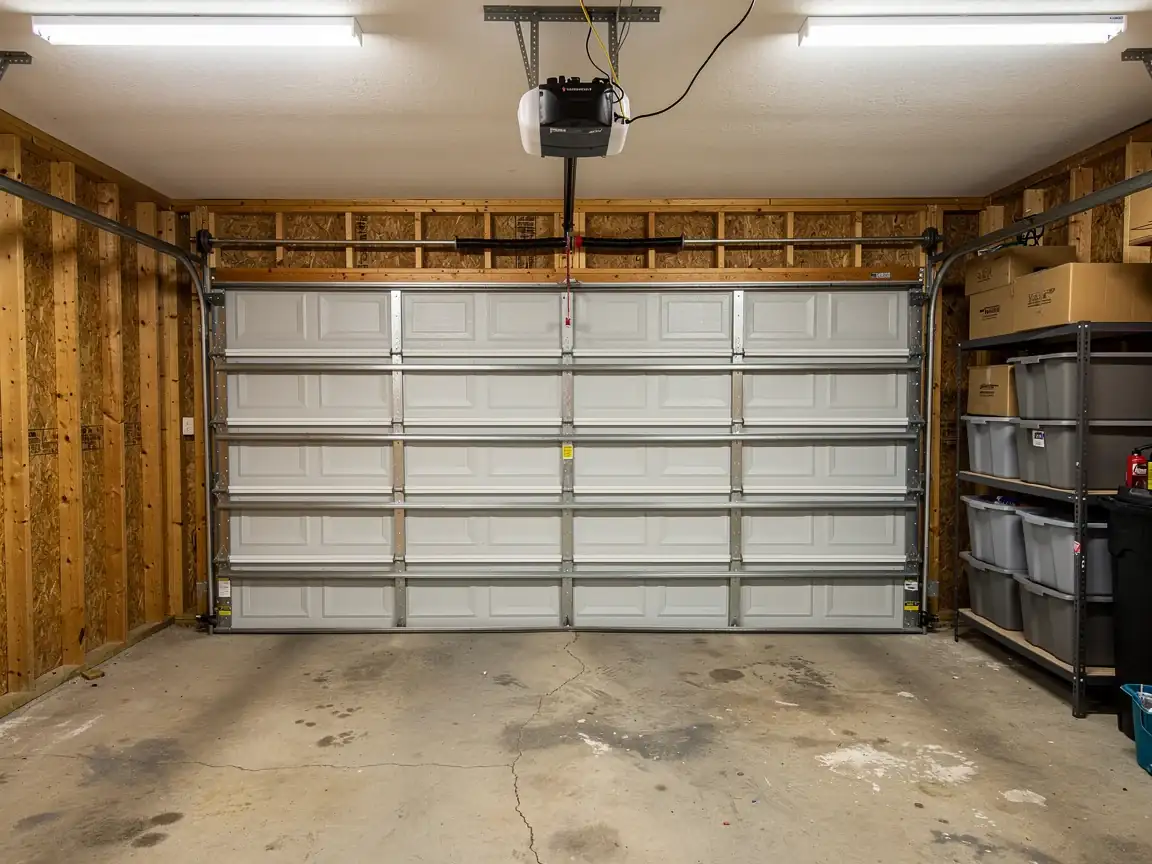
If the door won't budge and there's a visible gap in a coiled spring above the opening, that's a clean break - safe to leave alone until we get there, but don't try to force the door by hand or with the opener. If the door closes unevenly, drops fast, or the opener motor sounds like it's laboring, that's often a spring losing tension rather than a full snap, and it's worth getting looked at before it does break.
Either way, leave the door down and unplug the opener if you can reach it safely. Shorewood's household income runs well above the wider area's average, and we mention that only because we see more owners here choosing to replace both springs as a pair rather than patch one side - it's a judgment call, and we'll lay out the tradeoff rather than decide it for you.