How Long You Are Without the Door
We run this job out of Savage, about 19 miles from Crystal
So we don't have a crew sitting in town waiting on a call. That's worth saying up front instead of promising something we can't back up. What we can say is that a door built around the median year for this area - 1959 - is usually failing in one of a small number of predictable ways, and a tech who knows those failures doesn't spend an hour diagnosing once he's on site.
- 19 miles
Most of Crystal's housing stock sits right in that late-1950s window
Which puts a lot of these doors well past the point where parts are stocked on a shelf anywhere nearby. That changes the job before the truck even leaves Savage - we try to know what we're walking into from the call itself, because guessing wastes the one trip out there.
What the Repair Takes
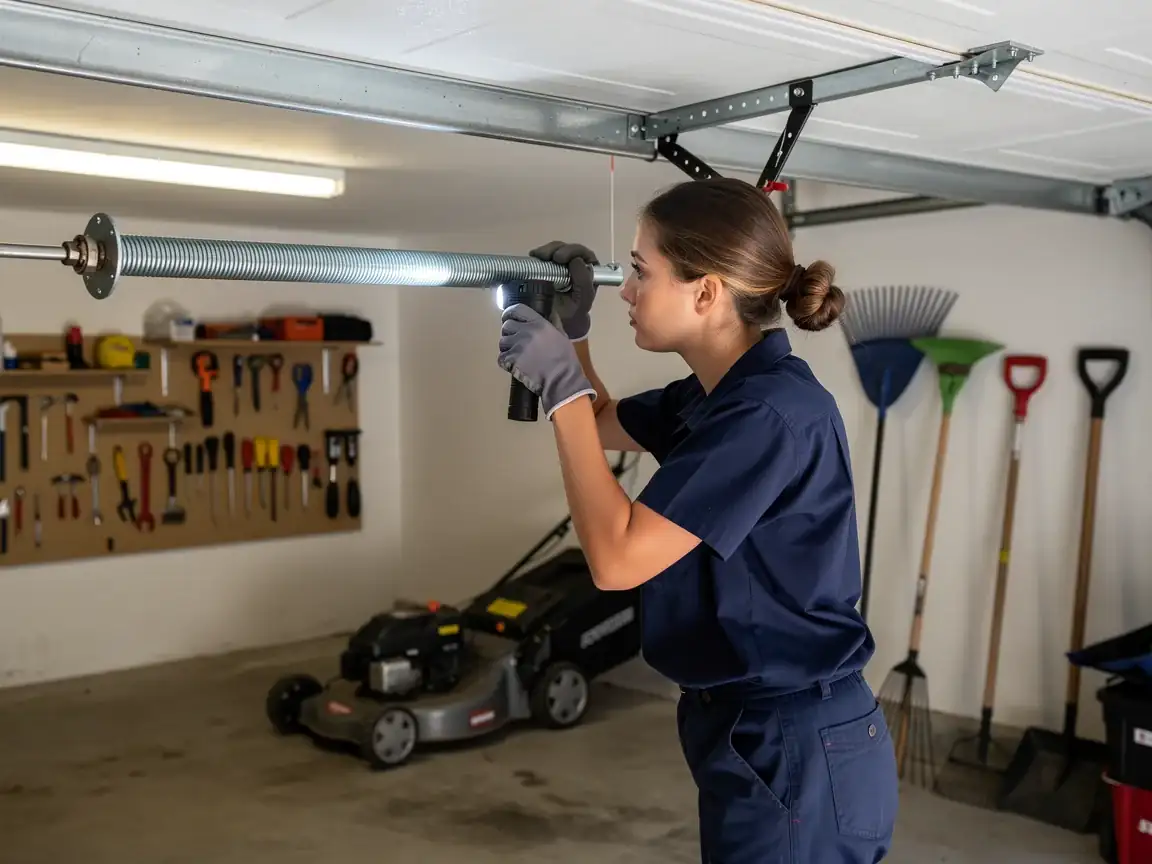
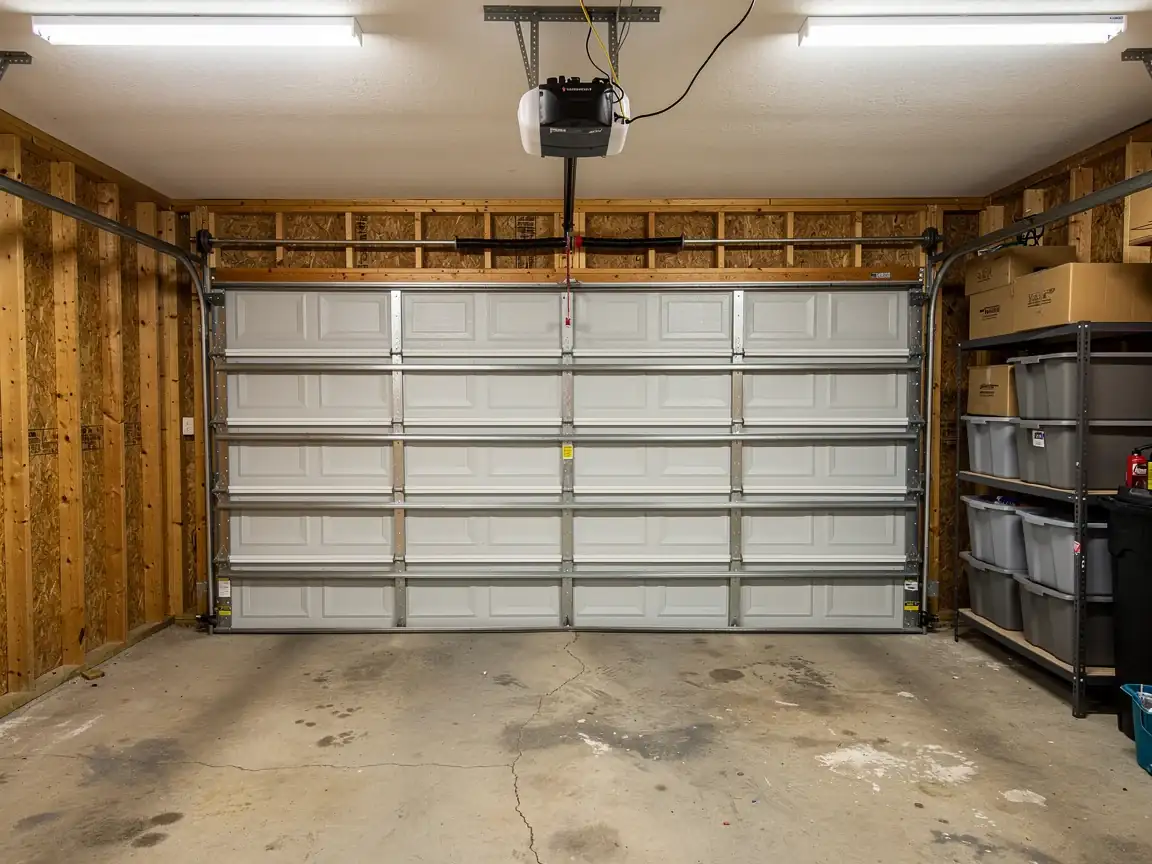
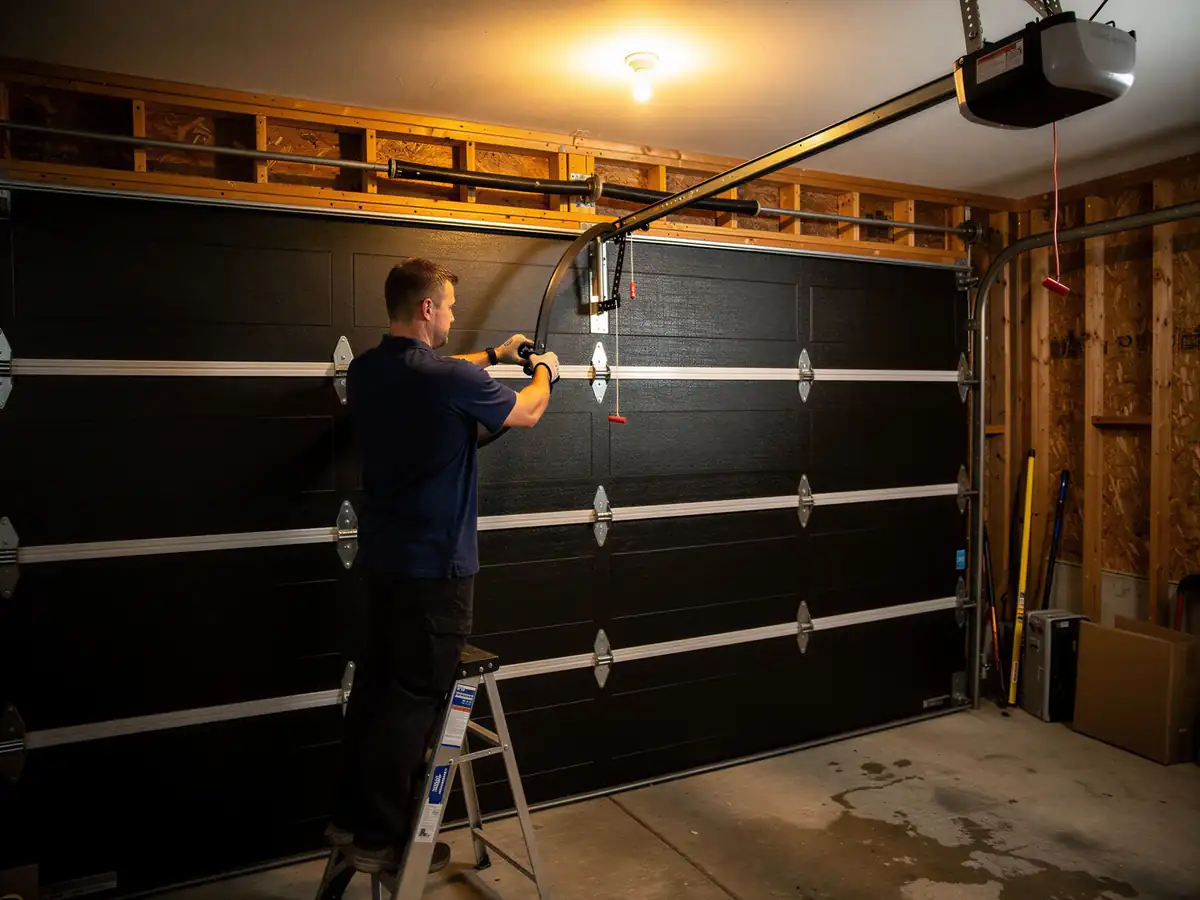
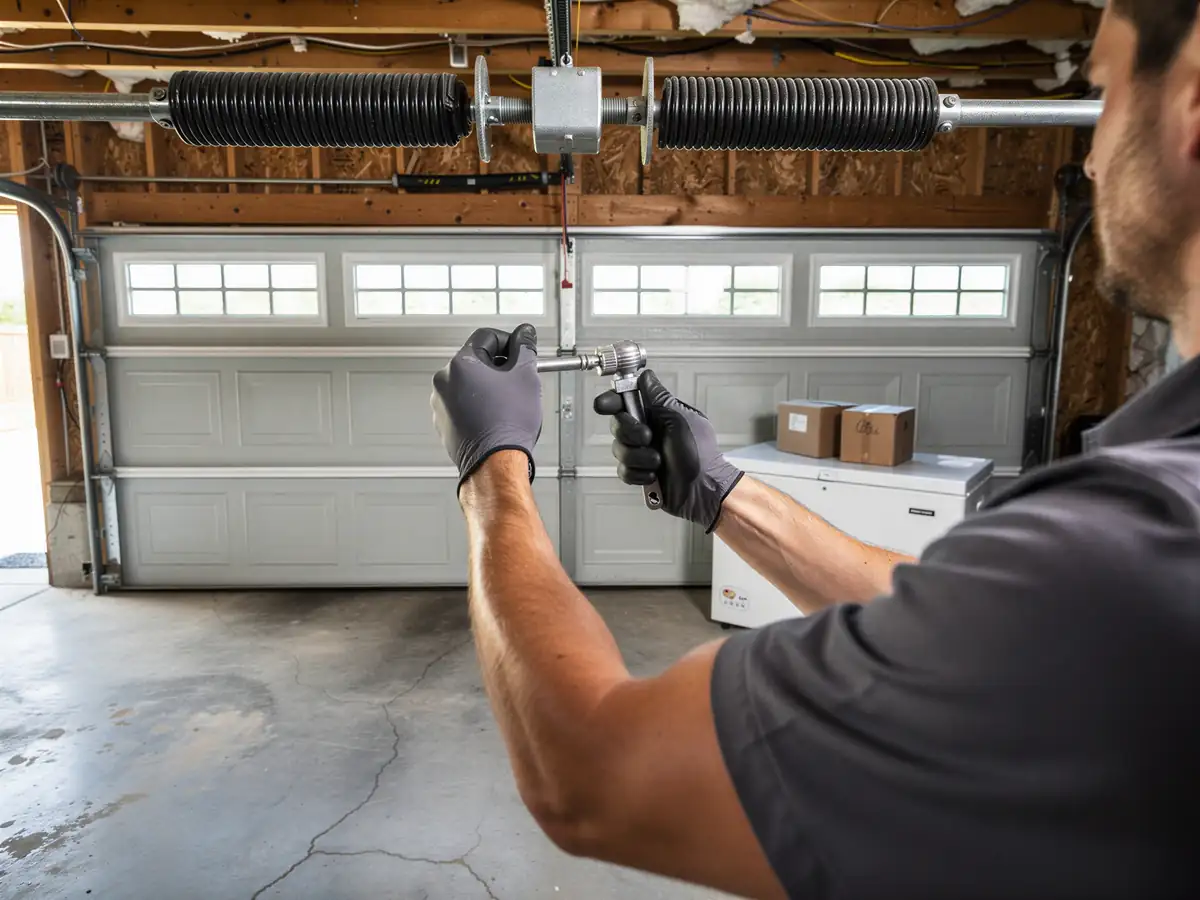
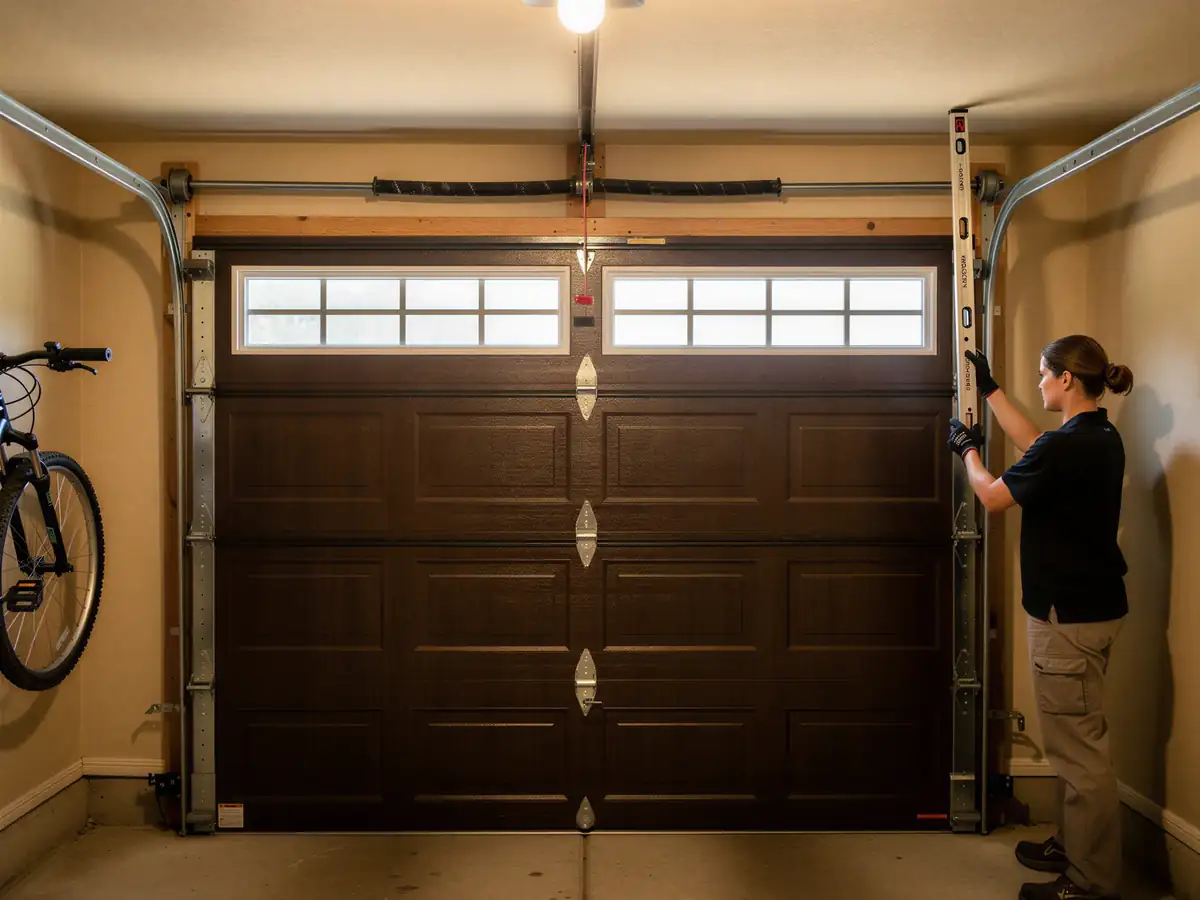
A door from the 1959 era in Crystal is almost never on torsion hardware mounted the way newer doors are. A lot of these are still running extension springs over the horizontal track, sometimes with the pulley-and-cable setup that was standard before torsion became the norm. That's a different repair than a torsion spring swap, both in parts and in how long it takes on site.
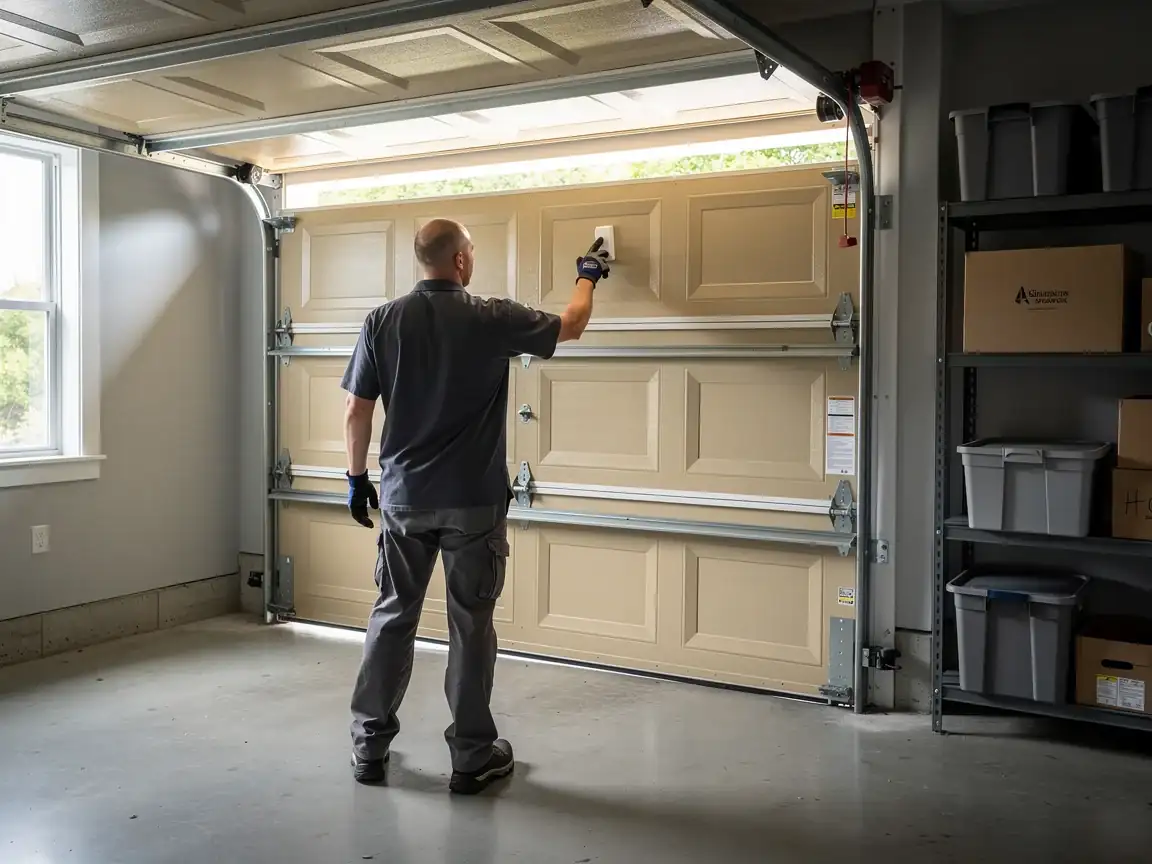
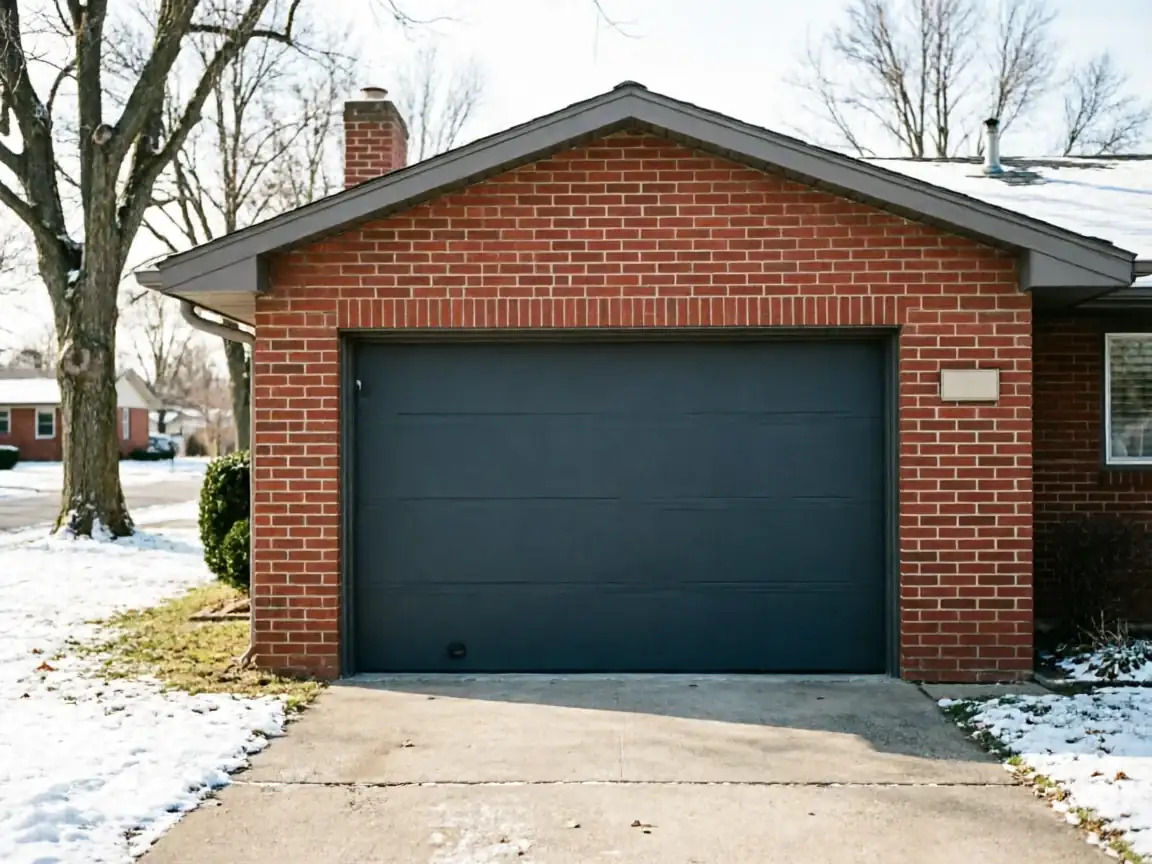
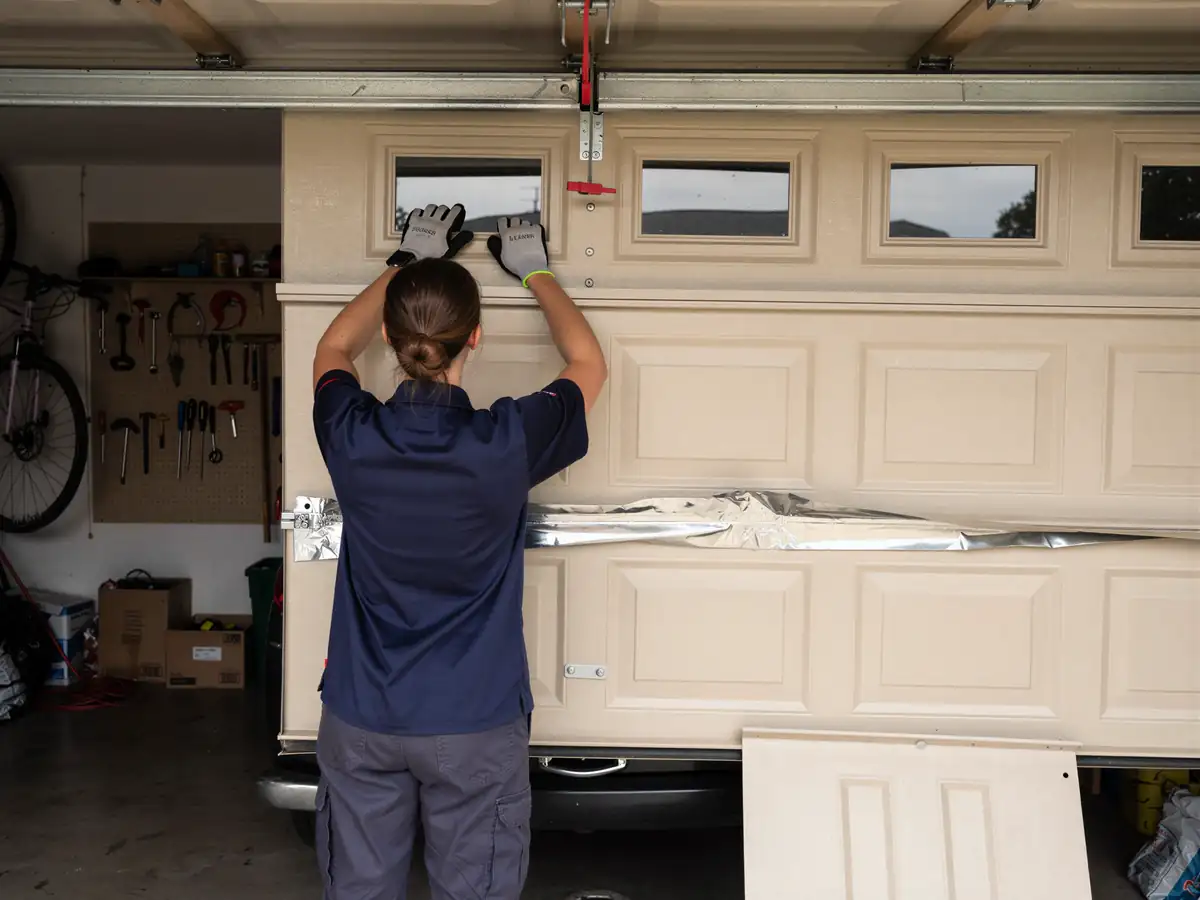
We also see steel panel doors from this era that have taken on rust at the bottom panel from decades of Minnesota winters - that's a cold-climate problem, not a build-quality one. If the bottom section has rusted through, patching it doesn't hold; replacing that one panel, or sometimes the whole door, is the honest call. We'll tell you which one it is before we touch anything, not after.
What Is on the Truck
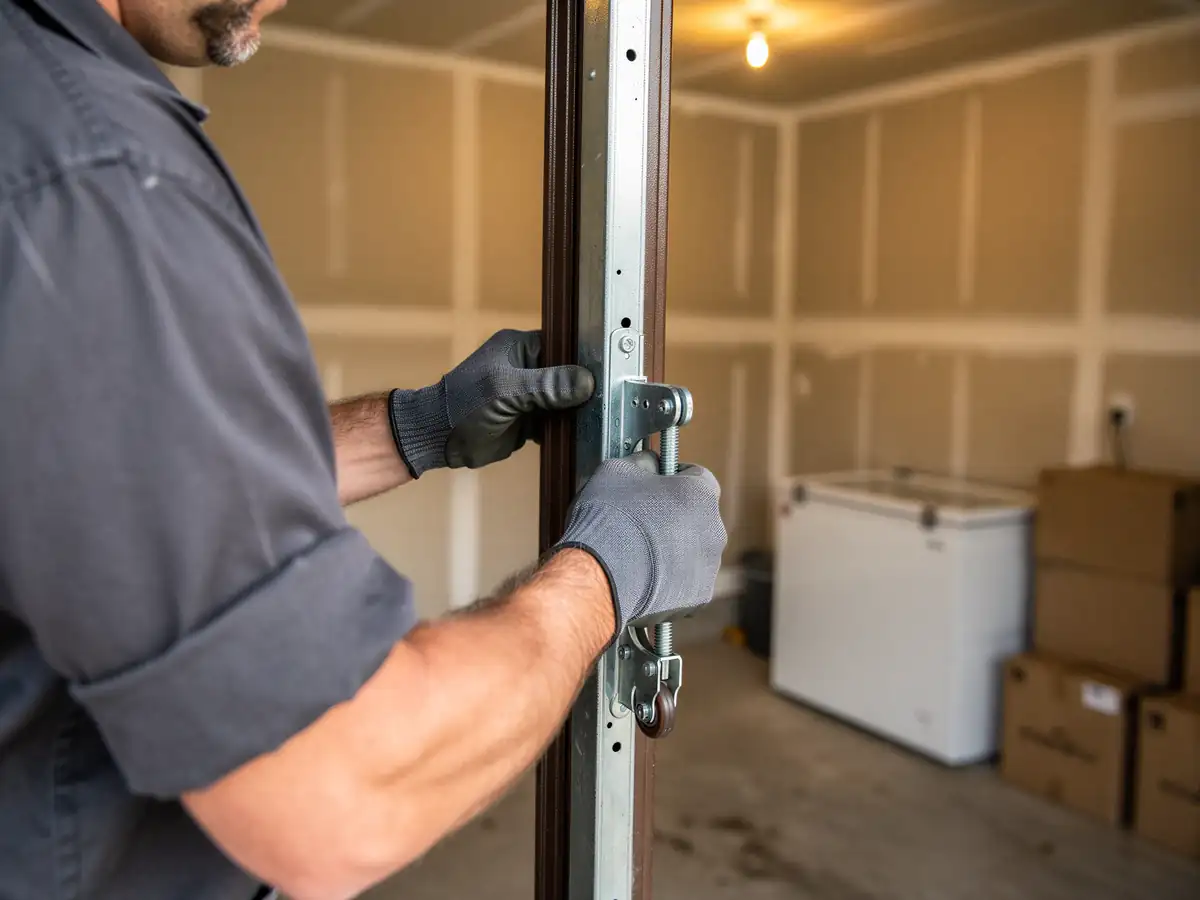
Because the housing in this part of the service area skews older, the truck carries extension springs and the pulley hardware that goes with them, not just torsion springs. We also carry rollers and hinges sized for the heavier gauge steel doors common to that build era, since newer lightweight panel hardware doesn't always fit.
What we can't always carry is an exact OEM replacement panel for a door built in 1959 - those runs stopped a long time ago. When we can't match the panel, we'll say so on site and give you the real choice: a close-match replacement panel or a full door swap. We're not going to pretend a part exists that doesn't.
What You Are Seeing
If the door is noticeably harder to lift by hand than it used to be
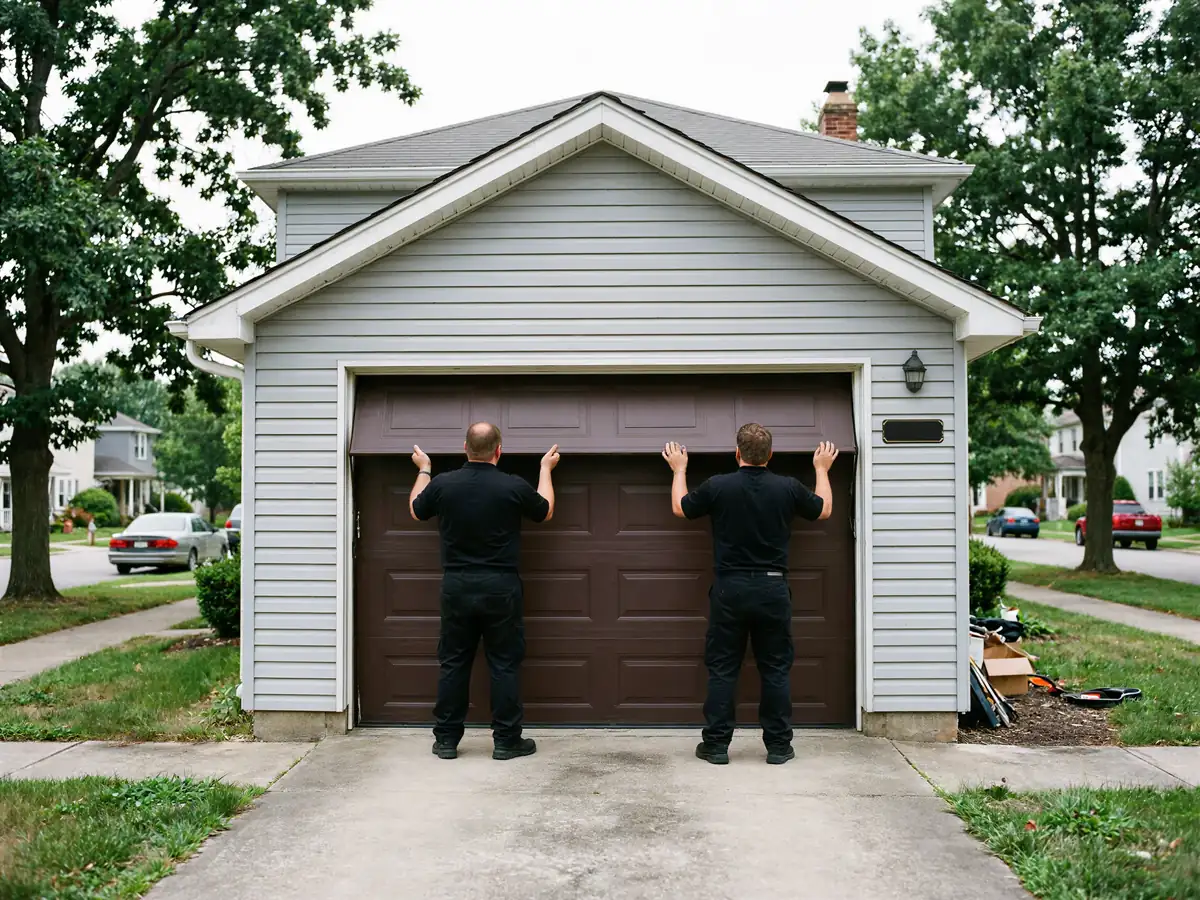
Or the opener strains and reverses partway up, that's usually a spring losing its tension - common on extension-spring setups once they've been cycling for decades. A door that drops suddenly or won't stay open on its own is often the same problem further along.
Rust streaks at the bottom panel, especially after a thaw, point to the steel itself breaking down rather than anything mechanical
And if the track rattles or the door walks sideways as it travels, the rollers or the track alignment have worn past what a tune-up fixes. None of these are Crystal-specific problems on their own - but on a door from this era, they show up together more often than on newer hardware.
How to Book
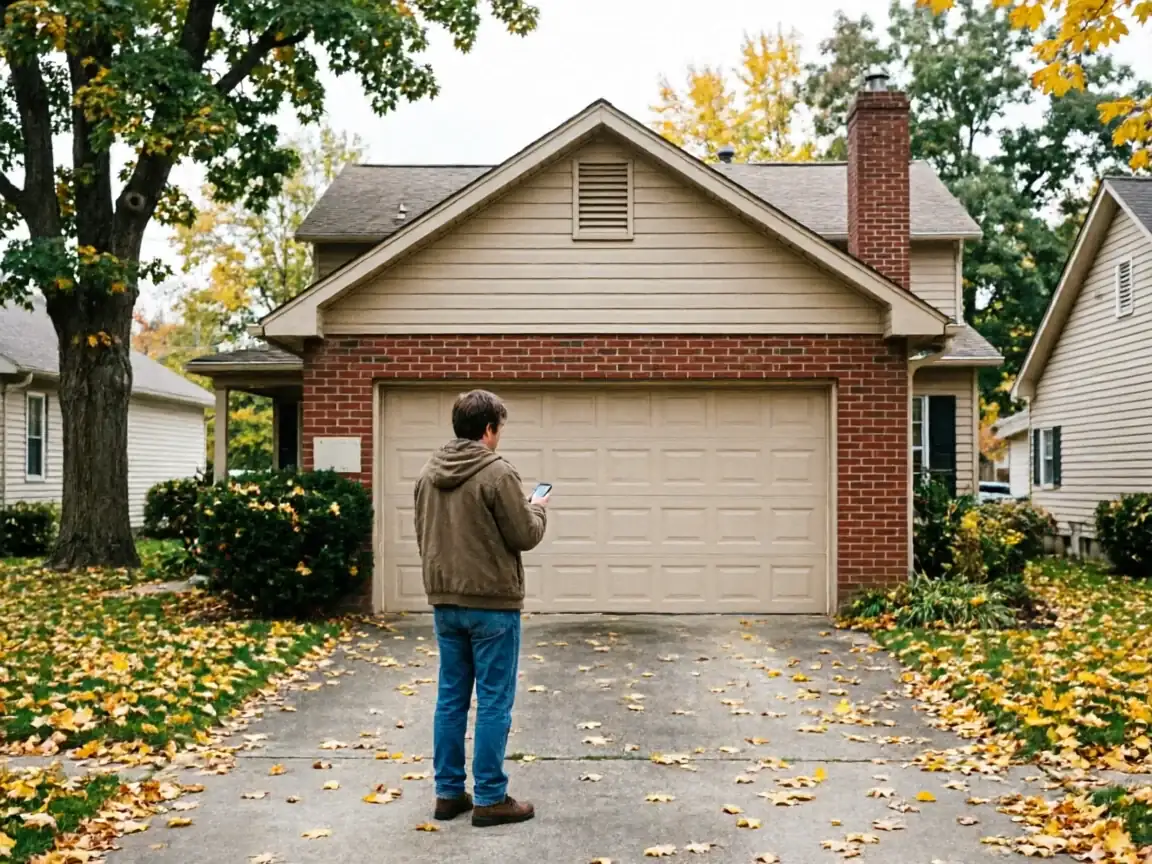
Call and tell us roughly what the door is doing - stuck, noisy, won't close, opener straining. If you know the rough age of the house, mention it; for Crystal that's usually enough for us to guess at the hardware before we're on site. We cover Crystal from our Savage location, so we schedule the trip rather than dispatching from somewhere closer in.
Have the make of your opener handy if you can find it, and clear the driveway so the truck can park close to the door. That's it - we don't need more than that to get a job on the schedule.
Why It Happens Here
The reason Crystal calls skew toward spring and hardware failures rather than opener electronics is simple: the housing here is old enough that the mechanical parts have outlived a couple of openers already. A median build year of 1959 means a lot of these doors have been cycling on the same spring system through 65 winters of cold-to-thaw cycles, and steel fatigues and rusts on a schedule that doesn't care how well the opener was maintained.
The broader service area runs from newer 2005-era builds down to this older stock, and Crystal sits at the older end of that range. That's also reflected in household income here running lower than some of the newer-build suburbs we cover, which is part of why we try to be straight about panel-versus-door-replacement costs rather than defaulting to the bigger job.