How Long You Are Without the Door
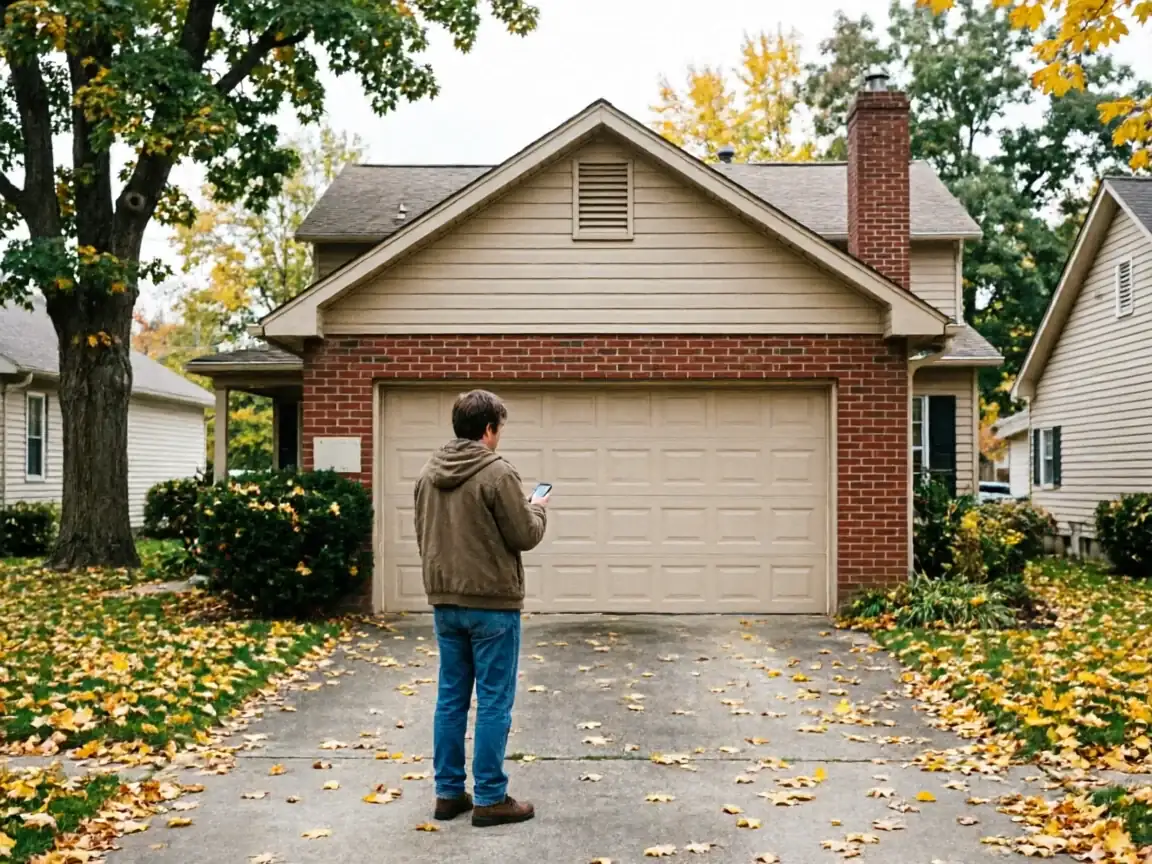
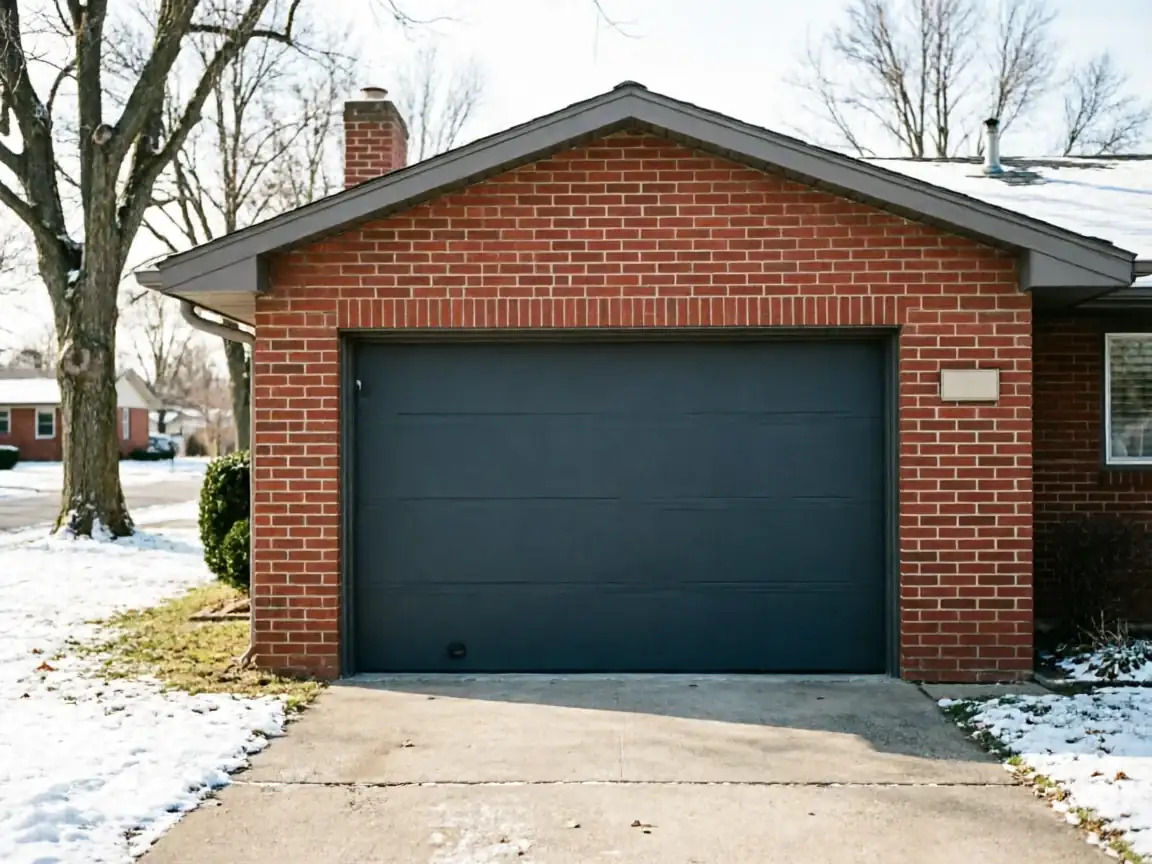
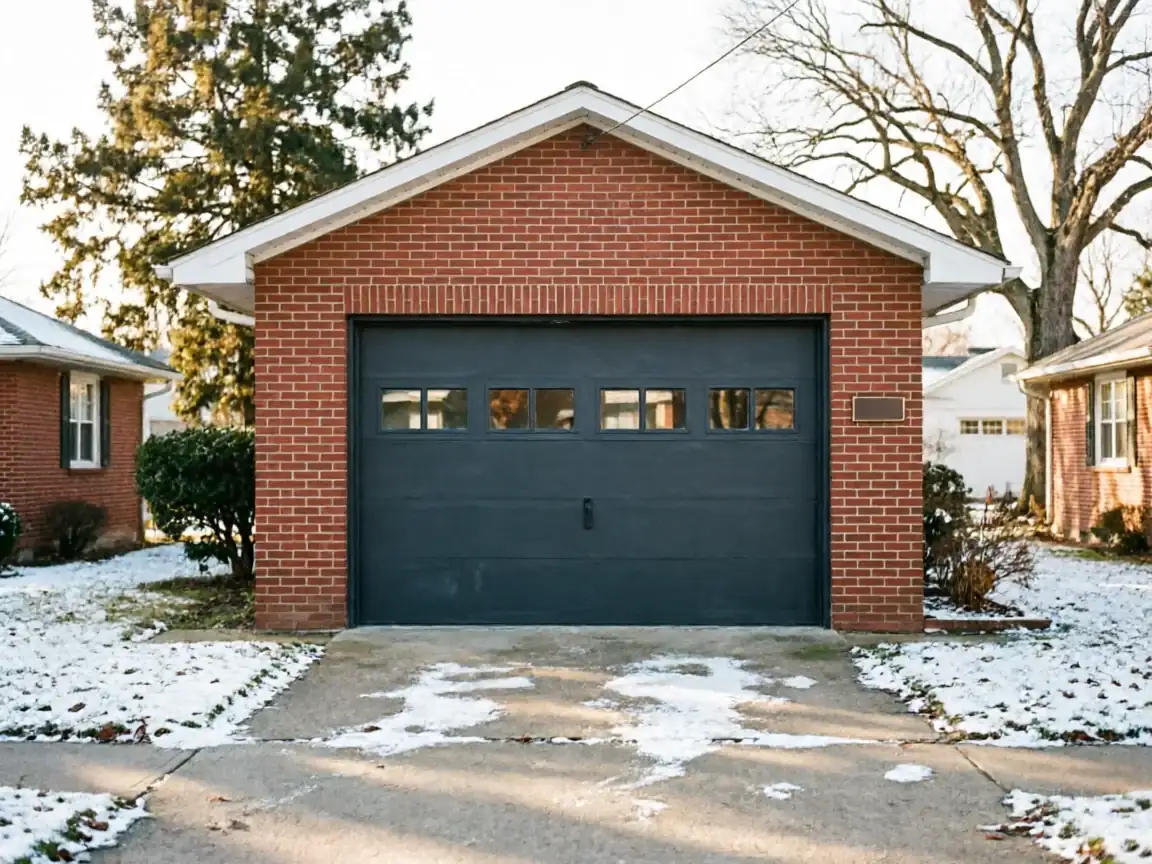
Most garages in Crystal date to around 1959
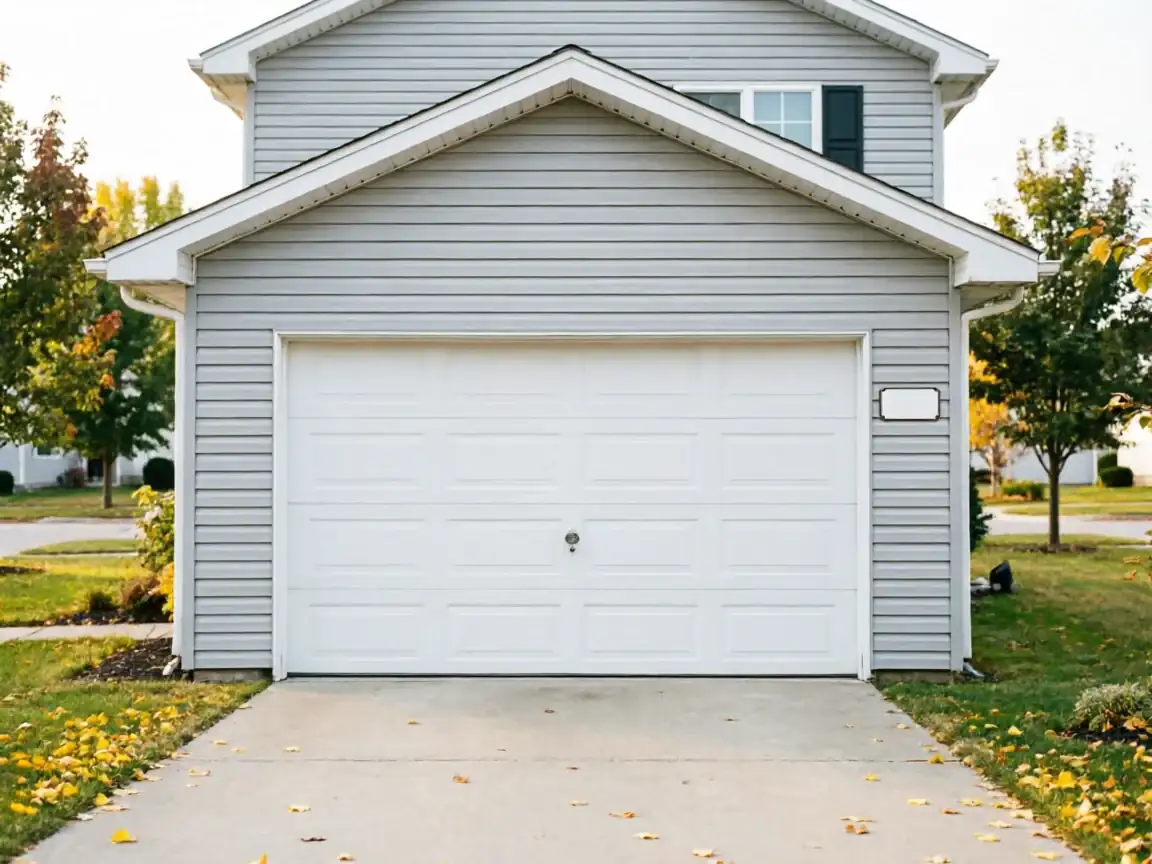
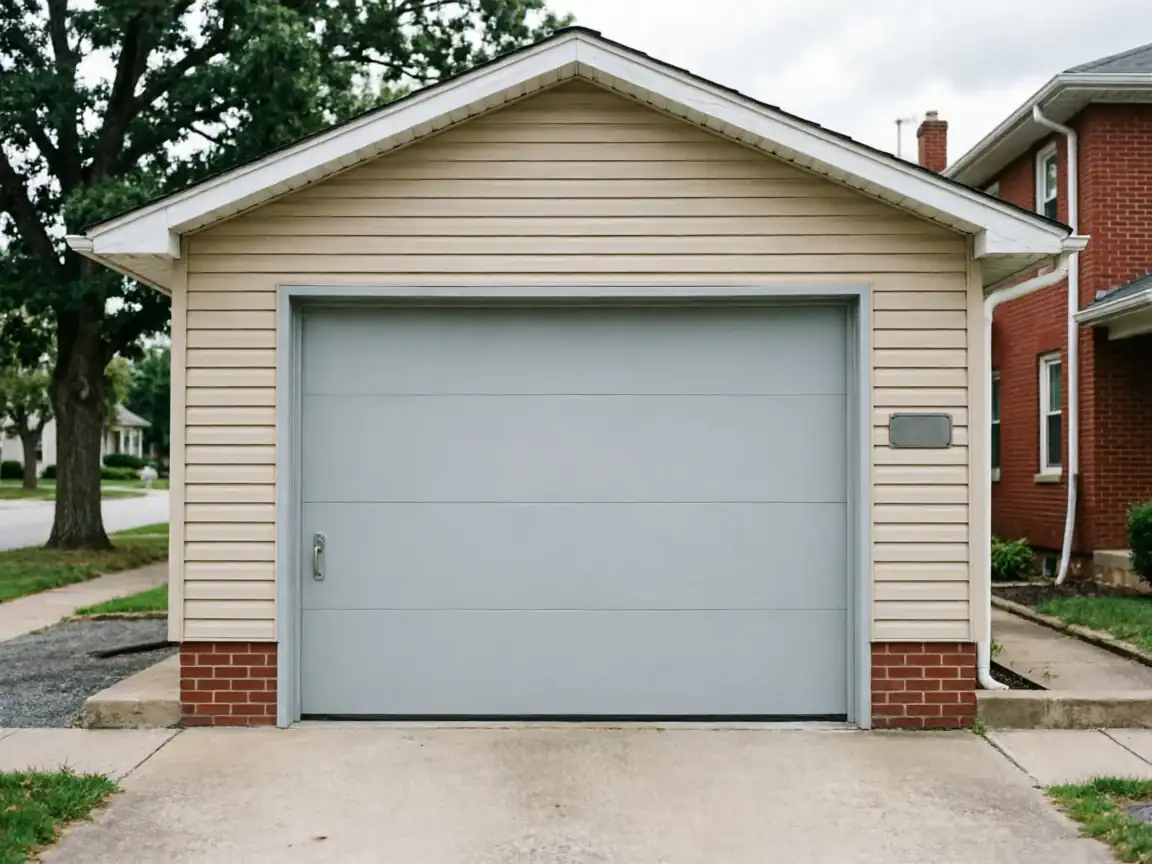
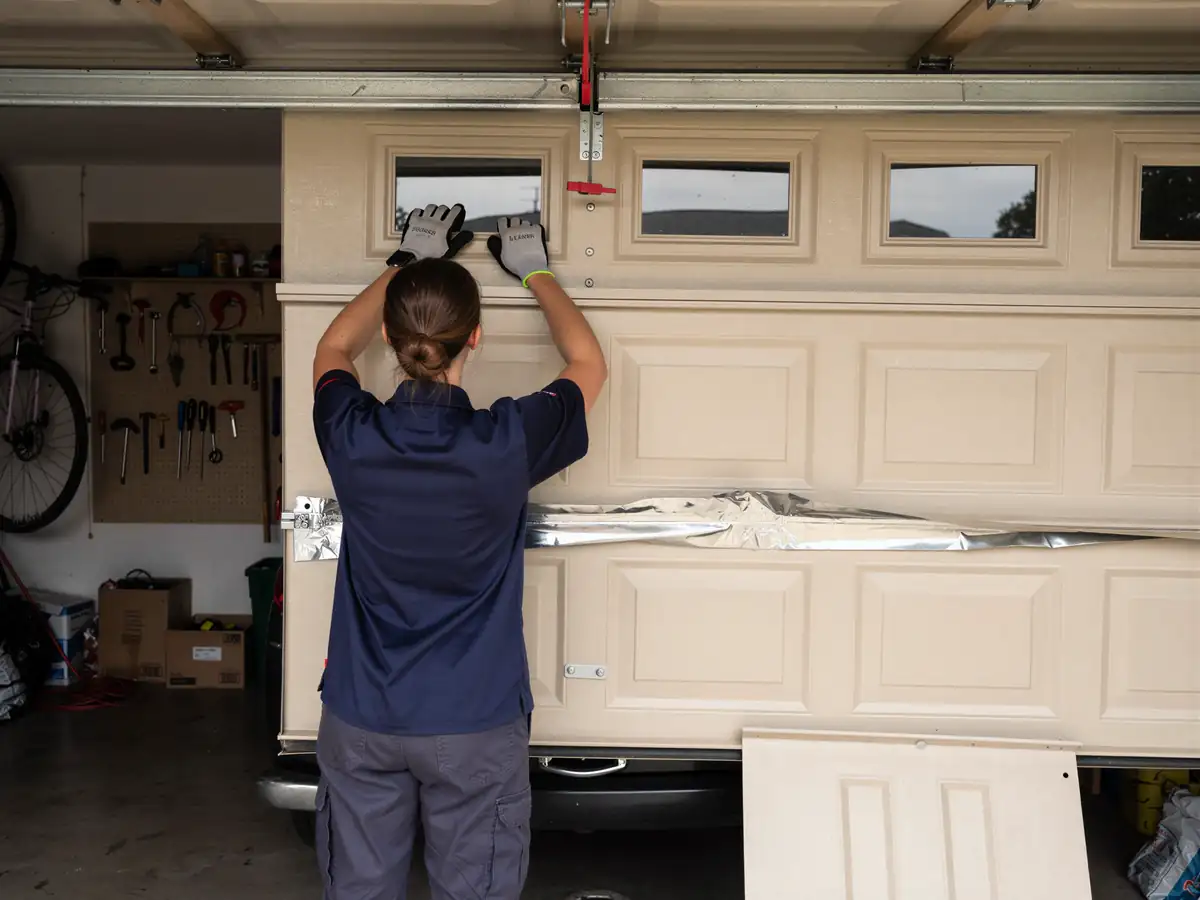
And the openings were framed for the single-layer steel or wood doors that were standard then - often a narrower single bay, sometimes an 8-foot double that's shorter than what gets built today. If your opening matches a common size, we can swap the old door for a new insulated steel one in a single visit, same day, with the opening usable again before we leave. If the frame has settled or the rough opening is a size nobody stocks anymore, the door itself may need to be special-ordered, which can add time before install day even starts. We'll know which situation you're in once we measure, not before.
The gap you feel is mostly waiting on the door to arrive, not the labor of putting it in
A straightforward swap on a standard opening is a few hours of work. Anything custom-cut for an old frame pushes the schedule, not the install itself.
What the Repair Takes
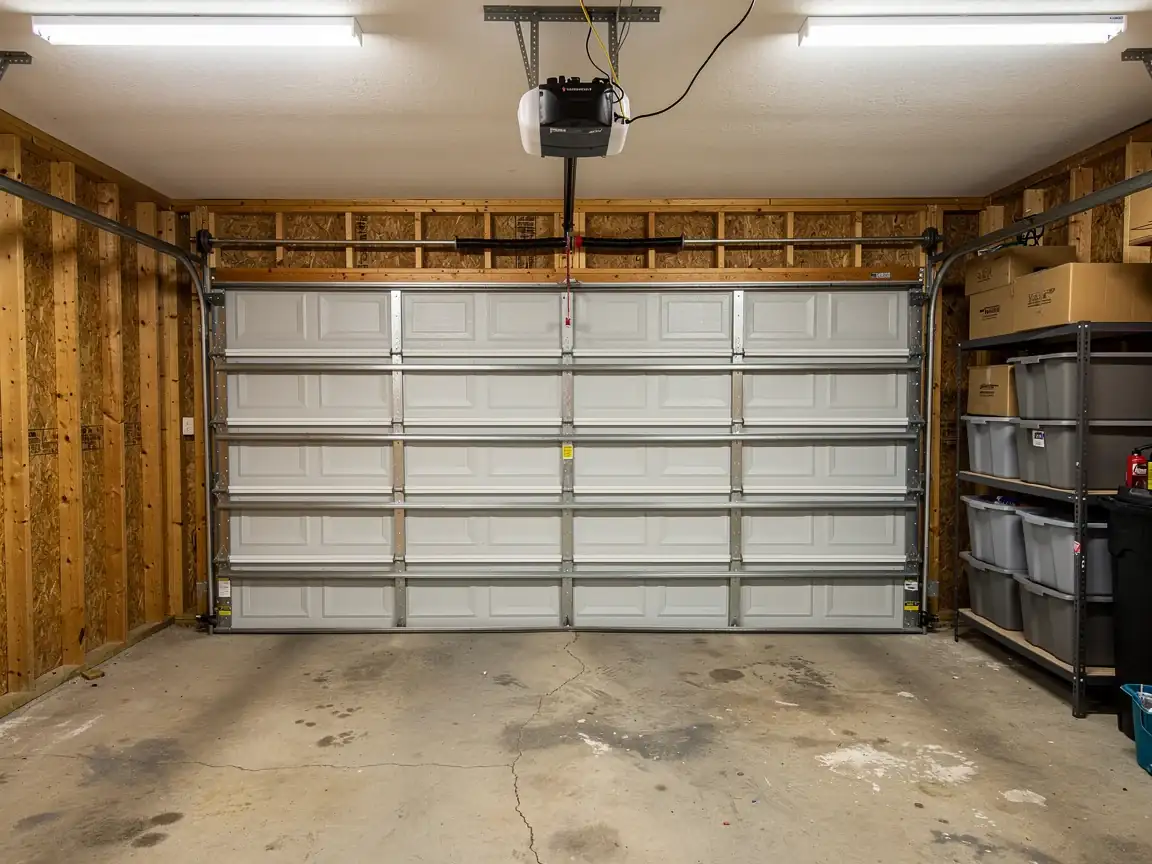
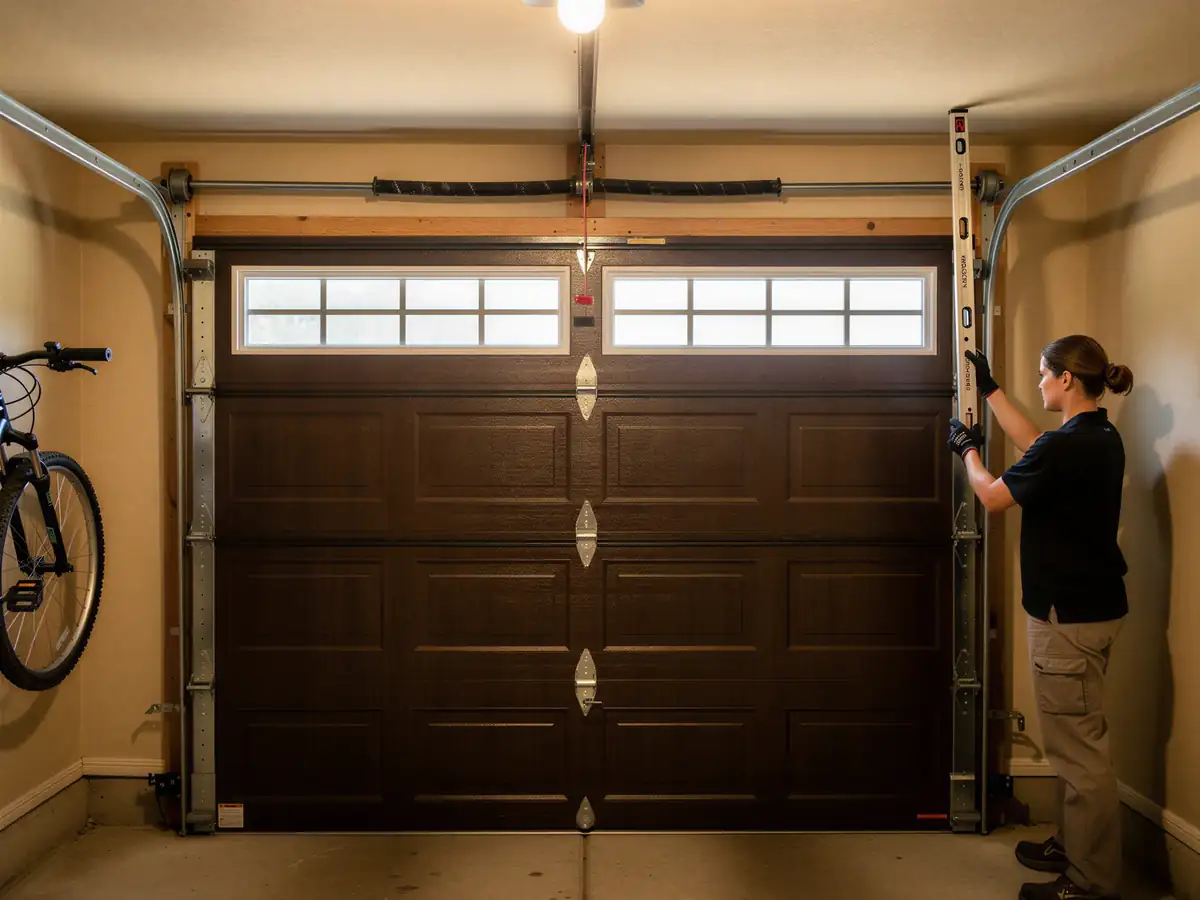
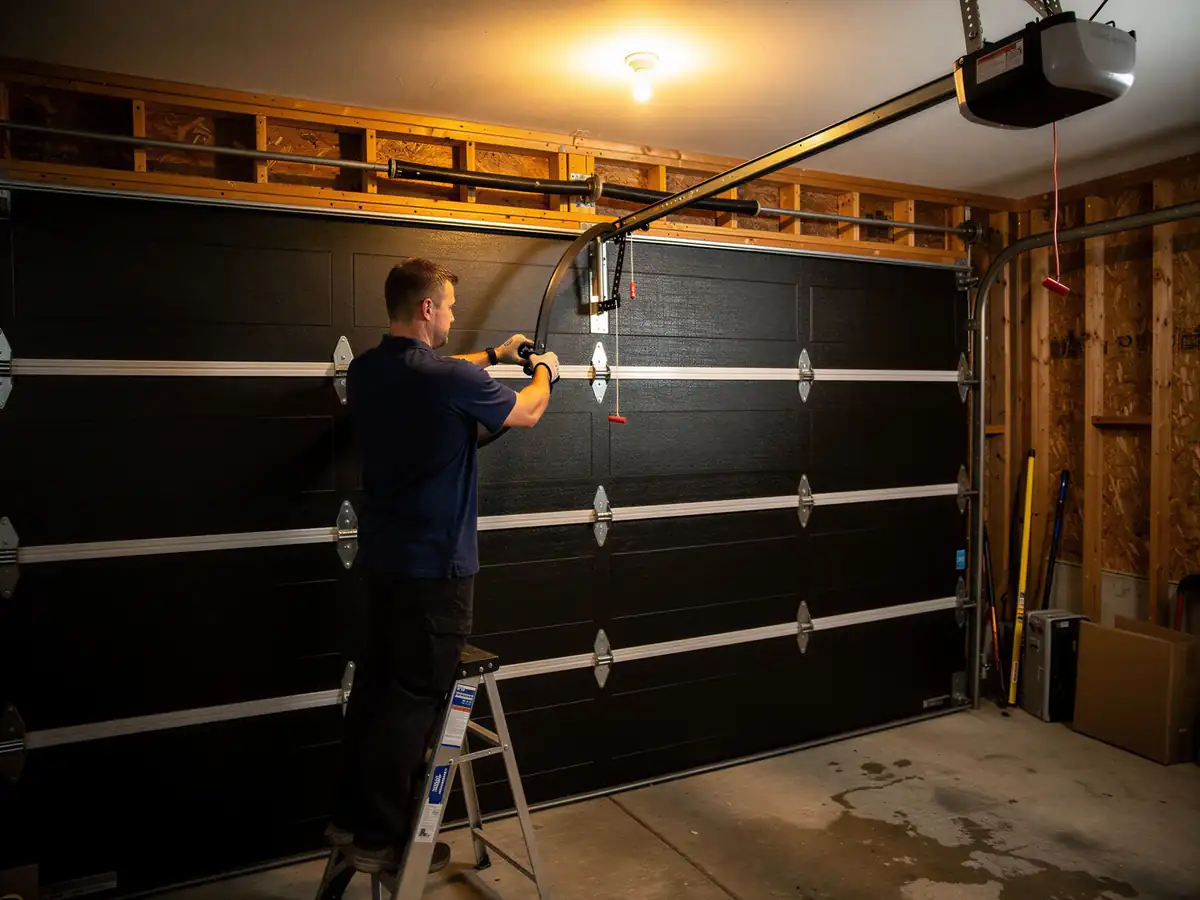
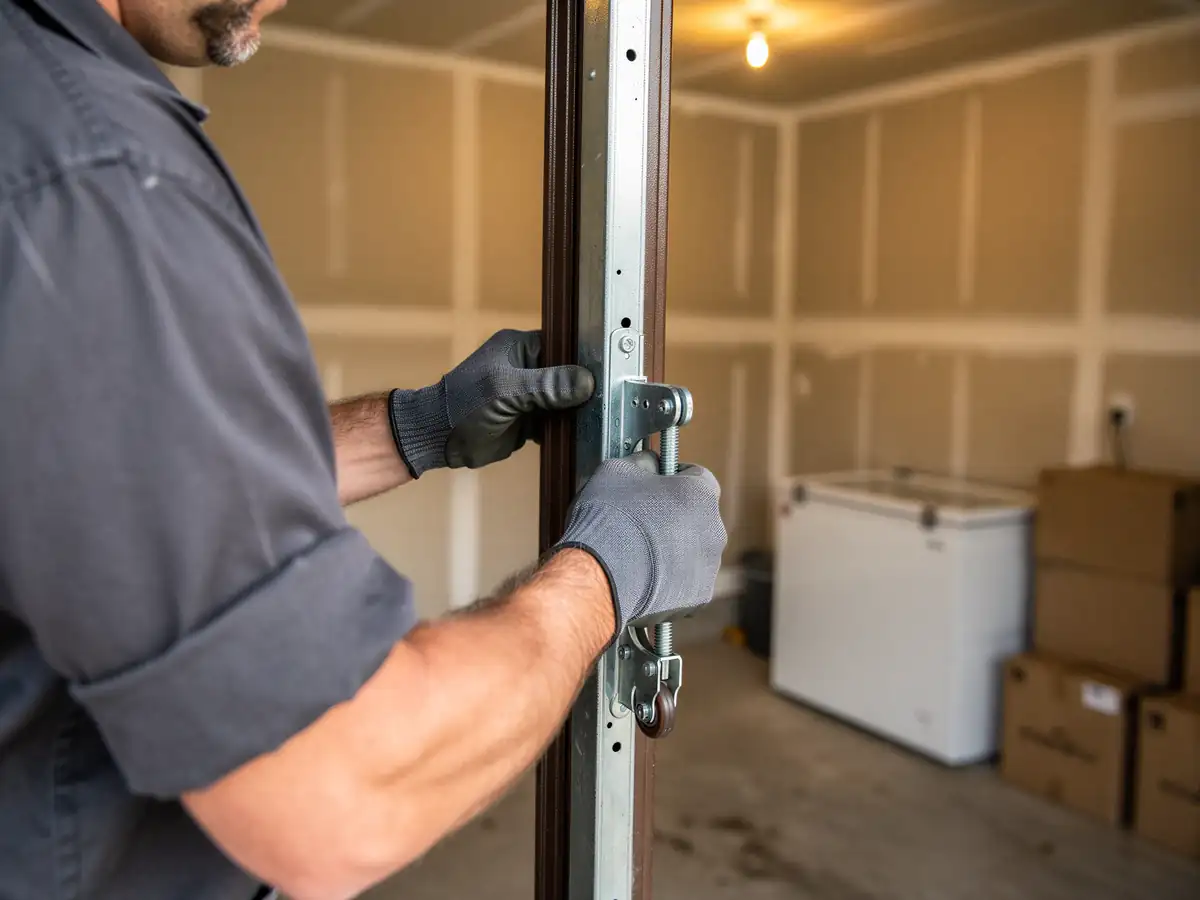
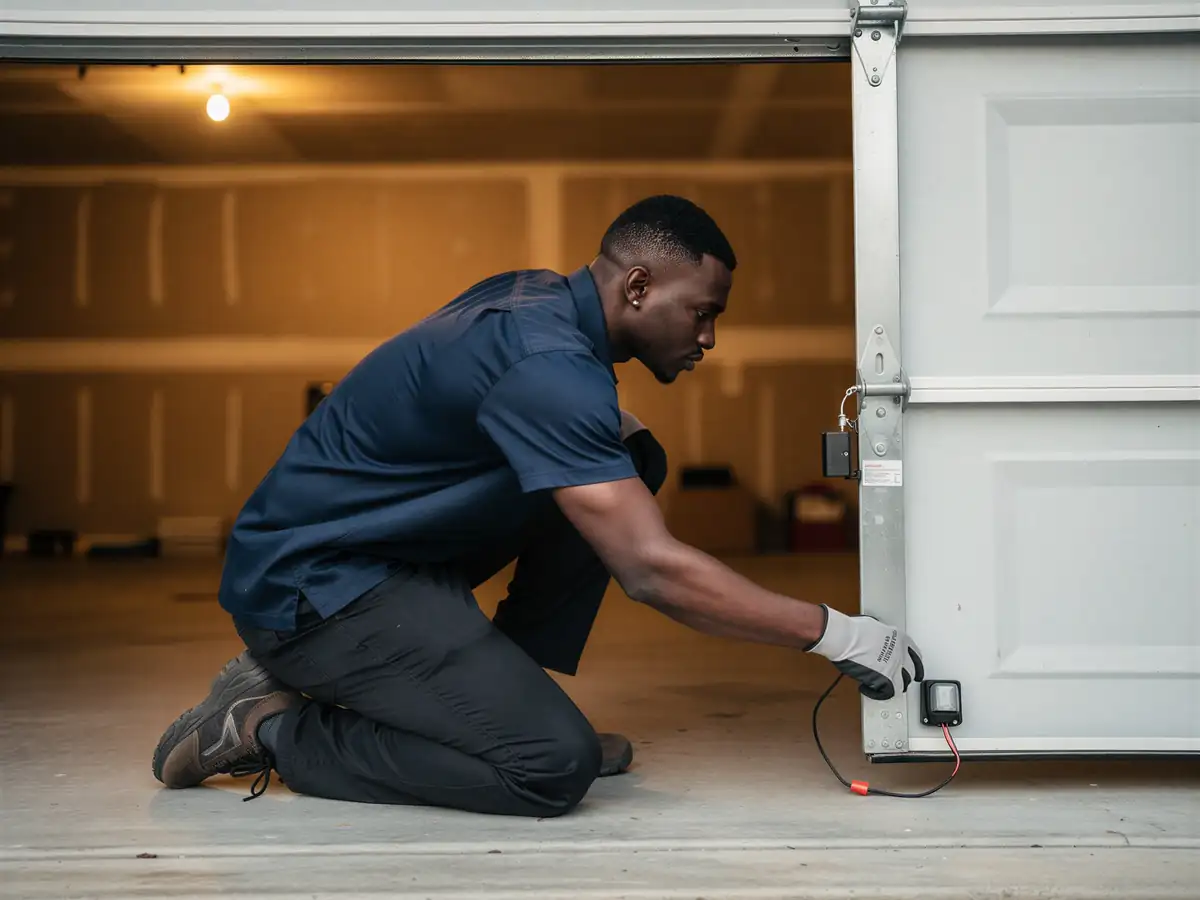
Installing new means pulling the old door off its track completely - panels, hinges, rollers, the works - rather than patching around what's there. On a 1959 opening, we start by checking the jambs and header for square, because six decades of settling can leave an opening that's no longer the rectangle it was framed as. If it's off by more than a little, we shim and pack before the new track ever goes up.
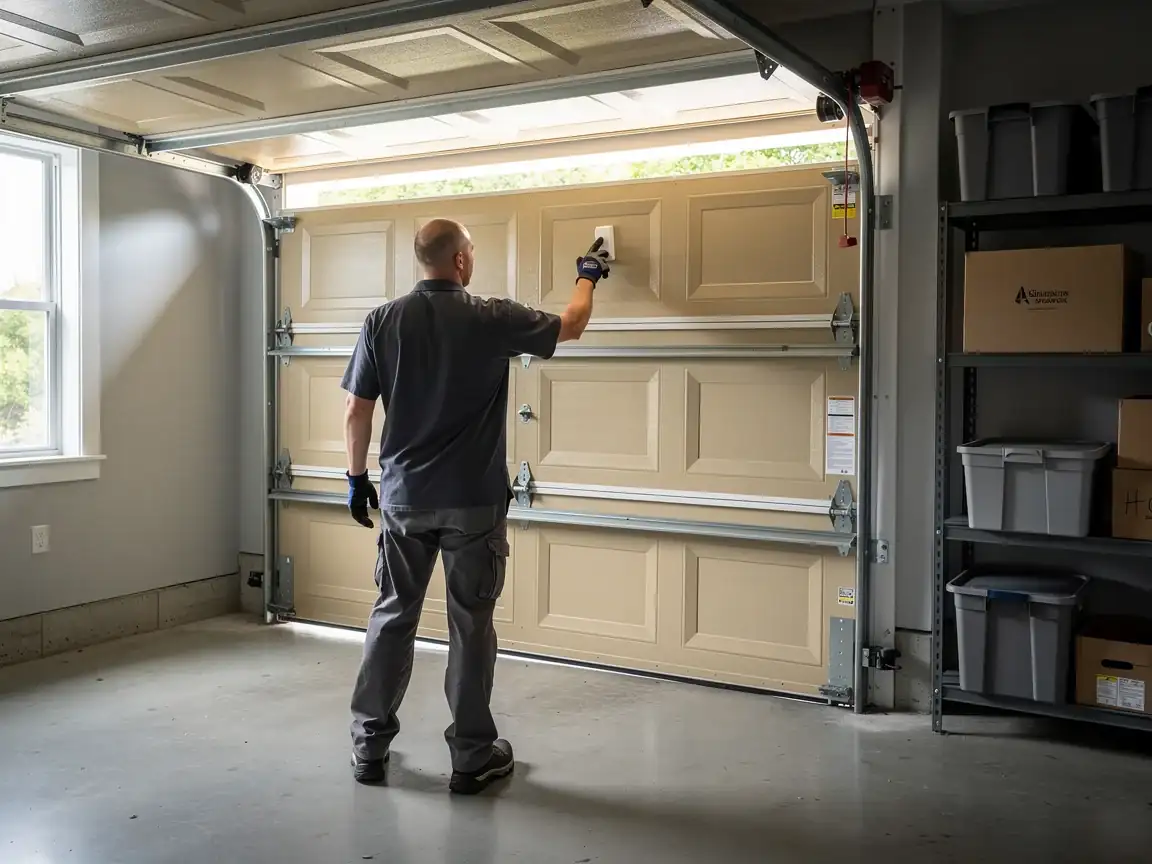
From there it's new track set plumb, springs sized to the actual weight of the door you're installing (not the one that's coming out - weights differ with insulation and material), and a full balance and travel test before we call it done. For a cold-climate install we also seal the perimeter so the new weatherstrip actually meets the slab, which matters more on an older foundation that's shifted slightly over the years.
What it doesn't take, on a straightforward single-bay swap, is tearing into drywall or framing. If the opening needs structural work, that's a separate conversation, and we'll say so before we start charging for door work.
What Is on the Truck
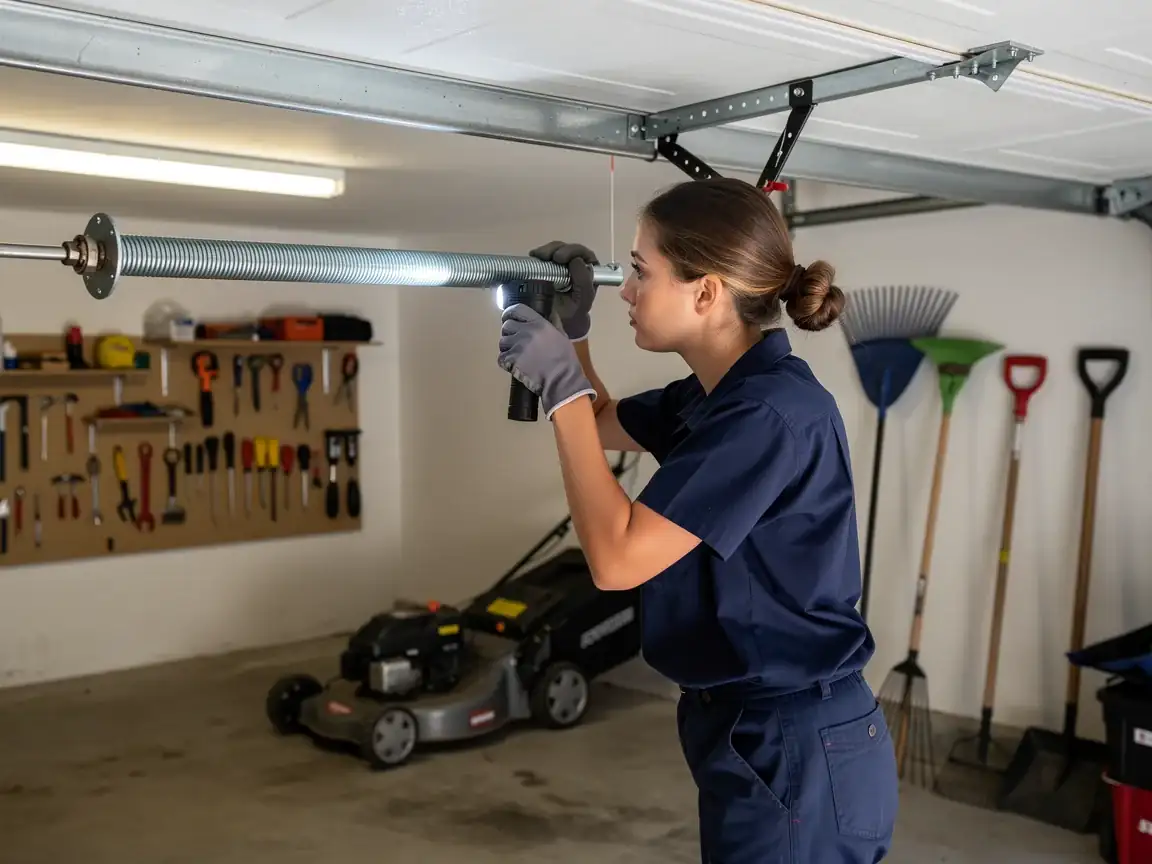
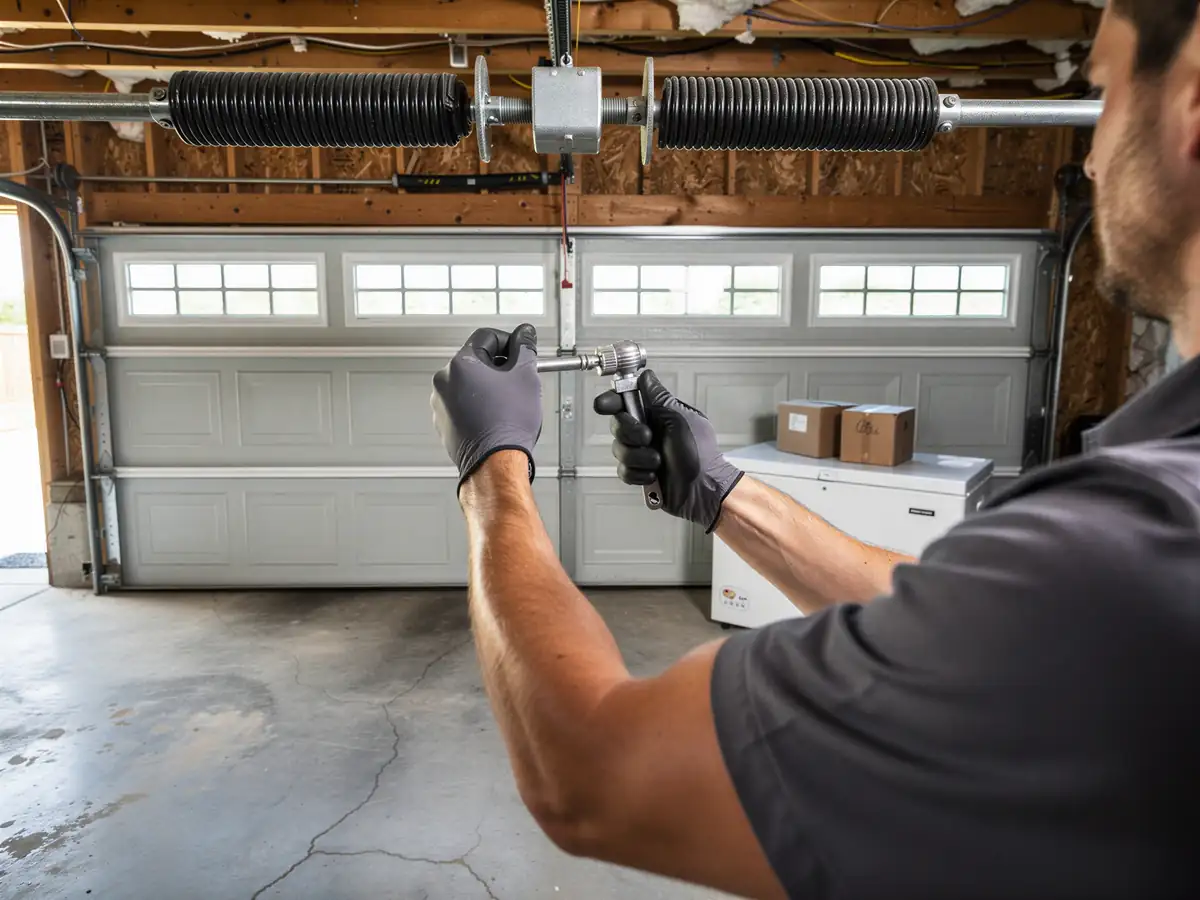
For a Crystal install we carry insulated steel sections sized for both the narrower single bays and the shorter double openings common on houses built around 1959 - the stock sizes you'd expect on a home from that era, not the taller openings that show up on newer construction. We bring torsion springs in a range of weight ratings rather than one default, because an original wood door and a new insulated steel one don't weigh the same, and the spring has to match what's actually going up.
We also carry extension and torsion hardware both, since older garages were built for either depending on who framed them, plus new track, rollers, and the fasteners to anchor into whatever the header turns out to be once we open things up. What we don't carry is a replacement for a rotted or undersized header - if the framing itself needs rebuilding, that's carpentry work outside what a garage door install truck handles, and we'll tell you that on site rather than force a door onto a header that can't hold it.
What You Are Seeing
On houses from this era, the signal that it's time to replace rather than repair is usually the door itself
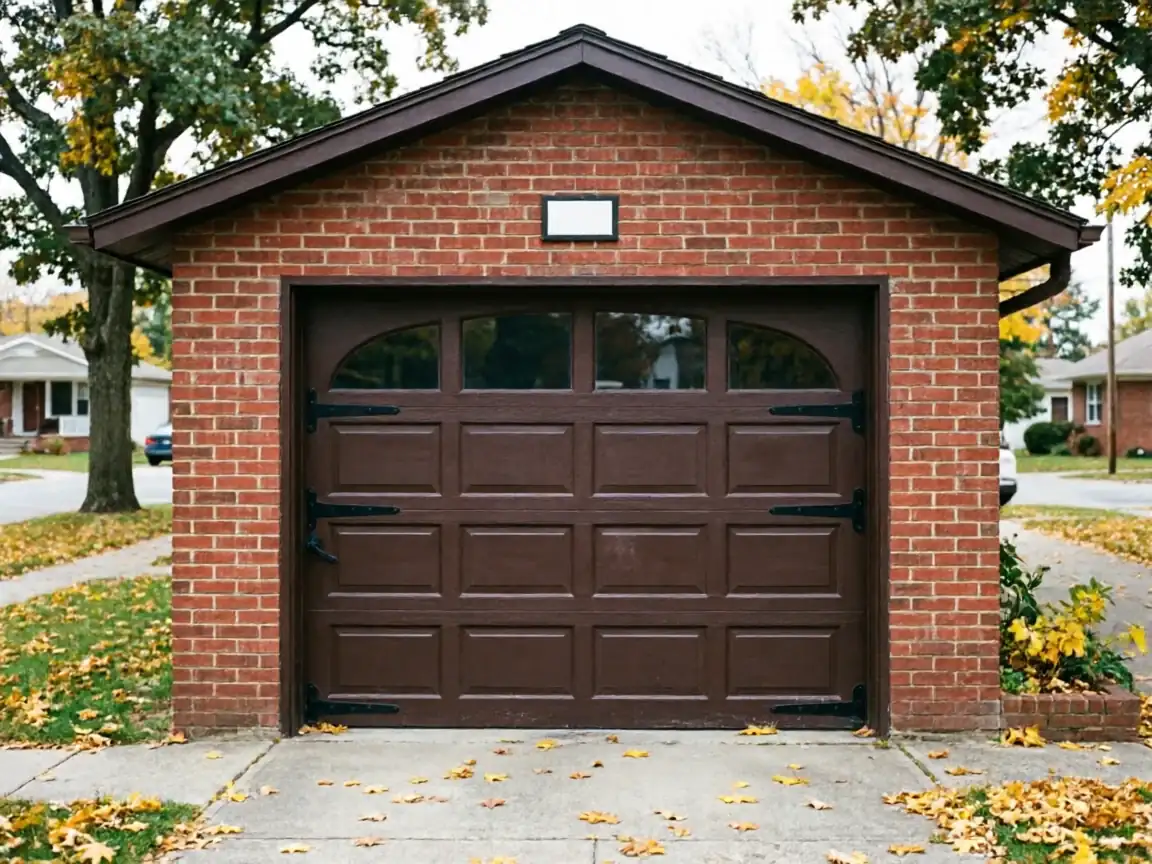
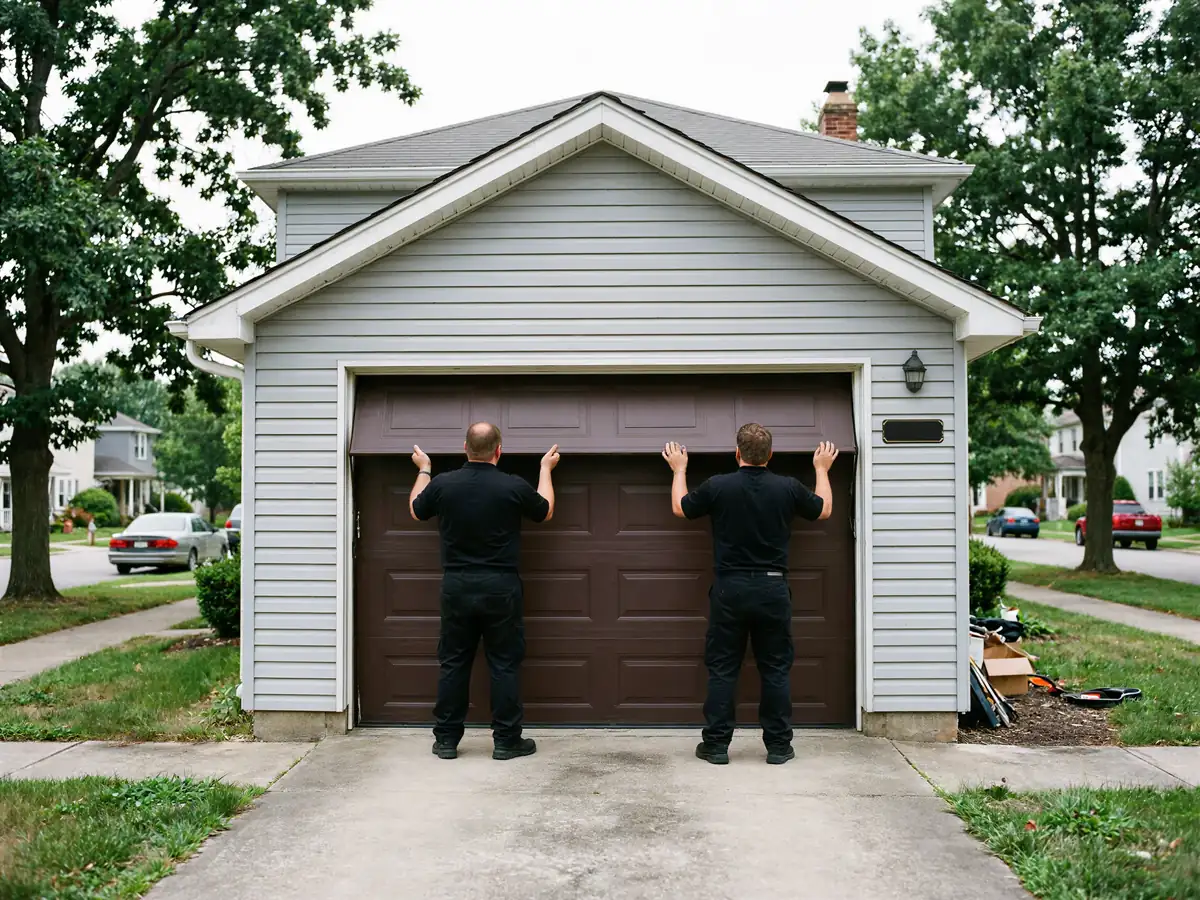
Not just one broken part. A single-layer steel door from the 1960s has no insulation between the skin and the garage, so in a cold-moderate climate like this one, the panel sweats, the hinges corrode from the inside, and the bottom section rusts out at the seam years before anything else fails. A wood door of the same age is more often cupping or splitting at the panel joints, which no amount of painting fixes.
If you're seeing a door that still opens and closes but feels heavier than it used to
That's usually the springs fatiguing under an original door's weight - worth a separate look before you commit to full replacement. But a door that's rusted through at the bottom, warped enough that it doesn't sit flush, or missing insulation entirely in a house you're trying to heat through a Minnesota winter is a replacement, not a repair.
How to Book
We run installs in Crystal from our Savage shop, about 19 miles out, so we schedule the visit once we've got your opening size and door preference rather than showing up to measure blind. A quick call or the request form gets us what we need - rough opening width and height if you have it, single or double bay, and whether you're after a standard steel door or something insulated for the attached-garage heat loss that's common on homes this age.
If you want to see what else we handle out of the Savage shop beyond new installs, that's laid out on our main installation page. For other towns we cover on the same route out from Savage, see who else is nearby.
Why It Happens Here
Crystal's housing stock centers on 1959, which puts it near the early edge of the 1956-2005 range across our service area - older than the typical house we work on, and old enough that garage openings were framed before insulated steel doors were common at all. That means more original single-layer doors still in service here than in newer parts of the territory.
The town runs about 9,307 households against roughly 109,890 across the full area we cover, and a median income of $86,752, noticeably under the $108,611 area median. That combination - older housing stock, a smaller town, income below the broader area's - tends to mean more homeowners replacing a door only once it's actually failed, rather than swapping early for looks. It's also why we see more single-bay openings here than the wider double bays that show up in newer construction closer to Savage.
Add the cold-moderate climate this whole region sits in, and an uninsulated 1959 door isn't just an eyesore - it's a direct line to a cold garage and, on an attached garage, a colder house.