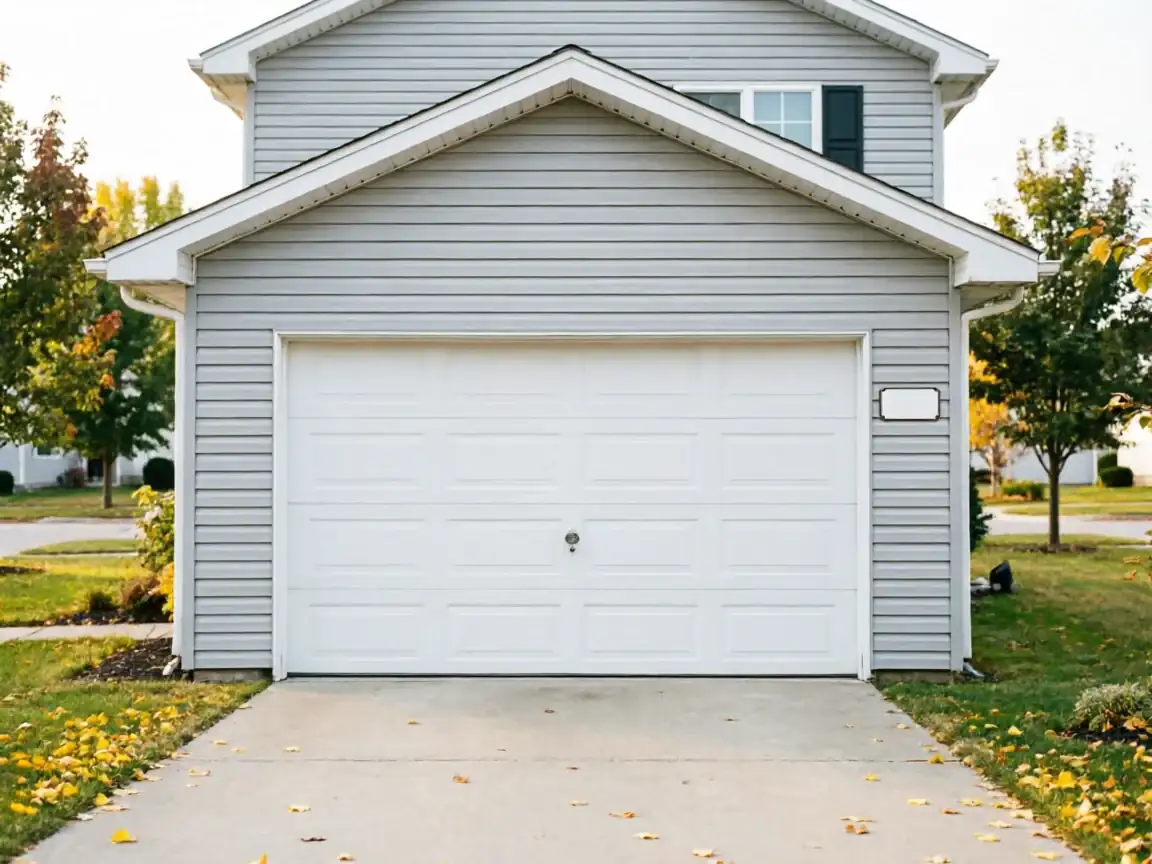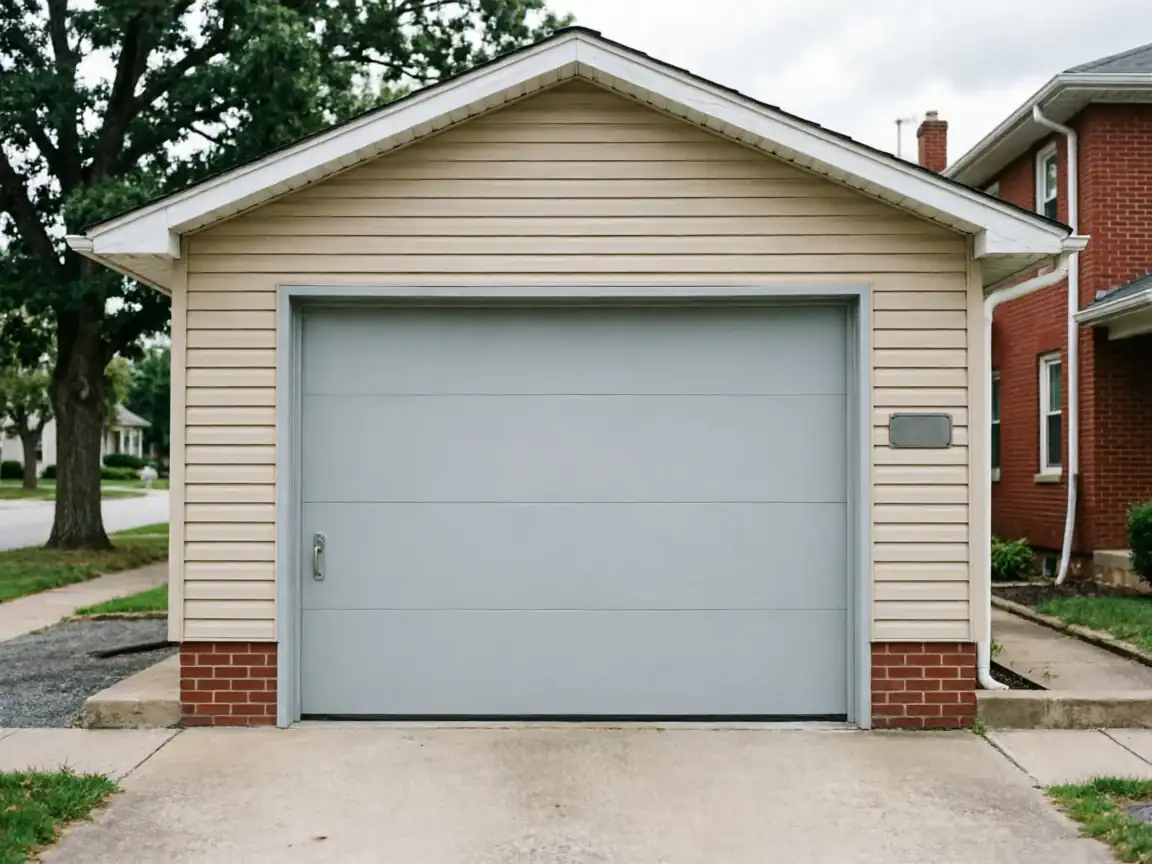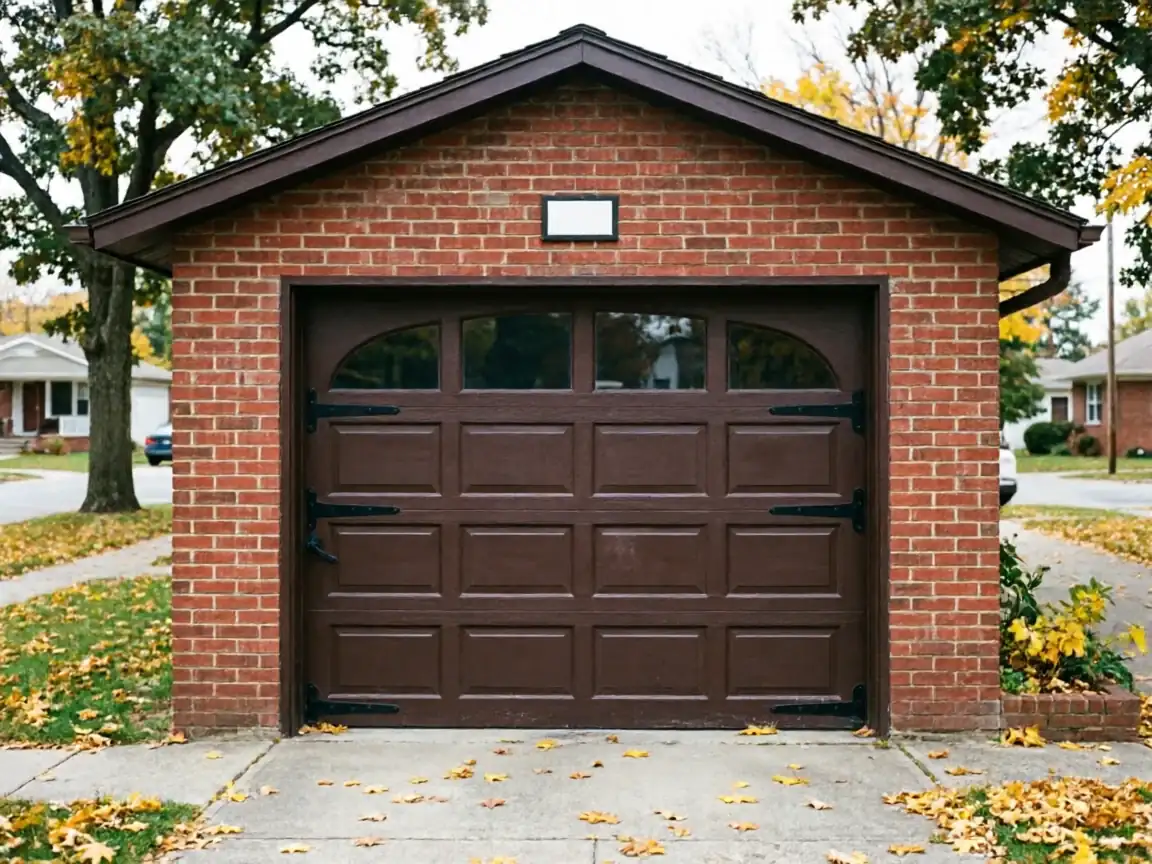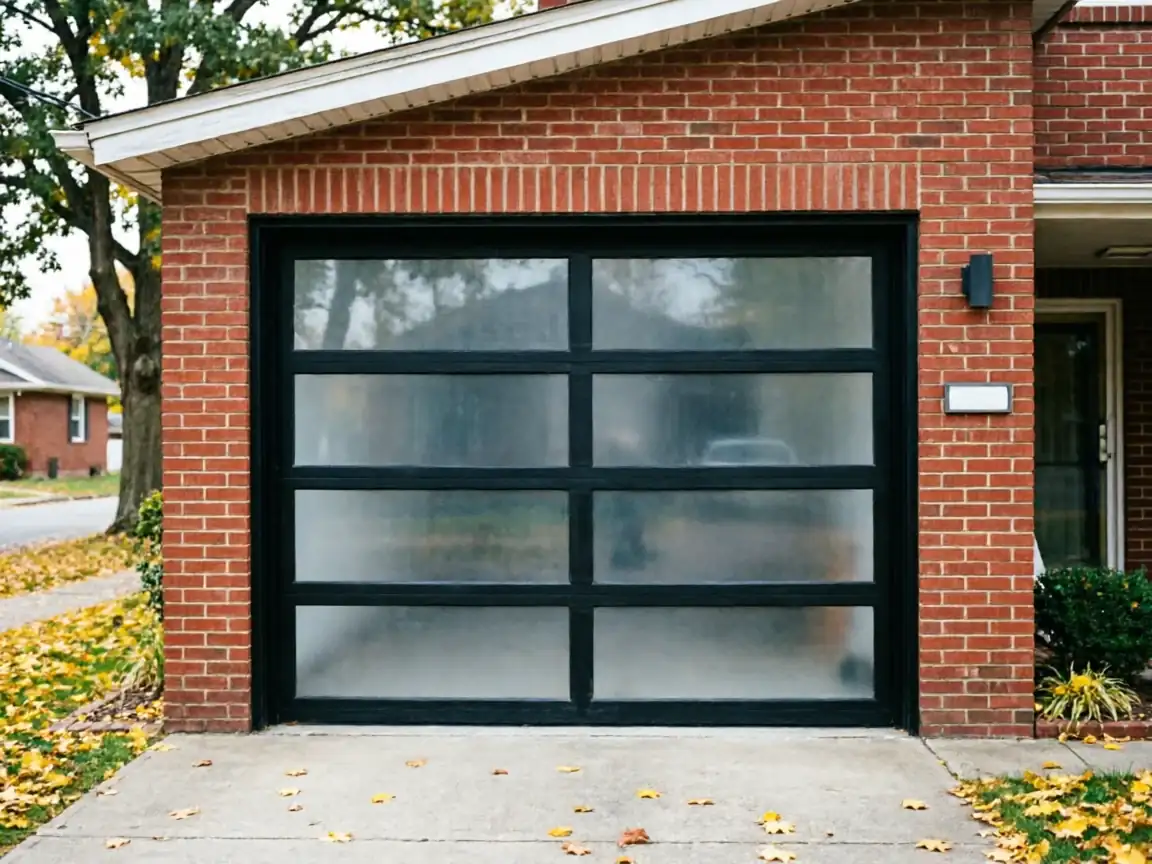
How Long You Are Without the Door
Crystal sits at the older end of the housing stock we cover out of Savage
Across the full service area the median build year is 1975, but Crystal's homes went up around 1959 on average - a decade and a half earlier. That gap matters the moment a spring snaps: a door from 1959 is more likely to run on a smaller-diameter torsion tube with a drum size that newer production doors dropped, which means we don't guess on the truck, we confirm the shaft and drum before we quote the fix.
We travel the 19 miles from Savage to Crystal for the call
So the door sits broken until we're on site and have looked at the actual hardware - we don't promise a window we can't back from this distance. Once we're there, a standard torsion spring swap on a single door runs well under two hours; if the drums or the shaft need replacing because they don't match what's stocked for newer doors, the job runs longer and we tell you that before we start, not after.
- 19 miles
What the Repair Takes
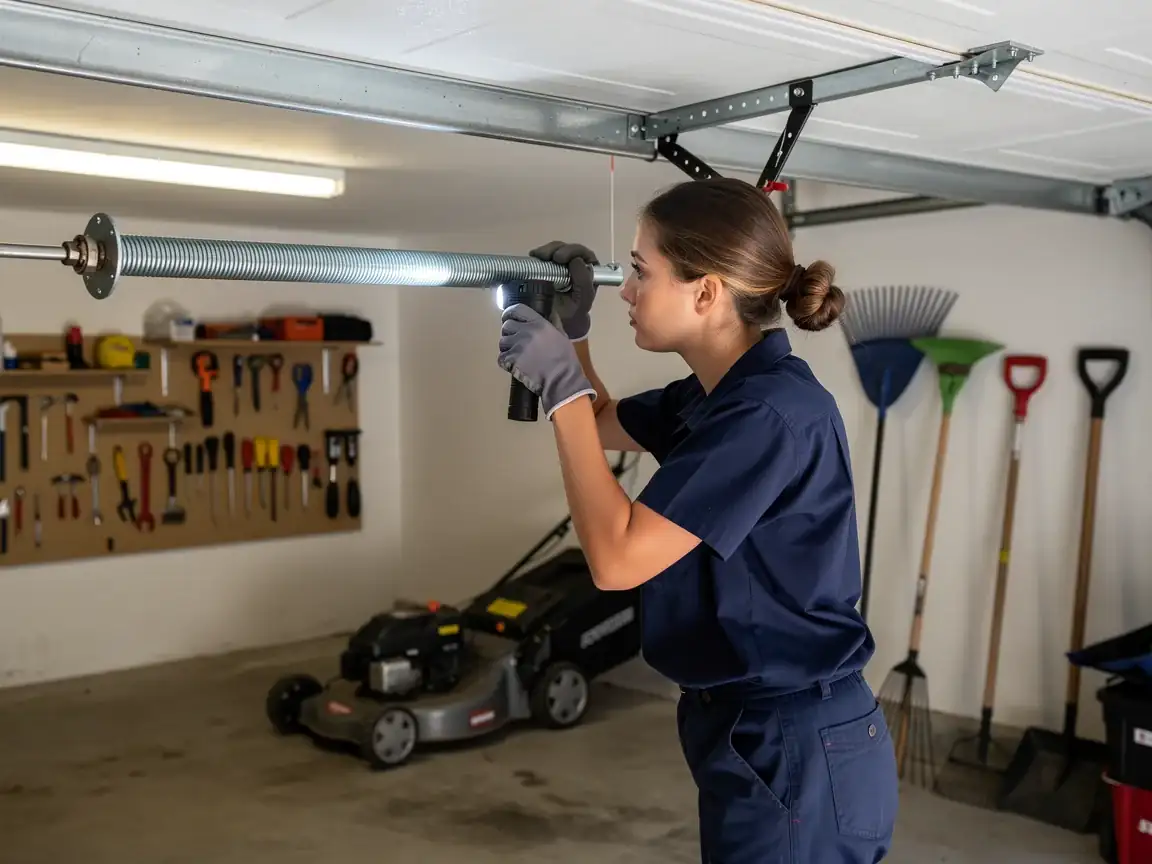
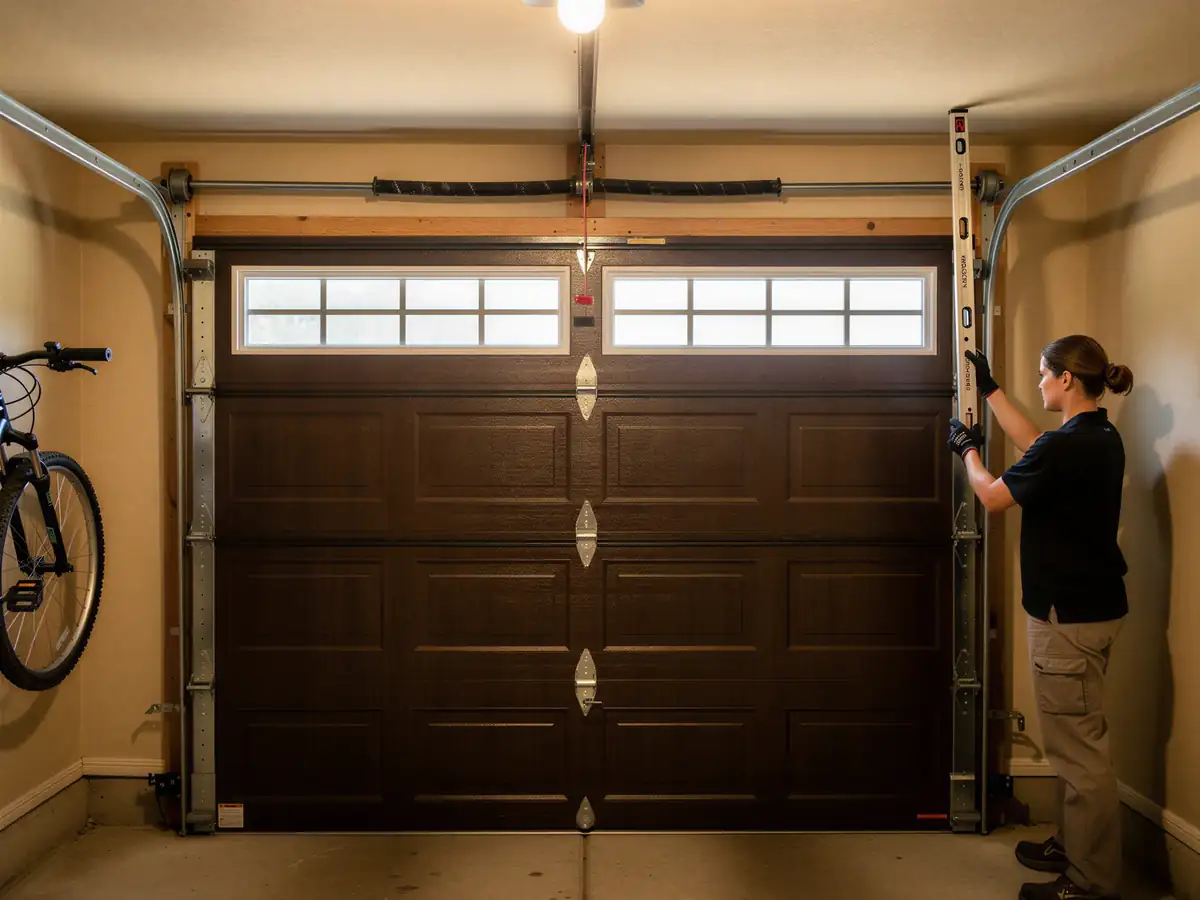
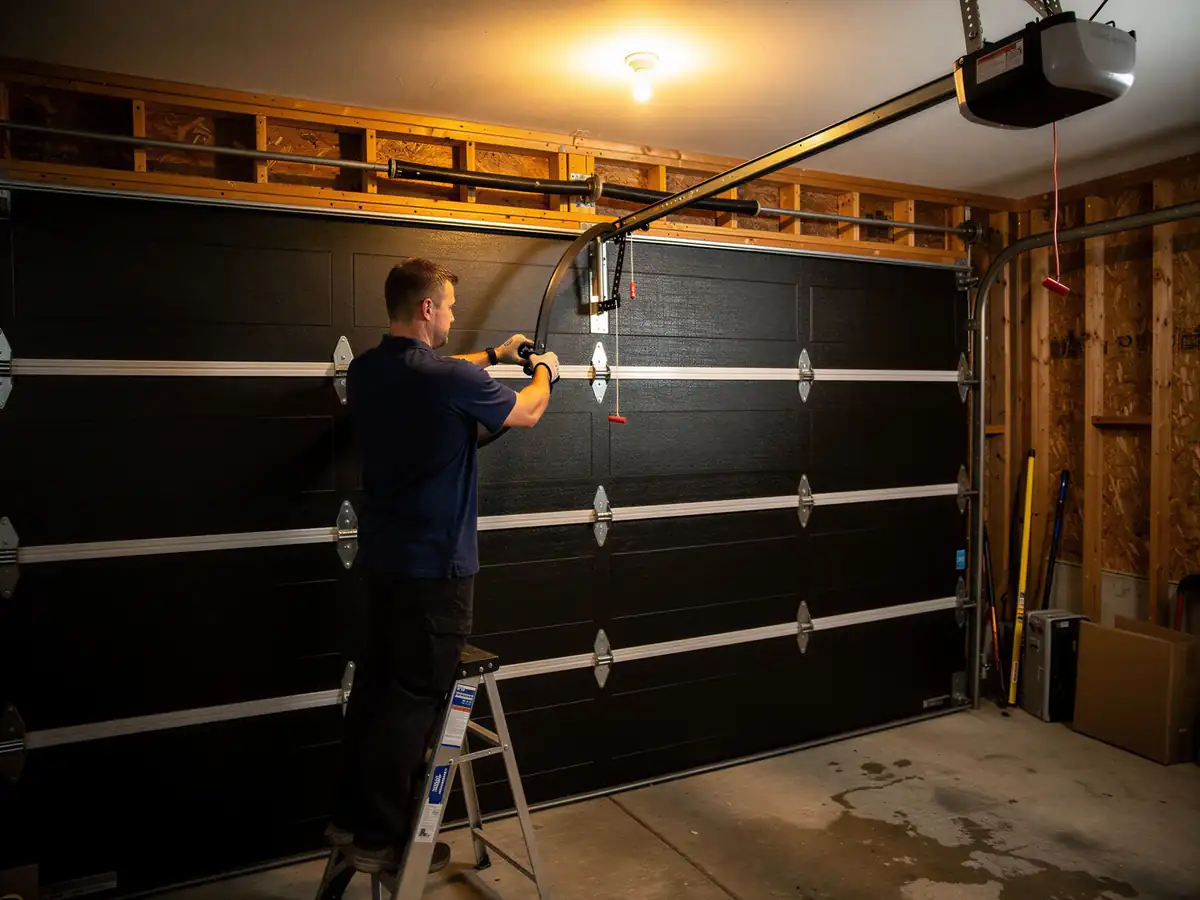
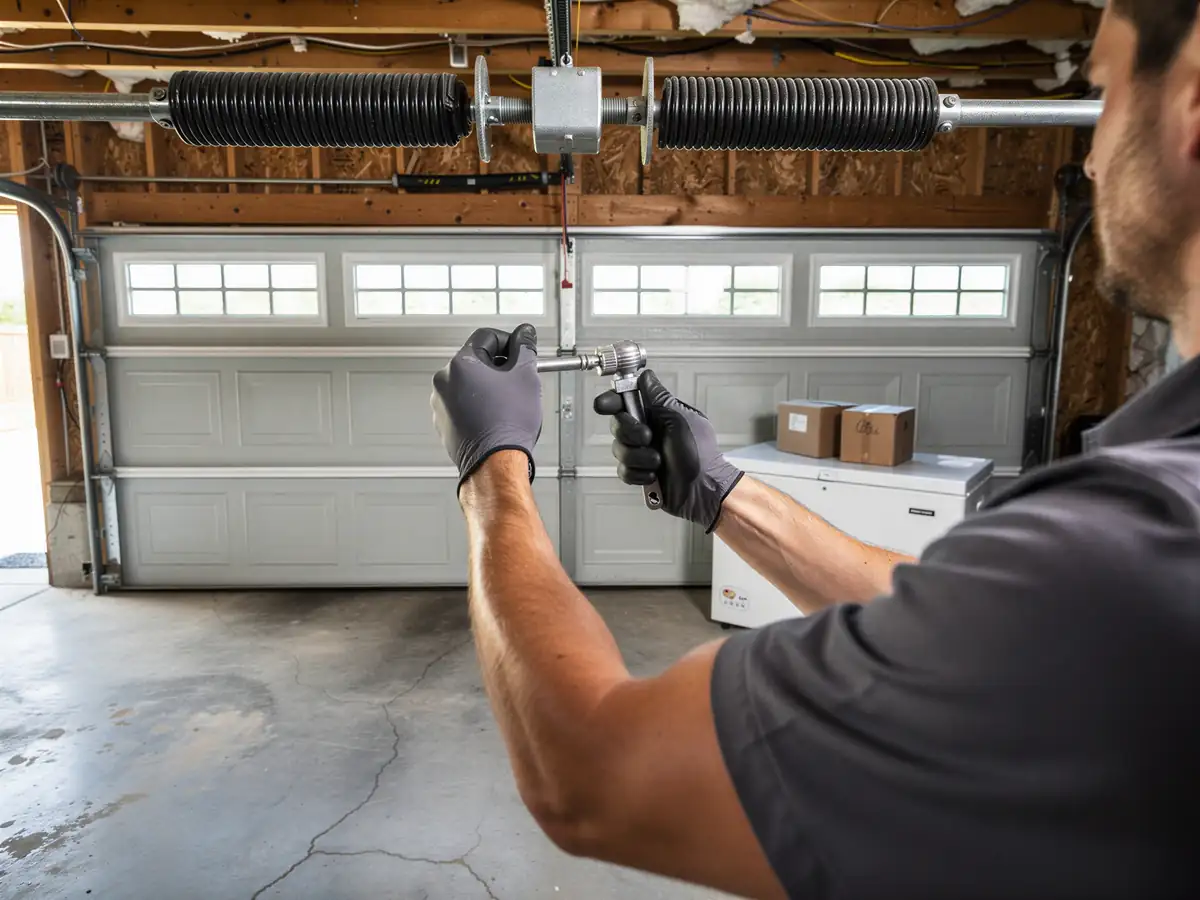
A broken torsion spring on a 1959-era door usually means we're replacing the spring and checking the drums, the end bearing plates, and the torsion tube for wear that's had sixty-plus years to accumulate. Rust on the shaft is common on doors this age in a cold climate - the metal has seen a lot of freeze-thaw cycles. We measure wire size, coil diameter, and spring length on site rather than trusting what's written on a faded sticker, because doors this old sometimes have had a spring swapped once already with a part that was close enough but not exact.
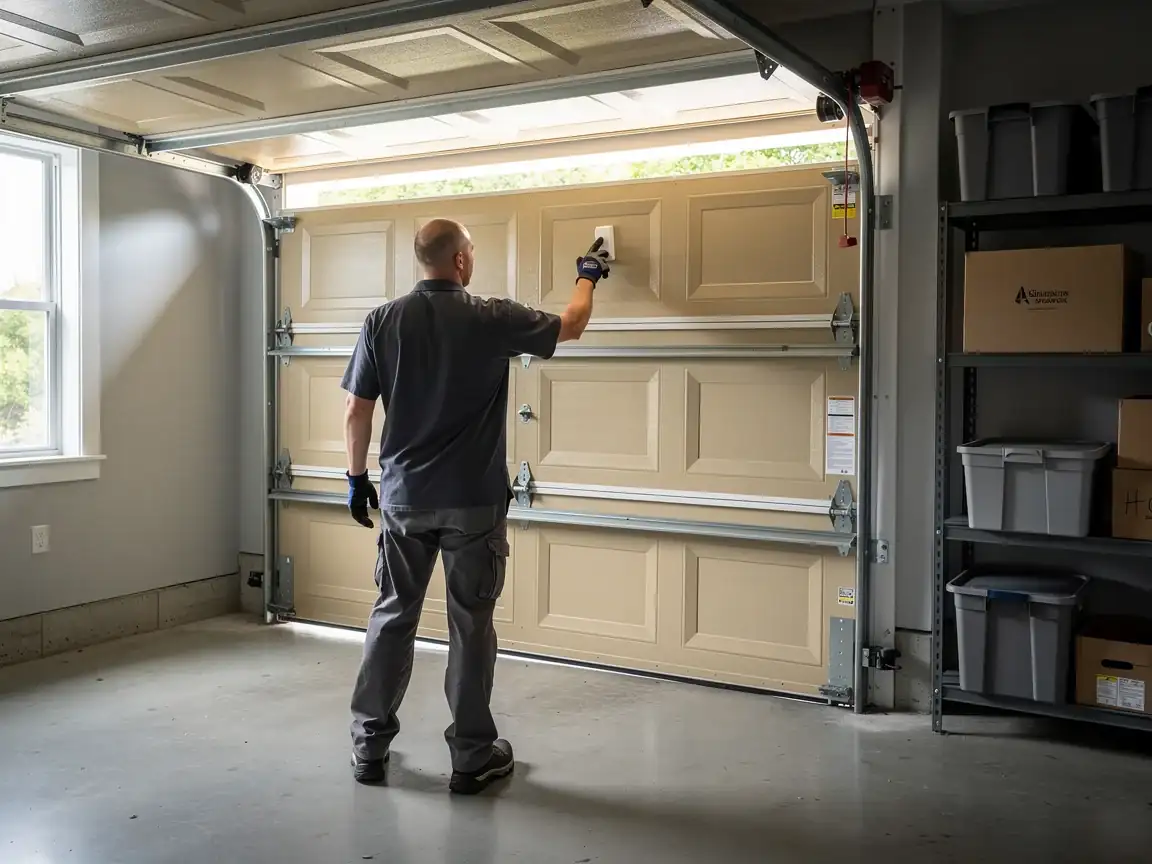
If it's a double door with two springs, we replace both even if only one broke - an old spring paired with a new one puts uneven tension on the track and shortens the life of whichever one is newer. We torque to the door's actual weight, not a generic setting, and we test the balance by hand before we leave. If the opener was fighting the broken spring for any length of time, we check the gears and the drive for wear too, since that's the one thing an undiagnosed broken spring quietly damages.
What Is on the Truck
We stock torsion springs across the wire sizes and lengths that cover both the newer production doors common in Savage and the older, smaller-diameter setups more common in a build year like Crystal's. Standard sizes go on in the first visit. What we can't always carry is a spring built to the exact specs of a door that's been modified or custom-fit over the decades - if a prior repair used an odd part, we may need to order the matching replacement rather than force a near-fit, and we'd rather tell you that than install something that will fail again in a year.
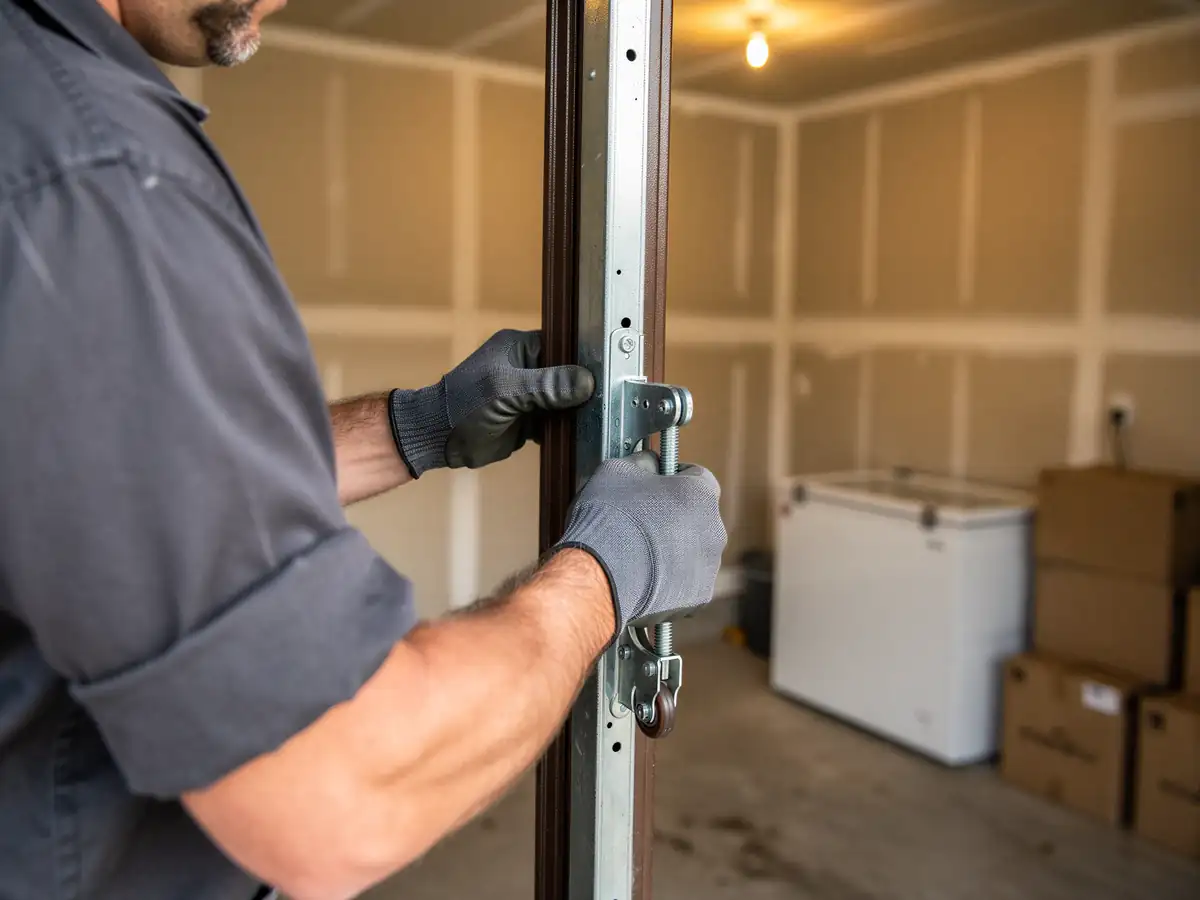
We also carry drums, end bearings, and cable sized to older torsion setups, plus the standard cold-weather lubricant for the track and rollers. Minnesota's cold climate is hard on steel hardware over a sixty-year run, so we check for brittle cable and pitted bearings as a matter of course on a house this age, not just when asked.
What You Are Seeing
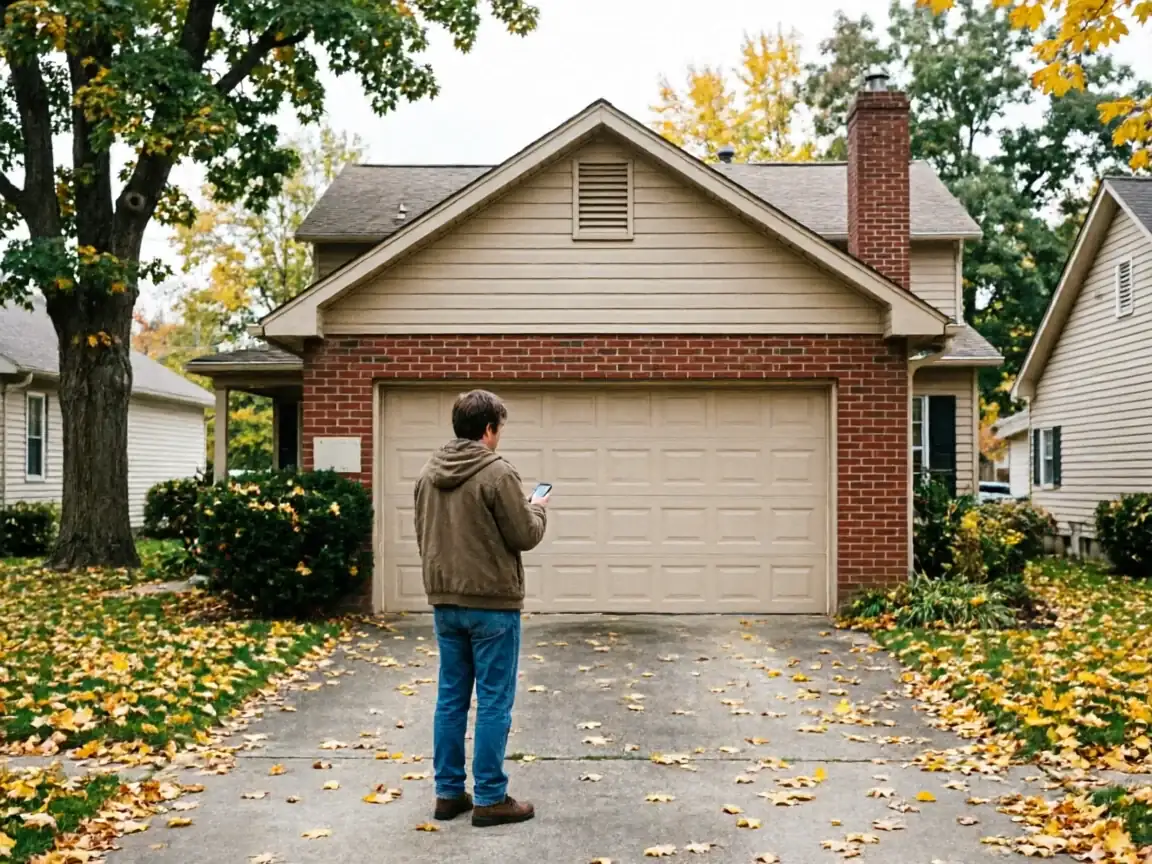
The door won't open, or it opens a few inches and stops
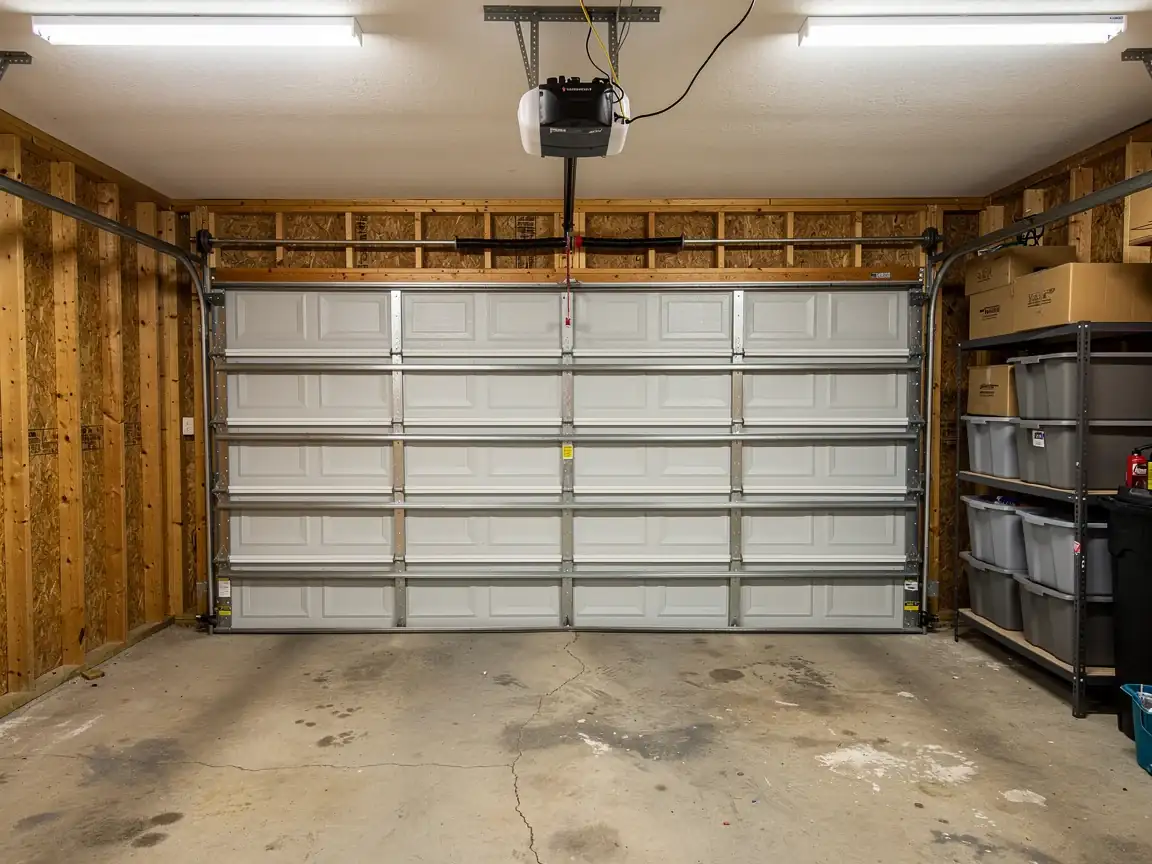
The opener strains and makes a grinding or clicking noise but the door doesn't move the way it should. If you look up at the top of the door with the opener disconnected, you may see a gap in the coiled spring above the door, or one side of the torsion bar sitting loose. Sometimes the door slams down hard on its own instead of lowering slowly - that's the spring tension gone, not the opener failing.
On a Crystal-era door, a loud bang right before the trouble starts is common
That's often the spring itself breaking under tension rather than anything failing gradually. Don't try to force the door up by hand once that happens - a broken torsion spring leaves the full weight of the door on the cables and track, and that's not a safe DIY fix.
How to Book
Call and describe what you're seeing - whether the door won't move at all, is stuck partway, or slammed shut on its own. Tell us the door is a single or double, and roughly how old the house is if you know it; for a Crystal address we already expect older hardware, but it helps to know up front if a prior repair was done. We bring standard torsion springs and the matching drums and bearings sized for both older and newer doors, so most jobs close in one visit.
We serve Crystal from Savage, 19 miles out, along with the rest of our coverage area - see the full list of areas we reach. If your issue turns out to be something other than a spring - a bent track, a failing opener - that's a separate repair and we'll say so rather than sell a spring job that won't fix it.
Why It Happens Here
Springs fail from fatigue, and fatigue is a function of cycles and age, not drama. A torsion spring is rated for a number of open-close cycles, and a door built around 1959 has had a long time to use them up, especially if the original spring was never replaced. Minnesota's cold climate adds to that - steel contracts in the cold, and a spring near the end of its life is more likely to let go on a cold morning than a mild one.
Income and household data don't change how a spring fails, but they do tell us what to expect on a service call: Crystal's median household income runs lower than the wider area's $108,611 average, and homeowners here often ask us to repair rather than replace until the hardware genuinely won't support a reliable fix. That's a reasonable call on most doors this age - we'll tell you plainly if a door has reached the point where a new spring is money spent on hardware that's not worth saving.