What the Repair Takes
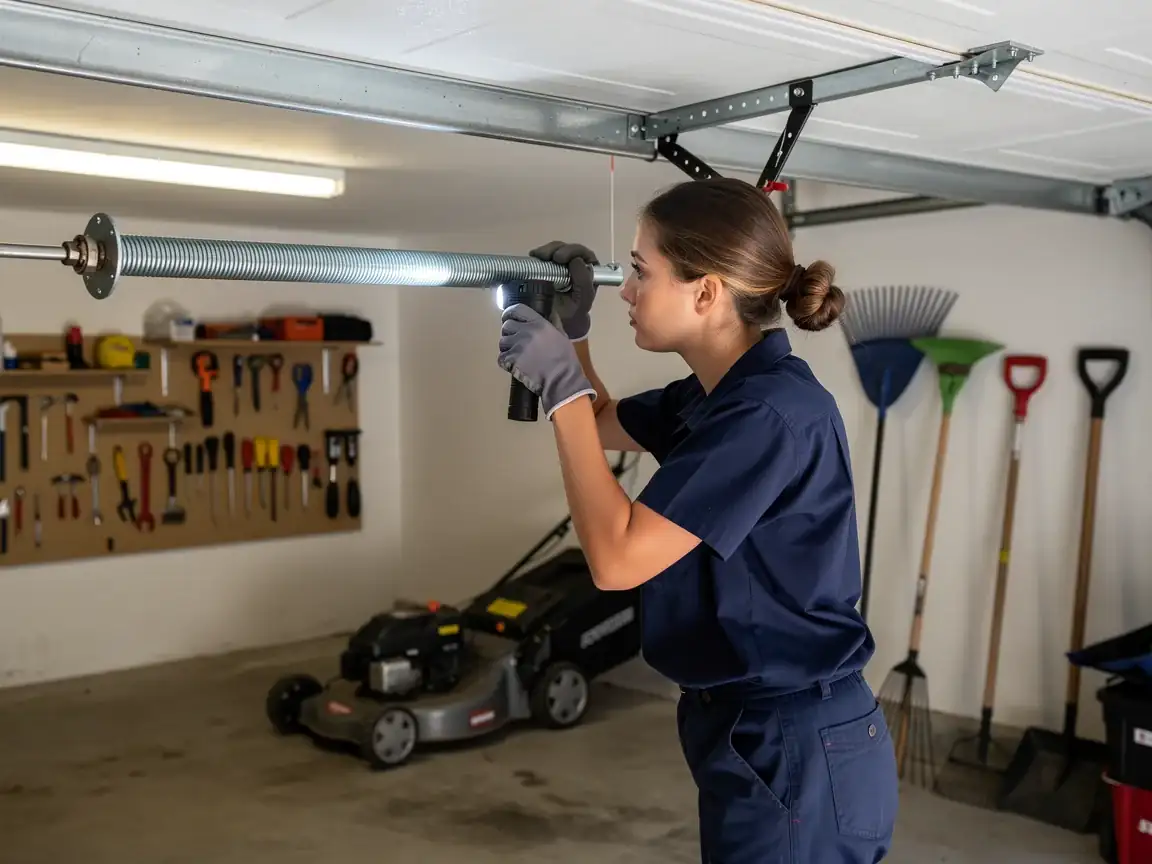
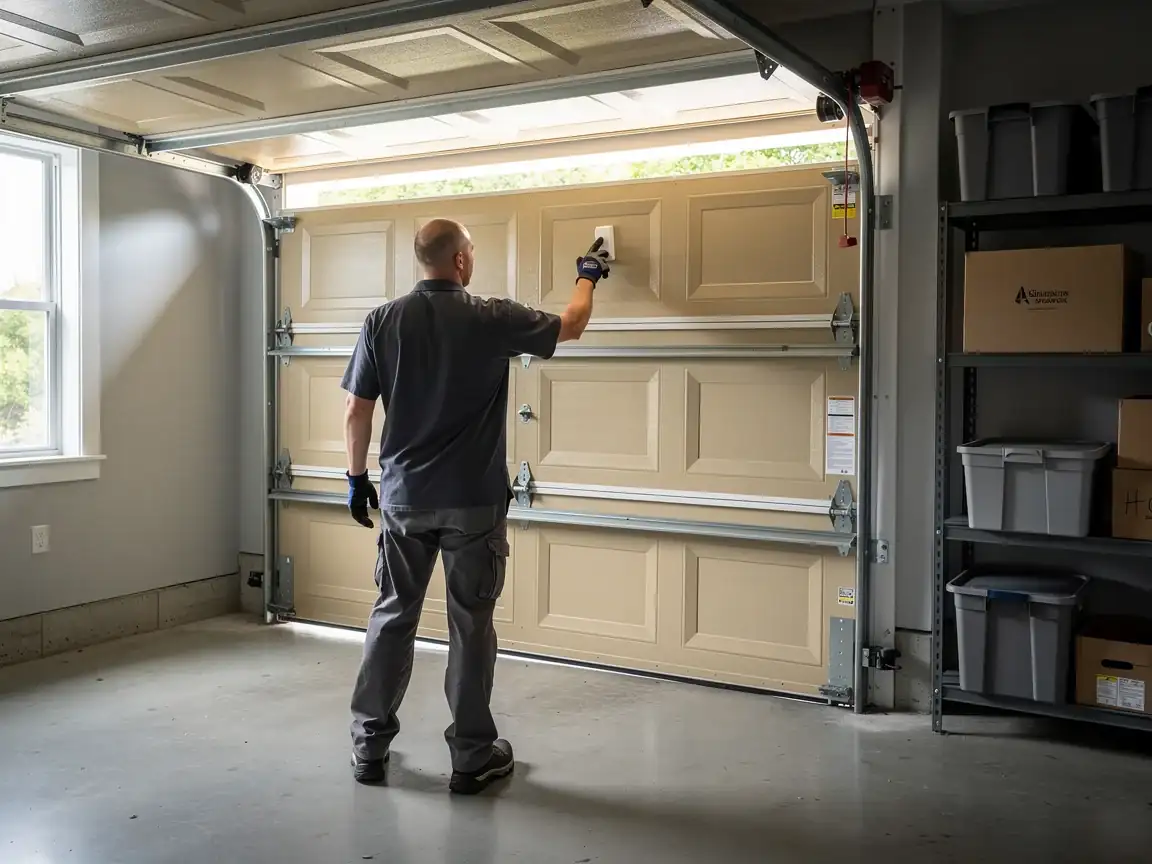
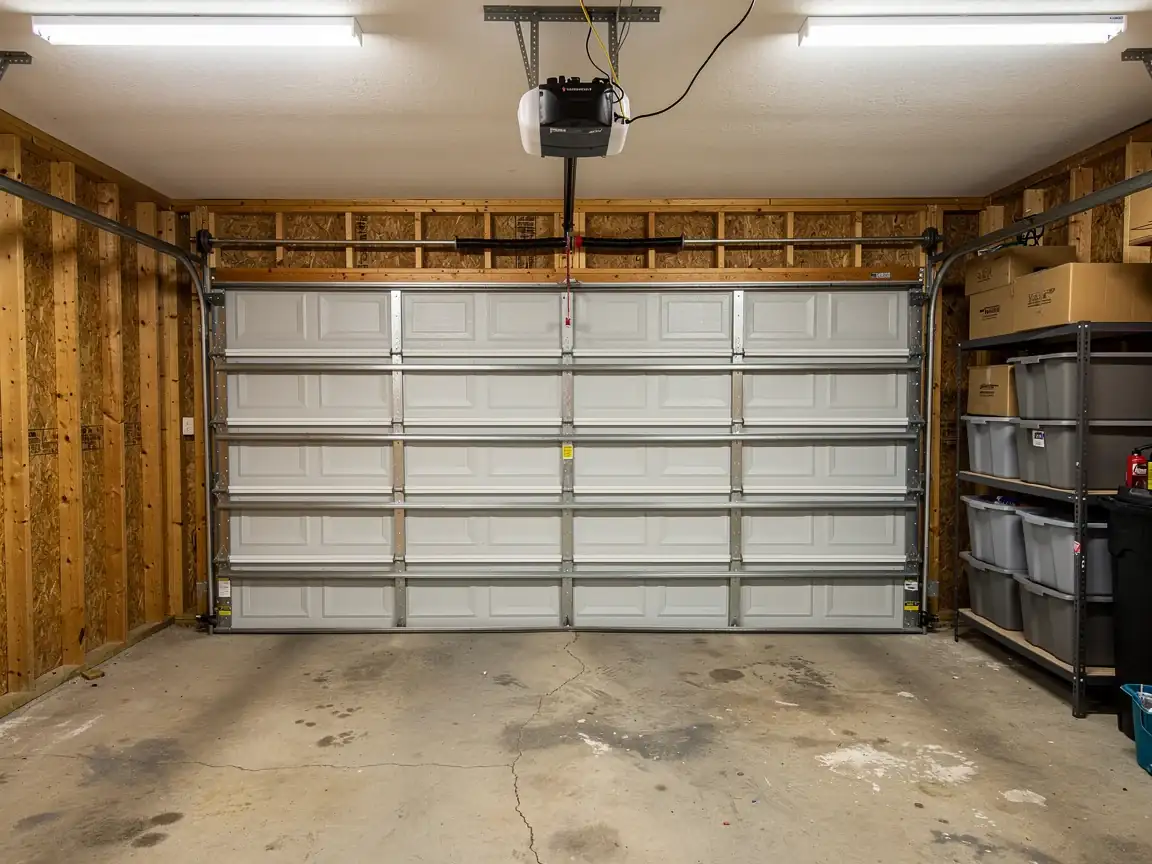
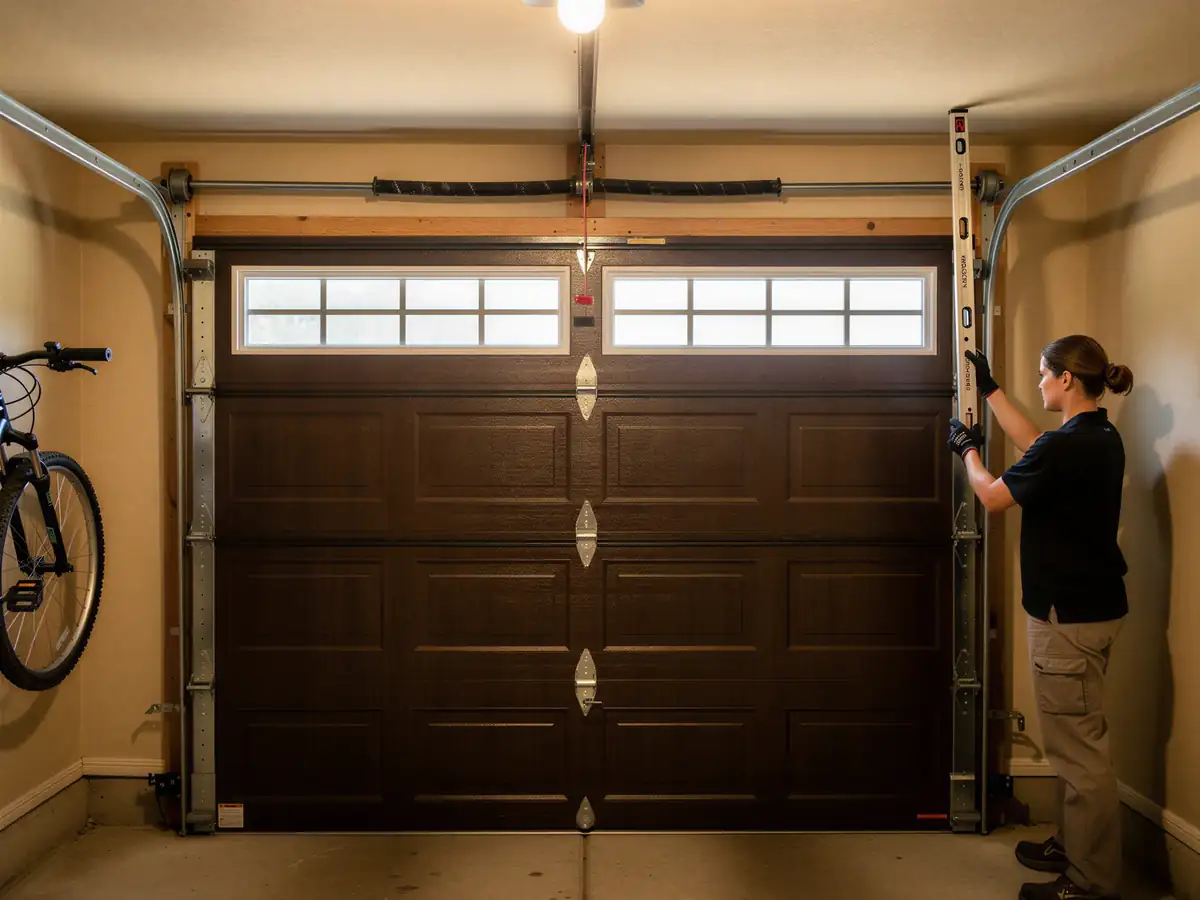
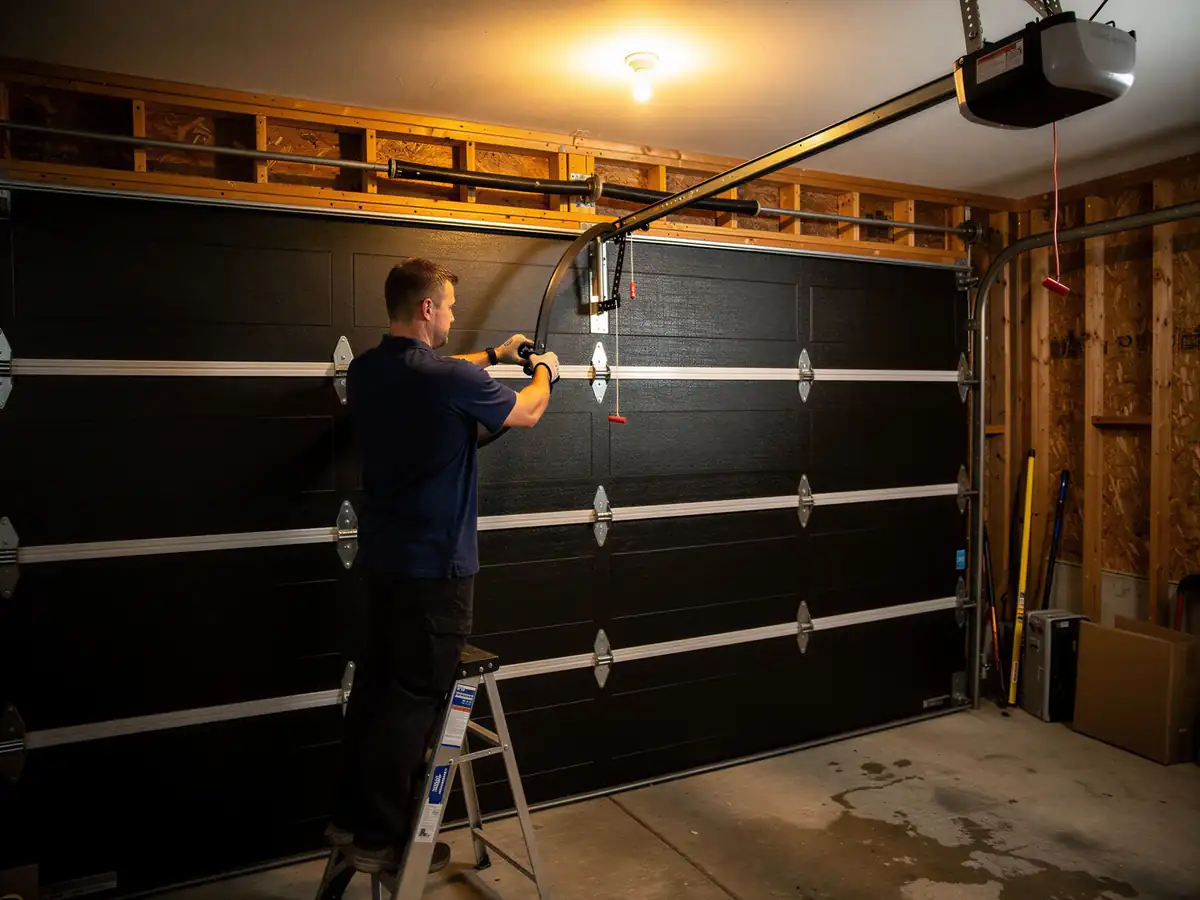
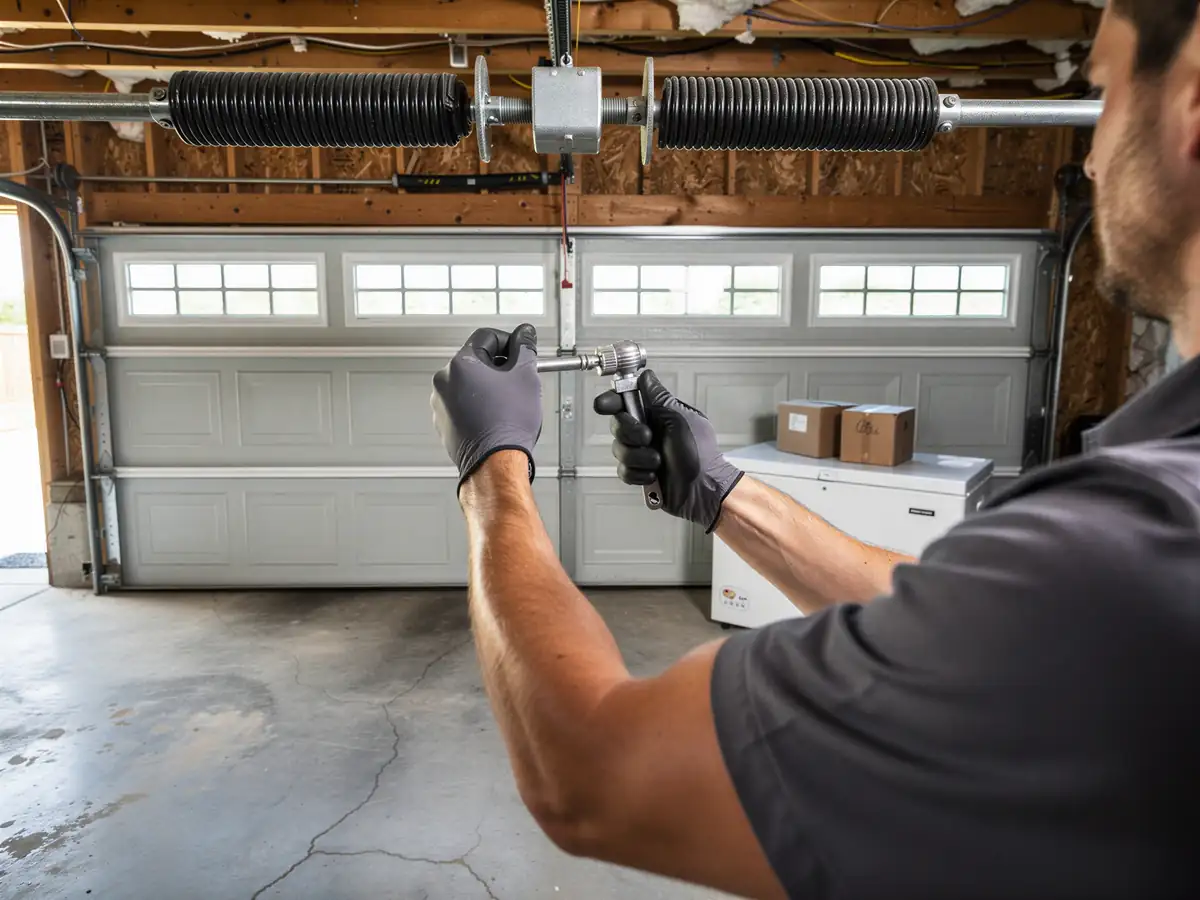
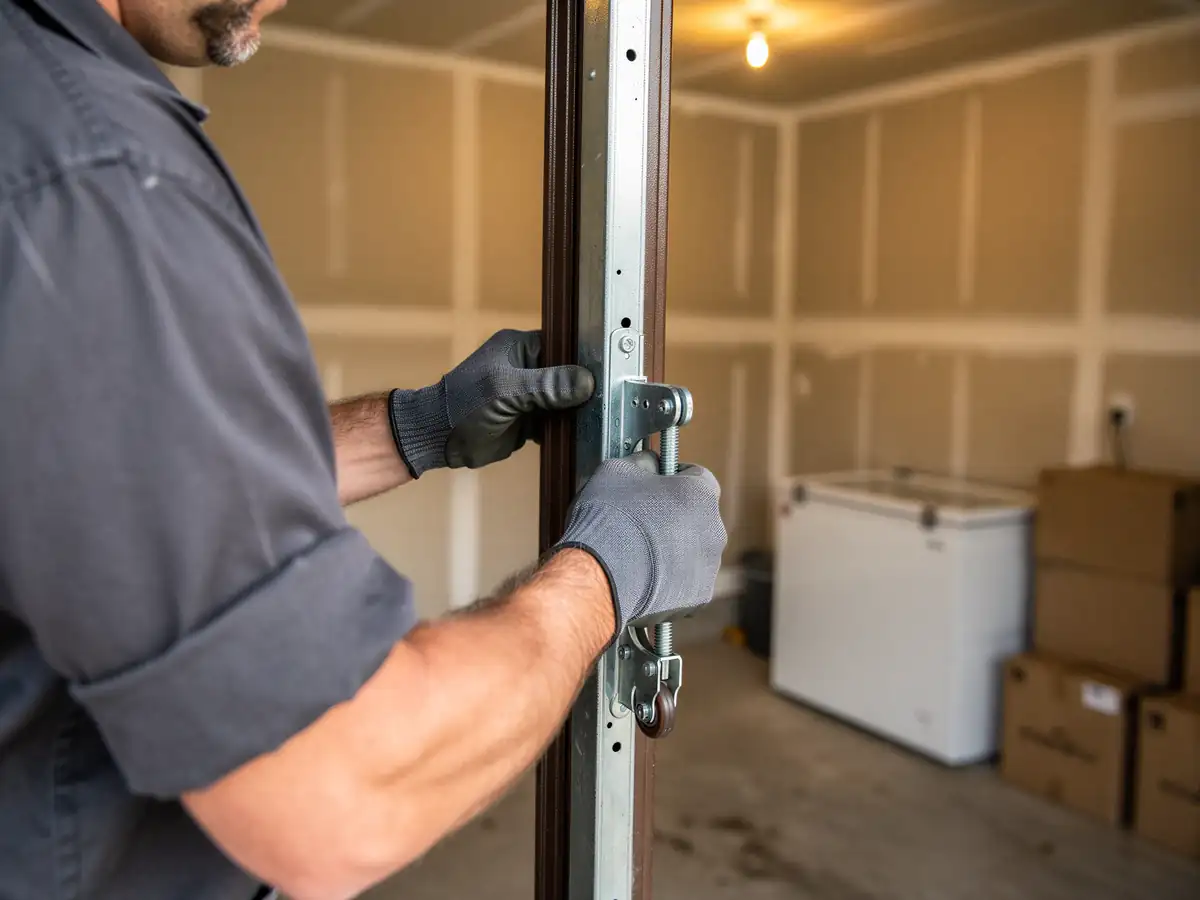
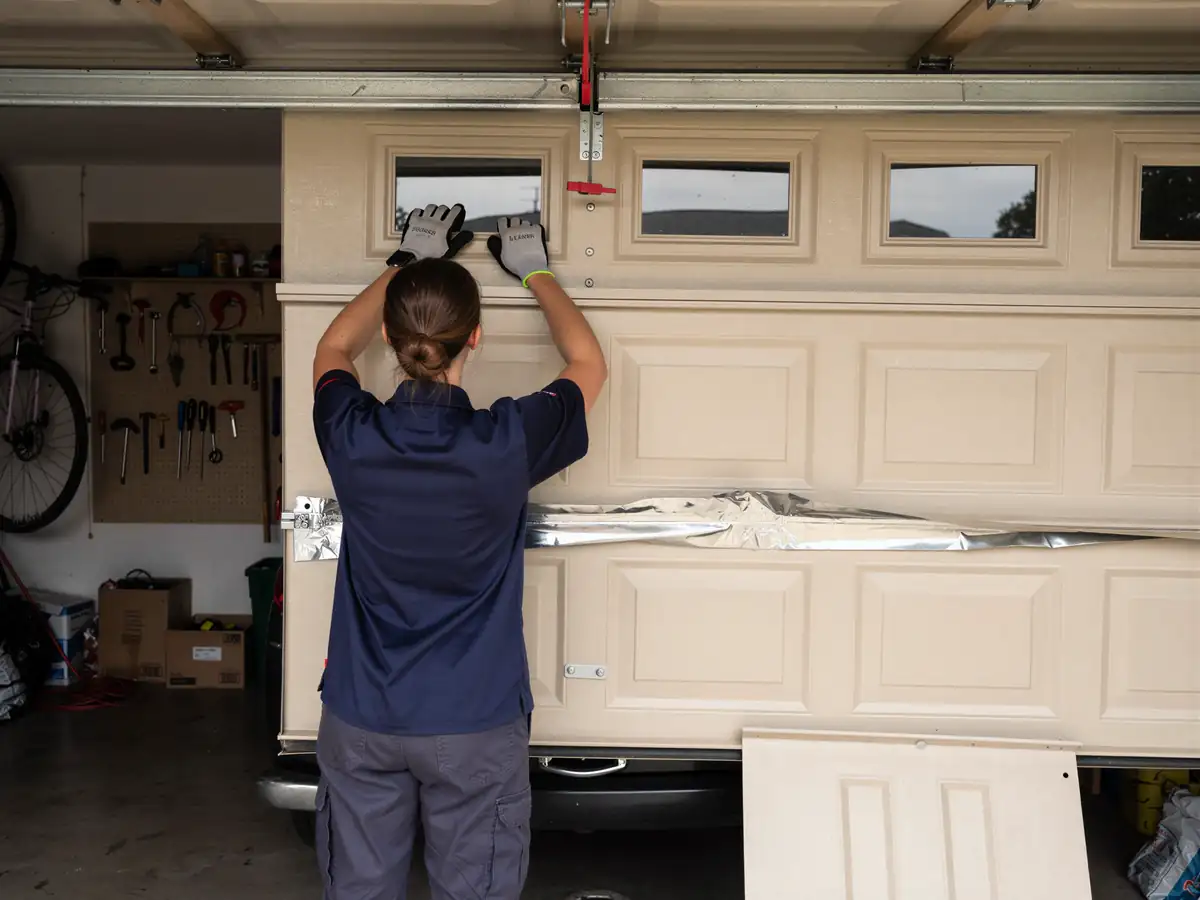
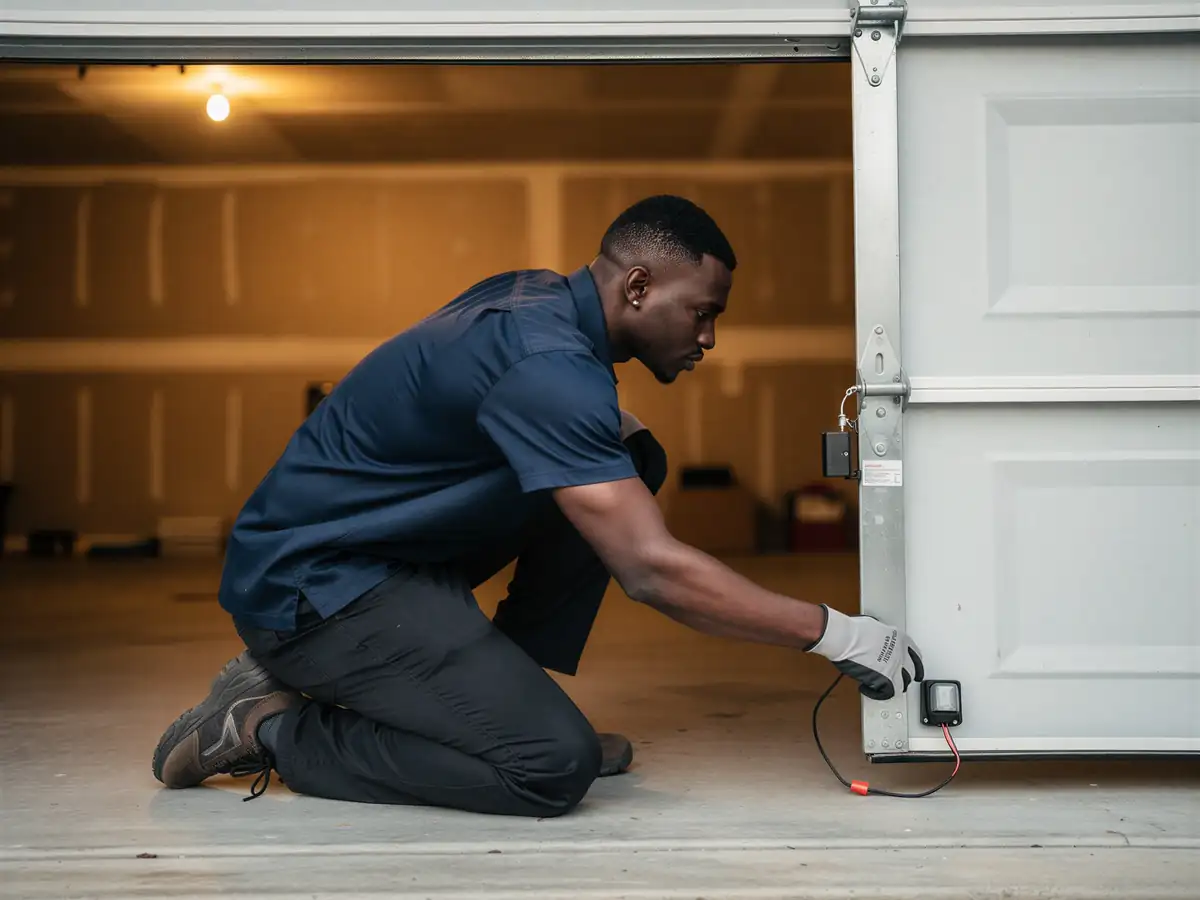
On a door with original or near-original hardware from a 1959 build, the repair usually isn't the opener - it's the stuff behind the opener that nobody looks at. Torsion springs rated for a wood-core door from that era don't match the lighter steel doors that got swapped in somewhere along the way, so tension is often wrong even on a door that's been 'repaired' before. Track alignment on these older jamb setups has usually shifted a little from decades of settling, which is why a roller replacement alone doesn't always fix the noise. We check spring cycle count and track plumb before we touch anything cosmetic, because replacing a cable without correcting the spring tension just means we're back for the cable again in a year.
What Is on the Truck
We carry torsion and extension springs across the range that covers wood-core and early steel doors, plus the galvanized cable and drum sets that match hardware from the 1956-2005 building window this whole area falls into. Rollers in both nylon and steel, since a lot of these garages never got upgraded from the original steel roller and the noise complaint is almost always that. We also keep common opener circuit boards and logic boards on hand, because a lot of openers added to these houses in the 80s and 90s are now at the age where the board goes before the motor does. One honest limit: if a part is specific to a door model that's been out of production for decades and nobody stocks the exact panel, we'll tell you that up front rather than quote a repair we can't actually complete that day.