What the Repair Takes
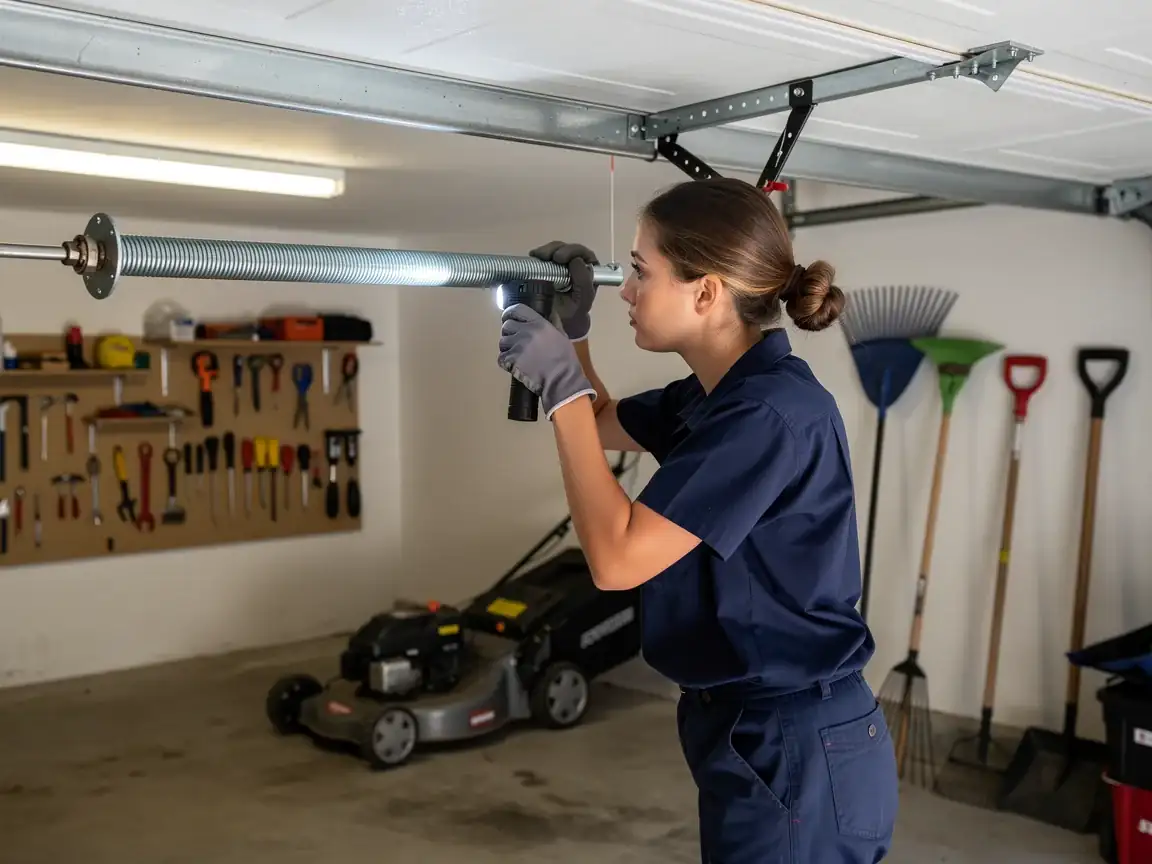
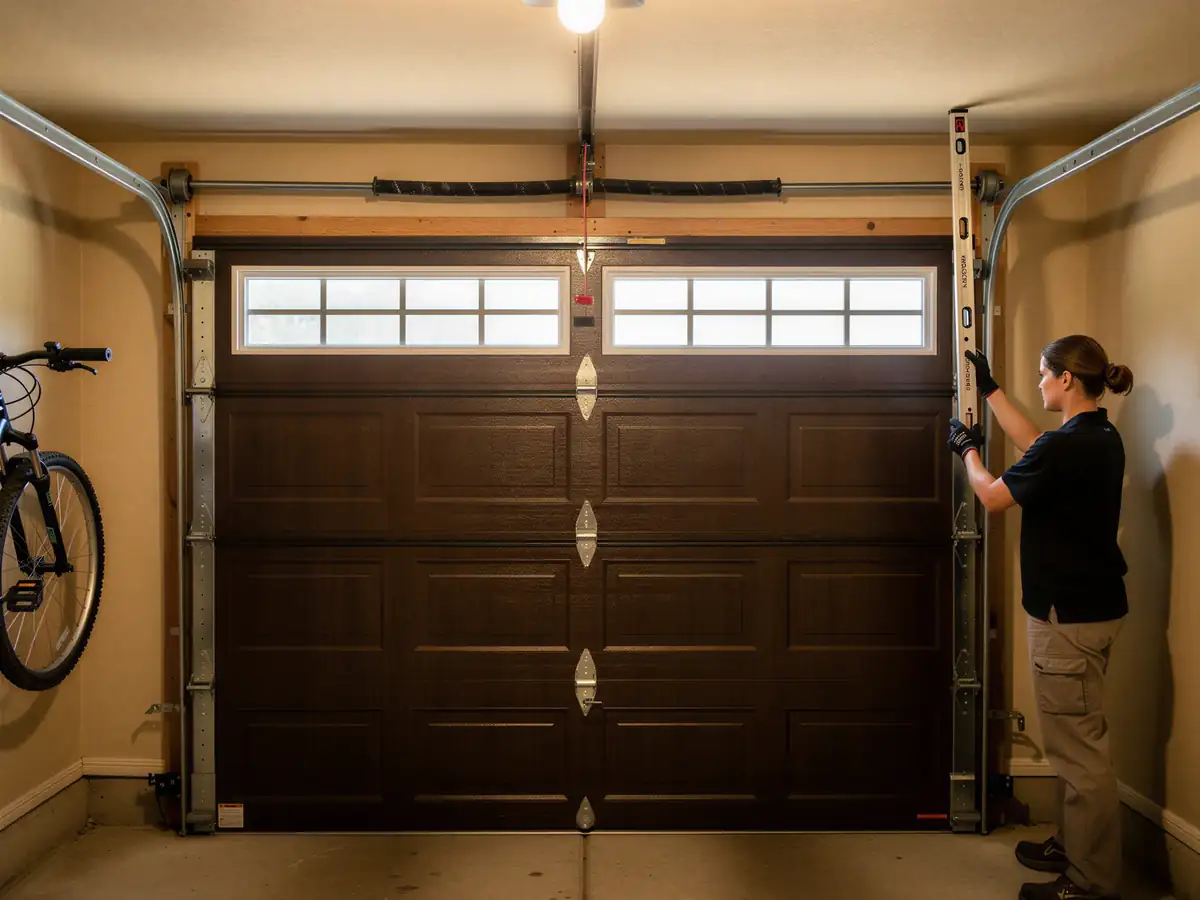
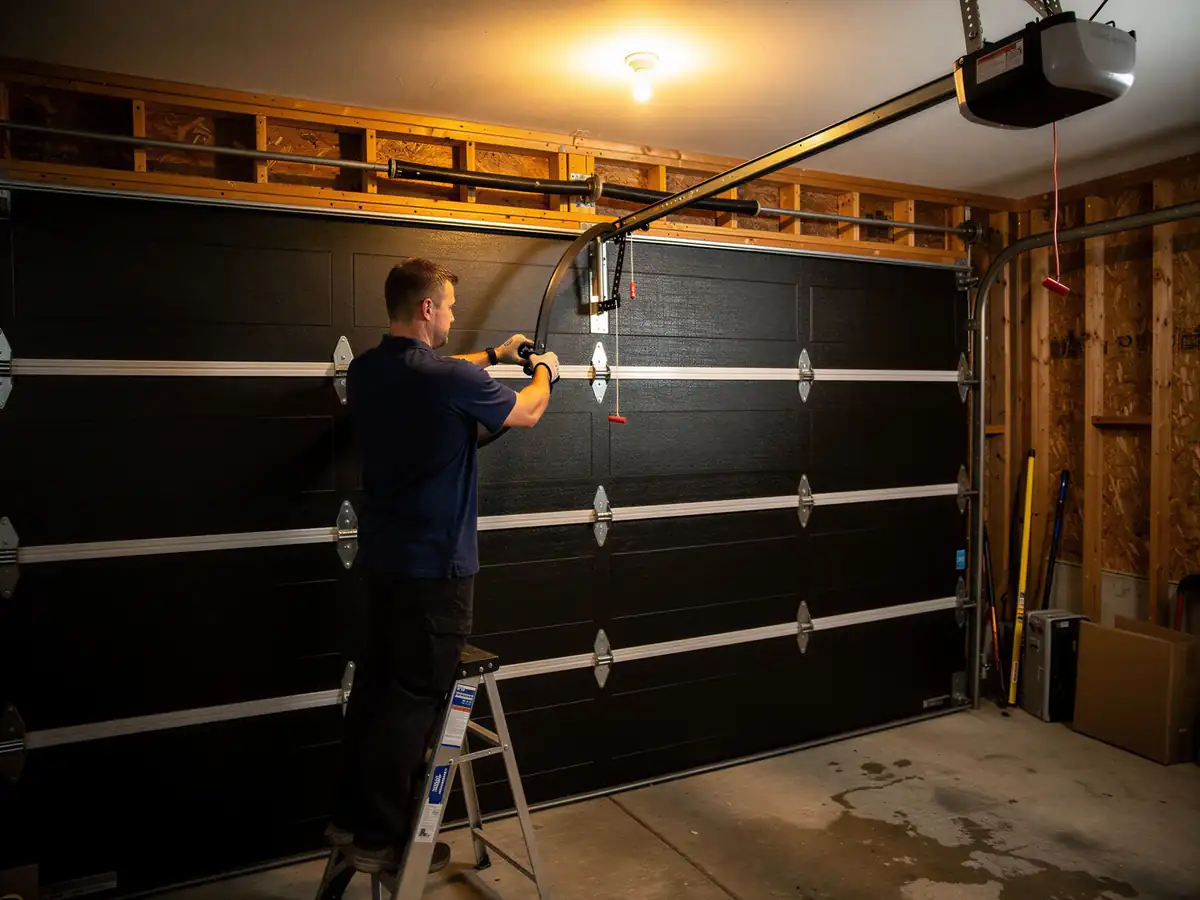
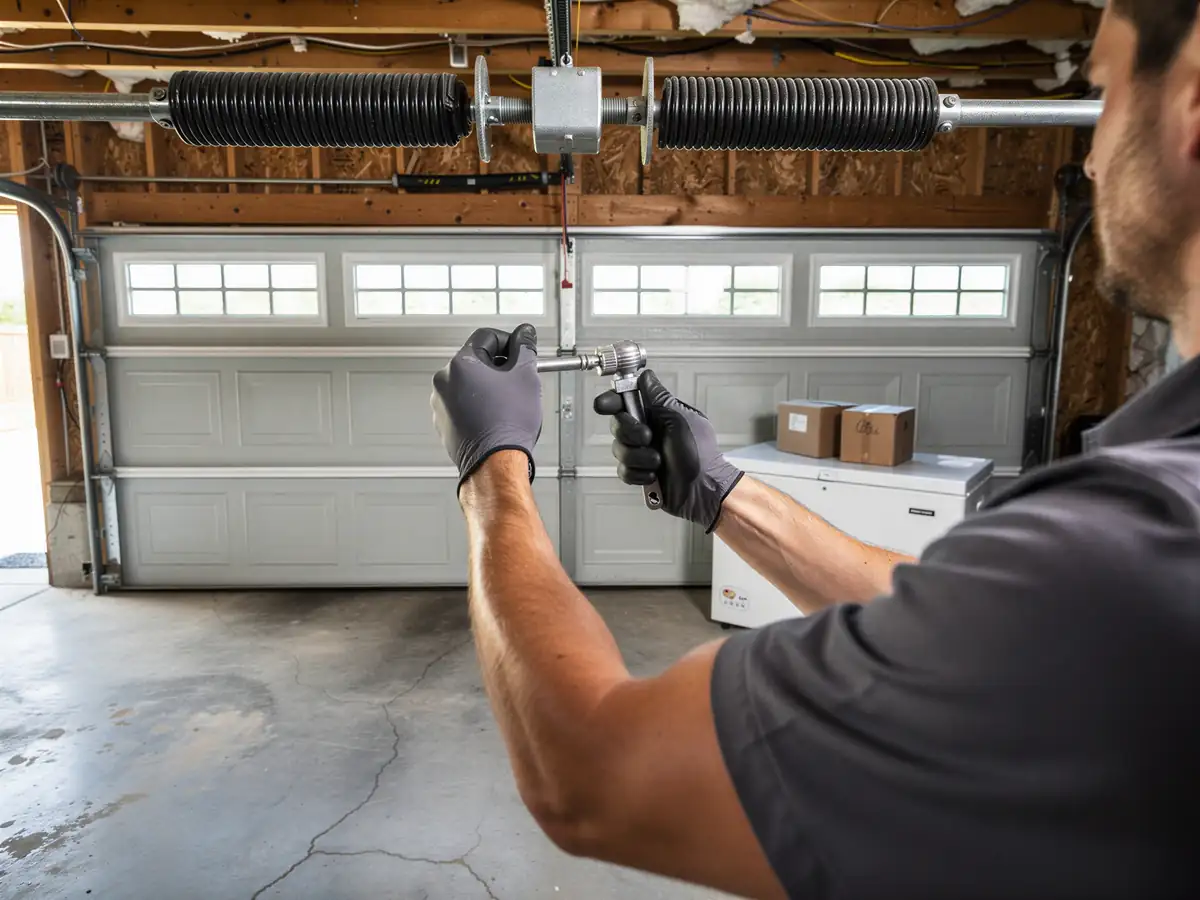
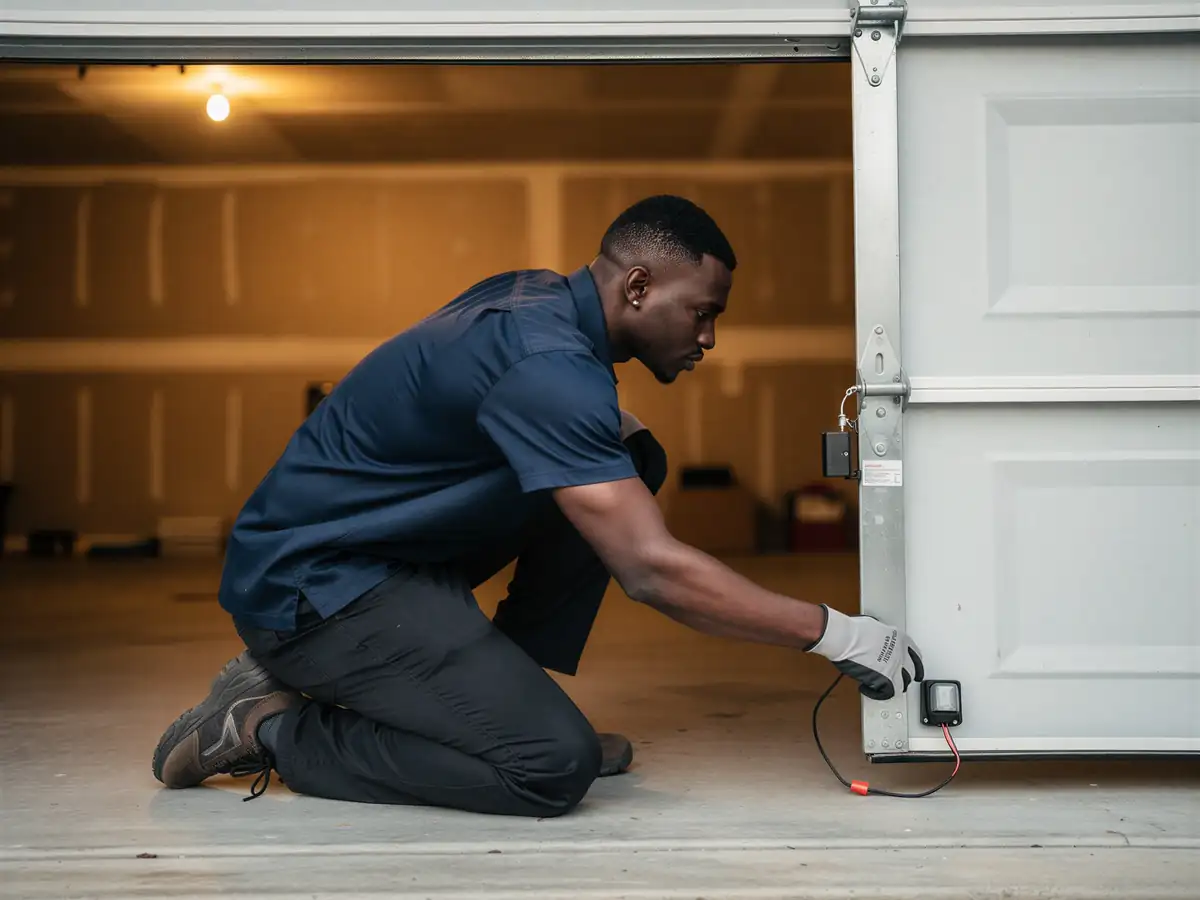
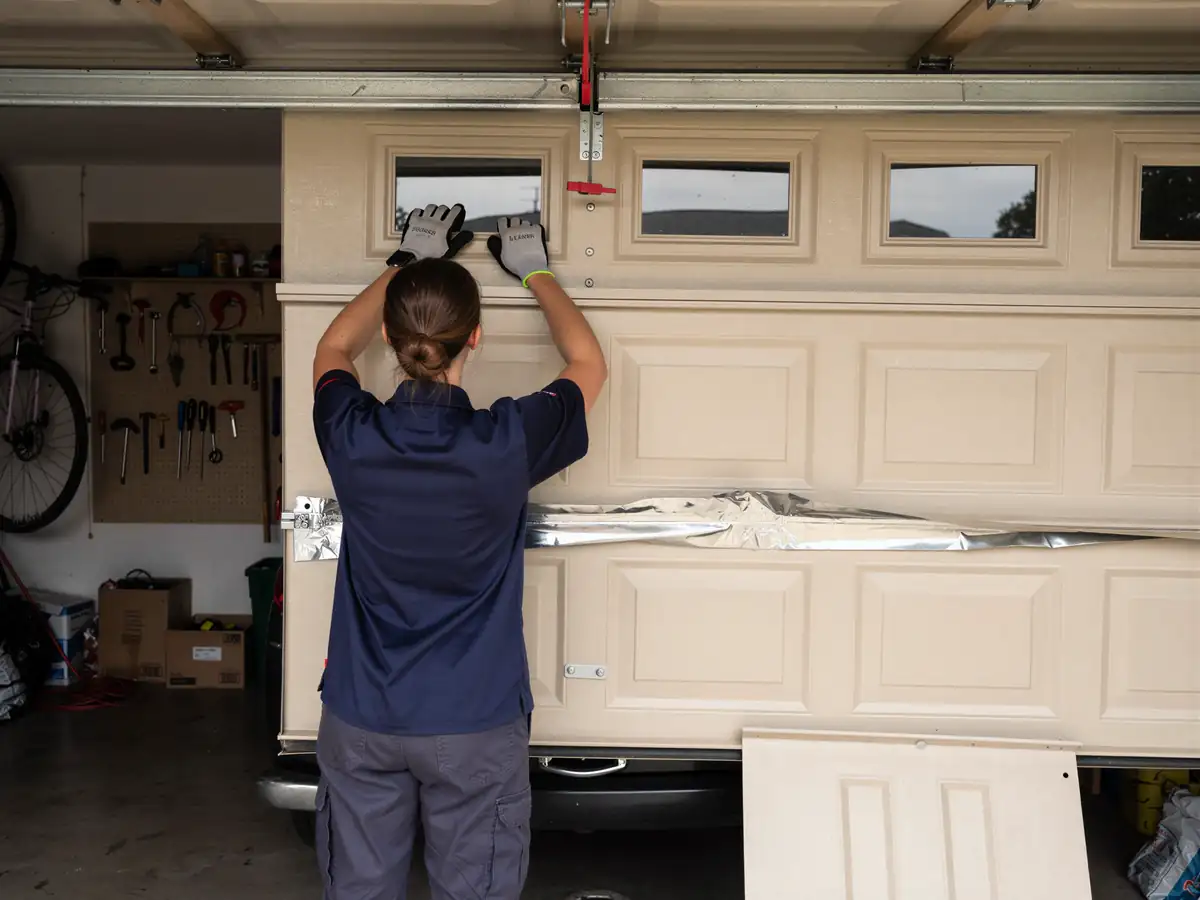
At the area's median household income of $86,752, a lot of Crystal owners are weighing a $300-$600 panel swap against a $1,200-plus full door, and that math only works if the rest of the door is sound. We check the opposite panels for the same rust or impact damage, the track alignment, and whether the spring is original to a door built around 1959 - because replacing one panel on a door whose springs are already fifteen years past their cycle count is money spent twice. If two or more panels are compromised or the steel has gone soft at the seams, we say so and let you decide, rather than quietly patching a door that is going to need replacing in a year anyway.
What Is on the Truck
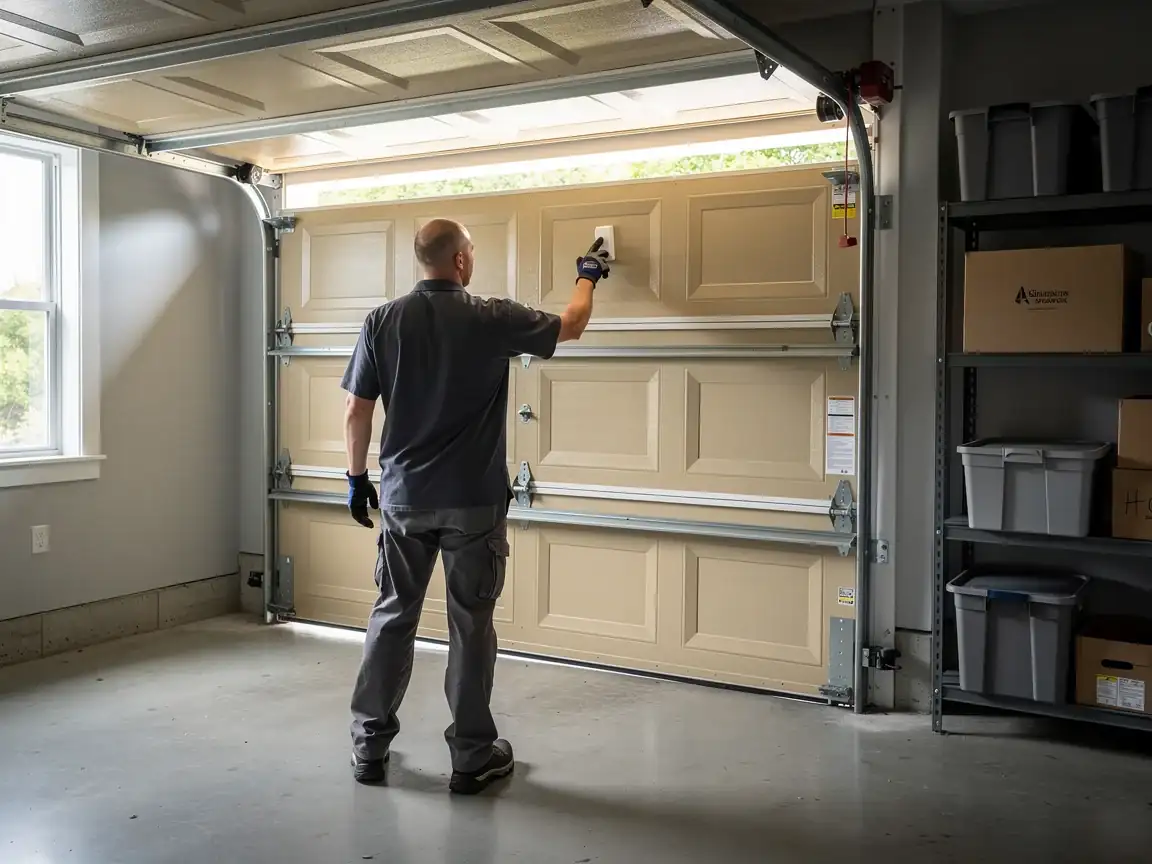
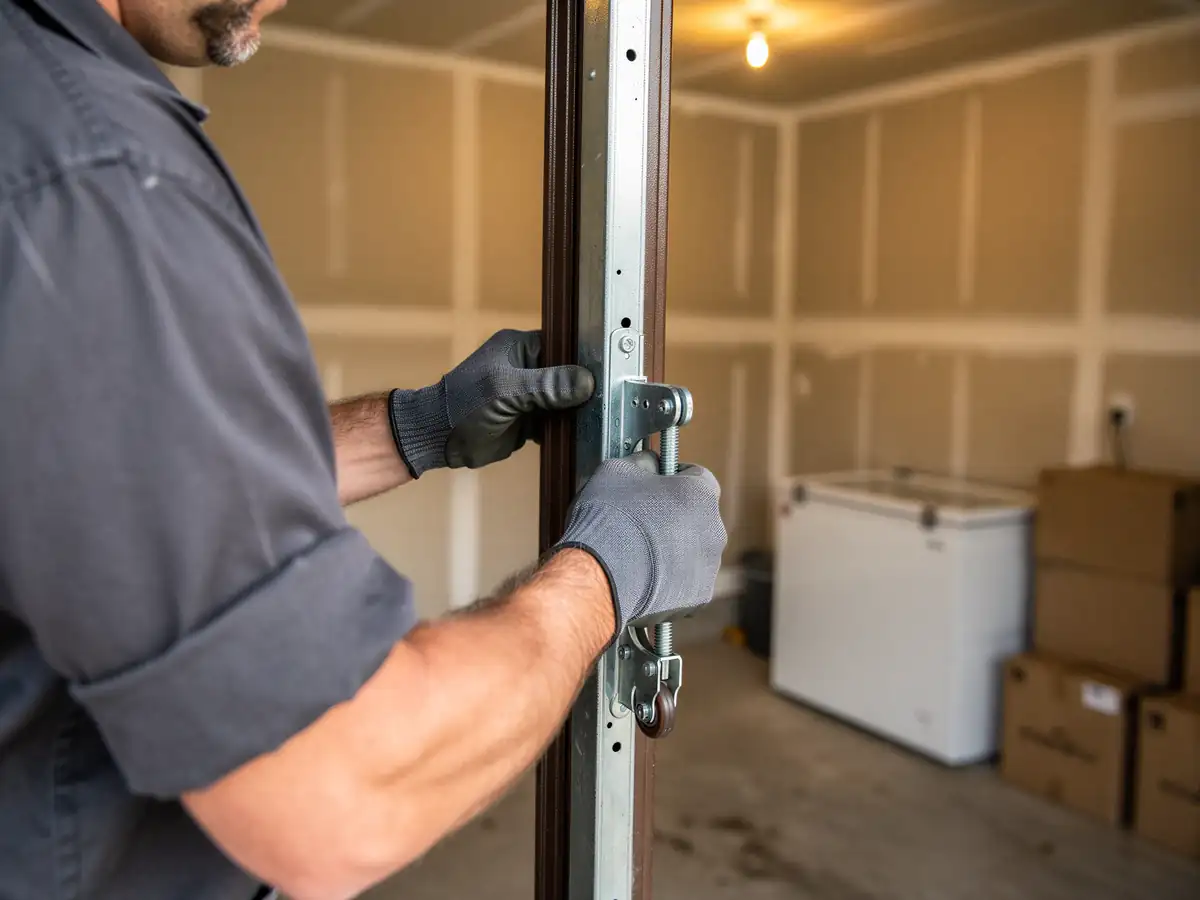
We stock the common panel widths and the standard steel gauges that cover most doors built from the 1960s through the 1980s, which is the bulk of what we see on this side of the metro. What we do not carry are the discontinued wood-grain embossments and the narrow-stile panels that some 1959-era doors still have - those get special-ordered once we have measured in person, and lead time runs a few days to a couple of weeks depending on the manufacturer. We will not install a panel that does not match the gauge of the rest of the door; a mismatched panel flexes differently in cold weather and it shows.
How to Book
Call and tell us the panel location (top, bottom, which side) and roughly how old the door is if you know it - that alone tells us a lot before we even arrive. We serve Crystal from Savage, so we schedule the visit once we know what we're bringing. You can see the other towns we reach from the same shop on our service area page, and if this turns out to be more than a panel - full door, opener, spring - that's covered on our Savage panel replacement page.
Why It Happens Here
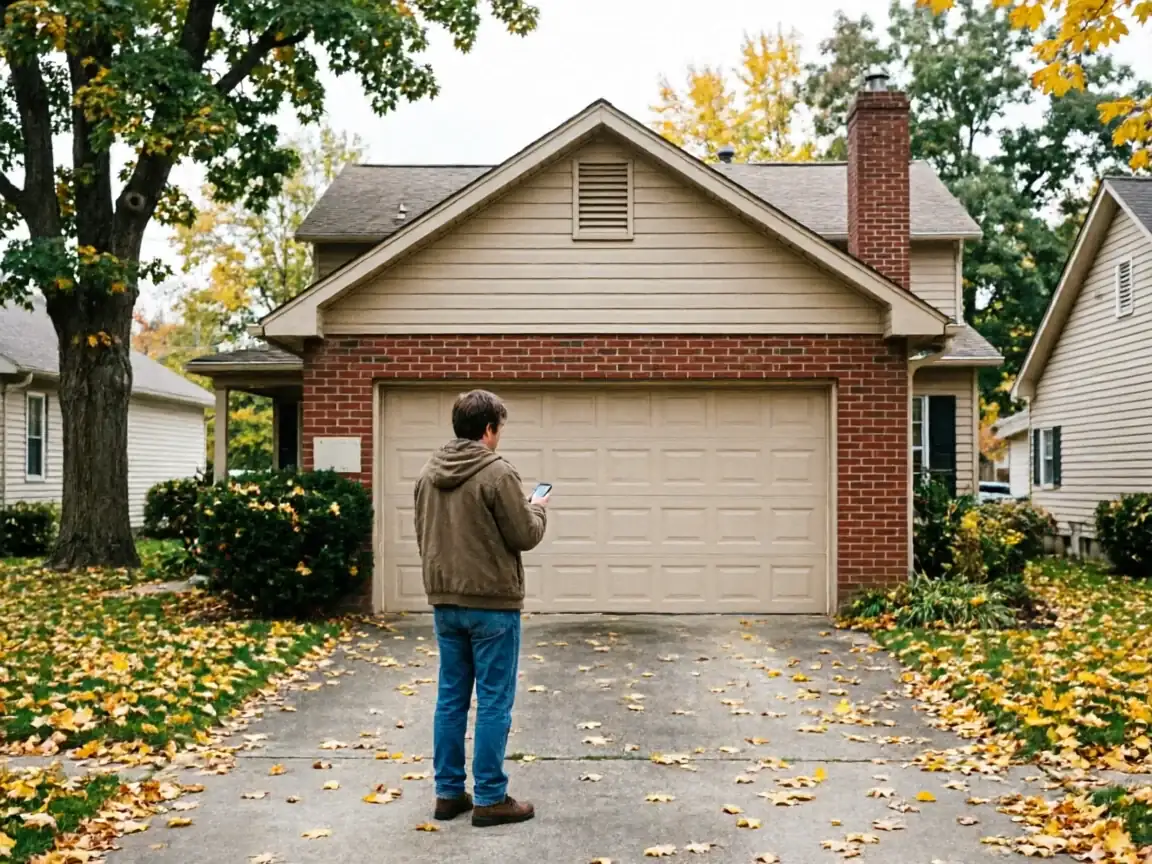
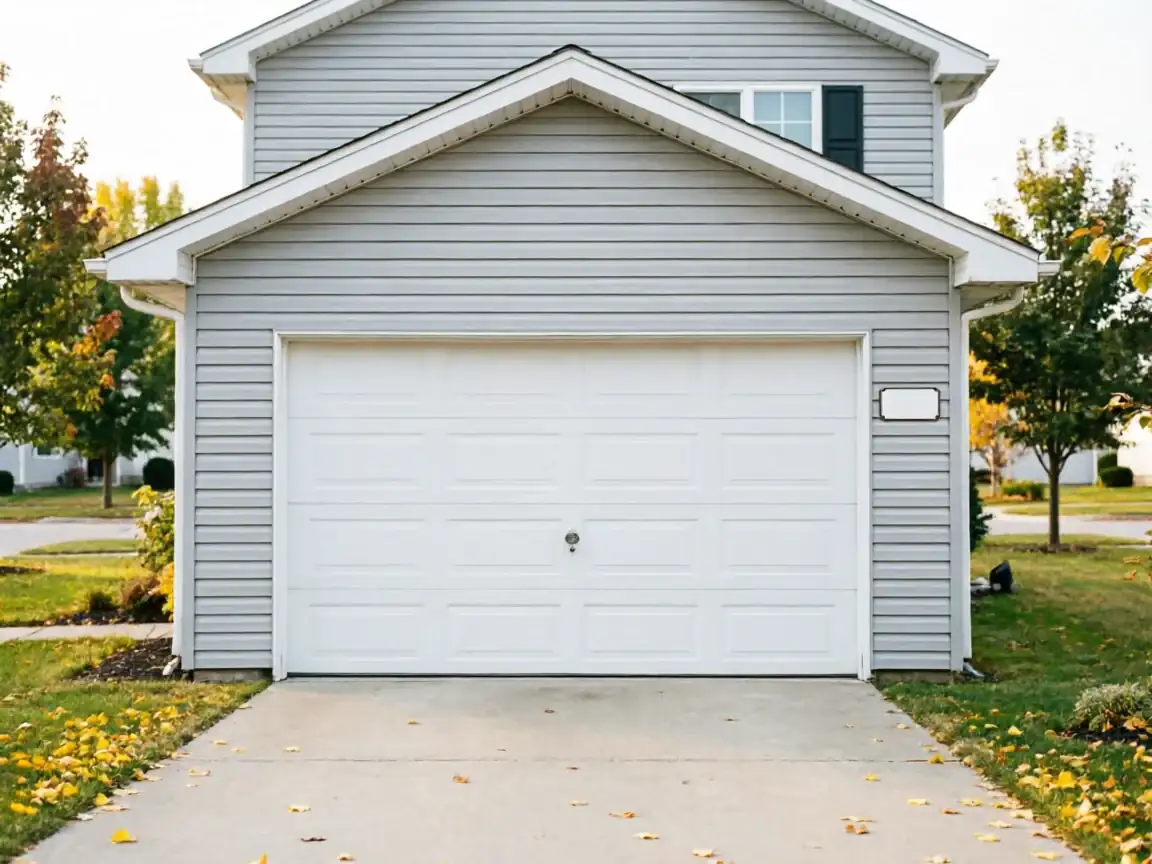
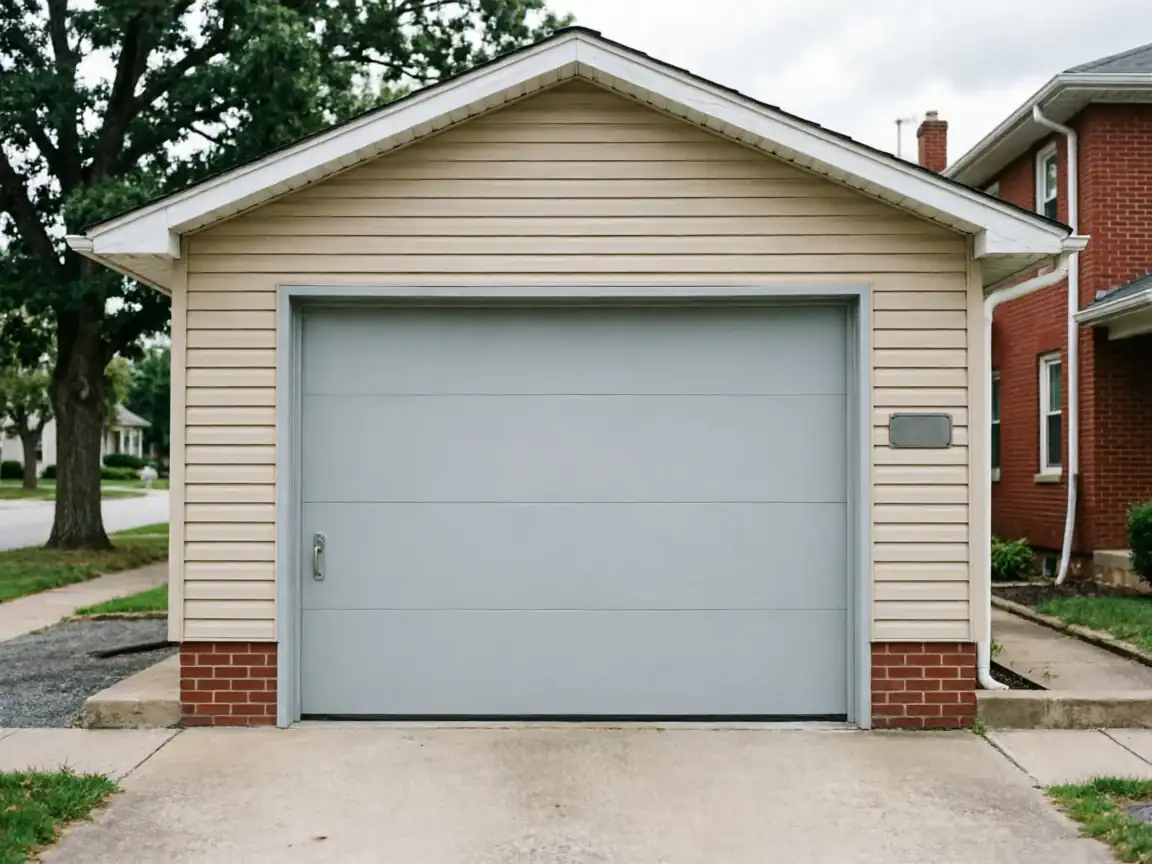
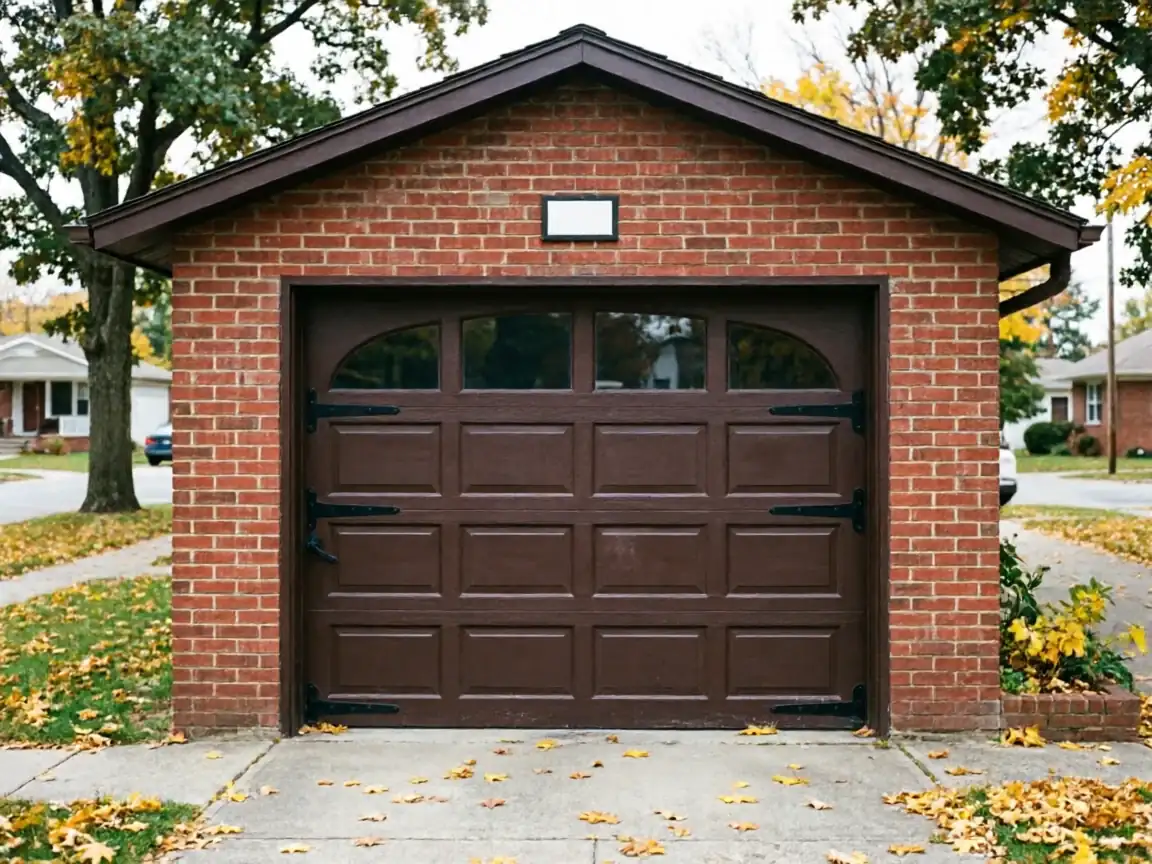
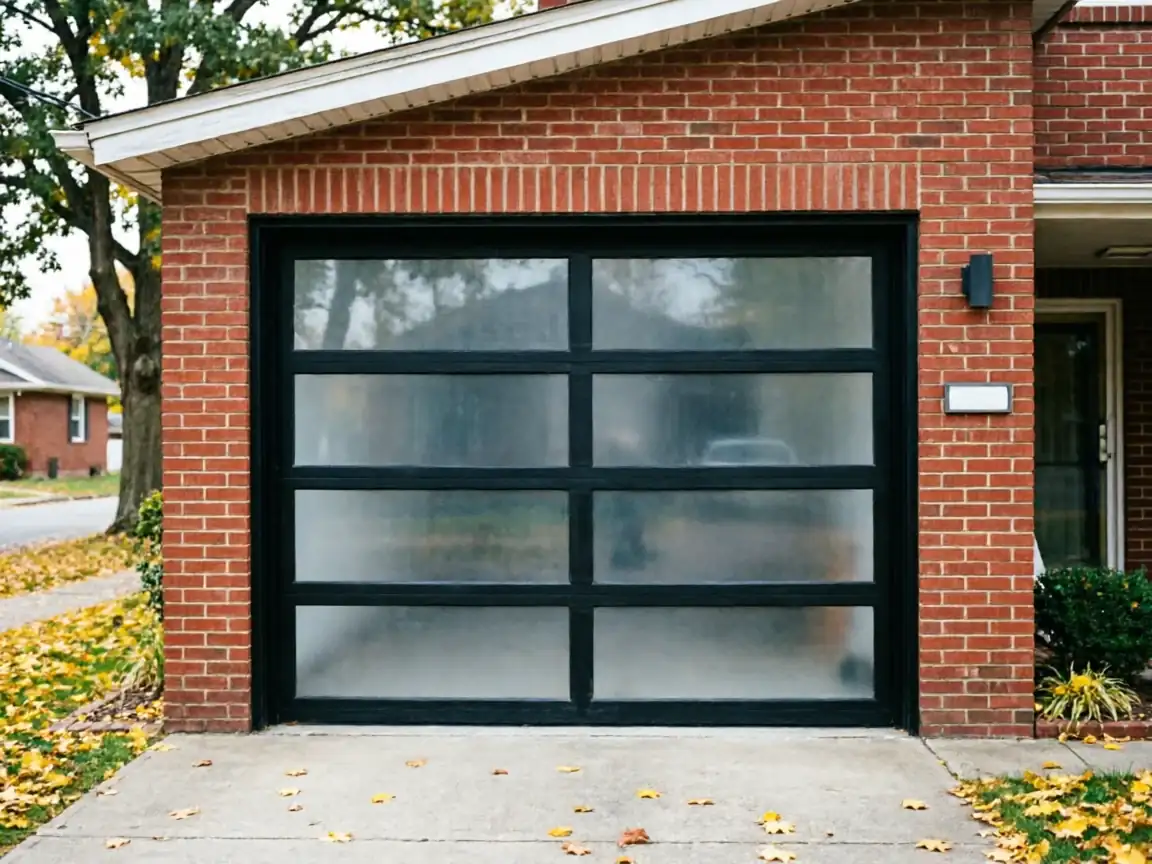
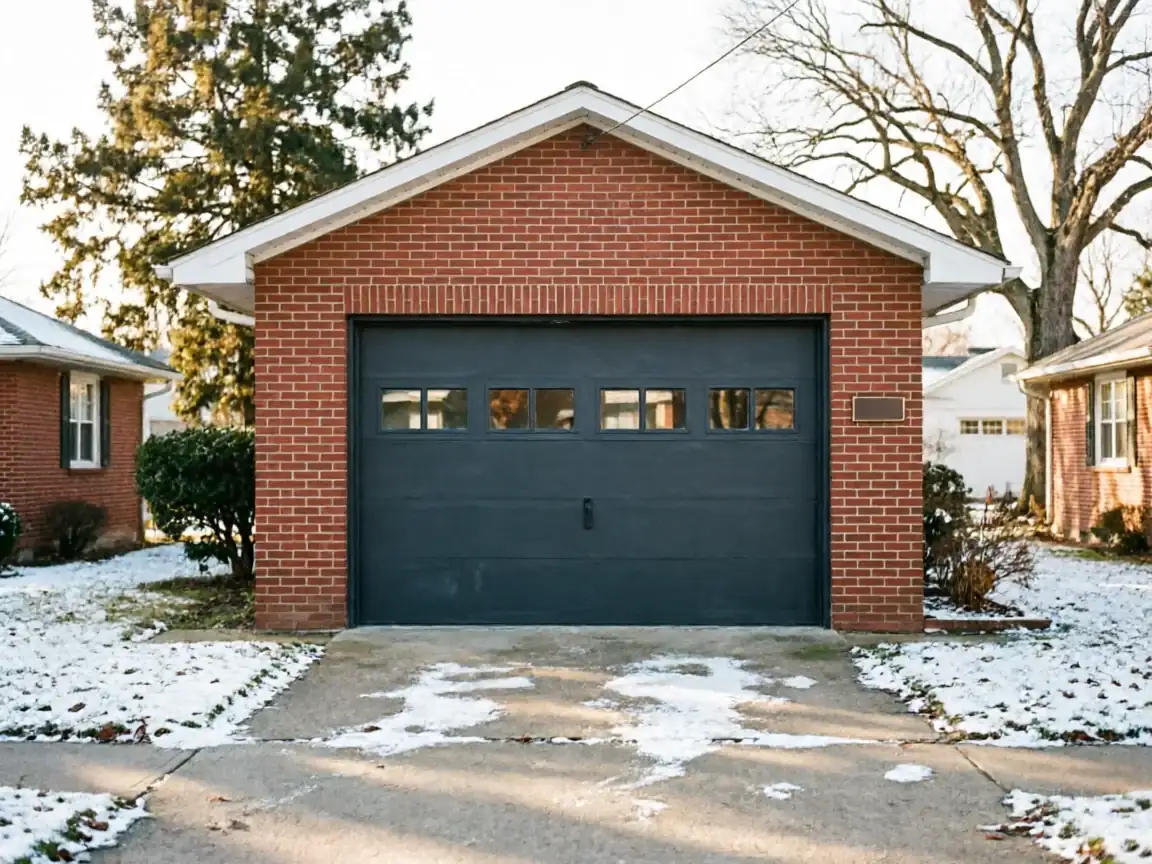
Crystal's housing stock centers on 1959, putting it right in the thick of the 1956-2005 build window across this service area, but on the earlier end of it. Doors from that era were built to older steel standards and often sized to openings that don't match today's stock widths exactly, which is why a panel match sometimes takes special ordering instead of a same-day pull from the truck. Add a moderate-cold climate that cycles steel through freeze and thaw every winter, and seams that were fine in July start separating by February. None of that is unique to one street - it's the age of the neighborhood doing what age does to steel.