
What the Repair Takes
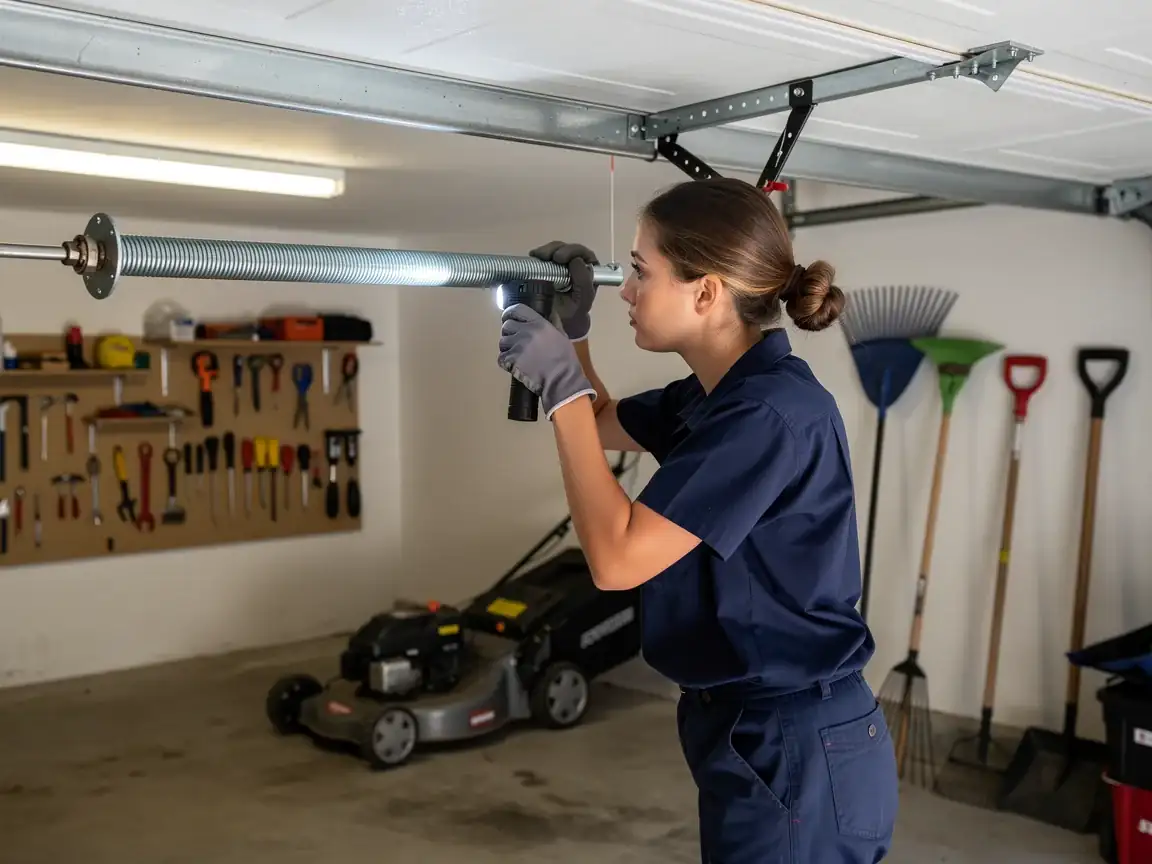
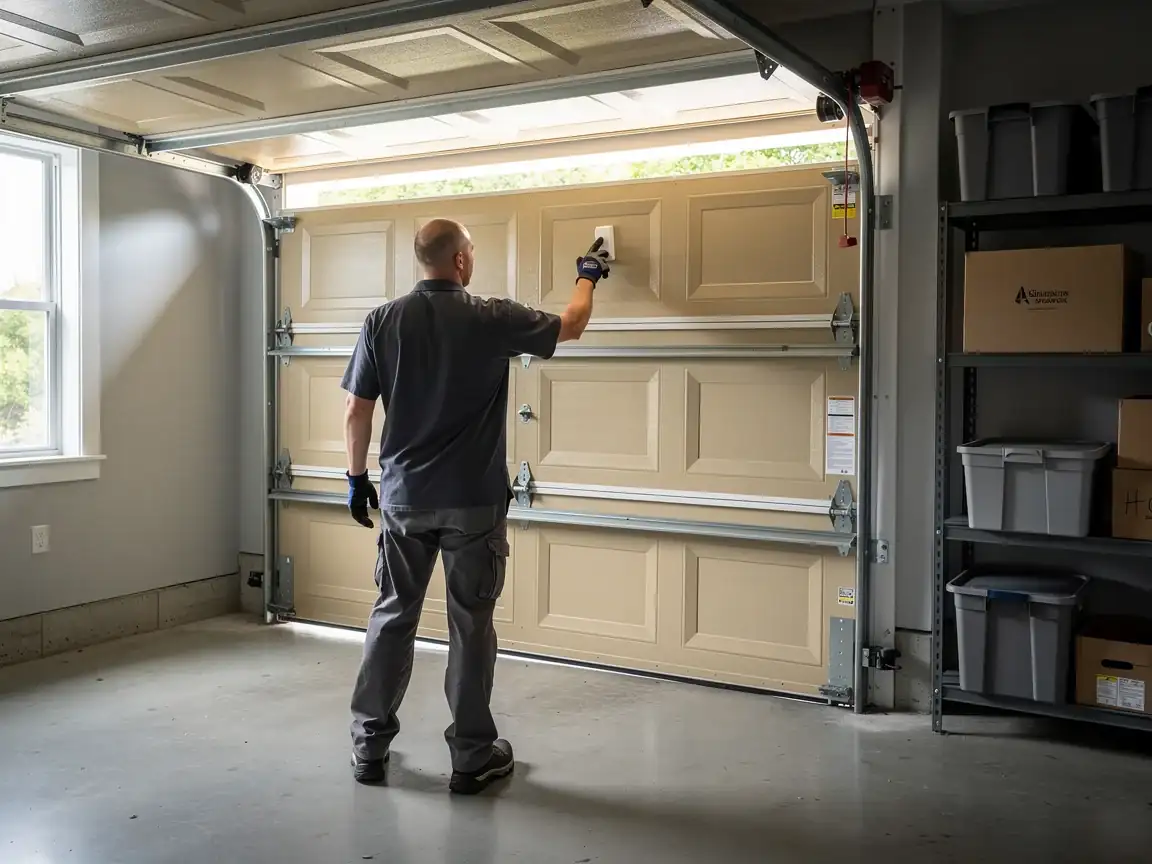
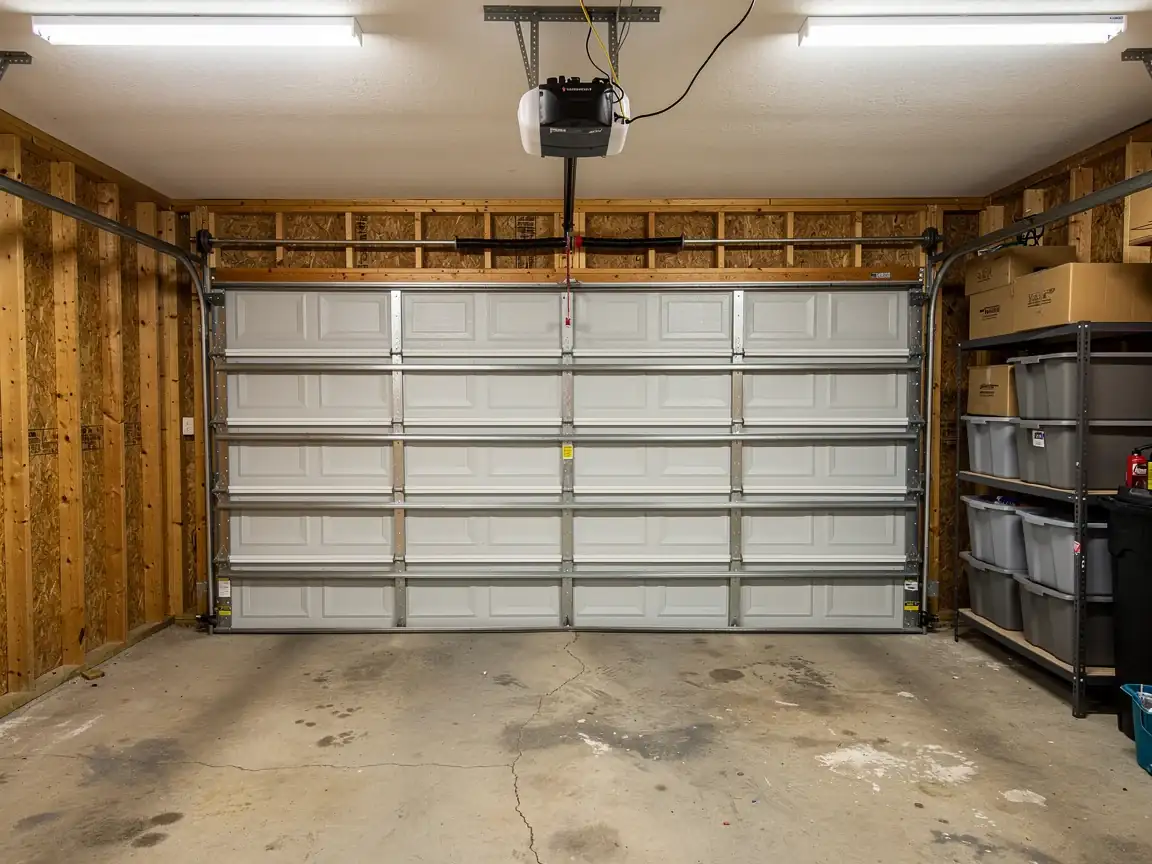
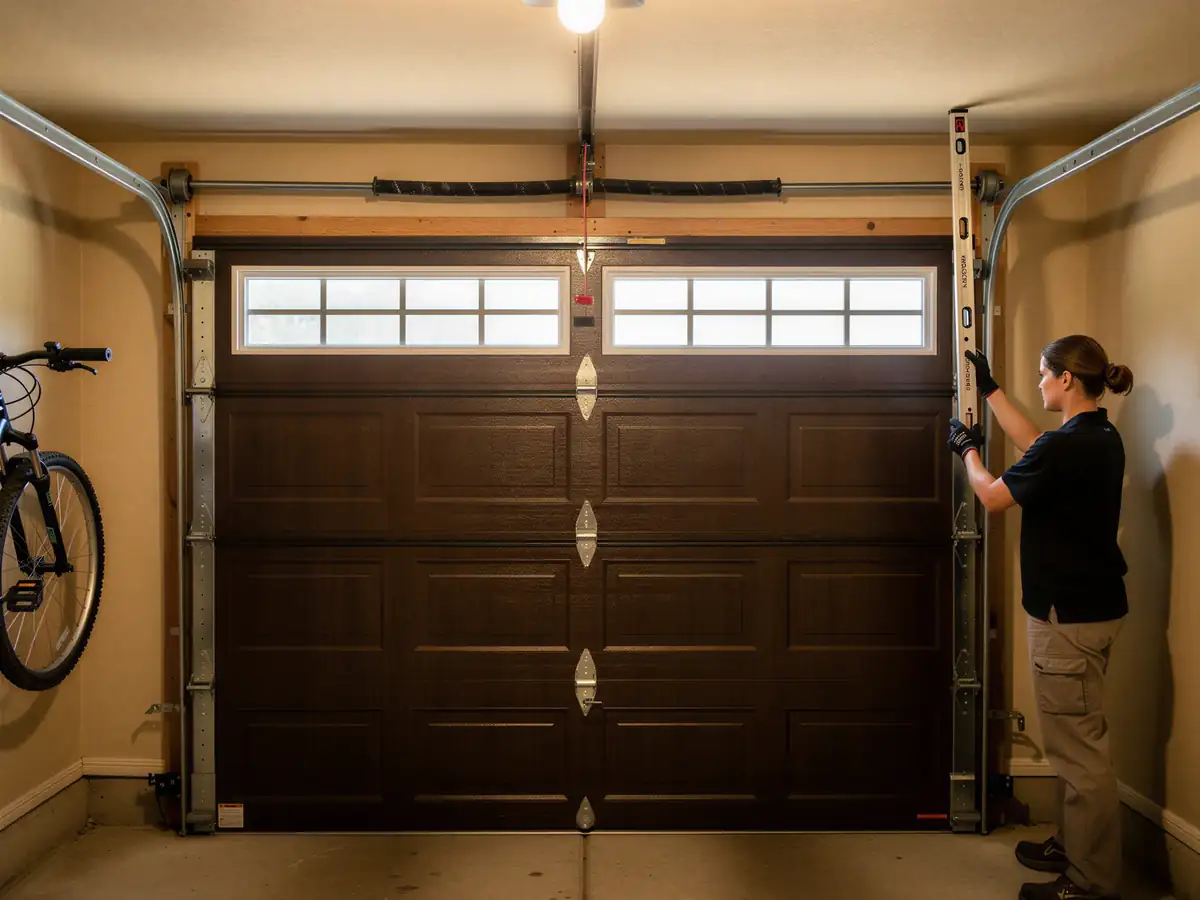
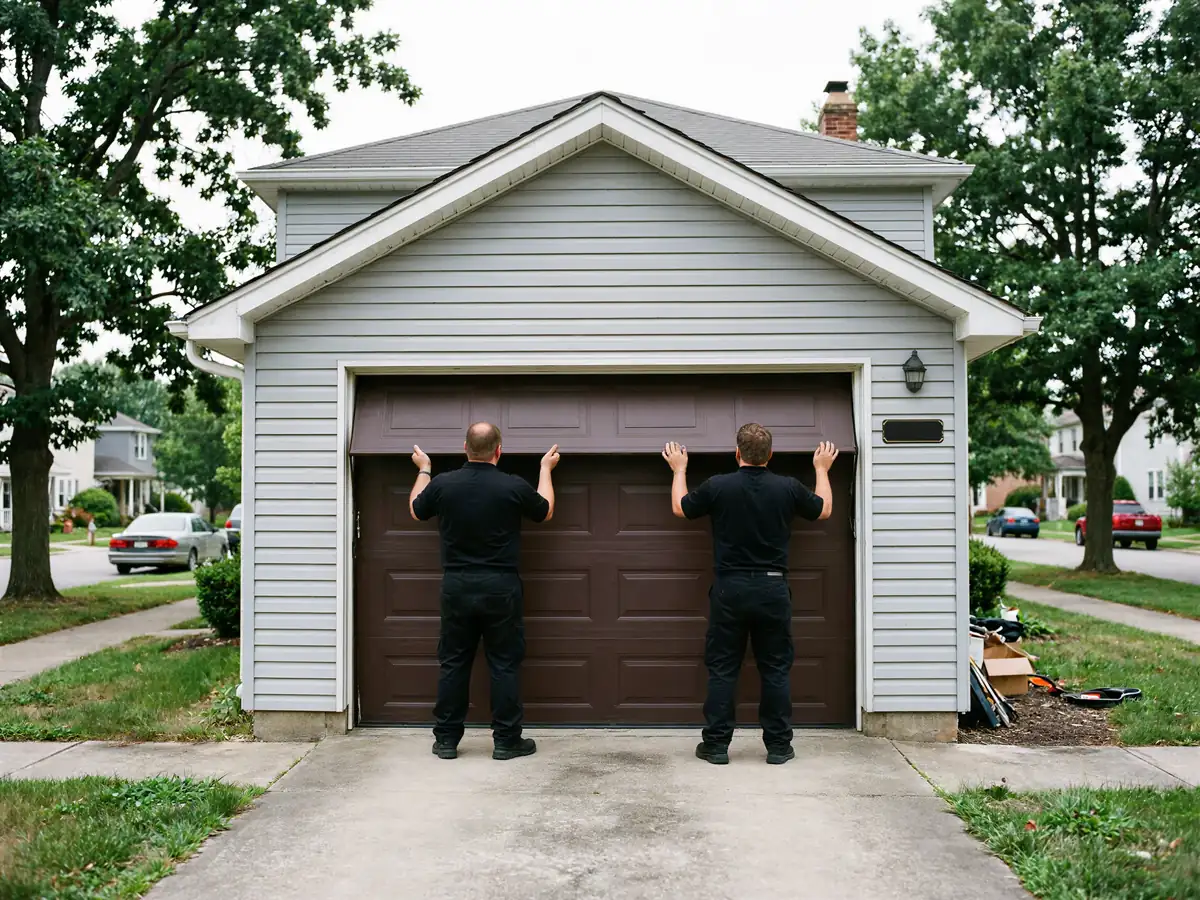
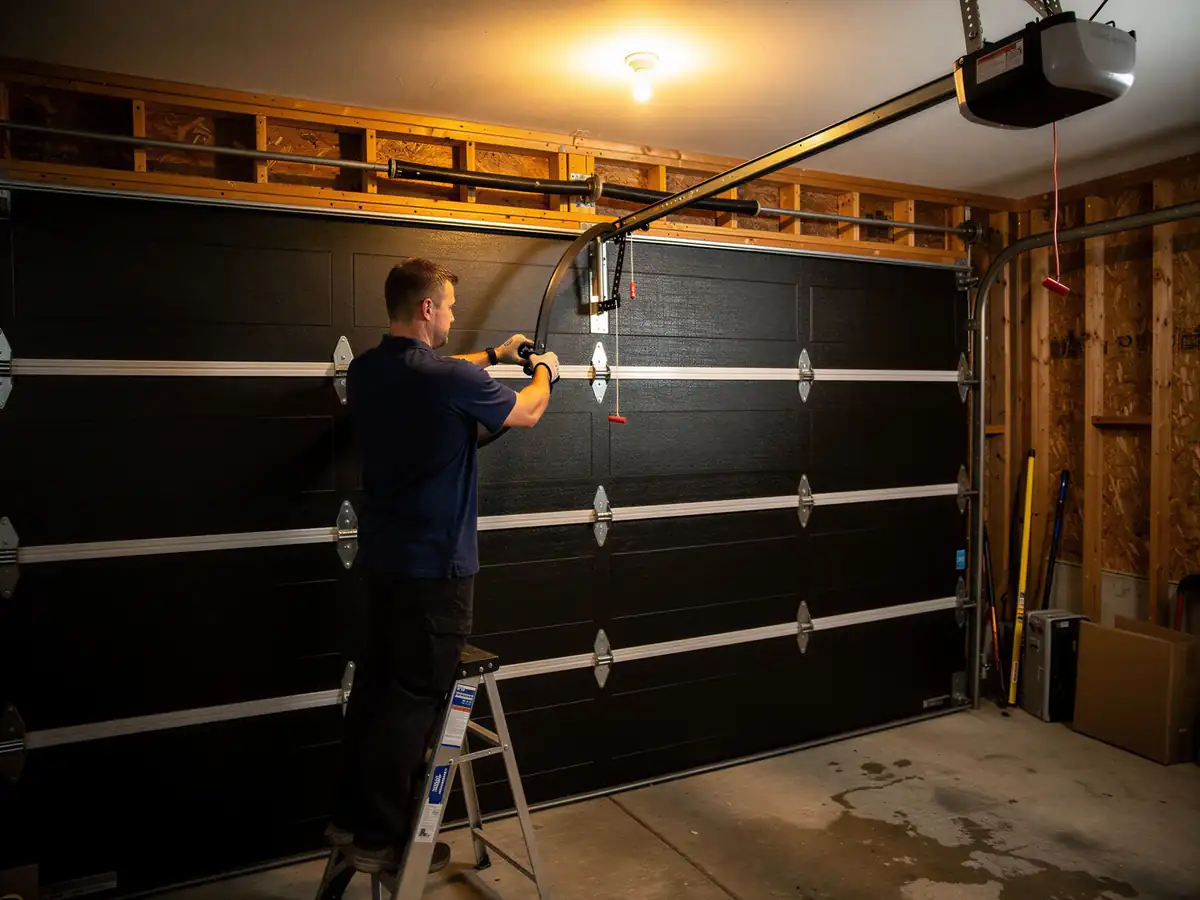
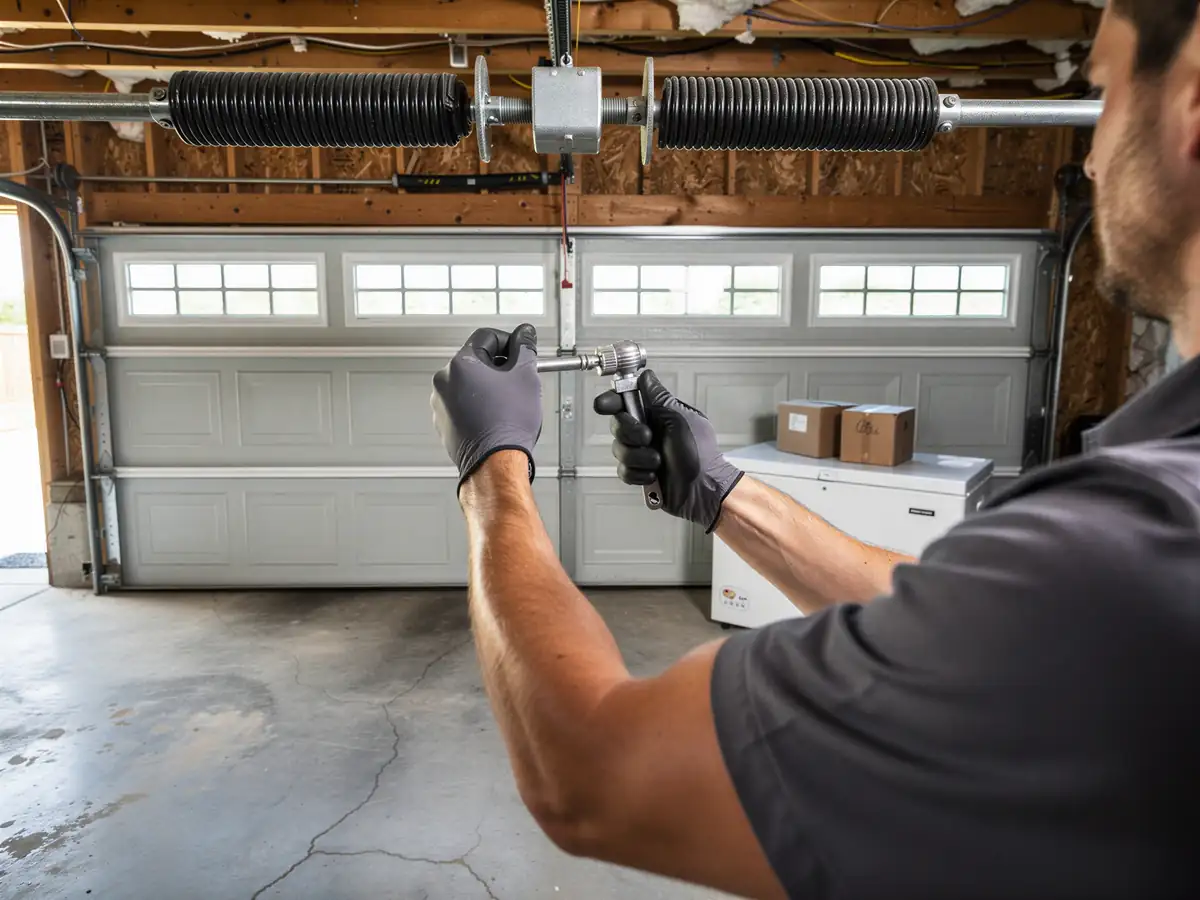
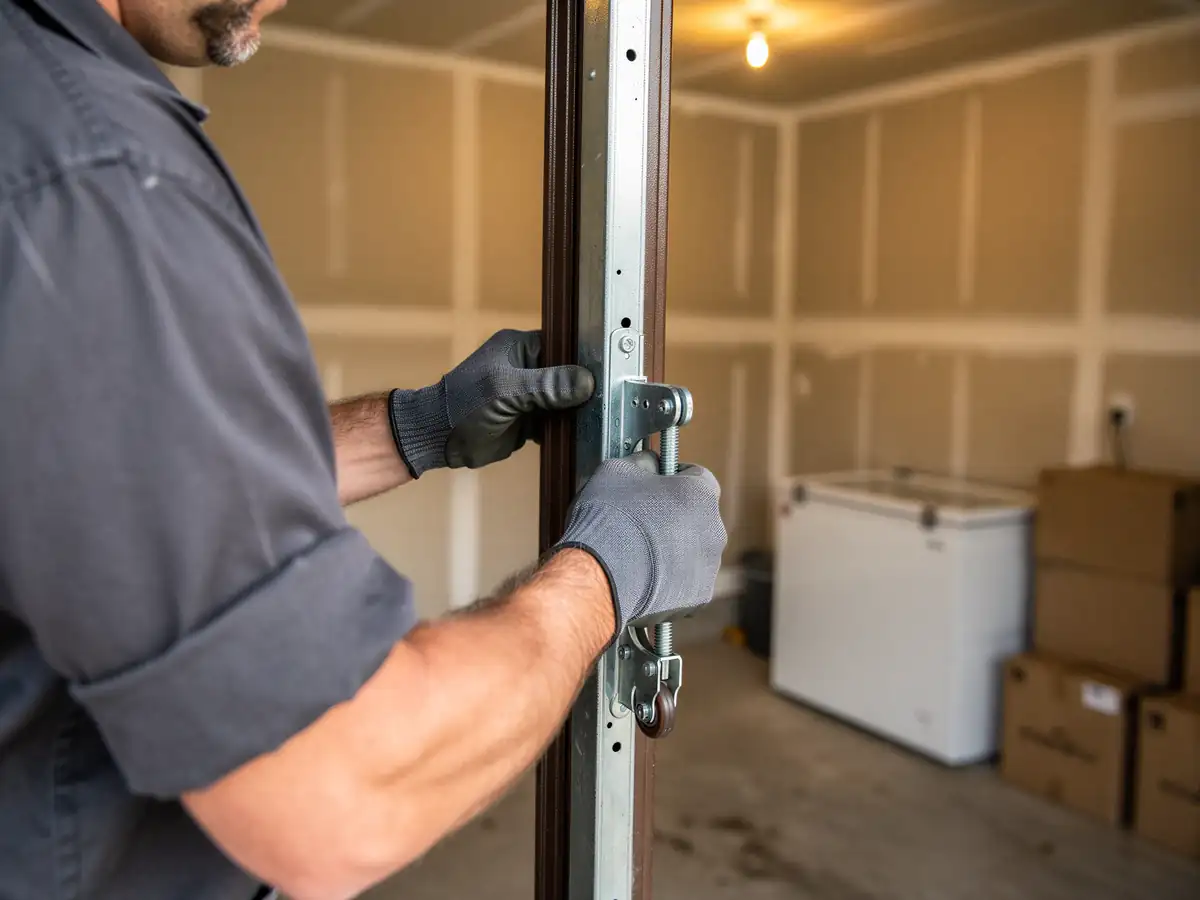
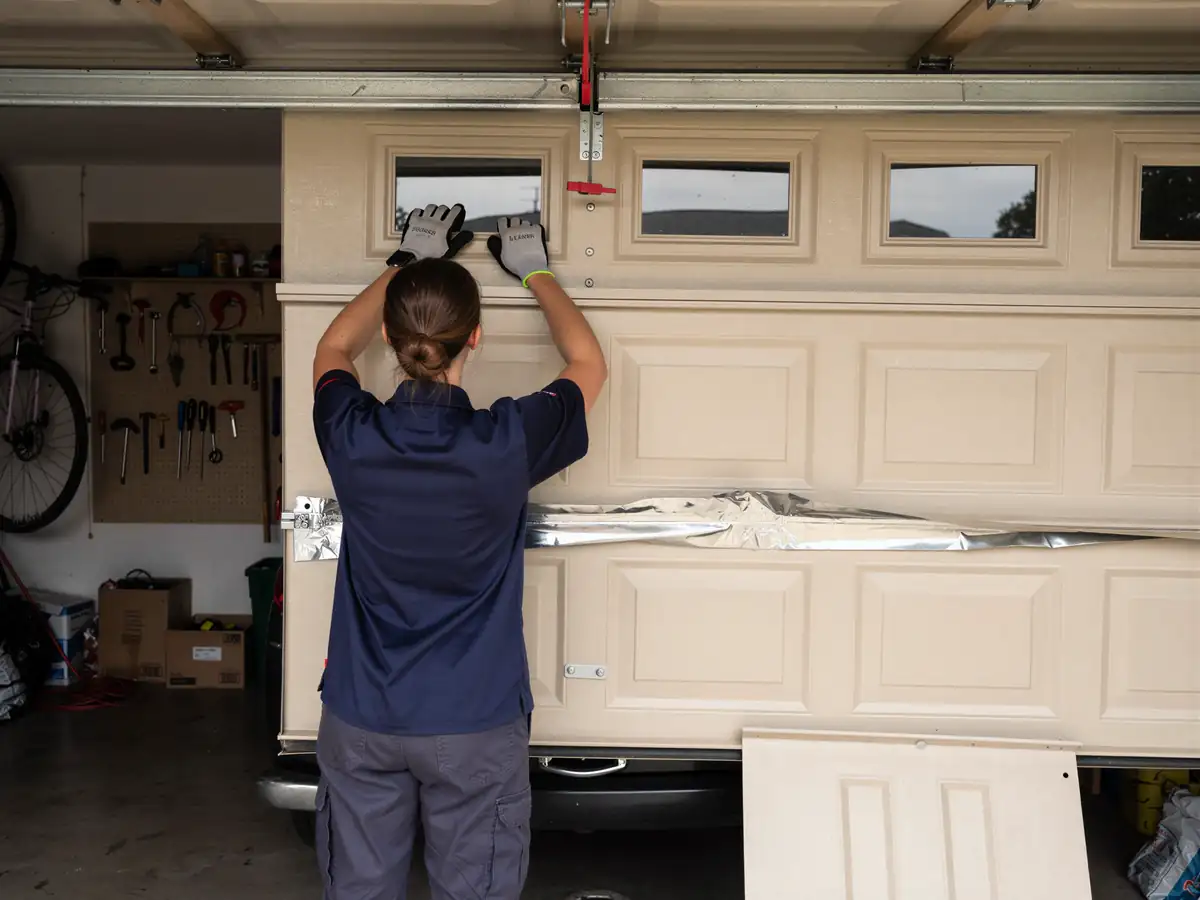
On a standard maintenance call we check spring tension, inspect cables for fraying, lubricate rollers and hinges, tighten track bolts, and test the opener's force and travel limits. For Crystal houses from the 1959-1965 run, we're also looking at galvanized torsion springs that have seen six decades of Minnesota winters - the coating wears thin at the coil contact points long before the steel actually fails, and that's where most of the noise complaints start. We adjust cable drums and re-level the door if one side has sagged, which is common on original wood-jamb installs that have settled. None of this requires taking the opener apart unless the circuit board itself is the complaint. A full maintenance pass, start to finish, covers the moving hardware - it is not a substitute for replacing a door that's structurally failing.
What Is on the Truck
Standard stock: rollers (nylon and steel), lift cables, hinges, torsion spring sets in common modern sizes, lubricant rated for cold-weather use, and opener sensors. What's usually not on the truck is anything sized to match a door and track system built new in 1959 - original torsion drum diameters and some track widths from that era were never standardized the way current hardware is. If your door needs an exact match rather than a compatible upgrade, that part gets ordered rather than pulled off the shelf, and the visit may need a second trip. We tell you this upfront rather than after we've opened the garage door up.
How to Book
We cover Crystal from Savage, about 19 miles out, so maintenance visits here get scheduled rather than dispatched same-day - there's no branch or truck based in Crystal itself. If you're checking whether we reach your street, see our coverage near Crystal. For anything beyond routine maintenance - spring replacement, panel damage, opener swaps - that's handled on our main Savage garage door maintenance page, which covers the full range of work we do out of Savage.
Why It Happens Here
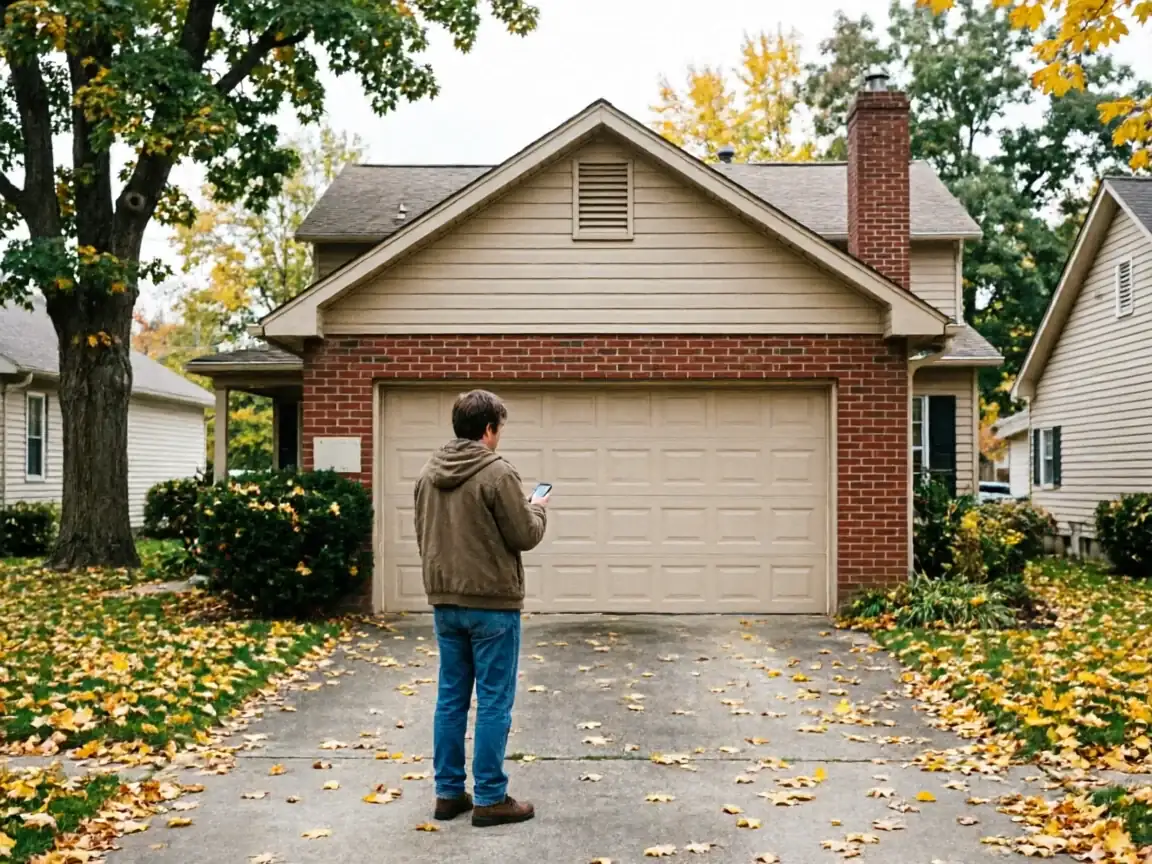
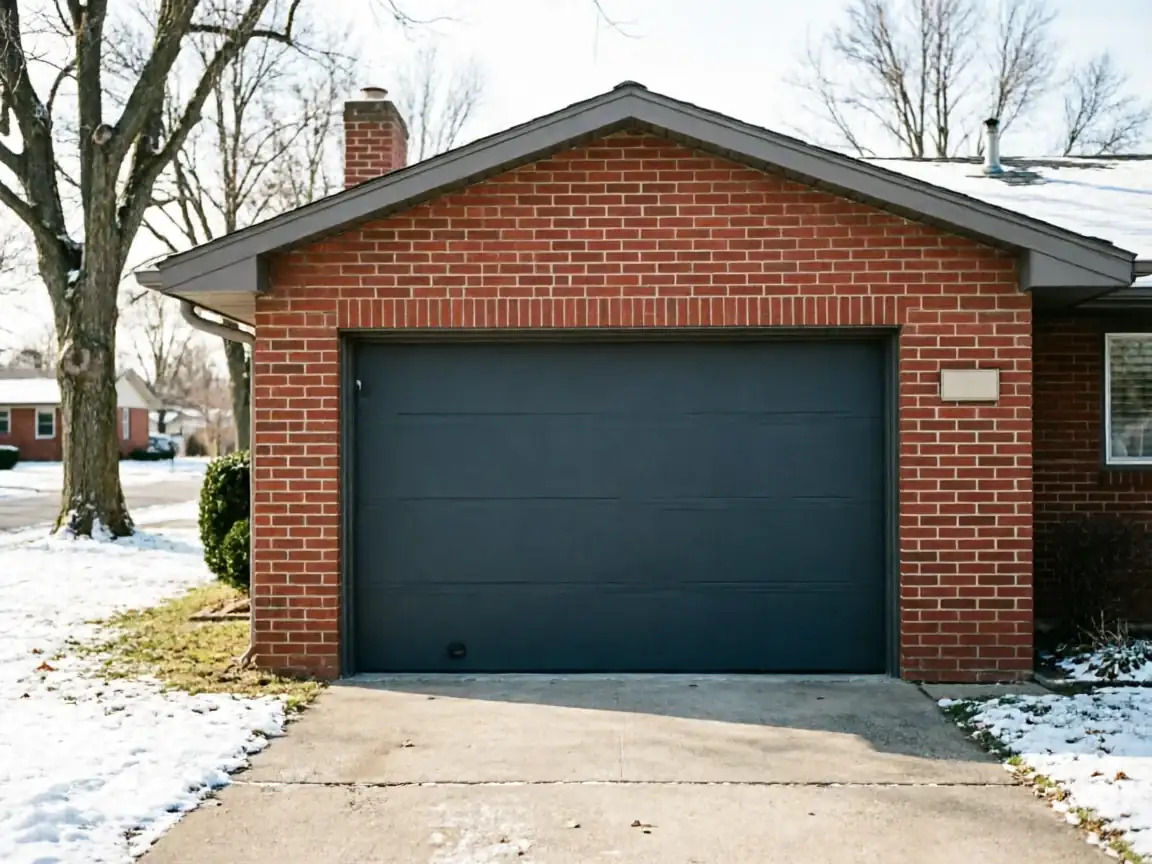
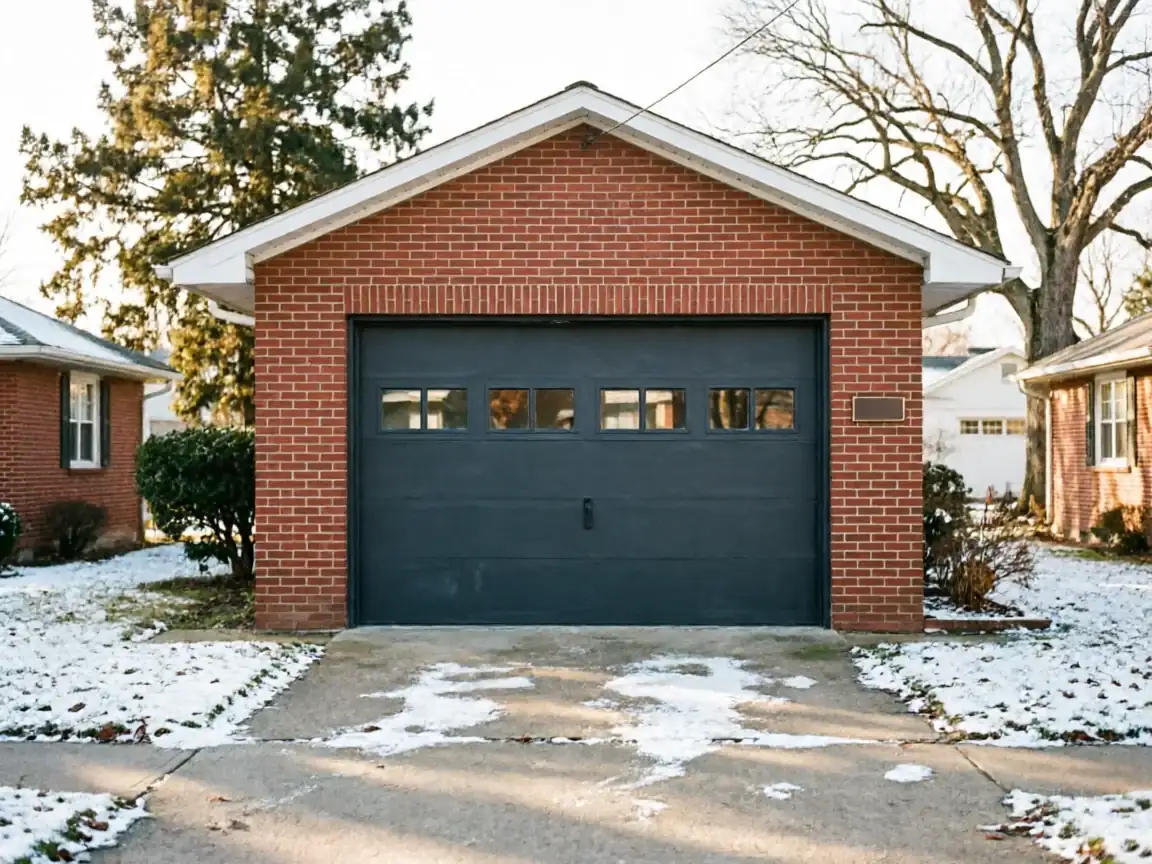
Crystal's housing mostly went up around 1959, inside the broader 1956-to-2005 build window across this service area, but weighted much earlier than the newer pockets. That means torsion springs, drums, and tracks sized to specs that predate a lot of the hardware made today. Add Minnesota's cold climate - the freeze-thaw swing that cracks grease and seizes bearings faster than it would in a milder state - and you get doors that need lubrication and adjustment on a tighter cycle than a 1990s-built door would. Crystal's median household income, at $86,752, and its roughly 9,307 households, run below some of the newer-stock suburbs in this service area, which tracks with owners here maintaining original doors longer rather than replacing them. That's the pattern driving most of the maintenance calls we get from this side of the service area.