What the Repair Takes
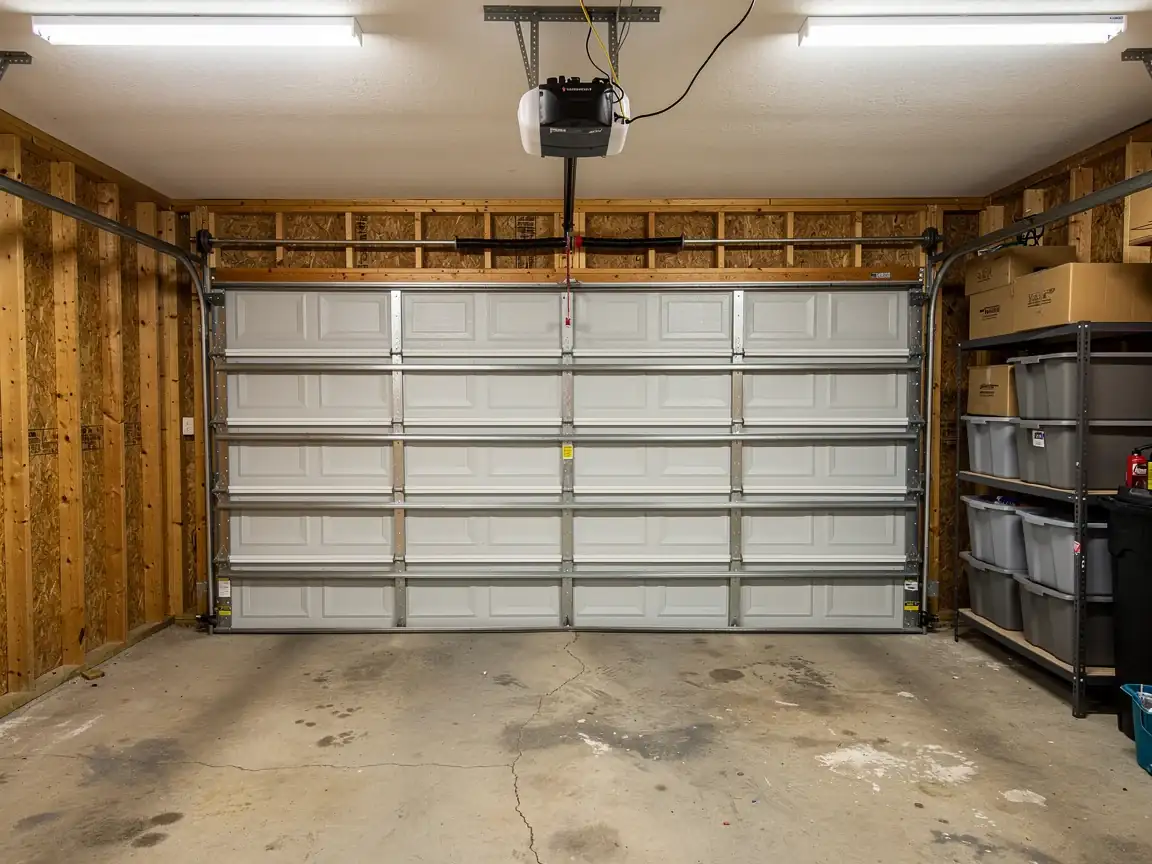
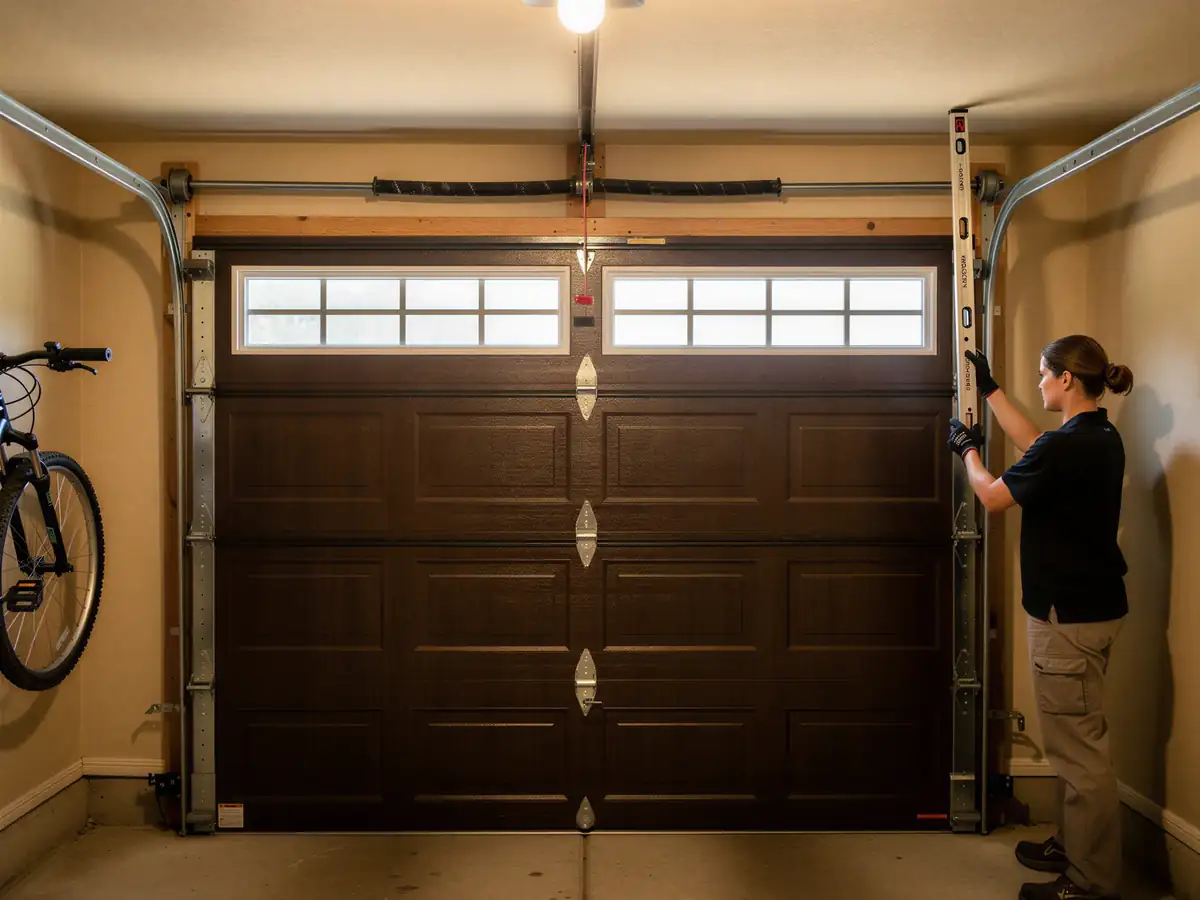
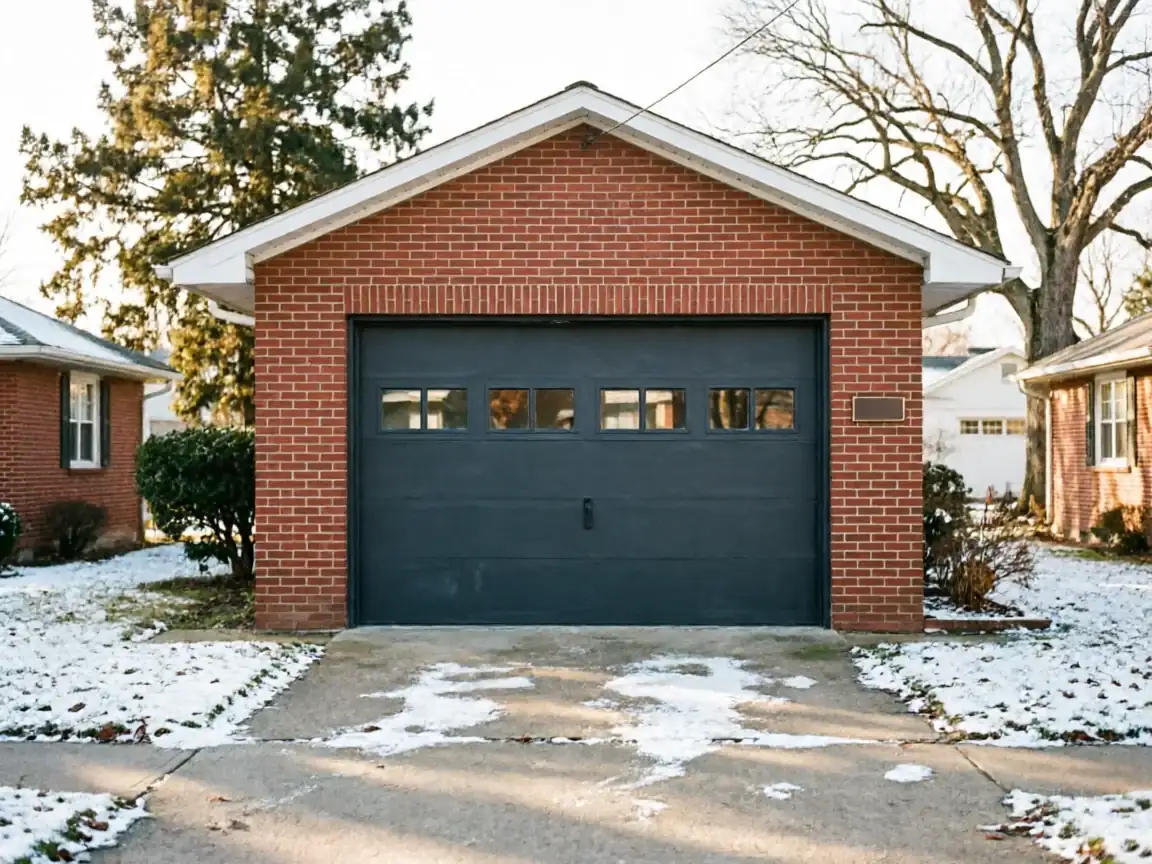
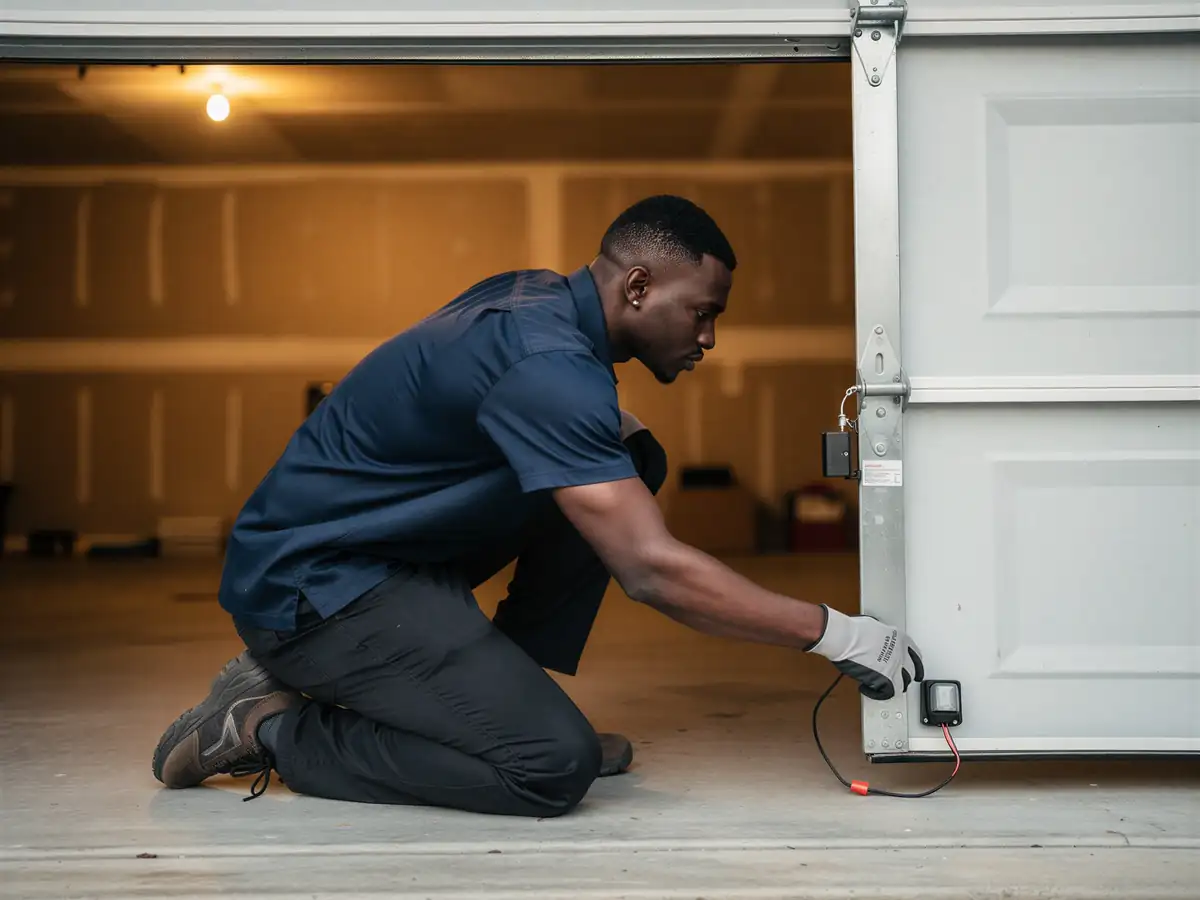
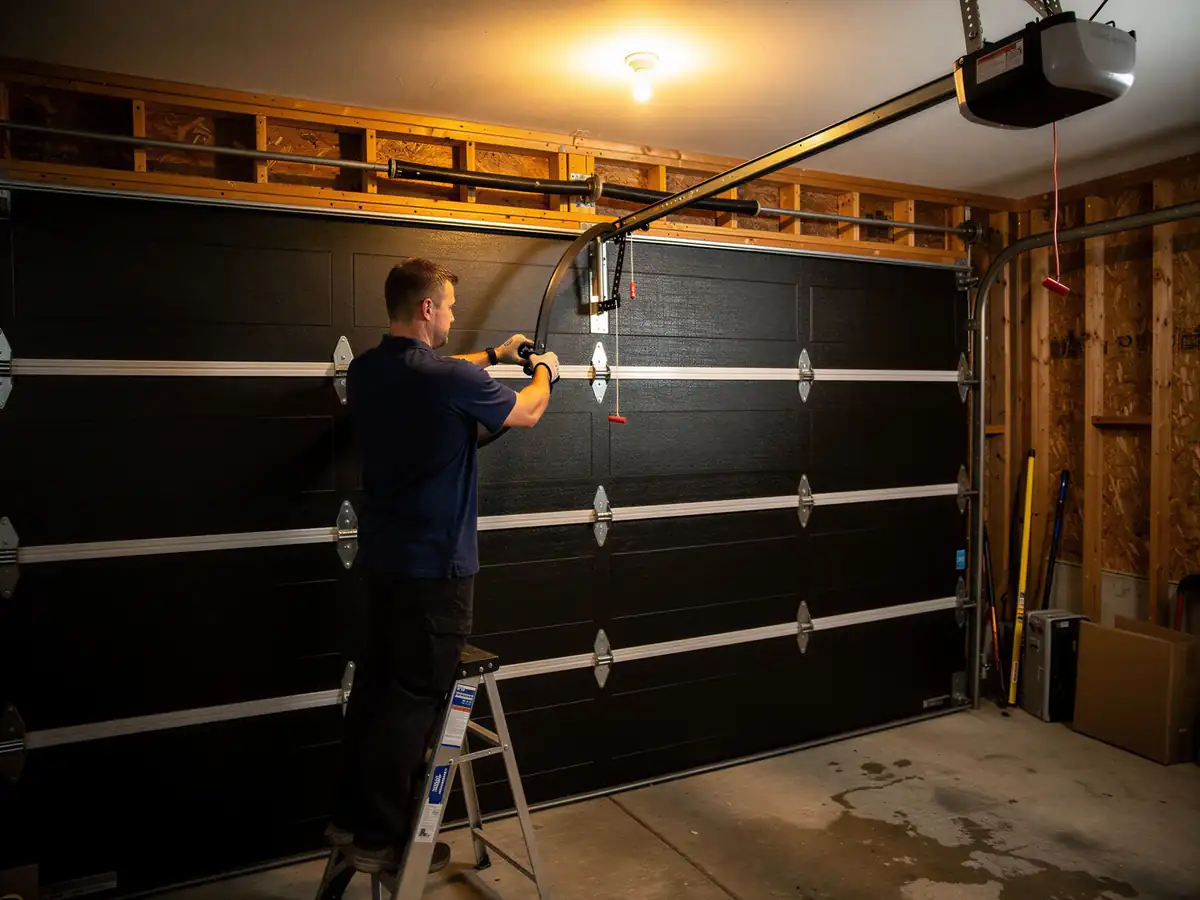
Most of the garage openings in this part of town date to around 1959, well before manufacturers built in the safety reversal sensors that are standard now. That means a straight swap almost never happens - we're not just hanging a new opener on old brackets, we're bringing the whole setup up to a code the house predates. Expect us to check the header clearance, the track alignment, and whether the existing wall button and sensor wiring is worth reusing or needs to come out entirely. On a chain-drive-to-belt-drive upgrade in one of these openings, that inspection adds real time to the job, not just the unbox-and-mount part.
What Is on the Truck
Because the housing stock here runs older, we carry universal mounting brackets sized for the shorter headers common on houses built before 1960, not just the brackets that fit newer trusses. We also carry both chain and belt drive units rather than committing to one before we see the opening, since at a median household income of $86,752 we find owners here split fairly evenly between wanting the cheaper chain unit and wanting the quieter belt drive if the price gap is close. What we don't carry is custom-width rail stock for openings wider than a standard two-car door - if a header's been modified from the original, that's a special order, and we'll tell you before we quote it.
How to Book
We cover Crystal as part of the Savage service area, alongside neighboring stops like New Hope and Robbinsdale on the same side of the metro. Reach out through the Crystal service page and tell us the age of the house if you know it - that one detail changes what we load on the truck. If you're also weighing a full opener install against a broader garage door job, the main installation page for the Savage service area covers that service in general detail; this page is specifically about what the Crystal housing stock means for an opener swap.
Why It Happens Here
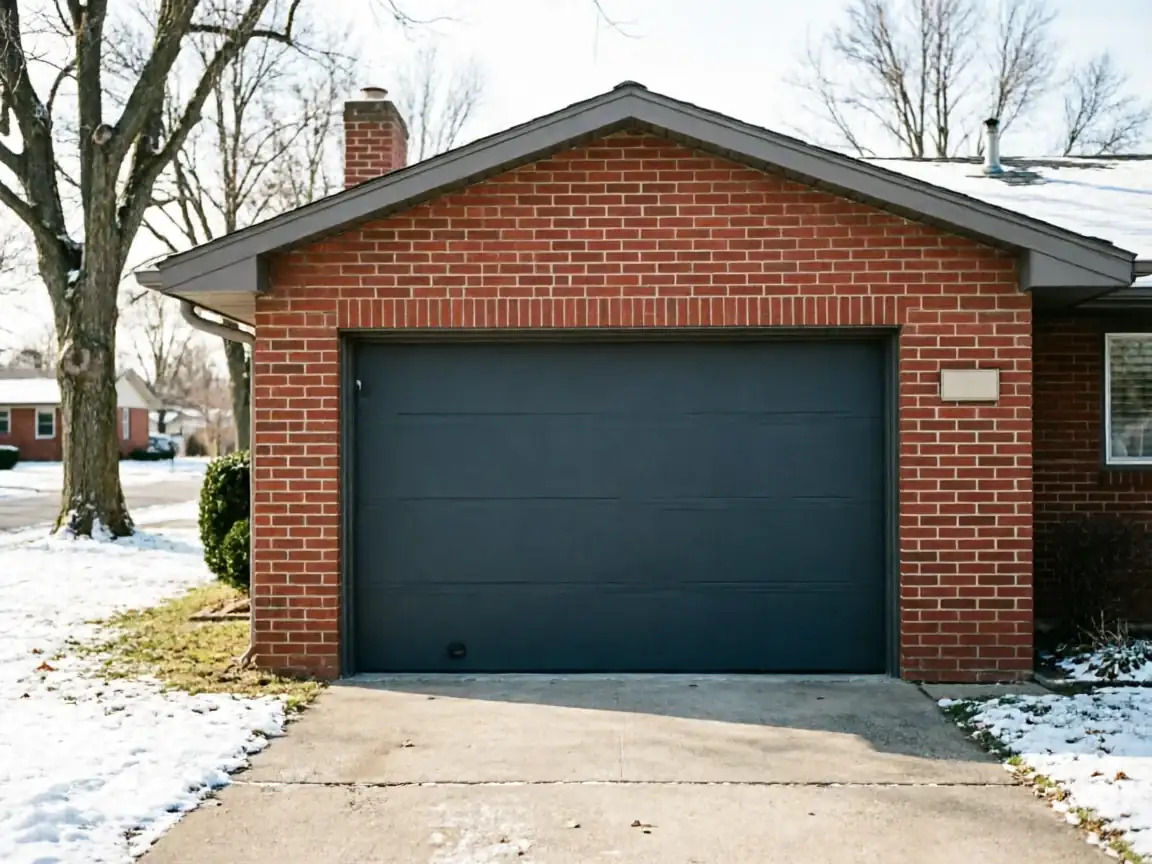
A town built out mostly in one stretch - Crystal's housing centers on 1959 - means the openers fail in waves too. The gear-and-sprocket units installed through the 70s are now reaching the point where parts for the specific chassis aren't stocked anymore, so when the gear strips, replacement is usually cheaper than sourcing a part for a 50-plus-year-old mechanism. That's the honest limit here: we won't chase down obsolete parts for a unit that old when a new opener costs less than the labor to track one down. Combine that housing age with a real winter climate and the failures cluster - cold snaps are when the stiff grease finally stops being enough.