Doing It Yourself
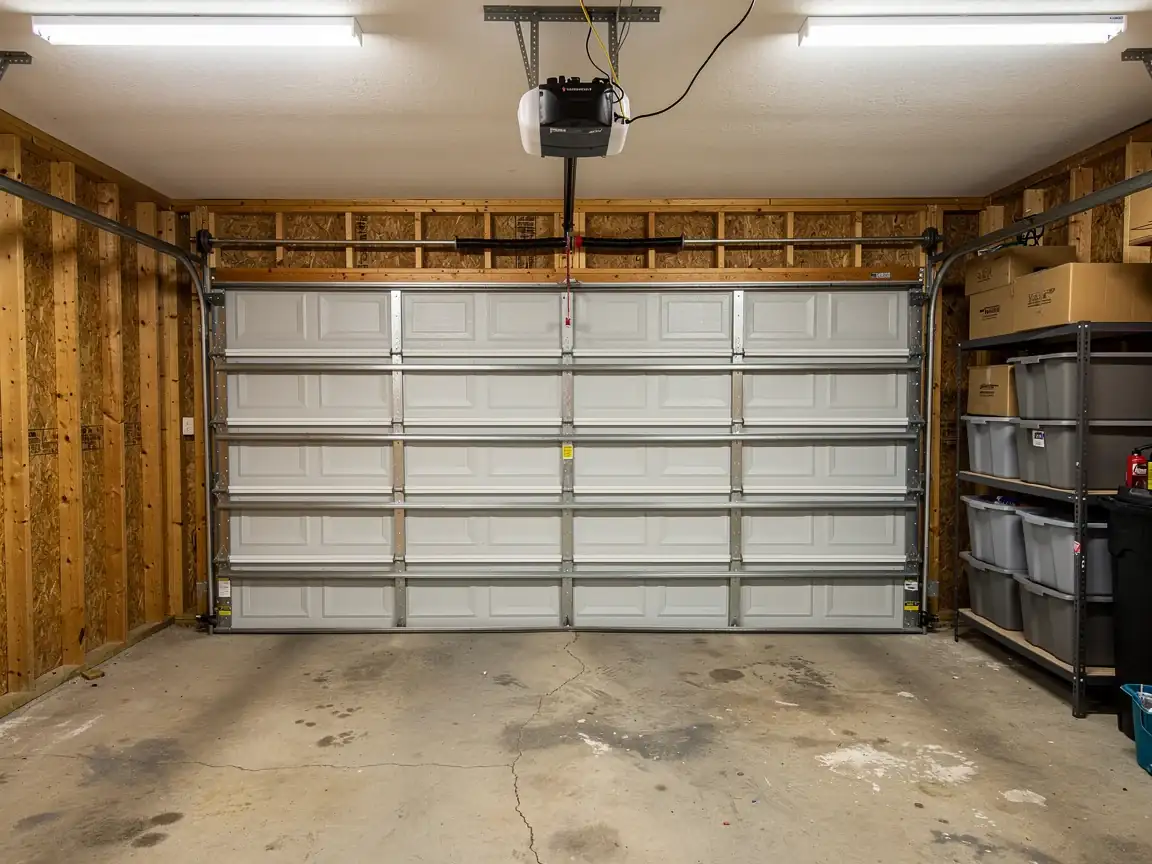
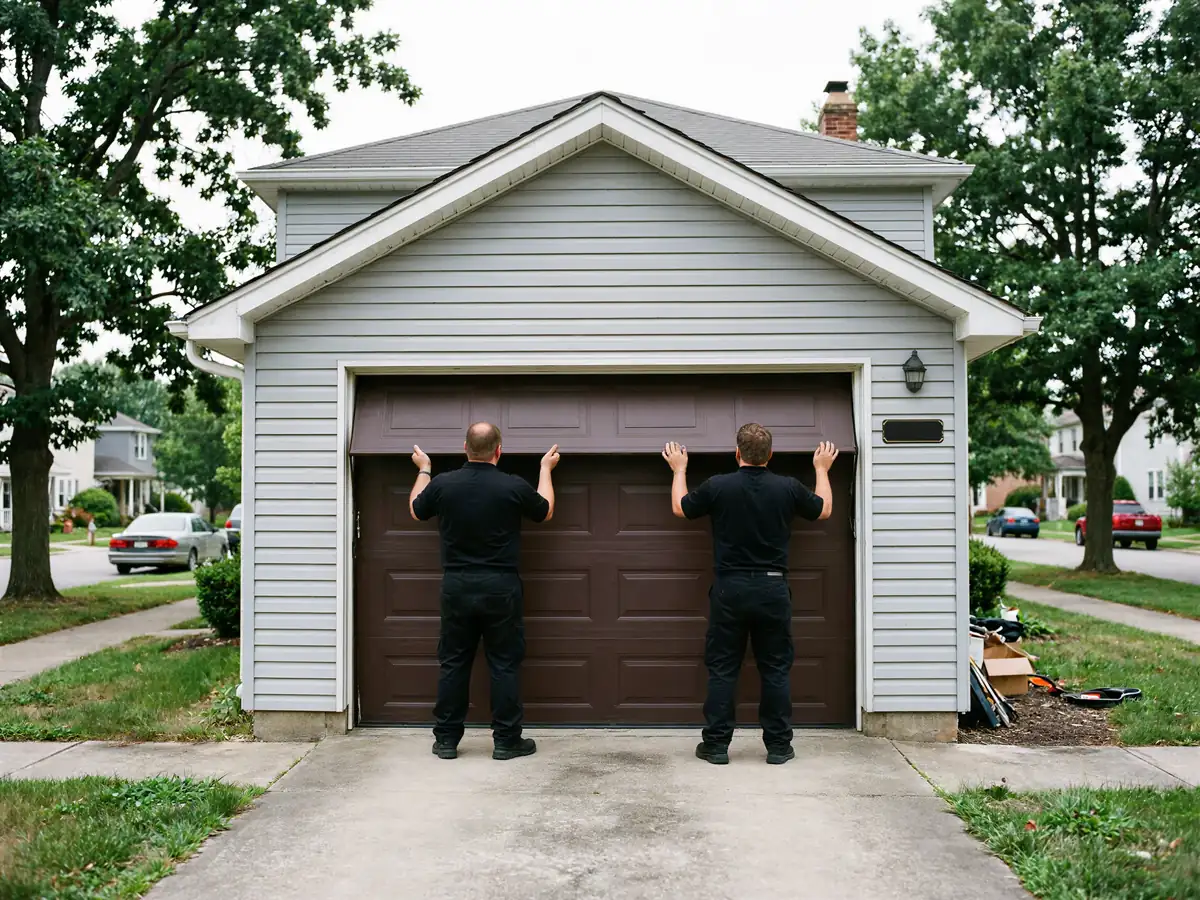
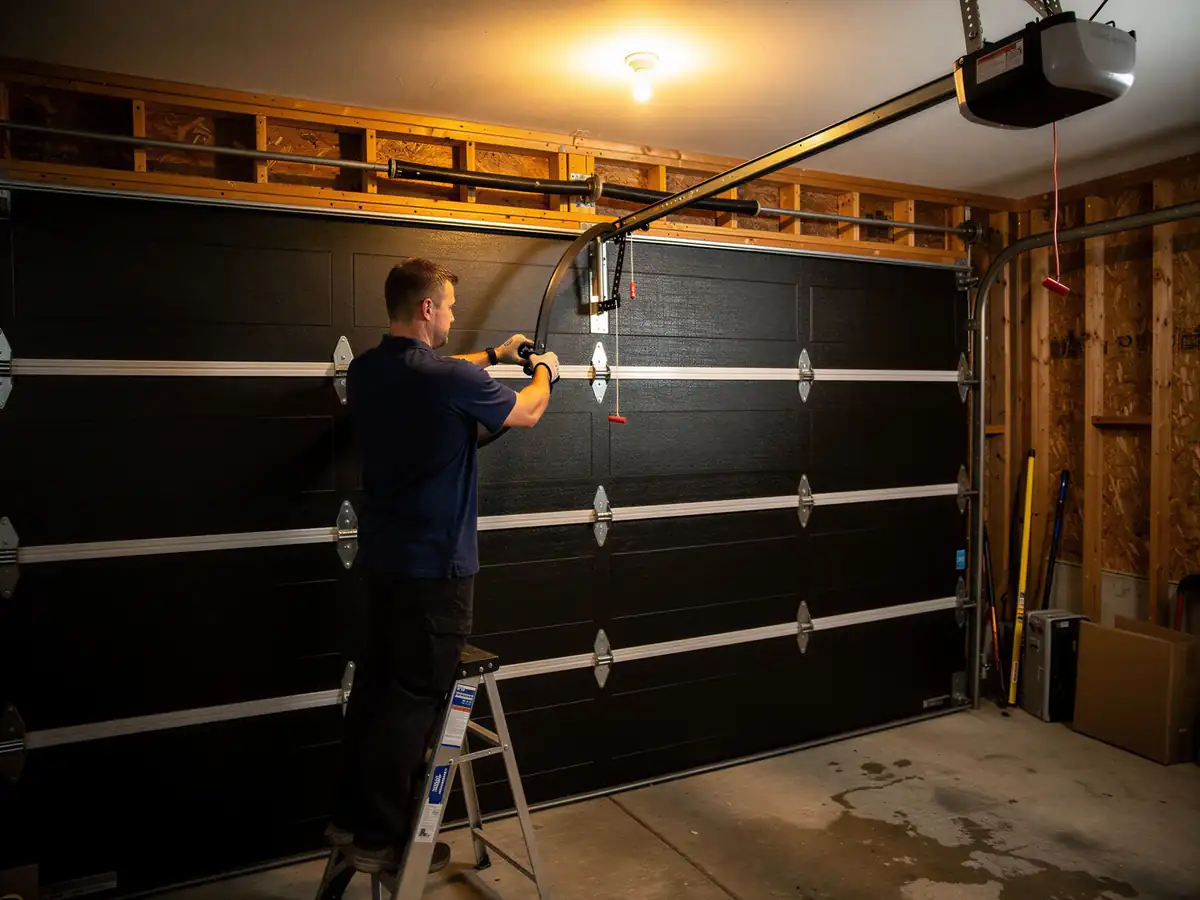
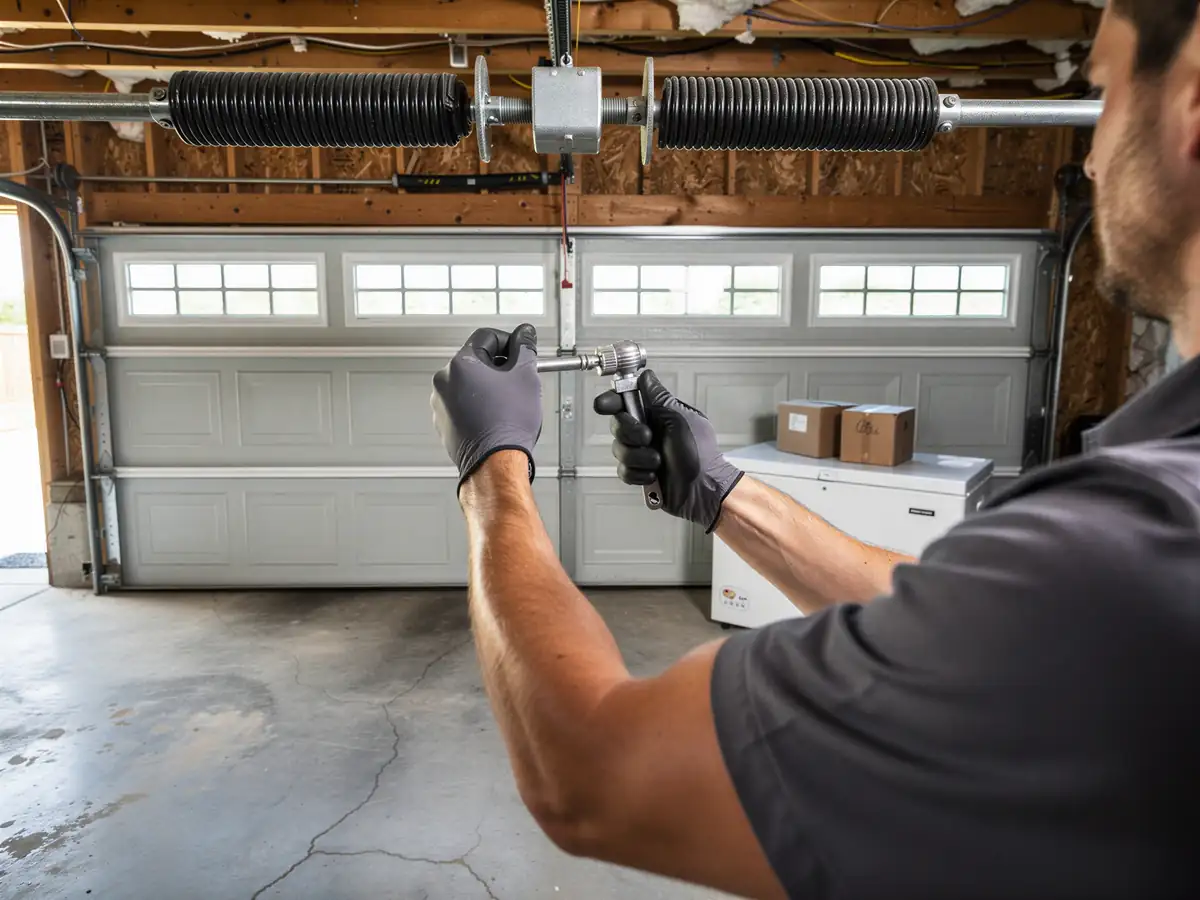
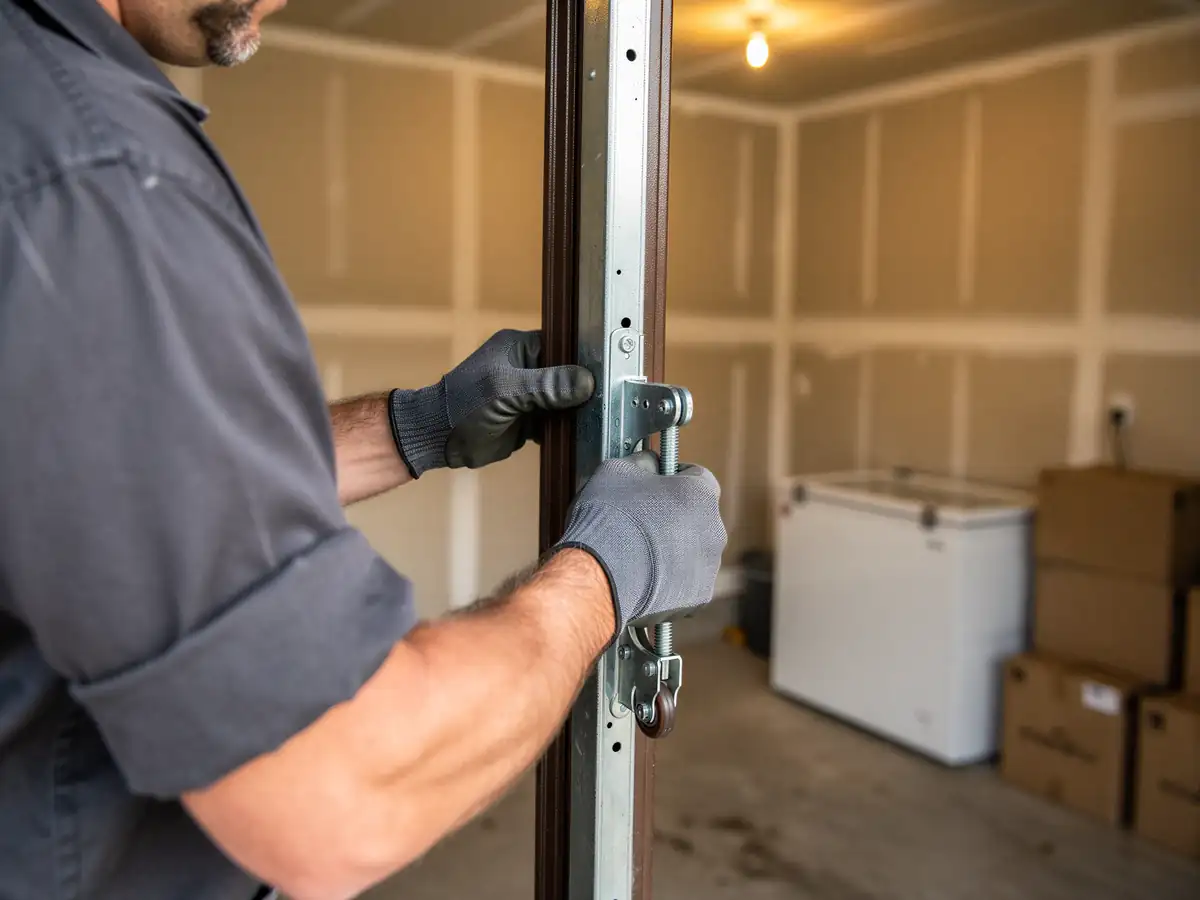
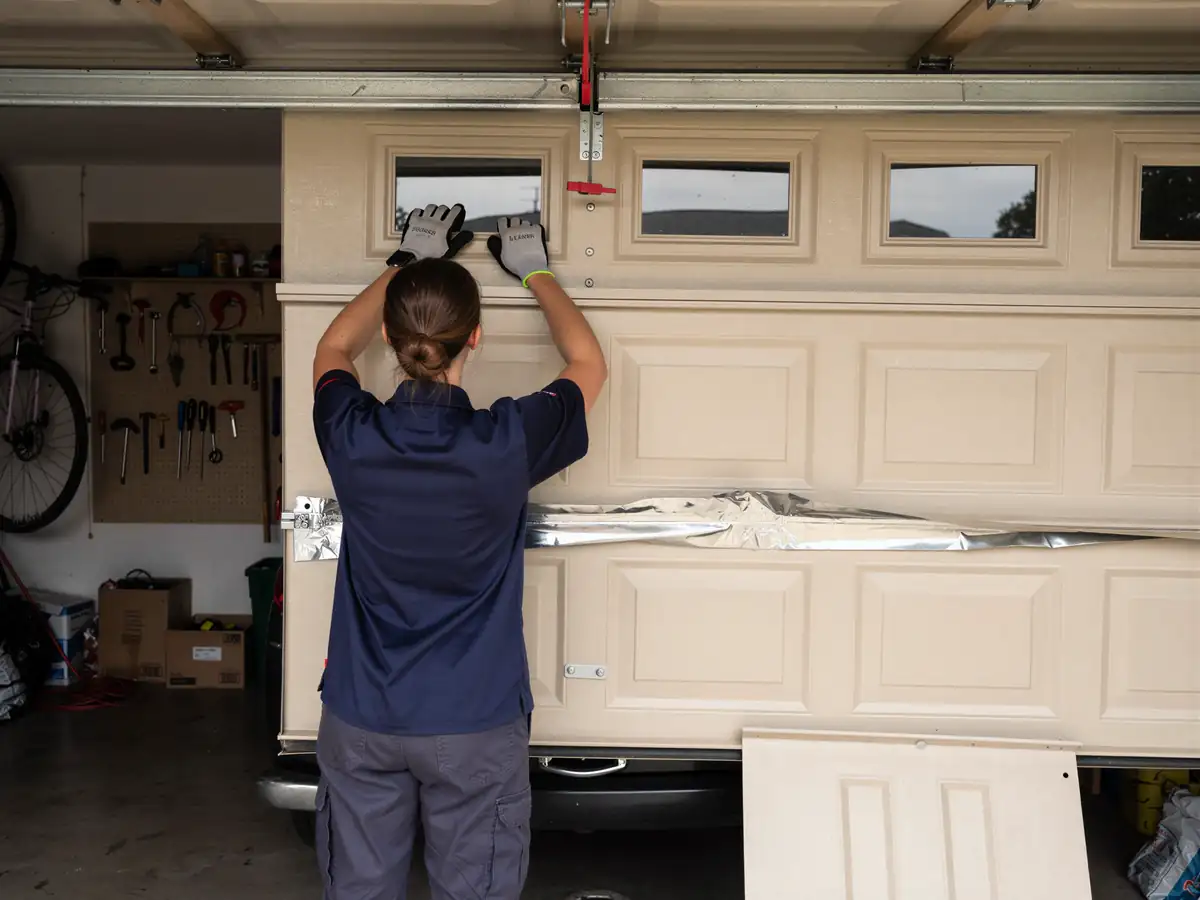
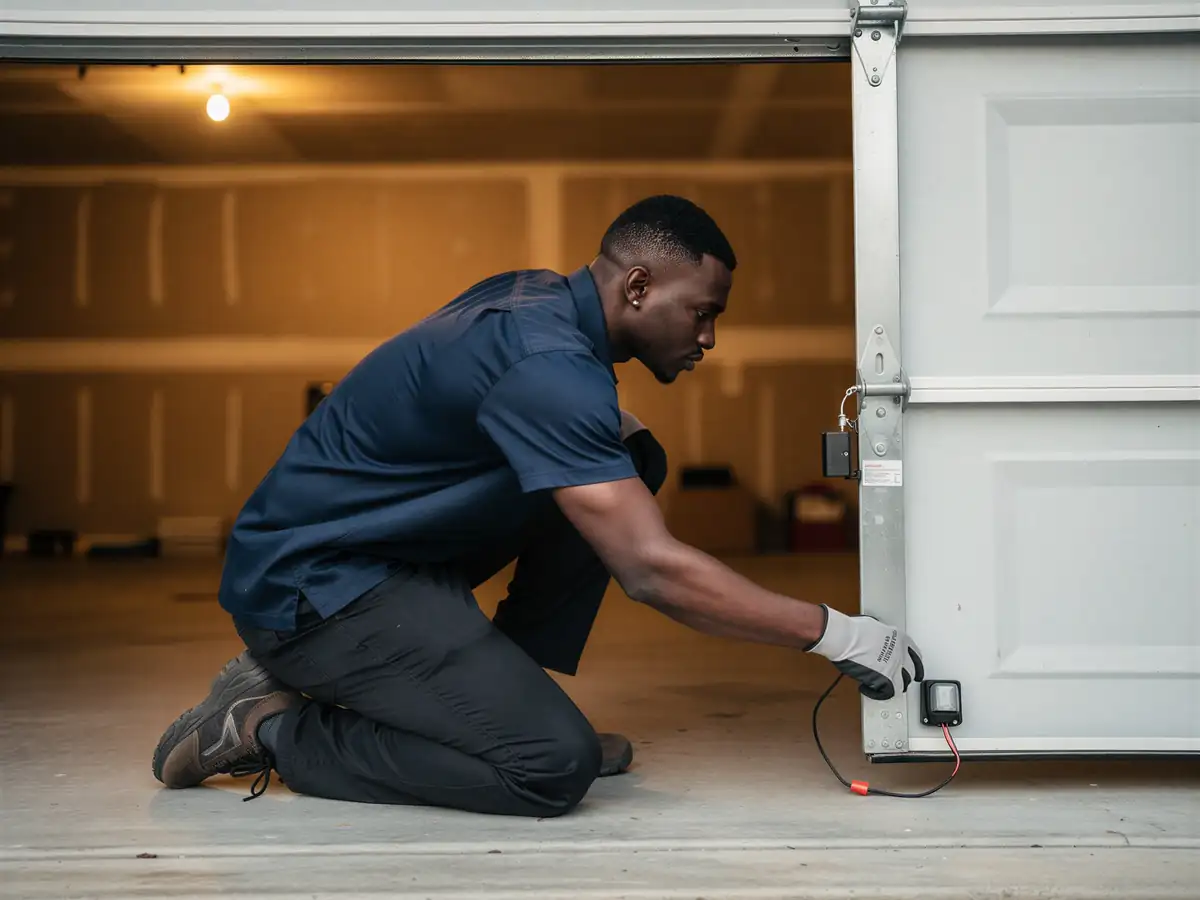
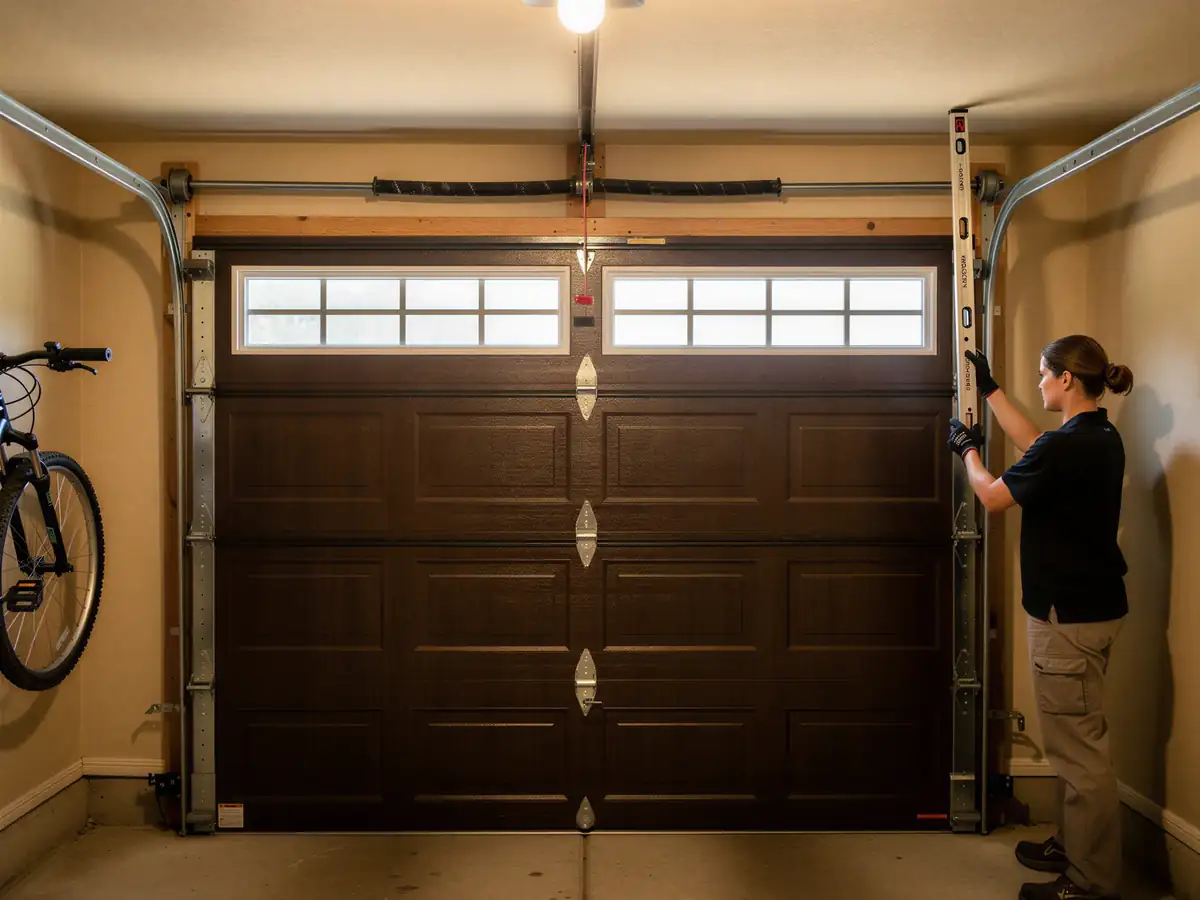
A lot of South St. Paul houses were built close to 1957 - that's the median year here, older than the broader service area's 1975 median. Doors and openers on houses that age have usually been swapped at least once, sometimes twice, by a previous owner or a handyman, which means the hardware under your current door may not match what came with the house. That's the trap with DIY on older stock: you look up a torsion spring size online, order the wrong one because the house isn't original, and now you've got a spring you can't use and a door that's still broken. Roller and track adjustments, weatherstrip swaps, tightening loose hardware - fine to do yourself with the door unplugged and the opener disconnected. Springs, cables, and anything where the door is under tension are not a weekend project, full stop, on a house this age or any other. The torque stored in a wound torsion spring doesn't care how old your house is, but older installs are more likely to have mismatched or undersized hardware, and that's exactly where DIY jobs here go wrong.
What You Are Seeing
On a house built around 1957, the garage usually wasn't an afterthought the way it was on later builds, but the door and opener have almost certainly been replaced at least once since the house went up. What we see most in homes from this era: openers from an earlier generation with weaker gear-drive motors that strain on wider doors, torsion springs sized for a lighter original door now carrying a heavier insulated replacement, and tracks that were never re-leveled when the door was swapped. None of that shows up as a dramatic failure - it shows up as a door that's gotten slower, louder, or harder to lift by hand over a couple of years, which owners usually notice right before it quits outright. Minnesota's cold climate band adds its own wear pattern regardless of the house's age: stiff lift cables, hardened lubricant, and openers that hesitate on the coldest mornings because the circuit board doesn't like the temperature swing. On a 1957 house that's had one or two prior owners' worth of patch jobs, that cold-weather strain tends to find the weakest link in whatever hardware is already mismatched.
What the Repair Takes
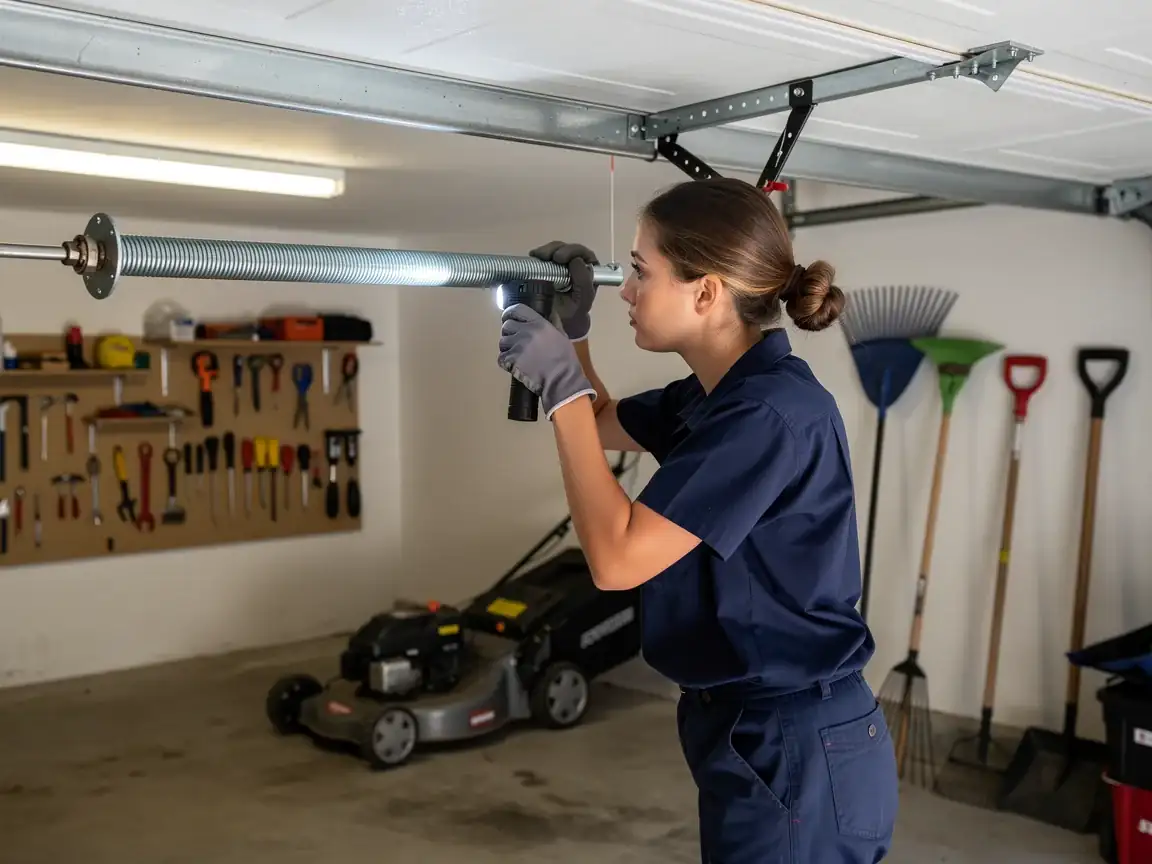
Most repairs on a house this age come down to three things: a spring or cable swap, a track realignment, or an opener replacement when the motor or board has finally given out. On a 1957-era house, we check whether the current spring matches the door's actual weight before we touch anything, because installing a like-for-like replacement on a door that's already mismatched just repeats the problem in another five years. At South St. Paul's median income, we try to scope the job honestly - a $400-600 spring and cable repair keeps most doors running another decade; full replacement only makes sense when the door itself is damaged, not just the hardware around it. We carry common torsion spring sizes on the truck, but some older or oddball setups need a part ordered in, which adds a day or two given we're coming from Savage. We'll tell you at the door if that's the case rather than make you wait to find out.