Doing It Yourself
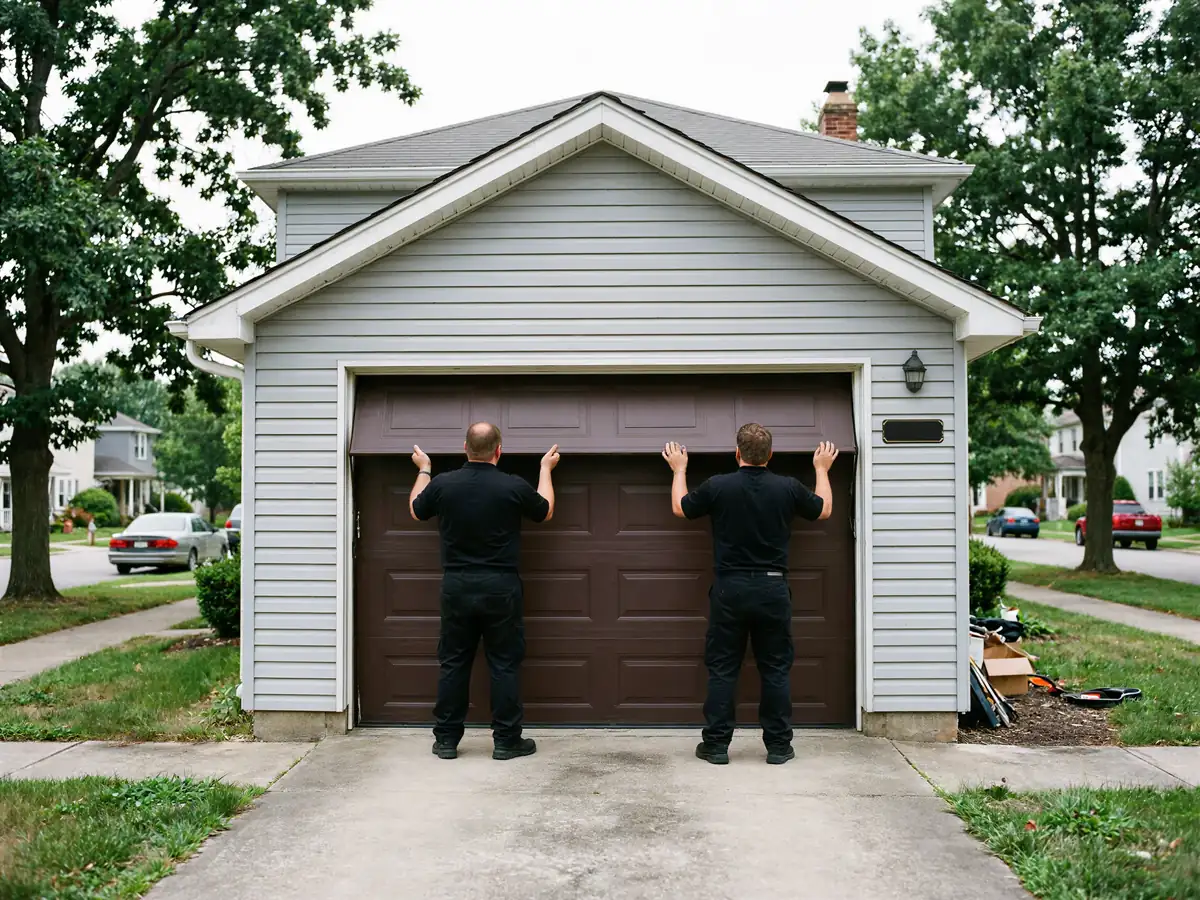
A garage door off its track is not a safe DIY repair, full stop, and this goes double on a 1957-era door where the track itself may be original and slightly warped from decades of Minnesota freeze-thaw. Pushing the door back by hand while it's under spring tension can snap a cable or drop a panel on your hand. If the door came off because of a bent track rather than a broken roller, forcing it back can bend the track further and turn a repair into a replacement. The one thing you can safely do is leave the opener unplugged and the door where it sits, so nobody tries to drive it with the motor and rips the track loose from the jamb.
What You Are Seeing
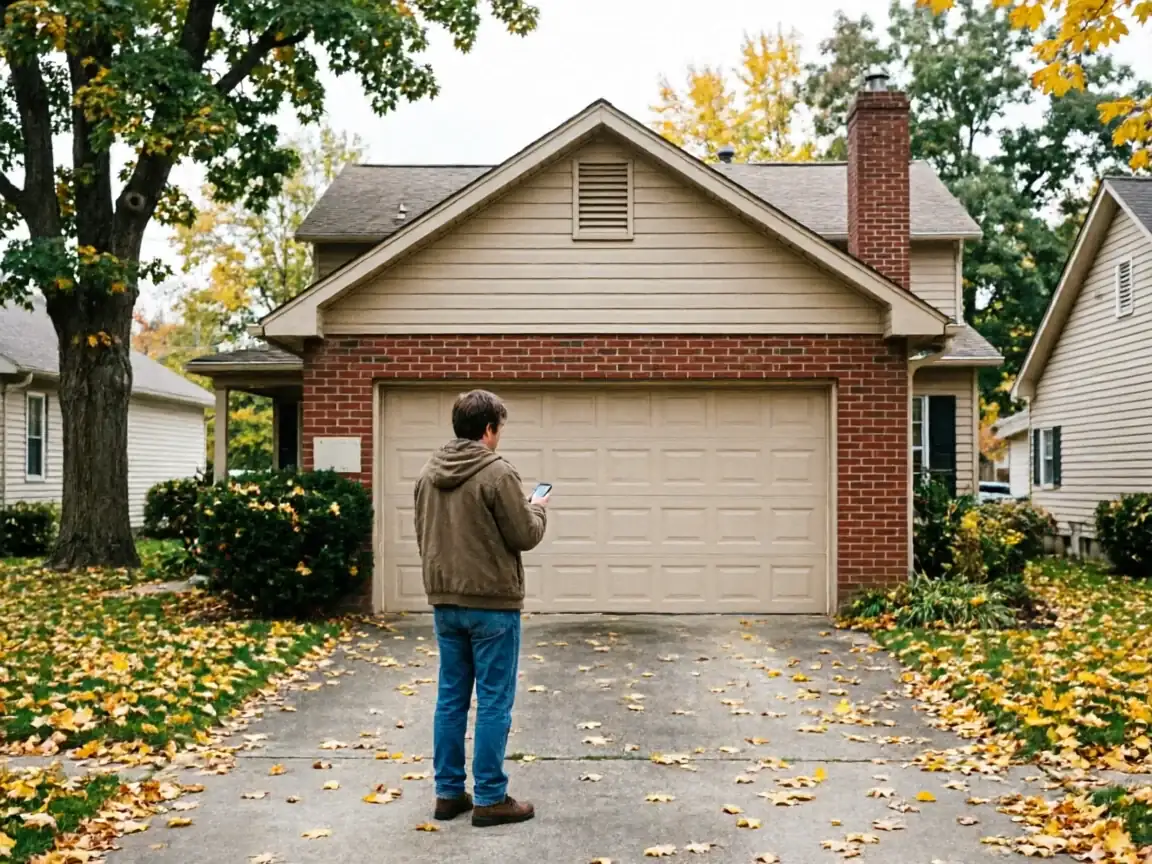
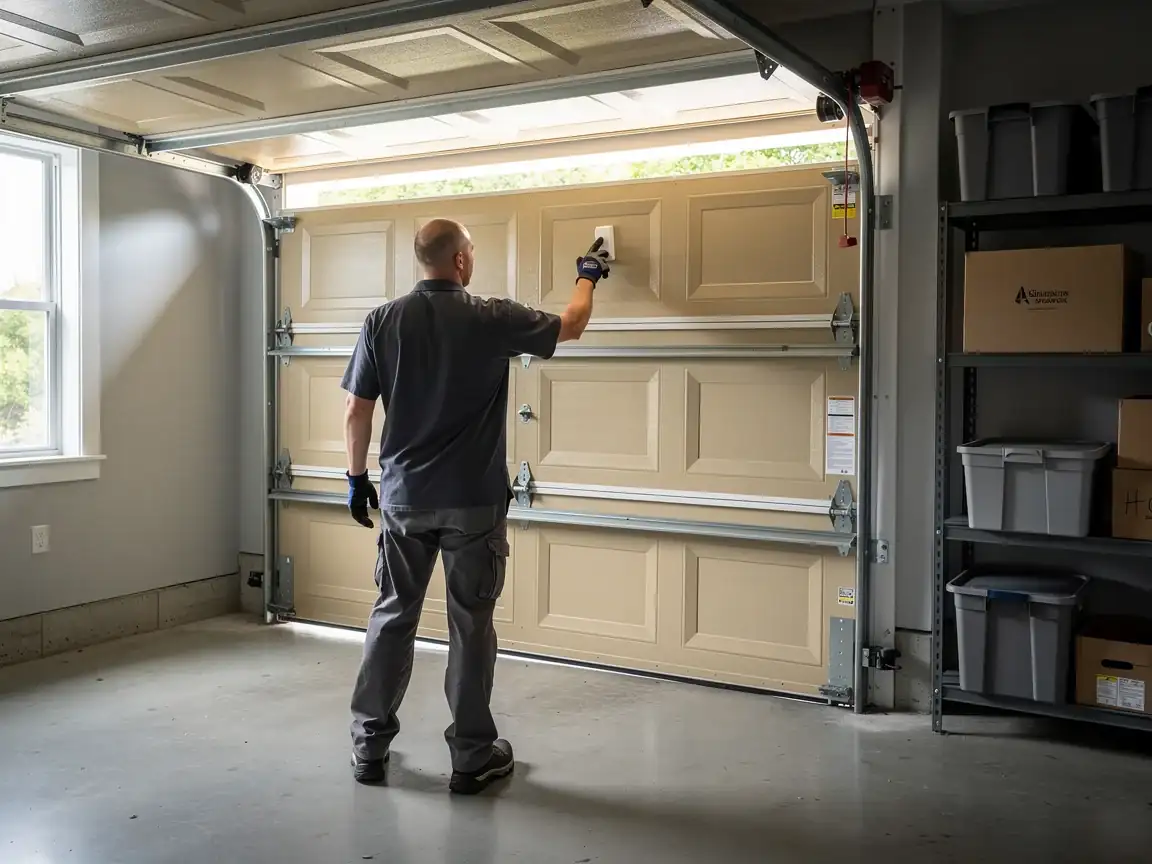
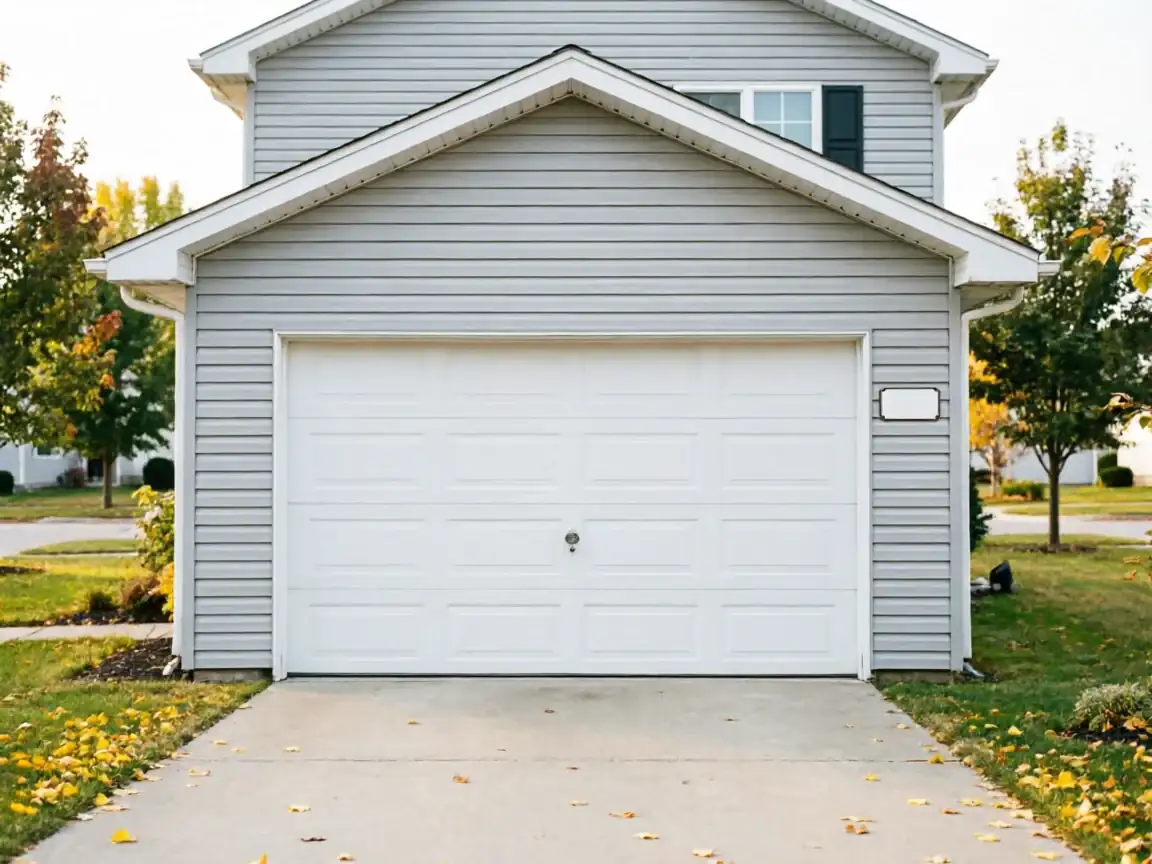
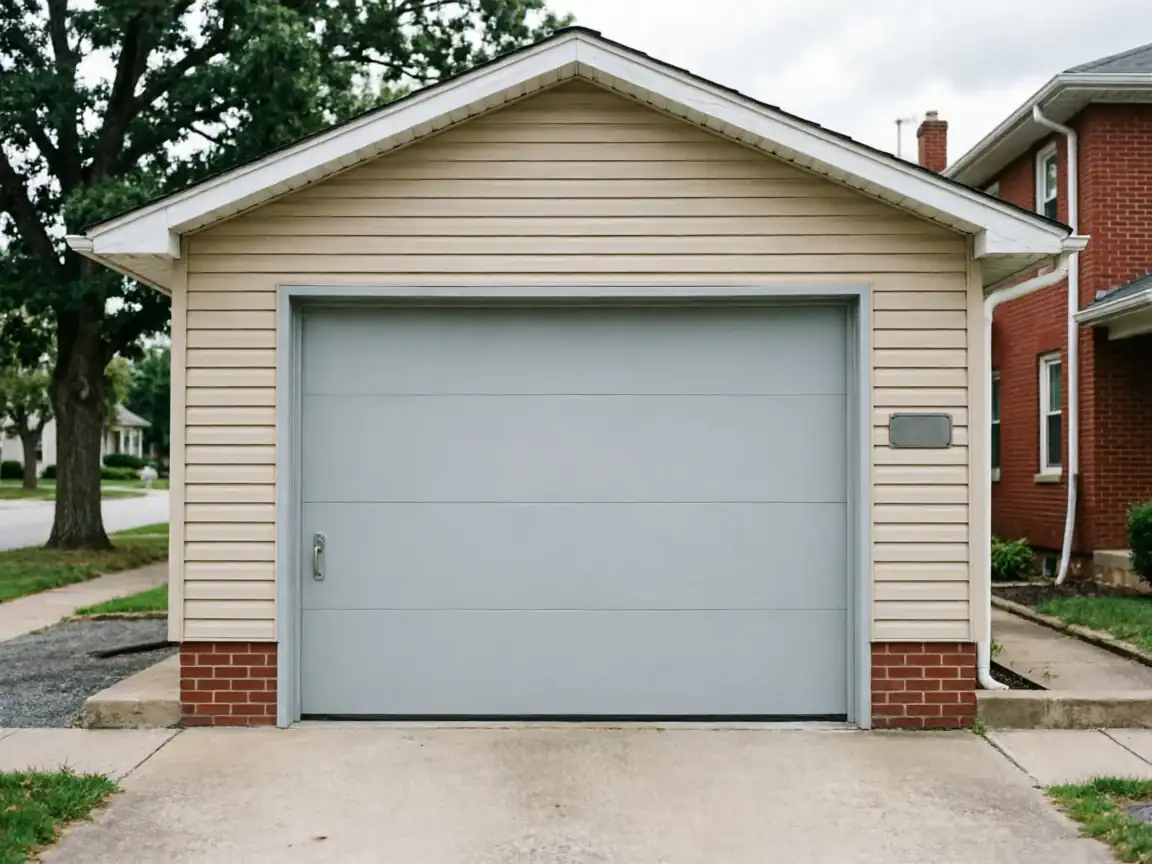
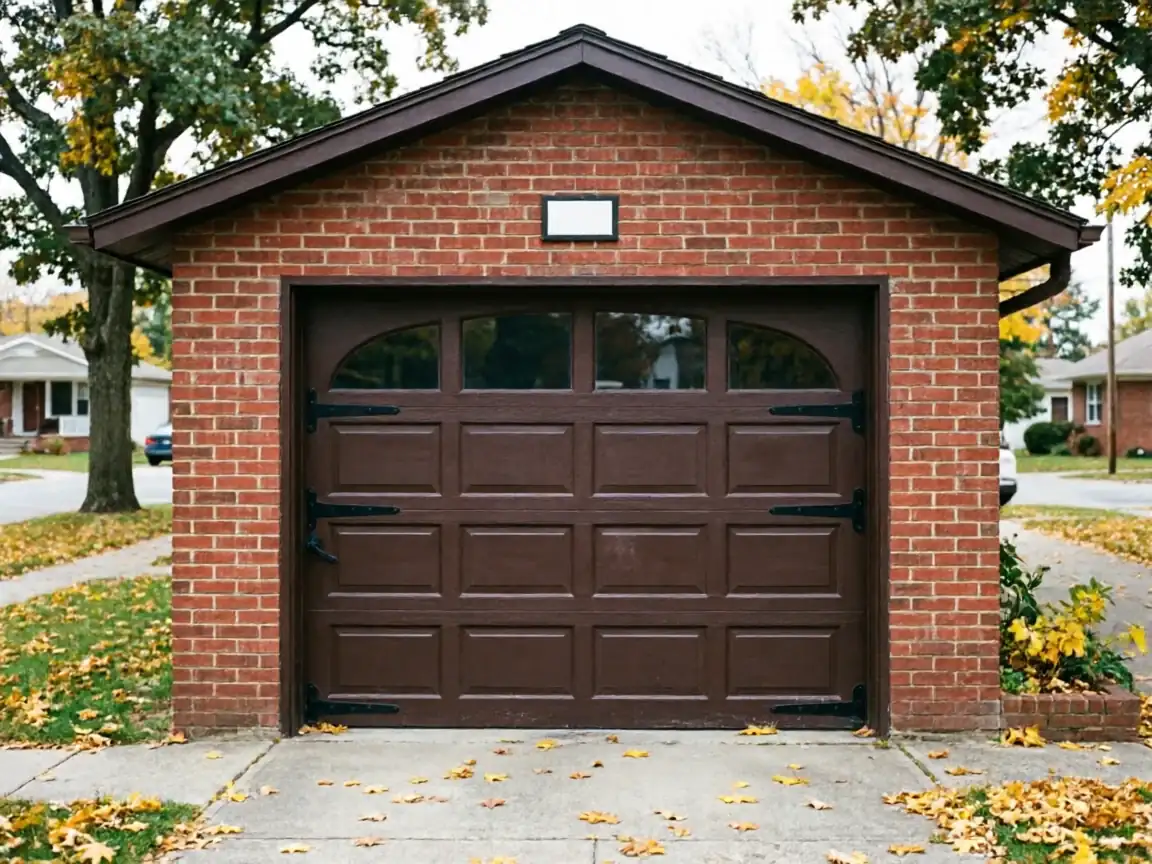
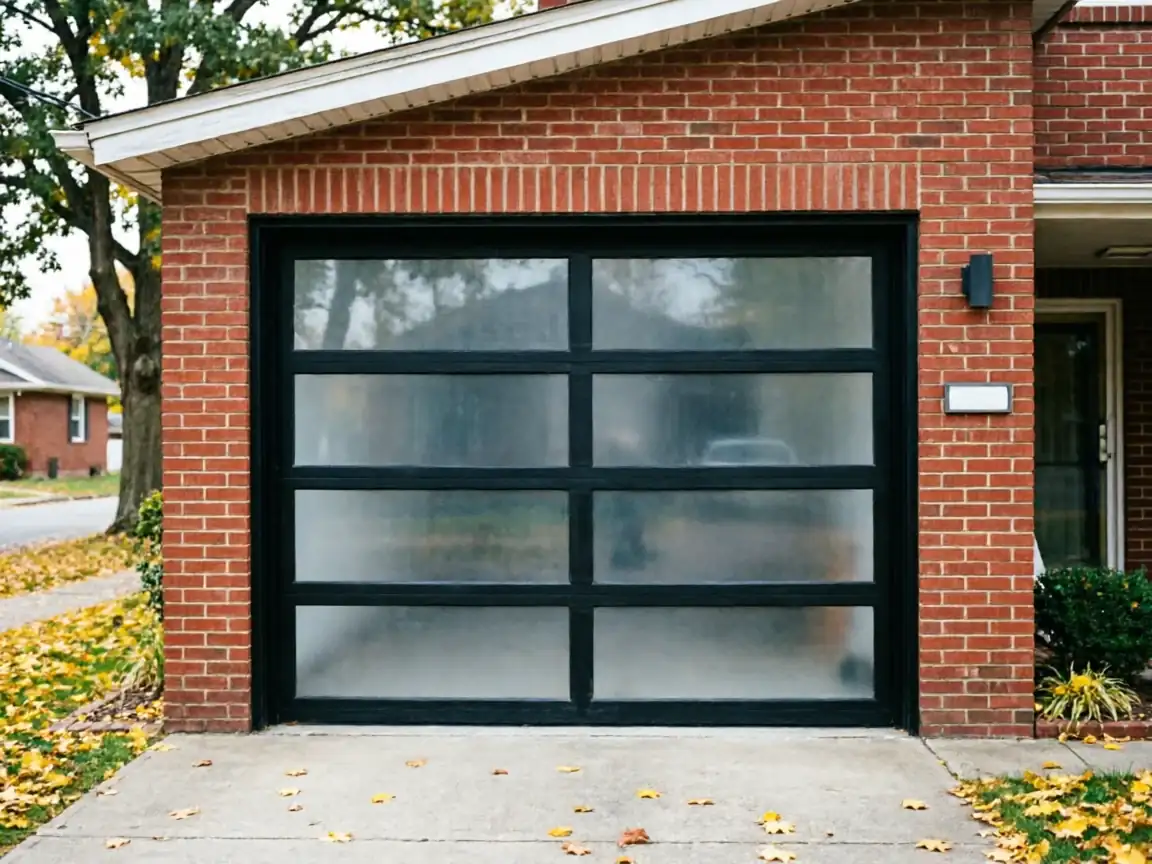
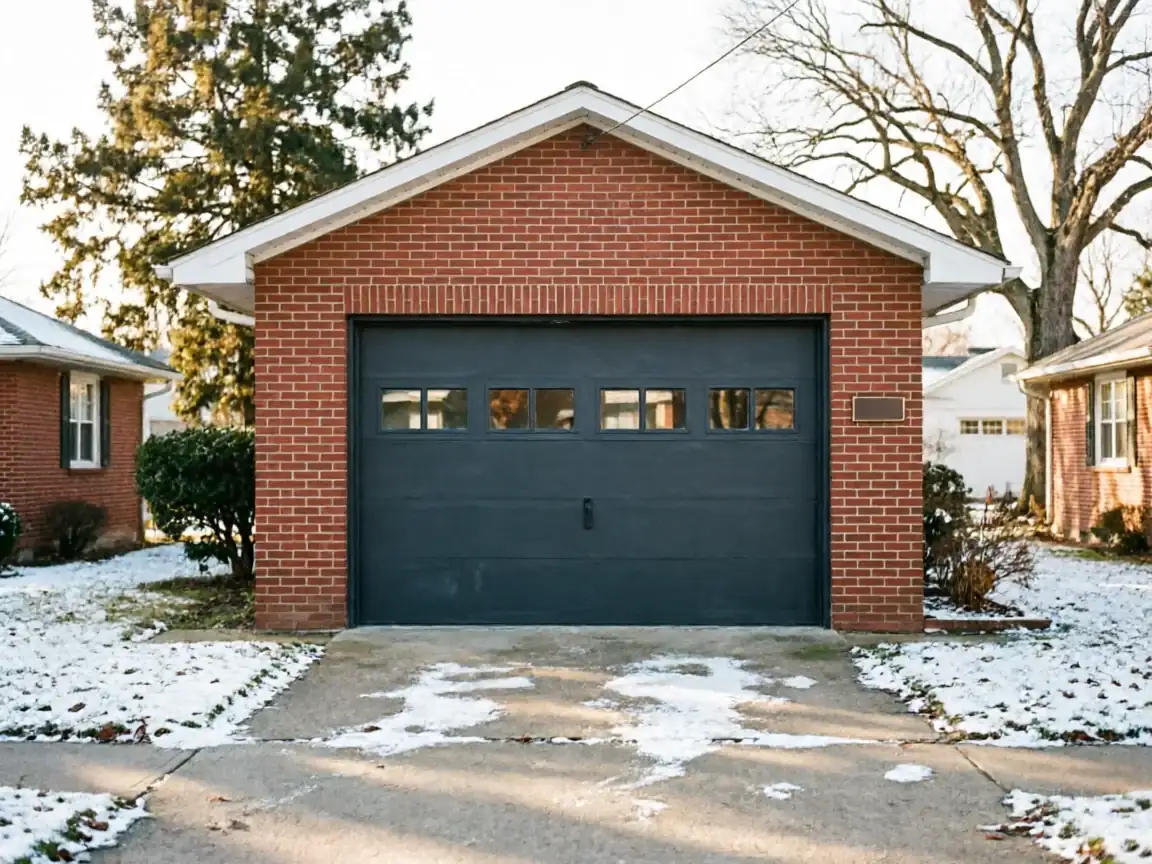
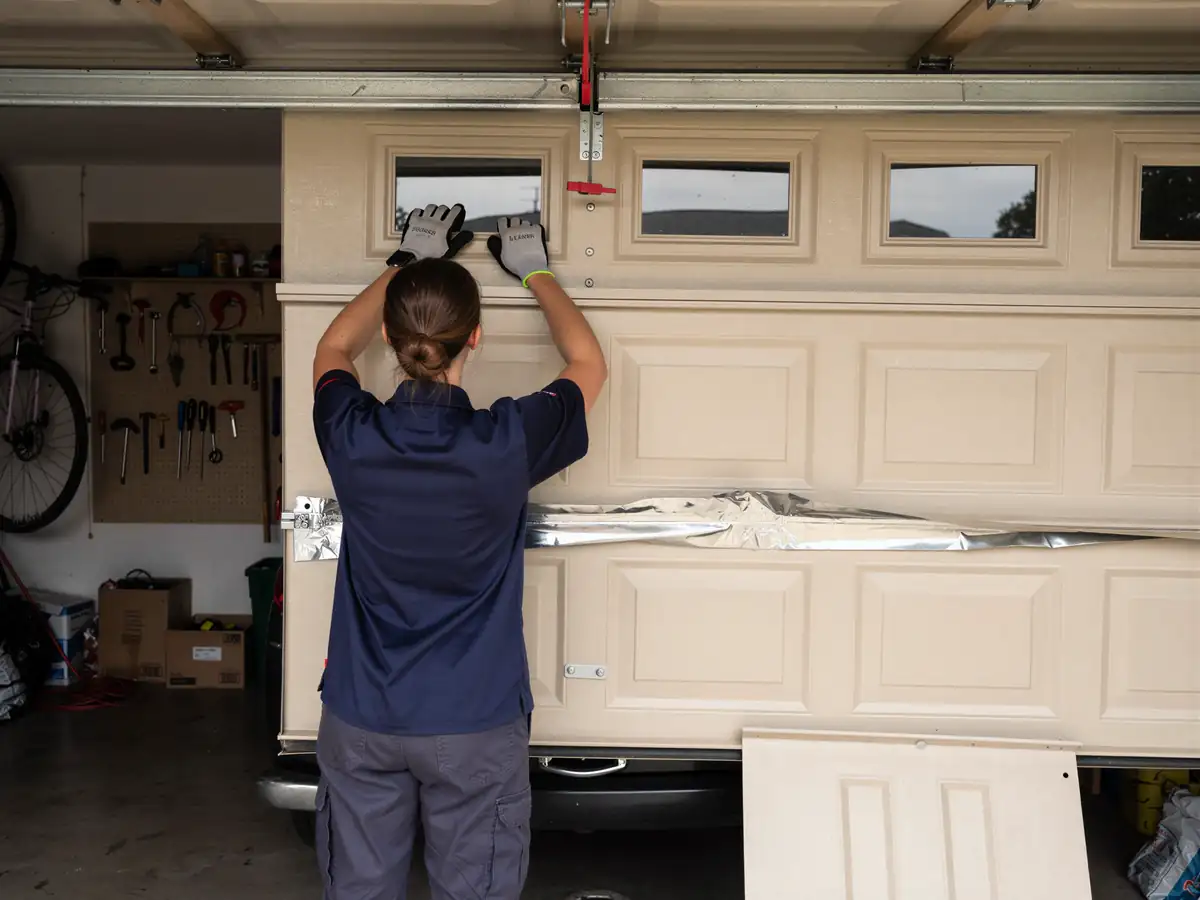
On these older South St. Paul garages, the usual picture is a panel that's cocked at an angle, a roller sitting outside the track channel instead of inside it, or a door that's stopped mid-travel with a visible gap between the track and the wall bracket. Because the housing stock here skews to 1957 construction, a lot of these doors still run on the original hinge spacing and lighter-gauge track than anything built in the last twenty years, so a single bent section can pull the whole run out of alignment. If the door looks fine but won't move, the problem is often upstream of the track - a spring or opener fault - rather than the track itself.
What the Repair Takes
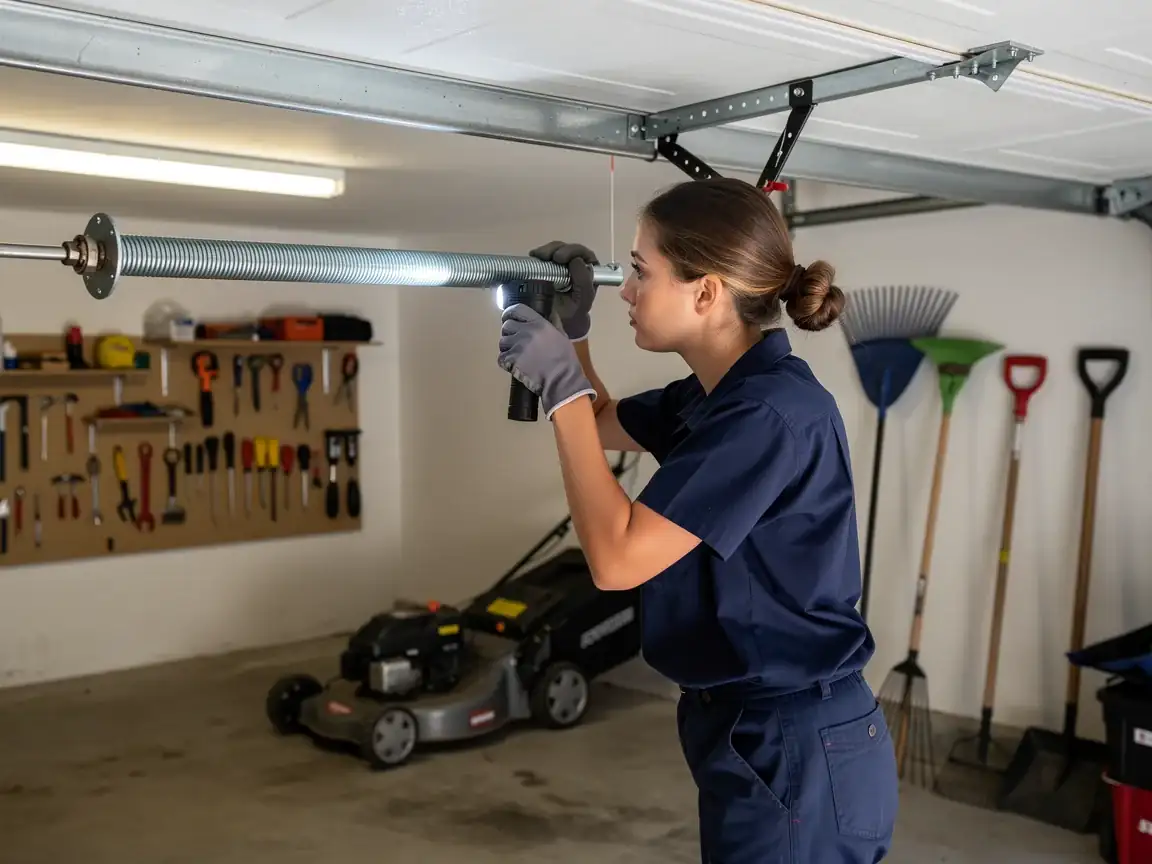
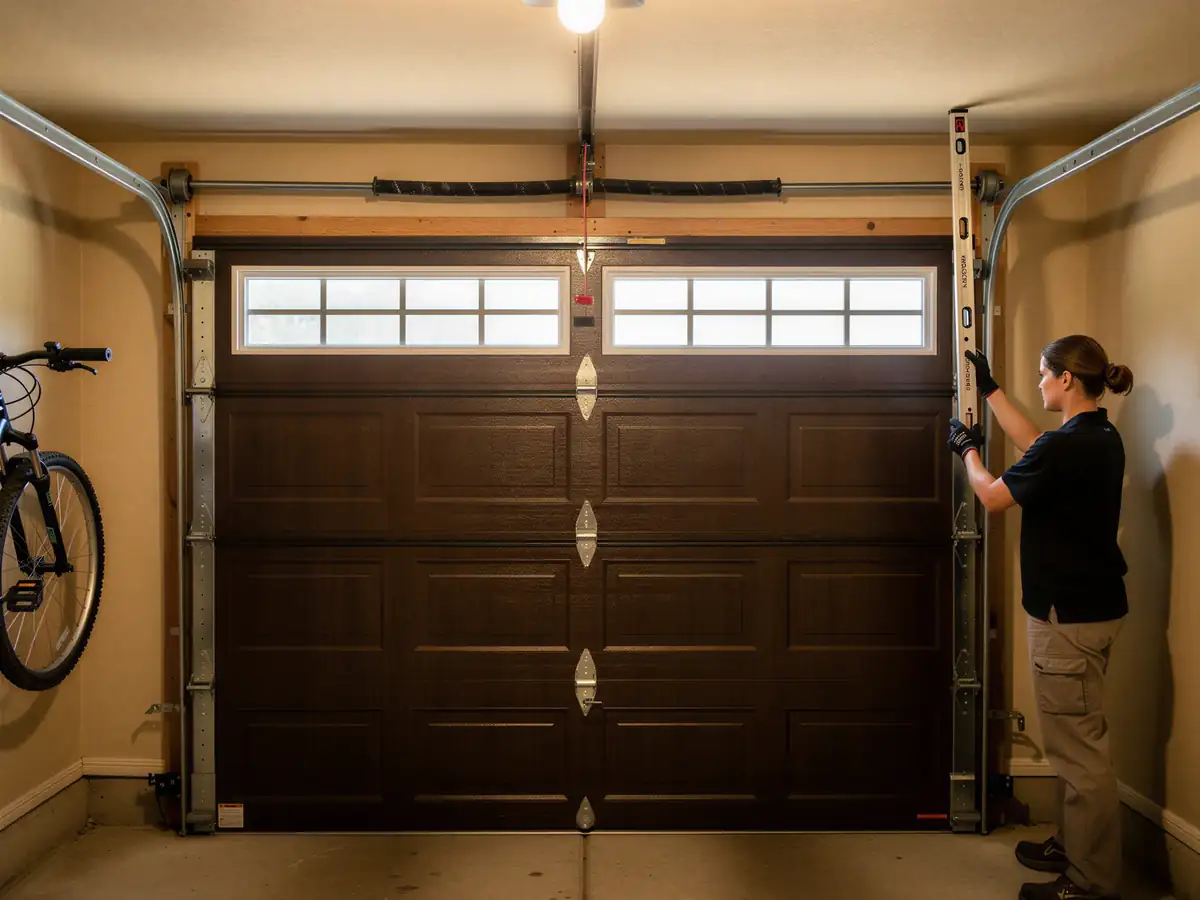
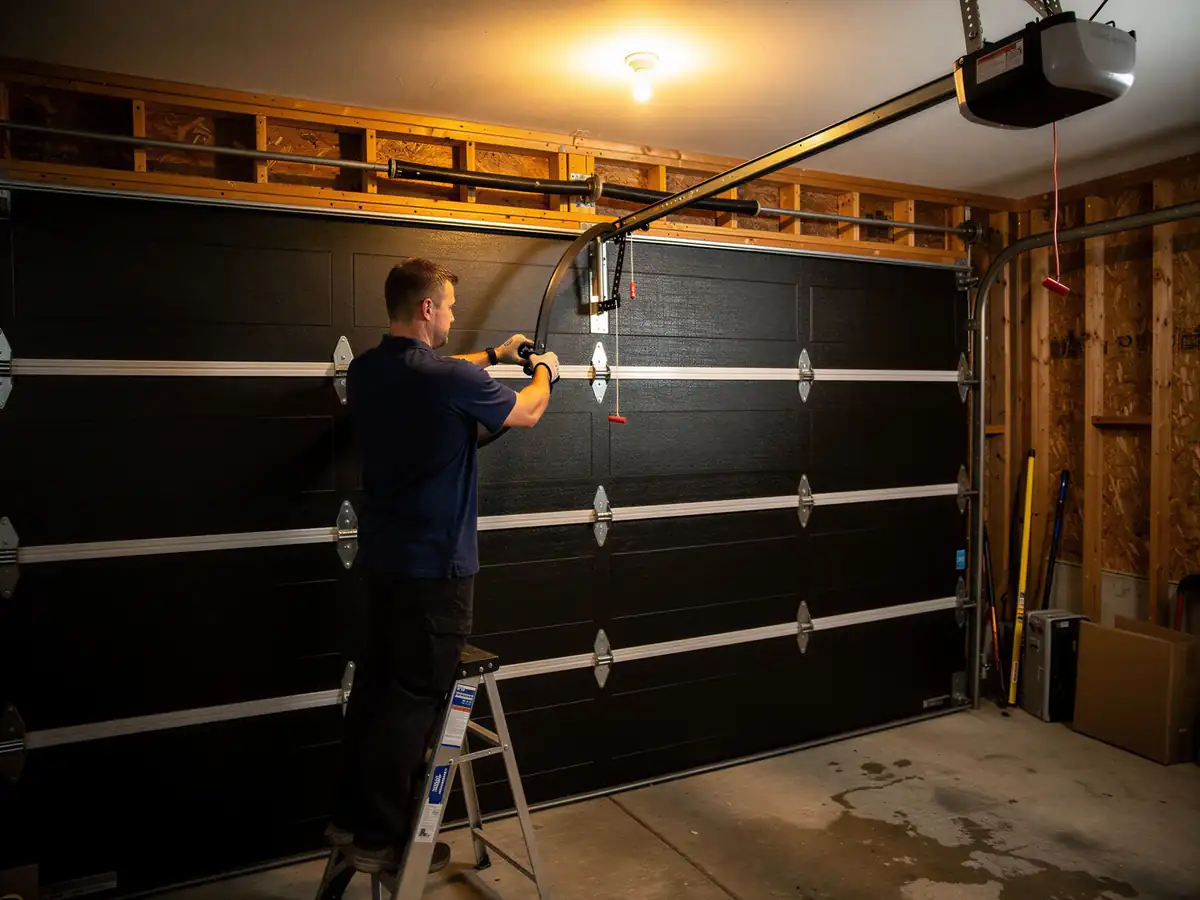
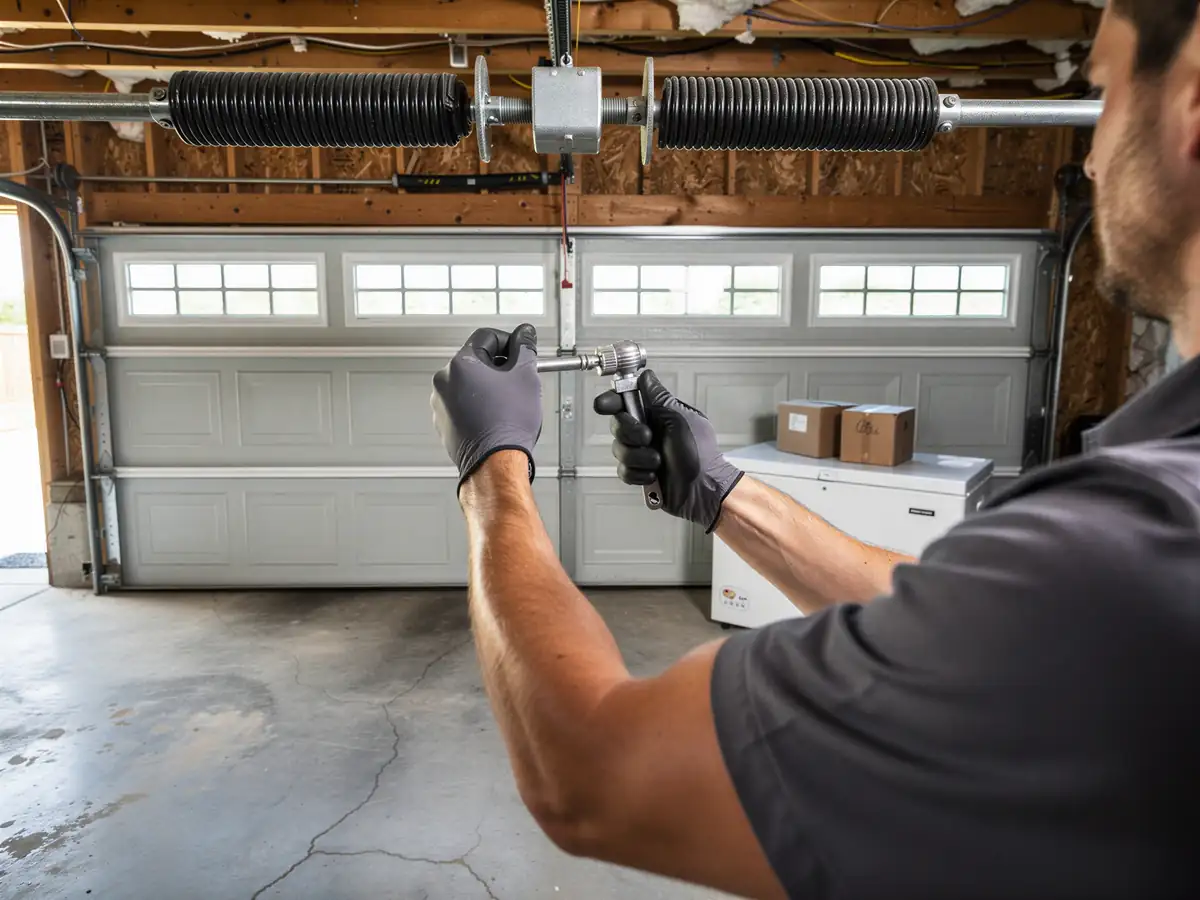
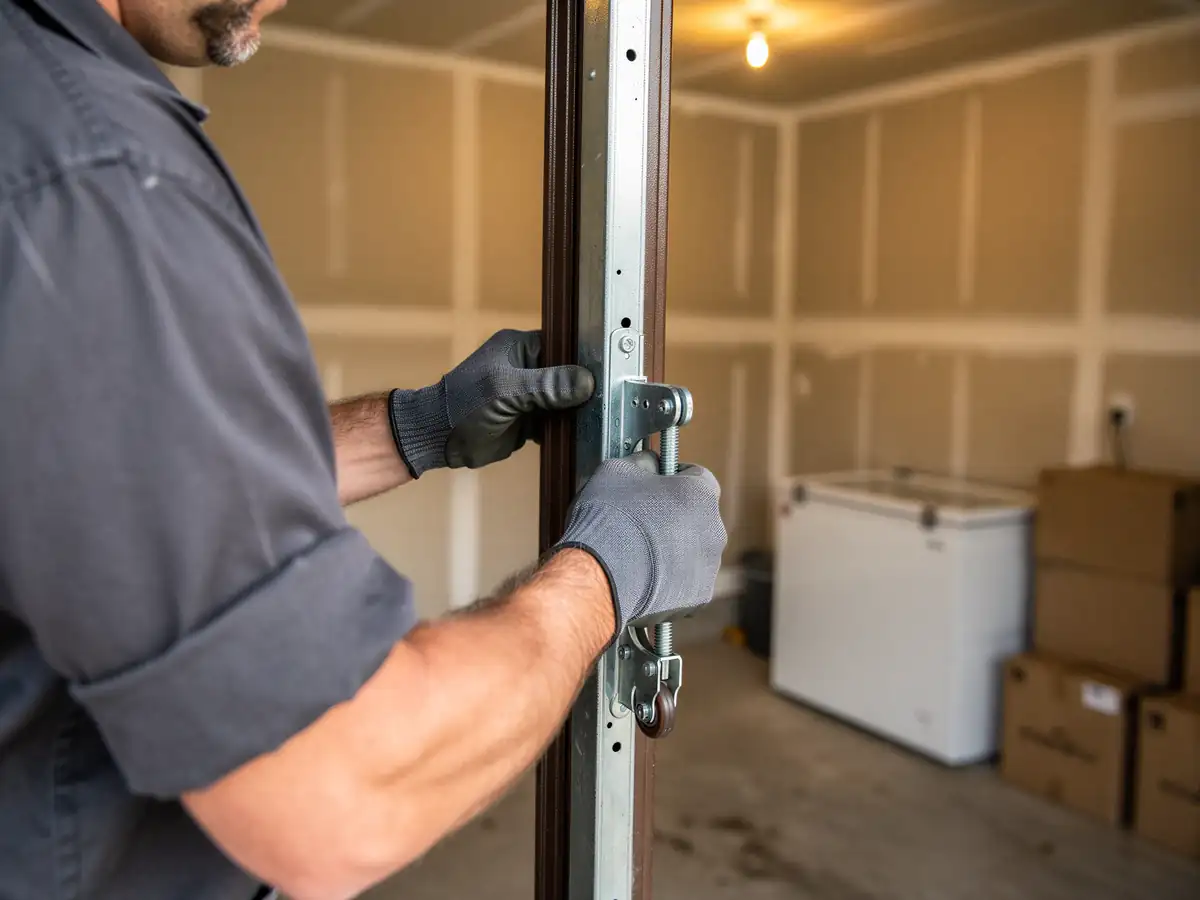
Fixing an off-track door means putting the panel back in the channel, checking every roller and hinge along the run, and squaring the track against the jamb before anything gets bolted down again. On a 1957 door, we also check the spring and cable for wear while we're in there, since hardware from that era is well past its expected cycle count even if it hasn't failed yet. Across South St. Paul's roughly 8,300 households, most of this stock sits in the same build window, so this is a repair we see often on this side of the service area - not a one-off. We don't stock every original 1950s part on the truck, so if a bracket or hinge is a discontinued size, that can mean a short wait on parts rather than a same-visit fix.