Doing It Yourself
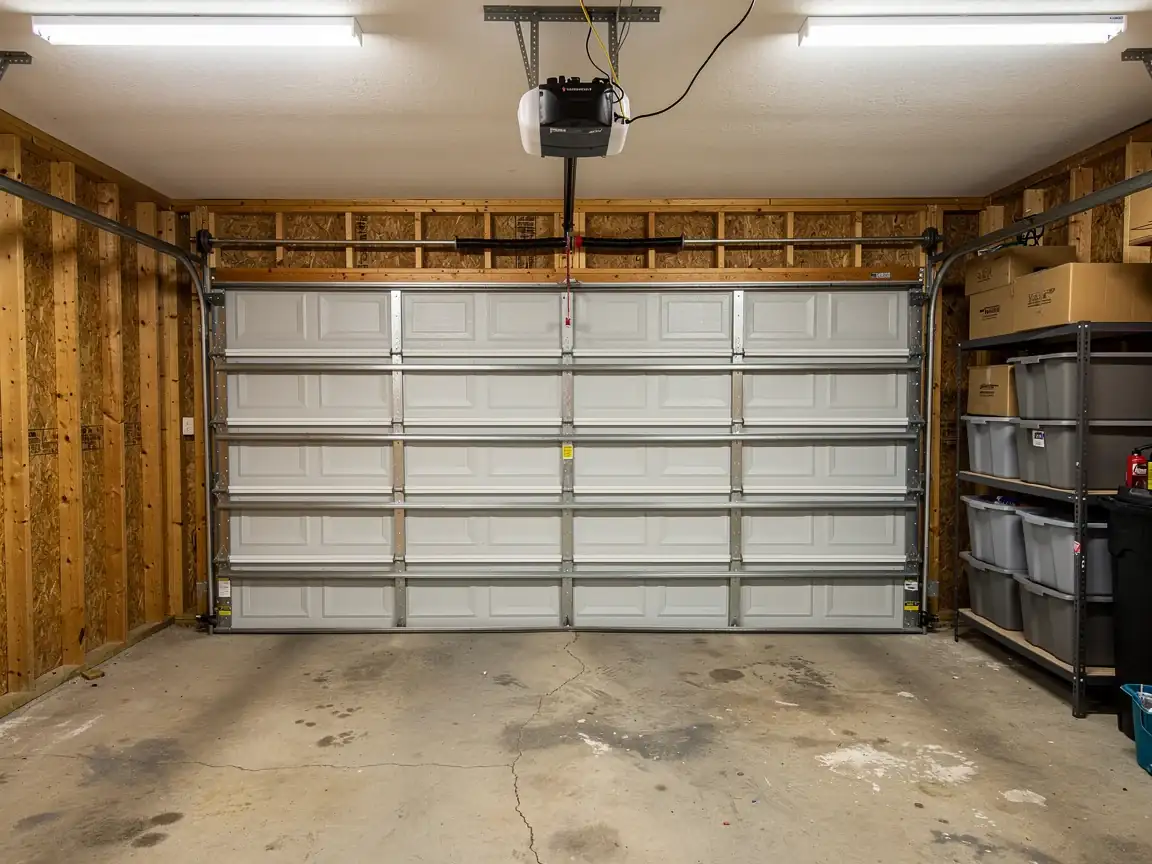
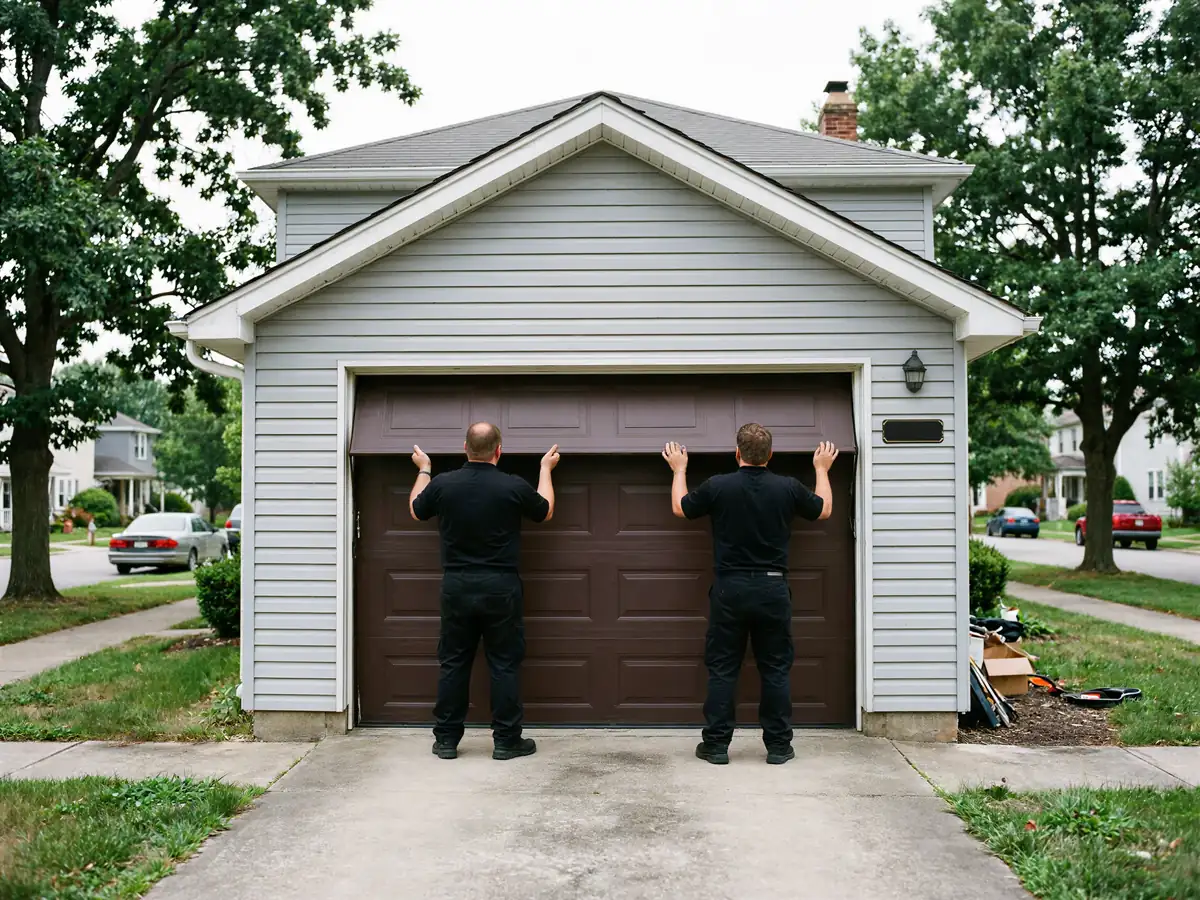
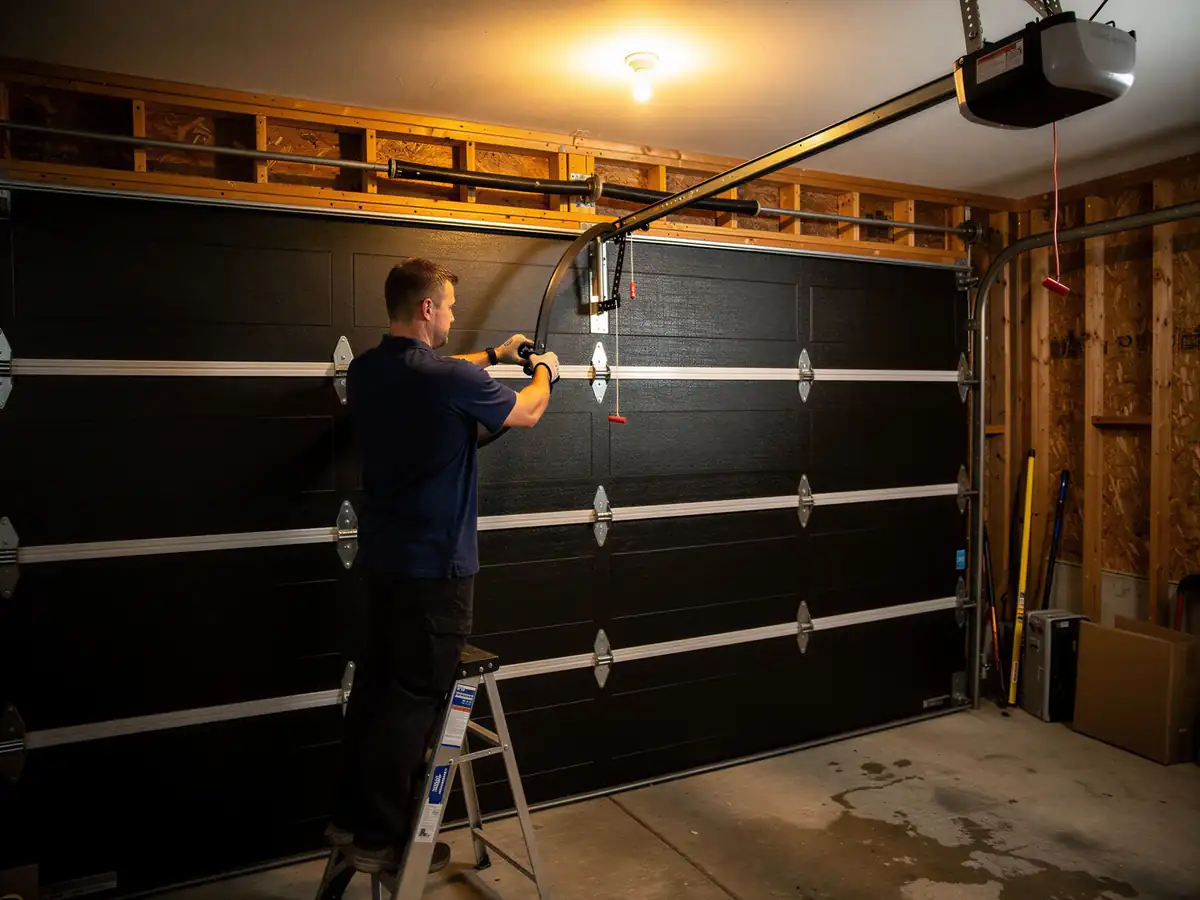
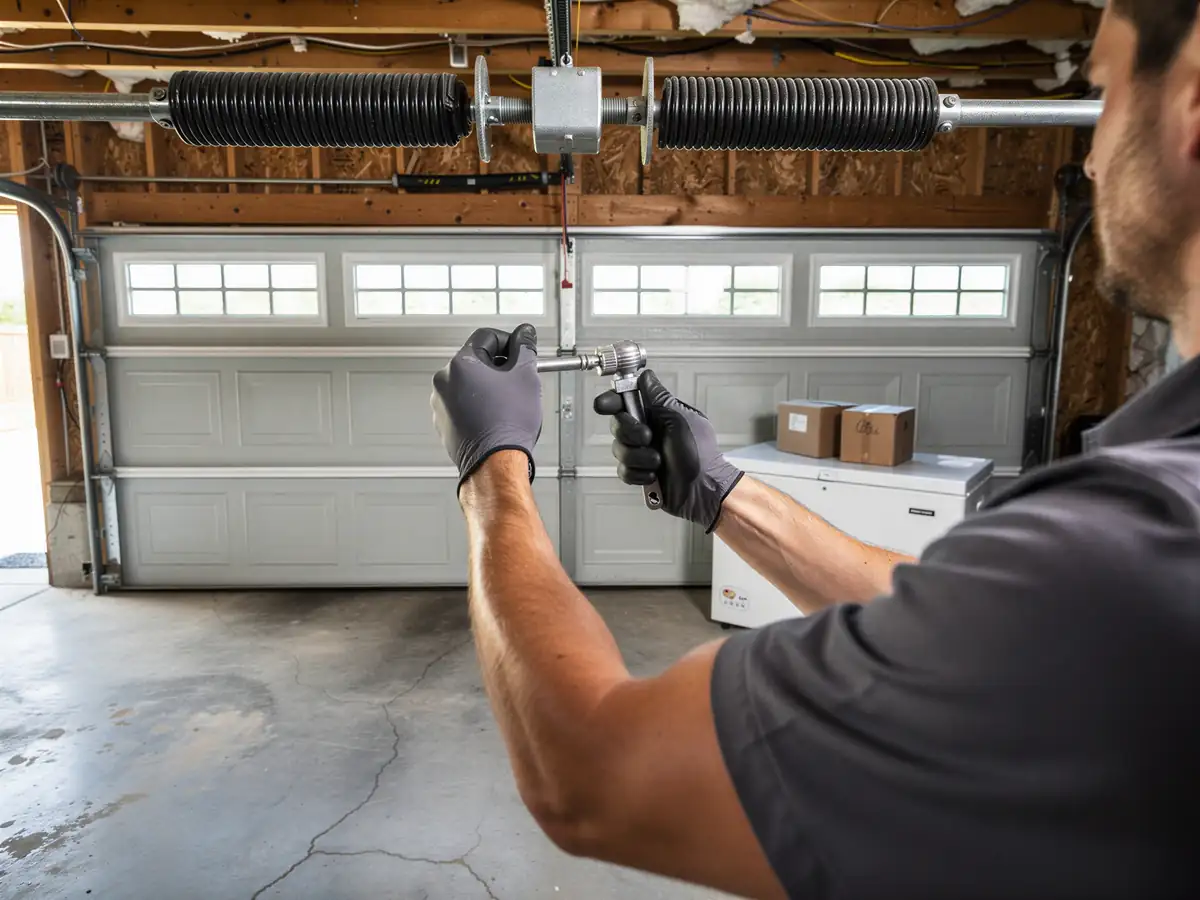
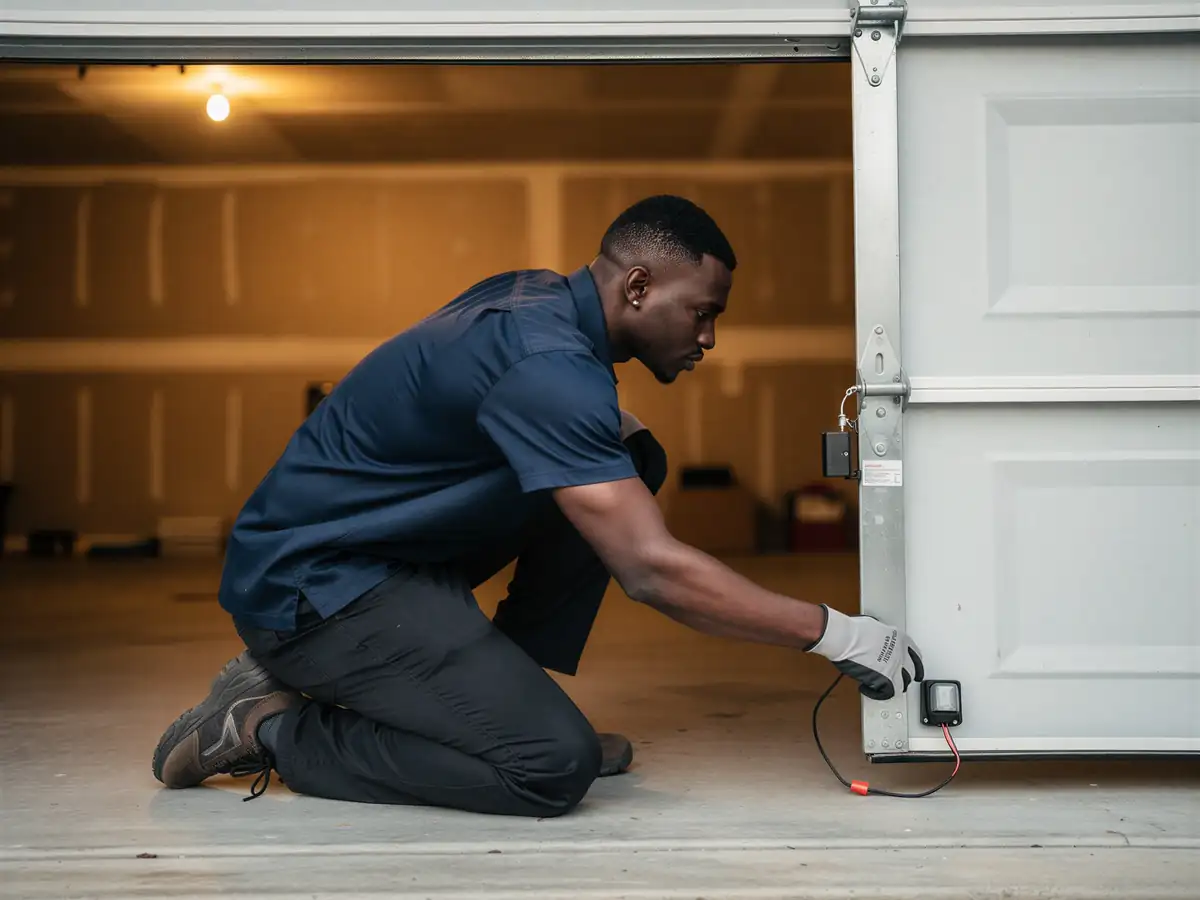
A single garage door panel looks like a weekend fix until you're the one standing in the driveway with it. The panel has to match not just in width but in hinge spacing, stile profile, and gauge of steel, and on a door built when this neighborhood went up - most of South St. Paul's housing dates to right around 1957 - the sections often don't match anything sold off a shelf today. Pull the wrong panel into place and the door racks on the track, binds against the rollers, or throws the balance off enough that the opener strains against it. If the door is a sectional with springs still under tension, removing a panel without releasing that tension properly is how people get hurt, not hypothetically. Where DIY does make sense: cosmetic dents on a panel that still seals and moves true are often fine to live with, and we'll tell you that honestly rather than talk you into a replacement you don't need. But a cracked, bowed, or torn panel on a door this old is rarely a bolt-and-go repair, and matching it wrong costs more to undo than it would have cost to call first.
What You Are Seeing
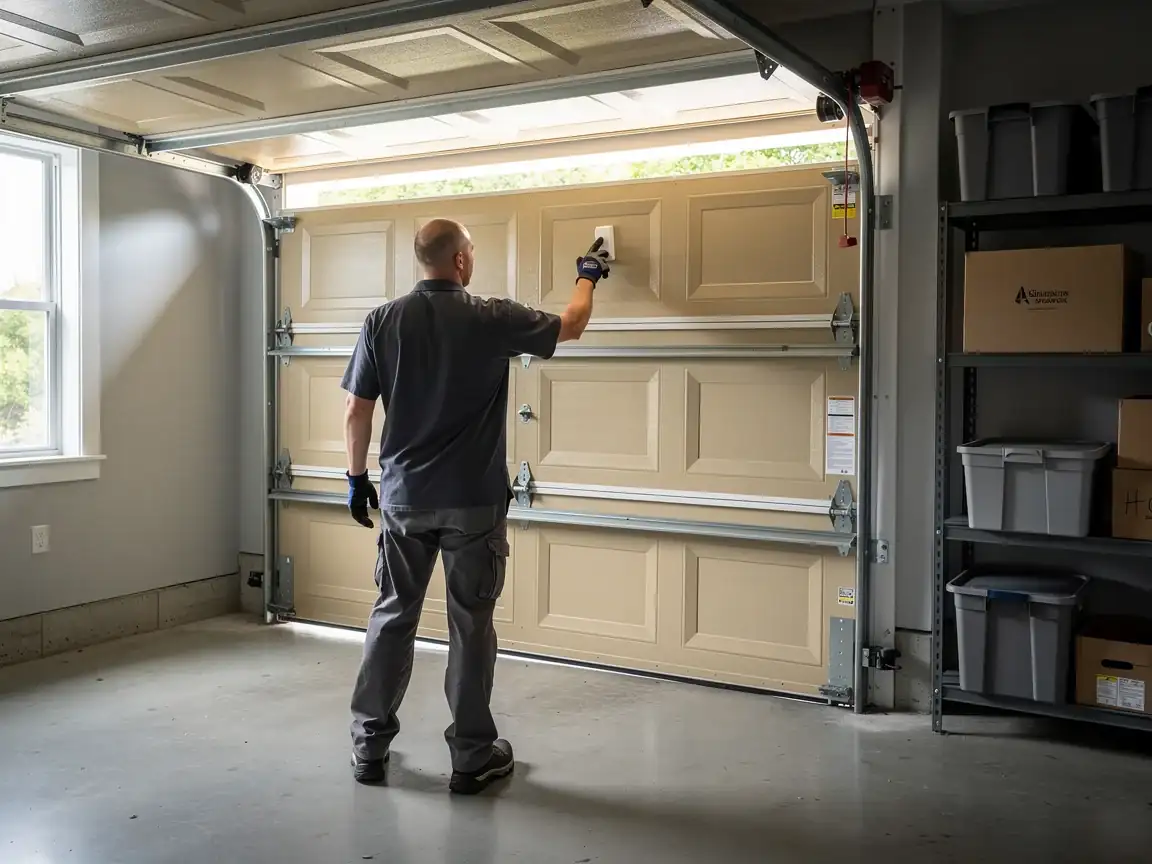
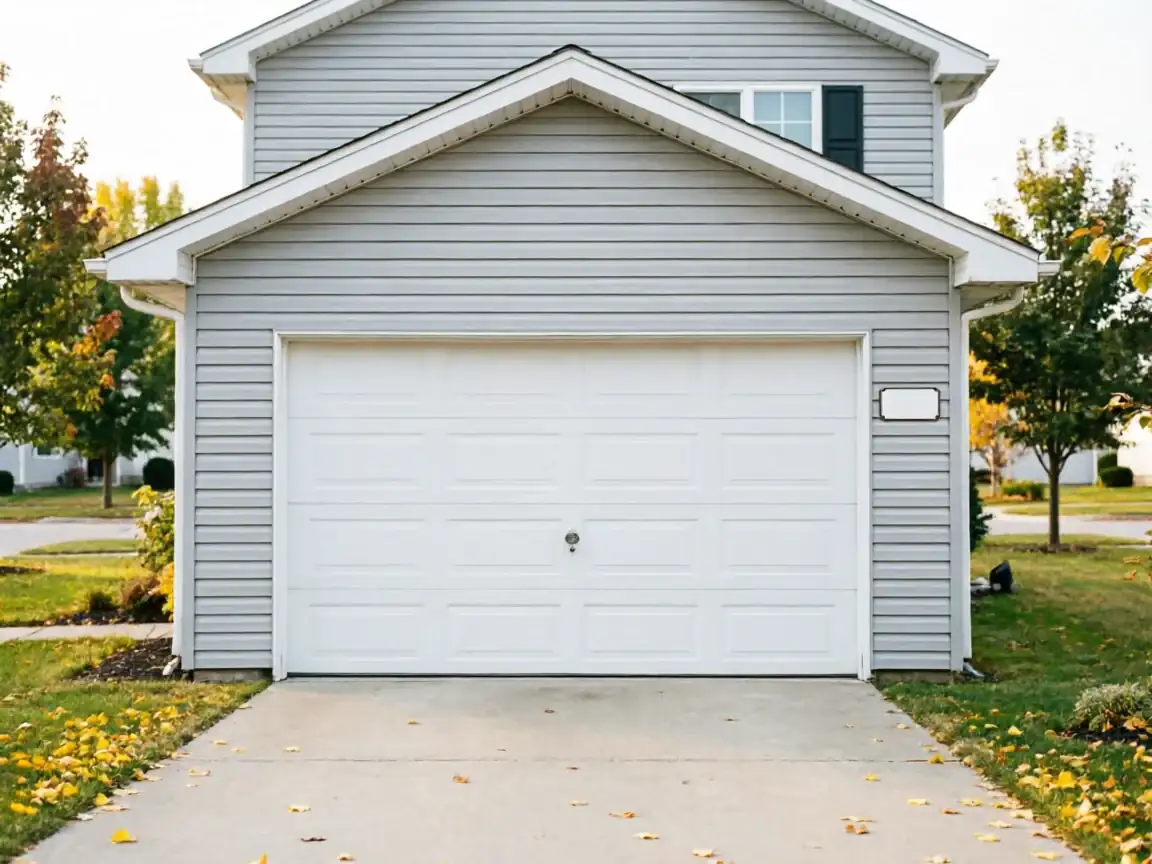
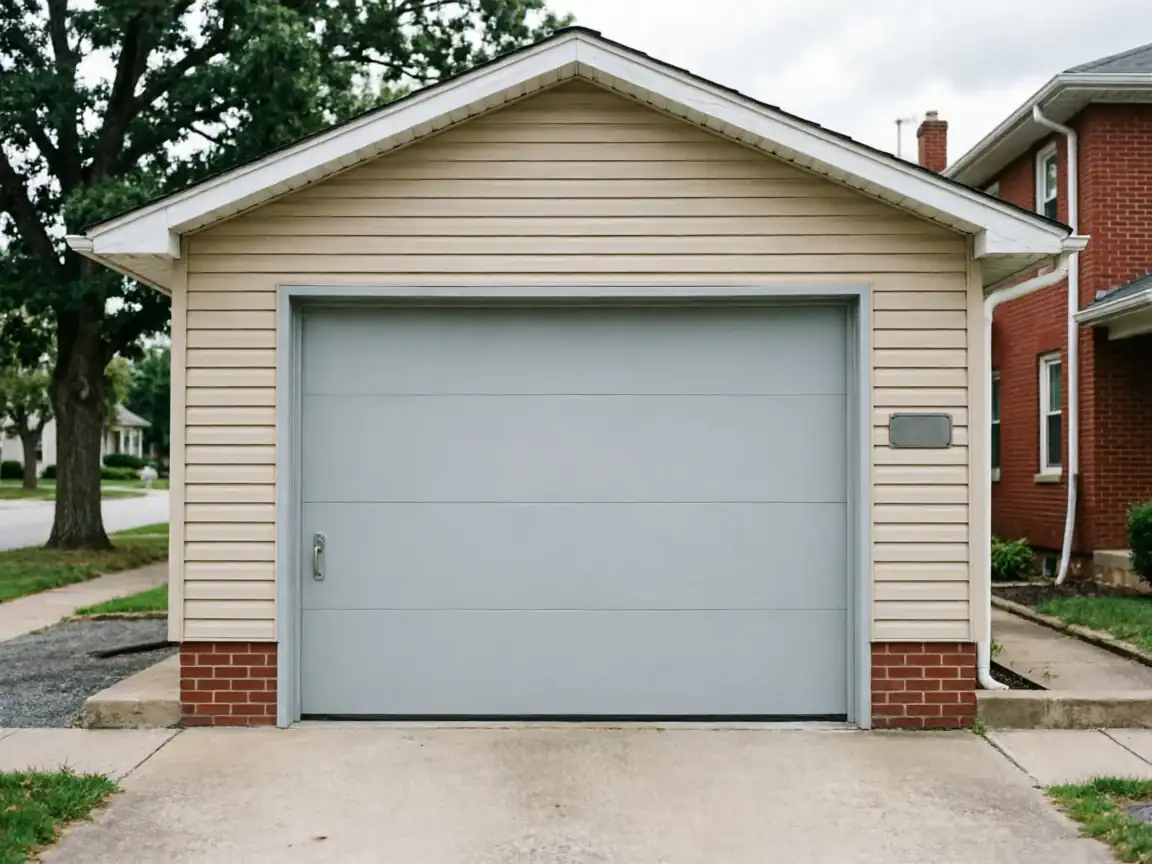
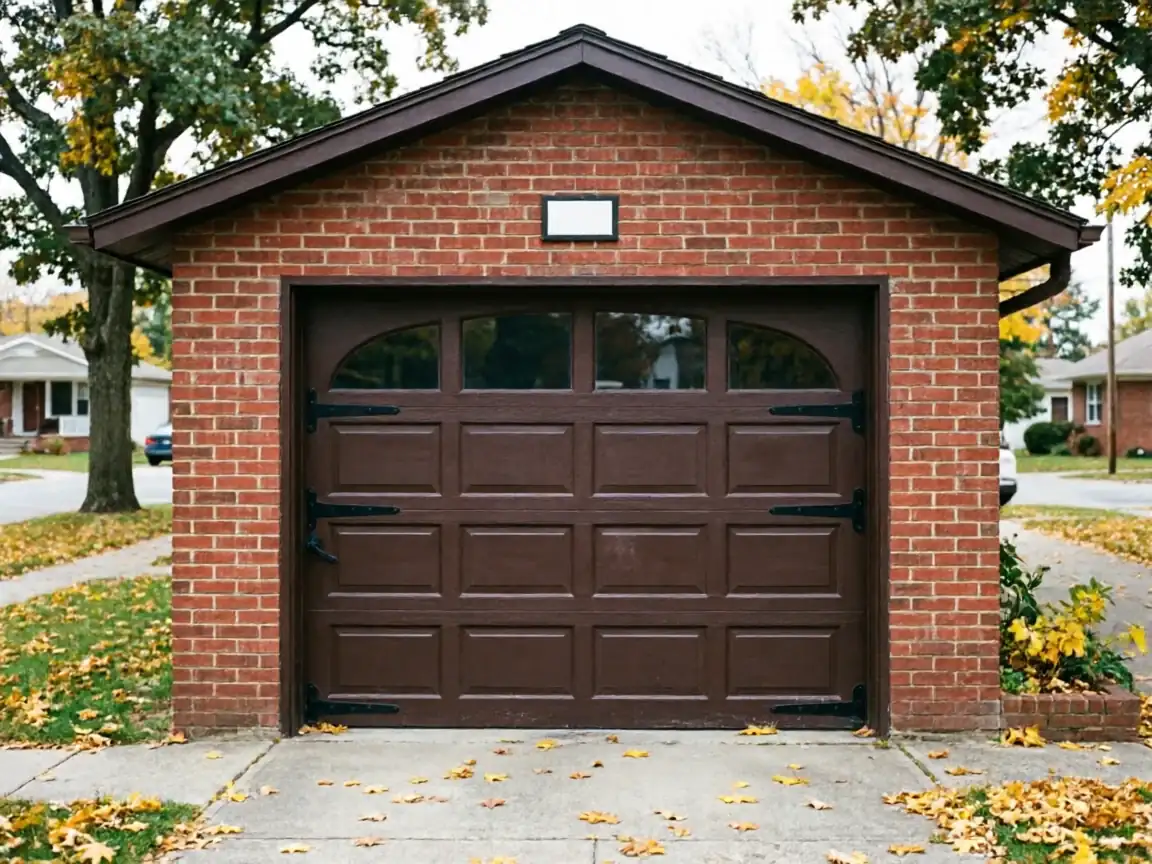
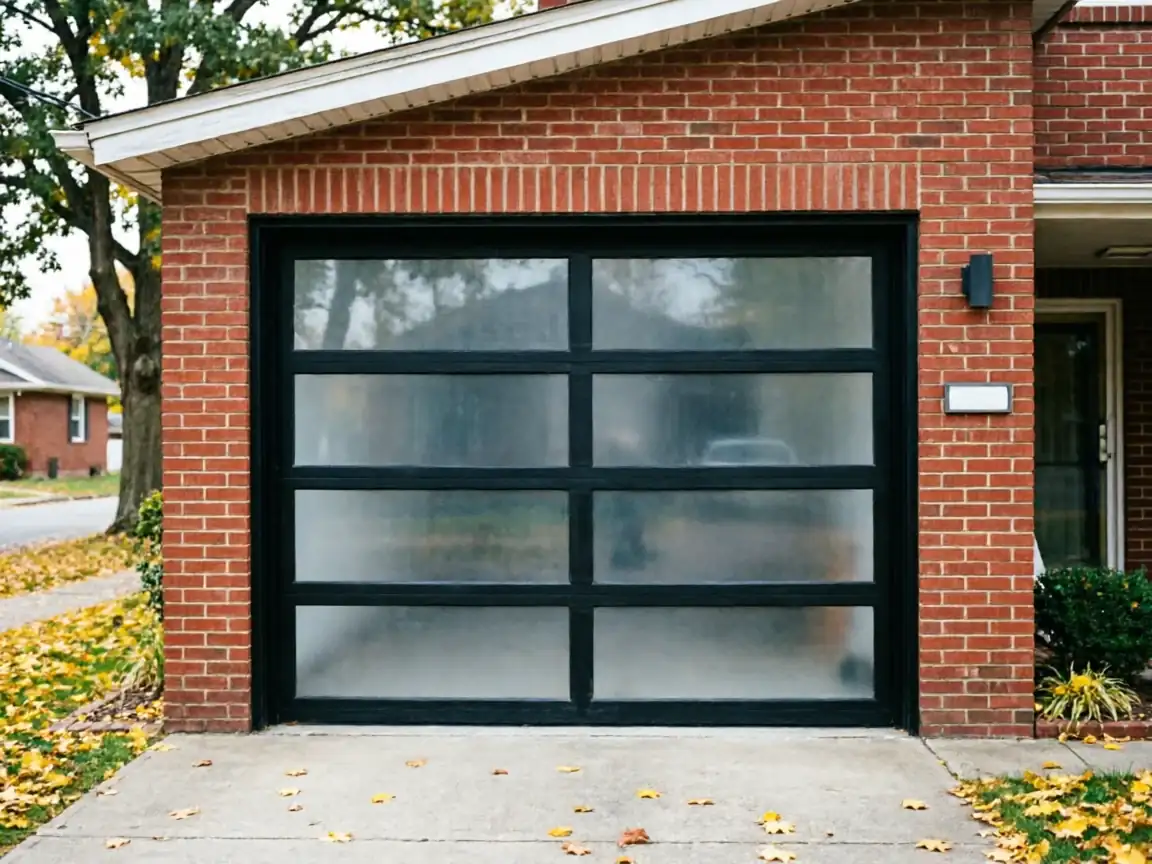
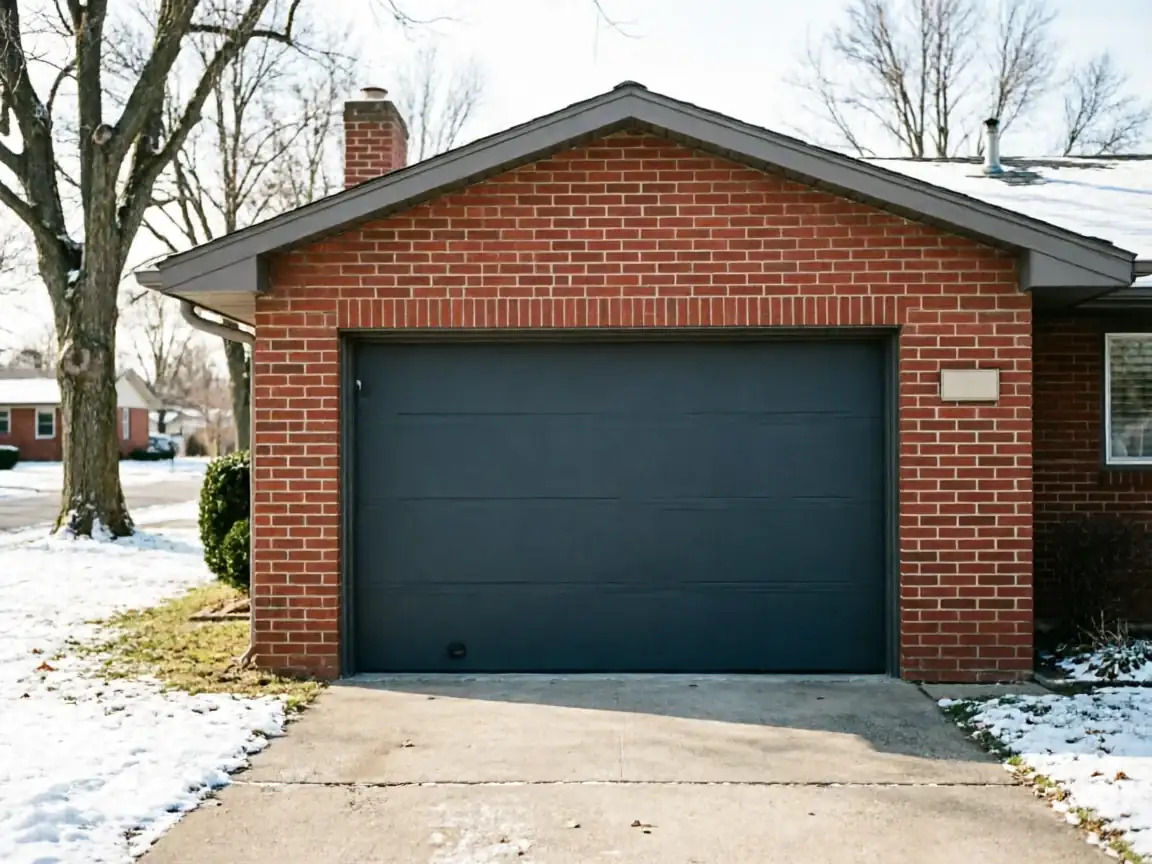
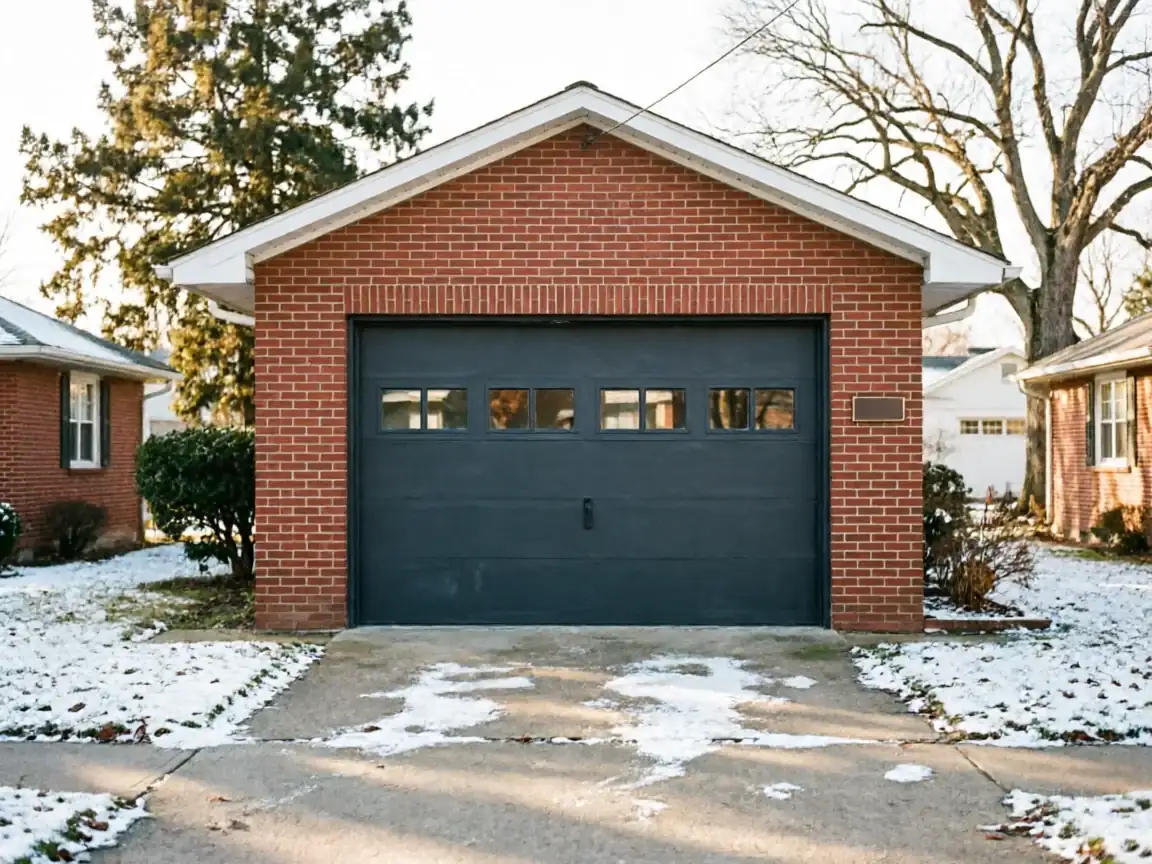
On a door from the 1957 era of construction, panel damage usually shows up as a crease across one section - a low spot where a bumper or a car mirror caught it - or as rust-through along the bottom edge where decades of snowmelt have sat against the steel. Some of these doors never had foam insulation added, so a cracked panel on an uninsulated door often means the steel itself is thinner and more prone to denting than what's made today. You might also see a panel that no longer sits flush with its neighbors, pulling the whole door slightly out of square at the seam. If the window insert panel is the one damaged, the frame around the glass is often where the rust starts first, since that's where the seal breaks down earliest. None of this is unusual for a door this age - it's just what 65-plus years of Minnesota winters do to a steel panel that's never been swapped out.
What the Repair Takes
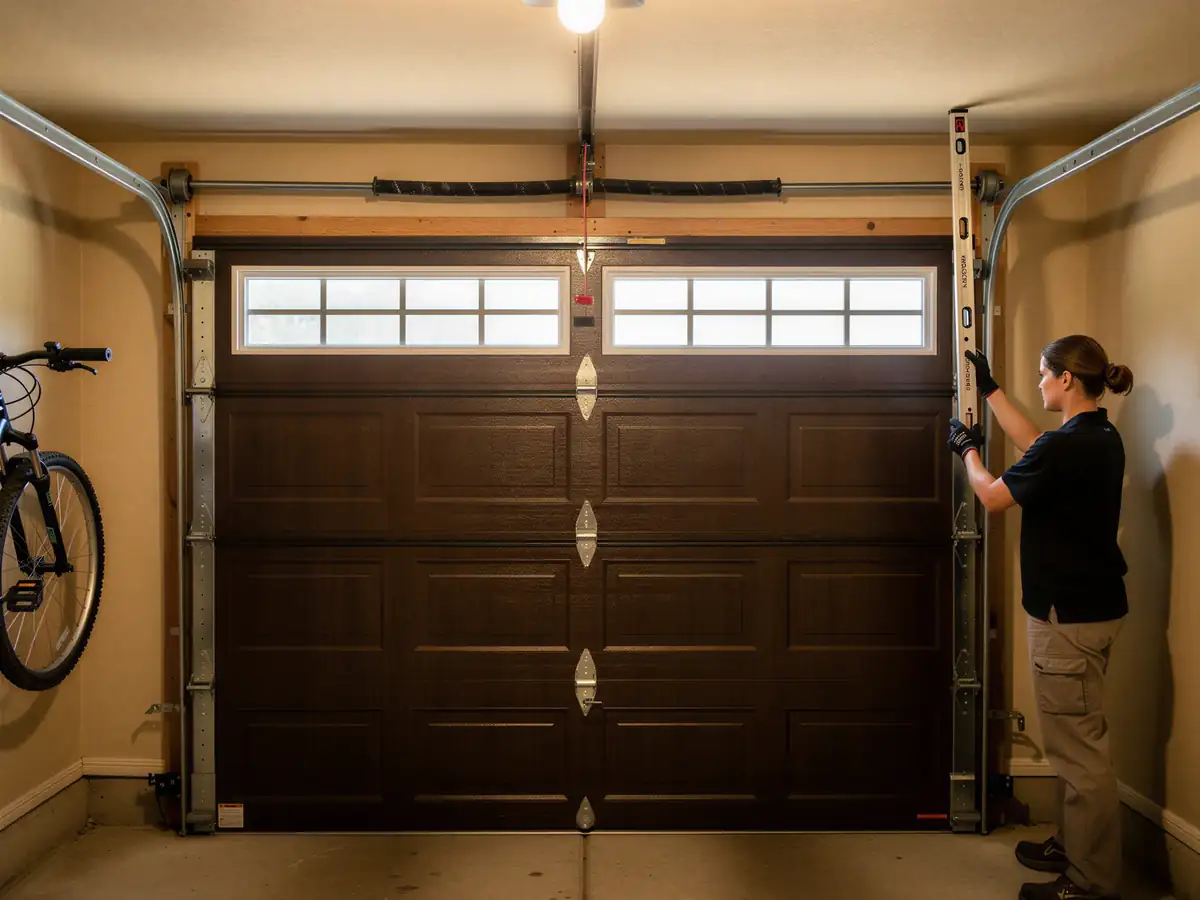
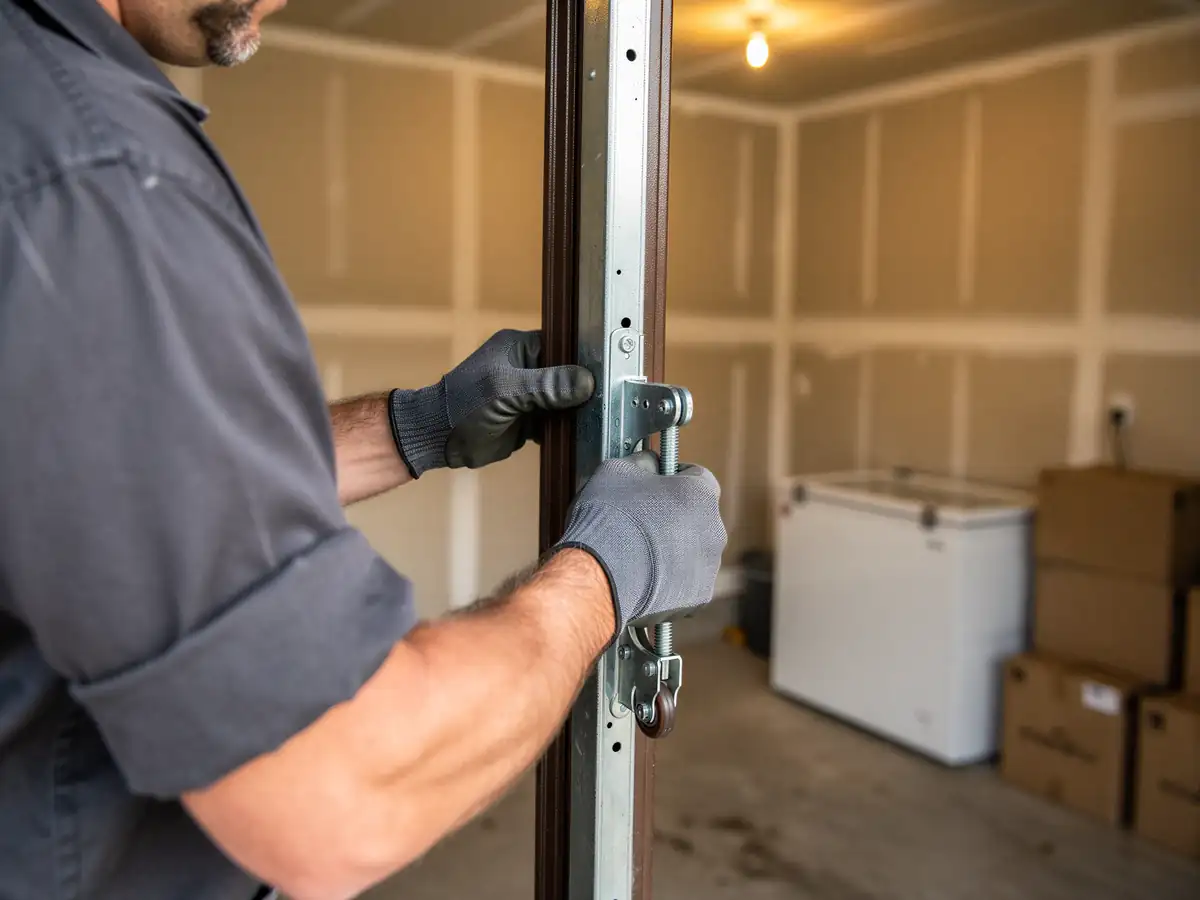
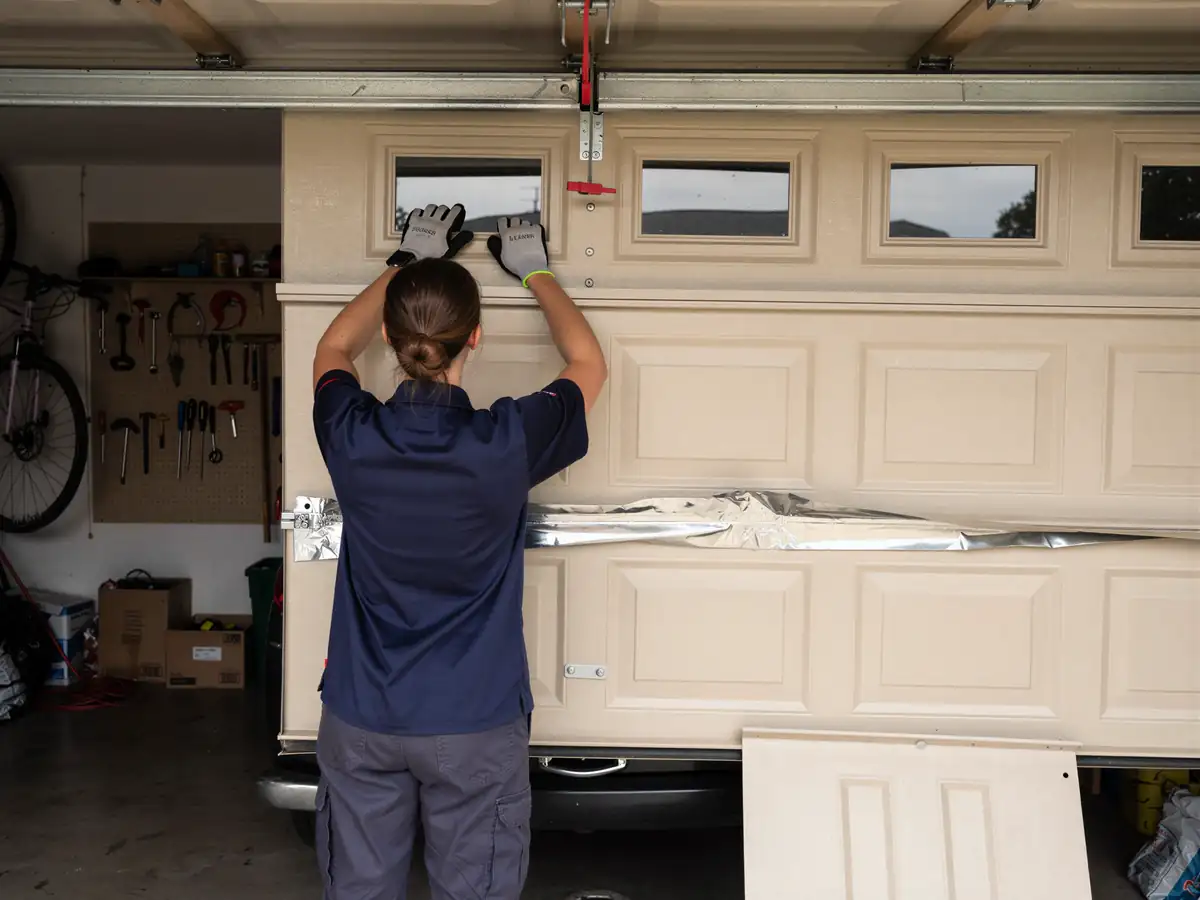
We start by identifying the door manufacturer and panel style, which on an older South St. Paul house sometimes means matching against discontinued lines rather than current catalogs. If an exact match exists, the job is straightforward: remove the damaged section, transfer hardware, hang the new panel, and recheck the door's balance and travel. If no exact match exists, we'll walk you through the real options - a close-enough match, a refinish to blend it, or in some cases a full door replacement if the mismatch would bother you more than the cost difference. Either way, we don't carry every obsolete panel profile on the truck, so once we've confirmed what's needed, there can be a short wait for the part to come in before we make the 18-mile drive back out. We'd rather order the right panel once than make that drive twice.