Doing It Yourself
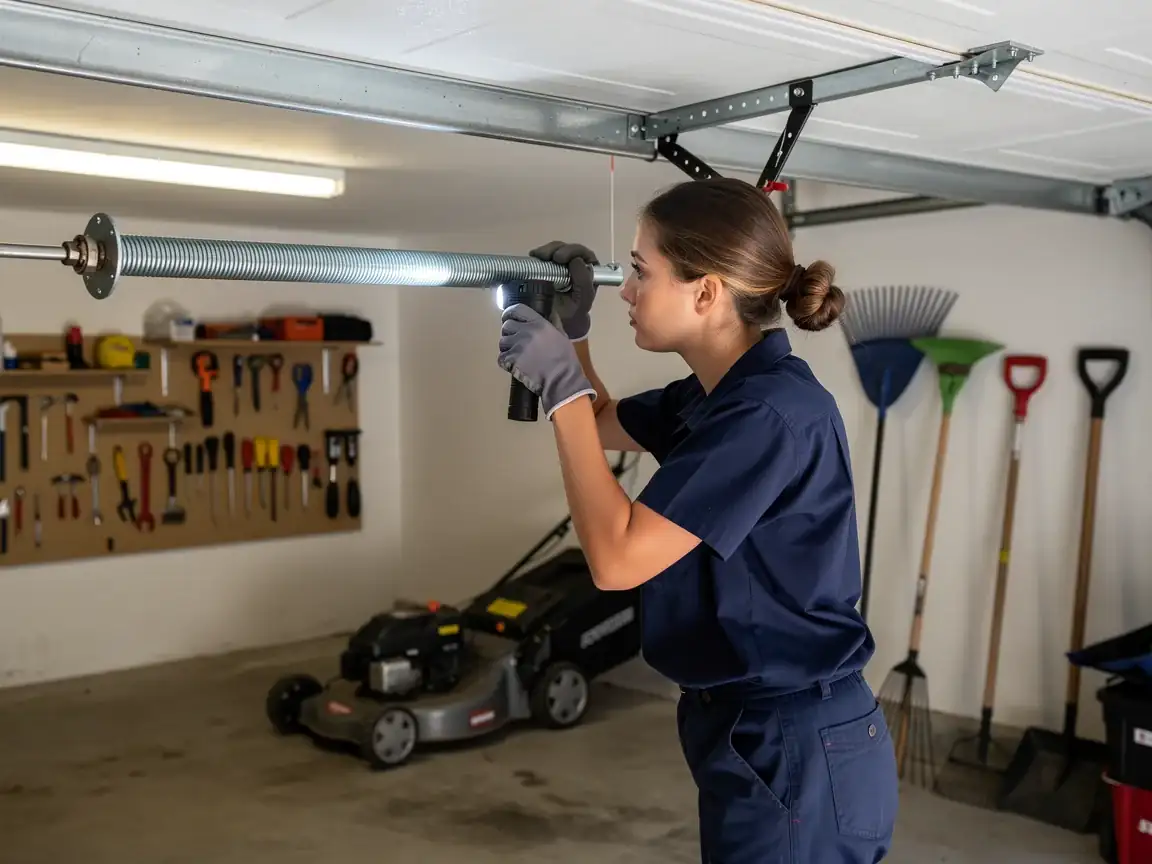
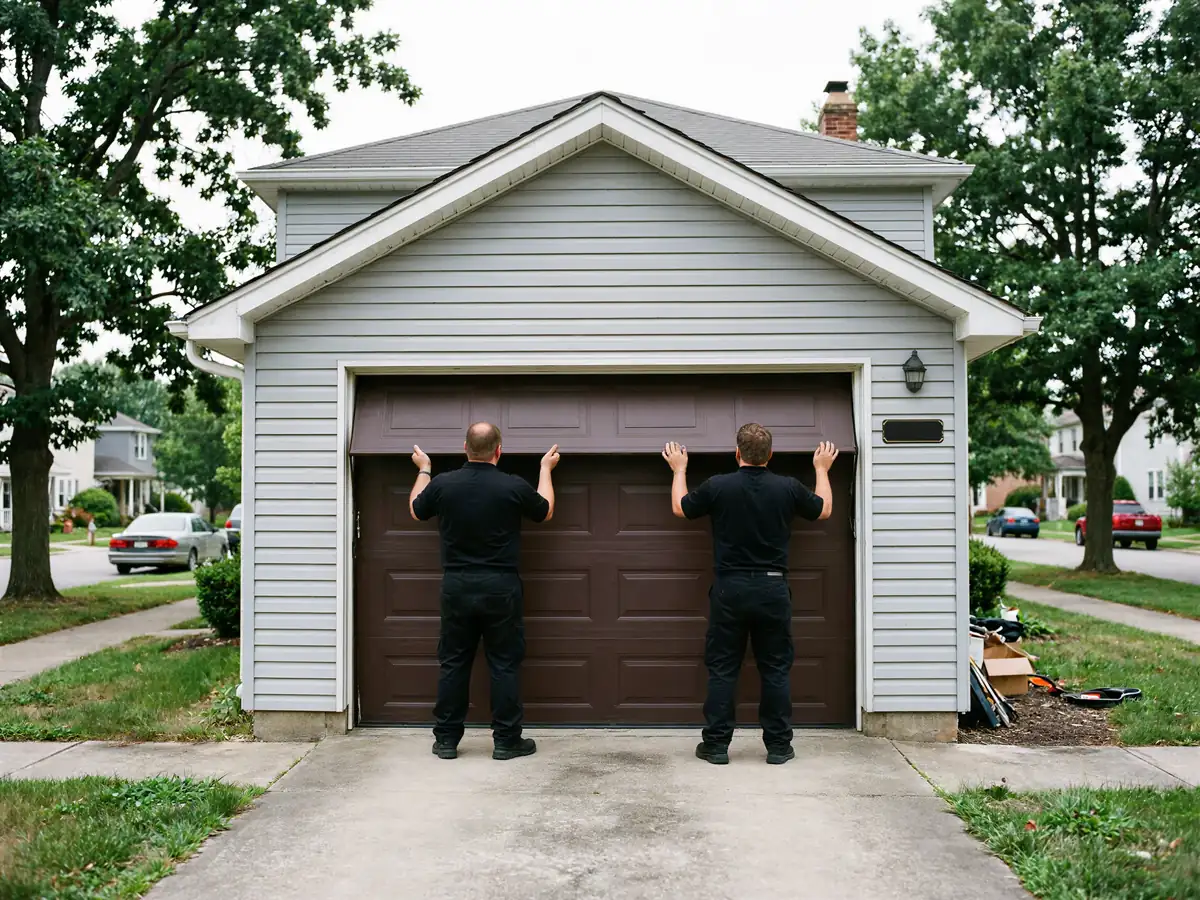
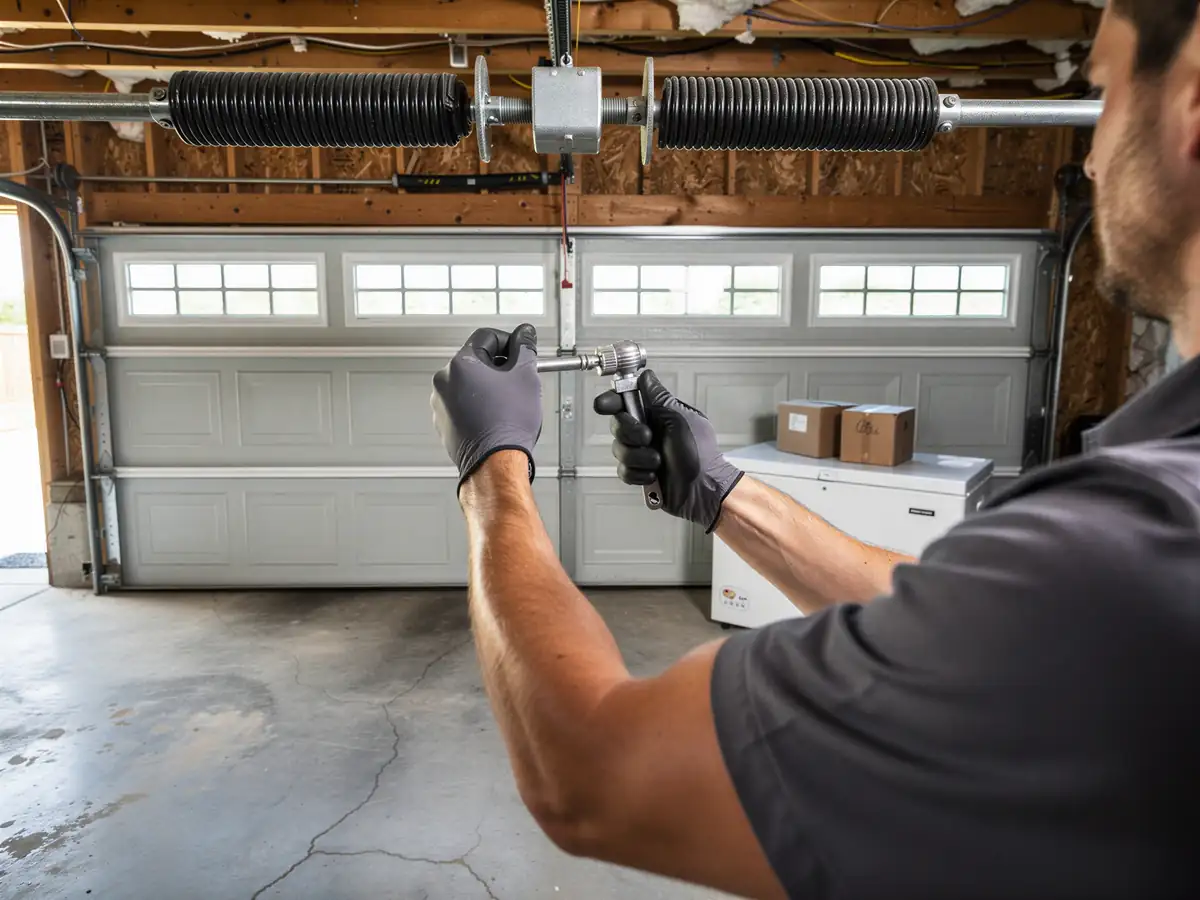
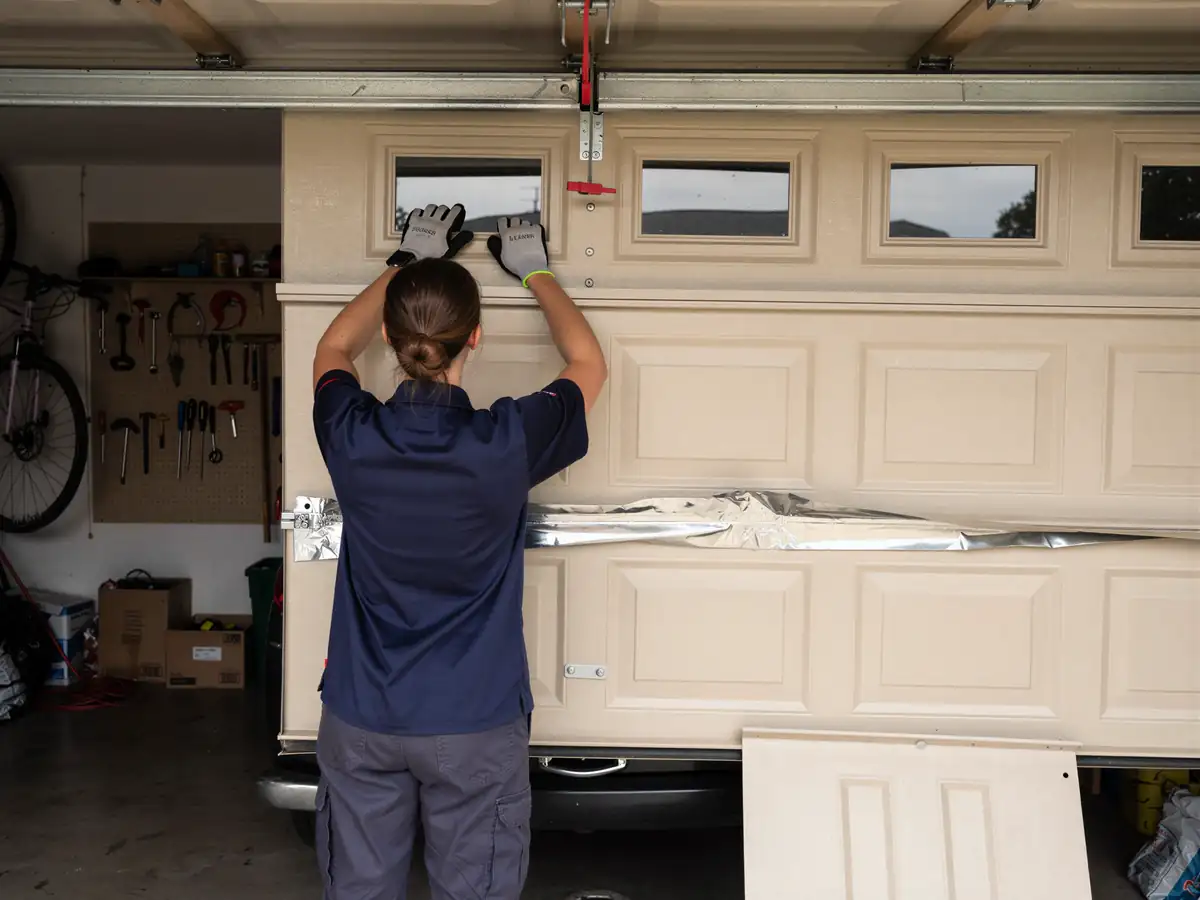
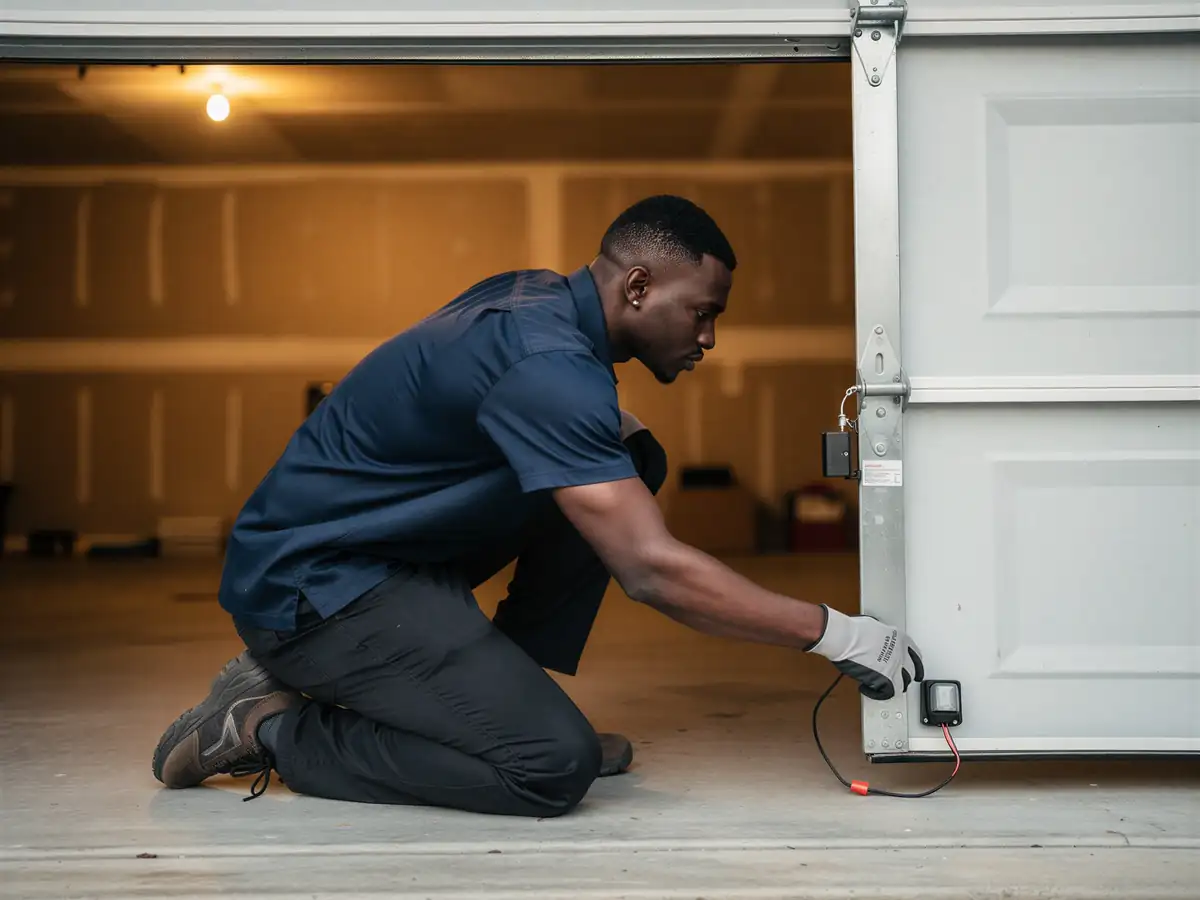
A door built around 1957 is old enough that the spring sizing, drum style, and even the track gauge don't always match what you'll find listed for a current big-box replacement kit. If you're troubleshooting yourself, start with the obvious: is the opener getting power, does the door bind at the same spot every time, are the cables fraying. Those checks are fine and free. What's not worth doing yourself on a house this age is pulling a torsion spring or swapping a cable under tension. The spring on an older door has had sixty-plus years to corrode in ways you can't always see, and a spring that looks fine can still let go hard. We'd rather you call with a vague description than attempt that one repair. Everything else - checking the weatherstrip, cleaning tracks, tightening loose hinges - is reasonable to try before you need us at all.
What You Are Seeing
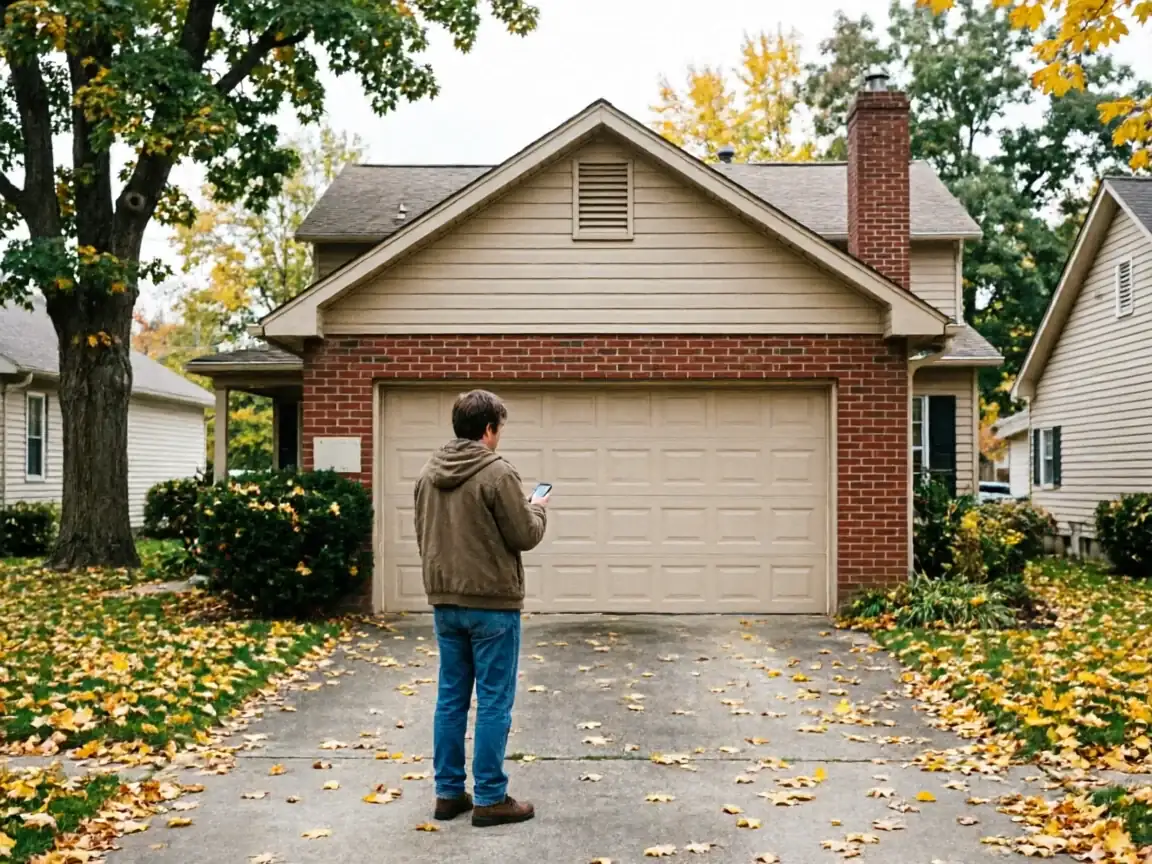
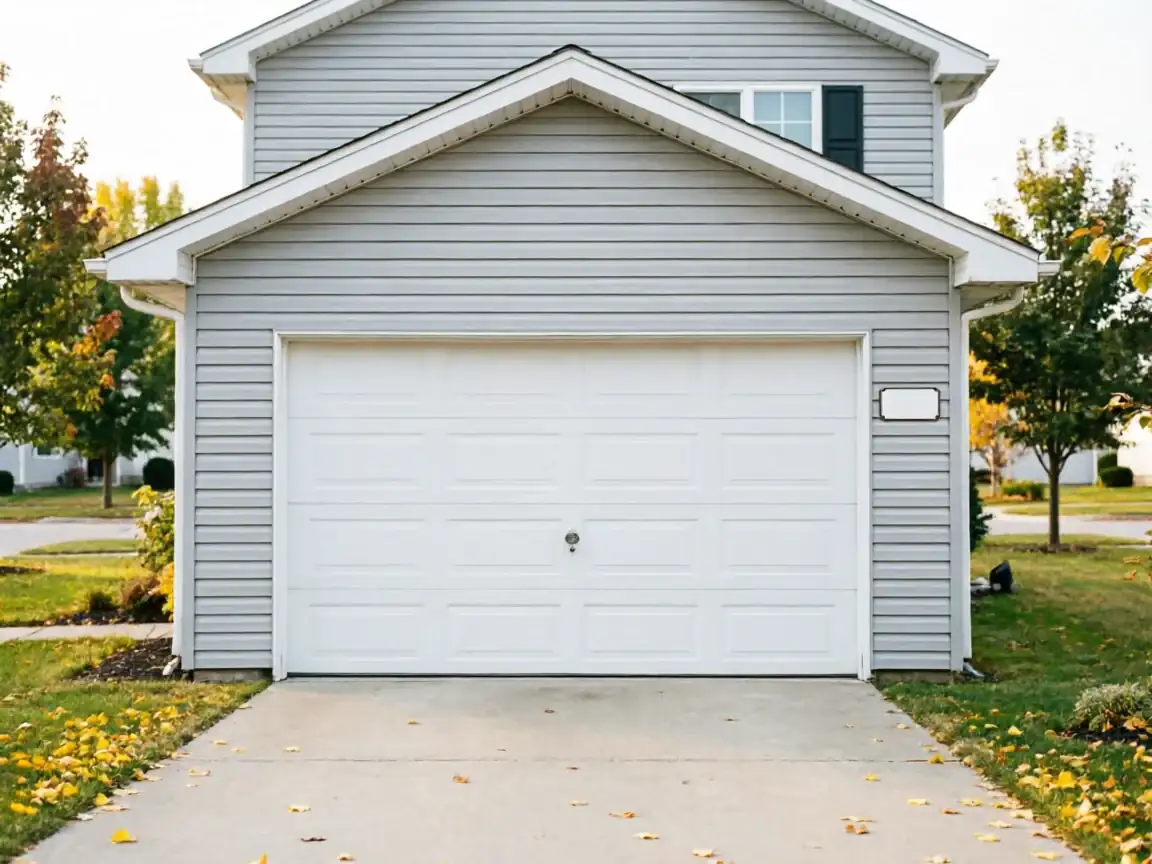
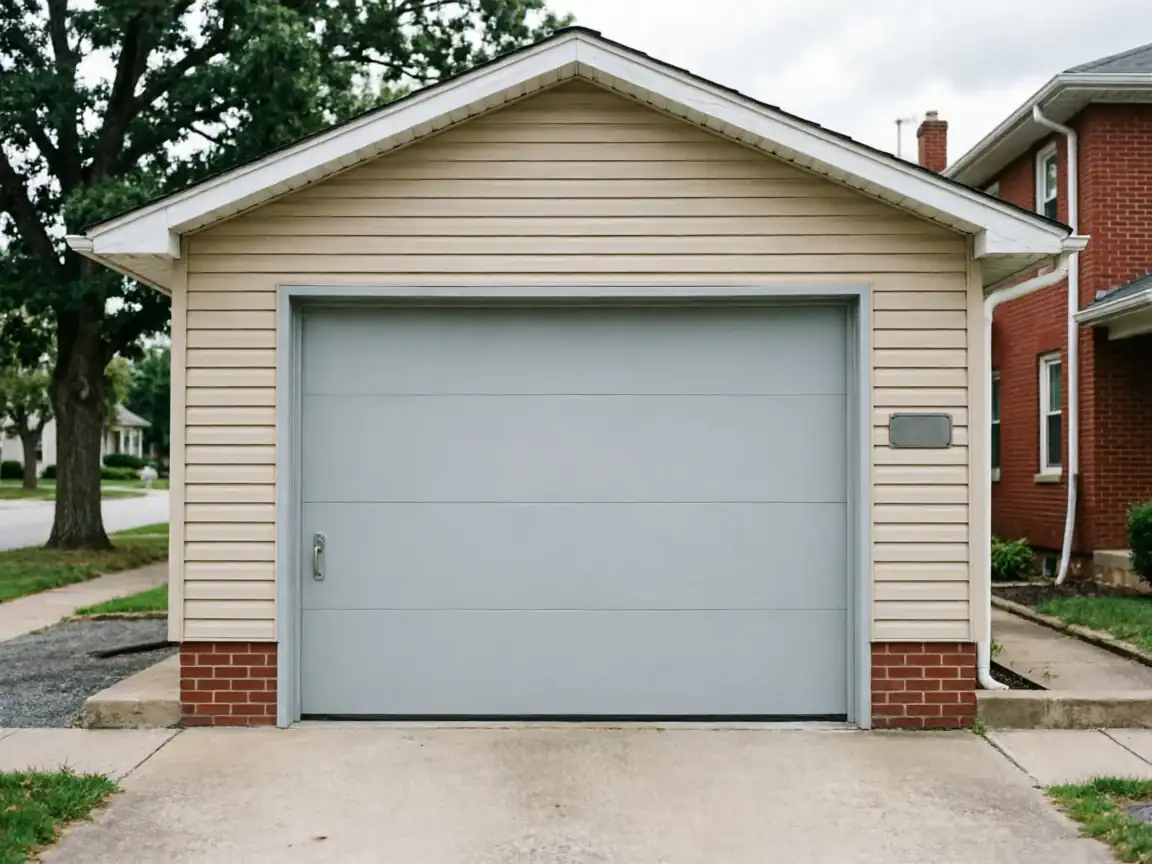
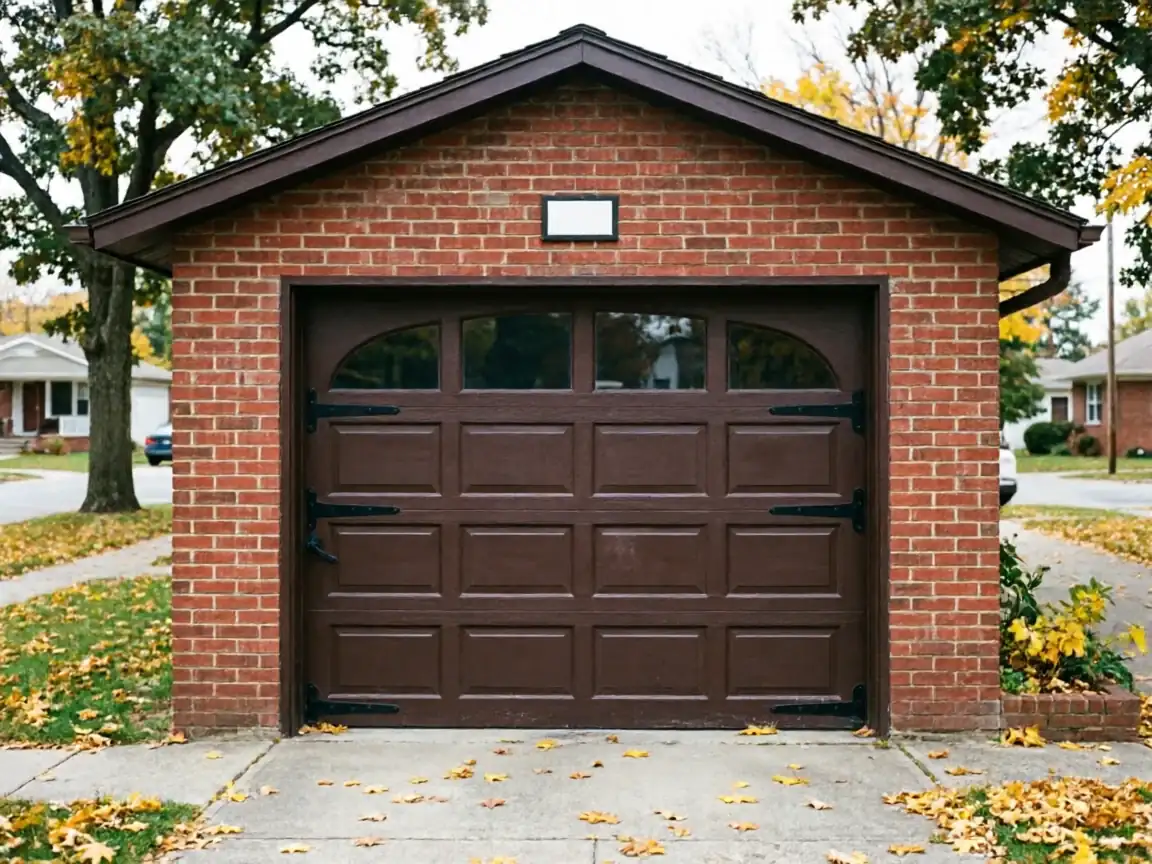
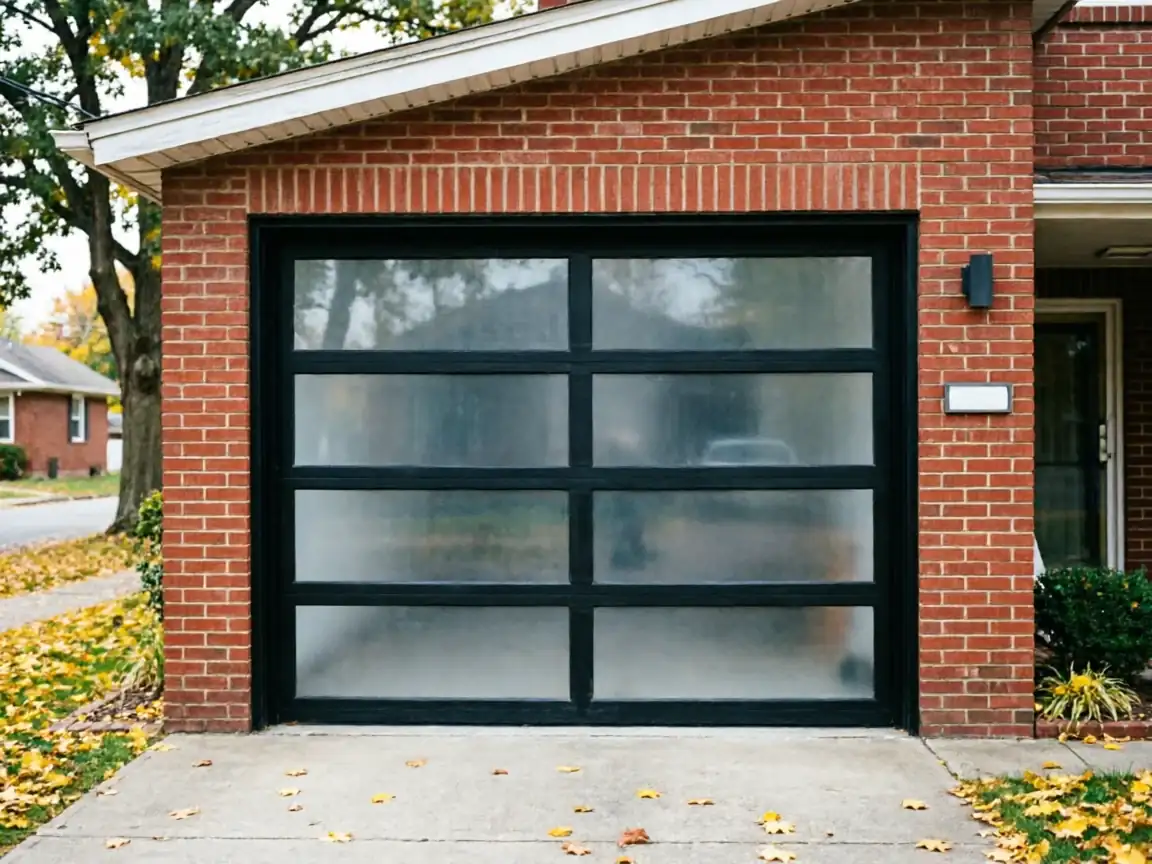
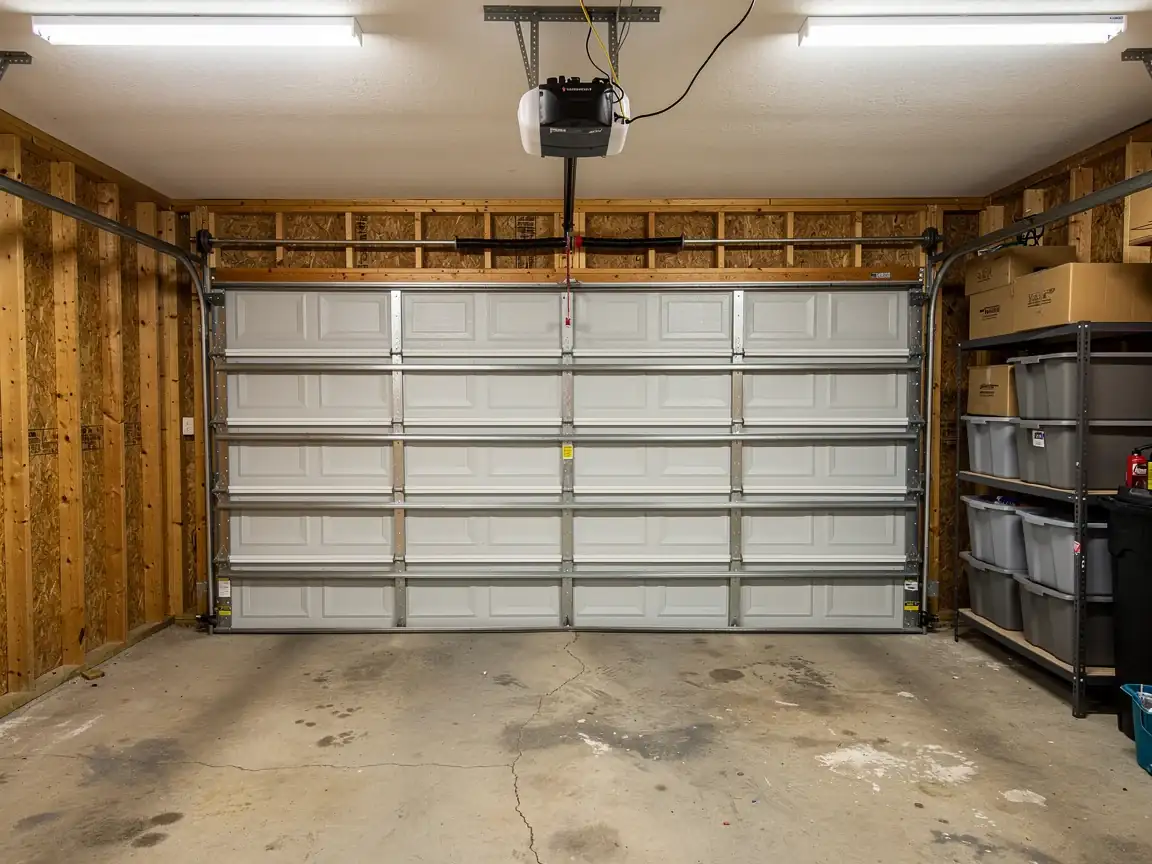
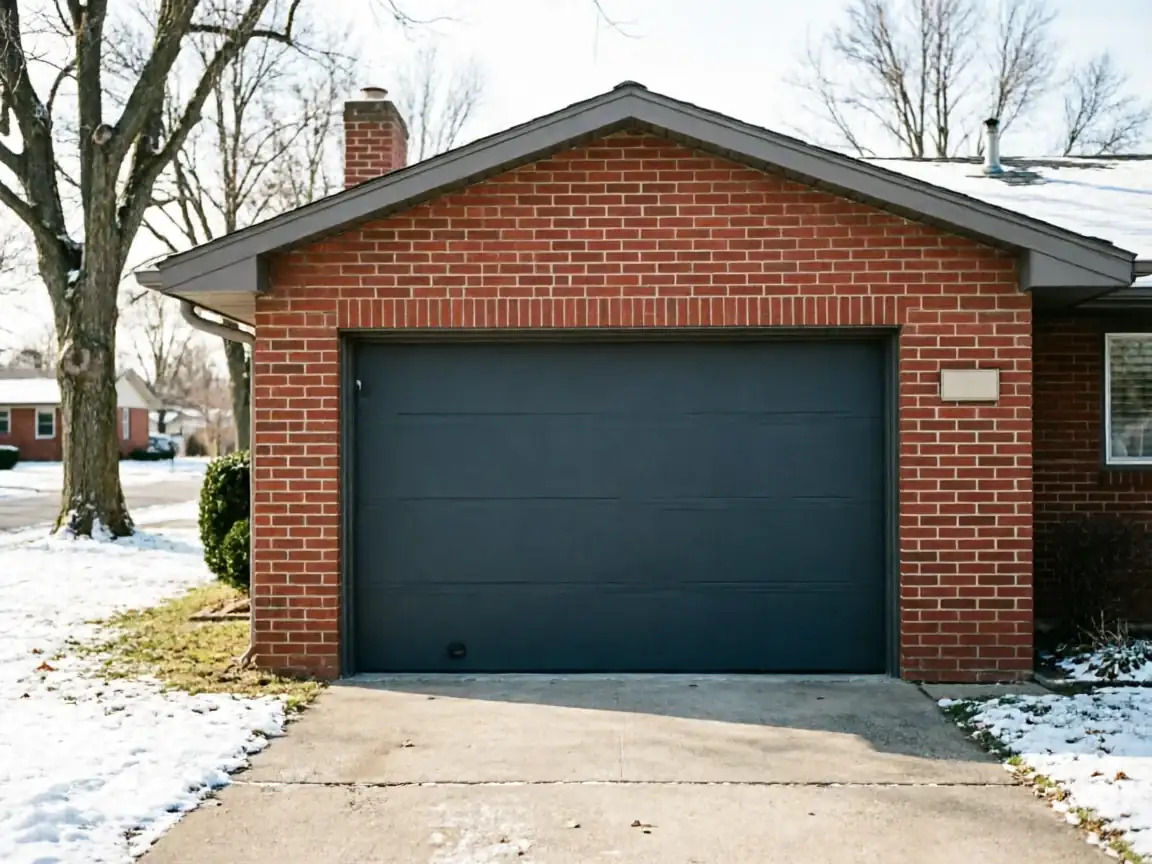
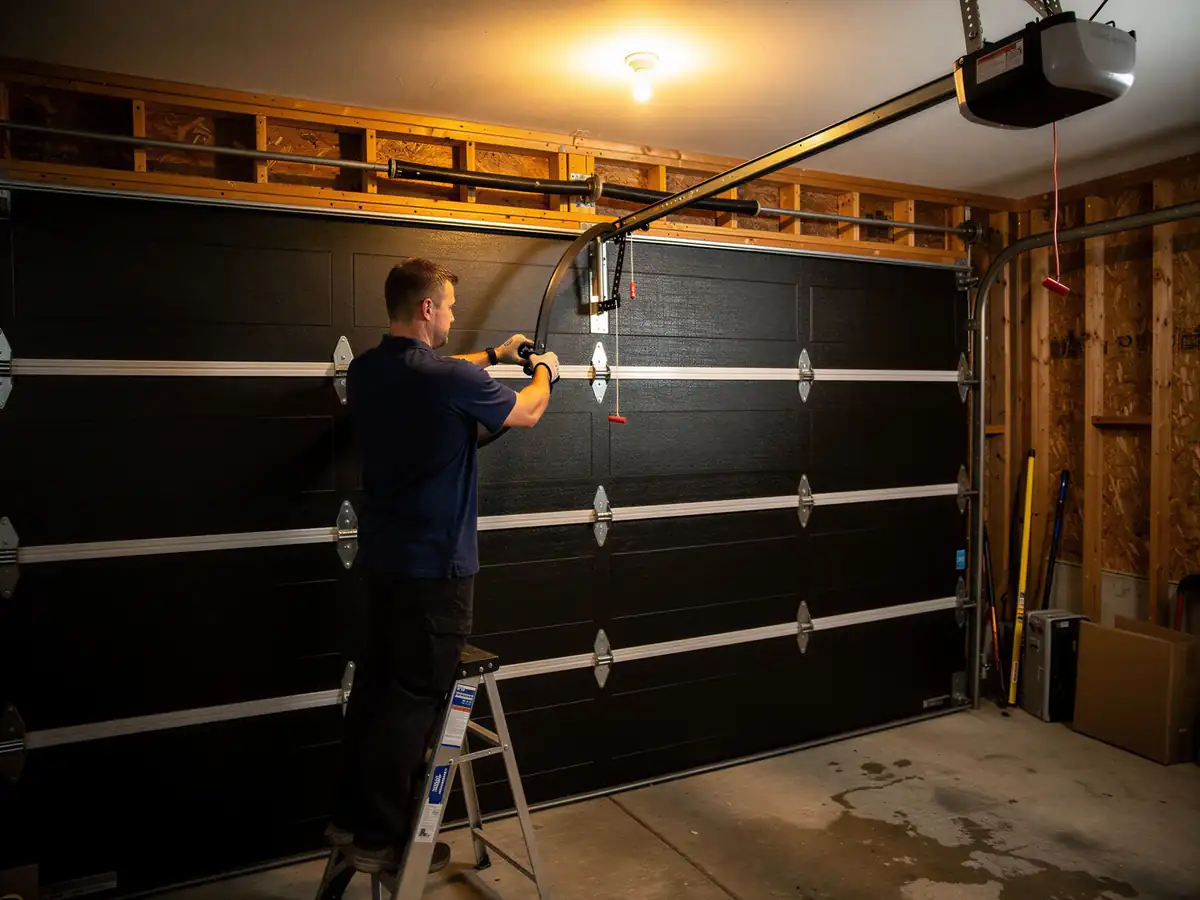
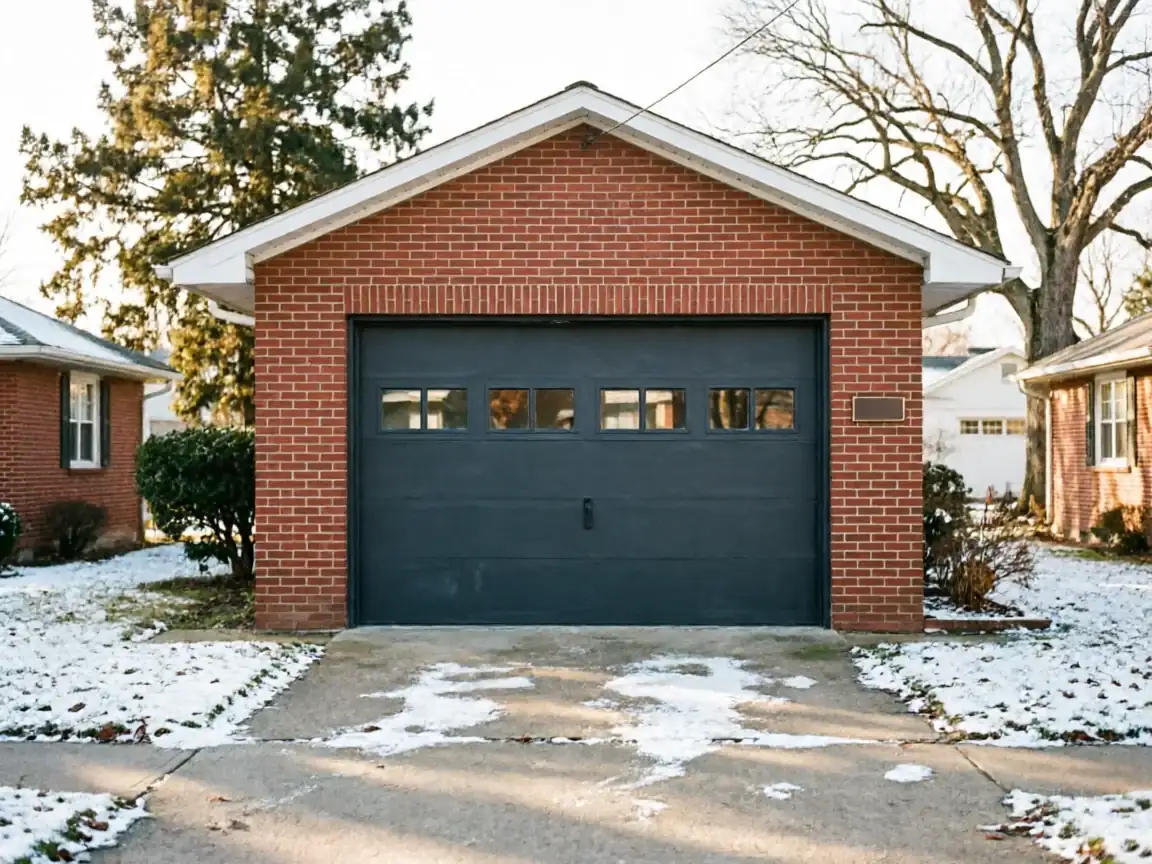
With a median build year of 1957, a lot of South St. Paul garages were framed before the two-car, insulated-panel door became standard. What that looks like in practice: narrower door openings than you'd find in newer construction, single-layer steel or even older wood panels that have been patched rather than replaced outright, and openers that were clearly added on after the fact rather than built in. Jackson and Credit River, both closer to Savage, run newer on average, so the openers and track hardware there tend to be more uniform. Here, uniformity isn't the default - every third house might have something different behind the panel. The climate band this whole area sits in is cold and moderate, which over sixty-plus winters is enough freeze-thaw cycling to work bolts loose and crack old wood jambs, even without a dramatic storm to point to.
What the Repair Takes
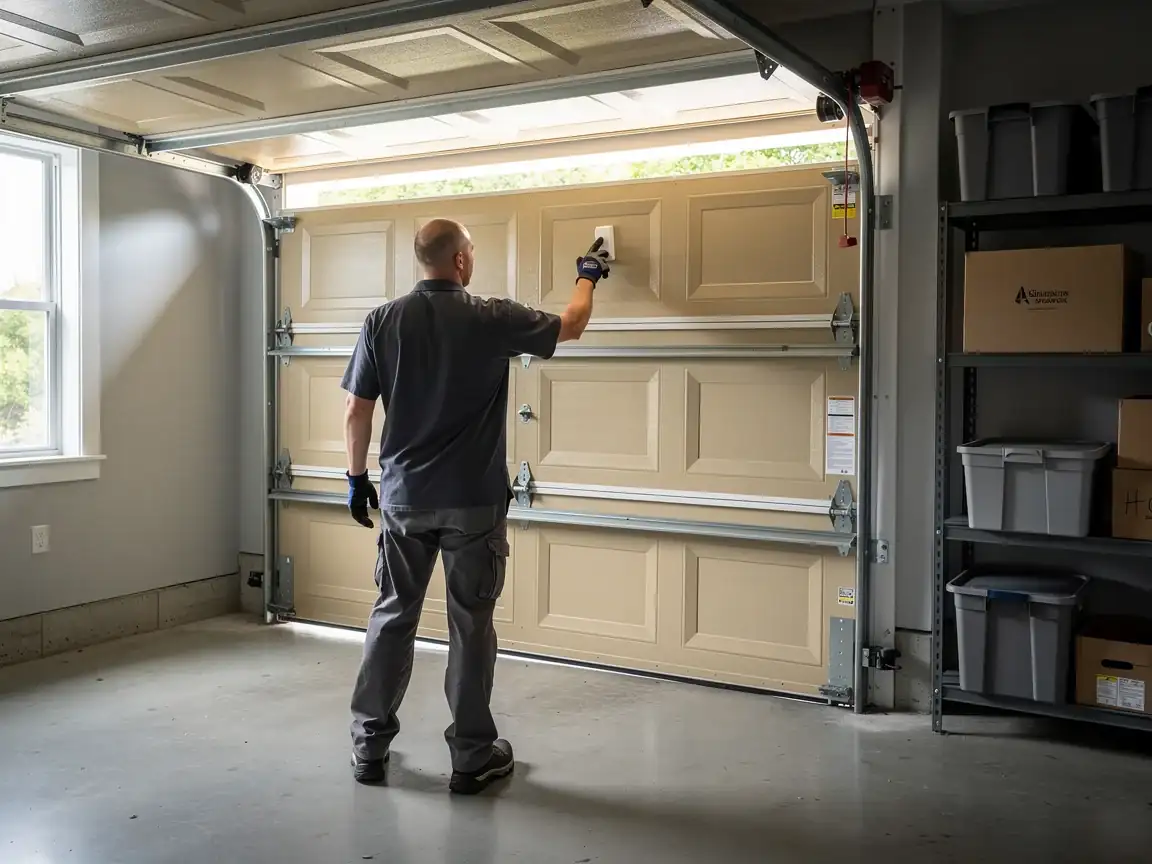
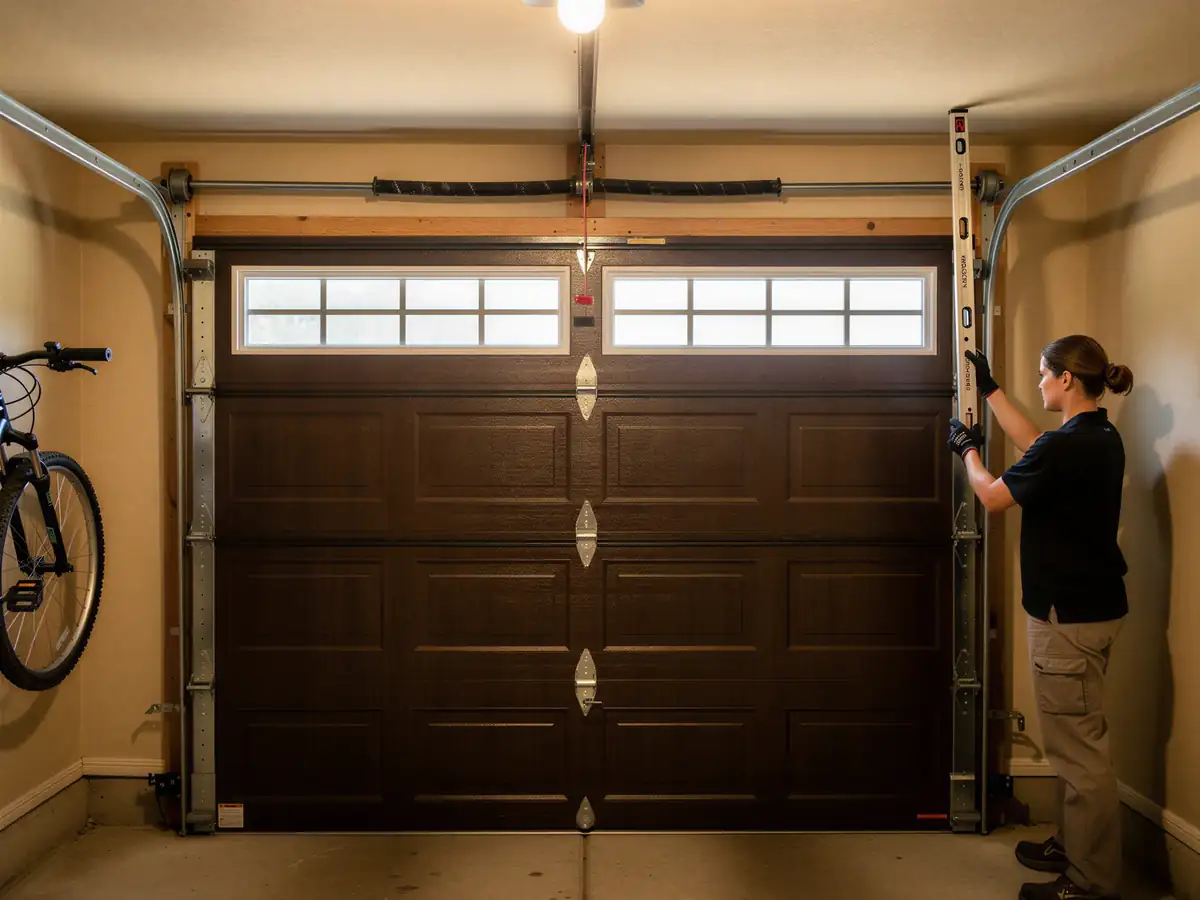
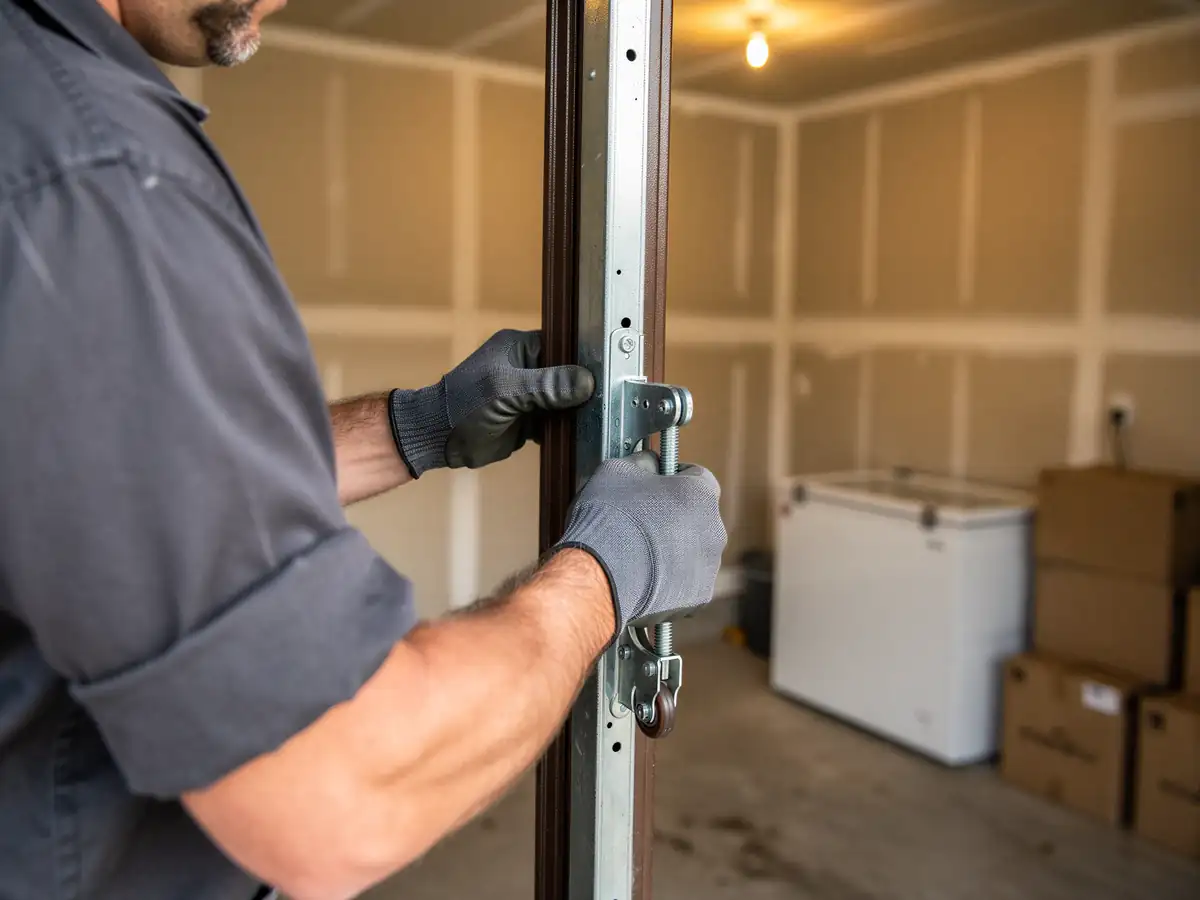
Most jobs on a house this age start with a straightforward fix - spring, cable, or roller - and about a third of the time we find a second issue once the door's open and under load: a jamb that's shifted, a track bolt that's stripped the wood around it, an opener bracket that was never properly re-secured after a prior repair. We'll tell you what we find before we fix it, and if the door itself is far enough gone that patching it again doesn't make sense, we'll say that too rather than keep nursing a door that's past the point of a cost-effective repair. We don't carry every obsolete part size on the truck; if your door needs a spring or track gauge that's no longer standard, that's a parts order, not a same-visit fix, and we'll tell you that up front instead of after we've already opened things up.