How Long You Are Without the Door
We run this job from Savage
And South St. Paul sits about 18 miles out - one of the farther stops on our route. That matters for how you should plan the call. We don't keep a crew stationed in South St. Paul, so if your opener quits on a Tuesday morning, the honest answer is that we work you into the day's route rather than promise a same-day knock. For maintenance visits specifically - the kind where nothing has failed yet, you just want the thing lubricated, balanced, and checked before it does - there's no reason to rush. Book it a week or two out and let us route it with other stops headed that direction.
- 18 miles
Where the distance actually bites is on parts
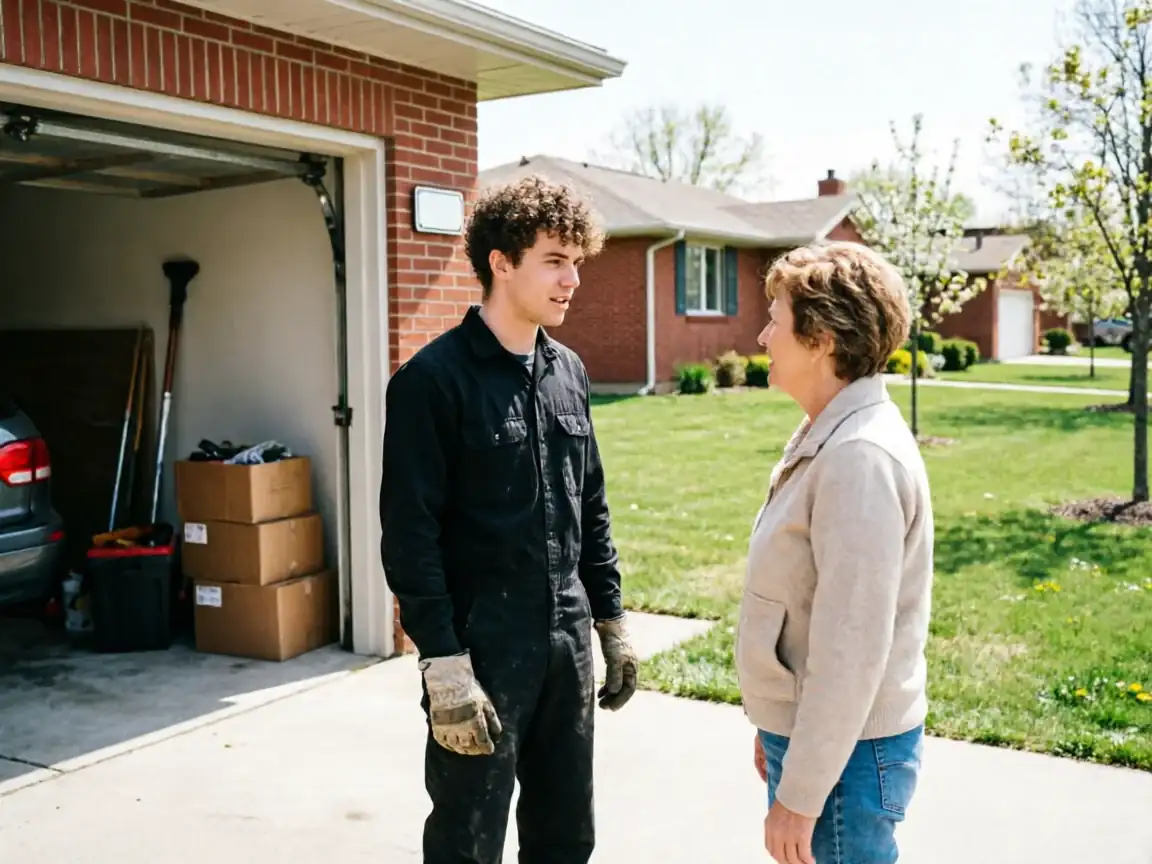
If a tech gets out to South St. Paul and finds the job needs a part that isn't in the truck, that's a second trip, not a quick turnaround back to a shop around the corner. Tell us as much as you can up front - door age, whether it's ever stuck or come off track, what noise it's making - so the first visit is the only one you need.
Doing It Yourself
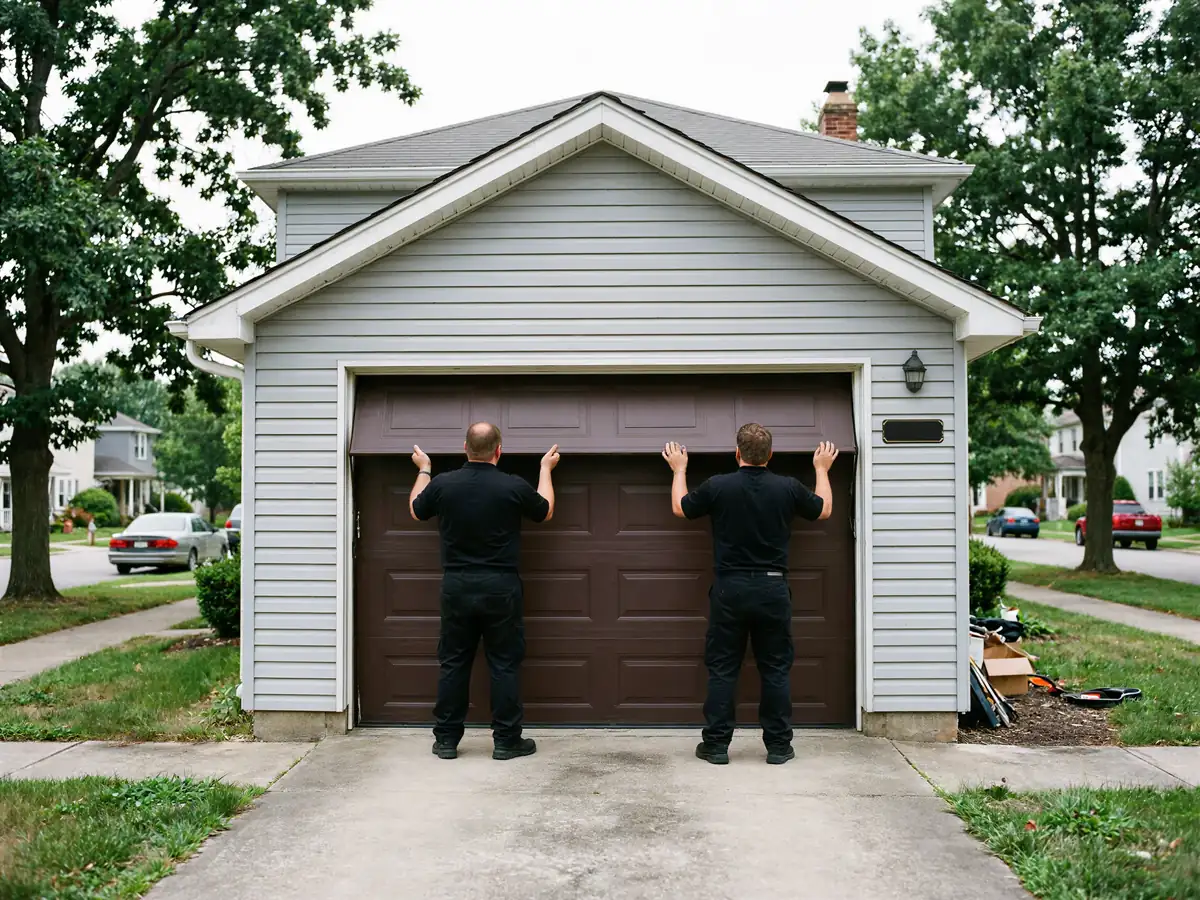
Twice a year, pull the release handle, let the door drop under its own weight from about halfway, and see if it holds or keeps falling. That tells you whether the springs are still carrying their share. You can also run a rag over the tracks and look for grease gone black and gritty - that's old lubricant that's picked up grit and is now doing more harm than good, not a reason to pile on more grease.
This region sits in a cold-moderate climate band, which means grease on hinges and rollers stiffens up hard in January and loosens back up by June. If you're only lubricating once, do it going into fall, not spring - the cold is what exposes a dry roller, not the heat.
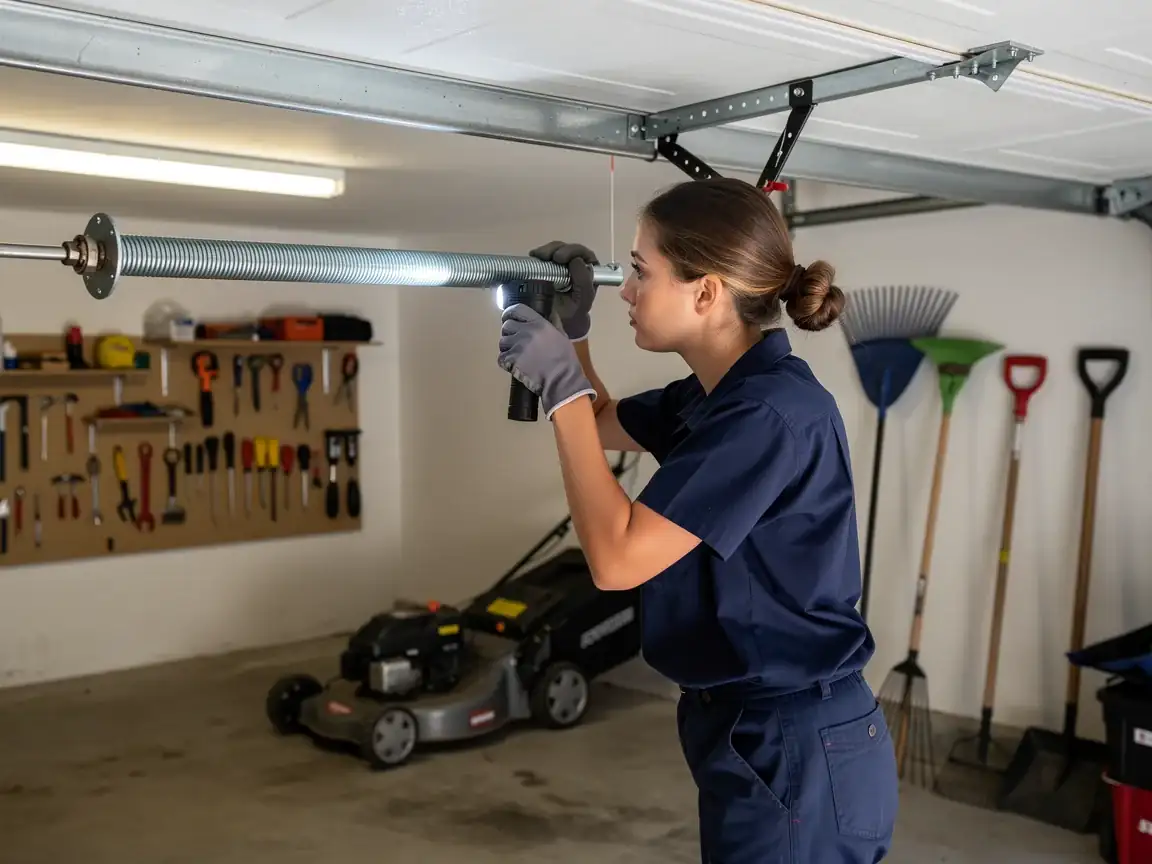
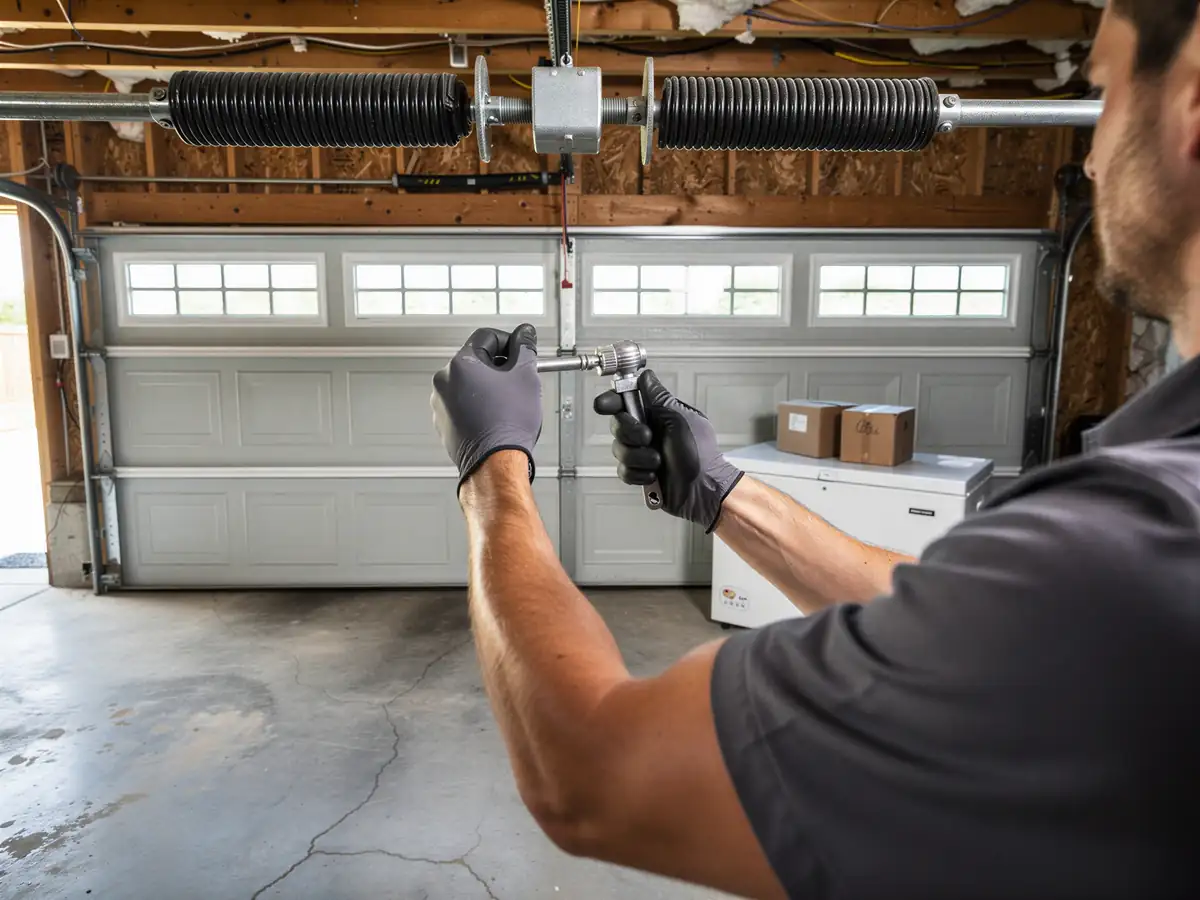
What you shouldn't touch: the torsion or extension spring itself, and anything bolted to the spring cone. Those are under enough stored tension to break a hand or worse, and on hardware this old, the cone may not let go the way a new one would. Tighten visible bolts, clear the track, check the auto-reverse with a 2x4 under the door - and stop there.
What You Are Seeing
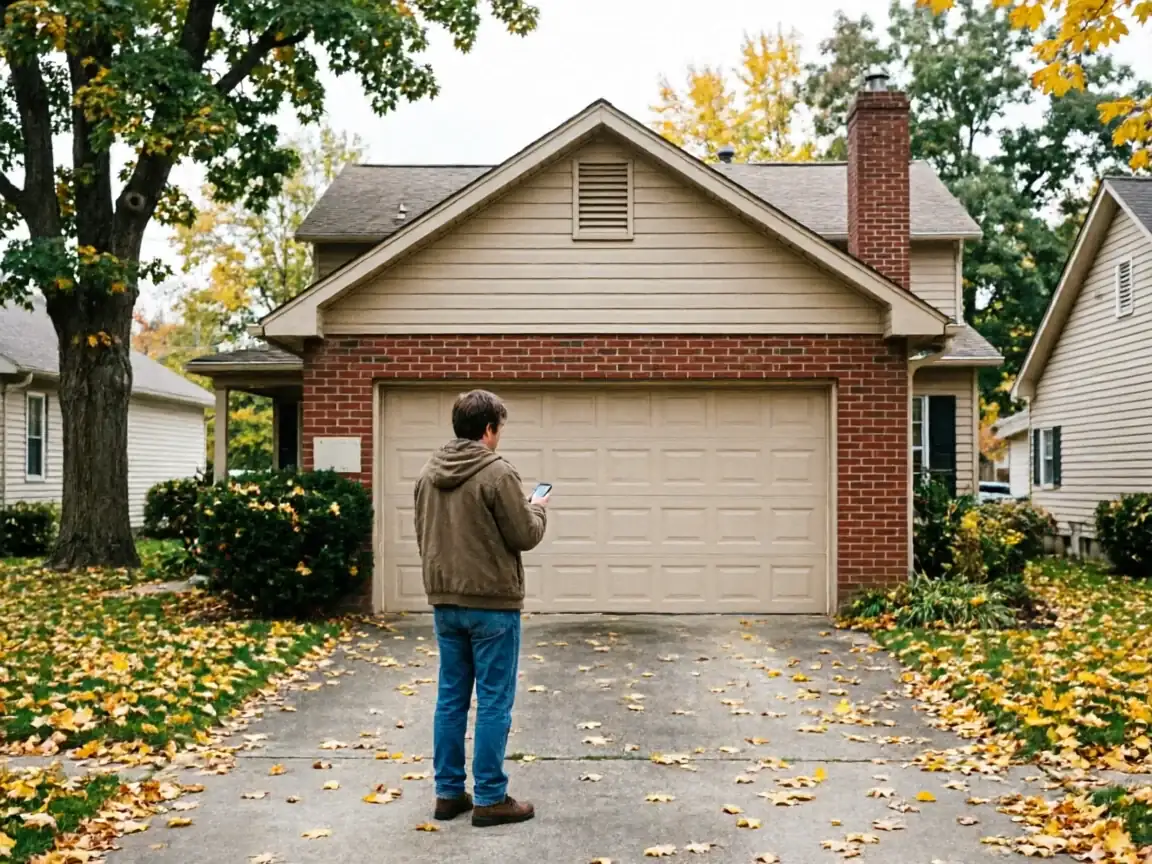
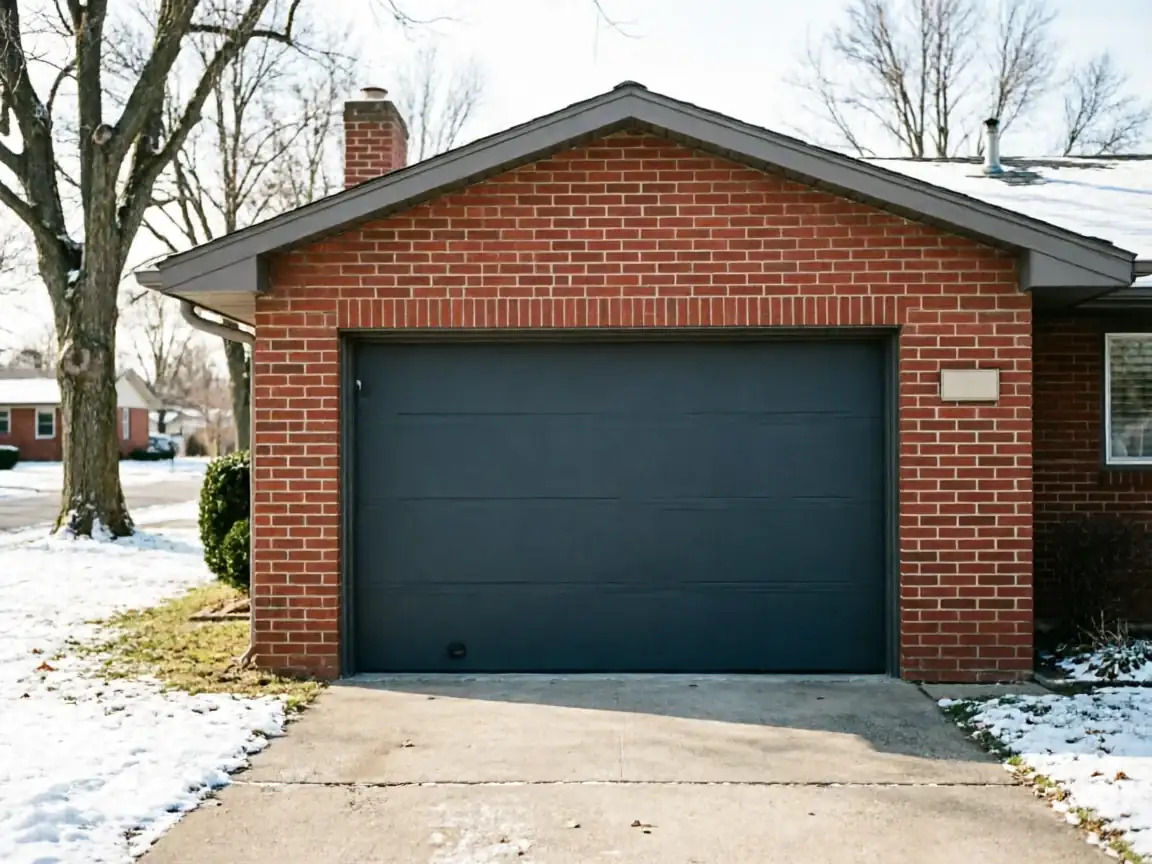
South St. Paul's housing runs noticeably older than the median for the wider service area we cover from Savage - figure a typical build year around 1957, almost two decades ahead of the area-wide median of 1975. That gap shows up directly in the hardware. A lot of these houses have never had the garage door touched past a bulb change, which means spring cones, track brackets, and roller shafts that are original to the house.
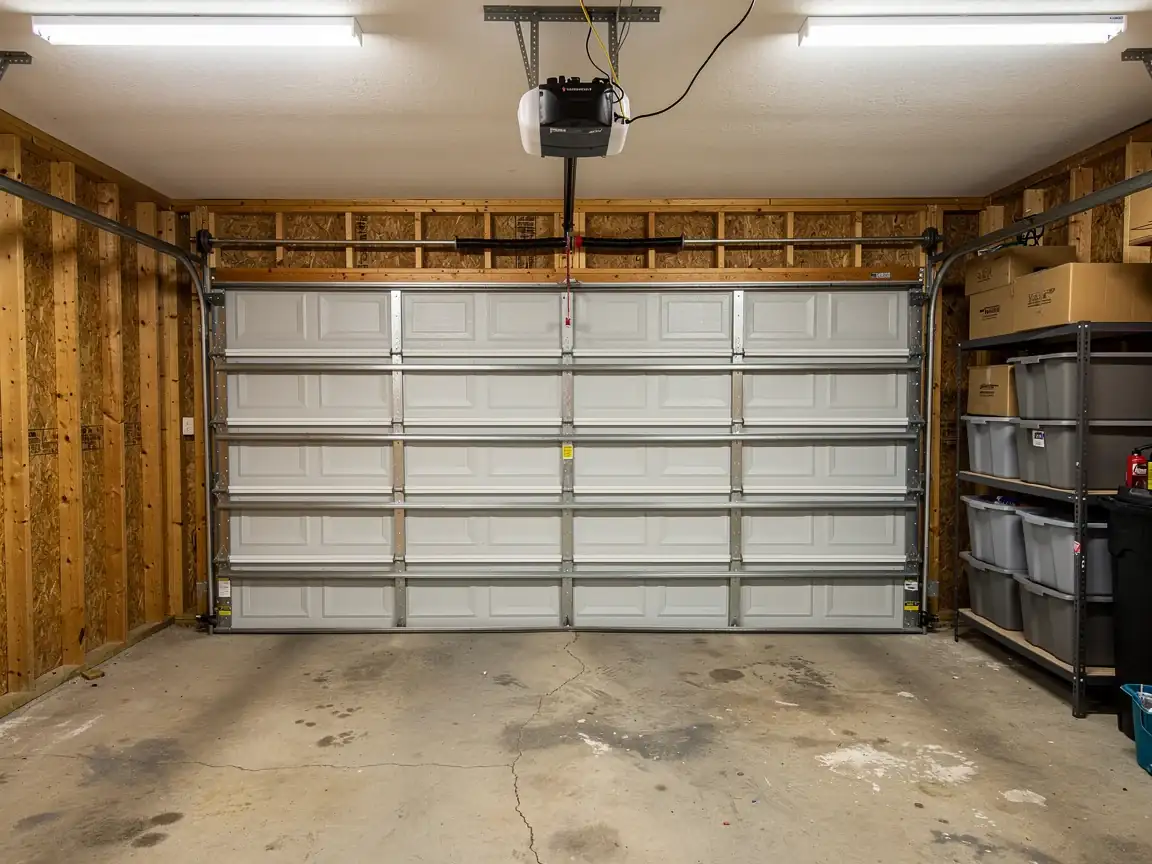
What that looks like day to day: a door that's heavier to lift by hand than it should be, because the springs have lost tension slowly over decades rather than snapping all at once. A grinding or popping sound from the top corners, where an original roller has worn its shaft thin. An opener that strains and clicks before it moves the door, because the motor is doing work the spring used to do. None of this is dramatic. It's wear accumulating quietly on hardware nobody's opened up since it went in.
What Can Go Wrong
On a door this old, the failure that catches people off guard is usually the spring letting go without warning
Not a slow leak of tension you can feel coming, but a snap, because the coil has been flexing the same arc for close to seven decades of use. On original hardware, that often takes a cable or a bracket with it, since everything's been rated for the same era and nothing's had a reason to be inspected on its own.
The area's median household income runs lower than the broader service area's figure
This stretches household budgets toward repair over replacement more often than we see elsewhere on the route. That's a reasonable call in a lot of cases. It stops being reasonable once the track is bent or the opener's gearing has stripped, where patching just buys a few more months before the same call comes back.
What the Repair Takes
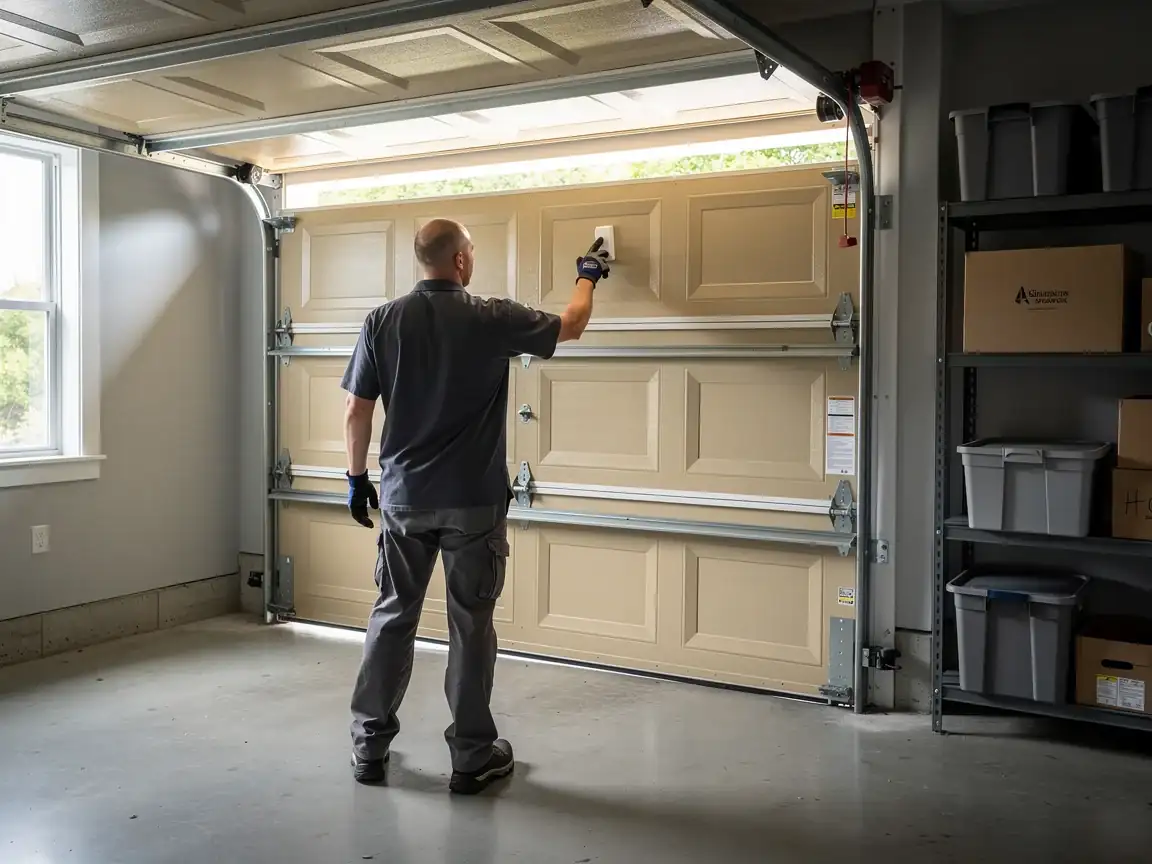
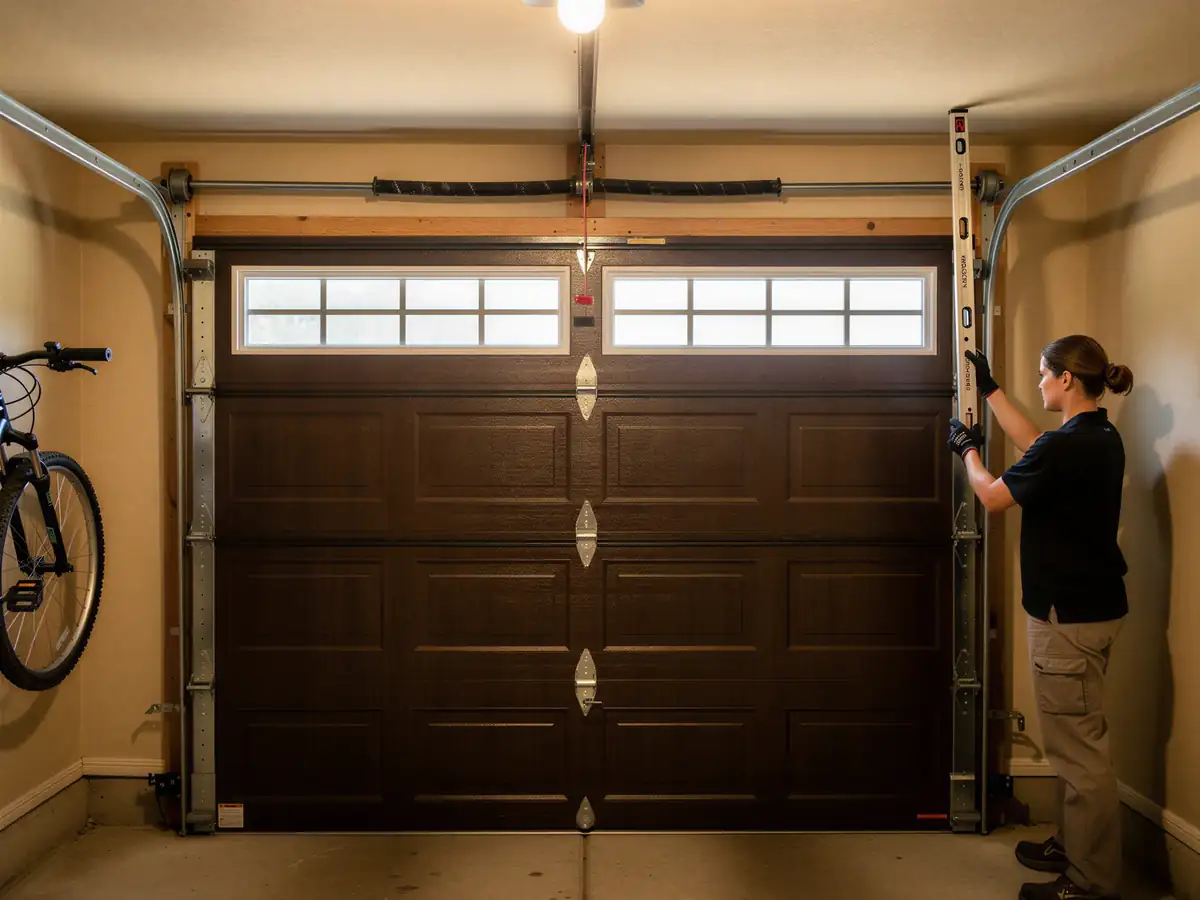
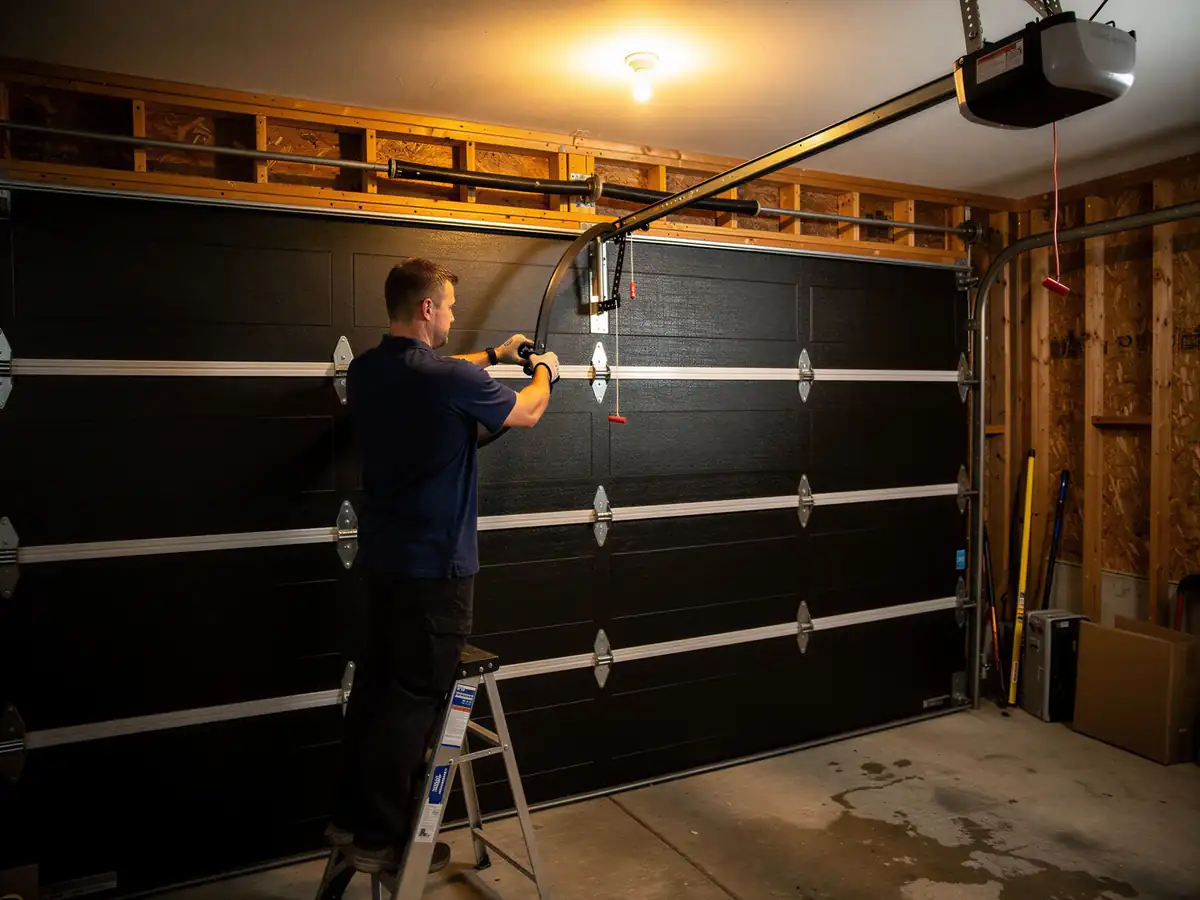
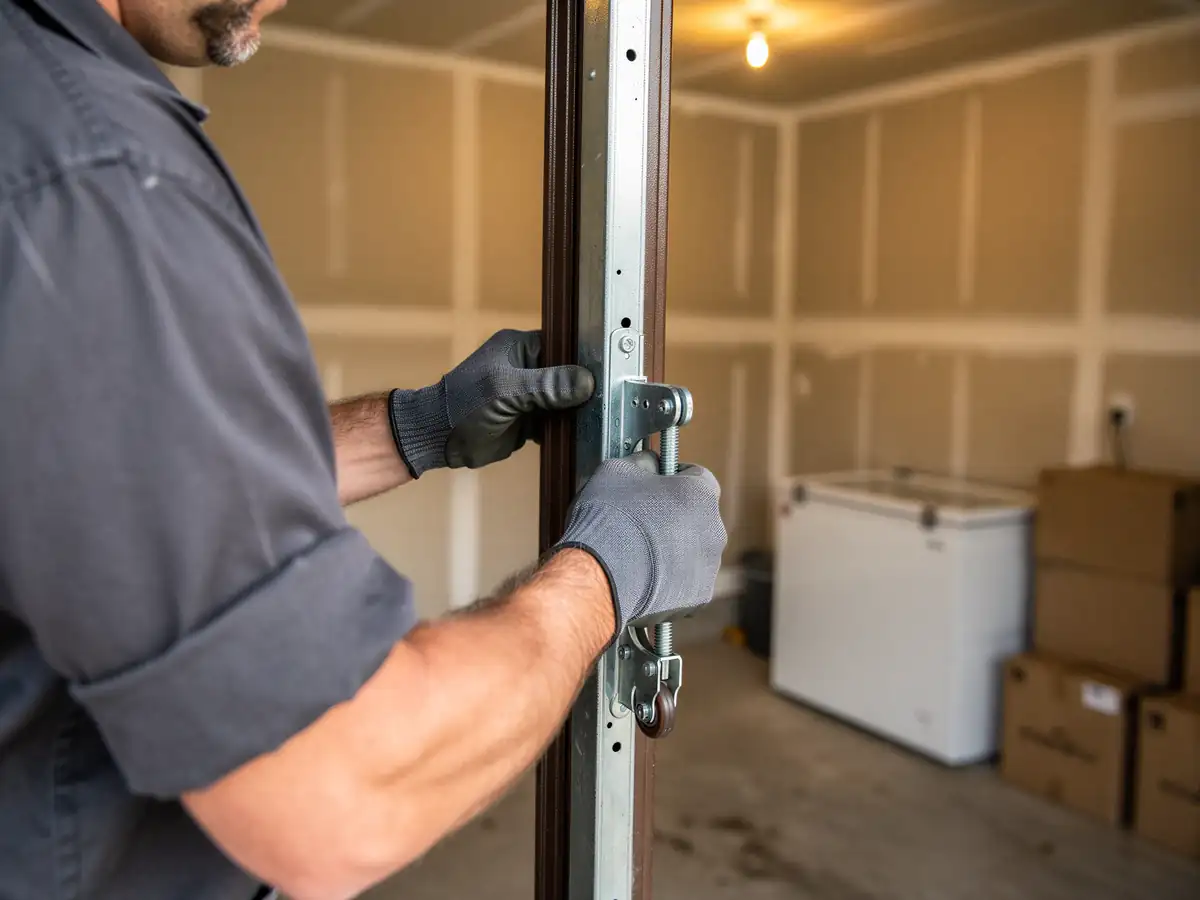
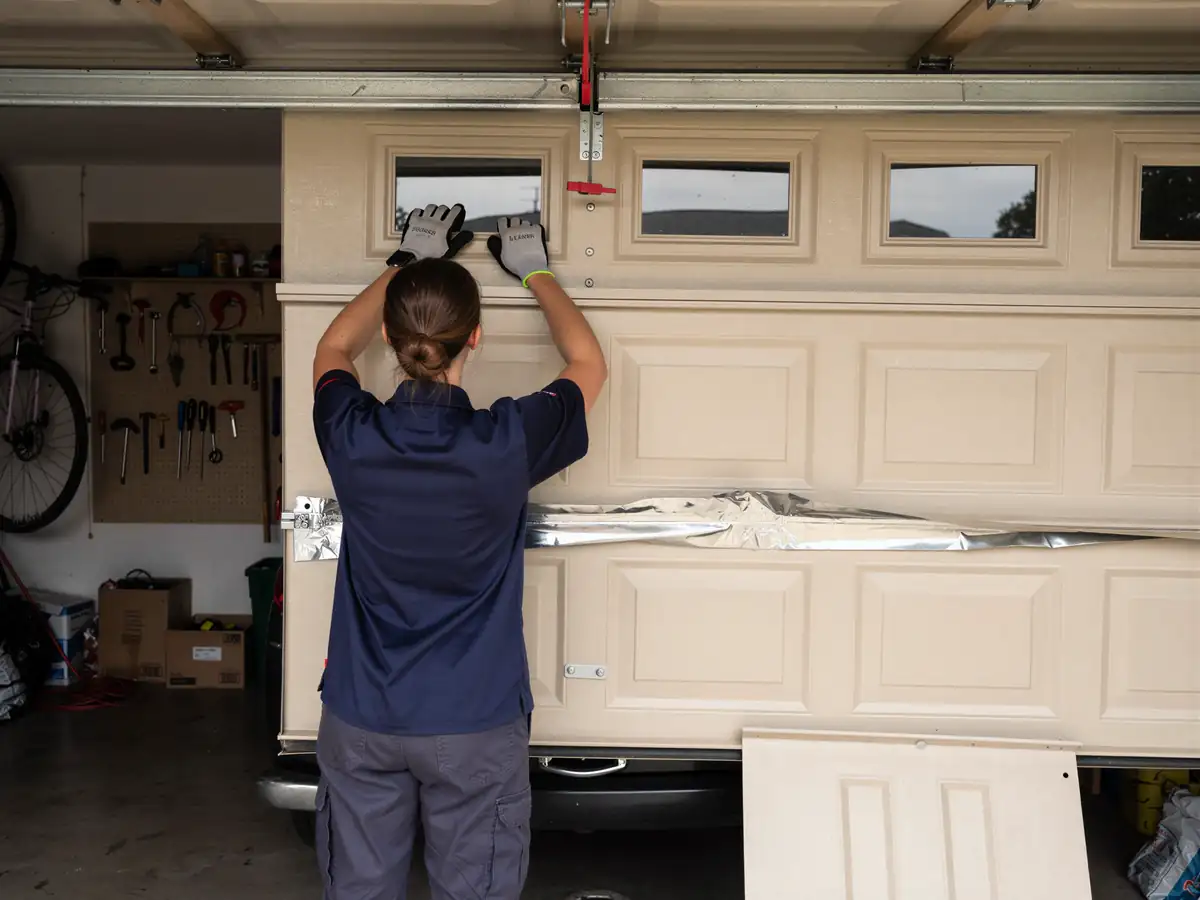
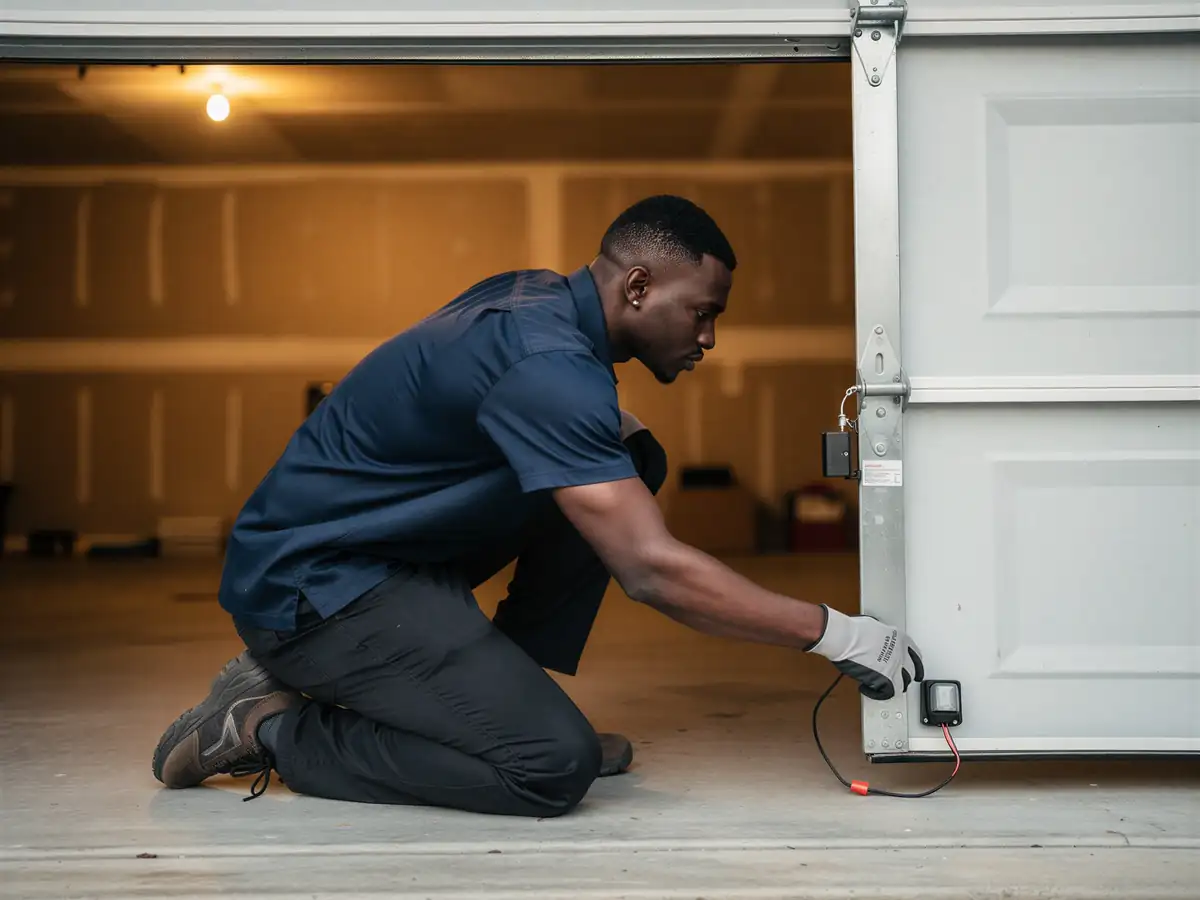
Most maintenance visits here run the same shape: inspect the springs under load, check cable fray, true up the track where rollers have worn a groove into one side, regrease the parts that move, and test the auto-reverse and force settings on the opener. On a door with spring cones and brackets that have never been swapped since the house was built, we also check that those parts are still sound enough to keep working on - this is the honest limitation worth saying plainly: once a cone shows metal fatigue, no amount of lubrication buys you more time, and we'll say so rather than grease it and send you on your way.
Parts for openers this old sometimes have to be sourced rather than pulled off the truck, which can mean a second visit if the first one turns up something the stock kit doesn't cover. We'd rather tell you that up front than surprise you with it.