How Long You Are Without the Door
The fault we run into most on new installs here isn't a broken part
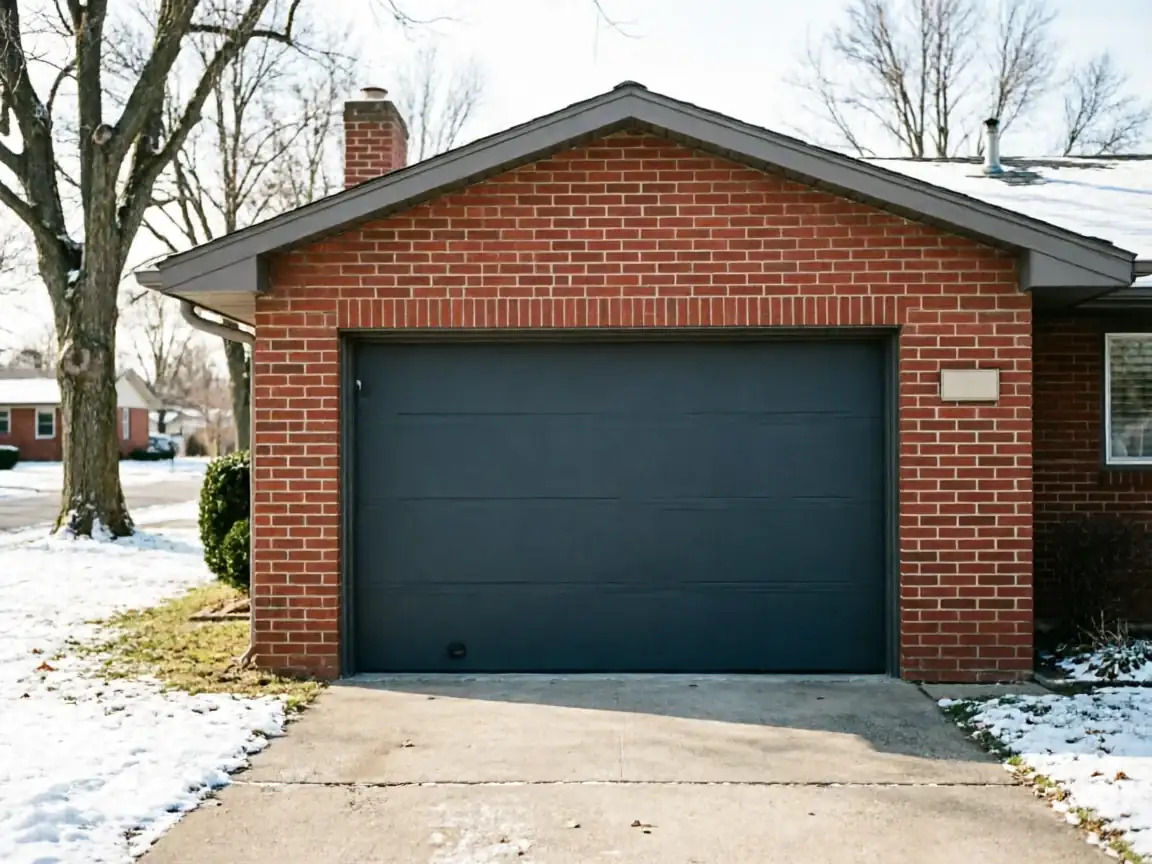
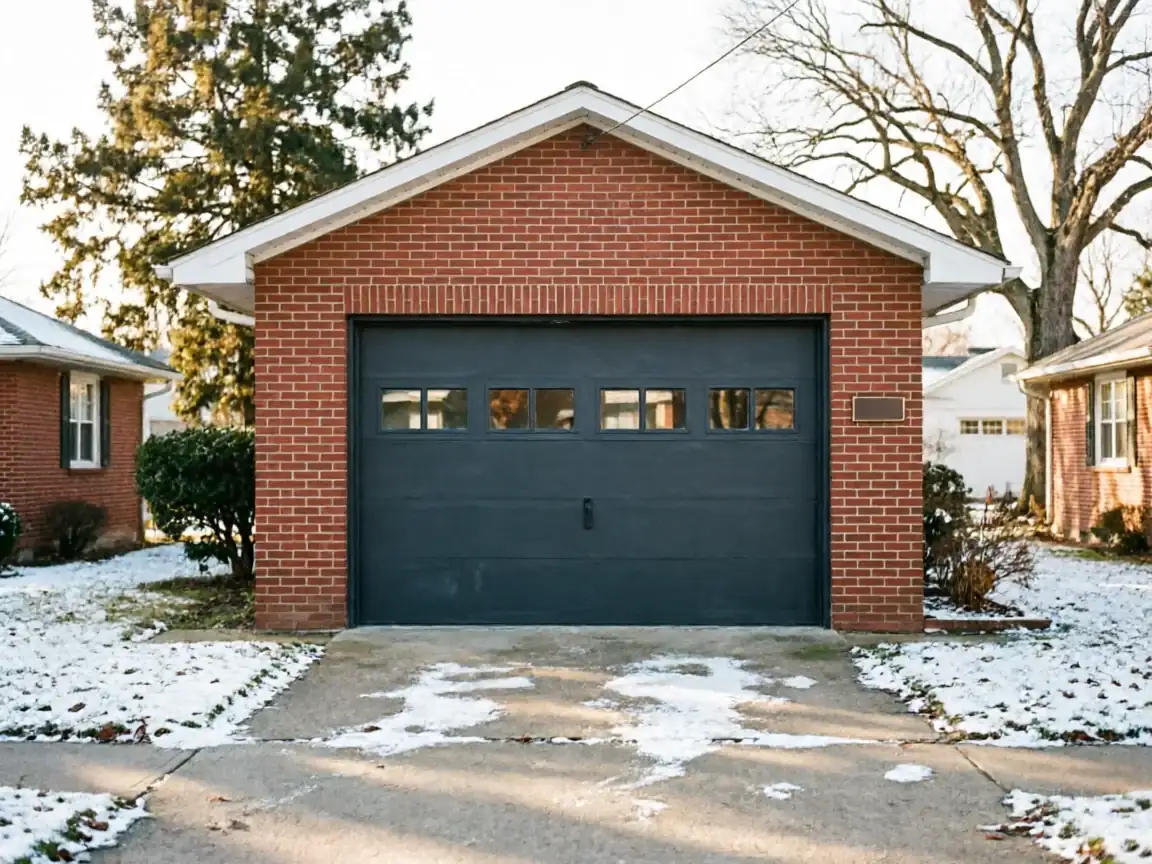
It's a door and opening that were never built to the same standard as what's sold today. A lot of South St. Paul's housing went up around 1957, well inside the 1956-2005 build window for this area, and that means single-car openings cut narrower than a modern 9-foot door, headers set lower than current track hardware wants, and jamb framing that was never meant to carry an insulated steel section.
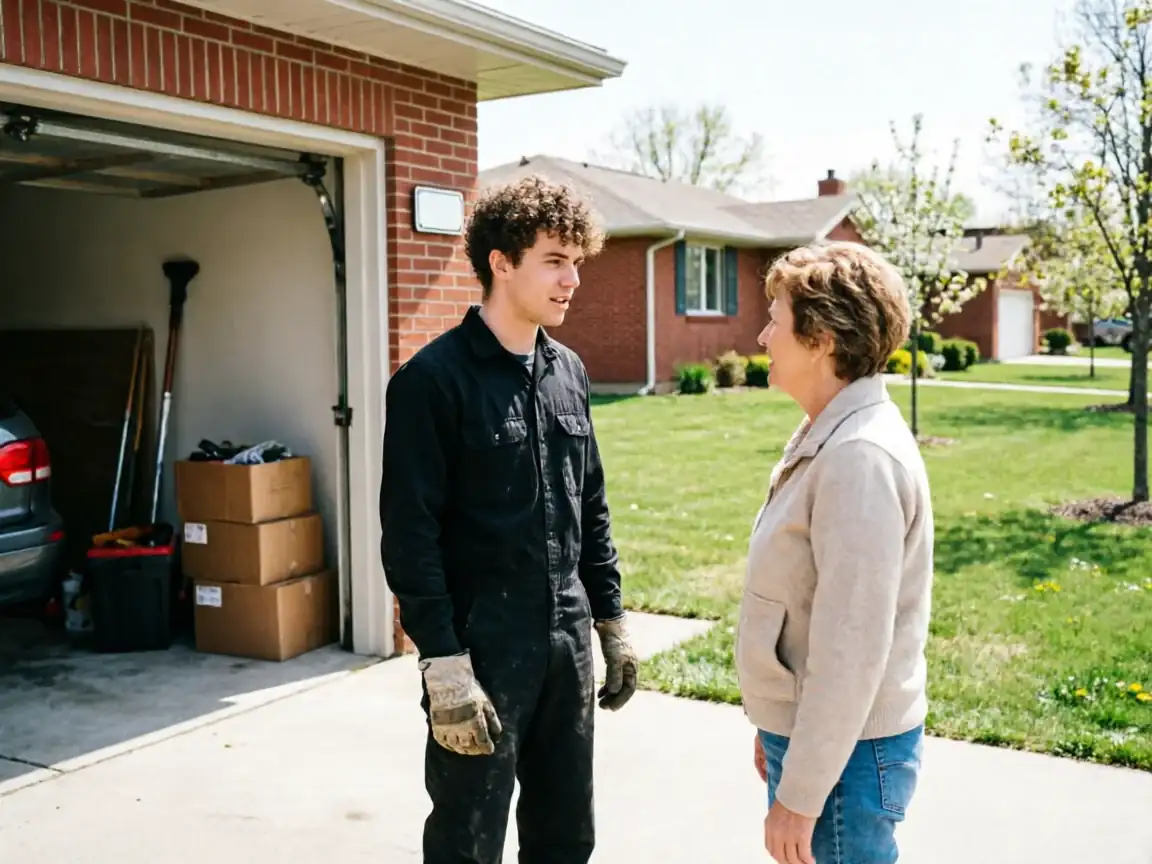
Because we come out from Savage, about 18 miles away, we schedule installs rather than drop everything for same-day work the way we might for a spring snap
For a straight swap - same size opening, same track path - that's not a problem. For a 1957 opening that needs the jambs built out or the header reinforced before a new door fits, expect a measure visit first and the install itself scheduled separately, not back to back. We'd rather get the opening right than force a door into a frame that's going to bind in six months.
- 18 miles
Doing It Yourself
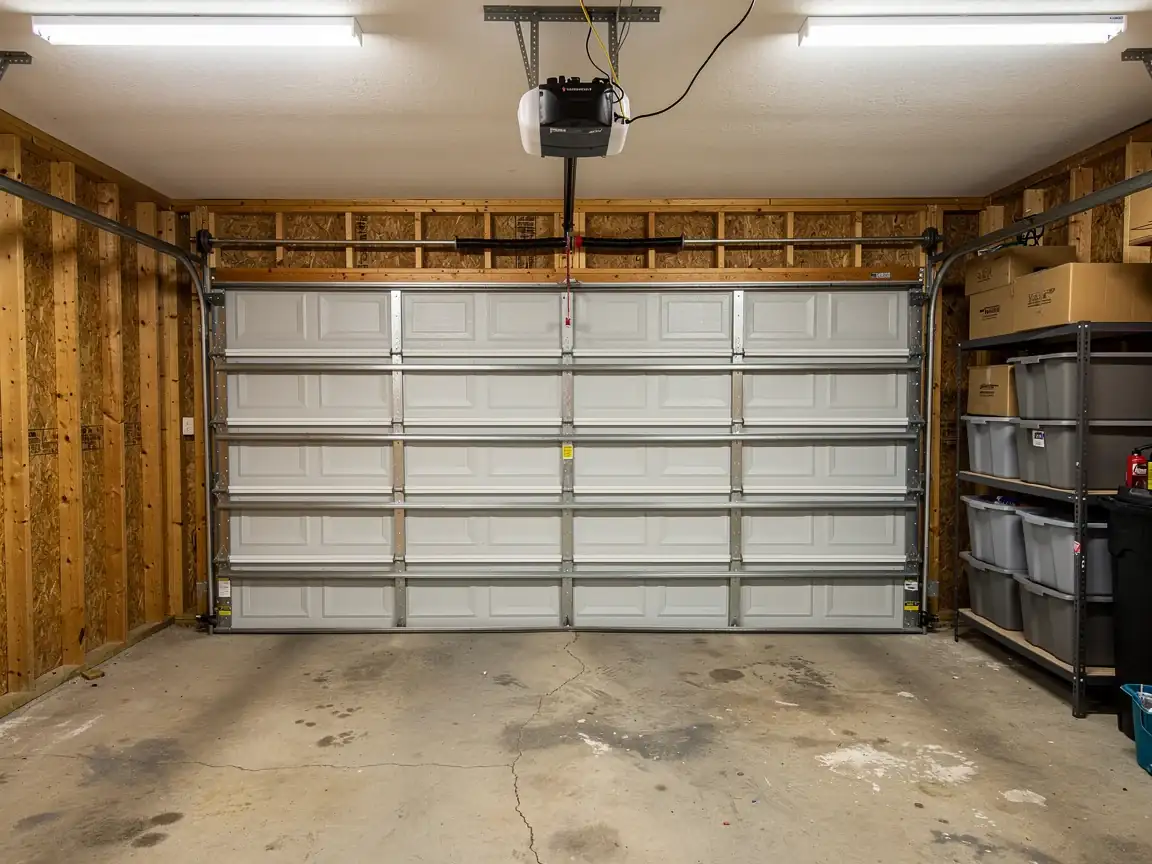
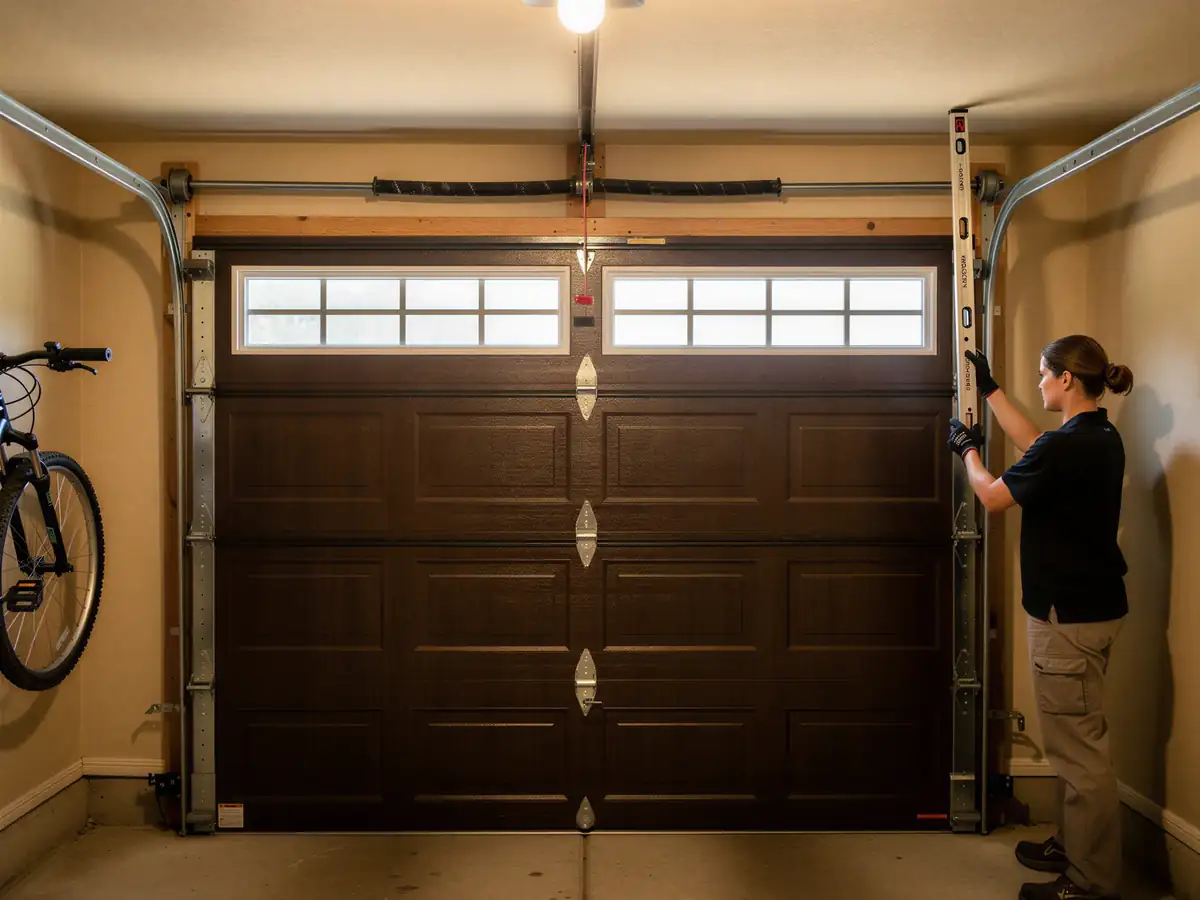
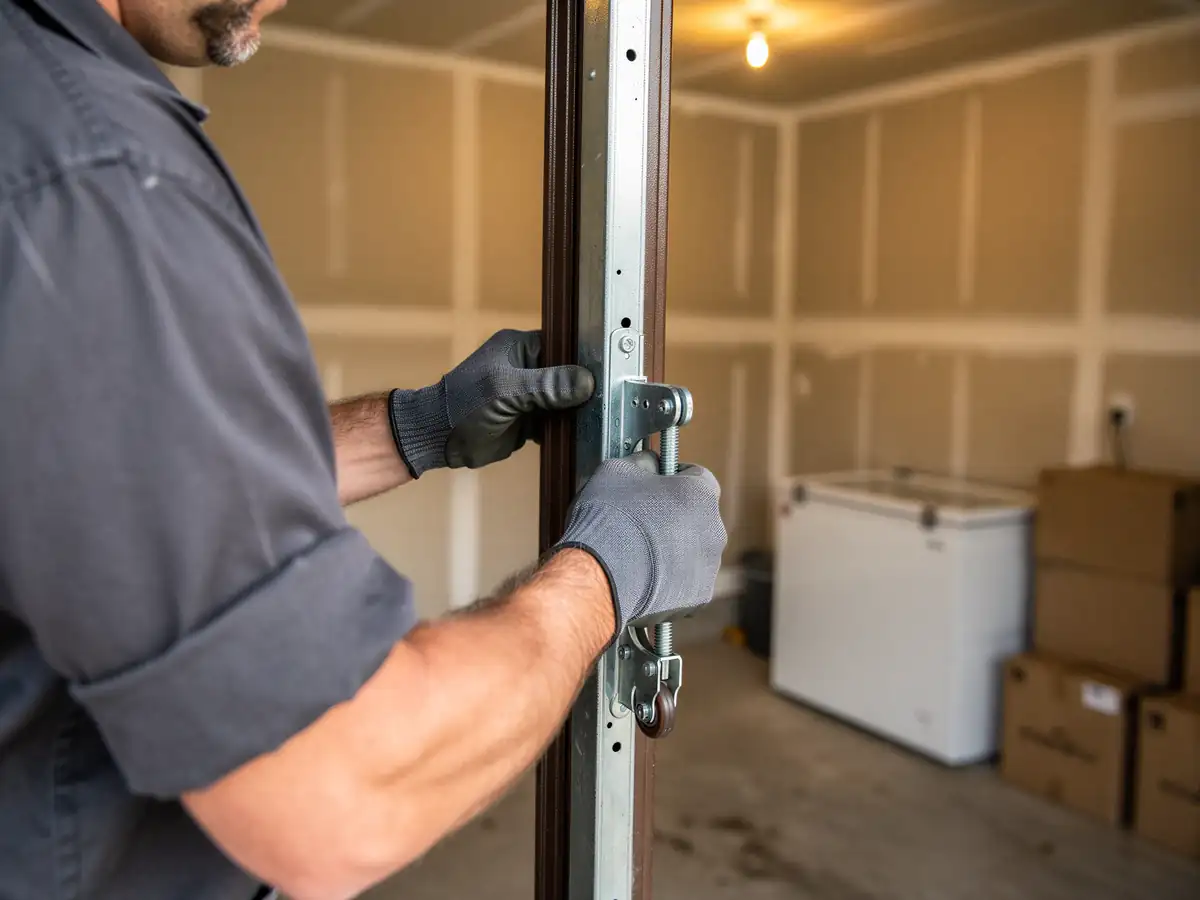
Older openings make DIY installs riskier than the YouTube version suggests. A door sized for a modern garage won't just drop into a 1957 frame - the track brackets, the header clearance, and sometimes the slab itself are off from what the install manual assumes. Shimming a track to fake square on an out-of-plumb jamb is how a door that looks fine on day one starts binding and popping rollers within a season.
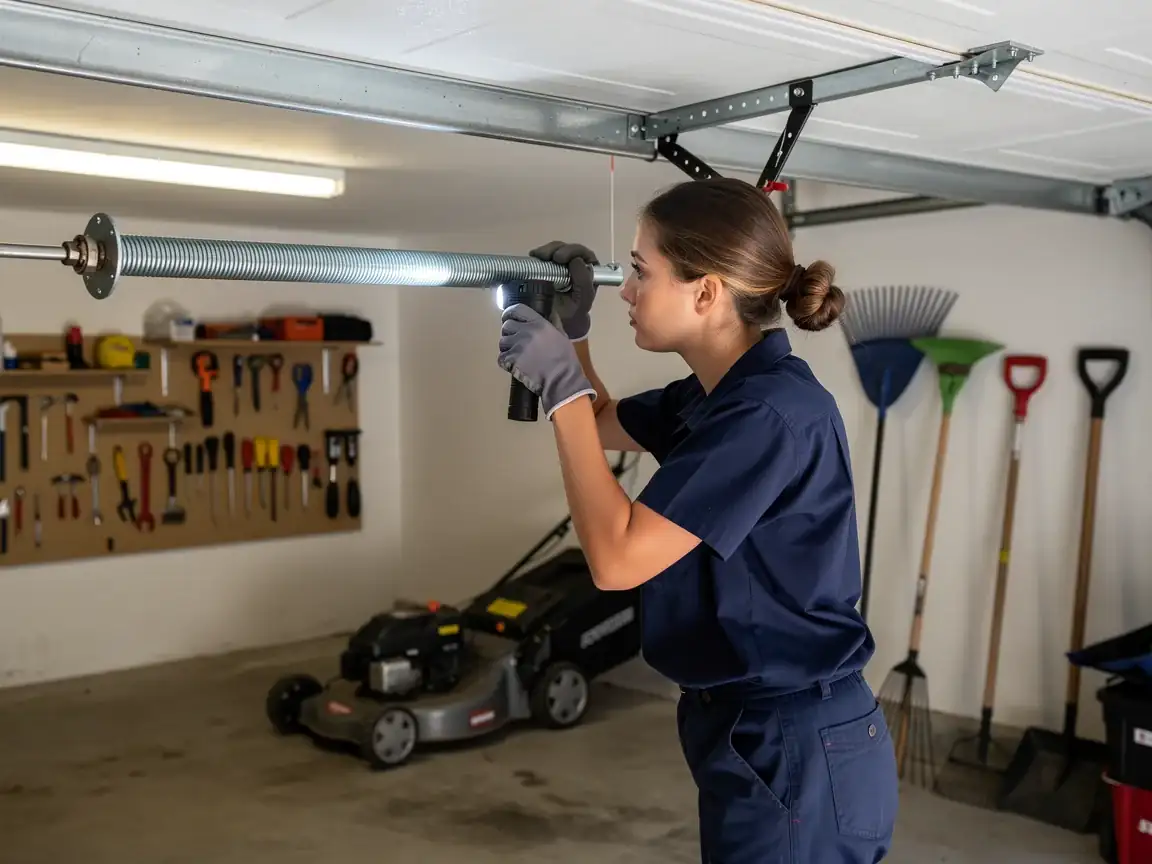
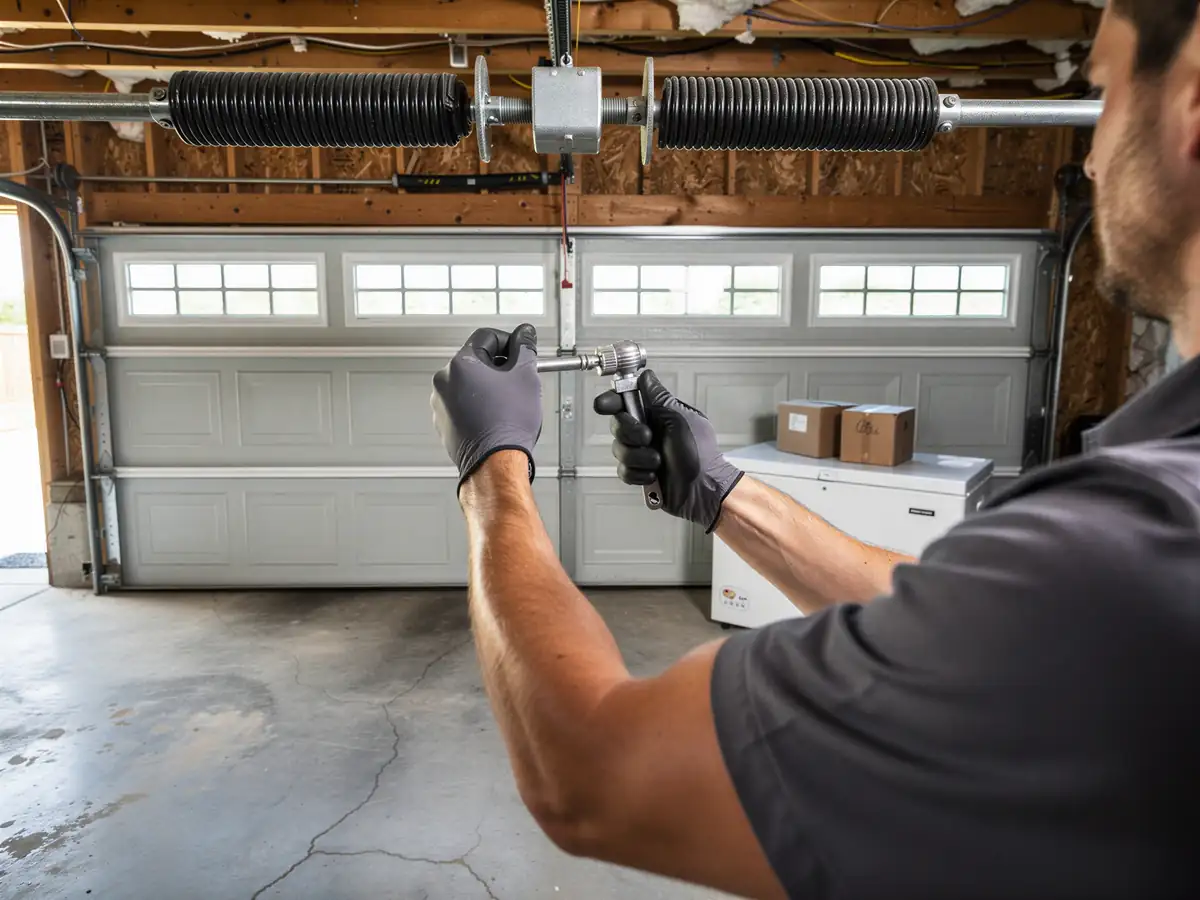
Torsion spring work is the other half of this, and it's not a place to save money by guessing. A spring sized wrong for the door's weight either won't lift it or will overload the opener trying to compensate. If you've got the opening checked for square and you're comfortable with the torsion setup, a straightforward replacement on a standard-size door isn't unreasonable to tackle. An opening that needs framing changes is a different job, and that's where we'd tell you to call before you buy the door.
What You Are Seeing
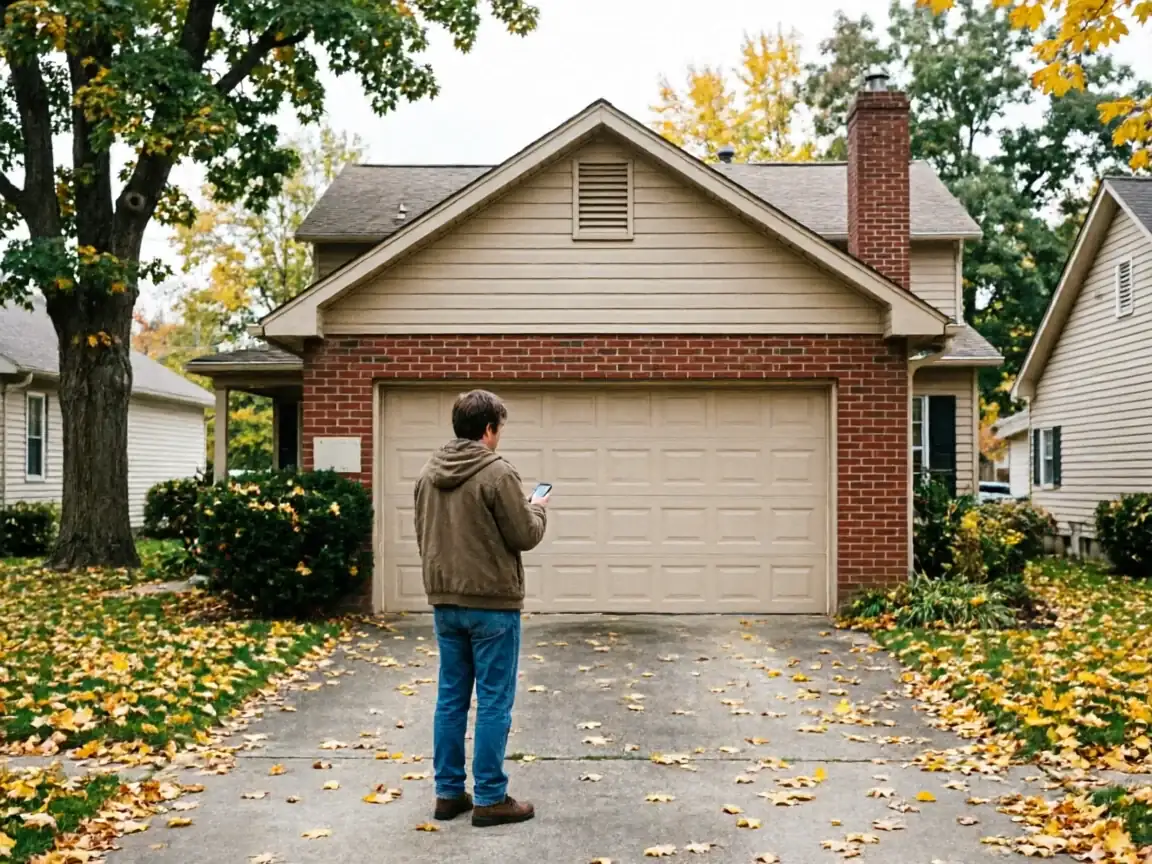
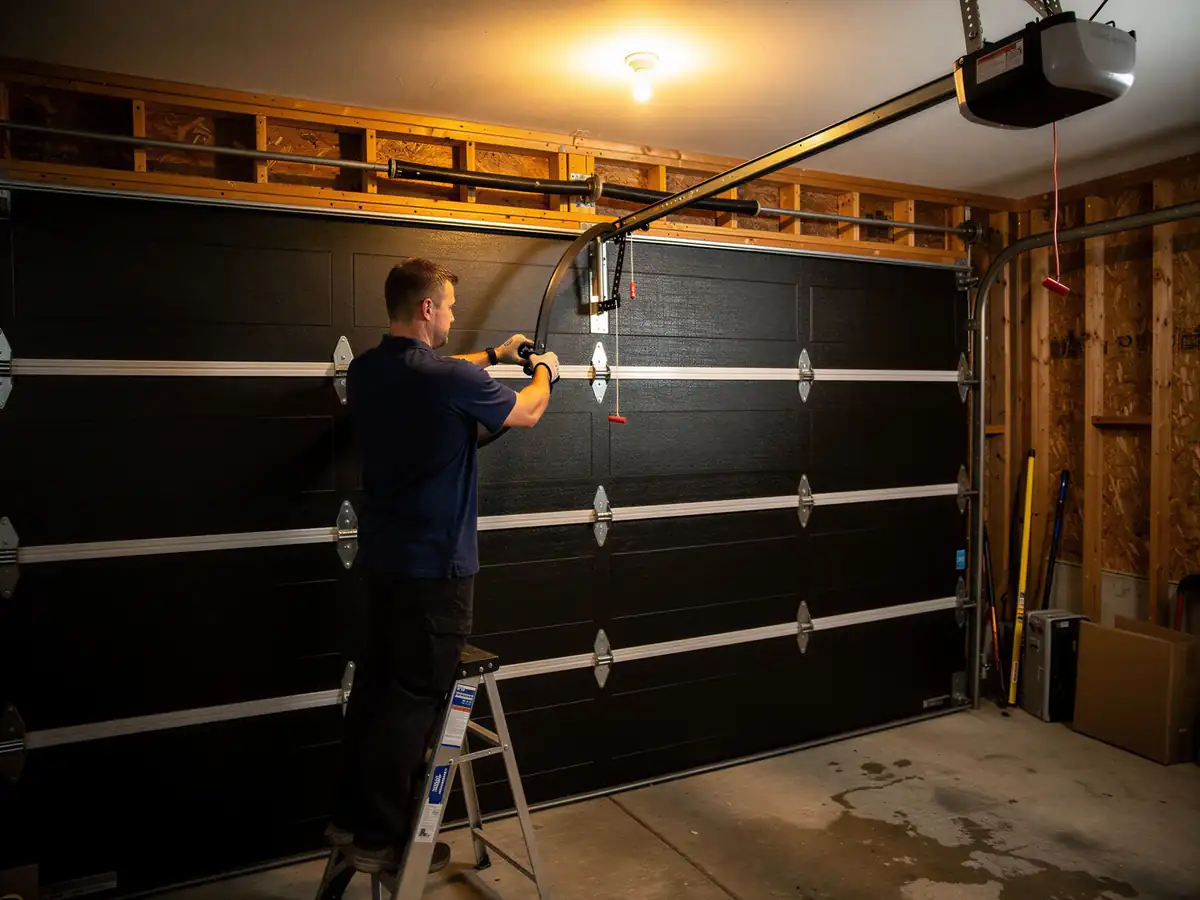
Most of what tells us a house is due for a new door rather than another repair shows up before you ever call. Panels that have been painted over more than once to hide dents. A track that's been re-bent back into shape at least once already. An opener straining audibly on lift, which usually means the door's actual weight has drifted from what the spring was set for years ago - common on doors original to houses built in the late 1950s and early '60s, since that's the bulk of what's standing in this part of the service area.
Sagging at the top panel on a door that's otherwise intact is another sign the steel's fatigued, not just dented. None of these on their own means you need a full replacement, but together on a door that old, patch repairs start costing more than starting fresh.
What Can Go Wrong
A new door going into an older opening exposes problems the old door was quietly hiding
Pull out a 1957-vintage door and you sometimes find the jamb behind it has shifted enough that the new unit won't sit plumb without shimming - or worse, the header's not load-rated for a heavier insulated panel. Minnesota's cold winters add a layer most install guides skip: a door that's not sealed tight to an out-of-square opening will let cold air track straight along the gap, which shows up as frost on the inside of the panel and a harder-working furnace, not just a draft you can feel.
The other failure mode is sizing the opener wrong for the new door's weight
Steel insulated doors weigh more than the old single-layer doors common on houses from this era, and an opener rated for the old door will strain or burn out on the new one.
What the Repair Takes
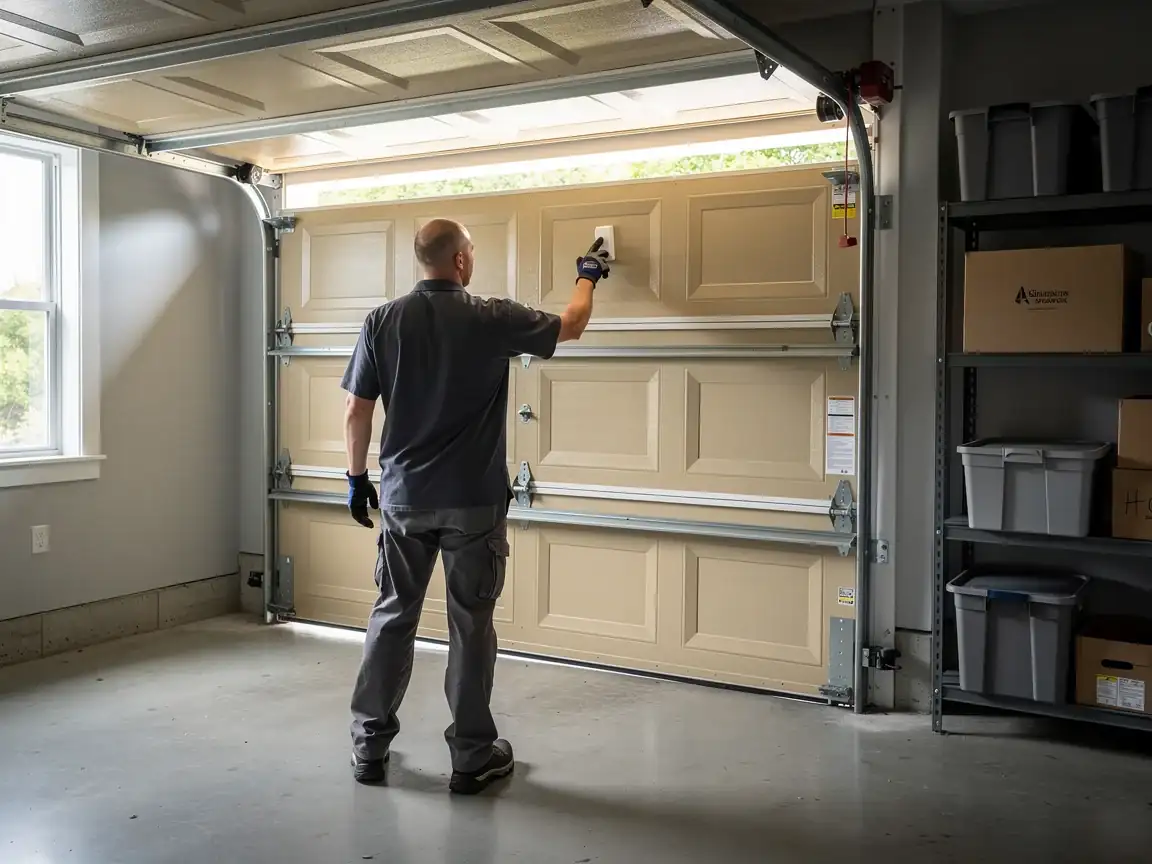
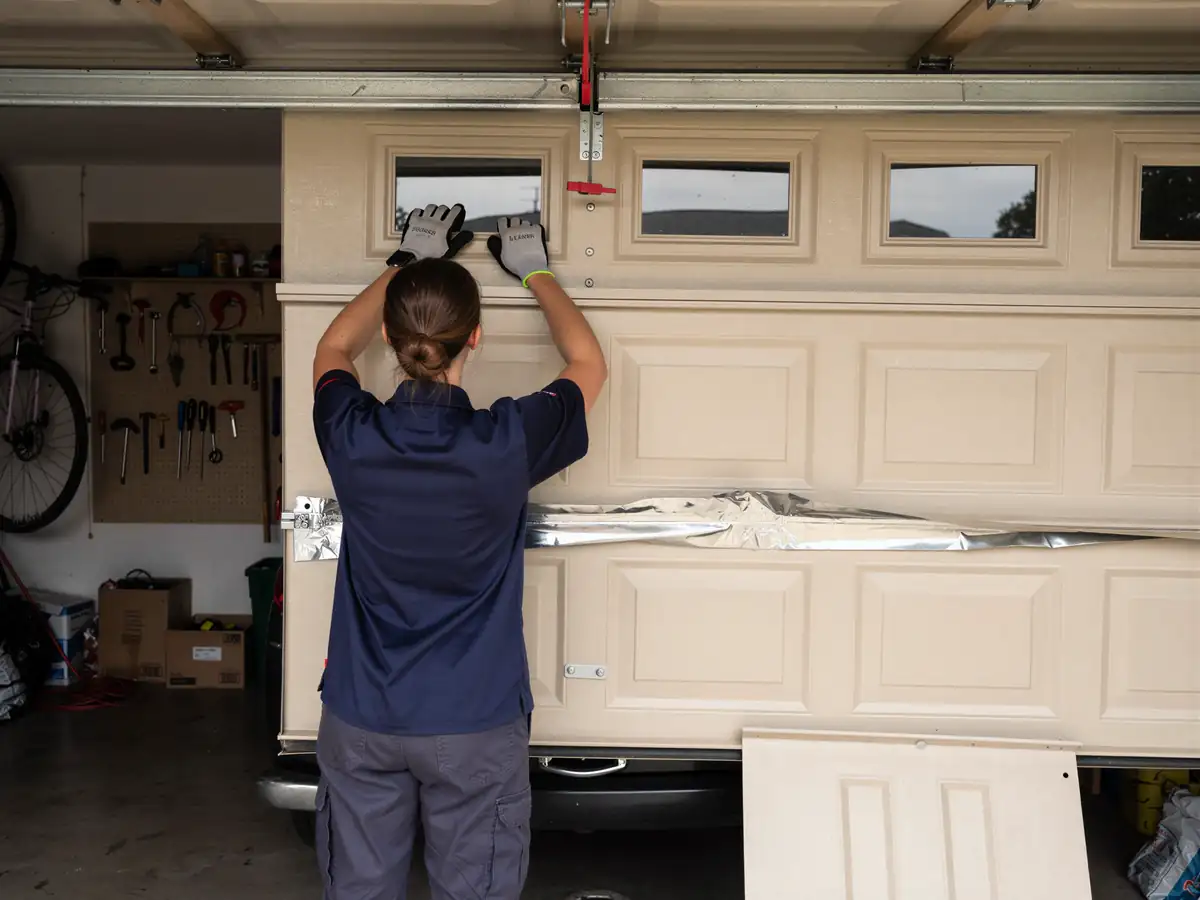
A straight swap - same opening, same track path, no framing changes - is a day's work once the door's on site. The limitation worth saying plainly: insulated and custom-width doors sized for an older opening aren't stock items, so lead time on ordering the door itself usually runs longer than the install does. We won't quote a firm date until the door's confirmed in.
Where the opening needs reframing - jambs built out, header reinforced - that's additional carpentry before the door goes in, and we'll walk you through what that adds to the job before we start, not after. Given South St. Paul's housing stock sits mostly in that 1956-2005 window, with a good share of it closer to the 1957 end, reframing comes up here more than it would in a neighborhood built in the 1980s or later.