Doing It Yourself
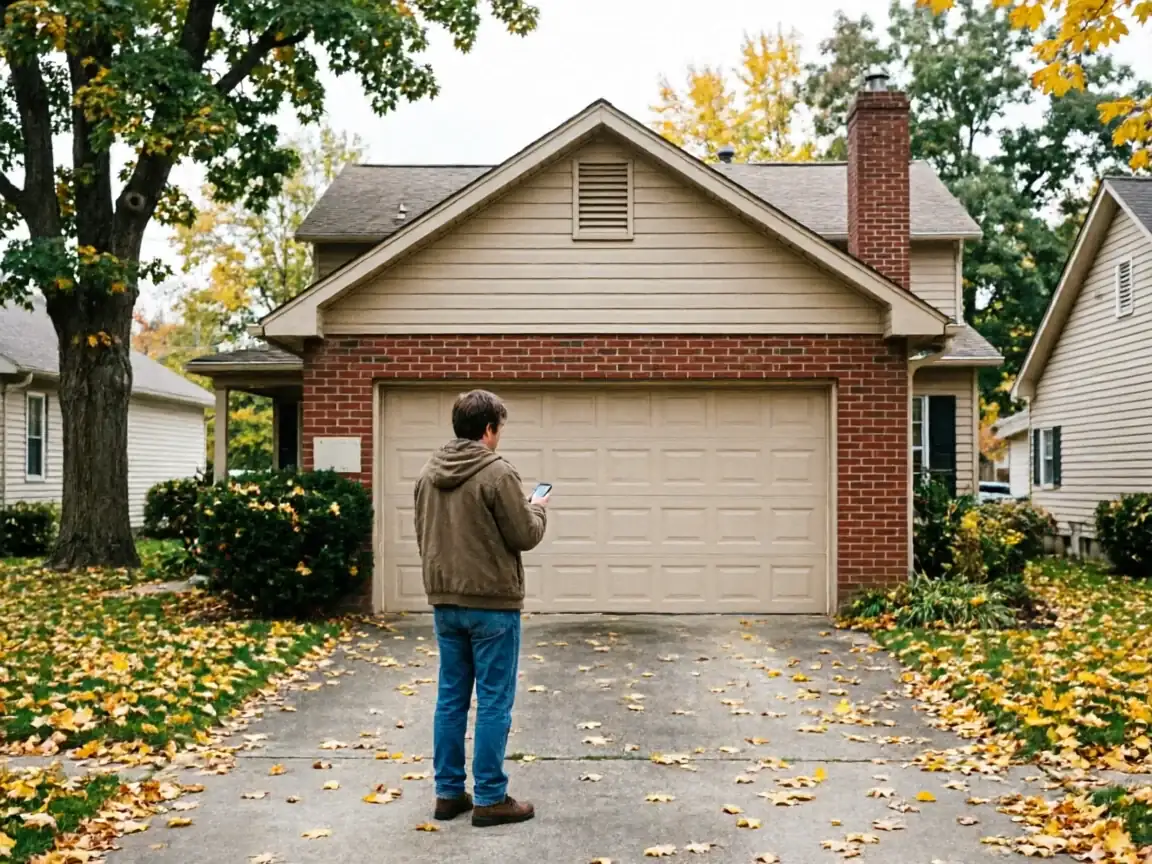
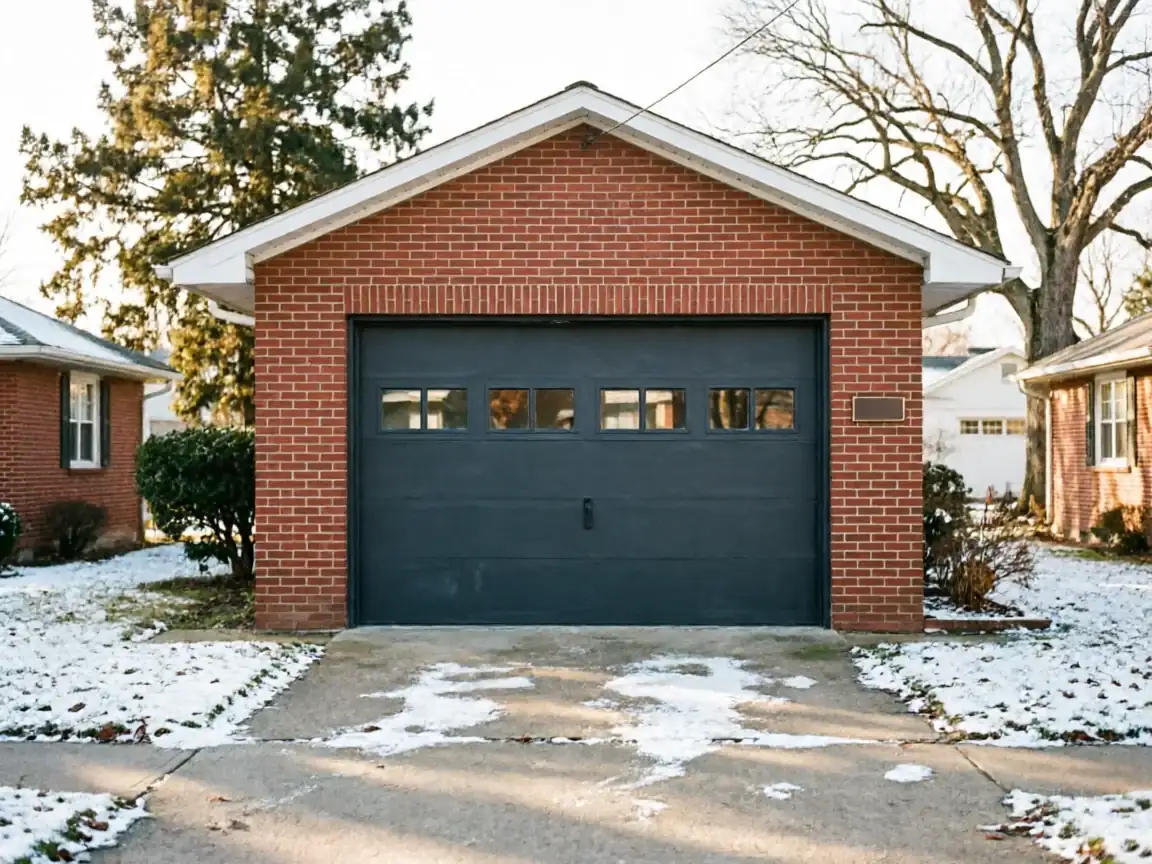
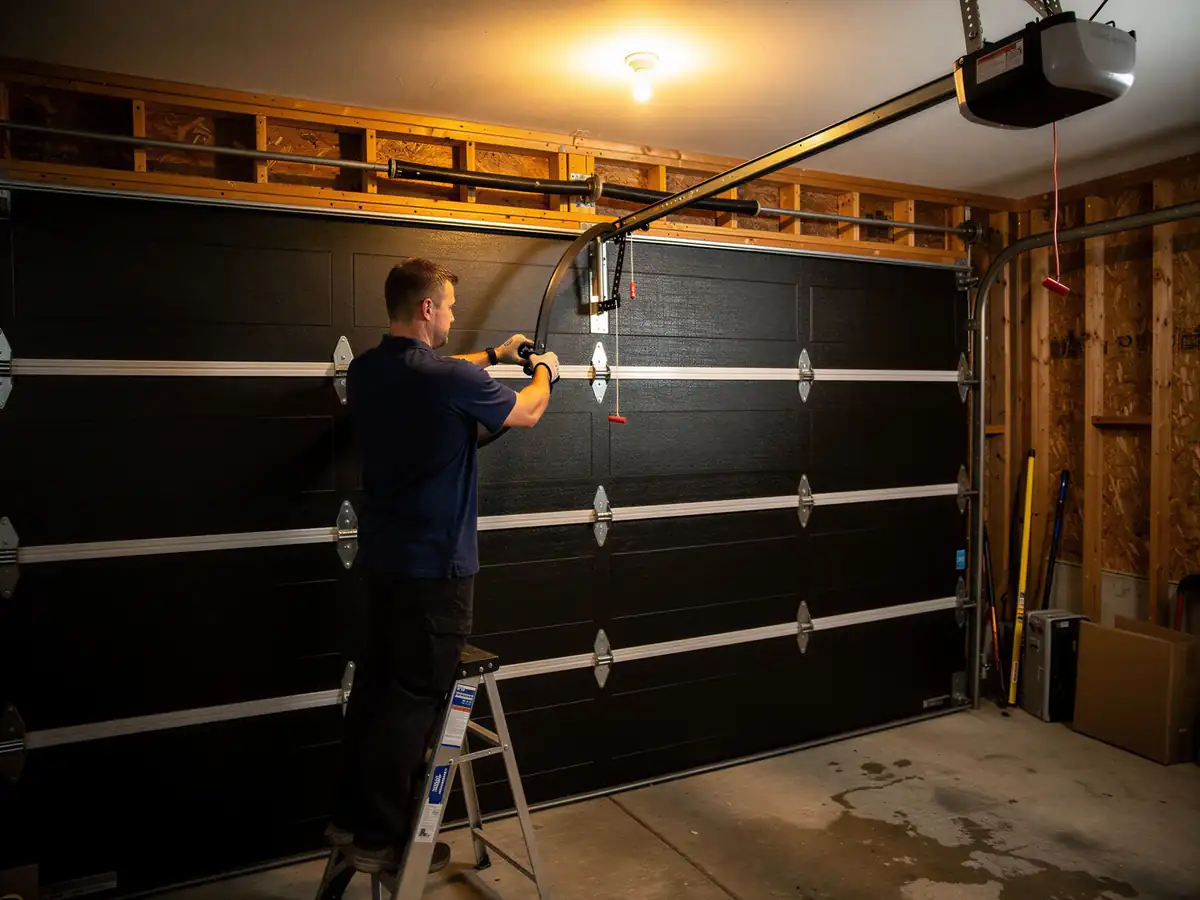
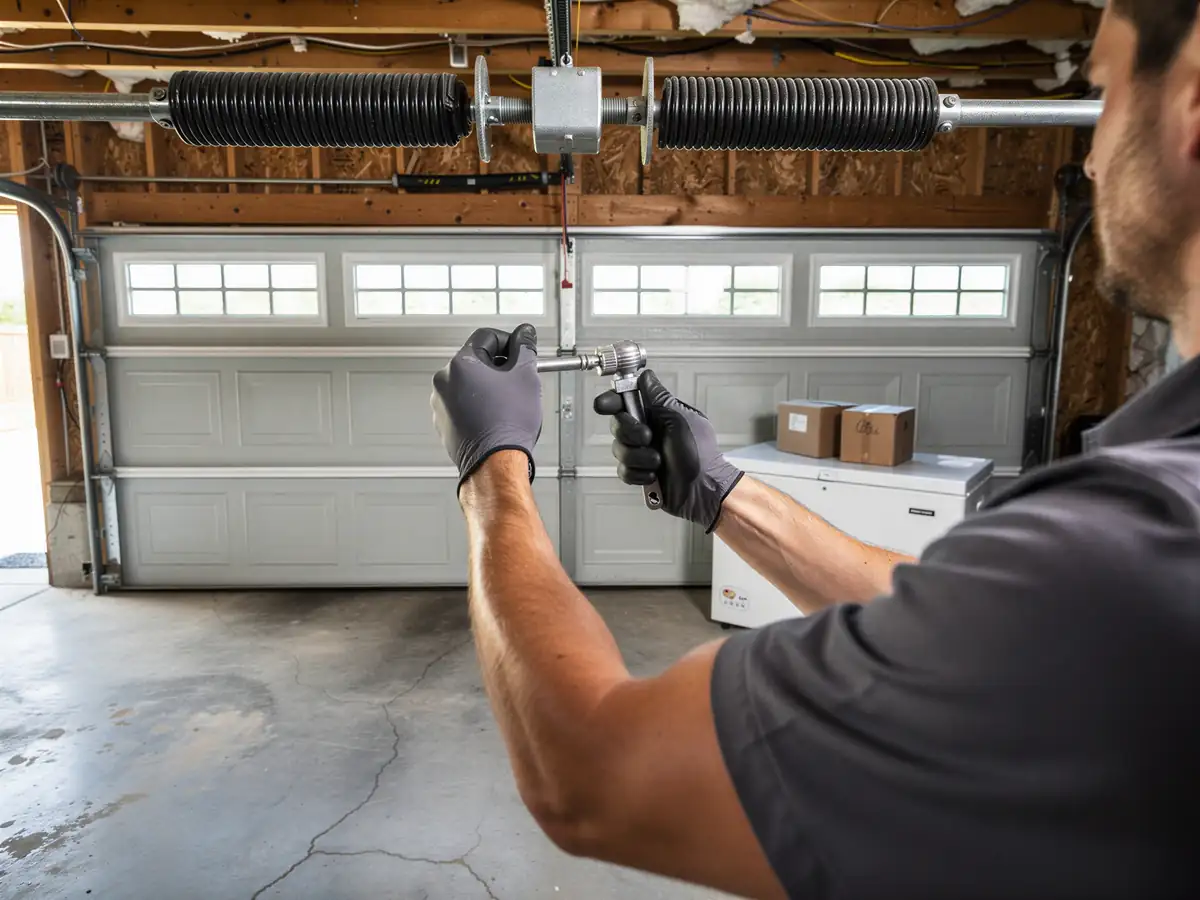
Torsion springs store a dangerous amount of energy, and that doesn't change based on which suburb you're in. What does change here is the age of the hardware you'd be working on. Houses in South St. Paul cluster around 1957, which puts a good share of the doors at the early edge of the 1956-2005 range we see across the territory - well before the 1975 median for the broader area. Older doors often carry original drums and shafts that were never designed for the winding bars and cones sold today, so even a correctly-sized replacement spring can bind on mismatched hardware. We're not going to walk you through winding a spring over the phone. It's one of the few jobs in this trade where a mistake doesn't mean a redo - it means an ER visit. If you've got the tools and the nerve for everything up to removing the old spring, that part's fine. Leave the winding to someone doing it daily.
What You Are Seeing
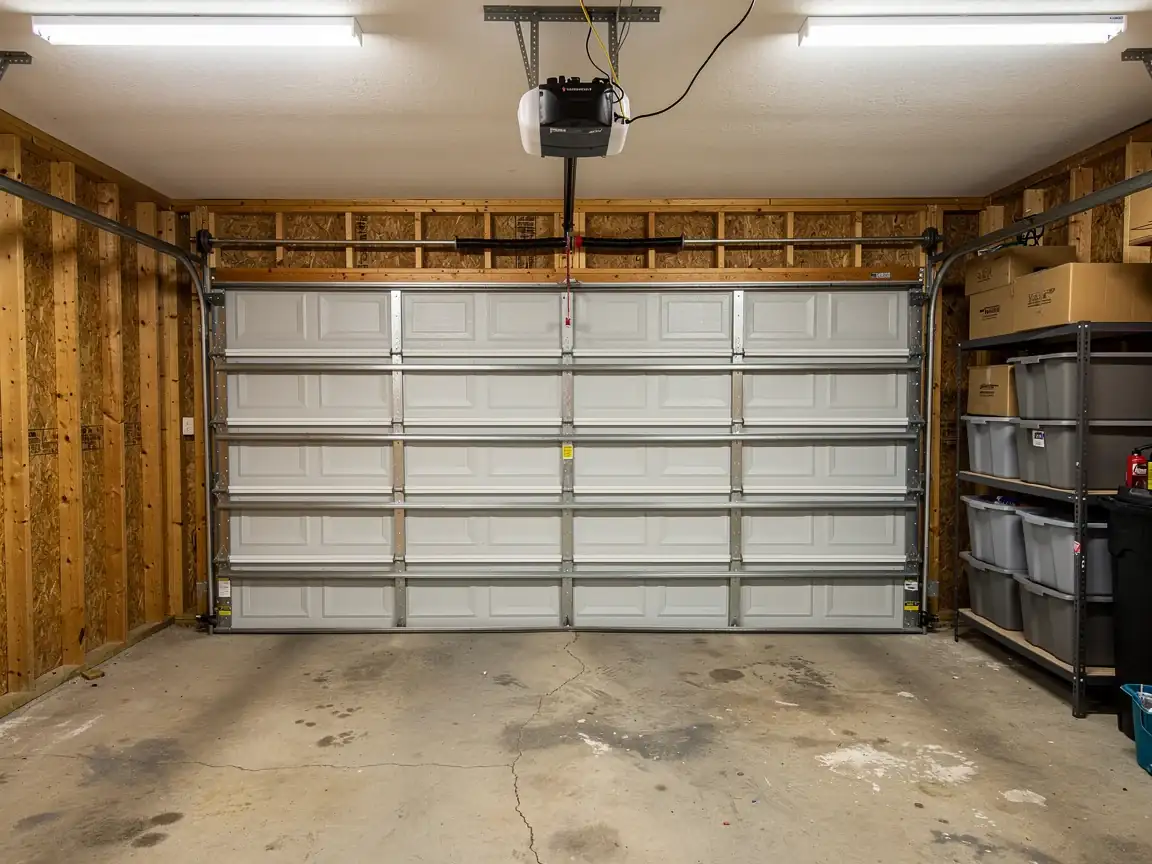
A spring that's about to go usually tells you first: a door that used to float up with one hand now takes real effort, or it jerks instead of gliding on the way down. On houses from the 1950s and 60s, the giveaway is often a loud bang from the garage followed by the door refusing to lift more than a few inches - the classic sign of a snapped torsion spring. Minnesota's cold climate band plays into this. Steel contracts in winter, and a spring already fatigued from decades of cycles is more likely to let go on a sub-zero morning than a mild one. If you notice the cable looking loose or slightly unspooled near the drum, that's often a spring problem showing up a step early, before the actual break. Catching it there saves the cable and the drum from damage too.
What the Repair Takes
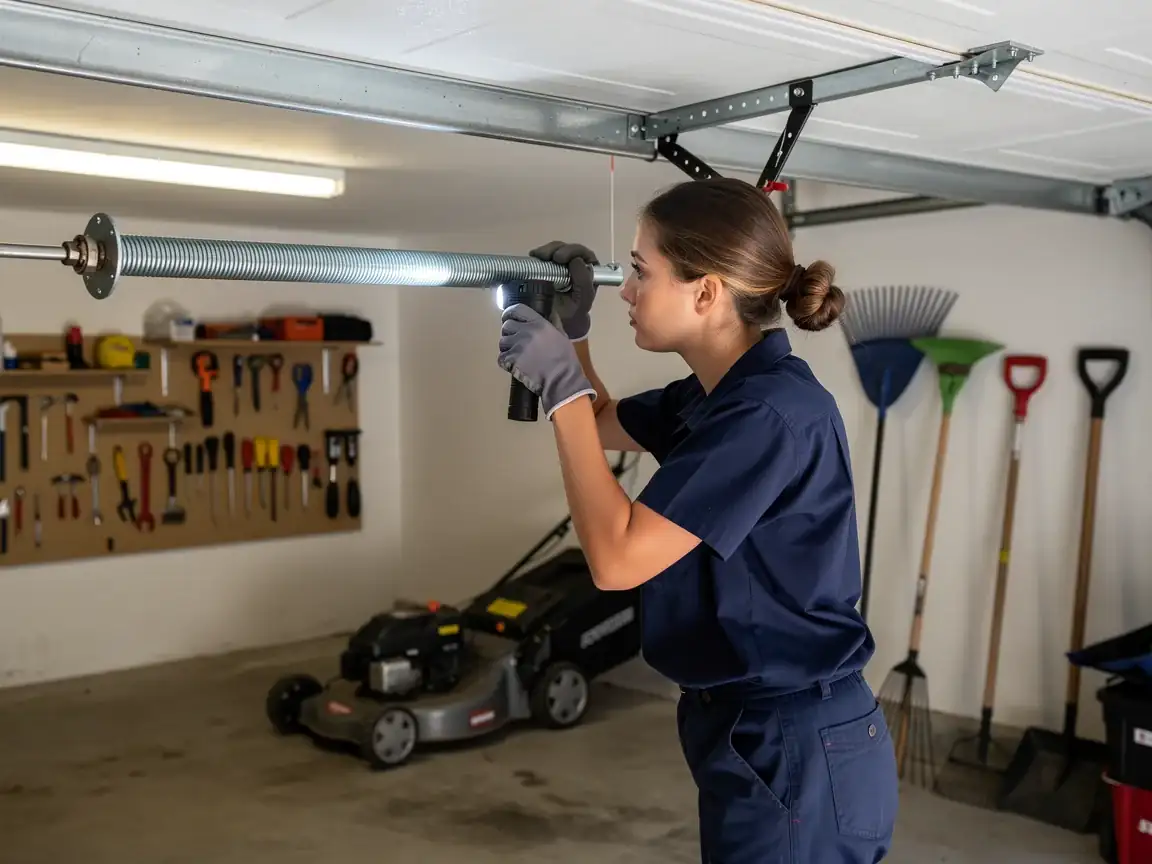
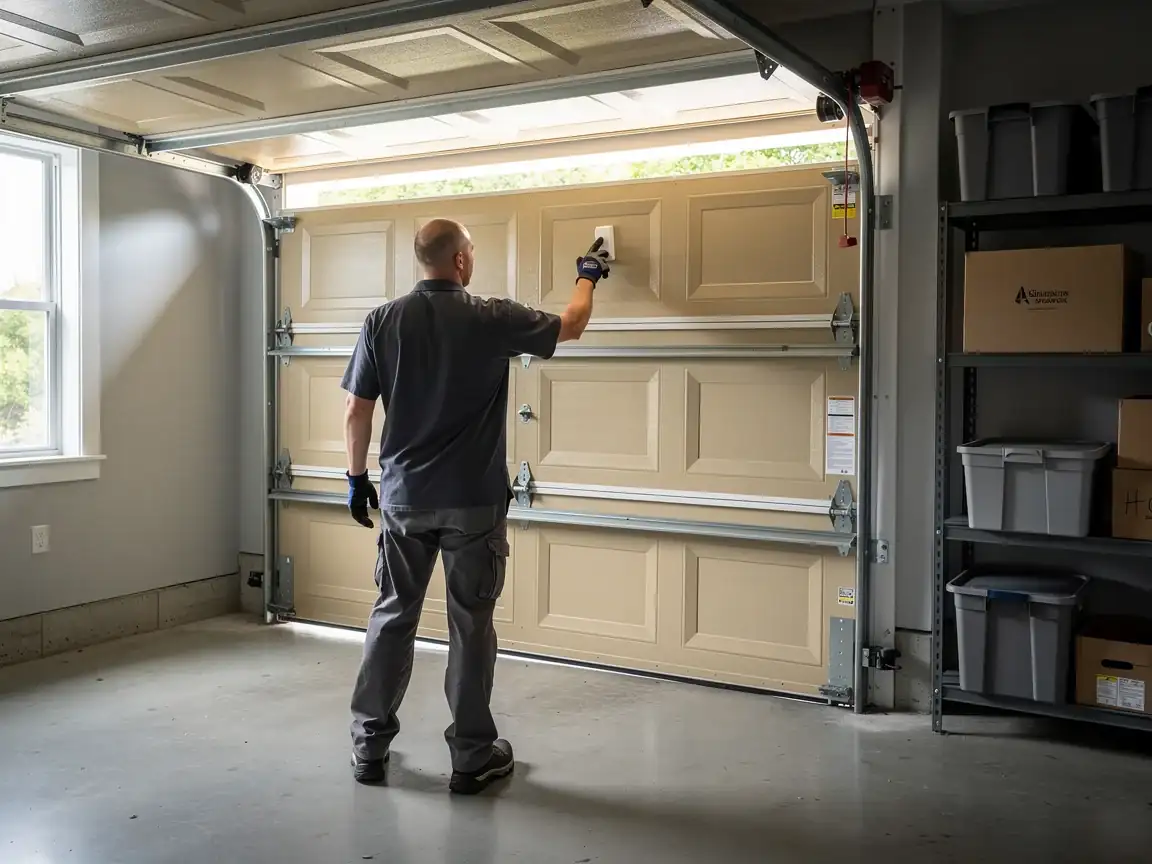
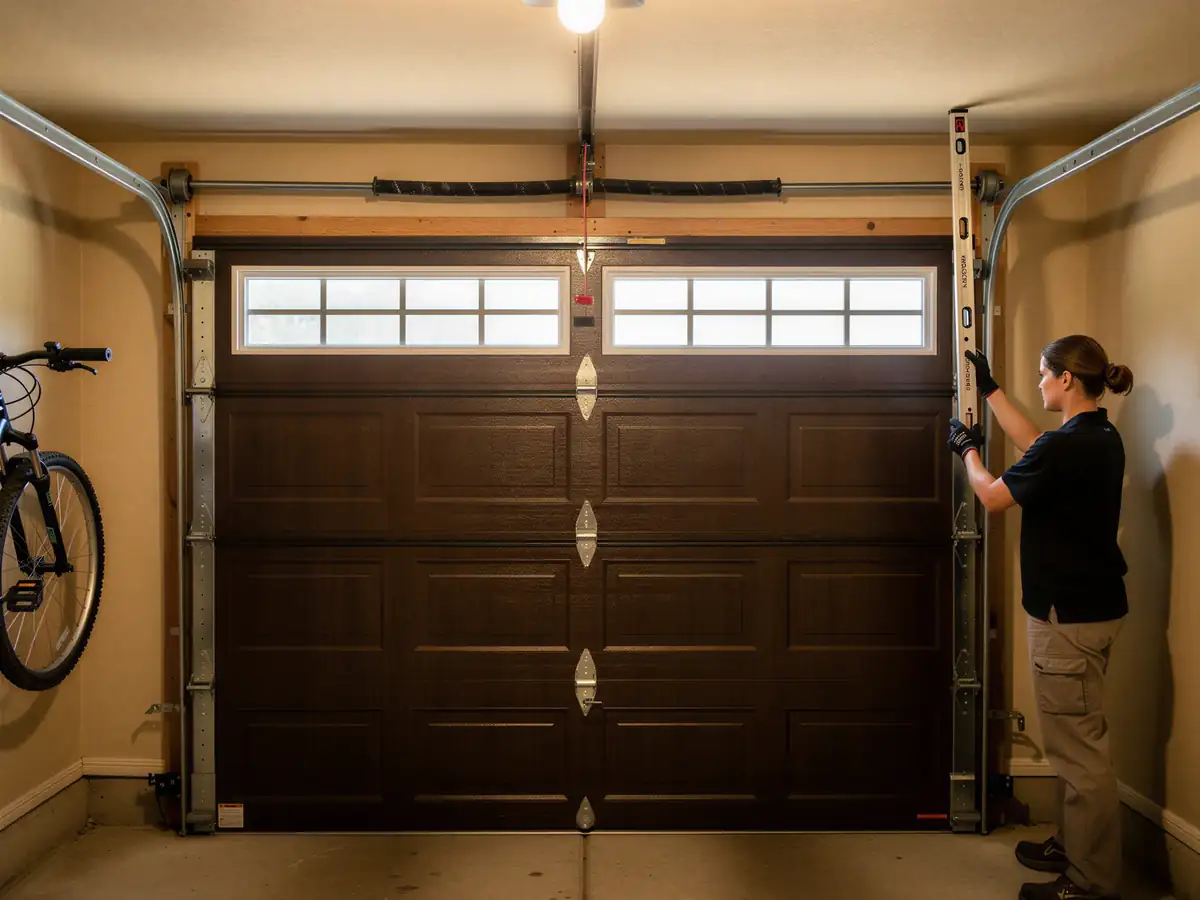
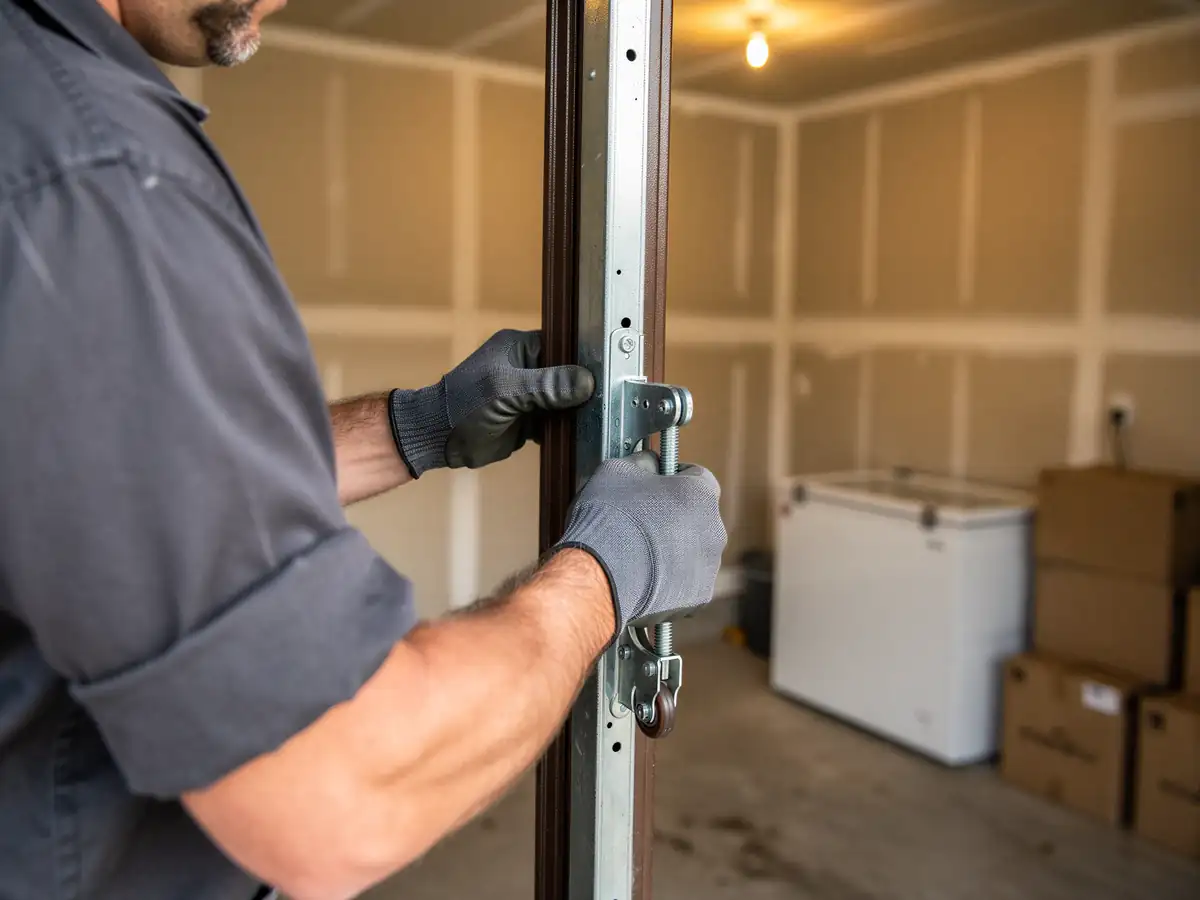
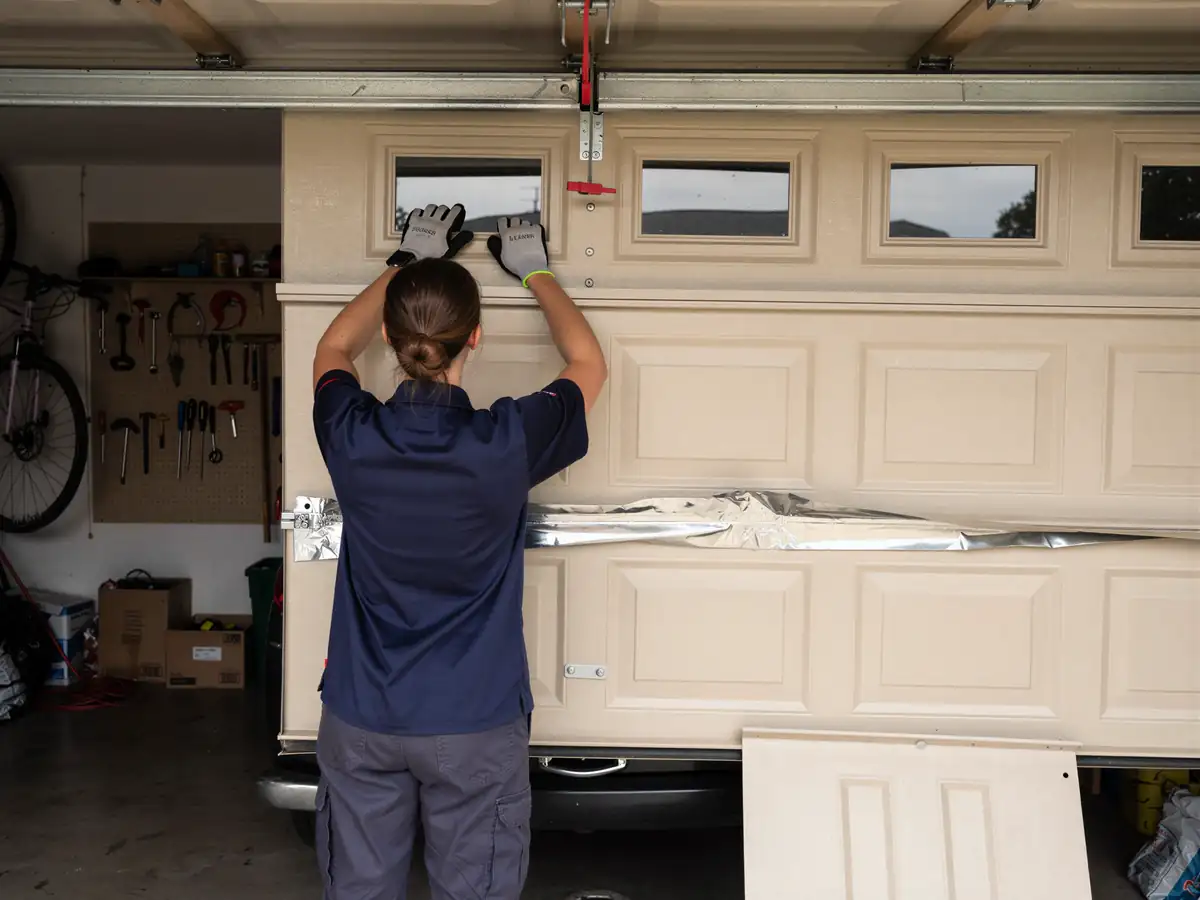
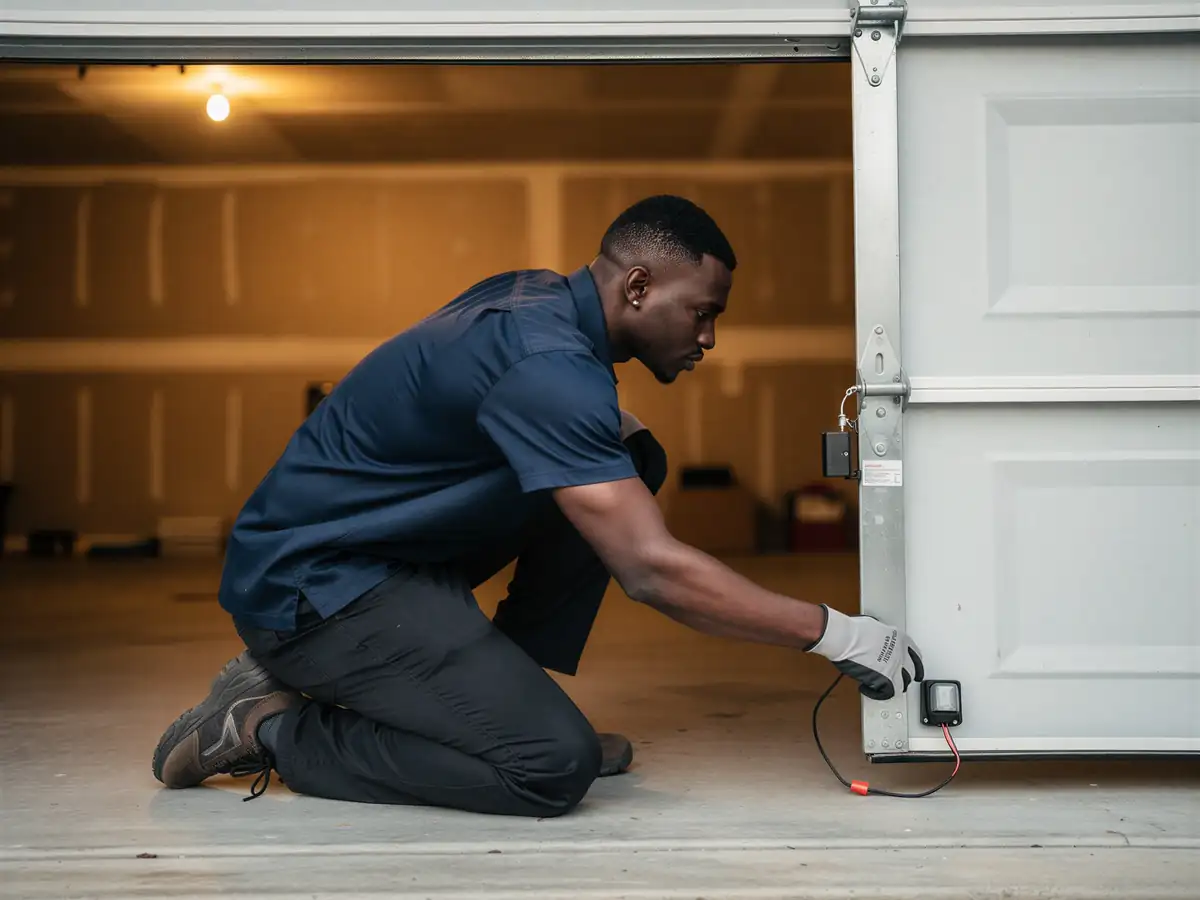
A standard torsion spring swap is a controlled, in-and-out job once the truck is on site - removing the old spring safely, matching wire size and wind direction, and balancing the door so it holds position at any height. On older South St. Paul houses, we spend extra time checking the drums and center bearing before we touch the spring, since hardware built before 1960 wasn't engineered for today's heavier insulated panels and a mismatch there is what actually causes the premature failure. We test the balance by hand, not just by eye, before we call it done. Given the 18-mile run from Savage, we try to confirm spring size and door weight over the phone ahead of the visit so we're not making a second trip for the wrong part.